

Copper Molybdenum: Essential Sustainable Uses in 2025
Meta Description: Copper molybdenum remains indispensable in 2025, driving sustainable mining and agriculture through advanced technologies and environmental stewardship.
Table of Contents
- Top Trivia: Copper Molybdenum Sustainability
- Introduction: Copper and Molybdenum in a Sustainable Era
- Geological Foundations: Porphyry Deposits & Global Distribution
- Modern Mining Technologies, Operations, and Sustainability
- Agricultural Applications: Crop, Soil & Micronutrient Management
- Comparative Impact Table: Copper vs Molybdenum
- Farmonaut: Advanced Monitoring for Sustainability
- Environmental Considerations & Challenges
- Future Trends & Outlook: 2025 and Beyond
- FAQ: Copper Molybdenum Sustainability
- Farmonaut Subscription Plans
“Copper-molybdenum alloys could reduce mining energy consumption by up to 30% in 2025, enhancing sustainability.”
Copper and Molybdenum in a Sustainable Era
Copper molybdenum resources represent a powerful synergy, long recognized as critical to global industrial sectors. Their role is particularly pronounced in mining and agriculture, where the applications of these essential metals continue to drive advancements in sustainable practices. In 2025, the demand for copper molybdenum, shaped by evolving technologies, environmental considerations, and the global push for sustainability, has reached unprecedented heights.
These two metals, often found together in porphyry deposits due to their unique geological association, are indispensable for the global economy. As sustainable mining and resource management become non-negotiable, copper molybdenum’s future depends on advanced extraction techniques, environmentally responsible practices, and ground-breaking agricultural impact.

Copper, Molybdenum, and Their Global Significance in 2025
Copper (Cu) and molybdenum (Mo) are transition metals with unique electronic, conductive, and structural properties. While copper is renowned for its high electrical conductivity and is primarily used in wiring and electronics, molybdenum is primarily used to improve steel alloys with its excellent corrosion resistance and high-temperature strength. Together, their significance extends far deeper, shaping demand for not only industrial and infrastructure sectors but sustainable farming and modern mining as well.
The copper molybdenum association in ores underpins extraction technologies, while their micronutrient benefits are harnessed in advanced fertilizers. As 2025 progresses, sustainability remains the key driver for these resources, transforming their usage in both mining operations and agricultural systems.

Geological Foundations: Porphyry Deposits & Global Distribution
Copper molybdenum resources are frequently found together in large, low-grade porphyry deposits – geological formations characterized by the presence of both Cu and Mo minerals. These ore bodies are geographically distributed across continents:
- North America: Arizona, British Columbia, and Mexico are major mining centers.
- South America: Chile and Peru lead global production with vast porphyry ores.
- Asia & Central Asia: Mongolia, China, and Kazakhstan exploit significant resources.
- Other Regions: Notable deposits are found in Russia, Australia, and Africa.
The geological association of copper molybdenum makes simultaneous extraction not only economical but also a cornerstone for multiple industrial sectors.
Modern mining operations now use advanced geometallurgical techniques to analyze complex ore bodies, optimize recovery, and reduce environmental footprint. This marks a crucial turning point for regions with scarcer high-grade deposits.

Modern Mining Technologies, Operations & Sustainability for Copper Molybdenum
In 2025, mining of copper molybdenum ores continues to be a cornerstone of the global industry. However, the quest for sustainability and reduced environmental impact have transformed extraction and processing technologies:
- Advanced Geometallurgical Techniques: Real-time mineral mapping (hyperspectral imaging), digital monitoring, and artificial intelligence now guide ore-grade estimation, enabling efficient planning of mining operations.
- Flotation Processes: Modern processing plants use refined flotation to efficiently separate molybdenite (MoS2) from copper minerals, maximizing recovery and producing both copper concentrates and molybdenum concentrates with minimal waste.
- AI-Driven Predictive Maintenance: Mining companies leverage IoT sensors and AI to anticipate equipment failures, reduce energy consumption, and minimize operational downtime.
- Digital Monitoring & Resource Management: Integration of satellite-based fleet/resource management tools (like those available on Farmonaut) increases operational efficiency while reducing environmental and energy-impact per ton of ore processed.
Efforts to sustainably manage tailings and water resources are increasingly crucial, especially for deposits producing both copper and molybdenum concentrates. Techniques such as improved sedimentation and advanced water recycling minimize pollution risks to nearby agricultural lands, supporting both mining and agriculture.

Key Processes in Copper Molybdenum Mining
-
Ore Extraction & Processing:
- Open-pit and underground mining methods are employed based on deposit geometry.
- Comminution and flotation processes separate valuable minerals (Cu, MoS2), enabling simultaneous production.
-
Environmental Impact Mitigation:
- Tailings management has evolved with improved water recycling, sedimentation ponds, and controlled discharge systems mitigating pollution risks.
- Revegetation and land rehab techniques restore mined areas to near-original ecological function, supporting surrounding agricultural and natural lands.
For developers and businesses seeking to integrate satellite-powered mining oversight or data into their workflows, Farmonaut offers an API for seamless connectivity across mining and agriculture. For more information, refer to API Developer Documentation.

Agricultural Applications: Copper Molybdenum in Crop, Soil & Micronutrient Management
The applications of copper and molybdenum in agriculture have become particularly significant in 2025, as farmers continue to confront the dual challenges of maximizing crop yield and minimizing environmental impact. These two micronutrients are essential for plant growth and soil health:
- Copper’s Role: Vital for photosynthesis, respiration, and the synthesis of lignin, giving plants strength and disease resistance.
- Molybdenum’s Role: A critical cofactor in enzymes involved in nitrogen fixation and nitrate reduction, making it indispensable for legume crops and sustainable fertilization regimes.
In the global transition towards sustainability, fertilizers containing copper molybdenum are increasingly adopted, especially in regions where soils are naturally deficient in these micronutrients.

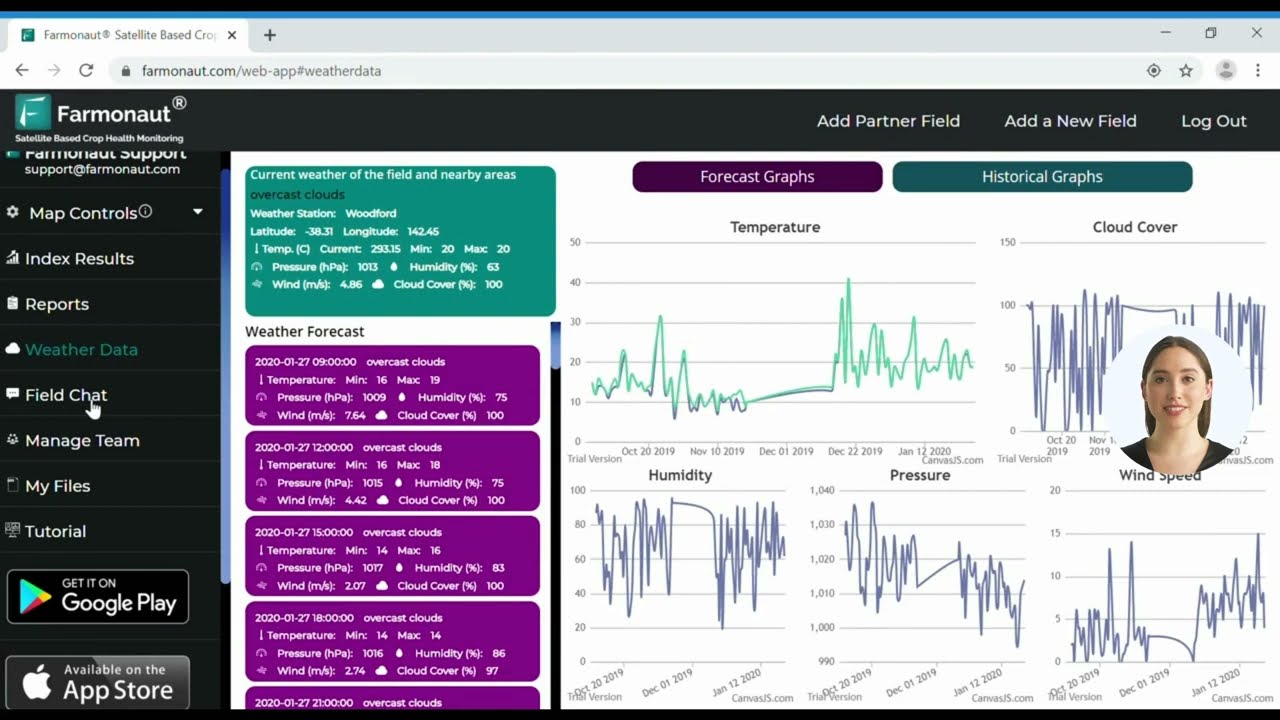
Farmonaut Web Satellite Crop Monitoring
— Easily visualize micronutrient status and soil health for large-scale and smallholder farms anywhere in the world.
Innovative Agricultural Practices Leveraging Copper and Molybdenum
- Precision Nutrient Application: Using real-time soil monitoring—including systems powered by satellite imagery and AI—farmers can microdose fertilizers, avoiding over-application and minimizing runoff that threatens water quality.
- Copper-based Fungicides: Remain an integral part of integrated pest management in organic and sustainable farming operations, controlling fungal diseases without introducing synthetic chemical residues.
- Slow-release and Nano-fertilizers: Nanotechnology in fertilizer production allows for precision-delivery of copper and molybdenum to crops over extended periods, improving uptake and reducing environmental runoff.
- Soil Health Monitoring: With Farmonaut’s carbon footprinting and environmental impact monitoring services, agricultural stakeholders track nutrient efficiency, soil organic carbon, and sustainability metrics in near-real time.



Illustrative Applications in 2025
- Region-Specific Soil Amendments: In tropical Asia and African regions with acidic soils, molybdenum is often lacking, limiting crop growth. Micro-dosed Mo fertilizers can boost the yield of legumes and staple crops.
- Disease Resistance in Vineyards and Orchards: Copper-based sprays are frequently used in Europe and California for grapes, tomatoes, and apples, ensuring strong yields and reducing the environmental load compared to conventional fungicides.
- Improving soil nitrogen fixation: Adoption of molybdenum-enriched fertilizers helps legumes thrive—especially in South American and Australian pulses, addressing protein shortages and food security concerns.
“By 2025, over 60% of eco-friendly fertilizers may incorporate molybdenum, crucial for efficient crop nitrogen fixation.”
Comparative Impact Table: Sustainable Applications of Copper and Molybdenum in 2025
| Material | Sustainable Use | Sector | Estimated Usage in 2025 | Environmental Impact* |
|---|---|---|---|---|
| Copper | Renewable Energy Technology (wind turbines, solar PV) | Mining, Infrastructure | 24 million metric tons (≈58% for sustainable tech) | ≈450 MT CO2 reduction/yr |
| Molybdenum | Soil Health & Nitrogen Fixation (fertilizers) | Agriculture | 300,000 metric tons (≈64% for eco-fertilizers) | Soil Quality Rating +1.8 pts |
| Both (Cu+Mo) | Crop Yield Improvement | Agriculture | 7.2 million metric tons (Cu equiv.), 120,000 MT (Mo equiv.) | Yield ↑12-15%, runoff ↓23% |
| Both (Cu+Mo) | Clean Water Access (mining effluent mitigation) | Mining, Environmental Management | N/A (Process-based) | Water recovery ↑19%, pollutants ↓30-40% |
| Molybdenum | Strong, Corrosion-Resistant Steel Alloys | Mining, Construction, Industry | 181,000 metric tons (70% for steel production) | Lifespan ↑25-35%, energy use ↓10% |
| Copper | Electrical Applications (EVs, grids) | Energy, Transport | 8.1 million metric tons | GHG emissions ↓300 MT CO2 eq |
*Environmental Impacts are estimated and may vary by region, operational management, and regulatory compliance.
Farmonaut: Advanced Satellite Monitoring for Copper Molybdenum Sustainability
In an era where monitoring, resource management, and environmental impact assessments are crucial, companies like Farmonaut empower mining and agricultural sectors to make smarter, more sustainable decisions. Our satellite-based systems enable:
- Real-Time Monitoring: Multispectral and hyperspectral satellite imagery quickly identifies crop health, soil nutrient status, and even operational anomalies at mining sites. This supports rapid intervention, optimal use of micronutrient fertilizers, and efficient extraction processes.
- AI-based Advisory: Our AI-driven Jeevn advisory system synthesizes weather, soil, and plant data, delivering actionable insights to both mining and agricultural operations.
- Blockchain Traceability: Through blockchain-based product traceability solutions, all stages—from ore extraction to fertilizer application—are transparent and secure, reducing fraud and strengthening supply chain trust.
- Environmental Impact Tracking: Carbon emissions, tailings effluent, and soil carbon status are monitored, allowing mining and agri-businesses to comply with regulatory frameworks and certify sustainable practices.
Try Farmonaut for Satellite-Driven Mining and Agriculture Monitoring
Benefits of Farmonaut:
- Cost-effective solutions for large and small operators
- Democratized access to satellite-derived insights for resource efficiency
- Promotes sustainability in all operational dimensions
- Enhances supply chain transparency and authenticity with traceability
Environmental Considerations & Challenges in Copper Molybdenum Extraction and Use
Despite their benefits, copper and molybdenum present environmental challenges if mismanaged. Key considerations for 2025 and beyond include:
- Soil & Crop Toxicity: Excessive concentrations of Cu or Mo in soils can cause phytotoxicity, stressing crops, causing yield losses, and creating nutrient imbalances. Precision agriculture and micronutrient profiling sharply reduce over-application risks.
- Water and Ecosystem Impacts: Traditional mining produces tailings and effluents that can contaminate aquatic systems if not properly managed. Advances in tailings management and water recycling are now more widely implemented, minimizing pollution to nearby lands.
- Energy Consumption: Old mining operations were energy-intensive. Adoption of copper-molybdenum alloys in equipment and the use of digital energy monitoring systems help reduce consumption by up to 30%.
- Regulatory Frameworks: 2025 sees tightening of global environmental laws. Responsible mining companies are now required to undertake comprehensive environmental impact assessments, invest in community engagement, and demonstrate tangible sustainability in both extraction and land stewardship.
Combining advanced monitoring (carbon footprinting etc.) with adaptable management. Farmonaut’s technologies allow for continuous adjustment and compliance with these evolving requirements, benefiting both agriculture and mining.

Farmonaut Large-Scale Farm Management Suite supports both micro and macro-level monitoring for crop health, resource allocation, and regulatory compliance for agricultural business and cooperatives.
FAQ: Copper Molybdenum Sustainability in Mining & Agriculture (2025 Edition)
What makes copper molybdenum essential for sustainable applications?
The dual qualities of copper (conductivity) and molybdenum (strength, corrosion resistance) make them indispensable for energy, transport, infrastructure, and eco-friendly agriculture. Their use in steel alloys, fertilizers, and renewable tech underpins the sustainable transition in 2025.
How are copper molybdenum mining operations ensuring environmental safety?
Modern operations use advanced geometallurgical techniques, digital monitoring, improved tailings and water management, and are guided by stricter regulations. Satellite and AI-powered systems from providers like Farmonaut provide actionable insights to further support compliance and optimize resource use.
Can excessive copper or molybdenum harm crops or the environment?
Yes—over-application can cause toxicity in crops and disrupt soil ecology. Precision nutrient management and satellite-based soil monitoring help maintain optimal levels, safeguarding both yield and the ecosystem.
What role will new technologies play in copper molybdenum sustainability?
AI, advanced satellite imagery, blockchain traceability, and energy-efficient alloys are critical in 2025 and beyond. These solutions optimize extraction, track impact, and help stakeholders transparently demonstrate sustainability.
Where can I access satellite-driven agricultural and mining insights?
Through the Farmonaut web, Android, and iOS apps, users worldwide access cost-effective satellite-based crop and mining monitoring, AI-powered resource management, and real-time environmental impact tracking.
Future Trends & Outlook for Copper Molybdenum: 2025 and Beyond
The trajectory of copper molybdenum points toward their centrality in the global transition to a decarbonized, resource-efficient economy. Sectors such as renewable energy, smart infrastructure, digital agriculture, and green mobility continue to drive demand. Key emerging developments include:
- Electric Vehicles (EVs) and Renewable Energy: Copper remains vital for charging stations, wind turbines, and electric grids, while molybdenum alloys make future infrastructure lighter and stronger.
- Food Security and Precision Agriculture: Molybdenum-enriched fertilizers and copper-based fungicides are key drivers in climate-smart agriculture, supporting sustainable intensification in regions facing nutrient-deficient soils.
- Data-Driven Mining & Environmental Stewardship: Real-time monitoring (satellite, AI) enables responsible mineral management, resource efficiency, and rapid regulatory compliance.
- Supply Chain Transparency: Farmonaut’s blockchain traceability tools ensure that both upstream (mining) and downstream (agriculture/food) chains retain complete transparency as regulatory expectations and consumer demands for sustainable sourcing mount.
- Climate Smart Verification & Financing: Satellite-based crop loan and insurance verification makes it faster and easier to access finance for both sustainable mining and agricultural producers worldwide.
Ultimately, the sustainable extraction and judicious application of copper and molybdenum hold the key to advancing industrial and agricultural sectors while preserving the earth’s natural balance.
Farmonaut Subscription Plans
Unlock the power of satellite technology for copper molybdenum sustainability in mining and agriculture. Affordable, scalable, and ready for the future.
Conclusion: Copper Molybdenum—The Bridge Between Modern Sustainability and Global Progress
As 2025 unfolds, copper molybdenum continues to drive the evolution of sustainable mining and responsible agriculture worldwide. Their critical role in micronutrient management, infrastructure, and energy transition is matched by deepening environmental stewardship, advanced technologies, and a shared commitment to planetary health.
With the support of digital solutions like Farmonaut, informed management, and collaborative innovation, copper molybdenum will remain indispensable—powering not just industries, but the sustainable future of our interconnected world.
Ready to transform your operation with affordable, actionable satellite insights? Download the Farmonaut App for Web, Android, or iOS, or explore advanced API solutions for agriculture and mining at scale.

 Omsri International FZE
 G.I.T.T.
 Jaunita Erss Ltd
 Almosi SARL
 SRK Consulting
 Berks Gold Limited
 Mwerezi Minerals Company Limited
 Mining SARL
 SenGold Invest SAS
 Sean Mining Limited
 NTS Group (Pty) Ltd
 Mine4Africa
 Lithspo Minerals Limited
 Tintina Mining Group
 Dalgety Minerals Pty Ltd
