

Table of Contents
- Introduction: Diamond Mining Environment – 2026 Outlook
- Environmental Impacts of Diamond Mining and the Environment
- Key Environmental Challenges in Diamond Mining
- 7 Sustainable Solutions for Diamond Mining in 2026
- Comparing Diamond Mining Methods for Environmental Impact
- Technological Innovations & Farmonaut’s Role
- FAQs: Diamond Mining and Sustainable Approaches in 2026
- Conclusion: The Future of Diamond Mining and Sustainability
“Diamond mining can disturb over 400,000 hectares of land globally each year, intensifying ecosystem vulnerability.”
Diamond Mining Environment: 7 Sustainable Solutions 2026
Meta Description: Environmental impacts of diamond mining remain a critical concern in 2025 and beyond. Discover 7 sustainable solutions to protect water, land, and ecosystems while balancing diamond mining and economic development.
Introduction
Diamond mining has long stood at the crossroads of economic ambition and environmental stewardship. Especially in areas like Africa, Canada, Russia, and Australia—regions renowned for their mineral wealth—this activity fuels economies and communities. Yet the issue of diamond mining and the environment only grows more critical as we head towards 2026. The heavy footprint left by mining on land, water, ecosystems, and biodiversity is forcing the entire sector, from mining companies to local communities, to rethink traditional approaches and embrace sustainable practices. This comprehensive guide explores the environmental impacts, sheds light on the unique challenges of 2025, and details seven actionable and innovative solutions outlined for a greener, more responsible diamond mining industry in 2026 and beyond.



Summary: Environmental Impacts of Diamond Mining – Challenges and Sustainable Approaches in 2025 and Beyond
The environmental impacts of diamond mining present significant challenges as societies worldwide seek to balance economic development with the preservation of natural habitats. As methods evolve and new advancements emerge, understanding these implications enables us to better mitigate the adverse effects on ecosystems, communities, soil, and water. Our focus is on actionable, sustainable approaches that align with stricter regulatory standards and the growing demand for transparency in 2026.

Environmental Impacts of Diamond Mining and the Environment
To fully appreciate the scope of diamond mining and the environment in 2026, we must first analyze how these activities disrupt nature, alter landscapes, and threaten biodiversity. This extends from soil erosion and aquatic pollution to broad-scale greenhouse gas emissions—affecting not only nature but also communities and economic prospects for developing countries.
Diamond Mining Methods: Alluvial vs. Kimberlite Pipe
- Alluvial Mining: Involves extracting diamonds from riverbeds and sediments. This process often leads to the disruption of waterways, increased sedimentation, and degradation of aquatic habitats.
- Kimberlite Pipe Mining: Targets primary rock formations, typically using open-pit or underground mining techniques. The former drastically alters landscapes and causes loss of vegetation and overburden removal; the latter, while less disruptive at the surface, brings its own set of challenges.
Environmental Footprint: Land, Water, Biodiversity
Land alteration is a hallmark, with large-scale mines removing vast amounts of overburden and vegetation, decreasing soil stability in surrounding areas. Water usage remains high, with operations sometimes consuming up to 5,000 liters per carat, straining local supplies. Waste rock and tailings generated may contain harmful substances, contaminating groundwater if not properly managed.
This footprint leaves a trail of adverse effects—from soil degradation leading to reduced agricultural productivity to declining quality and flow of water supplies, especially in arid regions.
Social and Ecological Implications
- Land displacement and threats to local communities
- Health risks from air and water pollution
- Biodiversity loss through habitat destruction and fragmentation
- Soil contamination and erosion impacting food security
- Compounded impacts in developing countries—where regulations may be weaker
For real-time monitoring of mining’s environmental impact, Farmonaut’s Carbon Footprinting tools empower operators to visualize emissions and quantify their environmental footprint, streamlining sustainability reporting.
“In 2025, water pollution from diamond mining is projected to threaten over 25% of local freshwater sources in mining regions.”
Key Environmental Challenges in Diamond Mining (Focus Keyword)
- Intensive Water Use and Pollution: Water for processing and dust control is drawn from local water bodies. Poorly managed waste effluents often cause increased sedimentation, altering flow and degrading aquatic habitats.
- Soil Erosion and Instability: Alluvial mining leads to riverbank disturbance, risk of landslides, and chronic soil instability in surrounding areas.
- Habitat Disruption and Biodiversity Loss: Open-pit and kimberlite pipe mining are drastically altering landscapes, removing vegetation, and fragmenting habitats—negatively affecting endemic species.
- Contamination of Soil and Groundwater: Waste and tailings from extraction may contain harmful chemicals (cyanide, heavy metals). These substances can contaminate groundwater if improperly managed.
- Greenhouse Gas Emissions: The energy-intensive nature of mining operations—through machinery, diesel, and explosives—contributes to global climate change.
- Social and Economic Inequity: Forced land acquisitions, loss of livelihoods, social conflicts, and minimal returns for local communities exacerbated by limited regulatory oversight in developing countries.
- Regulatory and Traceability Gaps: Weak environmental governance enables illegal extraction, fraud, and poor resource management, undermining trust in responsible mining.

Comparative Note: Lithium Mining Environment & Uranium in the Environment
It is important to recognize the similarities across resource-extractive industries. The lithium mining environment and uranium in the environment grapple with related issues of water stress, landscape disruption, and pollution. However, unique chemical profiles and risks add to diamond mining and the environment’s urgency for best-in-class sustainable practices.

7 Sustainable Solutions for Diamond Mining and the Environment in 2026
As the environmental, social, and regulatory challenges of diamond mining intensify, the sector is increasingly turning to driven innovation and best-in-class practices to mitigate adverse effects. Here are seven sustainable solutions helping transform diamond mining’s footprint in 2026.
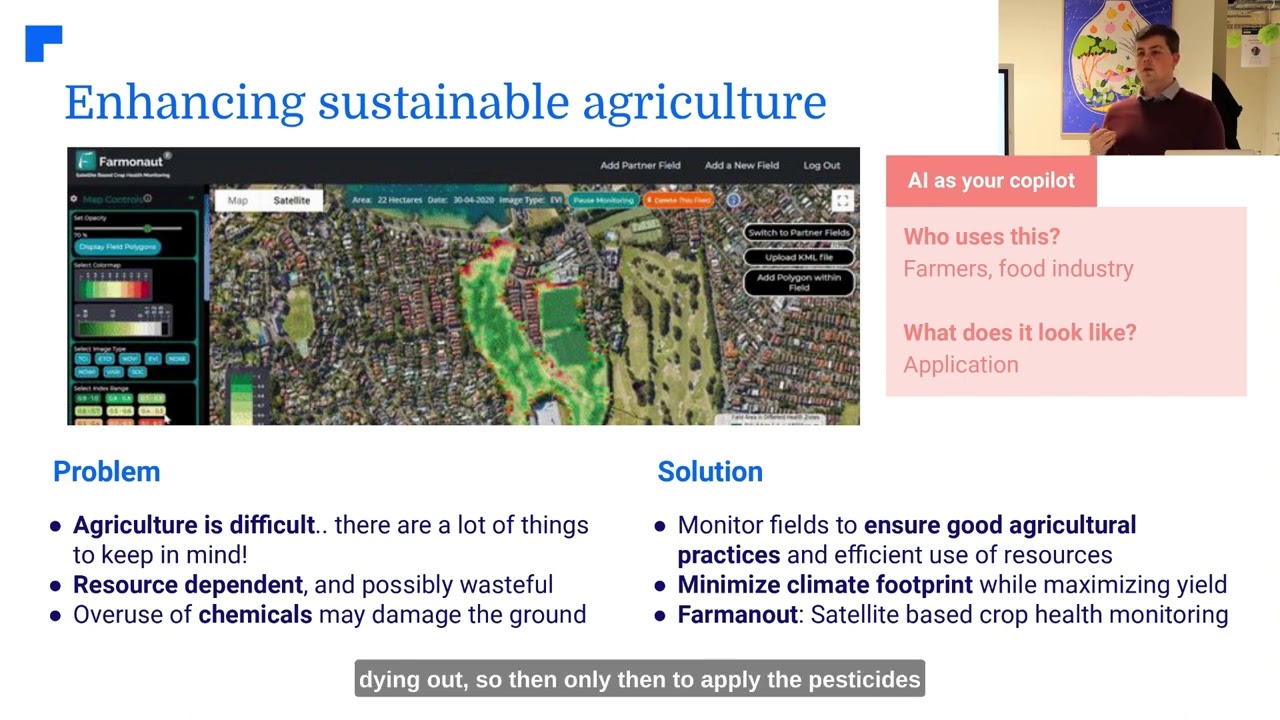
1. Precision Site Identification with Satellite-Based Remote Sensing and GIS
Advancements in satellite-based remote sensing and Geographic Information Systems (GIS) now enable mining companies to map mineral deposits with drastically less surface disruption—even before drilling.
- Benefits:
- Allows for targeted extraction, reducing unnecessary land clearance
- Minimizes habitat loss and soil erosion
- How it works:
- Analyzes multispectral satellite data to identify ore signatures, surface vegetation stress, and water pathways
- Helps regulate water use and monitor ecological change over the mine’s lifecycle

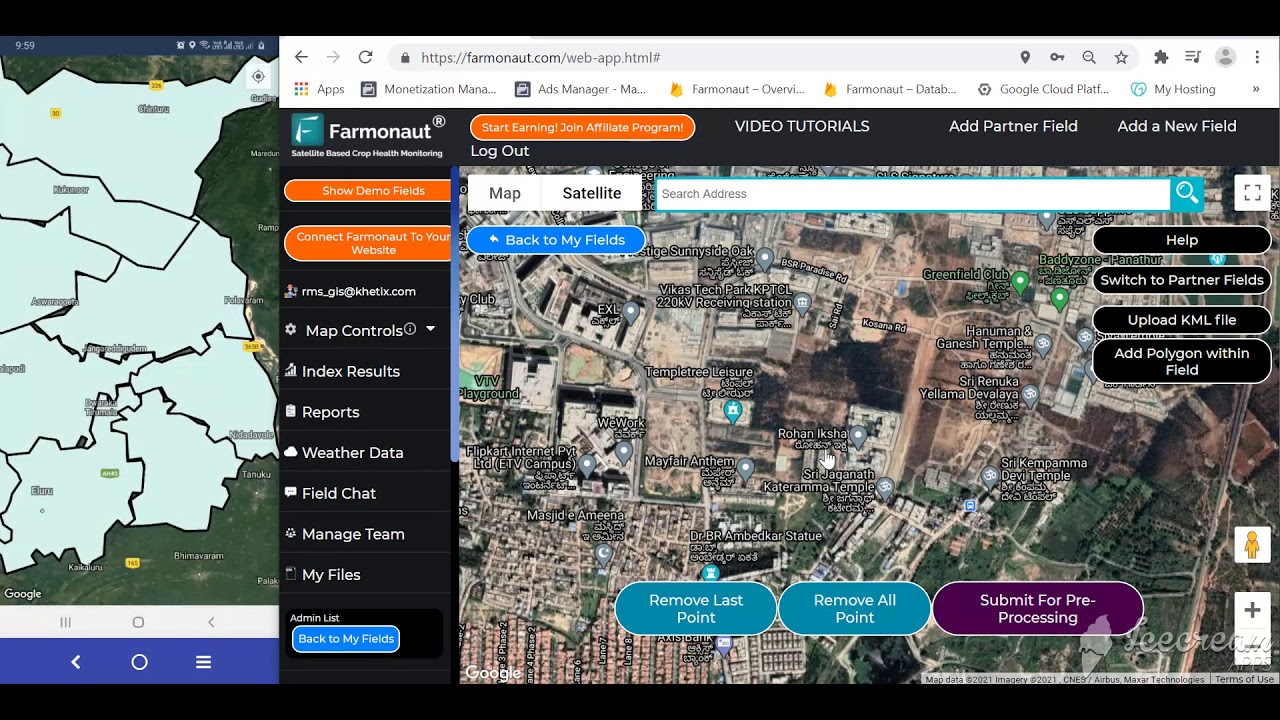
Tip: Farmonaut’s Large Scale Monitoring Platform puts GIS-powered, satellite updates into the hands of operators, ensuring responsible development and effective, real-time environmental assessment.
2. Advanced Mine Planning and Dynamic Land Reclamation
Modern mine planning now integrates environmental, hydrological, and topographical datasets, enabling better forecasting of impacts and more effective post-mining restoration.
- Proactive strategies:
- Minimize disturbed land area
- Design for sequential land reclamation during active operations
- Rehabilitation with local, native species for increased biodiversity
- Automated surveys and drone mapping bridge temporal data gaps, tracking vegetation and hydrological restoration success.
Did you know? The use of environmental impact monitoring technologies can reduce restoration timeframes by up to 25% in some mining regions.
3. Water Recycling, Conservation, and Pollution Control
By 2026, stringent water management is non-negotiable. Next-generation mines deploy closed-loop water recycling systems and robust effluent treatment to preserve precious local supplies.
-
Innovation Examples:
- Membrane filtration for tailings pond purification
- Rainwater harvesting for dust management
- Constructed wetlands for natural pollutant removal
- Flow meters and satellite IoT sensors help monitor usage and leakage in real time
Important: Proper water management also reduces the risk of sedimentation, aquatic habitat degradation, and landslides—delivering measurable environmental benefits.
4. Transitioning from Open-Pit to Underground Mining: Reducing Surface Disruption
Where ore body geometry and economics permit, new projects increasingly favor underground over open-pit extraction. The former is less visible, has a reduced surface footprint, and helps preserve surface habitats.
- Underground extraction can reduce habitat loss by up to 60% compared to traditional open-pit mining.
- Daily monitoring of ground stability and air quality curbs future environmental and safety risks.
5. Biodiversity Offsetting and Ecosystem Restoration
Biodiversity offsetting requires that for every hectare of land negatively affected, an equivalent (or better) ecosystem is restored elsewhere. Integrated with rigorous rehabilitation programs, this technique supports long-term habitat preservation and wildlife corridors.
-
Best Practices:
- Engagement with local communities for site restoration and long-term management
- Sourcing of native flora for revegetation and erosion control
- Remote drone surveillance for compliance and progress tracking
Offset programs must be transparently audited and linked to international biodiversity goals.

6. Lab-Grown & Recycled Diamonds: Decoupling Economic Growth from Environmental Impact
As consumers and companies seek sustainable alternatives, lab-grown and recycled diamonds are taking center stage—especially in North America and Europe. Manufactured via chemical vapor deposition or recovered from old jewelry, these stones cut out the need for vast land alteration altogether.
-
Benefits at a Glance:
- Up to 80% reduction in CO₂ emissions vs. traditional mining
- Minimal or no water use
- Zero new habitat disturbance
For traceability of source and production, blockchain-based traceability tools like those provided by Farmonaut strengthen consumer trust while reducing fraud.

7. Integration of ESG Principles and Transparent Reporting
In line with global regulatory trends, diamond mining companies increasingly align with Environmental, Social, and Governance (ESG) frameworks, ensuring:
- Rigorous environmental impact assessments before license approval
- Public disclosure of mine footprint, water use, biodiversity offsets, and community outreach
- Integration of AI and blockchain for resource management and reporting (Fleet and Resource Management solutions by Farmonaut provide seamless logistics and emissions monitoring in large-scale mining sectors)
This data-driven transparency helps stakeholders—from local communities to investors—verify mining performance and sustainability outcomes.
Comparison Table of Diamond Mining Methods and Their Environmental Impacts (2026)
| Mining Method | Estimated Water Usage (liters/ct) | CO₂ Emissions (kg/ct) | Habitat Disruption Level | Adoption Rate (% in 2025) | Sustainable Solution Present? |
|---|---|---|---|---|---|
| Open-Pit Mining | 2,500 – 5,000 | 20 – 50 | High | 55% | Limited |
| Underground Mining | 1,000 – 2,000 | 8 – 25 | Medium | 26% | Moderate |
| Alluvial Mining | 2,200 – 4,500 | 15 – 40 | Very High | 12% | Limited |
| Recycled Diamond Methods | 25 – 50 | 2 – 5 | Negligible | 3% | Yes |
| Lab-Grown Diamonds | 50 – 200 | 3 – 10 | Negligible | 4% | Yes |
| New 2026 Eco-techniques | 500 – 1,000 | 4 – 12 | Low | ~0.5% | Emerging |
Note: ‘ct’ refers to carat weight (~0.2 grams of diamond). Data is indicative for 2025–2026 global averages.
Technological Innovations & Farmonaut’s Role in the Diamond Mining Environment
The fusion of technology and sustainable management is central to diamond mining’s transformation. Satellite monitoring, AI analytics, and blockchain are fostering a new era of responsible resource extraction. At Farmonaut, we champion these technical solutions by:
- Delivering satellite-based environmental monitoring—from emission reporting to vegetation disturbance detection and restoration progress
- Offering AI-driven analytics (like the Jeevn AI advisory system) for predicting water and soil impacts throughout a mine’s operational cycle
- Supporting both compliance and corporate responsibility goals along the mining supply chain through blockchain-backed product traceability
- Enabling streamlined fleet and resource management— optimizing machinery efficiency to reduce greenhouse gas emissions and operational waste
- Empowering financial institutions in better satellite-based mining risk verification for eco-friendly loans, streamlining insurance and reducing sector fraud
Our platform scales from individual project operators in Africa to nationwide mineral resource managers in Canada, Russia, or Australia—promoting efficiency, transparency, and true sustainability in mining.
FAQs: Diamond Mining Environment and Sustainability in 2026
1. What are the biggest environmental concerns in diamond mining?
The most pressing environmental issues are habitat disruption, water consumption and pollution, greenhouse gas emissions, soil degradation, and loss of biodiversity. These impacts also have knock-on effects on local communities and food security.
2. Which diamond mining method has the highest environmental footprint?
Alluvial and open-pit mining have the greatest environmental impact due to land and water disturbance, high emissions, and significant habitat loss. Underground mining, while not without risks, is generally less destructive on the surface.
3. Can satellite technology really help make mining more sustainable?
Yes, satellite imagery allows for real-time tracking of land use, vegetation health, emissions, and restoration work. With AI-driven analysis and blockchain-backed traceability, risks can be detected and managed before they become environmental hazards.
4. What role do local communities play in sustainable mining?
Local communities are essential in ecosystem restoration, reporting environmental changes, and managing biodiversity offset programs. Effective consultation and participation ensure social and ecological goals are fully aligned.
5. Are lab-grown or recycled diamonds truly sustainable?
Lab-grown and recycled diamonds typically require far less water, create fewer emissions, and cause almost no new land disturbance—increasing their sustainability compared with mined stones, provided their energy use is sourced sustainably.
Conclusion: The Path to Responsible, Sustainable Diamond Mining in 2026 and Beyond
Diamond mining and the environment is a complex balancing act, especially as demand grows and climate pressures mount. In 2026, the key to sustainable success lies in technological innovations, regulatory advancements, and genuine engagement of communities—married with transparent monitoring and data-driven decision-making. The journey toward a greener, more responsible diamond mining environment will define the sector’s economic and ecological legacy for generations to come.
If your organization seeks to lead in sustainable resource management—tracking carbon, optimizing fleet, or ensuring blockchain-backed traceability—explore our Farmonaut satellite solutions, available via web app, Android, iOS, and robust API for developers. Access developer documentation here.
By leveraging affordable, scalable, and transparent satellite monitoring technologies, we can all be stewards of both our economic ambitions and our shared environmental future in diamond mining and beyond.
For more insight on sustainable practices and environmental impact management across agriculture and mining, visit our Carbon Footprinting and Fleet Management product pages.
Discussion
Questions, corrections or field experience? Share them below. First-time comments are reviewed before they appear, and your email is never published.
No comments yet. Be the first to add a question or your experience.

 Lithspo Minerals Limited
 Tintina Mining Group
 Dalgety Minerals Pty Ltd
 Vortex Minerals Pty Ltd
 Faith At Work (Pty) Ltd
 Geotech Mining Solutions plc
 Vulcan International Limited
 Kidepo Associates
 GKY Mining
 Alkimy SARL
 Double A Trading
 GemSprout Metals Limited
 Qader Group
 Ileys General Trading
 SG Gold Mining LLC
 VRV Global Pte Ltd
 Omsri International FZE
 G.I.T.T.
 Jaunita Erss Ltd
 Almosi SARL
 SRK Consulting
 Berks Gold Limited
 Mwerezi Minerals Company Limited
 Exploration consultancy · South Africa · Gold










