

Environmental Cost of Mining Lithium in 2026: The Rising Environmental and Financial Costs of Lithium Mining in 2025
- Table of Contents
- Introduction: Lithium’s Critical Role in 2026
- Rising Global Demand and Costs of Mining Lithium
- Primary Methods of Lithium Extraction: Brine vs. Hard Rock
- Environmental Cost of Mining Lithium
- Estimated Environmental Impact of Lithium Mining Methods (2025-2026)
- Financial and Economic Costs of Lithium Mining
- Sustainable Practices and Innovations in Lithium Extraction
- Future Directions for Sustainable Mining and Circular Economy
- Satellite Technology and Environmental Monitoring: The Farmonaut Advantage
- FAQ: Environmental and Financial Costs of Mining Lithium in 2026
- Conclusion: Toward a Balanced Lithium Future
Introduction: Lithium’s Critical Role in 2026
The cost of mining lithium is increasingly significant in global industry and environmental discourse as we head into 2026. Lithium, a silvery-white alkali metal, underpins much of the energy transition—driven predominantly by the rapid expansion of electric vehicles (EVs) and the rising importance of renewable energy storage solutions like lithium-ion batteries. This surge in demand has made lithium extraction a critical industrial activity, bringing both opportunities and mounting challenges to the forefront.
However, the growing intensity of lithium mining is not just an economic story. The environmental cost of mining lithium—from water usage in arid regions to land degradation and greenhouse gas emissions—is under increasing scrutiny. As we look to 2025, 2026, and beyond, balancing the world’s need for batteries with protecting local communities and ecosystems becomes paramount for all stakeholders—from mining companies to policymakers, infrastructure developers, and technology providers.
This comprehensive analysis delves into the costs and environmental impact of lithium mining, the technologies evolving to reduce its footprint, and the imperative for more sustainable practices as we progress into a battery-powered future.
Rising Global Demand and the Costs of Mining Lithium
The global appetite for lithium is unprecedented entering 2026. The twin engines behind this surge are the electrification of transport (EVs) and mass-scale deployment of renewable energy storage solutions. Demand for lithium-ion batteries is expected to climb over 20% year-on-year through 2030, pushing both production volumes and prices up.
However, with rising prices comes increased scrutiny on how lithium is extracted. While abundant, lithium is often locked in mineral deposits that require either resource-intensive hard rock mining or water-heavy brine extraction. Each method comes with distinct implications for the environmental cost of lithium mining as well as the bottom line of mining companies.
- Inflation and supply chain disruptions (including those caused by geopolitical tensions) have led to operational cost increases in major lithium-producing regions, notably the “Lithium Triangle” (Chile, Argentina, Bolivia) and Australia.
- Stricter environmental regulations and a push for sustainable mining have increased capital expenditure.
- The primary focus for mining companies in 2026 is not just volume, but optimizing practices to minimize waste and mitigate damage to land, water, and local communities.

Primary Methods of Lithium Extraction: Brine vs. Hard Rock
When considering the cost of mining lithium, it’s crucial to distinguish between the two primary extraction methods:
Brine Extraction (Dominant in South America’s Lithium Triangle: Chile, Argentina, Bolivia)
- This method involves pumping lithium-rich underground brines to the surface. Huge evaporation ponds allow water to evaporate over months to years, leaving behind lithium salts for further processing.
- Advantages: Lower carbon emissions per ton compared to hard rock mining
- Disadvantages: Enormous water use—up to 500,000 gallons (approx. 1,893 m3) per ton. Major land requirements, slow process, and severe impacts on local water tables and agriculture.
- Highly relevant in arid regions like the Atacama Desert, where water scarcity is already a critical concern.
Hard Rock Mining (Dominant in Australia, Also in Canada, China)
- Extraction of spodumene ore via large-scale open-pit mines. The ore is then processed at high temperatures and with chemicals to concentrate lithium for battery-grade material.
- Advantages: Quicker to market; less dependent on climate; lower water footprint than brine per ton, but higher on energy.
- Disadvantages: Considerable land disruption, tailings production (containing chemical residues), higher energy consumption and CO₂ emissions, and increased risks to biodiversity and local ecosystems.

Key Extraction Regions and Their Dynamics in 2026
- Chile, Argentina, Bolivia: Representing over 50% of global lithium resources, these countries are battling with stricter water regulations, local resistance, and international sustainability frameworks.
- Australia: World leader in hard rock mining; faces challenges with tailings management, energy costs, and land degradation.
Environmental Cost of Mining Lithium: Water, Land, and Beyond
The environmental cost of lithium mining extends well beyond extraction; it encompasses the entire production process, from impacts on water resources to carbon footprint and long-term land degradation. Let’s break down the most critical factors for 2026:
Water Use and Scarcity
- Water is paramount: The extraction of one ton of lithium can consume up to 500,000 gallons of water. In regions like the Atacama Desert, this exacerbates drought conditions and threatens agriculture and the wellbeing of local communities.
- Brine extraction is notorious for lowering groundwater tables, damaging the fragile balance of salt flats and endangering indigenous ways of life.
- Competing demands on water resources are driving social unrest and stricter government regulations in Chile, Argentina, and Bolivia.
Land Degradation and Biodiversity Loss
Both brine and hard rock mining bring significant land disruption. Hard-rock mining, through large open pits, causes deforestation and the displacement of habitats for many species. The creation of vast evaporation ponds in brine mining consumes hundreds of hectares per mining operation, permanently altering landscapes.
- Tailings—waste byproducts—often hold toxic chemicals, presenting risks of leaching into nearby soil and water bodies.
- Sensitive ecosystems in the Andean highlands and Western Australia are particularly vulnerable to long-term damage.

Emissions and Processing Footprint
- Hard rock mining’s reliance on high-temperature conversion and chemicals means higher CO₂ emissions per ton versus brine. While brine is lower in carbon emission, the slow process may still require significant infrastructure and energy use.
- All pathways require further refining and purification, releasing both greenhouse gases and hazardous byproducts.

Impact on Local Communities and Agriculture
- Water-intensive lithium mining jeopardizes agriculture in arid areas, threatening the food security and way of life for local communities.
- Indigenous rights and land claims are a rising area of tension, particularly in the Atacama and other lithium triangle regions.
Estimated Environmental Impact of Lithium Mining Methods (2025-2026)
| Extraction Method | Estimated Water Use per Ton (m³) | Estimated CO₂ Emissions per Ton (kg) | Land Disruption (hectares/ton) | Energy Consumption (kWh/ton) | Potential for Sustainable Practices |
|---|---|---|---|---|---|
| Brine Extraction (Chile, Argentina, Bolivia) | 1,800–2,000 | 1,000–1,500 | 0.2–0.4 | 12,000–15,000 | Yes (With DLE, water recycling) |
| Hard Rock Mining (Australia, Canada, China) | 200–300 | 3,000–5,000 | 0.6–1.2 | 18,000–22,000 | Yes (With renewable energy, tailings management) |
As reflected in the table, brine extraction uses 6-10x more water per ton than hard rock mining, but generates less CO₂—though at the price of slower production and sustained risk to water resources. Conversely, hard rock mining is more energy- and carbon-intensive, while causing more dramatic localized land degradation.
Financial and Economic Costs of Mining Lithium in 2026
The financial costs of lithium mining have escalated sharply to meet global demand, with 2025-2026 seeing:
- Upward pressure on prices due to rising demand and supply constraints.
- Inflationary trends bumping up operational costs—wages, energy, reagents, water, and logistics.
- Increased capital expenditure due to more complex processing needs and updated technology to comply with stricter environmental frameworks.
- Sustainability costs: Investments in water recycling, direct lithium extraction, environmental impact monitoring, and reclamation projects add further layers to the cost base.
Additionally, new regulatory frameworks require detailed reporting on environmental performance, with non-compliance leading to fines, loss of licenses, and market access. As a result, companies are heavily incentivized to invest in innovations that reduce waste and minimize environmental damage—even at added upfront cost.

Explore how Farmonaut’s fleet management services optimize logistics for mining and infrastructure, reducing operational costs and increasing efficiency.
Discover Farmonaut’s blockchain-based traceability solutions for mining supply chains, enhancing transparency and reducing fraud risk.
Sustainable Practices and Innovations in Lithium Extraction (2025 and Beyond)
The environmental cost of mining lithium has triggered an urgent race for sustainable practices and innovations that could reshape the industry in 2026 and beyond.
Direct Lithium Extraction (DLE) Technologies
- DLE enables direct recovery of lithium from brines using advanced filtration, ion exchange, and selective absorption methods.
- This approach promises dramatically reduced water use (over 70% less than conventional brine evaporation), faster extraction times, and less land disruption.
- Adoption is accelerating, especially in Chile, Argentina, and Bolivia as regulatory pressure mounts to preserve water resources.

Renewable Energy Integration and Emission Reductions
- Mining companies are increasingly integrating renewable energy (solar, wind, geothermal) into their operations to cut the carbon footprint of hard rock extraction and processing.
- Technologies for recovering heat energy, waste-to-energy, and digital monitoring support regulatory compliance and efficiency.
Tailings and Waste Management Innovations
- Advanced tailings treatment (filtration, dewatering, and cemented backfill) is fast becoming standard to reduce leakage risks and protect local water and soil.
- Closure plans and land reclamation are now baked into new project financing, raising costs but ensuring post-mining land health.
Circular Economy and Battery Recycling
- Recovering lithium from used batteries (urban mining) is growing into a vital supply segment by 2026. This reduces demand pressure on primary mining and mitigates environmental degradation.
- Investments are ramping up globally in battery collection, recycling plants, and clean materials separation.

Future Directions: Diversification and Technology in Lithium Sourcing
By 2026, several technologies and new extraction methods are making headlines:
- Geothermal Brines: Some regions in the US and Europe are piloting lithium extraction from geothermal waste brines, combining power generation and critical mineral production.
- Seawater Extraction: With over 230 billion tons of lithium dissolved in the world’s oceans, breakthrough adsorption and membrane separation technologies are being explored, though currently at pilot scale due to high costs and energy requirements.
None of these newer approaches is yet scaled enough to replace primary mining, but the coming decade promises further disruption in how lithium is sourced and managed.
Satellite Technology and Environmental Monitoring: The Farmonaut Advantage
As environmental and financial scrutiny of lithium mining intensifies in 2026, satellite-driven monitoring is becoming a linchpin for compliance, resource optimization, and transparency.
At Farmonaut, we offer a comprehensive suite of technologies—integrating satellite imagery, AI, blockchain, and real-time advisory—to support sustainable practices in mining, infrastructure, and associated sectors.
-
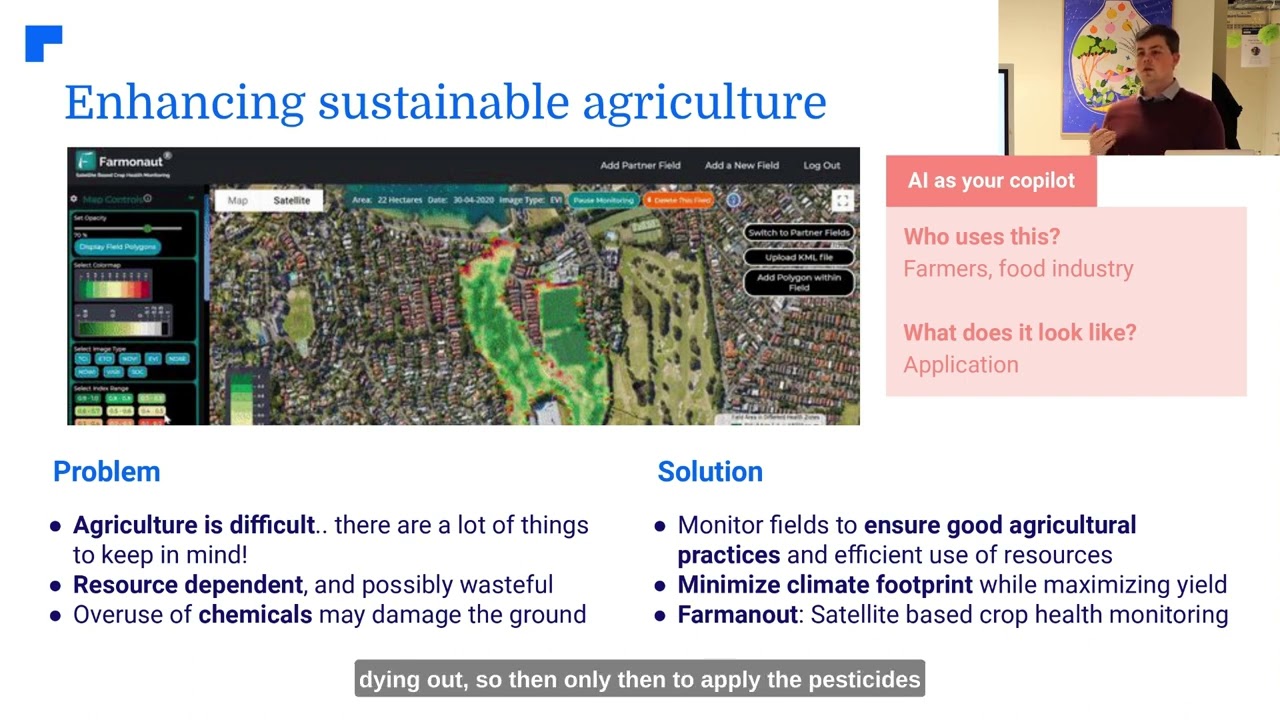
Environmental Impact Monitoring: Our satellite-based platform provides near-real-time data on extraction sites, tracking land use changes, tailings management, and even carbon footprint.
Learn more -
Blockchain Traceability: For companies and insurers, we enhance supply chain security and sustainability claims across lithium supply lines.
Explore traceability -
Fleet and Resource Management: Businesses can reduce operational costs, optimize logistics, and improve compliance by leveraging our tracking and management tools.
See solutions - AI-Powered Advisory: With our Jeevn AI, mining operators and infrastructure planners can anticipate environmental risks, compliance gaps, and optimize physical asset use.
- APIs and Integration: Developers can directly connect with our API. Find detailed developer docs.



Frequently Asked Questions (FAQ): Environmental and Financial Costs of Mining Lithium in 2026
1. What is the environmental cost of mining lithium in 2026?
The environmental cost of mining lithium encompasses water usage (often up to 500,000 gallons per ton), CO₂ and other greenhouse gas emissions, land degradation, tailings waste, and negative impacts on local communities and agriculture. These have all escalated in relevance due to increased demand, stricter environmental expectations, and the need for sustainable resource management.
2. Why is water use such a critical concern?
Water is integral to brine extraction, particularly in arid regions like the Atacama Desert. Heavy usage can deplete groundwater, reduce water availability for agriculture and local people, and damage fragile ecosystems.
3. How does brine extraction compare to hard rock mining environmentally?
Brine extraction uses much more water but has lower CO₂ emissions per ton, while hard rock mining has a higher carbon footprint and greater land disruption. Both carry risks for local communities and require careful management.
4. What trends in sustainable lithium mining are taking shape for 2025-2026?
Technologies like direct lithium extraction (DLE), increasing use of renewables, improved tailings management, and circular economy approaches (like battery recycling) are increasingly common, especially in markets with stronger environmental regulations.
5. How does Farmonaut technology support environmental monitoring in mining?
We provide advanced satellite-driven monitoring tools—including real-time land degradation and water impact tracking, AI-based compliance advisory, and blockchain traceability—making it easier for businesses and governments to measure, report, and reduce their mining footprint.
6. Will new sources like geothermal brines or seawater make lithium extraction more sustainable?
While promising, technologies for geothermal or seawater lithium extraction remain in the pilot or early deployment stage due to high costs and complex technical requirements. They may become more viable later this decade as innovation continues.
7. What is the role of recycling in reducing the environmental cost of lithium mining?
Recycling lithium from used batteries helps reduce primary mining dependence, decreases landfill waste, and creates a secondary supply chain that is generally less harmful to local environments.
Conclusion: Toward a Balanced Lithium Future
As we advance into 2026, the cost of mining lithium can no longer be calculated in purely financial terms. The environmental cost of lithium mining—from water use to social disruption—carries weight in every project, regulatory action, and investment decision. Companies must continuously invest in technology and practices to reduce degradation and foster sustainable growth. New methods and digital innovations stand to make a difference—satellite-based monitoring and AI-driven insights being among the most powerful.
With the right balance of science, technology, and policy frameworks, the future of lithium mining can support a truly sustainable energy transition—one that not only powers EVs and renewable systems but also protects communities and ecosystems for generations to come.
Want to take control of resource management, environmental impact monitoring, or traceability in mining and infrastructure? Try Farmonaut’s end-to-end digital solutions today on:
For API access and developer documentation, visit:
Farmonaut API |
Developer Docs

 Sahara Mining
 Sean Mining Limited
 NTS Group (Pty) Ltd
 Mine4Africa
 Lithspo Minerals Limited
 Tintina Mining Group
 Dalgety Minerals Pty Ltd
 Vortex Minerals Pty Ltd
 Faith At Work (Pty) Ltd
 Geotech Mining Solutions plc
 Vulcan International Limited
 Kidepo Associates
 GKY Mining
 Alkimy SARL
 Double A Trading
 GemSprout Metals Limited
 Qader Group
 Ileys General Trading
 SG Gold Mining LLC
 VRV Global Pte Ltd
 Omsri International FZE
 G.I.T.T.
 Jaunita Erss Ltd
 SRK Consulting
 Berks Gold Limited
