

Environmentally Safe Lithium Extraction: 2025 Advances
Introduction: The 2025 Surge in Lithium Demand
In 2025, the world is experiencing a transformative shift in how we produce and use energy. The global demand for lithium continues to surge, driven predominantly by the rapid expansion of electric vehicles (EVs) and renewable energy storage systems. As climate commitments intensify, it becomes crucial to balance economic growth with environmental responsibility. This places new focus on the environmental impact of mining lithium, especially when compared to oil and other traditional fossil fuels.
Lithium is central to our electrified future, powering not only vehicles and grid-scale batteries but also everyday electronics. However, the methods we use for extraction and their resulting environmental impact have come under intense scrutiny. To ensure a sustainable future, environmentally safe lithium extraction practices are essential—supporting our transition to cleaner energy systems without causing unsustainable damage to local ecosystems, water resources, or communities.
This blog explores the current environmental landscape of lithium mining vs oil, highlights advances in safe extraction methods for 2025, examines critical technologies like DLE, and discusses the growing importance of battery recycling and remote monitoring technologies such as those provided by Farmonaut.
“In 2025, new lithium extraction methods cut water usage by up to 50% compared to traditional mining.”
Environmental Impact of Mining Lithium
The environmental impact of mining lithium attracts close attention as we shift from fossil fuels to renewable energy. To fully understand the stakes, we must examine how lithium is extracted, what consequences these processes have for local regions, and how new sustainable practices are emerging.
How is Lithium Extracted? – Hard Rock Mining and Brine Extraction
Lithium is primarily extracted using two major methods: hard rock mining and brine extraction:
-
Hard Rock Mining:
- Involves: Digging out lithium-rich spodumene ore from open pits.
- Impacts: Causes large-scale disruption of local ecosystems, significant energy consumption, contamination of surrounding bodies of water, and landscape degradation through soil erosion and removal of topsoil.
- Waste: Generates substantial tailings—leftover minerals, rocks, and water that may contain toxic substances and heavy metals, posing a long-term risk to the environment and biodiversity.
-
Brine Extraction:
- Regions: Most commonly practiced in South America’s ‘Lithium Triangle’ (Argentina, Bolivia, and Chile).
- Process: Involves pumping lithium-rich saline water from underground reservoirs to the surface, using evaporation ponds to concentrate the lithium.
-
Impacts:
- Uses enormous amounts of water. In arid and semi-arid regions, this can be deeply problematic, threatening the availability of water for agriculture, crops, and livestock.
- Altering of local hydrology: Overextraction and changes in water tables can cause depletion of aquifers, disruption of local communities, reduced food security, and even desertification in sensitive ecosystems.

Both methods generate significant waste and may contain toxic substances. Not only is landscape degradation a concern, but so is the possible contamination of soil and surrounding water bodies. As pressure mounts for more ‘green’ solutions, these environmental impacts require robust mitigation strategies and leading-edge technologies.
Local and Global Environmental Implications
The footprint of lithium extraction extends beyond just the physical site. Transportation and processing activities add substantially to greenhouse gas emissions. Over time, land degradation, soil erosion, hazardous waste generation, and loss of biodiversity compound the environmental cost.
Globally, these challenges are compounded as demand continues to surge. As EVs and renewable energy storage ramp up, lithium extraction will require both new policy oversight and sustained scientific innovation.

Environmental Impact of Lithium Mining vs Oil
The environmental impact of lithium mining vs oil is a central question for 2025. While both sectors have substantial environmental costs, context and comparison highlight lithium’s advantages in supporting a low-carbon future.
Oil Extraction and Its Environmental Cost
- Extraction Methods: Includes conventional drilling, hydraulic fracturing (fracking), and oil sands mining. Each of these disrupts large tracts of land and often requires toxic chemicals.
- Water Use: Major water consumer, often contaminating aquifers and surface sources.
- Lifecycle Emissions: Responsible for the majority of CO2 and greenhouse gas emissions worldwide. Combustion leads to air pollution, acid rain, and climate change.
- Spills & Soil Erosion: Catastrophic oil spills cause decades-long degradation of sensitive ecosystems—witnessed in regions across the world.
Lithium Extraction: Cleaner, but Not Problem-Free
- Localized Impact: While lithium mining does impact local regions, it does not emit greenhouse gases in use (e.g., powering EVs). The key implications are at the extraction and processing stage.
- Comparative Emissions: When compared, lithium extraction‘s CO2 emissions are typically much lower—especially when employing state-of-the-art, sustainable methods.
- Supply Chain: Requires safe disposal and robust recycling systems but is more sustainable over the long-term as recycling technologies develop.

The essential takeaway: If lithium extraction continues to advance in environmental safety and is paired with battery recycling, it can significantly reduce the human footprint compared to the ongoing burning of oil and other fossil fuels.
2025 Advances in Environmentally Safe Lithium Extraction
By 2025, innovation has fundamentally shifted how we approach environmentally safe lithium extraction. Cutting-edge technologies, data-driven oversight, and stricter regulations are changing the landscape, ensuring that new mining projects minimize environmental footprint and protect sensitive ecosystems.
-
DLE Technologies (Direct Lithium Extraction):
Use ultra-efficient membranes, ion-exchange, and sorbents to selectively capture lithium from geothermal brines, oilfield brines, and other lower-grade sources. DLE is a game changer—eliminating evaporation ponds, vastly lowering water consumption, and shrinking land use. -
Process Digitization:
Advanced process monitoring systems, satellite analysis, and AI are increasingly used to optimize extraction methods, ensure efficiency, and reduce emissions. -
Battery Recycling:
Accelerated advancements in recycling of lithium-ion batteries reduce mining pressure, align with circular economy principles, and lower demand for virgin materials. -
Wastewater Treatment:
New waste management methods—including green chemicals for tailings—reduce pollution and support soil and water restoration.
Ongoing research and investment in environmentally safe lithium extraction are crucial to achieving long-term sustainability across energy supply chains.
Role of DLE Technologies in Environmentally Safe Lithium Extraction
Direct Lithium Extraction (DLE) has gained particular attention as a cornerstone technology for environmentally safe lithium extraction in 2025. Compared to traditional methods that relied on vast evaporation ponds and high water consumption, DLE brings several advantages:
- Reduces Water Usage: Consumes up to 50% less water compared to brine evaporation.
- High Recovery Rates: Can extract up to 90%+ lithium present in brines or oilfield sources, improving efficiency and reducing waste.
- Protects Biodiversity: DLE eliminates the need for large land areas, preserving local habitats and reducing ecosystem disruption.
- Accelerates Production: DLE process times are measured in hours (not months), providing faster supply to meet global demand.
DLE’s adoption worldwide—especially in the Lithium Triangle of South America—offers hope for biodiversity protection and sustainable lithium supply for our rapidly electrifying world. These systems optimize resource use and produce less toxic waste than conventional options.
Battery Recycling for Sustainable Lithium Supply
While efficient extraction methods are paramount, 2025 advances also focus on recycling existing batteries. The potential here is massive:
- Reduces Pressure on Mining: Each recycled battery minimizes the need for new raw material extraction—lowering environmental impact in sensitive regions.
- Conserves Energy & Resources: Recycling consumes much less energy, water, and chemicals compared to mining and processing virgin lithium.
- Circular Supply Chains: Aligns with principles of climate-friendly, circular economies—ensuring sustainability and reducing waste.
By 2025, advances in recycling technologies are making closed-loop systems feasible, significantly reducing the long-term environmental impact of mining lithium.
Leveraging Satellite Technology with Farmonaut
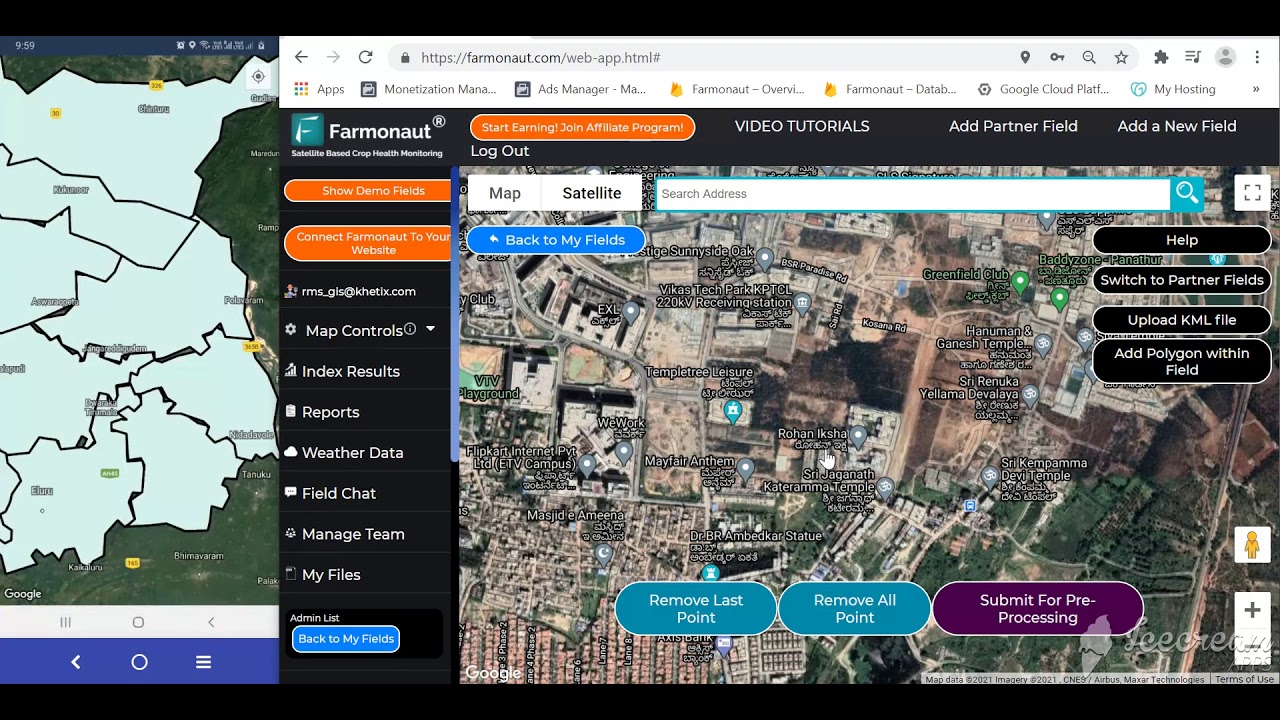
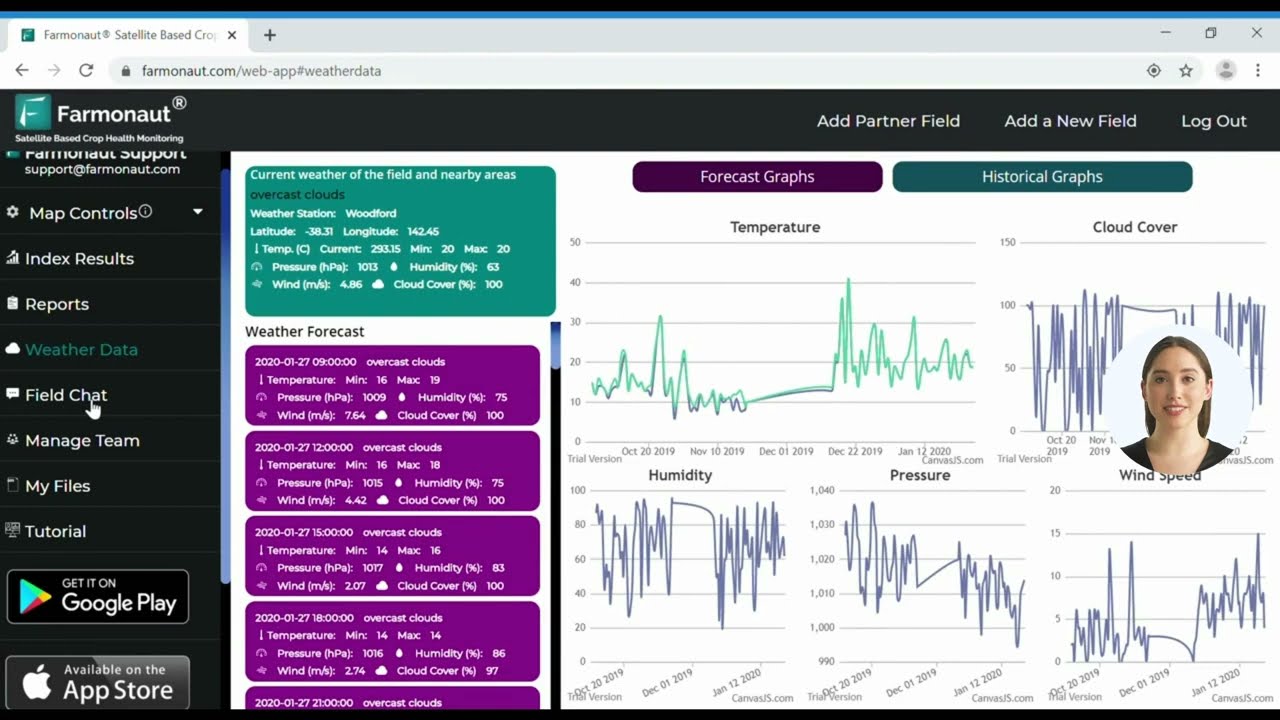
Technological monitoring and intelligent data are reshaping sustainable extraction practices. At Farmonaut, we apply advanced satellite-based solutions to help users in agriculture, mining, and resource management to:
- Access multispectral satellite imagery for real-time monitoring of mining sites, crop health, and local infrastructure, ensuring responsible operations.
- Utilize our carbon footprint analysis tools to track the greenhouse gas emissions from lithium mining and compare them with oil or other extraction activities.
- Leverage our fleet management systems to optimize the logistics and equipment usage at extraction sites, reducing operational costs and emissions.
- Integrate blockchain-based traceability for mining supply chains, enhancing transparency and compliance throughout the entire value chain.
- Support satellite-based verification for insurance or financing in lithium mining—mitigating risk and fraud for all stakeholders.
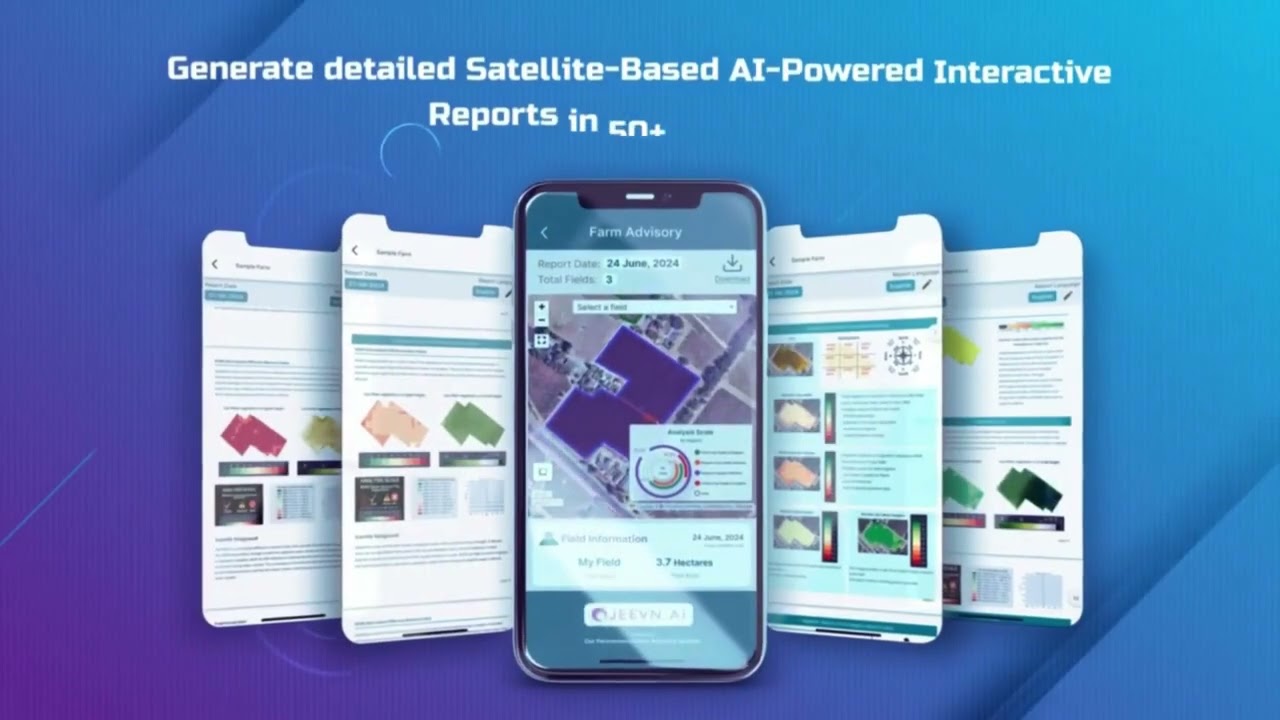
With robust AI-based advisory systems (like Jeevn AI), we offer actionable insights to optimize environmental and operational sustainability. Our platform offers web and mobile app access for seamless resource management.
Satellite-based monitoring is becoming an essential part of oversight, helping ensure that lithium extraction practices in Argentina, Bolivia, Chile, and beyond meet sustainability standards and regulatory requirements into 2025 and beyond.

Farmonaut Quick Access: Apps & APIs



- Want to integrate satellite-powered environmental monitoring into your own system? Access our Farmonaut API or check API Developer Docs for integration.
Our tools make environmental tracking, resource management, and traceability affordable and scalable for businesses, governments, and individuals—empowering sustainable mining and agriculture on a global scale.
Environmental Impact: Lithium Extraction vs Oil Extraction (Estimated Values)
| Extraction Method | Estimated Water Use (liters/ton) |
Estimated Carbon Emissions (kg CO₂/ton) |
Land Disruption (hectares/ton) |
Waste Generation (tons/ton) |
Adoption of Sustainable Practices |
|---|---|---|---|---|---|
| Conventional Oil Extraction | 750,000 | 5000 | 0.3 | 1 – 3 | No |
| Oil Sands Mining | 1,250,000 | 10,000 | 0.8 | 3 – 5 | Little/No |
| Traditional Hard Rock Lithium Mining | 400,000 | 2,500 | 0.2 | >1 | Low |
| Traditional Brine Evaporation | 500,000 | 2,000 | 0.15 | 0.5 – 1 | Low |
| Sustainable DLE Lithium Extraction (2025 Tech) | 200,000 | 1,200 | 0.05 | 0.1 – 0.3 | Yes |
*All values are estimated averages for 2025 and depend on resource location, technology, and local practices.
Sustainable Practices Shaping the Future of Lithium Extraction
Environmental sustainability isn’t just a trend—it’s now baked into regulations, supply chain agreements, and corporate climate commitments. 2025 advances in environmentally safe lithium extraction leverage a combination of regulatory frameworks, digital monitoring, process innovation, and circular economy approaches.
- Digitized Environmental Oversight: Companies and governments increasingly use large-scale satellite monitoring platforms for extraction oversight, enforcing sustainability guidelines and increasing transparency.
- Water Stewardship & Restoration Efforts: Modern mining projects invest in water recycling systems and post-extraction habitat restoration, particularly in arid lithium-rich regions.
- Stakeholder Engagement: Ensuring local communities have a voice reduces risk of social conflict and protects biodiversity.
- Circular Economy Partnerships: Integrating battery recycling facilities with mining operations extends resource life and cuts the need for virgin extraction.
Combined, these sustainable practices minimize environmental footprint even as global demand continues to rise, ensuring lithium’s crucial role in renewable energy systems doesn’t come at an unsustainable environmental cost.
“Lithium extraction’s CO₂ emissions are 70% lower than oil’s when using advanced, sustainable mining technologies.”
2025 Outlook & Challenges Ahead
2025 marks a new era for environmentally safe lithium extraction. Yet, numerous challenges remain:
- Supply Chain Complexity: The lithium supply chain is global, traversing countries with differing environmental regulations. Enforcing best practices globally is difficult but essential as demand grows.
- Water Scarcity: Lithium’s increasing use in arid regions such as Argentina, Bolivia, and Chile puts extra pressure on limited water resources and local communities. Technologies that reduce water use, restore aquifers, and monitor hydrology will be key.
- Waste Management: Efficient, green treatment of waste tailings and toxic substances is crucial to avoid legacy pollution and protect food security, crops, and livestock.
- Biodiversity Threats: Expansion into new deposits or previously untouched regions will test our ability to protect natural habitats while meeting economic needs.
Embracing digital monitoring, targeted policies, community engagement, DLE, recycling, and advanced analytics will help create a resilient, sustainable extraction ecosystem.
Farmonaut Subscription Table
FAQ – Environmentally Safe Lithium Extraction (2025 Advances)
What is the difference between hard rock and brine extraction for lithium?
Hard rock mining involves extracting lithium from solid rock (mainly spodumene ore) via open pits, using significant amounts of energy and water. Brine extraction, on the other hand, involves pumping lithium-rich saline water to the surface and using evaporation ponds to separate lithium. Brine methods are mostly used in arid regions of South America. Each method has unique environmental impacts regarding water usage, energy, waste, and land disruption.
How does the environmental impact of mining lithium compare to oil?
While both have environmental costs, lithium mining (especially when using advanced, sustainable methods) generally has a much lower carbon footprint and is less damaging in the long run than oil extraction and combustion. The burning of oil not only creates major greenhouse gas emissions but also poses continual threats of spills and pollution.
What are DLE technologies and why are they important?
Direct Lithium Extraction (DLE) is a suite of technologies that selectively extracts lithium from brines using membranes, sorbents, or ion-exchange. It slashes water use, speeds up the extraction process, and drastically reduces land and habitat disruption. By 2025, DLE is considered a standard for environmentally safe lithium extraction.
How is battery recycling changing the lithium supply chain?
Battery recycling reduces the demand for newly mined lithium, saves energy, conserves water and resources, and enables a circular economy. Advances in this area by 2025 allow for higher recovery rates and lower environmental footprint per battery.
How can Farmonaut help monitoring environmental impact in lithium mining?
At Farmonaut, we provide satellite-powered tools to monitor mining sites, assess vegetation, soil conditions, and water use, offer carbon footprinting and traceability, as well as resource management. Our platform enables businesses and governments to track environmental indicators in real-time for more sustainable decision-making.
Conclusion: A Sustainable Lithium Future
In 2025 and beyond, the quest for sustainable energy makes environmentally safe lithium extraction and responsible mining practices more crucial than ever. Although lithium extraction does have localized environmental impact, ongoing advances in DLE, process digitization (including satellite technology), and battery recycling present viable solutions that—if widely adopted—can sharply reduce these impacts compared to traditional methods and fossil fuel extraction.
Positive change will depend on the continued expansion of EVs and renewables, policy evolution, corporate accountability, global cooperation, and the adoption of smart technological solutions. By balancing the imperative for energy transition with a commitment to biodiversity, water, and community well-being, we can ensure that lithium powers a sustainable and thriving future.
As innovators in remote monitoring and data-driven resource management, at Farmonaut, we are dedicated to empowering industries, users, and governments worldwide with affordable, advanced satellite technology solutions that foster transparency, operational efficiency, and environmental responsibility.
Together, sustainable lithium mining isn’t just an ideal – it’s a reality we can build, monitor, and manage.

 WSP Investment Company
 Dalgety Minerals Pty Ltd
 Vortex Minerals Pty Ltd
 Faith At Work (Pty) Ltd
 Geotech Mining Solutions plc
 Vulcan International Limited
 Kidepo Associates
 GKY Mining
 Alkimy SARL
 Double A Trading
 GemSprout Metals Limited
 Qader Group
 Ileys General Trading
 SG Gold Mining LLC
 VRV Global Pte Ltd
 Omsri International FZE
 G.I.T.T.
 Jaunita Erss Ltd
 Almosi SARL
 SRK Consulting
 Berks Gold Limited
 Mwerezi Minerals Company Limited
 Mining SARL
