

Gold Separation, REE Separation: 5 Top Techniques 2026
Table of Contents
- Summary: Advancements in Rare Earth and Gold Separation Techniques
- The Importance of Gold Separation and Rare Earth Separation
- Current Challenges in Gold and REE Separation
- Top 5 Gold Separation and REE Separation Techniques for 2026
- Comparative Techniques Overview Table
- Emerging Innovations in Gold & Rare Earth Separation
- Strategic, Economic, and Sustainability Implications
- Satellite Technology & Farmonaut Solutions for Mining & Resource Management
- FAQ: Gold Separation & REE Separation
- Conclusion
“Over 70% of mining sites will adopt advanced gold separation technologies by 2026 for higher efficiency.”



Summary: Advancements in Rare Earth and Gold Separation Techniques – Pivotal Innovations for Mining and Sustainable Resource Management in 2025
By 2025 and into 2026, gold separation and rare earth element (REE) separation are evolving rapidly to meet booming global demand across sectors including clean energy, defense, electronics, quantum technologies, and advanced manufacturing. These techniques are at the heart of sustainable resource management, illuminated by breakthroughs in environmentally friendly chemicals, membrane separation, molecular recognition, and integrated recycling systems.
Environmental sustainability and efficiency have become binding criteria for innovative mining processes, with countries racing to secure critical minerals and reduce supply chain vulnerabilities. This in-depth guide reviews the top 5 gold separation and REE separation techniques of 2026, explores pivotal challenges and solutions, and offers a comparative analysis of each method’s strengths and optimal use cases.

The Importance of Gold Separation and Rare Earth Separation
Gold and rare earth elements (REEs) represent vital building blocks for the modern world:
- Gold: Prized for its electrical conductivity, corrosion resistance, and aesthetic appeal. Fundamental in electronics, quantum computing, jewelry, and high-purity wiring for aerospace and defense applications.
- Rare Earth Elements (REEs): A group of 17 metals (including neodymium, dysprosium, europium) that enable permanent magnets, batteries, catalysts, precision optics, and advanced military hardware.
- As sectors like infrastructure, clean energy, defense, and high-tech manufacturing ramp up, the demand for efficient extraction and sustainable separation methods grows more critical.
However, both gold and rare earth separation present complex challenges due to:
- Low concentrations in ores, making recovery difficult and costly
- Intricate geochemistry and co-occurrence with other metals
- Environmental consequences from toxic chemicals and heavy waste generation
The importance of advanced technologies and methods in gold separation, REE separation, and overall resource management is underscored by the need for both economic viability and compliance with stringent environmental and regulatory criteria.

Current Challenges in Gold Separation and REE Separation
Traditional gold separation predominantly relies on:
- Cyanidation (cyanide leaching) – highly efficient but uses toxic chemicals
- Gravity separation and concentration
- Froth flotation
These methods, despite their reliability, face criticism due to:
- Generation of toxic waste and difficult tailings management
- Stringent permitting and regulatory hurdles, especially in environmentally sensitive sites
- Major operational costs in dealing with hazardous chemicals and reduced sustainability
REE separation is even more complicated, commonly involving:
- Solvent extraction and ion exchange mechanisms
- Complex, multi-step hydrometallurgical processes
- Significant energy demand and chemical consumption due to the intricate similarity of REE properties within their group
With growing scrutiny over environmental, societal, and economic impact, these current challenges make innovation not just advantageous, but essential.

Top 5 Gold Separation and REE Separation Techniques for 2026
The advancement of gold separation, REE separation, and rare earth separation techniques in 2025 and beyond is driven by the quest for efficient, selective, and environmentally responsible solutions. The following methods stand out as pivotal innovations reshaping the sustainable mining landscape.
1. Thiosulfate & Halide Leaching (Environmentally Safer Gold Extraction Alternatives)
- What it is: Non-cyanide leaching processes using thiosulfate or halides replace toxic cyanide for extracting gold from ores.
- Key Benefits: Reduced toxicity, safer handling, and lower impact on sensitive environments make these methods preferable in new and existing operations. These reactants are increasingly adopted due to comparable recovery rates with conventional cyanidation.
- Relevance: Suitable for both primary ores and tailings reprocessing, aligning with modern critical mineral management criteria.
2. Advanced Molecular Recognition (for REE Separation & Precious Metals)
- What it is: Leverages novel ligands, molecular recognition technologies, and ion-imprinted polymers (IIPs) for ultra-selective binding and separation of individual REEs or gold ions from complex mixtures.
- Key Benefits: Dramatically increases selectivity, reducing waste, chemical usage, and environmental impact. Enables extraction from low-grade sources where traditional processes would fail.
- Relevance: Ideal for rare earth separation and gold refining, improving REE recovery in both primary ores and electronic waste recycling.
3. Membrane Technologies and Electrodialysis (Gold/REE Separation)
- What it is: Membrane filtration and electrochemical separation methods such as electrodialysis employ selective membranes to isolate metal ions from complex ore leachates, offering continuous processing and modular scalability for modern mining infrastructure.
- Key Benefits: Reduced reagent consumption and waste, high energy efficiency, and potential for remote or distributed mining/recycling operations.
- Relevance: Excels in clean energy mining systems and resource recovery from challenging environmental contexts.
4. Bioleaching and Microbial-Assisted Extraction
- What it is: Utilizes extremophilic microorganisms capable of mobilizing gold and REE ions from ores via metabolic processes, significantly lowering chemical and energy requirements.
- Key Benefits: Minimal chemical cost/waste, suitable for low-grade or refractory ores, and can be integrated with existing hydrometallurgical processes.
- Relevance: Pivotal for sustainability and compliant with increasingly stringent environmental criteria for modern mining.
5. Integrated Circular Recycling from Electronic Waste (Urban Mining)
- What it is: Combines advanced physical, chemical, and biological separation processes to recover gold, REEs, and critical metals from discarded electronics (e-waste) and mining tailings.
- Key Benefits: Reduces reliance on primary mining, minimizes environmental footprint, and aligns with circular economy and resource management policies.
- Relevance: Increasingly strategic as nations move to secure critical mineral supply chains (central to infrastructure, energy, and defense).

“By 2025, rare earth element extraction efficiency is projected to increase by 25% with new separation techniques.”
Comparative Techniques Overview Table: Gold and REE Separation Methods (2026)
| Technique Name | Application Area (Gold/REE/Both) |
Estimated Efficiency (%) | Estimated Environmental Impact | Estimated Cost (USD/ton) | Scalability | Key Advancements (2025-2026) |
|---|---|---|---|---|---|---|
| Thiosulfate & Halide Leaching | Gold | 88–95% | Low | 120–220 | Industrial | Non-toxic, suitable for sensitive sites, improved reagent recycling |
| Molecular Recognition/Ion Imprinted Polymers | REE/Both | 90-98% (variable by element) | Very Low | 150–350 | Lab, Pilot, Industrial | Highly selective, reduced chemical waste, new ligands |
| Membrane Filtration & Electrodialysis | Both | 85-94% | Medium-Low | 220–400 | Pilot, Industrial | Continuous, modular, integrates with other recycling |
| Bioleaching & Microbial Assisted Extraction | Both | 75-90% (ore dependent) | Very Low | 100–170 | Lab, Pilot | Integration with ozone & AI monitoring, low energy |
| Integrated E-Waste & Tailings Recycling | Both | 80-96% | Low | 90–200 | Pilot, Industrial | Hybrid chemical-physical tech, zero discharge options |

Emerging Innovations in Gold Separation and Rare Earth Separation for 2025–2026
As the global focus on sustainable mining and critical mineral resource management intensifies, several cutting-edge technologies are transforming the landscape of gold separation, REE separation, and overall mineral extraction:
- Electrochemical Processes: Electrically driven methods such as electrowinning and electrodialysis are enabling the refinement of gold and REEs from low-grade sources, offering continuous operation with minimal chemical use and energy optimization.
- Artificial Intelligence in Separation Systems: AI-based process control and predictive models are now used to optimize yield, minimize reagent doses, and adapt to feedstock variability in hydrometallurgical and membrane-based systems.
- Functionalized Nanomaterials & Hybrid Adsorbents: Custom-designed nanoparticles, such as magnetic nanocomposites and functionalized silica, are finding application in selective REE and gold recovery, enhancing both precision and recovery rates while reducing process waste.
- Zero-Discharge Hydrometallurgical Plants: Integrating advanced wastewater treatment (including AI-driven monitoring and ozone-based destruction of organic residues) is eliminating process water pollution and aligning with green mining regulations.
Exponential Impact on Sustainability and Clean Economy Goals
- Recycling from secondary sources (like e-waste and tailings) is not just an economic imperative but a key sustainability metric—reducing mining’s total environmental footprint and supporting circular economy objectives for strategic metals.
- Decentralized extraction systems and modular separation plants are increasing accessibility and flexibility, especially in emerging markets and remote mining sites with limited infrastructure.

Strategic, Economic, and Sustainability Implications of Gold & Rare Earth Separation
The advancements in gold separation and rare earth separation are setting the stage not only for better efficiency and environmental stewardship but also for enhanced supply chain security and resilience:
- For industrial and economic powers, secure access to these critical mineral elements underpins defense, infrastructure, clean energy, and technology leadership.
- Magnets for wind turbines, high-performance batteries, and catalysts for automotive and industrial applications are among the core products enabled by cutting-edge REE processing and gold separation.
- The recycling of electronic waste and mining tailings helps diversify sourcing, reduces reliance on imports, and advances international sustainability commitments.
Countries investing in innovative separation processes are better able to meet stringent environmental criteria while maintaining strategic edge in global critical minerals supply chains. For instance, strong regulatory frameworks are accelerating adoption of non-toxic alternatives to cyanide and new ion exchange resins for REEs.
Research, economic viability, cost reduction, and risk mitigation are now inseparable from separation technology development. Supportive technological solutions (such as remote resource management and environmental impact monitoring) further boost resilience and transparency in critical mineral production chains.

Satellite Technology & Farmonaut Solutions for Mining and Resource Management
Modern gold separation and rare earth separation are increasingly supported and accelerated by digital and remote technologies. Our platform at Farmonaut leverages advanced satellite monitoring, AI-advisory, and blockchain-based traceability to deliver robust, actionable insights for mining operators, governments, and sustainability practitioners.
Farmonaut’s Technology Advantages in Gold & REE Mining:
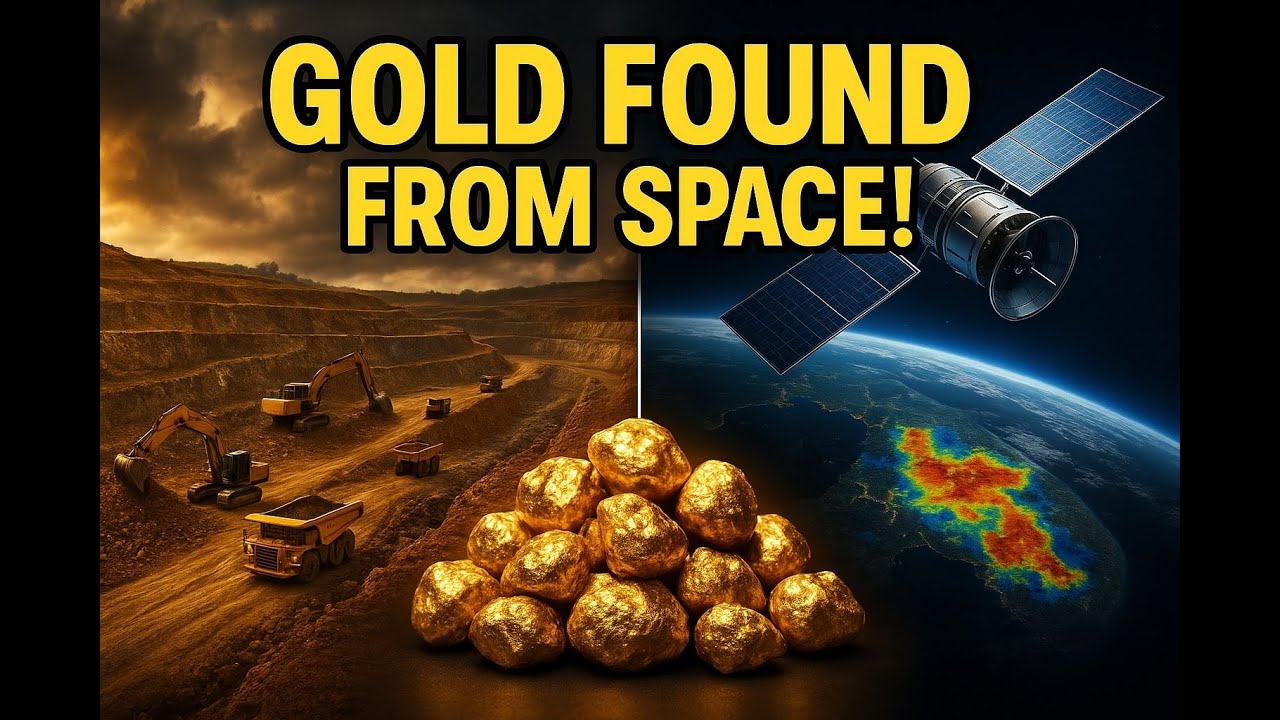
- Satellite-Based Monitoring – Multi-spectral satellite imagery allows real-time surveillance of mining sites, enabling detection of environmental impacts, process inefficiencies, and structural risks in remote or extensive operation areas.
- Jeevn AI Advisory System – Our proprietary AI platform interprets satellite data for resource extraction planning, process optimization, and compliance reporting in both gold and REE resource management.
- Blockchain Traceability – Ensure compliance and transparency throughout the supply chain, particularly for critical minerals like gold and REEs, through immutable, tamper-proof blockchain records. Learn about Farmonaut’s product traceability tools here.
- Environmental Impact Tracking – Monitor carbon footprint and emissions dynamically. Explore Farmonaut’s carbon footprinting features for sustainable mining.
- Fleet and Resource Management – Plan, track, and optimize your equipment, personnel, and supply logistics with real-time geospatial intelligence. See how Farmonaut optimizes mining fleet management.
- API Solutions – Developers and enterprises can integrate Farmonaut satellite and weather insights in their custom mining process management systems for a data-driven future. Access Farmonaut’s Satellite API. Developer Documentation
All Farmonaut solutions are accessible via web and mobile apps, supporting remote operations and real-time resource tracking wherever your mining, infrastructure, or environmental management teams are located.
Want to streamline your gold or REE mining operations? Try Farmonaut’s platform for sustainable mining.
Additional Resources for the Mining Sector:
- Satellite-based verification for loans and insurance in mining: Reduce fraud, accelerate processing, and improve risk assessment for mining investments and operations.
FAQ: Gold Separation and REE Separation Technologies
What is the most environmentally friendly gold separation method?
Thiosulfate and halide leaching are leading environmentally safer alternatives to cyanide leaching in gold extraction, offering comparable recovery rates with substantially reduced toxicity and environmental impact.
How do membrane technologies improve gold and REE separation efficiency?
Membrane filtration and electrodialysis technologies enable selective and efficient separation of metal ions, lowering chemical usage, waste generation, and supporting continuous, modular operation—a boon for modern sustainable mining.
Why is rare earth element separation so challenging?
REEs are chemically very similar, making selective separation exceptionally complex. Advanced ligands, molecular recognition, and ion-imprinted polymers are driving breakthroughs to overcome these intricacies.
Is urban mining (e-waste recycling) a reliable source of gold and rare earths?
Yes, advanced recycling processes for electronic waste can recover significant quantities of gold and REEs, enhancing resource sustainability and meeting a growing share of industrial demand.
How do AI and satellite-derived insights help in mining?
Satellite and AI-driven platforms like ours at Farmonaut provide real-time data on mine conditions, environmental impacts, and resource distribution, supporting operational decisions, compliance, and sustainable mineral extraction.
What are future trends in gold separation and rare earth processing?
Expect deeper integration of AI optimization, decentralized modular plants, mobile recycling units, zero-discharge systems, and stricter sustainability and traceability compliance by 2026 and beyond.
Conclusion
Gold separation and rare earth separation techniques are undergoing a transformation rooted in sustainability, selectivity, and efficiency. As we enter 2026, the confluence of innovative chemical processes, digital monitoring, and AI-powered management platforms promises a new era of critical mineral extraction.
The adoption of these pivotal methods is more than just a technical requirement; it’s a cornerstone for a resilient, responsible, and prosperous clean economy. By embracing the latest advancements in gold separation, REE separation, and digital resource management, stakeholders can safeguard their supply chains, improve environmental outcomes, and meet the surging global demand across strategic sectors.
We at Farmonaut are committed to supporting mining, infrastructure, and resource sectors with accessible, cost-effective technologies for environmental monitoring, strategic planning, and operational excellence. Discover sustainable, smart mining with Farmonaut—your critical link to tomorrow’s mineral supply chain.
Discussion
Questions, corrections or field experience? Share them below. First-time comments are reviewed before they appear, and your email is never published.
No comments yet. Be the first to add a question or your experience.

 Mining SARL
 SenGold Invest SAS
 Sania Corporation
 Sean Mining Limited
 NTS Group (Pty) Ltd
 Mine4Africa
 Lithspo Minerals Limited
 Tintina Mining Group
 Dalgety Minerals Pty Ltd
 Vortex Minerals Pty Ltd
 Faith At Work (Pty) Ltd
 Geotech Mining Solutions plc
 Vulcan International Limited
 Kidepo Associates
 GKY Mining
 Alkimy SARL
 Double A Trading
 GemSprout Metals Limited
 Qader Group
 Ileys General Trading
 SG Gold Mining LLC
 VRV Global Pte Ltd
 Omsri International FZE
 G.I.T.T.










