

Agriculture Drone for Rent, Land & Price Guide 2026: Transforming Sustainable, Precision Farming
“Drone rentals for agriculture are projected to grow by 35% globally between 2025 and 2026.”
Precision Farming: How Technology is Revolutionizing Agriculture
In recent years, technology has revolutionized traditional farming practices by boosting productivity, enhancing sustainability, and improving efficiency. These transformative innovations have made a significant impact among farmers worldwide. Drones and agriculture drone for rent models have become essential tools in precision farming landscapes, especially as we move towards 2025 and 2026, shaping the face of modern agriculture.
Technology integration is not just a trend, but a necessity for farmers seeking to optimize resource use, improve crop yields, and minimize environmental impact. Agriculture drones, satellite-driven solutions, and AI-based platforms are leading the charge by delivering actionable data for soil health, crop monitoring, and overall farm management.
Let’s explore the advanced tools and innovative practices that define this new era, starting with the evolution of agriculture drones.
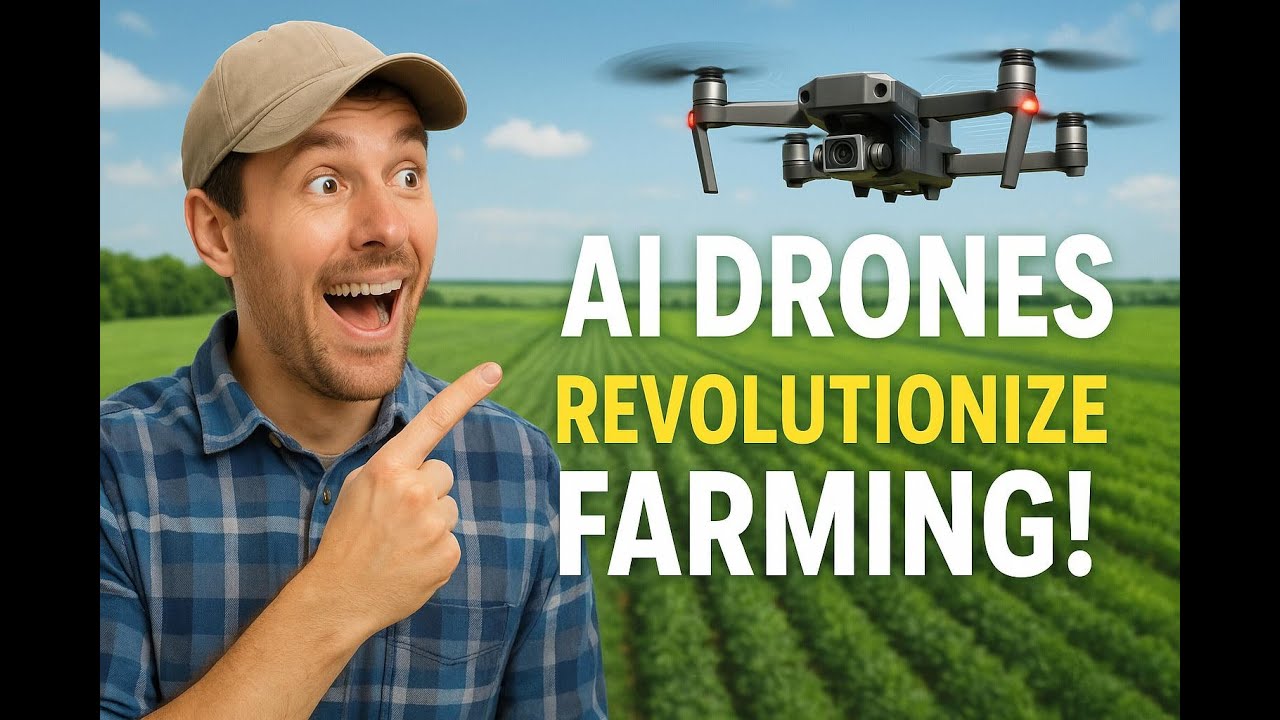
The Evolution of Agriculture Drones: From Novelty to Necessity
Agriculture drones have quickly evolved from high-tech novelties to become essential tools for farmers across the globe. Through real-time monitoring, mapping, and data analysis, these drones empower agricultural operations to move beyond traditional methods and into the realm of precision farming.
- High-resolution cameras: Enable aerial surveillance for accurate crop and land assessment.
- Multispectral sensors: Detect plant health issues, soil variability, and pest infestations with unprecedented accuracy.
- GPS technology: Facilitates precise navigation, automated flight paths, and geo-tagged data collection.
- AI Integration: Empowers autonomous analysis, pest detection, and efficiency in field operations.
These features, combined with advanced software for data processing and analysis, are central to why drones are considered game-changers for precision farming.
However, owning and maintaining agriculture drones can be a significant challenge, especially for small and medium-scale farmers. This hurdle is driving the surging market for agriculture drone for rent and rental services, which act as a bridge to access without a heavy upfront investment.

Agriculture Drone for Rent: Market Growth and Accessibility in 2025-2026
The concept of agriculture drone for rent has emerged as a pivotal solution for accessible technology adoption. By providing cutting-edge aerial surveillance, mapping, and crop spraying on a per-use or per-season basis, the rental model brings advanced farming tools to a broader user base.
Rental providers often include expert assistance, analysis support, and training, further increasing the effectiveness of integrating drones into farming operations.
- Affordable access: Farmers use modern drones without the burden of ownership or maintenance.
- Flexibility: Pay for only what is needed — be it aerial imagery, crop health monitoring, or precision spraying.
- Expert support: Rental arrangements include guidance and technical assistance for accurate data interpretation.
- Data-driven decisions: Real-time insights from drones empower farmers to make informed decisions about resources, pest management, and irrigation.
The availability of agriculture drone for rent continues to rise, driven by increased competition among providers, reducing costs, and expanding geographic reach. This trend is expected to intensify into 2026 as more stakeholders recognize the strategic value of drone-based precision agriculture.
“Average drone price for precision farming is expected to decrease by 18% by 2026, boosting accessibility for farmers.”
Comparative Price & Feature Analysis Table (2025-2026)
| Drone Model | Estimated Rental Price per Acre (INR/USD) | Estimated Land Rental Price per Acre (INR/USD) | Drone Features | Year Available |
|---|---|---|---|---|
| AgriPro Max 4S | ₹450 / $5.50 | ₹21,000 / $260 | 10L Spraying, 40min Flight, GPS, Multispectral Sensors, AI Crop Mapping | 2025 |
| FieldEye Vision X2 | ₹320 / $3.95 | ₹18,500 / $230 | Long Range Imaging, HD Thermal, NDVI Analysis, Real-time Pest Alerts | 2025 |
| GreenPilot Drone R10 | ₹500 / $6.15 | ₹23,000 / $285 | 15L Auto-Spraying, 50min Autonomous, AI-based Soil Health Analysis | 2026 |
| AgriLite SmartScan 3 | ₹270 / $3.30 | ₹16,500 / $205 | Basic Imaging, Mapping, GPS, Entry-level Sensors | 2026 |
| FutureCrop Commander AI | ₹740 / $9.00 | ₹25,000 / $310 | 25L Precision Spray, Multispectral & Thermal, AI-Driven Data, Blockchain Ready | 2026 |
Agriculture Drone Price: Trends & Insights for 2026
The agriculture drone price market is expected to undergo noticeable transformations by 2026. Advancements in drone technology and increased competition among manufacturers will lead to driving prices down and enhancing drone features.
Here’s what’s shaping agriculture drone price trends:
- Entry-level agricultural drones: Models suitable for basic monitoring, mapping, and surveillance will start at approximately $1,500–$2,000.
- Professional-grade drones: With advanced multispectral sensors, AI-enabled imaging, and thermal capabilities, prices may range from $10,000 up to $30,000.
- Rental Options: Renting makes accessing these features manageable by reducing substantial upfront investment to a per-acre or per-month cost.
- Leasing models: Flexible payment structures, maintenance plans, and upgrade paths make technology adoption easier for small and medium-scale farmers.
- Accessories: Integrated GPS, AI modules, or extra battery packs can affect the total drone price.
The decrease in agriculture drone price is making drone technology broadly accessible to farmers across scales — helping accomplish higher productivity, efficiency, and sustainability in farming operations.
Agriculture Land for Rent: Modern Trends Reshaping Farming
The agriculture land for rent sector is experiencing significant shifts in ownership patterns and increasing complexity of farming operations. Renting agricultural land is providing flexibility for farmers who lack sufficient capital to purchase land or who wish to expand their operations temporarily.
In areas with limited or fragmented farming land, rental models facilitate collaborative agriculture and more efficient land use. These arrangements also create new avenues for implementing precision farming by integrating drone technology.
- Short-term and seasonal leasing: Allows farmers to match land rental periods with cropping cycles and market opportunities.
- Flexible agreements: Enable innovative practices like crop rotation, intercropping, and sustainable soil management using advanced mapping and drone data.
- Sustainability clauses: Increasingly, leases include requirements or incentives for the use of drones, remote sensing, or environmental monitoring tools to promote responsible cultivation.
This trend is driven not only by economic factors, but also by the changing regulatory environment and the growing momentum towards sustainable and data-driven farming practices.

Integration of Drone Technology in Sustainable Farming Practices
Integration of drone technology in agriculture land for rent puts precision farming tools in the hands of farmers regardless of their ownership status. These models encourage sustainable practices and maximize land productivity.
Let’s break down the benefits of integrating drones in land rental scenarios:
- Remote crop & soil monitoring: Drones with multispectral sensors can assess soil conditions, spot nutrient deficiencies, and guide interventions efficiently.
- Pest & disease detection: Early identification of pest infestations enables timely actions, reducing crop losses and environmental chemical loads.
- Data-driven negotiations: Transparent crop health and yield data streamline leasing negotiations and clarify land value.
- Resource optimization: Targeted application of water, fertilizers, or pesticides—minimizing waste and environmental impact.
- Sustainability compliance: Helps both landowners and tenants adhere to local and global standards for environmentally responsible farming.

For large-scale farm management and organization-wide monitoring, check out the
Farmonaut Large Scale Farm Management Suite.
It integrates satellite, drone, and IoT data for multi-location farms, helping optimize crop cycles, manage teams, and comply with sustainability mandates in a seamless, data-driven dashboard.

The Role of Farmonaut in Smart Agriculture Monitoring & Decision-Making
As a leading satellite technology company, we at Farmonaut offer advanced, real-time monitoring and decision-support solutions for agriculture and related sectors. While we do not directly provide agriculture drone for rent, our platform complements drone data with satellite intelligence, creating a holistic view for farming operations worldwide.
Our technologies include:
- Satellite-Based Monitoring: Multispectral satellite imagery tracks vegetation health (NDVI), soil conditions, and changes across large areas — enabling precision resource management and yield optimization.
- Jeevn AI Advisory System: Delivers real-time insights, weather forecasts, and field-specific strategies by analyzing live satellite data — enhancing operational efficiency.
- Blockchain Traceability: Product Traceability Platform ensures transparency and supply chain trust for agriculture and allied industries.
- Fleet Management Tools: Fleet & Resource Management modules for tracking and optimizing use of agricultural equipment and vehicles, supporting cost-effective and sustainable farm operations.
- Environmental Impact Tracking: Carbon Footprinting Features monitor emissions and resource use, helping users maximize sustainability while staying compliant with regulations.



Programmatic Access:
Developers and agri-enterprises can directly integrate our satellite API — see
Farmonaut Satellite API and
API Developer Docs
— to embed field analytics, weather, and traceability into their own platforms or drone solutions.
Satellite-Based Crop Loan and Insurance Verification via Farmonaut ensures remote assessment and validation for finance providers and insurance companies. This reduces fraud, speeds up claim settlement, and enables more farmers to access credit.
Crop Plantation & Forest Advisory Services from Farmonaut help in planning, monitoring, and maximizing plantation/forest resources, integrating drone and satellite data for peak productivity.
Farmonaut Subscriptions & Pricing Plans
Our flexible, subscription-based pricing model allows small, medium, and large-scale operations to benefit from affordable remote monitoring, AI advisory services, and environmental tracking. Packages are tailored by data frequency, area covered, and sector usage (agriculture, mining, infrastructure, etc.).
FAQ: Agriculture Drone for Rent, Pricing & Land Rental in 2026
1. What is the benefit of using agriculture drone for rent rather than buying?
Renting removes the heavy upfront investment and responsibility for maintenance, while still giving farmers access to the latest advanced technology. It’s especially beneficial for small and medium-sized operations.
2. How much does it cost to rent an agriculture drone in 2025-2026?
Rental prices vary by model, capabilities, and region but typically start at ₹270–₹740 ($3.30–$9.00) per acre per pass, depending on services provided (mapping, spraying, etc.).
3. What are the main features to look for in rental drones?
Look for multispectral & thermal sensors, GPS navigation, AI integration, flight duration, and spraying/analysis capability relative to your required task and field size.
4. Are drone services accessible in rural or remote areas?
Yes, the trend is to expand access as providers scale up, especially where smallholders predominate. Paired with remote vendors and satellite platforms, this makes precision agriculture possible worldwide.
5. How does land rental policy integrate drone technology?
Modern leases often encourage or mandate precision mapping, crop monitoring, and sustainability tracking using drones and remote sensing—helping both landowners and tenants benefit from modern practices.
6. Can Farmonaut’s platform be used independently or integrated with drone service data?
Absolutely—our platform is designed for both stand-alone satellite intelligence and complementary use alongside field/erial data from drones, sensors, or IoT devices.
Conclusion: The Future of Precision Agriculture in 2026 and Beyond
The synergy between agriculture drone for rent, agriculture land for rent, and evolving agriculture drone price models is set to further transform modern farming into 2026 and beyond. Renting drones makes the world’s most advanced technology accessible, affordable, and flexible for farmers everywhere. Trends in land rental support efficient, collaborative, and sustainable farming practices, while falling drone prices open new frontiers for innovation and resilience.
We at Farmonaut will continue to empower farmers and industry stakeholders worldwide with intelligent, satellite-driven solutions—helping bring the promises of precision agriculture to fruition for all. Embrace the future of farming — data-driven, sustainable, and primed for growth.
Discussion
Questions, corrections or field experience? Share them below. First-time comments are reviewed before they appear, and your email is never published.
No comments yet. Be the first to add a question or your experience.

 AdBio
AdBio MISE Maroc
 Drift-Sense
 NWNS
NWNS Hydenmet
 Red August Group
 Farm Inc
 WeMe Global
 Agrotoken
 Blue BearX
 Insignito
 Croptimum
 DnCubed
 Field Capacity
 Indosistim Teknologi
 Liquify Digital
 CU Foods
 BeyondTech Global
