

Cobalt and Lithium Mining: 2025 Environmental Impact – Industry Outlook, Social and Sustainable Challenges
Fast Facts: Global Lithium and Cobalt Demand in 2025
“By 2025, global lithium demand is projected to rise by 40%, intensifying pressure on water resources in mining regions.”
Introduction: Cobalt and Lithium Mining in 2025
Cobalt and lithium mining have rapidly become the backbone of the world’s green energy revolution. As 2025 unfolds, global demand for both lithium and cobalt has surged sharply in recent years, propelled primarily by the rapid expansion of electric vehicles (EVs), renewable energy storage solutions, and the production of advanced battery technologies. This expansion is reshaping not only the energy sector but also agriculture, infrastructure, and defence, all of which increasingly rely on advanced battery-dependent systems.
However, this growth is not without significant environmental and social challenges. The mining and extraction processes, often centered in countries rich in these resources—like Australia, Argentina, Chile, and the Democratic Republic of Congo (DRC)—raise complex issues of water use, deforestation, pollution, labor conditions, supply chain ethics, and more. Understanding the environmental impact and industry outlook of cobalt and lithium mining in 2025 is critical for organizations and stakeholders hoping to strike a balance between technological progress and sustainable practices.
In this comprehensive guide, we explore the heart of the lithium cobalt mining environmental impact debate, examine the role of major producing nations, discuss supply chain dynamics, and look ahead to future innovations and opportunities. This is your roadmap to sustainable mining and global industrial adaptation in 2025 and beyond.

Sector Importance: Cobalt and Lithium Mining in Agriculture, Infrastructure, and Defence
Why Lithium and Cobalt Are Critical Across Global Sectors
While most often associated with battery manufacturing for electronics and electric vehicles, cobalt and lithium’s importance extends to agriculture, infrastructure, and defence in increasingly interconnected ways. Let’s break down their sector-specific significance for 2025 and beyond:
-
Agriculture:
Modern agriculture relies heavily on battery-powered machinery and solutions for both large and small farms. Lithium-ion batteries enable advanced, off-grid equipment and renewable-powered irrigation systems in remote or arid locations.- Satellite-optimized resource management solutions help optimize crop productivity and sustainability.
- Smart irrigation, autonomous tractors, and environmental monitoring all depend on sustainable battery storage.
-
Infrastructure:
Projects such as smart grids, energy storage systems, and smart cities require stable, rechargeable batteries. Lithium cobalt mining supplies the key minerals for:- Balancing grid stability and integrating renewable energy sources into existing infrastructure.
- Supporting green transition initiatives by reducing carbon footprints across projects.
-
Defence:
The defence sector is increasingly incorporating high-performance rechargeable batteries into:- Electric vehicles — from lightweight transportation to armored combat vehicles.
- Drones, portable communication systems, and off-grid energy packs.
- Enhancing strategic capability and ensuring access to responsibly sourced lithium and cobalt.
The world now depends on these metals for sustainable growth and security.



Environmental Impact of Cobalt and Lithium Mining: 2025 Projections
Lithium cobalt mining environmental impact is under increasing scrutiny as the world transitions towards clean energy. While these metals are critical for decarbonization and battery technologies, their extraction processes often cause significant environmental risks and stress already scarce natural resources.
Lithium Mining: Water Consumption and Habitat Stress
-
Brine Extraction in South America’s Lithium Triangle (Argentina, Chile, Bolivia):
- The world’s largest lithium reserves are extracted from salt flats via pumped brine that is left to evaporate in vast ponds.
- This process consumes immense quantities of water—estimated at up to 2 million liters per ton of lithium carbonate produced—which is a critical concern in arid, water-scarce zones.
- Neighboring agriculture, local communities, and fragile ecosystems face resource stress as aquifers deplete.
- The evaporation ponds used can alter natural habitats, threaten endangered species, and contaminate groundwater through leakage or chemical byproducts.
-
Hard Rock Mining (Australia, China):
- Australia is the leading hard rock lithium producer, using open-pit mining to extract spodumene.
- This method involves extensive land disturbance, habitat destruction, emissions from energy-intensive processing, and large quantities of tailings.
- Chemical processing of ore is required, often resulting in wastewater and the risk of pollution if not managed responsibly.
Cobalt Mining: Deforestation and Pollution in the DRC
-
The Democratic Republic of Congo (DRC) accounts for more than 60% of global cobalt production:
- Extraction has driven widespread deforestation and soil erosion. Large tracts of land in the DRC have been cleared for either artisanal hand-dug mining or industrial-scale projects.
- Toxic byproducts such as heavy metals (arsenic, lead, cadmium) and chemical solvents (sulfuric acid) leach into rivers and lakes—contaminating local water supplies and threatening aquatic communities.
- Unregulated artisanal mining increases land disturbance, pollution and exacerbates ecosystem degradation.
-
Heavy Carbon Footprint:
- Cobalt mining often relies on diesel-powered equipment and energy-intensive ore refinement, increasing greenhouse gas emissions.

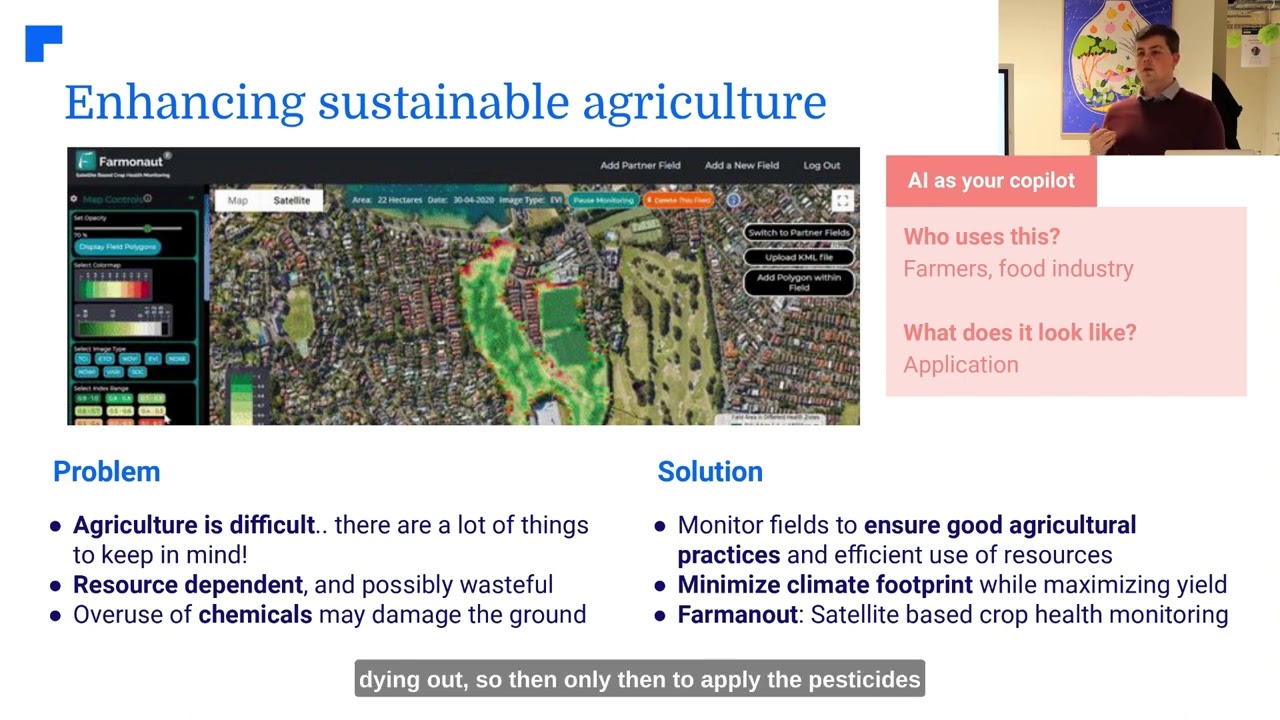
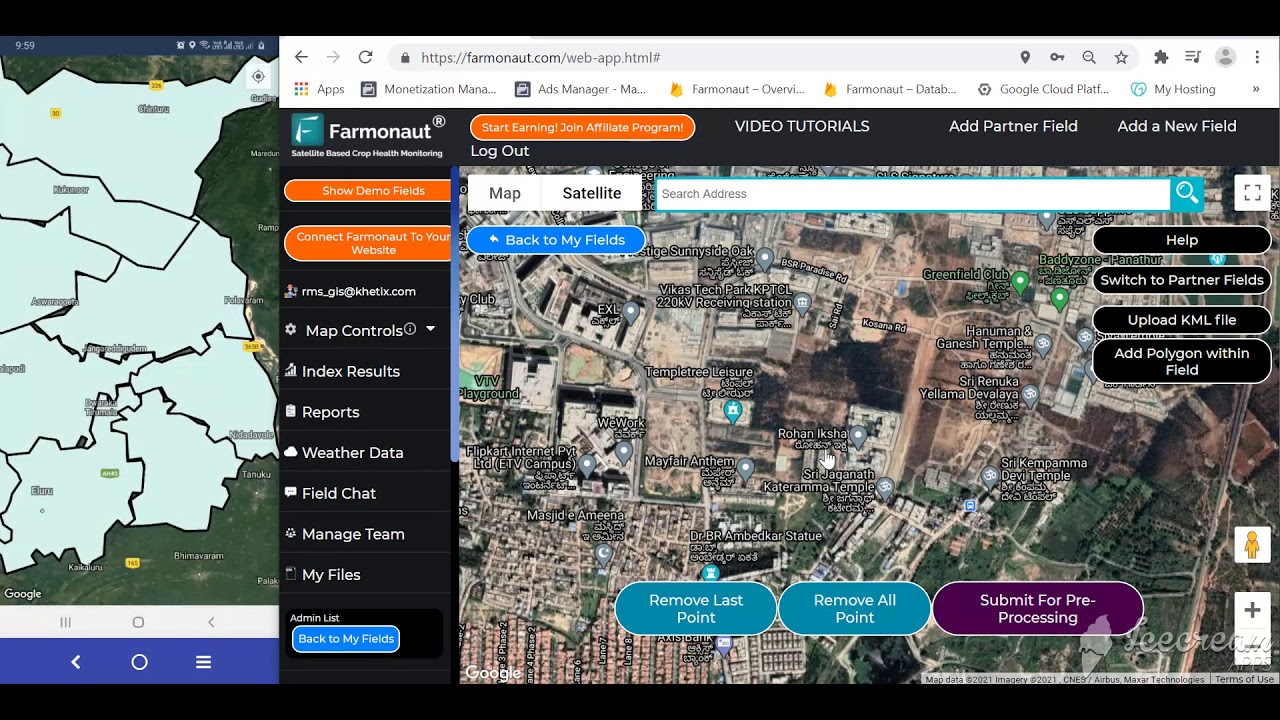
To support compliance and reduce carbon footprints in mining and agriculture, Farmonaut offers real-time carbon footprint monitoring, empowering stakeholders to track environmental impact and enable more sustainable practices across operations.
Estimated Environmental Impact Comparison: Cobalt vs. Lithium Mining (2025 Projection)
This table provides a high-level summary of lithium cobalt mining environmental impact in 2025. The data are based on industry projections and estimates to help visualize sustainability issues that underlie both sectors.
| Mining Material | Estimated Annual Production (2025, metric tons) |
Average Water Usage (liters/ton) |
Estimated CO₂ Emissions (kg/ton) |
Land Disruption (hectares/year) |
Toxic Waste Produced (tons/year) |
|---|---|---|---|---|---|
| Cobalt | ~210,000 | 10,000 – 25,000 | 12,000 – 15,000 | 6,000 – 7,500 | 200,000+ |
| Lithium | ~180,000 (LCE*) | 400,000 – 2,000,000 | 7,000 – 10,000 | 4,000 – 5,000 | 80,000 – 120,000 |
*LCE = Lithium Carbonate Equivalent. All values are global projections and vary with mining type, regulatory controls, and technology adoption.
“Cobalt mining in 2025 may generate over 200,000 tons of mining waste annually, impacting local ecosystems and communities.”
Social and Ethical Challenges in Cobalt and Lithium Mining
Environmental issues are deeply intertwined with social and ethical challenges in cobalt and lithium mining. Certain mining hotspots—especially in the DRC for cobalt extraction—face ongoing scrutiny regarding labor conditions, artisanal mining hazards, and supply chain transparency.
Artisanal Mining, Labor, and Local Community Impacts
-
Child Labor and Unsafe Conditions:
- Artisanal and small-scale mining (ASM) in cobalt-rich regions is often unregulated.
- Reports indicate persistent child labor, lack of worker protections, and unsafe mining environments—posing risks to health, well-being, and community stability.
-
Social Disruption:
- Mining influx alters local populations, often displacing indigenous people and disrupting social cohesion.
- Water scarcity and environmental degradation further impact agriculture and food security for local communities dependent on the same resources.
Responsible cobalt and lithium mining in 2025 demands global supply chain transparency, ethical labor practices, and improved regulatory oversight—especially in high-risk regions.
To ensure responsible supply chains, Farmonaut offers blockchain-based mining and product traceability—helping industry leaders and governments track resource origins and discourage unethical practices.

Technological and Regulatory Innovations Transforming Cobalt and Lithium Mining by 2025
The landscape of cobalt and lithium mining is shifting, with technological innovation and heightened regulatory action leading the way toward a more responsible and sustainable industry.
Advanced Extraction Technologies Reducing Environmental Footprints
-
Direct Lithium Extraction (DLE):
- DLE is an emerging alternative to conventional brine evaporation, using chemical filters or solvents to selectively extract lithium—reducing water consumption and speeding up recovery.
- This offers a promising path for sustainable lithium supply, especially in arid regions of Argentina and Chile.
-
Automated and AI-Enhanced Mining:
- Automation and AI-powered monitoring systems reduce human labor, limit hazardous exposure, and optimize resource management.
- Robotics and IoT-enabled solutions will further improve mine efficiency and environmental protection.
-
Resource Recycling and Battery Reuse:
- End-of-life lithium battery recycling could increasingly supply both lithium and cobalt, reducing dependency on primary extraction and shrinking the industry’s overall environmental impact.

Stricter Regulatory Oversight and Market Trends
-
ESG (Environmental, Social, Governance) Criteria:
- Investors and governments increasingly favor mining companies that comply with rigorous sustainability standards and transparent supply chains.
- Companies aligned with ESG goals—including those listed in cobalt mining ETFs—are attracting sustainable investments and global contracts.
-
Traceability and Reporting Mandates:
- More governments now require mining projects to prove environmental responsibility and ethical labor through verified reporting and blockchain-based traceability.
- Failure to comply increasingly leads to financial penalties, trade restrictions, and reputational damage for non-compliant operators.
-
Global Initiatives and Industry Coalitions:
- International frameworks and partnership guidelines are being adopted to standardize responsible sourcing, safety, and community engagement.
Managing vast resources and assets? Farmonaut provides industry leaders with fleet management solutions for both mining and agriculture, helping to optimize vehicle use and logistics, while minimizing operational footprints. For those scaling up, our large scale farm and mining site management platform delivers satellite-driven insights for efficient resource allocation, environmental monitoring, and compliance.

How Farmonaut Supports Sustainable Mining and Industry
As a pioneering satellite technology company, Farmonaut empowers mining, agriculture, infrastructure, and defence sectors to tackle the challenges of resource management, environmental monitoring, and regulatory compliance—using advanced, affordable satellite-driven insights.
-
Satellite-Based Monitoring:
- Multispectral satellite imagery analyzes mining sites, farmland, and infrastructure health, helping operators monitor land use, vegetation, and identify early signs of land disturbance or pollution.
- Real-time data enhances decision-making for site planning, reclamation, and environmental safeguarding.
-
Blockchain Traceability for Responsible Supply Chains:
- Traceability features help verify ethical sourcing, reduce fraud risks, and foster international trust—vital for those exporting critical minerals such as cobalt and lithium, especially from regions like the DRC, Australia, or South America.
-
AI-Driven Jeevn Advisory System:
- Delivers operational recommendations based on real-time environmental and weather data for both agriculture and mining—including drought risk, soil degradation, resource allocation, and safety reports.
-
Environmental Impact Monitoring:
- Our platform supports real-time carbon footprint tracking and resource management, assisting businesses and governments in aligning with environmental regulations and sustainability goals.
- Satellite environmental impact tools also aid in crop loan and mining insurance processes by providing evidence-backed, fraud-resistant remote verification.
-
Flexible, Scalable, and User-Centric Solutions:
- From individual farmers to corporate mining operators and governments, Farmonaut’s modular and subscription-based offering delivers scalable solutions for every user group.
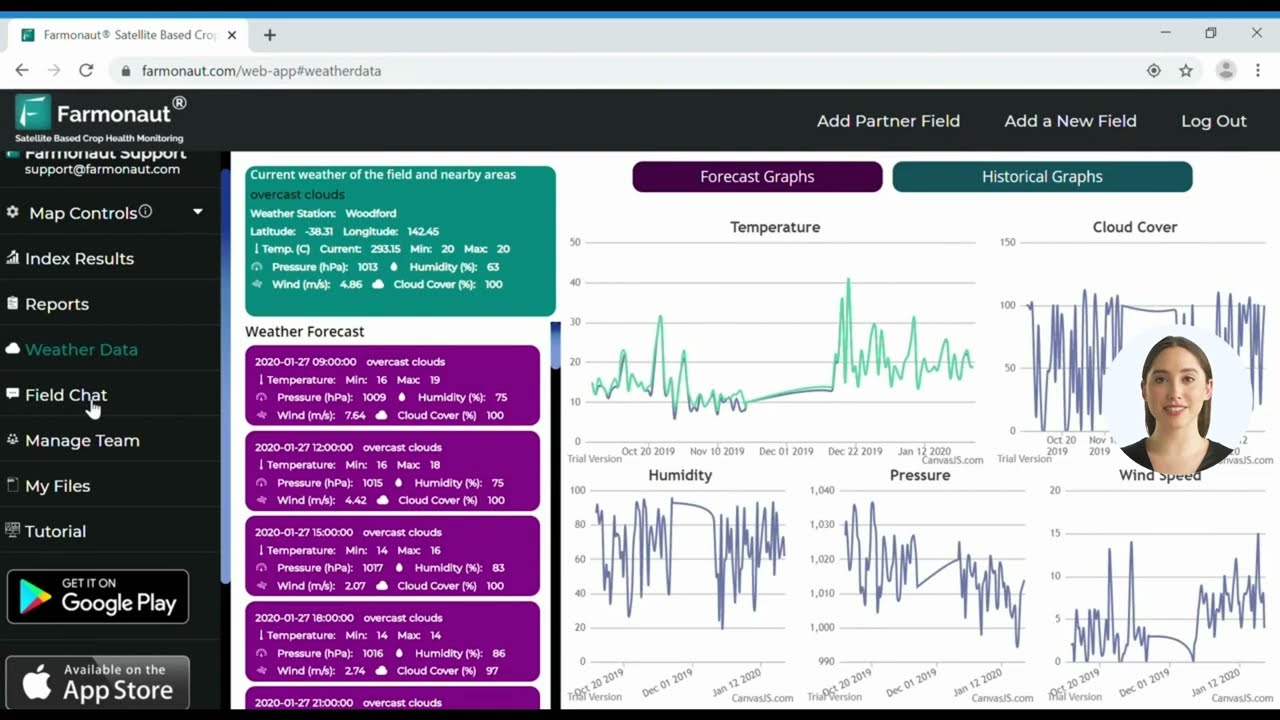
Explore how our technologies and products advance environmental and social responsibility: carbon footprinting, traceability, resource verification for loans and insurance, fleet management, and large scale project monitoring.
Access Farmonaut through web, Android, or iOS apps—or integrate with our APIs for custom enterprise/monitoring systems.
Future Outlook: The Evolving Landscape of Cobalt and Lithium Mining
As lithium cobalt mining remains at the center of global energy transformation in 2025 and beyond, the industry’s outlook is defined by the challenge of balancing resource security, environmental stewardship, and social responsibility:
-
Continued Demand Growth:
- EV markets, smart grids, and portable tech adoption will keep lithium and cobalt demand high.
- Critical minerals will remain vital for the functioning of agriculture, infrastructure, defence, and energy systems.
-
Sustainable Mining Becomes a Standard:
- Organizations that embrace technological innovation—such as DLE, satellite-based monitoring, AI-driven analytics, and traceability—will lead the green transition, reduce environmental impact, and maintain global competitiveness.
- Increased recycling of batteries and metals will gradually supplement primary mining activities.
-
Greater Collaboration and Policy Leadership:
- Governments, industry leaders, and technology providers must work together to develop regulatory standards, guide responsible mining practices, and deploy transparency tools across supply chains.
- Societal acceptance and market access will increasingly depend on rigorous ESG compliance and positive local impact.
-
Decentralized, Data-Driven Decision Making:
- Adoption of real-time, satellite-based data ensures rapid detection of environmental risks, resource depletion, and community impacts—essential for adaptive, resilient operations as markets evolve.
FAQ: Cobalt & Lithium Mining Environmental Impact and 2025 Industry Outlook
-
What is the main environmental concern with lithium mining in 2025?
The primary environmental concern is excessive water use, especially in arid regions of South America’s Lithium Triangle. Brine-based extraction consumes massive amounts of water, threatening local agriculture, natural habitats, and communities. Hard rock mining also disrupts land and generates significant waste. -
Why is cobalt mining in the DRC controversial?
The Democratic Republic of Congo (DRC) produces over 60% of the world’s cobalt, but unregulated mining has fueled deforestation, pollution, and substantial social challenges, including unsafe labor conditions and child labor. Supply chain transparency and responsible sourcing are vital issues for 2025. -
How are governments and industries responding to sustainability challenges?
Governments now mandate ESG compliance, traceability, and resource reporting. Industry leaders are investing in technologies such as DLE, automation, satellite monitoring, and blockchain traceability to address environmental and social risks. -
Can mining companies reduce their environmental impact?
Yes. By implementing new extraction technologies, responsible waste management, real-time environmental monitoring, and sustainable energy use, mining operators can significantly lower their water use, land disruption, and carbon emissions. -
What role does Farmonaut play in sustainable mining?
We provide satellite-driven monitoring, AI-based advisory, blockchain traceability, carbon footprinting, fleet management, and resource verification solutions for agriculture, mining, and infrastructure. Our technology enables environmentally responsible, socially ethical, and data-driven operations for the mining sector and beyond.
Summary & Final Thoughts
By 2025, cobalt and lithium mining will remain crucial for powering the shift to a low-carbon economy. However, environmental, social, and regulatory challenges demand attention—from excessive water consumption and ecosystem disruption in lithium mining to deforestation, pollution, and labor conditions in cobalt production, particularly in the DRC, Australia, Argentina, and Chile. Rapid technological innovation and stricter regulatory oversight are poised to improve industry standards, but sustainable, ethical mining practices must be prioritized to protect communities, ecosystems, and the global supply chain.
By integrating satellite technology, AI, blockchain, and real-time impact monitoring, platforms like Farmonaut are helping industry stakeholders reduce their environmental footprints, enhance traceability, and maintain compliance—all while supporting critical sectors such as agriculture, infrastructure, and defence.
The outlook for lithium cobalt mining is promising—provided all players commit to responsible sourcing, transparent practices, and continuous technological advancement. As energy systems evolve and demand continues to climb, the only sustainable path forward is one that protects both people and planet.
Discussion
Questions, corrections or field experience? Share them below. First-time comments are reviewed before they appear, and your email is never published.
No comments yet. Be the first to add a question or your experience.

 Rains of Favour
 Tintina Mining Group
 Dalgety Minerals Pty Ltd
 Vortex Minerals Pty Ltd
 Faith At Work (Pty) Ltd
 Geotech Mining Solutions plc
 Vulcan International Limited
 Kidepo Associates
 GKY Mining
 Alkimy SARL
 Double A Trading
 GemSprout Metals Limited
 Qader Group
 Ileys General Trading
 SG Gold Mining LLC
 VRV Global Pte Ltd
 Omsri International FZE
 G.I.T.T.
 Jaunita Erss Ltd
 Almosi SARL
 SRK Consulting
 Berks Gold Limited
 Mwerezi Minerals Company Limited
 Exploration consultancy · South Africa · Gold










