

Lithium Rio Tinto Mine Serbia: 7 Innovations Powering 2026
“By 2026, Rio Tinto’s Serbian lithium mine plans to implement 7 cutting-edge technologies for sustainable extraction.”
Table of Contents
- Introduction: The New Age of Lithium Mining
- Strategic Importance of the Rio Tinto Lithium Project in Serbia
- Evolving Global Market Dynamics and Demand
- 7 Innovations at the Forefront of Lithium Rio Tinto Operations
- Comparative Innovations Impact Table
- Sustainability & Environmental Considerations
- Securing Sustainable Supply Chains for the Green Revolution
- Challenges, Opportunities, and the Road Ahead
- Farmonaut’s Role in Advanced Mining Monitoring
- Frequently Asked Questions (FAQ)
- Conclusion: Powering a Sustainable Future
Introduction: The New Age of Lithium Mining
The world in 2026 stands on the precipice of an energy revolution. As the global transition toward renewable energy, electric vehicles, and smart technologies accelerates, the mineral lithium—often dubbed “white gold”—has become indispensable. The lithium Rio Tinto mine in Serbia, specifically the Jadar project, is at the forefront of this revolution, marking a significant shift in both mining practices and global energy dynamics.
As a beacon of sustainable innovation, the Rio Tinto lithium mine brings together advanced technologies, rigorous environmental standards, and strategic market positioning. This comprehensive exploration will shed light on how these innovations are redefining the sector and discuss their critical impact on the global resource supply chain and the ongoing energy transition.



Strategic Importance of the Rio Tinto Lithium Project in Serbia
The Rio Tinto lithium project in Serbia is more than just another mining operation; it is a linchpin for the evolving global mineral resource market. Traditionally, the company Rio Tinto has been recognized for its massive footprint in iron ore, copper, and aluminum. Recently, however, it has strategically expanded into lithium mining to capitalize on the rising importance of this critical metal.
- Flagship Deposit in Serbia: The Jadar lithium-borate deposit—often referred to as the Rio Tinto lithium mine—is one of the world’s largest untapped deposits.
- Projected Reserve: The site is estimated to contain about 126 million tonnes of ore, with some of the highest lithium concentrations globally, ensuring a consistent supply for the global battery and EV manufacturing sector.
- Sustainability at Its Core: Unlike many mines, the Jadar project has been developed with a focus on sustainability, environmental impact mitigation, and technological innovation.
By the end of 2026, this strategic project will be a critical supplier to European EV manufacturers and a stabilizing force in the otherwise volatile global lithium market.
Related Trivia:
“Global lithium demand is expected to surge by 40% in 2025, spurring rapid mining innovation at Rio Tinto Serbia.”

Evolving Global Market Dynamics and Demand for Lithium
As we move into 2026, the market dynamics surrounding lithium are characterized by rapid growth and shifting supply chains. The electric vehicles (EV) revolution, combined with renewable energy storage solutions and rising demand for advanced electronics, underscores lithium’s strategic importance.
- Surging Demand for Battery-Grade Lithium: From powering EVs to storing energy from solar and wind sources, lithium-ion batteries are the backbone of the clean energy transition.
- Localizing European Supply Chains: The Rio Tinto lithium mine in Serbia is crucial in reducing dependence on imports from Asia and South America, strengthening the European Union’s battery sovereignty goals.
- Price Volatility: The market has remained volatile due to imbalances in supply and demand; consistent production from Jadar is expected to bring much-needed stability.

Taking into account these critical sector dynamics, the Rio Tinto lithium project in Serbia not only supports regional objectives but is positioned to become a pivotal force in securing global lithium supply chains throughout the energy transition and beyond 2026.
7 Innovations at the Forefront of Lithium Rio Tinto Operations
What sets the Rio Tinto lithium mine at Jadar apart? The answer lies in its pioneering spirit—seven major technological and operational innovations designed to minimize environmental impact, boost efficiency, and align with global sustainability expectations.
1. Autonomous Electric Mining Fleet
The mine’s entire hauling and material handling system integrates autonomous electric vehicles. This means heavy trucks and loaders operate without direct human interference, reducing incident risk, maximizing consistency, and powering operations with renewable electricity.
- Significantly reduces fossil fuel consumption on-site, decreasing greenhouse gas emissions.
- Enhances ore extraction efficiency and scalability.
2. Real-Time Remote Operations Center
The Jadar site is controlled by a highly advanced remote monitoring and control center. This system brings together AI-driven analytics and real-time data from field sensors and autonomous equipment, enabling predictive maintenance, precision management, and agile decision-making.
- Reduces operational downtime through timely interventions.
- Optimizes resource use, cutting down on unnecessary consumption.

3. Advanced Water Management and Recycling Systems
Given the hydrological sensitivity around the mine, water usage is strictly controlled. The site uses closed-loop water management and advanced filtration to recycle over 90% of its process water—an industry benchmark.
- Minimizes freshwater withdrawal and impact on local aquifers and ecosystems.
- Helps meet stringent Serbian and European environmental regulations for mining projects.
For companies striving to monitor and report their carbon and water footprints, platforms like Farmonaut’s Carbon Footprinting tools offer actionable insights, promoting responsible and sustainable business practices.
4. AI and Predictive Analytics for Ore Body Modeling
Advanced AI algorithms scan geological multispectral data and real-time sensor feeds to deliver high-fidelity models of the lithium-borate ore. These models help optimize drilling, extraction, and chemical processing for higher yields and less waste.
- Higher recovery rates and reduced environmental footprint.
- Continuous improvements via machine learning as new data becomes available.
Satellite-based platforms such as Farmonaut’s Fleet & Resource Management are revolutionizing logistics and operational efficiency for large mining sites, including real-time equipment tracking and predictive maintenance.
5. Low-Emission Chemical Extraction Processing
Traditional lithium extraction methods produce significant CO2 emissions and hazardous byproducts. The Jadar project incorporates a proprietary low-emission chemical process that significantly reduces greenhouse gases and allows for enhanced recycling of reagents.
- Drastically reduces the project’s overall carbon footprint.
- Enables production of battery-grade lithium carbonate and hydroxide to meet European standards.

6. Integrated Blockchain-Based Traceability
As the call for transparency and responsible sourcing grows, the Jadar site integrates blockchain traceability from extraction through production and shipment. Each batch of battery-grade lithium is tagged and tracked on a tamper-proof ledger.
- Boosts consumer and investor trust in “clean lithium.”
- Enables regulatory and supply chain audits in real time.
For businesses seeking end-to-end traceability of minerals or agricultural products, Farmonaut’s Blockchain-Based Traceability tools empower transparent, secure, and responsible supply chains globally.
7. AI-Driven Environmental Impact Monitoring
Automated drone and satellite surveillance, paired with AI analytics, ensure almost real-time tracking of land, water, and air throughout the site’s lifecycle. This data feeds into compliance dashboards and public reporting portals, supporting both regulatory needs and stakeholder transparency.
- Tracks carbon sequestration, habitat disturbance, and remediation progress post-extraction.
- Enables swift action in the event of ecological deviation.
Advanced AI and satellite-based monitoring systems, similar to those offered in Farmonaut’s suite, facilitate continuous, cost-effective, and scalable environmental monitoring, helping companies align with evolving international standards.

Comparative Innovations Impact Table: Rio Tinto Lithium Mine, Serbia
| Innovation Name | Primary Function | Year Introduced | Estimated Efficiency Improvement | Estimated Environmental Benefit | Market Impact (2025-2026) |
|---|---|---|---|---|---|
| Autonomous Electric Mining Fleet | Fully automated material handling and transportation using electric vehicles | 2025 | 30-40% increase in ore handling and extraction efficiency |
50,000+ tonnes CO2 avoided annually | Lower production costs, stabilizes supply for battery/EV markets |
| Remote Operations Center | Real-time data analytics and site-wide monitoring/control | 2025 | 20% fewer unplanned outages; 12% higher throughput | Reduced diesel/energy waste | Smooth production-to-market flow, enhances reliability for downstream partners |
| Advanced Water Management | Closed-loop water recycling, minimal withdrawal | 2025 | Reusable water loop saves 90%+ compared to conventional mines | 1.2+ million m³ water saved/year; preserves local aquifers | Meets EU regulations; appeals to ESG-conscious investors |
| AI Ore Body Modeling | Smart extraction planning with predictive analytics | 2025 | 10–15% increase in lithium yields; reduced waste | Fewer extraction sites needed, less land disturbed | Greater resource optimization drives competitive edge |
| Low-Emission Chemical Extraction | Minimizes byproducts and carbon during refining | 2025 | Reduces energy use by 20%, recovery loss minimized | 40,000 tonnes CO2/year eliminated | Fulfills strict importer criteria, especially in Europe |
| Blockchain Traceability | Supply chain verification and anti-fraud | 2026 | Reduces losses from counterfeiting, speeds up compliance | Boosts “clean lithium” market image | Increases value and demand among battery manufacturers |
| AI-Driven Environmental Monitoring | Continuous site-wide satellite and drone impact assessment | 2026 | Real-time remediation prevents costly incidents | Up to 60% faster incident response and habitat restoration | Elevates ESG ratings, ensures social license to operate |

Sustainability & Environmental Considerations: Setting a New Standard in Lithium Mining
The vision for the lithium Rio Tinto project is inseparable from its commitment to sustainability. Every innovation at Jadar is designed to reduce environmental impact while maximizing operational efficiency. Here’s how the Rio Tinto lithium mine stands as a model of responsible operations:
- Greenhouse Gas Reduction: The site’s adoption of all-electric fleets and low-emission chemical processes drastically cuts GHG emissions per tonne of lithium produced.
- Water Resource Protection: Closed-loop water recycling ensures minimal drainage from local rivers and aquifers—addressing one of the most critical considerations in lithium mining globally.
- Real-Time Impact Monitoring: Satellite, drone, and sensor networks deliver comprehensive monitoring and reporting for regulators, investors, and local communities.
- Land Rehabilitation: Post-mining, significant investment is made in ecological restoration, biodiversity recovery, and pollution prevention initiatives.
From a regulatory and social perspective, these practices not only allow Rio Tinto to meet and exceed stringent expectations but also make the project a magnet for socially responsible investing.
Securing Sustainable Lithium Supply Chains for the Green Revolution
The benefits of the Rio Tinto lithium mine transcend its geographical footprint. Its true value lies in how it enables supply chain transformation for the emerging clean technology sector—especially as supply security, transparency, and regional sourcing take center stage in the global energy transition:
- Strengthening Europe’s Battery Industry: With the Jadar mine’s output, European EV manufacturers and battery makers gain direct access to a stable and responsibly sourced supply of battery-grade lithium—“local for local.”
- Reducing Dependency on Imports: By boosting European and global capacity, Rio Tinto anchoring its supply in Serbia lessens the international market’s dependence on Asian and South American producers, diversifying the global lithium supply network.
- Driving the Green Revolution: Battery-grade lithium from Rio Tinto Serbia is a critical enabler for large-scale adoption of clean mobility and renewable grid storage solutions, making the green revolution tangible.
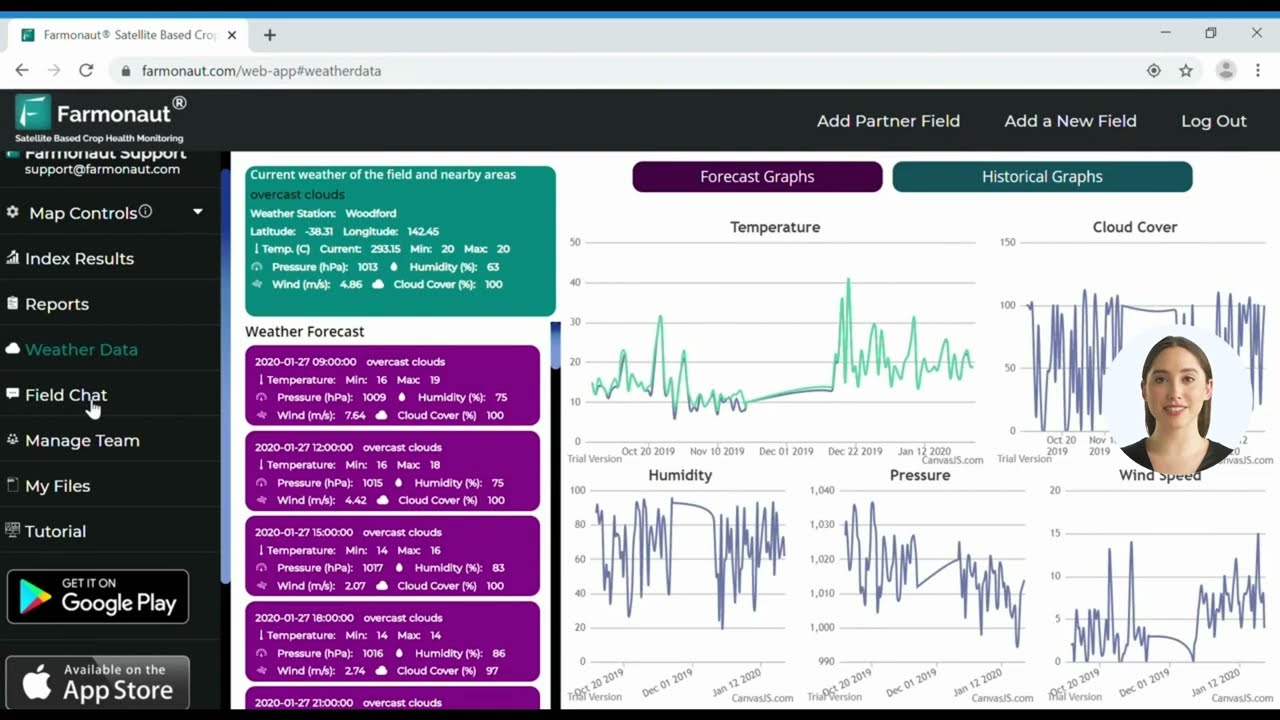
Chain-of-custody, transparency, and efficient mineral allocation are supported by digital solutions powered by blockchain and AI. For organizations seeking end-to-end supply chain visibility for agricultural or mineral assets, Farmonaut’s Satellite Data API and Developer Docs make real-time monitoring and integration an accessible reality across the value chain.
Challenges, Opportunities, and the Road Ahead for the Lithium Rio Tinto Project
Despite strong demand and monumental innovation, the lithium Rio Tinto project faces challenges relevant to all 21st-century resource ventures:
- Environmental & Community Relations: Managing ecological impacts and engaging in transparent, inclusive dialogue with local Serbian communities remain ongoing priorities for long-term social acceptance.
- Regulatory Hurdles: Continual alignment with rapidly evolving environmental regulations—especially within the European Union—is critical to remaining compliant and competitive.
- Geopolitical & Market Volatility: Lithium market prices are influenced by global events, trade policies, and pace of innovation in battery technologies, demanding resilient and adaptive business models.
In this rapidly evolving field, advanced data platforms for real-time monitoring—such as those offered by Farmonaut—have become indispensable. Features like blockchain traceability, carbon footprinting, and optimized fleet management empower businesses of all scales to mitigate risk, comply proactively, and demonstrate ESG leadership.
Farmonaut’s Role in Advanced Mining Monitoring
As a satellite technology leader, we at Farmonaut are dedicated to democratizing access to real-time, satellite-driven insights for industries like mining, agriculture, and infrastructure. Our platform supports companies engaged in large-scale, responsible resource extraction in several ways:
- Satellite-Based Monitoring: We offer multi-temporal, multispectral satellite data to provide efficient overviews of vegetation cover, infrastructure development, and environmental changes within mining zones.
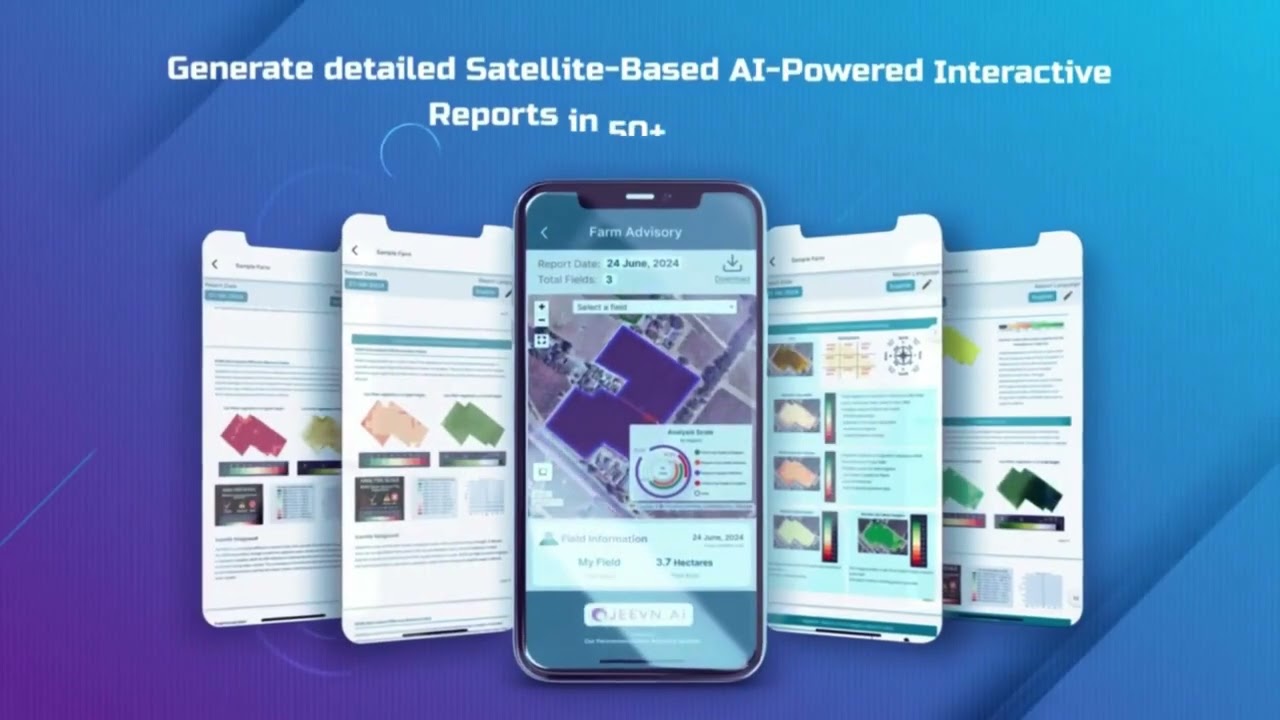
- AI-Enhanced Decision Making: Our Jeevn AI Advisory System delivers predictive analytics and custom reports, giving users actionable intelligence on site conditions and operational optimization.
- Blockchain-Enabled Traceability: We help businesses add sustainable and transparent provenance controls at every stage of their resource journey, guaranteeing compliance and fraud prevention.
- Environmental Impact Tracking: Our technology enables accurate, ongoing measurement of carbon emissions and resource usage, helping users align with local and international ESG standards.
- Scalable API Solutions: Companies can effortlessly integrate Farmonaut’s insights into their digital platforms by leveraging our robust API (learn more here).
To learn more about our end-to-end resource, fleet, and environmental monitoring tools, visit our product and platform pages below:
- Crop Loan and Insurance: Satellite-based verification for mining and crop loans/insurance streamlines risk assessment and improves access to financing.
- Agro Admin App: Powerful management of large-scale sites, monitoring, and advisory—all on a single dashboard.
- Forest & Plantation Advisory: Optimize resource usage and monitor restoration projects efficiently.
Lithium Rio Tinto: FAQ
1. What is the primary focus of the Rio Tinto lithium mine in Serbia?
The Rio Tinto lithium mine focuses on responsible extraction of high-grade lithium carbonate and hydroxide from the Jadar deposit in Serbia, utilizing advanced technologies to support the global transition to clean energy.
2. How does the project contribute to sustainability?
The project integrates electric autonomous vehicles, advanced water recycling, AI-driven impact monitoring, and blockchain traceability to drastically reduce environmental impact and enhance traceability throughout the mining and supply process.
3. Why is lithium from this mine considered strategic for Europe?
By supplying battery-grade lithium directly from Serbia, the Jadar site enables European manufacturers to reduce their reliance on imports, strengthen local EV and battery supply chains, and fulfill stringent EU sustainability requirements.
4. What environmental innovations are unique to the Rio Tinto Serbia project?
Unique features include the world’s leading closed-loop water management system, real-time satellite and drone environmental impact tracking, and fully integrated blockchain-based traceability from extraction to shipment.
5. Where can I find tools to monitor mining environmental impact or manage resources for my own business?
You can access scalable, satellite-powered monitoring, blockchain-based traceability, and advanced environmental tracking through Farmonaut’s platform—available for web, Android, and iOS devices.
Conclusion: Powering a Sustainable Future in Mining and Energy
The lithium Rio Tinto mine in Serbia exemplifies the shift towards sustainable, technology-driven mineral extraction, driving not only European but also global progress in clean energy adoption. With seven pioneering innovations, Rio Tinto’s operations are redefining what is possible in modern mining—striking a balance between economic viability and environmental responsibility.
As we move through 2026 and beyond, the project’s impact will be felt far beyond Serbia’s borders, supporting resilient, transparent, and green supply chains for the world’s renewable economy. The Rio Tinto lithium mine is more than a resource hub; it is an innovation powerhouse, catalyzing the next phase of the global energy transition.
For those navigating the intersection of mining, energy, and sustainability, access to real-time, actionable data, and deep operational insights is non-negotiable. We at Farmonaut stand ready to empower stakeholders with advanced satellite monitoring, AI-driven advisory tools, and blockchain traceability—helping you build resilient businesses for a sustainable future.
Let’s shape the next chapter of the green revolution. Start your data-driven journey with Farmonaut and harness the full power of satellite technology for your operations.

 Vulcan International Limited
 Kidepo Associates
 GKY Mining
 Alkimy SARL
 Double A Trading
 GemSprout Metals Limited
 Qader Group
 Ileys General Trading
 SG Gold Mining LLC
 VRV Global Pte Ltd
 Omsri International FZE
 G.I.T.T.
 Jaunita Erss Ltd
 Almosi SARL
 SRK Consulting
 Berks Gold Limited
 Mwerezi Minerals Company Limited
 Mining SARL
 SenGold Invest SAS
 Sean Mining Limited
