

Mining Rare Earth Elements: 2026 Challenges & Advances
“By 2025, over 90% of rare earth elements are produced by just three countries, shaping global technology supply chains.”
Table of Contents
- Introduction: The Strategic Importance of Rare Earth Elements Mining
- Significance in Modern Agriculture and Infrastructure
- Rare Earth Elements Mining: Current Landscape & Techniques
- Comparison Table: Traditional vs. Advanced Mining Techniques (2025-2026)
- Environmental and Social Challenges of Mining Rare Earth Elements
- Sustainable Solutions & Innovations
- Strategic and Defense Considerations in Rare Earth Elements Supply
- 2026 and Beyond: The Future of Rare Earth Elements Mining
- Farmonaut: Leveraging Satellite Technology for Efficient & Sustainable Rare Earth Elements Mining
- Frequently Asked Questions (FAQ)
- Farmonaut Subscription Options
Introduction: The Strategic Importance of Rare Earth Elements Mining
Rare earth elements (REEs) are a group of 17 chemically similar metallic elements crucial to the fabric of our modern technology, industry, and global infrastructure. Despite their name, these elements—such as neodymium, lanthanum, cerium, and others—are relatively abundant in the Earth’s crust. However, finding economically viable deposits is challenging as they are often geographically concentrated and embedded within other minerals, requiring advanced extraction and processing techniques.
In 2025 and moving into 2026, mining rare earth elements is not only about resource extraction—it underpins the manufacturing of advanced electronics, support for renewable energy infrastructure, efficient agricultural practices, national defense systems, and much more. As demand for REEs accelerates, so do the environmental and strategic challenges attached to their extraction and supply chains. This heightens the importance of sustainable practices, technological advancement, and global cooperation.
This article will comprehensively explore the current landscape, key technological advances, environmental concerns, and the pivotal role of rare earth elements mining in supporting the critical industries and solutions propelling us into the future.

Significance in Modern Agriculture and Infrastructure
Rare Earth Elements Mining and Agriculture: A Subtle Yet Pivotal Role
The significance of rare earth elements within agriculture is often understated but increasingly important. These elements are:
- Integrated into advanced fertilizers and soil catalysts, improving nutrient uptake for crops and resulting in higher yields and healthier soils.
- Key materials—neodymium and lanthanum—are used in precision agriculture tools, including sensors, GPS-based machinery, and data-driven monitoring systems that allow farmers to optimize input usage, water distribution, and crop health analysis.
- The use of rare earth elements promotes sustainable farming practices by enabling more efficient resource allocation and reducing environmental impact.
As our global population continues to rise, agriculture is under increased pressure to deliver more with less environmental expense. Rare earth elements mining plays a critical role in providing the raw materials necessary for this 21st-century transformation in food production and soil health management.

Essential Components for Infrastructure and Clean Energy
In infrastructure development, the importance of rare earth elements cannot be overstated. They are:
- Fundamental to the manufacturing of high-strength permanent magnets used in wind turbines, electric vehicle motors, sensors, and advanced electronics.
- Integral to energy-efficient lighting systems, power grid stabilization technologies, and battery technologies essential for renewable energy transitions and grid modernization.
- Supporting the global push towards sustainability and enabling the broad adoption of renewable solutions across nations and industries.
The 2025-2026 landscape sees an intensifying demand for rare earth elements as exemplified by the rapid expansion of wind farms, electric transportation infrastructure, and the pervasive adoption of smart technologies.
Rare earth elements mining thus remains a critical component underpinning the modernization and sustainability of both agriculture and infrastructure systems worldwide.
For real-time analysis of soil nutrient status, crop health, and precision agriculture insights powered by satellite technology, explore the capability of our Crop Plantation & Forest Advisory Tools.
Rare Earth Elements Mining: Current Landscape & Techniques
Geopolitical Distribution and Economic Concentration of Rare Earth Elements
Despite being relatively abundant in Earth’s crust, the deposits of rare earth elements that are economically viable for mining are both scarce and geographically concentrated. As of 2025:
- China continues to dominate the rare earth elements sector, controlling the majority of global production and supply chains. This position has significant trade, security, and geopolitical implications.
- Other major players include Australia, the United States, and areas of Africa, all increasingly investing in exploration, mining, and advanced technologies to secure stable supplies.
- The global landscape is marked by efforts to diversify supply to reduce geopolitical risks and enhance national supply chain resilience.

Common and Advanced Extraction Methods in Rare Earth Elements Mining
Most rare earth elements deposits occur as bastnäsite, monazite, and lateritic clay ores. Mining and extraction are environmentally demanding and present a set of formidable challenges:
-
Traditional Methods:
- Mining these minerals often requires extensive crushing, chemical separation, and processing with hazardous chemicals, generating toxic waste and sometimes radioactive byproducts.
- The process is energy-intensive, costly, and poses environmental hazards.
-
Advanced and Innovative Techniques (2025-2026):
- Bioleaching: Utilizes naturally occurring or engineered microorganisms to extract rare earth elements from ores, minimizing chemical use and reducing waste.
- Ion-exchange and Selective Adsorption: Especially for clay-rich deposits, these processes significantly reduce water consumption and environmental footprint.
- Hydrometallurgical advances, AI integration for resource mapping, and satellite data applications for responsible monitoring and operational efficiency.
Adopting new technologies is vital as demand for rare earth elements continues to surge and environmental regulations grow more stringent.

Comparison Table: Traditional vs. Advanced Rare Earth Elements Mining Techniques (2025-2026)
| Mining Method | Estimated Yield (tons/year) |
Energy Consumption (kWh/ton) |
Environmental Impact (Emissions/Water Use) |
Cost Efficiency (USD/ton) |
Sustainability Score (Scale 1-10) |
|---|---|---|---|---|---|
| Bastnäsite Flotation (Traditional) | 8,000–10,000 | 13,500 | High (CO2: ~1.8t/ton, Water: 60,000L/ton) | $21,000 | 3 |
| Acid Leaching of Monazite Sands (Traditional) | 3,500–4,500 | 15,200 | Very High (Radioactive waste, Water: 70,000L/ton) | $25,000 | 2 |
| Bioleaching/Biomining (Advanced, 2025+) | 7,000–9,000 | 9,500 | Moderate (CO2: ~1.1t/ton, Water: 26,000L/ton) | $16,000 | 7 |
| Ion-Exchange Leaching/Selective Adsorption (Advanced, 2025+) | 6,500–8,000 | 6,800 | Low (CO2: ~0.7t/ton, Water: 14,000L/ton) | $13,500 | 9 |
This comparison highlights the advances in rare earth elements mining toward more sustainable, cost-efficient, and environmentally friendly operations.
Environmental and Social Challenges of Mining Rare Earth Elements
Major Environmental Concerns in 2025-2026
- Toxic Waste Generation: Traditional mining and processing methods generate significant volumes of hazardous and toxic waste—especially from acid leaching and solvent extraction.
- Radioactive Byproducts: The presence of thorium and uranium in some rare earth minerals, notably monazite, leads to radioactive wastes requiring complex handling and disposal.
- Soil and Water Contamination: Runoff and leaching from mines contaminate soil and water bodies, affecting both biodiversity and human communities.
- High Energy and Water Usage: Mining and ore processing are both energy- and water-intensive, further increasing their environmental impact.
- Biodiversity Loss: Land disruption, deforestation, and hazardous waste can result in substantial losses of flora and fauna around mining sites.
Communities living near rare earth elements mining operations often face health risks and displacement, prompting calls for stricter regulation and a move toward integrated, eco-friendly mining technologies.

“Innovative sustainable mining methods could cut environmental impact of rare earth extraction by up to 40% by 2026.”
Key Social Challenges and Regulatory Responses
- Displacement of Communities: Large-scale operations sometimes displace indigenous and local populations and raise ethical questions about land use and consent.
- Regulatory Strain: Stricter environmental regulations are being implemented globally, especially in response to concerns about rare earth elements mining’s impact on health and the ecosystem.
- Workforce Safety and Rights: As mining becomes more capital- and technology-intensive, ensuring the safety and rights of workers—especially in less-regulated countries—remains an ongoing challenge.
Efforts are now focused on developing advanced, sustainable extraction methods, improving resource recycling from end-of-life products, and remediating mined landscapes.
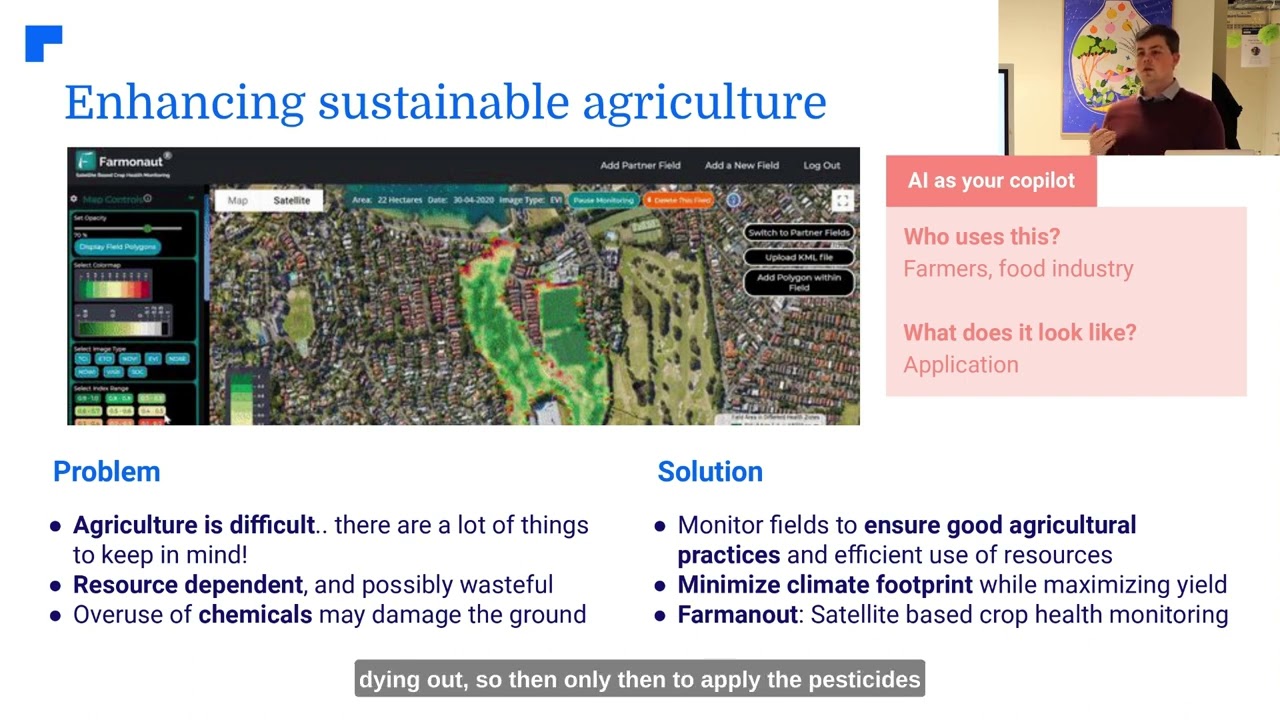
Satellite-driven tools like Carbon Footprinting
are increasingly vital for monitoring environmental impacts, measuring carbon emissions, and promoting sustainability in rare earth elements mining.
Sustainable Solutions & Innovations in Rare Earth Elements Mining
Advances in Extraction and Processing Technologies (2025 & Beyond)
Driven by a need for both environmental sustainability and supply security, 2025 and 2026 are witnessing notable advances in the technologies and approaches for mining rare earth elements:
- Bioleaching and Metagenomics: Harnessing microorganisms and synthetic biology to dissolve and mobilize rare earth elements from ores, dramatically reducing chemical requirements and minimizing toxic waste.
- AI-Driven Ore Mapping: Utilizing satellite data, machine learning, and AI to identify high-grade, low-impact deposits, improving exploration accuracy and minimizing unnecessary land and resource use.
- Selective Adsorption and Ion-exchange Processes: Especially in ion-adsorption clays, new low-energy adsorbents and resins are enabling cleaner recovery of rare earth elements.
- Robotics, Automation, and Blockchain Traceability: Automating resource management, extraction, and maintaining a transparent, secure record of every step, blockchain-based traceability is transforming responsible supply chains.
- Recycling and the Circular Economy: Recovery of rare earth elements from e-waste (e.g., electronics, advanced agriculture equipment, and defense hardware) is increasingly viable, reducing dependence on primary mining and lowering total environmental burden.
Driving Sustainable Practices: Examples and Benefits
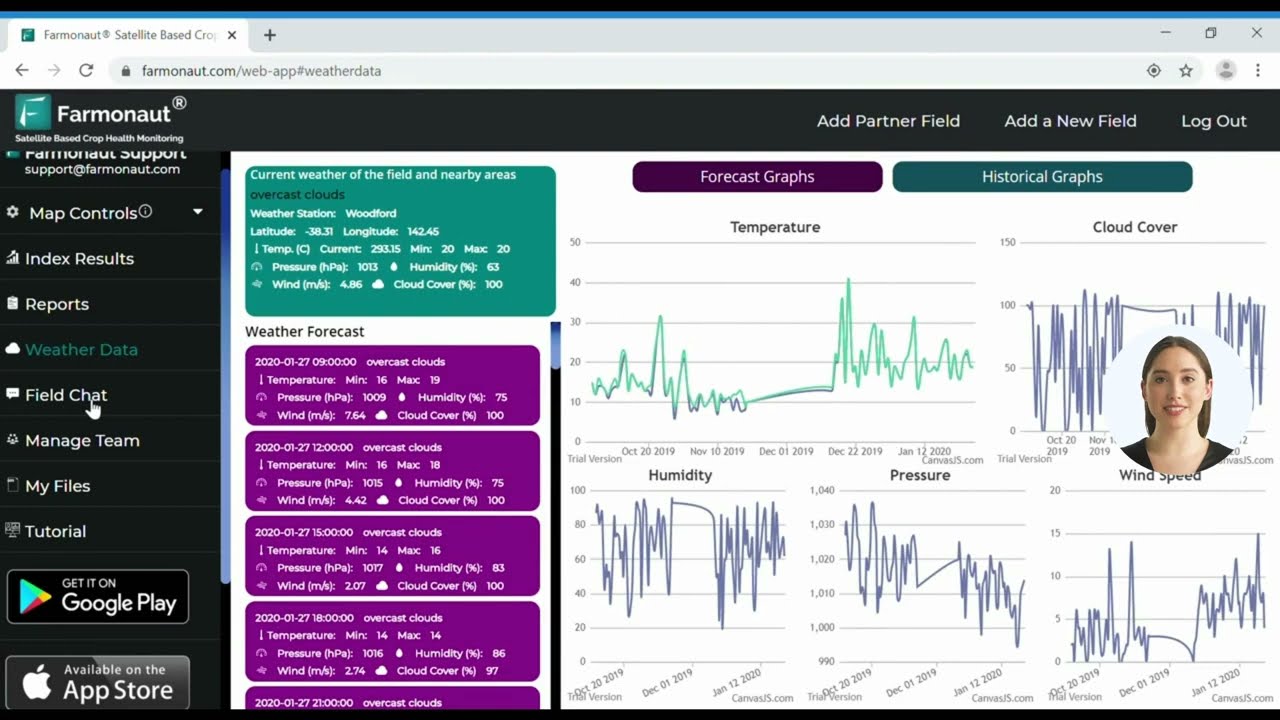
- Satellite-Based Real-Time Monitoring: Technology enables both industry operators and governments to track on-ground changes, compliance, and environmental remediation in real time—reducing blind spots and accelerating response.
- Resource and Fleet Management: With intelligent Fleet Management, businesses optimize resource allocation, minimize wastage, and lower operational emissions.
- AI Advisory and Predictive Analytics: Advanced AI-based advisory systems support efficient and sustainable operations by predicting supply risks, guiding environmental compliance, and suggesting optimal extraction strategies.
Strategic and Defense Considerations in Rare Earth Elements Supply
Critical Role of Rare Earth Elements in National Security and Advanced Technologies
Rare earth elements remain indispensable for national defense and security. They are vital in manufacturing:
- Precision-guided munitions.
- Communication satellites and secure military systems.
- Advanced sensor and radar technologies.
- Drones and autonomous defense vehicles.
The strategic importance of these elements has led many nations in 2025 and 2026 to:
- Classify rare earth elements mining and processing as critical national infrastructure.
- Incentivize domestic mining and processing capabilities to reduce vulnerabilities from single-source supply chains.
- Maintain national stockpiles, support recycling efforts, and encourage international research on alternatives and substitutes.
Supply disruptions—whether from geopolitical tensions, trade conflicts, or environmental incidents—can have far-reaching consequences on defense, electronics, and the energy sector.
Smart satellite-driven intelligence and monitoring are playing an expanding role in mitigating these risks.
2026 and Beyond: The Future of Rare Earth Elements Mining
Meeting Soaring Demand While Ensuring Environmental and Supply Security
By 2026 and beyond, the rare earth elements sector faces two principal, intertwined challenges:
-
Meeting Skyrocketing Demand:
- The push towards green technologies, electric vehicles, advanced electronics, and defense modernization is exploding global demand for REEs.
-
Minimizing Environmental Impact:
- The environmental and social cost of traditional mining extraction is no longer tenable. Regulation, consumer awareness, and investor expectations are driving fundamental change.
Next-Generation Innovations Shaping the Sector
- Nanotechnology-enabled Extraction: New materials and methods that increase recovery rates while decreasing environmental footprint.
- Machine Learning for Ore Detection & Predictive Maintenance: Algorithms for faster, more precise identification of viable, low-impact deposits; predictive analytics for efficient asset management.
- Circular Economy Emphasis: Recycling, traceability, and resource verification will play an expanded role in closing the REE supply and demand gap, and in limiting future waste.
- AI-based Decision Support & Environmental Compliance Monitoring: Automated compliance ensures adherence to best sustainable practices and optimizes resource use.
The path to a sustainable future is a balance of technological advancement, responsible management, rigorous oversight, and integrated environmental protection.
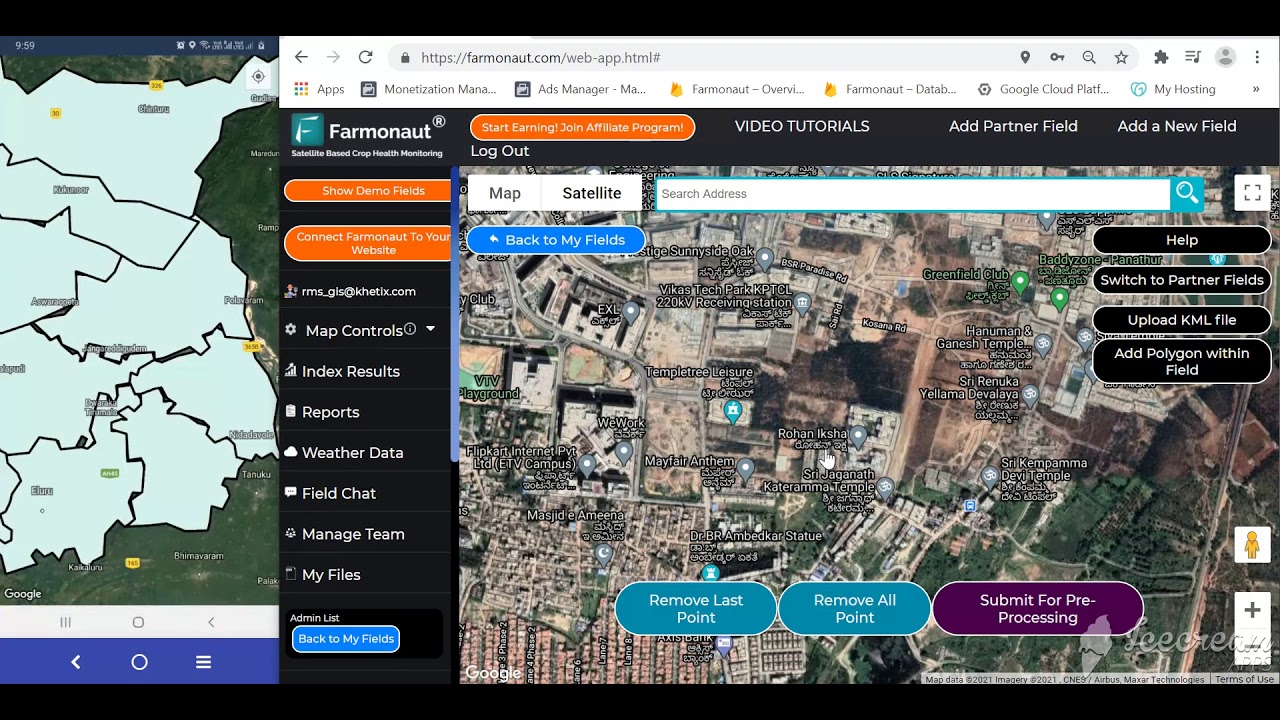
Businesses and governments can leverage real-time satellite-powered insights in their own systems via our robust Satellite Data & Weather API. Developers can find more details on features and integration at our API Developer Documentation.



Farmonaut: Leveraging Satellite Technology for Efficient & Sustainable Rare Earth Elements Mining
As a pioneering satellite technology company, we at Farmonaut are committed to delivering advanced solutions that directly address many of the core technological and environmental challenges in mining rare earth elements:
- Satellite-Based Monitoring: Our platform provides real-time, multispectral imagery for monitoring mining sites, tracking vegetation, soil health, and environmental impact.
- AI-Powered Advisory: Our Jeevn AI system delivers tailored guidance, predictive analytics, and weather forecasting—crucial for planning extraction and processing with respect for both efficiency and environmental stewardship.
- Blockchain Traceability: By integrating blockchain-based traceability, we ensure authentic, transparent records throughout mining and rare earth elements supply chains.
- Environmental Impact Tracking: Our carbon footprint monitoring tools help clients assess and minimize their operational emissions and resource consumption.
- Fleet & Resource Management: Through our fleet management platform, mining businesses achieve optimal logistics, reduce downtime, and ensure machinery utilization aligns with sustainability goals.
Our mission is to democratize access to these powerful monitoring and decision-support technologies, making rare earth elements mining more efficient, data-driven, transparent, and environmentally responsible for businesses, users, and governments globally.
Our satellite-based verification services support rare earth mining companies and financial institutions in loan and insurance approvals—streamlining processes and reducing fraud.
For unified management of mining operations, agriculture, and infrastructure on an enterprise scale, explore our Large Scale Farm & Resource Management App, delivering scalable solutions across diverse projects.
Summary: The Strategic Importance and Challenges of Rare Earth Elements Mining in 2025–2026
Mining rare earth elements is not merely a matter of resource extraction. It stands at the intersection of technological development, sustainable agriculture, modern infrastructure, and national security. While rare earth elements are relatively abundant, their economically viable deposits remain scarce and geographically concentrated, intensifying strategic trade and supply challenges in 2025 and beyond.
The role of rare earth elements in catalyzing green energy transitions, advanced manufacturing, and efficient agriculture underscores their indispensable importance to global progress. Yet, environmental and social concerns stemming from traditional mining and processing methods are driving urgent innovation.
With the advent of sustainable extraction technologies, satellite-based monitoring, AI analytics, and circular economy approaches such as recycling, the sector is moving steadily toward a future that aims to balance soaring material demand with rigorous environmental responsibility. The shifts occurring now will resonate across all industrial, agricultural, and strategic domains for decades to come.
As advanced solutions from companies like Farmonaut become more accessible, the vision of a clean, transparent, and efficient rare earth elements supply chain—supporting both innovation and ecological health—becomes an attainable reality.
Frequently Asked Questions (FAQ)
What are rare earth elements, and why are they important?
Rare earth elements (REEs) are a group of 17 chemically similar metallic elements essential for making modern electronics, renewable energy infrastructure, defense technologies, advanced agriculture, and more. They are critical for manufacturing magnets, batteries, sensors, and various precision instruments.
Why is mining rare earth elements considered challenging?
Mining rare earth elements is environmentally demanding due to hazardous chemical processes, toxic and radioactive waste generation, high energy and water use, and the geographic concentration of economically viable deposits. These challenges necessitate new technologies and sustainable practices to mitigate impact.
What are the environmental impacts of rare earth elements mining?
Significant impacts include toxic and radioactive waste generation, soil and water contamination, biodiversity loss, and greenhouse gas emissions. Innovations such as bioleaching, AI-driven resource mapping, and recycling can dramatically reduce these effects.
How does recycling help with rare earth elements supply?
Recycling rare earth elements from electronic waste and end-of-life products helps reduce dependency on mined sources, secures supply, and lessens environmental burdens by reusing existing resources instead of extracting new ones.
What role does Farmonaut play in supporting responsible rare earth elements mining?
We at Farmonaut offer satellite-based real-time monitoring, AI advisory systems, blockchain traceability, carbon footprint assessment, and fleet management. These tools help make rare earth elements mining more efficient, transparent, and sustainable across agriculture, mining, and infrastructure sectors.
How can businesses access Farmonaut’s services for mining, agriculture, or infrastructure?
Our platform is accessible via web, Android, and iOS apps, and we also provide API access for deep integration into business and government systems.
Farmonaut Subscription Options
Access our suite of advanced satellite monitoring, AI advisory, blockchain traceability, and resource management services with flexible subscription packages for individuals, businesses, and governments. Scale your solutions as your operations grow.

 Berks Gold Limited
 Mwerezi Minerals Company Limited
 Congo Mining Solutions
 Mining SARL
 SenGold Invest SAS
 Sania Corporation
 Sean Mining Limited
 NTS Group (Pty) Ltd
 Mine4Africa
 Lithspo Minerals Limited
 Tintina Mining Group
 Dalgety Minerals Pty Ltd
 Vortex Minerals Pty Ltd
 Faith At Work (Pty) Ltd
 Geotech Mining Solutions plc
 Vulcan International Limited
 Kidepo Associates
 GKY Mining
 Alkimy SARL
 Double A Trading
 GemSprout Metals Limited
 Qader Group
 Ileys General Trading
 SG Gold Mining LLC
 VRV Global Pte Ltd
 Omsri International FZE
 G.I.T.T.
 Jaunita Erss Ltd
