

Names of Rare Earth Minerals: 10 Powerful Uses in India 2026
Introduction: Rare Earth Elements Reshaping 2026
In the rapidly advancing era of technology, agriculture, and infrastructure innovation, the names of rare earth minerals—bastnäsite, monazite, xenotime, loparite, and more—have emerged as critical resources. Sitting at the intersection of mining breakthroughs, sustainable farming, and the development of next-generation electronic systems, these minerals are far more than scientific curiosities. By 2026, India is expected to play a significant global role, leveraging rare earth element minerals to drive efficiencies, boost resilience in food production, clean up energy, and strengthen national security.
Although rare earth minerals are not always “rare” in terms of abundance, their significance lies in the complexities involved in processing and extraction. This blog delves into the names of rare minerals, demystifying their vital role and uncovering 10 powerful applications across Indian industries by 2026—including a focus on mining, agriculture, and advanced technology development.

Understanding Rare Earth Mineral Groups & Properties
What Are Rare Earth Elements (REE)?
- The group of rare earth element minerals encompass 17 elements from the periodic table—including the 15 lanthanides (from lanthanum to lutetium), plus yttrium and scandium.
- The names of rare earth minerals most widely recognized by scientists and industry leaders include bastnäsite, monazite, xenotime, and loparite.
- Physical and chemical properties of these elements—such as strong magnetism, luminescence, and catalytic activity—make them indispensable in many industrial and technology applications.
- Rare earth minerals are termed “rare” not necessarily due to low abundance, but because extraction and separation from ore deposits is challenging and resource-intensive.
The unique properties of rare earth minerals impart advantages—like high-temperature stability, directed energy absorption, and the ability to enhance electronic circuits and magnets—making them critical to modern development.

Major Names of Rare Earth Minerals: Quick Reference Table
Let’s outline the widely recognized names of rare minerals and their core attributes:
- Bastnäsite: Typically contains cerium, lanthanum, neodymium, praseodymium; key source for REE mining globally.
- Monazite: Rich in thorium, lanthanum, cerium, praseodymium, neodymium; abundant in Indian coastal sands.
- Xenotime: Source of yttrium and heavy rare earths like dysprosium and erbium.
- Loparite: Contains rare earth titanates (neodymium, praseodymium), as well as titanium and niobium.
Other essential minerals include allanite, euxenite, gadolinite, and samarskite. However, bastnäsite, monazite, xenotime, and loparite remain the primary sources for rare earth elements in India and across the globe.
Mining Sources and Deposits: India in Global Spotlight
India stands among the top countries with significant rare earth mineral deposits, especially rich monazite sands along the coastal states like Kerala, Tamil Nadu, and Odisha. With bastnäsite being the focus of many overseas mining ventures, India’s monazite and xenotime resources are crucial for meeting rising technological and industrial demands in 2025–2026 and beyond.
Key Indian locations for rare earth mining:
- Kerala, Tamil Nadu, Odisha: Large monazite placer deposits in beach sands, primarily processed for thorium, lanthanides, and yttrium.
- Andhra Pradesh: Notable reserves of xenotime and other heavy rare earth compounds.
- Chhattisgarh, Jharkhand: Sites of exploration for loparite and associated rare earth minerals.
Globally, China, USA, Australia, and some African nations also figure prominently in the sourcing of REEs.

Extraction & Processing: Overcoming Complexities
The “rare” in rare earth minerals refers less to their abundance and more to the complexities involved in extraction and separation. These minerals are typically dispersed and not often found in concentrated economic ores, making mining and processing a highly technical exercise in chemical and physical separation technologies.
- Solvent Extraction: Widely used to separate individual rare earth elements from mixed mineral concentrates, reducing impurities and optimizing product purity.
- Ion Exchange & Membrane Separation: New technologies help minimize waste and associated radioactive byproducts, supporting ecological and environmental management goals.
- Radioactive Management: Particularly crucial for monazite, which contains thorium. India’s approach emphasizes sustainability and environmental safety, aligning with global best practices.
- Recycling: As demand climbs, recycling rare earths from electronic waste and permanent magnets is becoming essential to ensure sustainable supply.
By 2026, India is expected to lead in eco-friendly extraction, leveraging advanced separation technologies and responsible mining management.




Access real-time satellite analytics for mining, agriculture, and rare earth mineral site monitoring through our web and mobile apps.
Role of Rare Earths in Technology & Infrastructure
The role of rare earth element minerals in technology, infrastructure, and modern development is irreplaceable.
- Permanent Magnets: Neodymium, praseodymium, dysprosium, and terbium (from bastnäsite and xenotime) are used in the manufacture of high-strength magnets for electric vehicles, wind turbines, and automation motors—all vital for India’s 2026 green energy and infrastructure boom.
- Catalysts & Ceramics: Cerium and lanthanum from monazite and bastnäsite are essential in advanced ceramic materials, petroleum catalysis, and clean air devices.
- Electronics & Communication: Europium, yttrium, and terbium enable high-performance displays, sensors, fiber optics, and lasers—crucial for smart city technologies and India’s booming electronics sector.
- Batteries & Fuel Cells: Lanthium-ion batteries contain lanthanum, while new fuel cell chemistries employ yttrium and cerium.

Agriculture & Farming Benefits: Harvesting Innovation
One of the most exciting developments in the dynamic field of agriculture is the application of rare earth element minerals to improve soil, strengthen crop yield, and enhance resilience against environmental stress.
Key Agricultural Applications
- Micronutrient Additives: Cerium and lanthanum—found in bastnäsite and monazite—are now researched as micro-nutrient fertilizer additives in India, boosting photosynthesis efficiency and enabling soils with low mineral content to support robust plant growth.
- Phosphate Fertilizers: Rare earth element-enriched fertilizers are trialed for optimized nutrient uptake and sustainable practices—especially vital for Indian soils prone to micronutrient deficiency.
- Stress Resistance: Precision application of REEs can increase plant resistance to drought, pests, and disease—addressing climate change-driven challenges in Indian farming.
- Soil Health: Controlled, gradual release of rare earth minerals improves structure and microbial activity in soil, fostering a healthier root environment and enhancing overall productivity in agriculture.
As climate change and soil degradation intensify, the integration of rare earth-based solutions—supported by precision agriculture technologies—could revolutionize crop productivity across India’s vast agricultural sector by 2026.

Ensure absolute traceability in fertilizer and rare earth supply chains. Farmonaut’s blockchain solutions help Indian agriculture and mining businesses authenticate their processes and resources, boosting transparency and reliability.
Defence & Strategic Applications of Rare Earth Mineral Elements
Secure access to rare earth minerals is undoubtedly a strategic priority for national defence and security. Here’s how:
- Advanced Electronics: Rare earths enable the miniaturization and increased efficiency of key defence electronics—like radar systems, missile guidance, and secure communications.
- Jet Engines & Munitions: Neodymium, dysprosium, and terbium toughen high-performance alloys for critical military equipment.
- Stealth Technologies & Sensors: Yttrium and europium contribute to cutting-edge surveillance, sensor, and signal processing systems.
- Supply Chain Security: Given geopolitical sensitivities, India and other countries are accelerating local mining, processing, and recycling to ensure supply chain independence for strategic sectors.
India’s drive for defence self-reliance through rare earth development is set to deepen through 2026, underpinning national security and technological leadership.

Interested in tracking and reducing the carbon footprint of your mining or agricultural operation? Farmonaut delivers satellite-driven insights to help Indian industries meet sustainability targets.
Leverage satellite-based crop loan and insurance verification for Indian farmers and mining operators, reducing risk and boosting access to financing.
Comparative Applications Table: Rare Earth Minerals in Indian Industries (2026)
| Mineral Name | Chemical Formula | Major Uses in India (2026) | Key Industry | Estimated Annual Demand (tonnes)* |
|---|---|---|---|---|
| Bastnäsite | (Ce, La)(CO3)F | Magnets, catalysts, EV batteries, energy-efficient motors | Technology, Infrastructure, Batteries | ~6,000 |
| Monazite | (Ce, La, Th, Nd, Y)PO4 | Phosphate fertilizers, ceramics, green energy systems | Agriculture, Electronics | ~5,500 |
| Xenotime | YPO4 | Supermagnets, aerospace alloys, fibre optics, sensors | Defence, Electronics | ~1,500 |
| Loparite | (Ce, Na, Ca)(Ti, Nb)O3 | Titanium alloys, electronics, advanced ceramics | Electronics, Industrial, Defence | ~900 |
| Euxenite | (Y, Ca, Ce, U, Th)(Nb, Ta, Ti)2O6 | High-tech alloys, nuclear sectors, electronic capacitors | Industrial, Defence | ~500 |
| Gadolinite | (Ce, La, Nd, Y)2FeBe2Si2O10 | Lasers, specialty glass, quantum communications | Technology, R&D | ~300 |
| Samarskite | (Y, Fe3+, U, Th, Ca)2(Nb, Ta, Ti)2O8 | Nuclear applications, magnetic materials | Defence, Nuclear Power | ~150 |
*Estimated values based on projections for India’s industry demands in 2026.
Future Trends: Sustainability, Circular Economy & Innovation in Rare Earth Management
- Increasing Demand: India’s consumption of rare earth minerals is set to soar due to clean energy transitions, digital infrastructure expansion, and the deepening of local supply chains.
- Alternative Sourcing: Advanced exploration (including deep-sea mining and space prospecting) is under study to supplement terrestrial deposits.
- Recycling & Circularity: The recycling of rare earths from waste electronics and magnets is rapidly gaining attention in India, promoting both ecological and economic benefits.
- Cleaner Extraction: Eco-friendly separation technologies, sustainable mining equipment, and waste management protocols are being implemented to ensure minimal environmental impact.
- Regulatory Support: Policy reforms and public-private sector initiatives are emerging to foster responsible resource management and strengthen supply chain independence.
- Innovation in Applications: R&D into next-gen permanent magnets, quantum electronics, and smart fertilizers will further amplify the strategic role of rare earths in modern industries.
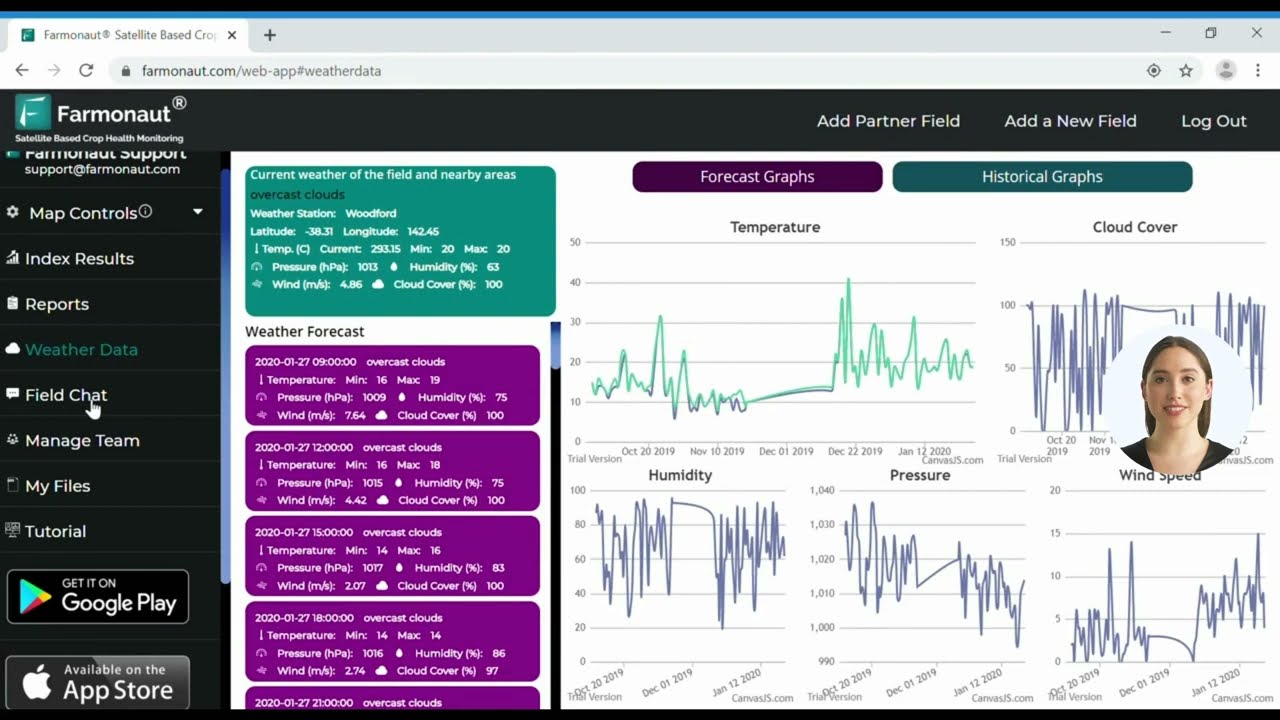
Satellites, artificial intelligence, and blockchain are unlocking new levels of resource management and transparency across India’s rare earth mining and agricultural sectors. Interested in building your own solutions? Explore Farmonaut’s API platform and developer documentation for custom data integration.
Transform multi-site and contract farm operations with Farmonaut’s Large Scale Farm Management: Satellite-driven oversight of rare earth nutrient implementation and harvest across India.
How Farmonaut Empowers Agriculture, Mining & Infrastructure in India
At Farmonaut, we are dedicated to making the benefits of satellite technology and data-driven insights accessible and affordable across agriculture, mining, infrastructure, and defence in India.
- Satellite-Based Monitoring: We help businesses monitor crop health, rare earth mining sites, and infrastructure projects, enabling optimized extraction, sustainable soil management, and efficient project flow.
- Jeevn AI Advisory: Our AI system provides real-time recommendations for agriculture and mining—integrating weather, soil, and resource data to improve operational efficiency.
- Blockchain Traceability: Using blockchain, we ensure transparent traceability for rare earth and agricultural products, authenticating their journey from source to market.
- Resource & Fleet Management: Users optimize logistics and fleet deployment across mines, large farms, and industrial zones to reduce downtime and operational costs.
- Environmental Impact Monitoring: Our platform provides actionable metrics on carbon footprint, tailings management, and waste reduction to align your operations with India’s sustainability regulations.
All these features are accessible through our easy-to-use web and mobile platforms, ensuring that the power of satellite intelligence supports every stage of operational decision-making.
FAQ: Rare Earth Minerals & Their Uses in India 2026
What are the primary names of rare earth minerals found in India?
The most significant rare earth minerals in Indian contexts include monazite, xenotime, bastnäsite, and loparite. Monazite is especially abundant along coastal sands.
How do rare earth minerals support Indian agriculture?
Rare earth elements like cerium and lanthanum act as micronutrient additives in fertilizers, improving soil health, crop yield, and stress resistance against drought and disease.
How are rare earth minerals extracted and processed sustainably?
Sustainable mining involves advanced separation technologies, waste minimization, and responsible radioactive management—particularly important for minerals like monazite containing thorium.
Which Indian industries will drive demand for rare earth minerals by 2026?
Key sectors include green energy (wind turbines, batteries), electronics (displays, communication), agriculture, defence (guidance systems, materials), and advanced infrastructure.
Why are rare earth minerals termed “critical” resources?
Their unique physical and chemical properties, coupled with the complexities of extraction and their indispensable role in high-tech sectors, make rare earth minerals strategic and critical for economic and security interests.
How can I monitor rare earth mineral resources or integrate data for my Indian business?
You can use Farmonaut’s apps for real-time satellite insights. For developers and custom solutions, our API platform provides robust data access.
Conclusion: Rare Earth Minerals at the Heart of India’s Innovation Wave
The names of rare earth minerals—from bastnäsite and monazite to xenotime and loparite—symbolize the promise of a technologically advanced, sustainable, and resilient India. By 2026, their role will only intensify across agriculture, mining, infrastructure, and defence strategies. As new extraction, recycling, and supply chain technologies emerge, India is poised to become a global leader in rare earth element minerals—unlocking ecological stewardship, smarter agriculture, advanced manufacturing, and strategic security.
With Farmonaut’s satellite-driven insights and digital tools, every sector—big or small—can access actionable intelligence, manage resources more effectively, and participate in India’s rare earth revolution.
Join us in building India’s future—one mineral, one innovation at a time.

 Mwerezi Minerals Company Limited
 Congo Mining Solutions
 Mining SARL
 SenGold Invest SAS
 Sania Corporation
 Sean Mining Limited
 NTS Group (Pty) Ltd
 Mine4Africa
 Lithspo Minerals Limited
 Tintina Mining Group
 Dalgety Minerals Pty Ltd
 Vortex Minerals Pty Ltd
 Faith At Work (Pty) Ltd
 Geotech Mining Solutions plc
 Vulcan International Limited
 Kidepo Associates
 GKY Mining
 Alkimy SARL
 Double A Trading
