

Rare Earth Minerals: 7 Powerful Innovations Shaping 2026
The Strategic Importance of Rare Earth Minerals in Modern Industry and Infrastructure
“Over 90% of global rare earth production is concentrated in just three countries, driving tech innovation and supply concerns.”
Introduction: The Modern Imperative of Rare Earth Minerals
In an era increasingly powered by advanced technologies, rare earth minerals have moved from relative obscurity to the forefront of global industry and strategic debate. These elements—often dubbed the “vitamins of modern industry”—are now indispensable in defence, mining, infrastructure development, and the sustainable technologies shaping our future. By 2026, their influence on sectors like agriculture, electronics, and military hardware will only intensify—yet crucial supply chains remain concentrated and fraught with environmental challenges.
This comprehensive guide explores the role, applications, significance, and innovations related to rare earth minerals across industries, highlighting both technological progress and the urgent issues surrounding extraction, supply, and environmental impact. Let’s embark on a journey into the materials at the heart of the world’s most advanced devices and systems.



What Are Rare Earth Minerals? Understanding Their Importance
Rare earth minerals consist of a group of 17 elements: the lanthanide series (15 elements), plus scandium and yttrium. Despite their “rare” designation, these elements are, in fact, relatively abundant in the earth’s crust. However, they are rarely found in concentrated, economically exploitable forms, making mining, extraction, and processing complex and often environmentally challenging.
- Lanthanide Series: Includes cerium, lanthanum, neodymium, praseodymium, samarium, europium, and others.
- Scandium & Yttrium: Technically not lanthanides but closely related chemically and occur in similar ores.
- Main Properties: Unique magnetic, luminescent, and electrochemical behaviors make them critical for a wide array of modern applications.
Name origin: Their name originates from their relatively uncommon occurrence in concentrated deposits, not from true scarcity.

The Strategic Role of Rare Earth Minerals in Modern Industry and Infrastructure
Rare Earth Mineral Applications in Defence
In defence, rare earth minerals are absolutely vital. Their unique magnetic and optical properties contribute to the manufacturing of:
- High-strength magnets (neodymium, dysprosium)—enabling lighter and stronger military hardware, including jet engines, missile guidance, electric naval vessel propulsion.
- Precision laser systems (yttrium, europium).
- Satellite communication technology and advanced sensors for national security and surveillance.
Enabling Advanced Infrastructure
Modern infrastructure is increasingly dependent on rare earth mineral-based components. Essential areas include:
- Electric grids and wind turbines: Neodymium and dysprosium ensure strong permanent magnets that boost efficiency and reduce system weight, key to greener, smarter construction.
- Energy-efficient LED lighting and display technologies (europium and terbium).
- Next-generation vehicles and batteries.
Mining & Mineral Extraction Technologies
The mining sector itself benefits from rare earth minerals by integrating rare-earth based sensors, advanced electronic equipment, and specialized catalysts. These enable:
- Enhanced exploration and detection of mineral deposits.
- Improved precision in identifying critical compositions within exploitable forms.
- Operational efficiency gains by optimizing processing, extraction techniques, and reducing waste.
Sustainable Agriculture and Environmental Impact
Agriculture is undergoing a technological transformation, where rare earth minerals play an emerging role:
- Precision agriculture devices and sensors utilize rare earth elements for real-time soil, crop, and climate monitoring.
- Agricultural machinery is increasingly fitted with rare earth-based motors for enhanced energy efficiency and durability, reducing fuel consumption and emissions.
Our solutions at Farmonaut leverage satellite technology and advanced analytics to further optimize these gains in large-scale farm management and carbon footprinting initiatives, promoting sustainability across the agriculture and mining value chains.

7 Powerful Innovations Shaping 2026: Rare Earth Mineral-Based Breakthroughs
Technological advances utilizing rare earth minerals are fundamentally shaping our world, powering everything from next-generation energy systems to AI-driven electronics and strategic defence infrastructure. Below, we highlight seven transformative innovations projected to define the rare earth landscape, especially in 2026 and beyond:
-
Permanent Magnet Electric Motors for EVs and Wind Turbines:
Employing neodymium and dysprosium, these motors and turbines deliver superior power density, durability, and resource efficiency, crucial for global decarbonization goals.
-
Miniaturized Military & Aerospace Components:
High-performance rare earth magnets and phosphors enable lighter, more efficient jet engines, missile guidance systems, and satellite communication devices.
-
Advanced LED & Display Technologies:
Rare earth phosphors like europium and yttrium revolutionize lighting and display systems, making them brighter, more energy-efficient, and environmentally sustainable.
-
Precise Electronic Sensors and IoT Devices:
Lanthanum and cerium-based compounds underpin a new era of high-sensitivity sensors for agriculture, mining, defence, and environmental monitoring.
-
Catalysts for Sustainable Industrial Processing:
Rare earth elements are vital components in petroleum refining and air pollution control catalysts for more sustainable operations.
-
Next-Generation Battery Technologies:
Incorporating rare earths like lanthanum, these batteries offer higher storage capacity and enhanced thermal stability for electric vehicles and energy storage systems.
-
AI-Enabled Satellite and Mining Exploration Systems:
Integrating rare earth-powered sensors, AI, and satellite data for real-time, precision-driven extraction and discovery, maximizing yields and reducing environmental disturbance.

Comparative Innovation Impact Table: 2026’s Rare Earth Mineral Revolution
| Innovation Name | Core Rare Earth Mineral(s) Used | Sector/Application | Est. Global Market Impact (2026, USD bn) | Sustainability Benefit | Main Extraction/Supply Challenge |
|---|---|---|---|---|---|
| Permanent Magnet Electric Motors | Neodymium, Dysprosium | EVs, Wind Turbines, Infrastructure | $35B | Up to 40% carbon reduction | High supply risk, China concentration |
| Miniaturized Military/Aero Components | Neodymium, Yttrium, Samarium | Defence & Aeronautics | $18B | Weight/energy savings, resource efficiency | Geopolitical, supply security |
| Advanced LED & Display Tech | Europium, Yttrium, Terbium | Electronics | $12B | 30-50% energy savings | Processing complexity, toxic waste |
| High-Sensitivity Sensors & IoT Devices | Lanthanum, Cerium | Agriculture, Mining, Smart Cities | $14B | Resource & operational efficiency | Recycling limitations |
| Industrial Processing Catalysts | Cerium, Lanthanum | Chemical, Petrochemical, Industry | $8B | 20-25% emission cuts | Toxic effluents, cost |
| Next-Gen Battery Tech | Lanthanum, Praseodymium | EVs, Storage | $10B | 45% performance gain, less waste | Competing tech, material purity |
| AI-Enabled Sat. & Mining Exploration | Neodymium, Scandium, Yttrium | Mining, Defence, Infrastructure | $16B | Reduced footprint, 30% improved yield | Tech access, environmental risk |

Rare Earth Mineral Supply Chains, Extraction, and Environmental Challenges
Supply Chain and Geographic Concentration
Although rare earth minerals are found across the globe, their extraction and refinement remain highly concentrated. As of 2025, three countries dominate over 90% of global rare earth mineral production, with China responsible for the majority of extraction, processing, and export. This geographic focus creates strategically sensitive supply chains, exposing downstream industries to risks of disruption, price volatility, and geopolitical tension.
Extraction and Processing Complexities
- Environmental Impact: Traditional extraction produces toxic wastes, radioactive tailings, and habitat loss.
- Processing Complexity: Rare earths are chemically similar and difficult to separate, requiring energy-intensive processes, specialized equipment, and significant resource input.
- Waste Management: Resultant byproducts challenge environmental stewardship, raising the importance of traceability and carbon footprinting tools.
- Recycling and Circular Economy: Current recycling for rare earth minerals remains nascent but is expected to be a key area for innovation by 2026.
Supply Diversification and Economic Resilience
Governments and industry leaders globally prioritize diversifying rare earth mineral supply chains by:
- Exploring new mining regions and developing domestic extraction capabilities.
- Investments in environmentally-friendly mining and processing techniques.
- Enhancing material efficiency and substitution research to reduce demand for especially critical elements.

Satellite Technology and Rare Earths: How Farmonaut Empowers Resource Management
At Farmonaut, we fuse satellite technology with AI, machine learning, and blockchain to address the challenges of rare earth mineral extraction, traceability, and sustainability in mining, infrastructure, agriculture, and defence:
- Satellite-Based Monitoring: Our multispectral imagery accurately assesses mineral exploration sites and environmental impact across large and remote areas.
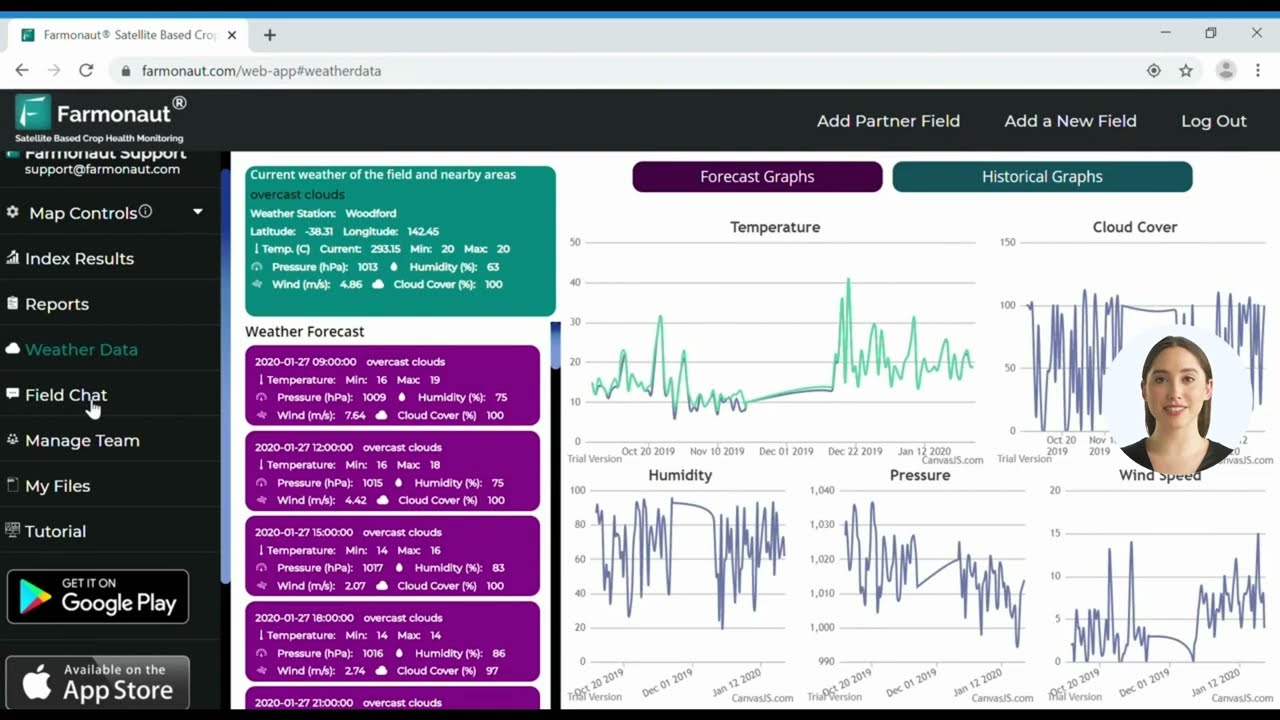
- AI Advisory System: Farmonaut’s API solutions and Jeevn AI provide real-time insights on resource management, weather forecasting, and sustainable operations.
- Blockchain Traceability: We support secure, transparent traceability of rare earth mineral supply chains, reducing the risk of fraud and building trust for enterprises globally.
- Fleet & Resource Management: Our fleet and machinery management tools maximize equipment utilization and safety in the mining and infrastructure sectors.
- Environmental Impact Monitoring: By providing real-time carbon footprint analysis and land degradation data, we empower informed, sustainable mining practices.
With developer API access, organizations can directly integrate satellite insight into proprietary platforms for greater operational precision.

“By 2026, demand for rare earths in sustainable technologies is expected to grow by more than 50%, reshaping industries worldwide.”
2026 and Beyond: Managing the Rare Earth Mineral Revolution
- Continuous Innovation: Research into alternative materials and green extraction methods is intensifying, aiming to reduce dependence on environmentally damaging approaches and singular supply sources.
- Circular Economy Initiatives: Investments in recycling used electronics and magnets will broaden, with circularity becoming a top industry and policy priority.
- Global Collaboration: Strategic reserves, allied trade agreements, and new mining ventures (especially in Africa, Australia, Canada) will help diversify supply chains and lessen global risk by 2026.
- Digital & Satellite Monitoring: Tools, including those from Farmonaut, will enable real-time environmental stewardship, enhance extraction efficiency, and strengthen transparency across industries reliant on rare earth minerals.
The journey ahead requires balancing the importance of rare earths for economic resilience and technological advancement with the urgent need to reduce environmental impact and ensure supply chain sustainability.

Frequently Asked Questions (FAQ): Rare Earth Minerals & Innovations
-
Q: What are rare earth minerals and why are they crucial to modern technology?
A: Rare earth minerals are a group of 17 elements with unique magnetic, optical, and catalytic properties. They are essential in producing high-performance magnets, batteries, displays, and critical technology platforms in defence, electronics, and renewable energy sectors. -
Q: Why are rare earth mineral supply chains considered strategically sensitive?
A: Because over 90% of extraction and processing capacity is located in just three countries, disruptions or export restrictions can threaten global industries and national security. This geographic concentration makes supply chains vulnerable to geopolitical events and trade conflicts. -
Q: What are the main environmental issues with rare earth mineral extraction?
A: Traditional mining and processing methods can produce radioactive waste, release toxic chemicals, and cause habitat destruction. There is a growing emphasis on sustainable mining, recycling of rare earths, and green processing innovations to reduce these impacts. -
Q: How is Farmonaut contributing to sustainable rare earth mineral management?
A: We at Farmonaut offer satellite-based monitoring, environmental impact analysis, blockchain traceability, and real-time advisory tools. These solutions enhance resource visibility, support sustainable mining practices, and improve supply chain transparency across sectors reliant on rare earth minerals. -
Q: What is the outlook for rare earth minerals in 2026 and beyond?
A: Demand for rare earths is set to surge, especially for sustainable technologies. The sector will see increased investment in circular economy solutions, supply diversification, and advanced monitoring platforms to enhance resilience, reduce environmental footprint, and foster innovation. -
Q: Where can I learn more about integrating satellite insight and resource management into my operations?
A: Explore Farmonaut’s API solutions and developer documentation for technical integration, or try our platform via the web and app interfaces for real-time environmental and resource data.
Farmonaut Subscriptions: Affordable Satellite Resource Management
Access tailored subscription services for scalable satellite, AI, and blockchain-powered insights. Suitable for agriculture, mining, infrastructure, and defence applications.
Conclusion: Investing in the Future of Rare Earth Minerals
As rare earth minerals underpin the digital and green revolutions, their management—across supply, extraction, environmental responsibility, and technological integration—is more pivotal than ever in 2026 and beyond. The balance of innovation and sustainability will define our collective progress, and data-driven tools—like those offered by Farmonaut—are empowering a smarter, more resilient resource future for all.
Discussion
Questions, corrections or field experience? Share them below. First-time comments are reviewed before they appear, and your email is never published.
No comments yet. Be the first to add a question or your experience.

 Sania Corporation
 Sean Mining Limited
 NTS Group (Pty) Ltd
 Mine4Africa
 Lithspo Minerals Limited
 Tintina Mining Group
 Dalgety Minerals Pty Ltd
 Vortex Minerals Pty Ltd
 Faith At Work (Pty) Ltd
 Geotech Mining Solutions plc
 Vulcan International Limited
 Kidepo Associates
 GKY Mining
 Alkimy SARL
 Double A Trading
 GemSprout Metals Limited
 Qader Group
 Ileys General Trading
 SG Gold Mining LLC
 VRV Global Pte Ltd
 Omsri International FZE
 G.I.T.T.
 Jaunita Erss Ltd
 SRK Consulting










