

Navajo Uranium Mines: 7 Urgent 2026 Challenges & Solutions
“Over 500 abandoned uranium mines remain on Navajo land, severely impacting groundwater for 200,000 residents.”
The Legacy of Navajo Uranium Mining: A Summary
Uranium extraction on the Navajo Nation is a deeply significant chapter in the intertwined histories of indigenous communities and resource extraction in the United States. The Navajo uranium mines have left extensive environmental and health impacts. As of 2026, the Navajo Nation still faces urgent challenges in environmental restoration, public health, and upholding indigenous rights. This blog comprehensively examines those challenges and outlines actionable solutions towards a more just and sustainable future for Navajo lands and communities.
Historical Context: The Troubled History of Uranium Extraction in the Navajo Nation
Navajo and Uranium Mining: Mid-20th Century Beginnings
The discovery of significant uranium deposits in the Four Corners region—spanning parts of Arizona, New Mexico, Utah, and Colorado—transformed the Navajo Nation into a focal point for uranium mining. Beginning in the 1940s and gaining momentum through the Cold War, extraction was rapidly scaled up, driven by nuclear arms race demands and later, commercial energy production.
- Over 500 uranium mines were established across Navajo territory, often with federal incentives and with little consideration for the health or rights of local people.
- Navajo miners worked in hazardous, poorly regulated conditions, usually without proper protective equipment or adequate training.
- Nearby communities were exposed to radioactive dust, mine tailings, and contaminated water sources.
Throughout the mid-20th century until the early 1980s, uranium mining was a mainstay of the Navajo economy. However, the social costs and long-term consequences became painfully apparent as the communities grappled with health and ecosystem devastation.

Key Points: Environmental and Health Consequences
The uranium extraction boom brought some economic opportunities for Navajo families, who depended on mining income. Yet the devastating toll included widespread illnesses, ruined water resources, and the deep trauma of environmental injustice—not just for the miners, but for entire generations.
- Exposure to radioactive dust, radon gas, and contaminated soil/water became commonplace.
- Generations of Navajo miners and their descendants developed serious illnesses—including lung cancer, chronic respiratory disease, kidney problems, and birth defects—directly linked to uranium exposure.
- Abandoned mine sites left radioactive waste that continues to leach contaminants into water and soil across the region today.
“Navajo Nation uranium mining has caused cancer rates up to 15 times higher than the U.S. national average.”
Impact of Navajo Nation Uranium Mines on Communities & Environment
The Navajo uranium mines legacy is marked by pervasive environmental and public health impacts. Even decades after mining operations ceased, hazardous contamination continues to threaten water supplies, food security, and traditional livelihoods across the Navajo Nation.
-
Soil and Water Contamination
Uranium and associated toxic metals—including arsenic, radium, and thorium—have seeped into the soil and groundwater, affecting thousands of acres.
The EPA and Navajo Nation Environmental Protection Agency (NNEPA) have confirmed that more than 30% of unregulated wells on Navajo land are unsafe for consumption. -
Impact on Livelihoods
The contamination endangers Navajo agriculture and livestock—key sources of food and income. Water scarcity, due in part to contamination, has made traditional livelihoods significantly harder to sustain. -
Health Crises
Chronic exposure to radionuclides is linked to high rates of cancer and kidney disease. Many families have lost multiple relatives to radiation-induced diseases. -
Cultural and Social Impact
The mining legacy has disrupted sacred relationships to the land and water, fueling profound social and psychological trauma within Navajo communities.

Navajo Uranium Mines: 7 Urgent 2026 Challenges
Despite ongoing efforts, there are seven key challenge areas that require urgent attention as we look to 2026 and beyond for the Navajo uranium mines legacy:
- Groundwater and Surface Water Contamination
- Radiation Exposure and Health Effects
- Abandoned Mines and Incomplete Remediation Efforts
- Inadequate Federal Funding and Resources
- Inequitable Healthcare Access for Navajo Communities
- Lack of Recognition for Indigenous Rights and Sovereignty
- Economic Barriers to Sustainable Development

1. Groundwater and Surface Water Contamination
Decades of uranium mining have left heavy metal and radioactive contamination in many water sources. Over 500 mine sites exist—with more than 200,000 residents affected. Livestock, crops, and human health are all threatened by unsafe water. The situation is particularly dire for rural families relying on well water, where up to 30% of tested wells exceed safe limits for uranium, arsenic, and other toxins.
2. Radiation Exposure and Health Effects
The health impact of uranium mining is extensive. Navajo miners and their families have lung cancer rates up to 15 times higher than the U.S. average. Chronic exposure to uranium and other radionuclides is also linked to kidney disease, respiratory conditions, and developmental issues in children.
3. Abandoned Mines and Incomplete Remediation Efforts
With over 500 abandoned uranium mines, Navajo lands remain dotted by dangerous sites, exposed waste piles, and uncontained tailings. While some cleanup has taken place, as of 2025, still only a fraction of these have seen comprehensive remediation efforts. Many family homes are located within a mile of these sites.

4. Inadequate Federal Funding and Resources
Remediation funding fluctuates year by year, with federal resources rarely matching Navajo needs. Long waits and bureaucratic delays further stall hazardous site cleanup, environmental monitoring, and vital health programs.
5. Inequitable Healthcare Access for Navajo Communities
Despite the disproportionate health impact, many Navajo members lack access to adequate healthcare, cancer screenings, or timely treatment options for uranium mining-related illnesses. Geographic isolation and underfunded Indian Health Service (IHS) facilities compound the problem.

Try Farmonaut’s award-winning platform for environmental monitoring, satellite-based resource management, and AI-driven field assessment—available for web, Android & iOS.
6. Lack of Recognition for Indigenous Rights and Sovereignty
For too long, uranium mining was conducted without proper consultation or consent of the Navajo people. Decision-making about land use, remediation, and health studies frequently overlooked indigenous rights and sovereignty, undermining trust and perpetuating environmental injustice.
7. Economic Barriers to Sustainable Development
As uranium mining declined, Navajo communities suffered job losses and reduced economic stability. Today, limited alternatives hinder the transition to sustainable energy projects, environmental restoration, and diversified livelihoods—exacerbated by lasting contamination and the continued stigma of the uranium legacy.

Solutions and Sustainable Pathways for Navajo Uranium Mining Legacy
Efforts to heal the Navajo uranium mines legacy and secure a healthier, just future for all Navajo communities are already underway. These solutions require collaboration, technological innovation, and ongoing funding. Here we outline seven key solutions related to each challenge:
- Water Remediation and Infrastructure: Comprehensive groundwater cleaning, installation of safe water pipelines, and alternative supply systems for rural families.
- Health Care and Screening Expansion: Increase funding for Navajo-specific health services and mobile clinics focusing on cancer, kidney, and respiratory illness diagnostics and treatment.
- Comprehensive Mine Site Cleanup: Accelerate removal of contaminated soil and tailings, with advanced hazard monitoring using satellite and AI tools.
- Secure Sustained Federal Support: Advocate for stable, long-term federal funding focused on both remediation and public health programs.
- Indigenous-Led Restoration Leadership: Uphold Navajo Nation sovereignty in all decisions related to land use, cleanup, and traditional ecological knowledge integration.
- Economic Diversification & Renewable Energy: Prioritize green economy initiatives, large-scale solar and wind energy, and sustainable agriculture to provide meaningful employment.
- Community Education & Cultural Healing: Invest in culturally rooted mental health services, intergenerational storytelling, archival projects, and knowledge-sharing to address trauma from mining impact.

Comparative Table: 7 Challenges, Impacts, and Solutions
| Challenge | Estimated Scale/Impact | Affected Communities | Current Remediation Status | Proposed 2026 Solution |
|---|---|---|---|---|
| Groundwater & Surface Water Contamination | 30%+ wells contaminated; 500+ uranium sites leaching toxins | 200,000+ Navajo residents, livestock & agriculture | 23% sites with partial remediation (as of 2025) | Accelerate water infrastructure projects; advanced water treatment; expand monitoring (including satellite & AI solutions for contamination tracking) |
| Radiation Exposure & Health Effects | Up to 15x national lung cancer rate; excess of 1500 cases/year | Navajo miners & multigenerational families across region | Navajo Uranium Workers Registry started but limited diagnostics reach rural communities | Deploy mobile screening clinics; train Navajo health professionals; targeted outreach via local radio and community workers |
| Abandoned Uranium Mines & Incomplete Remediation | 500+ mines; 1000s of households within 1-mile radius | Navajo families near former or existing mine sites | Remediation < 30% sites fully closed; majority ongoing or pending action | Remote sensing & satellite monitoring for risk mapping; prioritize high-risk sites for remediation |
| Federal Funding & Resource Deficits | Gaps exceeding $200 million+ in estimated needs | All 110 Navajo Nation chapters; public health programs underserved | Annual appropriations inconsistent; only partial coverage/year | Secure multi-year, guaranteed funding streams; streamline grant application process |
| Healthcare Inequity | 25%+ of population lacks regular access to healthcare | Isolated chapters, elders, children, at-risk groups | IHS understaffed; outreach clinics limited by funding/geography | Expand telehealth & mobile clinics; integrate satellite healthcare delivery logistics |
| Sovereignty & Indigenous Rights Recognition | Many decisions made without full Navajo consultation | Navajo leadership, grassroots organizers | Some restoration efforts Navajo-led; federal agencies still dominant | Codify Navajo consent in all decision-making; bolster tribal regulatory control |
| Economic Barriers to Sustainable Development | High unemployment; loss of mining jobs; insufficient green job growth | Former mining families; youth; rural communities | Solar/wind pilot projects, <10% scaled up | Expand skills training, invest in clean energy, and implement sustainable agriculture programs |
Looking Ahead: Resilience, Rights, and Sustainable Futures
Today, healing the legacy of Navajo uranium mining means more than remediating contamination. It calls for justice, resilience, and the building of new economic, environmental, and cultural pathways:
- Restoration Justice:
Policy reforms must honor indigenous sovereignty—ensuring Navajo leaders have a decisive voice regarding land use and remediation activities. - Sustainable Economic Growth:
Clean energy (solar, wind), green jobs, and sustainable agriculture are vital for replacing lost uranium jobs and restoring community pride. - Cultural Healing:
Mental health programs, cultural education, and intergenerational connection are essential for healing from interwoven traumas of environmental and social harm. - Environmental Innovation:
Tools that leverage real-time data, satellite imagery, and AI offer powerful new avenues for monitoring contamination and advancing community-driven restoration.
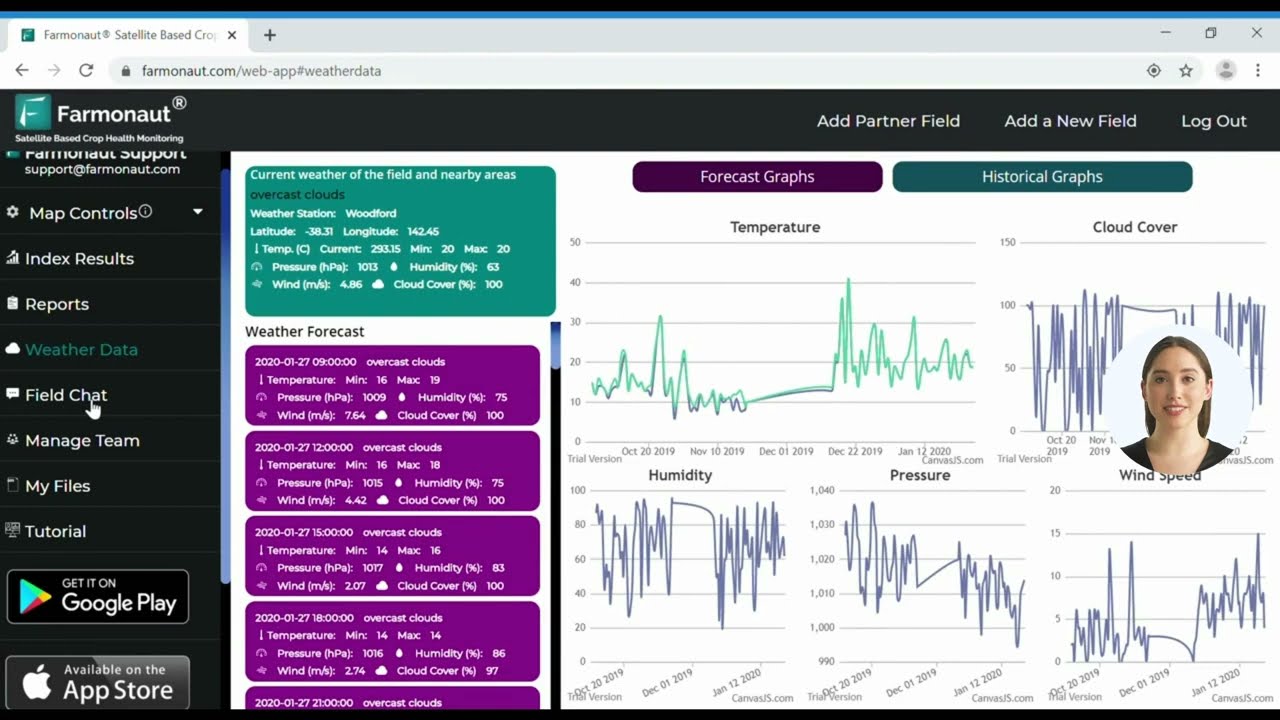


Farmonaut’s Role: Modern Satellite Monitoring & Environmental Management
As satellite technology transforms our ability to monitor and manage environmental risks, Farmonaut stands at the forefront of providing actionable insights—from vegetation health to abandoned uranium mine tracking. Some key features relevant for the Navajo Nation uranium mines context include:
- Real-Time Satellite Monitoring: Using high-resolution, multispectral imagery, Farmonaut enables identification of contamination spread, land degradation, and restoration progress at former uranium mining sites.
- AI Advisory Systems: Our large-scale monitoring platforms deliver dynamic resource management and hazard prediction tools—supporting agencies and leaders in timely, informed decision-making.
- Environmental Impact Tracking: With carbon footprinting solutions, we help users measure environmental impacts of restoration activities, providing valuable reports for improving sustainability—even supporting regulatory compliance and stakeholder transparency.
- Blockchain Traceability: Our traceability platform assures secure record-keeping for contaminated product tracking or environmental data, building trust and minimizing mistakes in reporting.
- API Developer Access: Developers and institutions can build customized monitoring and remediation solutions using our Farmonaut API and API developer documentation.
- Fleet & Resource Management: Through our fleet management tools, government and remediation agencies can optimize logistics and safeguard worker health during hazardous site operations.
Farmonaut’s mission is to make satellite-driven insights affordable and accessible for users, businesses, and governments worldwide—empowering a new era of data-driven sustainability and enabling better stewardship of our planet’s most vulnerable lands.

Frequently Asked Questions
A: As of 2026, over 500 abandoned uranium mines remain, many of which still pose serious risks of contamination to water, soil, and air.
Q: What are the main health issues linked to Navajo uranium mines?
A: Navajo miners and residents have high rates of lung cancer (up to 15x the U.S. average), kidney diseases, and chronic respiratory conditions, largely due to long-term radiation exposure.
Q: Are there current efforts to clean up the contaminated sites?
A: Yes. Both federal and Navajo Nation agencies have ongoing remediation and water infrastructure projects, though only a fraction (<30%) of sites have been addressed completely as of 2025.
Q: What sustainable alternatives exist for economic development after uranium mining?
A: Clean energy projects (solar and wind farms), sustainable agriculture, and tech-enabled resource management (like Farmonaut’s platforms) are among the top opportunities being pursued to create resilient and healthy economies.
Q: How does satellite technology help in tackling the uranium mine legacy?
A: Satellite imagery and AI help authorities and organizations map hazardous zones, monitor restoration progress, identify water and soil contamination patterns, and optimize logistics for clean-up activities.
Conclusion: Healing, Hope, and the Path Forward
The legacy of Navajo uranium mining remains one of the most significant and troubling chapters in the environmental and social history of the American Southwest. While the challenges are many—from persistent water contamination and elevated cancer rates to incomplete remediation and social trauma—there is also hope.
By centering indigenous sovereignty, scaling up sustainable development initiatives, and leveraging modern technologies like satellite monitoring and AI-driven resource management, Navajo communities can forge a pathway toward healing and resilience.
Let us recognize the intertwined histories of exploitation and perseverance on Navajo land. Most importantly, let us support efforts—led by Navajo voices and traditions—to ensure a future where the community’s health, environment, and rights are protected for generations to come.

 Enterprise Takreem
 Sean Mining Limited
 NTS Group (Pty) Ltd
 Mine4Africa
 Lithspo Minerals Limited
 Tintina Mining Group
 Dalgety Minerals Pty Ltd
 Vortex Minerals Pty Ltd
 Faith At Work (Pty) Ltd
 Geotech Mining Solutions plc
 Vulcan International Limited
 Kidepo Associates
 GKY Mining
 Alkimy SARL
 Double A Trading
 GemSprout Metals Limited
 Qader Group
 Ileys General Trading
 SG Gold Mining LLC
 VRV Global Pte Ltd
 Omsri International FZE
 G.I.T.T.
 Jaunita Erss Ltd
 SRK Consulting
 Berks Gold Limited
