

Uranium Mining in Navajo Nation: 2025 Outlook & Impacts
“Over 500 abandoned uranium mines exist on Navajo land, continuing to impact water and soil quality in 2025.”
Table of Contents
- Introduction & Summary
- Historical Context & Economic Background
- Environmental & Health Impacts of Uranium Mining in Navajo Nation
- Regulatory Actions & Remediation Efforts
- Comparative Impact Table: Navajo Nation Uranium Mining
- Current Status & 2025 Outlook
- Sustainability and Future Development Paths
- Farmonaut’s Technological Role in Sustainable Resource Management
- FAQs on Uranium Mining in Navajo Nation
Introduction & Summary
Uranium mining in the Navajo Nation occupies a significant and somber place in the environmental and economic history of the United States. Spanning portions of Arizona, New Mexico, and Utah, the Navajo Nation became a central hub for uranium extraction beginning in the 1940s—a time when national demands for atomic energy and nuclear weapons drove a uranium boom.
The legacy of these mining activities has left the Navajo people grappling with substantial and ongoing challenges in environmental health, resource sustainability, and community wellbeing. Despite regulatory actions and federal efforts, the effects remain deeply embedded in the land and livelihoods of affected communities, making uranium mining in Navajo Nation a powerful case study in the complex trade-offs between natural resource development and long-term sustainability.
- Focus Keyword: uranium mining in Navajo Nation
- Coverage: Environmental, health, and economic impacts; outlook for 2025 and beyond; regulatory and sustainable efforts; role of advanced satellite-driven solutions in monitoring and management

Historical Context & Economic Background
The Navajo Nation uranium mining narrative begins in the 1940s, during the height of global conflict and the national effort to develop nuclear weapons as part of World War II. The newly discovered uranium deposits soon placed the vast, beautiful lands of the Navajo at the center of the United States’ atomic and nuclear ambitions.
Uranium Boom: The Cold War and Post-WWII Era
As the Cold War escalated and nuclear technology became synonymous with global superpower status, there was a surge in demand for uranium—a key mineral in atomic energy production and weaponization. The discovery that lands spanning Arizona, New Mexico, and Utah held rich uranium deposits was quickly parlayed into extensive mining operations. From the late 1940s through the 1980s, the Navajo Nation became one of the United States’ leading sources of uranium ore, which was primarily used to develop nuclear weapons and fuel a burgeoning atomic energy industry.
- More than 30 million tons of uranium ore were extracted mainly from federal leases, with little to no consultation with Navajo tribal leadership or input from the indigenous community.
- Navajo workers, lured by much-needed jobs, were largely unaware of the radioactive hazards and were employed without adequate safety protections or health screenings.
- Operations were primarily controlled by external corporations and the federal government, with tax and royalty structures delivering only minimal benefit to Navajo communities.
- The uranium mining industry, while initially a boon for local economies, set the stage for decades of environmental degradation and lasting health crises.
Economic Push-Pull: Benefit Without Equity
The socioeconomic landscape of the Navajo Nation in the uranium boom era is marked by a stark dichotomy:
- While uranium mining brought employment and local economic activity, most profits and technological advancements bypassed Navajo families and leadership.
- With minimal tribal input in decision-making and resource management, profits from uranium ore extraction flowed primarily to large mining corporations and the federal government.
- This resource-based development model, without equitable sharing of benefit and adequate protections, left the Navajo people to disproportionately bear the long-term environmental and health consequences.

Environmental & Health Impacts of Uranium Mining in Navajo Nation
Perhaps the most severe and lasting consequences of uranium mining in Navajo Nation have been environmental degradation and profound health crises for Navajo people. These impacts, which began as soon as mining activity started, persist in multiple ways into 2025.
Environmental Legacy: Lands, Water, and Ecosystems
The extraction and processing of uranium ore resulted in significant pollution, disrupting soils, water sources, and air quality across hundreds of mining sites.
- Contaminated water supplies—both above and below ground—have prolonged the radioactive risk for communities relying on traditional wells and local sources.
- Processing facilities and tailings piles left hazardous waste and dust that continue to blow across the reservations, spreading radioactive contamination over a wide area.
- Runoff from abandoned mines introduces heavy metals and radioactive isotopes into streams, rivers, and agricultural plots, undermining traditional farming practices and causing food security risks.
- Ecological damage extends to plants and animals, affecting local subsistence and biodiversity by disrupting natural cycles and introducing toxins into the Navajo food chain.
Estimated more than 500 abandoned uranium mines remain scattered across the region, many still not fully remediated.
Health Toll: Radioactive Exposure, Chronic Disease & Cancer
- Navajo miners and residents living near mining operations suffered from sustained exposure to radiation and dust.
- Health consequences include sharply increased rates of:
- Lung cancer (incidence up to 1.5× higher than unexposed populations)
- Kidney disease and other chronic illnesses linked to uranium toxicity
- Autoimmune disorders, persistently elevated among exposed populations
- Limited healthcare access, compounded by geographic isolation and socioeconomic constraints, made timely diagnosis and treatment difficult.
Tragically, ongoing studies as of 2025 continue to find higher rates of cancer and related illnesses in affected communities, substantiating the long-term health impacts of uranium mining in Navajo Nation.
“Navajo communities exposed to uranium mining have cancer rates 1.5 times higher than unexposed populations, according to recent studies.”

Socio-Economic & Cultural Undermining
- Environmental and health damages directly undermine traditional Navajo agricultural and pastoralist practices, weakening links to ancestral foodways.
- Loss of clean water and productive soil leads to ongoing food insecurity and economic hardships for many Navajo families.
- Chronic illness and mortality, including cancer, continue to erode community wealth, spiritual health, and ability to maintain traditional ways of life.

Regulatory Actions & Remediation Efforts
Recognition of the ongoing consequences of uranium mining in the Navajo Nation has, over decades, led to regulatory interventions and federally funded clean-up efforts.
Federal & Tribal Government Responses
- The U.S. Congress, EPA (Environmental Protection Agency), and DOE (Department of Energy) have allocated funding since the 1980s to address uranium mining’s toxic legacy in the Navajo region.
- The Navajo Nation government has enacted its own regulatory restrictions, seeking to prevent future uranium mining on Navajo lands and assert tribal sovereignty over mineral resources.
Remediation Projects
- Abandoned mine clean-up: Federal funding targets the hundreds of abandoned uranium mining sites left behind, with projects to remove contaminated soil, stabilize waste piles, and prevent radioactive runoff.
- Water filtration: Communities have received new filtration systems and monitoring for well water supplies, although many still await full remediation.
- Public health outreach: Ongoing education and screening campaigns help Navajo families understand radiation risks and access health support.

Despite these efforts, full remediation remains elusive. Funding shortfalls, technical barriers in remote locations, and persistent health disparities mean that the uranium mining legacy is still keenly felt in 2025.
The Central Role of Tribal Voices
- Navajo leaders and community members emphasize that any regulatory or remediation efforts must center indigenous perspectives and prioritize culturally sensitive engagement.
- For true sustainability, the region needs meaningful tribal sovereignty over resource management and environmental monitoring.



For environmental professionals and policy-makers, Farmonaut’s blockchain-powered Traceability platform (see product details) can enable transparent, tamper-proof recording of mining, remediation, and supply chain activities—offering a model for ensuring compliance and community accountability in sensitive regions like the Navajo Nation.
Additionally, carbon footprinting tools (Farmonaut Carbon Footprinting) now allow mining companies and governments to assess and monitor the emissions impacts of remediation projects, aligning with a sustainable, data-driven approach to environmental restoration on former uranium mining lands.
Interested in integrating real-time satellite data and monitoring for environmental remediation or mining oversight? Explore Farmonaut’s API here or access developer documentation here.
Comparative Impact Table: Navajo Nation Uranium Mining
To clarify the magnitude and evolution of uranium mining’s impact on the Navajo Nation, the following table outlines estimated figures for contaminated sites, pollution, reported health issues, and sustainable development initiatives across major historical milestones:

Current Status & 2025 Outlook: Uranium Mining in Navajo Nation
By 2025, uranium mining in Navajo Nation has ceased as a large-scale practice due to regulatory action and economic shifts away from nuclear weapons and atomic power stations. However, the cumulative legacy—both in terms of environmental damage and community health—remains front and center in policy debates and development discussions.
Key Ongoing Challenges
- Remediation: Many abandoned mines still require extensive environmental remediation, especially in remote areas where access and resources are limited.
- Health: Chronic illnesses, elevated cancer rates, and kidney disease remain above national averages in affected Navajo communities.
- Water Security: Clean water access is still problematic for numerous families, necessitating ongoing monitoring and maintenance of filtration infrastructure.
- Economic Opportunity: Finding new, sustainable livelihood pathways for communities displaced or harmed by the uranium industry is a critical development task.
- Environmental Justice: Continuing efforts are needed to ensure tribal sovereignty, access to remediation funding, and the recognition of past harm in national policy discourse.
The Debate Over Mining’s Future
Some advocate for a limited return to uranium mining under stronger safety protocols, with robust benefit-sharing for tribal communities. Others, citing the severity of past impacts, resist any resumption—preferring to focus on sustainable, traditional, and renewable alternatives for future economic development.

Community-Led Solutions & Environmental Monitoring
Empowering indigenous Navajo communities to utilize advanced monitoring and traceability technology, financial tools for crop loans and insurance (see Farmonaut’s Loan & Insurance Solutions), and direct-control over resource management platforms is central in any equitable path forward.
Recent developments—such as satellite-based environmental tracking and secure blockchain records—enable the Navajo Nation to participate more actively and transparently in oversight, development planning, and dispute resolution with external actors.
Sustainability & Development Paths for the Navajo Nation
Sustainable development is imperative for the Navajo Nation’s future, given the uranium mining legacy. Opportunities to build a resilient, healthy, and prosperous community include:
Renewable Energy and Infrastructure
- Investing in solar and wind energy facilities—leveraging the region’s ample sunlight and open spaces
- Promoting sustainable agriculture and eco-tourism tied to the Navajo people’s unique culture and place-based knowledge
- Enabling decentralized, distributed water infrastructure and filtration using smart, satellite-driven environmental monitoring
Role of Technology in Stewardship & Remediation
Tools like advanced satellite imagery, blockchain traceability, and AI-powered analytics are revolutionizing the way communities, businesses, and local governments approach challenges stemming from the uranium mining legacy.
- Advanced satellite monitoring (see Large-Scale Farm Management) provides real-time oversight of contaminated sites, helping prioritize urgent remediation and assess ecological recovery.
- Blockchain traceability logs ensure all resource and remediation activities are transparent, auditable, and respectful of Navajo sovereignty and consent.
- Fleet and resource management tools (read more) help streamline clean-up operations, deliver aid efficiently, and reduce environmental disruption during ongoing work in former uranium mining regions.
- AI-based advisory and custom alerts flag changes in water, soil, and vegetation health, enabling responsive community interventions and data-driven policy.
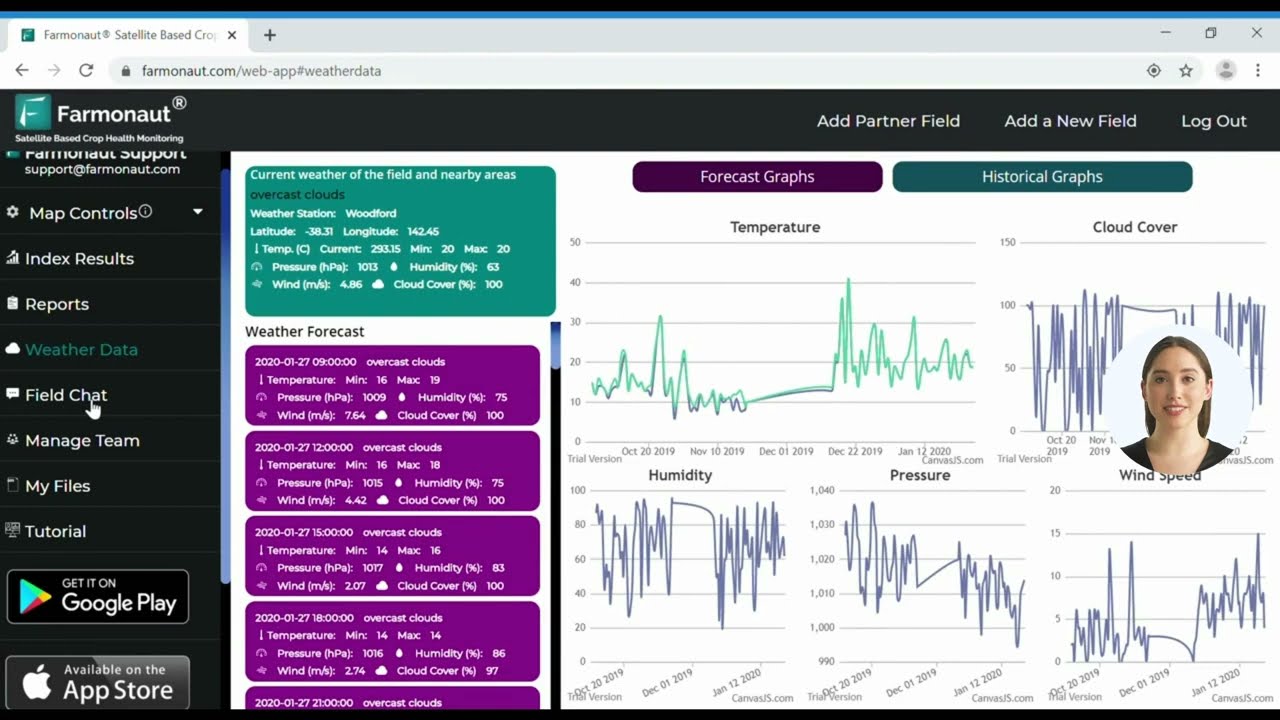
Farmonaut’s Technological Role in Sustainable Resource Management
As a satellite technology leader, we at Farmonaut are committed to making advanced satellite-driven insights both affordable and accessible for environmental stewardship, mining oversight, and agricultural resilience, especially in sensitive regions like those affected by the uranium mining legacy. Our platform offers advanced multispectral monitoring, AI-generated advisory, and blockchain-based traceability—allowing users to:
- Monitor contamination, vegetation revival, and soil health in real time following uranium extraction activities.
- Support sustainable agriculture and resource management with actionable, affordable satellite data.
- Ensure full transparency and trust in remediation and development with blockchain record-keeping.
- Access powerful resource and fleet optimization tools for deploying clean-up and health support programs efficiently.
By lowering the cost barrier for advanced environmental and mining data, we empower Navajo Nation stakeholders—including tribe members, governments, environmental NGOs, and infrastructure managers—to make evidence-based decisions for a just, healthy, and sustainable future.
Conclusion
The story of uranium mining in Navajo Nation demonstrates the far-reaching and interwoven impacts of resource extraction, environmental justice, tribal sovereignty, and public health. Past uranium mining activities—driven by external economic and political forces—left a heavy environmental and human toll on the Navajo people, with consequences that reverberate into 2025.
Addressing this legacy requires not only technical solutions and remediation efforts, but also meaningful engagement with Navajo culture, rights, and knowledge. Sustainable development—centered on clean energy, agricultural sovereignty, transparent technology, and environmental monitoring—offers a pathway toward healing, renewal, and prosperity in a region that holds both immense challenges and unique opportunities for resilience.
By combining the lessons of history with the promise of advanced technology, the Navajo Nation can redefine its relationship with natural resources and continue to inspire a global audience about the importance of aligning resource development with environmental and societal well-being.
FAQs on Uranium Mining in Navajo Nation
What is the current status of uranium mining in Navajo Nation?
As of 2025, large-scale uranium mining is effectively banned on Navajo Nation lands due to health, environmental, and regulatory concerns. However, the consequences of past mining—such as contamination and health issues—remain ongoing challenges.
How many contaminated or abandoned uranium sites still exist?
There are an estimated 400–500 abandoned uranium mines or contaminated sites, primarily in Arizona, New Mexico, and Utah portions of the Navajo Nation.
How has uranium mining affected Navajo water and soil quality?
Mining and ore processing contaminated local water sources, soil, and air with radioactive materials and heavy metals, posing risks to human health, livestock, agriculture, and natural ecosystems.
What health impacts have been linked to uranium mining in Navajo communities?
Navajo miners and exposed residents have experienced increased rates of lung cancer, kidney disease, autoimmune disorders, and other chronic health issues. Cancer rates in some exposed communities are 1.5 times higher than in unexposed regions.
What sustainable technology or solutions are being adopted?
Advanced technologies, including satellite imagery, AI analytics, and blockchain traceability, are being adopted to monitor contamination, track remediation, support agricultural recovery, and ensure transparent resource management.
How can Farmonaut help stakeholders in remediation and sustainable development?
We at Farmonaut offer affordable, real-time monitoring, AI-based advisory for health/environment alerts, blockchain traceability for full transparency, and resource management tools that can help all affected parties manage, remediate, and restore uranium-impacted lands on the Navajo Nation.

 Mining SARL
 SenGold Invest SAS
 Sania Corporation
 Sean Mining Limited
 NTS Group (Pty) Ltd
 Mine4Africa
 Lithspo Minerals Limited
 Tintina Mining Group
 Dalgety Minerals Pty Ltd
 Vortex Minerals Pty Ltd
 Faith At Work (Pty) Ltd
 Geotech Mining Solutions plc
 Vulcan International Limited
 Kidepo Associates
 GKY Mining
 Alkimy SARL
 Double A Trading
 GemSprout Metals Limited
 Qader Group
 Ileys General Trading
 SG Gold Mining LLC
 VRV Global Pte Ltd
 Omsri International FZE
 G.I.T.T.
