

Nickel is a Metal: Key to 2026 Infrastructure
Table of Contents
- Introduction: Nickel Metal’s Importance in 2025–2026
- Nickel Is a Metal: Properties & Unique Industrial Significance
- Nickel Mining: Modern Techniques & Global Perspectives
- Comparative Application Table: Nickel’s 2024 vs. 2025 Impact
- Nickel in Infrastructure: Building for the Future
- Defense Applications: The Critical Role of Nickel Metal
- Nickel Metal in Clean Energy Technologies
- Sustainability, Challenges & Forward-Looking Management
- Farmonaut: Satellite Solutions for Mining & Infrastructure
- Nickel Market Trends and Projections for 2026 & Beyond
- FAQ: Nickel Metal & Modern Infrastructure
- Conclusion: Nickel’s Enduring Role in Infrastructure and Sustainability
“Global nickel demand for sustainable infrastructure is projected to rise by over 30% by 2025.”
Introduction: Nickel Metal’s Importance in 2025–2026
In the swiftly evolving world of modern industry and sustainable infrastructure, few materials stand as distinctly vital as nickel. Known for its lustrous, silvery-white appearance and outstanding physical and chemical properties, nickel is a metal that continues to underpin societies’ progress, especially as we charge toward 2026.
By 2025, with the reconstruction and expansion of global infrastructure, burgeoning demand for clean energy technologies, and a renewed focus on sustainable development, nickel metal finds itself more critical than ever. Its strength, versatility, corrosion resistance, and essential role in sectors like mining, defense, transportation, and advanced technology make it indispensable for facing the world’s growing industrial, environmental, and economic needs.
This comprehensive guide explores nickel metal—examining its properties, mining techniques, environmental considerations, and transformative impact on 2025–2026 infrastructure and beyond. Whether you’re a policy-maker, engineer, investor, or conscious consumer, understanding nickel’s story is key to appreciating the future foundations of our modern world.
Nickel Is a Metal: Properties & Unique Industrial Significance
Nickel is a metal prized worldwide for its resilience, unique properties, and multifunctional applications. As the backbone of many technological, infrastructure, and defense innovations, let’s dive deeper into what makes nickel so special:
Physical and Chemical Properties of Nickel Metal
- Lustrous Appearance: Nickel metal shines with a silvery-white hue, making it a preferred choice in both decorative and functional applications.
- Corrosion Resistance: Among metals, nickel’s corrosion resistance is unmatched, enabling it to survive extreme conditions, including exposure to air, water, acids, and basic environments. This property is central to nickel a metal’s role in stainless steel and superalloys.
- Strength & Ductility: Nickel exhibits excellent tensile strength and is highly ductile, making it easy to shape into wires, sheets, or intricate parts.
- Heat Tolerance: With high heat tolerance, nickel remains stable at elevated temperatures. This makes it indispensable for turbine blades, jet engines, and defense applications.
- Electrical & Thermal Conductivity: Its moderate conductivity suits it for electronics, batteries, and induction systems.
- Alloying Ability: Nickel is often alloyed with other metals, imparting crucial properties like hardness, resistance, and flexibility to industrial materials.
These unique attributes are why nickel a metal is foundational in over 300,000 industrial products, technology systems, and sustainable development initiatives around the globe.

Industrial Applications: Why Nickel Remains Indispensable
The industrial importance of nickel metal is only growing as we approach 2025 and look to 2026. Here are core sectors that rely heavily on nickel:
- Infrastructure: Stainless steel (which contains ~8–12% nickel) is the backbone of bridges, pipelines, buildings, and water treatment plants due to its durability and resistance to corrosion and wear.
- Defense: Armor plating, aircraft, missile casings, and naval vessels use nickel-based superalloys for strength, heat resistance, and structural reliability.
- Transportation & Energy: Automotives, trains, and electric vehicle (EV) batteries all rely on nickel for strength, flexibility, and performance, especially in clean energy systems.
- Industrial Manufacturing: Electronics, chemical catalysts, and process equipment use nickel for conductive, magnetic, and corrosion-resistant components.
Nickel’s significance in these sectors is highlighted by its ability to ensure long-lasting, sustainable, and high-performance products under extreme operational environments.
“Nickel’s unique corrosion resistance makes it essential for over 300,000 industrial products and advanced technologies worldwide.”
Nickel Mining: Modern Techniques & Global Perspectives
As the global demand for nickel metal continues to grow (especially for sustainable infrastructure and modern technologies in 2025–2026), understanding the intricacies of mining is crucial.
Main Methods: Laterite vs. Sulfide Mining
Nickel is extracted mainly via two primary mining techniques—each presenting unique environmental and economic considerations:
-
Laterite Mining:
- Laterite ores (found near the earth’s surface in tropical regions) are typically mined by open-pit techniques.
- Countries like Indonesia and the Philippines are leading producers due to abundant laterite reserves.
- The process involves high temperature (HPAL), acid leaching, and extensive separation to extract nickel metal from iron, aluminum, and magnesium-rich ores.
-
Sulfide Mining:
- Sulfide ores are deep underground and require traditional underground mining or open-pit excavation.
- Russia, Canada, and Australia are global leaders in sulfide-based nickel production.
- Sulfide ores are smelted and refined more efficiently, often with lower energy consumption than laterite mining.
The choice of mining technique affects not just production costs, but also environmental management, waste treatment, and sustainability practices—areas that are gaining emphasis as global stakeholders seek greener approaches for 2025 and beyond.

Environmental Considerations & Sustainable Mining
Nickel metal mining, while critical for infrastructure and energy technologies, presents environmental challenges:
- Deforestation and Soil Degradation: Large-scale open-pit laterite mining can lead to substantial land disturbance, soil erosion, and loss of biodiversity in tropical nations.
- Water Pollution: Acid leaching, waste runoff, and improper tailings management may introduce heavy metals into local water systems, threatening community health.
- Carbon Emissions: Processing laterite ores is energy-intensive, leading to a significant carbon footprint unless mitigated by new technologies.
Today, the industry is transitioning to advanced mining processes, stricter regulations, and robust waste management practices. Best management is increasingly measured by community engagement, transparent reporting, and an unwavering commitment to sustainable extraction.
Learn how satellite-based environmental impact tracking—such as carbon footprint monitoring—can support compliance and sustainability.

Comparative Application Table: Nickel’s 2024 vs. 2025 Impact
The table below compares the most important properties of nickel metal, leading mining techniques, and application sectors—highlighting their growing significance as we transition from 2024 to 2025.
| Nickel Property / Application | 2024 Value/Usage | 2025 (Projected) Value/Usage | Trend / Impact |
|---|---|---|---|
| Corrosion Resistance | High – Used in 280,000+ products | Rising – ~300,000 products (projected +7%) | Crucial for resilient infrastructure & clean energy |
| Tensile Strength (MPa) | 370–430 | 370–450 | Supports advanced defense & aerospace |
| Major Mining Method | Laterite (60%) / Sulfide (40%) | Laterite (65%) / Sulfide (35%) | Increased laterite extraction, sustainability focus |
| Top Mining Countries | Indonesia, Philippines, Russia, Canada, Australia | Indonesia, Philippines, Russia, Canada, Australia | Indonesia expands lead in production |
| Estimated Global Usage Growth (%) | +4–6% | +30% (for sustainable infra.) | Surging demand from clean tech, EVs |
| Electric Vehicle Batteries | Growth phase | High growth, double usage in top markets | Key driver of global demand by 2026 |
| Green Buildings / Infrastructure | Expanding rapidly in OECD | Adopted globally (Asia, Americas, EU) | Stainless steel in bridges, water, pipelines |
| Environmental Impact (Score) | Moderate–High (significant from laterite) |
Decreasing with sustainable mining |
Improvements from better management |
| Material Recycling Rate (%) | ~40% | Projected 50%+ | Driven by EV recycling and circular economy |
Data compiled from leading global mining and materials research reports for 2024–2025. Values are estimations.

Nickel in Infrastructure: Building for the Future
Nickel metal is not only a resource—it’s a strategic asset at the heart of remodeling the world’s infrastructure for 2026 and beyond. As nations construct the next generation of resilient, sustainable urban developments, the importance of nickel cannot be overstated.
Explore how optimized fleet management—powered by satellite tracking—enhances logistics, safety, and resource use for infrastructure and mining operators.
Nickel Metal in Construction, Bridges, Pipelines and Railways
- Stainless Steel’s Role: Around 70% of global nickel production is used in stainless steel, prized for its exceptional resistance to corrosion, strength, and low maintenance.
- Urbanization and Longevity: Urban growth, disaster preparedness, and smart city concepts require materials that offer decades of service with minimal repair—this is where nickel-containing alloys shine.
- Water and Waste Systems: Nickel alloys also reinforce municipal water treatment plants, pipelines, and sewage systems—ensuring safe, uncontaminated water delivery and effective waste disposal.
- Green Buildings: The push for environmental certifications (like LEED) means nickel metal’s recyclability and low-life-cycle impact are more highly valued than ever.
In short, nickel a metal makes our cities not just modern, but future-proof.
Defense Applications: The Critical Role of Nickel Metal
National security and defense strategies in 2025–2026 increasingly depend on access to resilient metals such as nickel. Why?
- Armor & Armaments: Nickel-based superalloys are essential in manufacturing armored vehicles, missile components, and advanced personal gear because of their exceptional strength and resistance to corrosion and extreme temperatures.
- Military Aviation & Naval: Aircraft and ships utilize nickel alloys for turbine blades, heat shields, engine components, and hulls—improving durability and safety in hostile environments.
- Advanced Systems: New defense systems and unmanned vehicles depend on lightweight, robust nickel alloys for reduced wear and increased lifespan.
As defense requirements expand, the strategic reserve and secure supply of nickel metal is paramount for governments and private defense contractors worldwide.
Nickel Metal in Clean Energy Technologies
Looking forward to 2026, nickel metal is fast becoming a critical component in powering the world’s clean energy transition:
- EV Batteries: Modern lithium-ion batteries for electric vehicles rely on nickel-rich cathodes (NMC/NCA chemistries). Nickel improves energy density, lifespan, and charging speed, directly impacting EV adoption and grid storage systems.
- Renewable Grid Storage: Large stationary battery systems for smart grids utilize nickel for energy security, balancing wind and solar variability.
- Wind and Solar Infrastructure: Stainless steels and superalloys are extensively used in wind turbines and solar plants to protect against corrosion, wear, and extreme weather.
With global demand expected to surge as decarbonization and electrification programs accelerate, the supply chain for nickel mining and refining must rise to the occasion while maintaining responsible environmental management.
Discover how traceability solutions ensure supply chain transparency and authenticity for responsibly sourced nickel.
Sustainability, Challenges & Forward-Looking Management
The importance of nickel metal in modern sustainable development is clear—yet, several challenges need to be addressed to fully realize its benefits for 2026 and beyond.
Environmental & Social Considerations in Nickel Mining and Use
- Extraction Impacts: Nickel mining processes—especially in tropical nations—can lead to deforestation, soil degradation, and water pollution if not properly regulated.
- Social Responsibility: Communities near mining operations often face disruptions; best practices now emphasize community consent, remediation, and long-term health considerations.
- Worker Health: Improved safety protocols and environmental monitoring mitigate risk throughout extraction and processing.
Innovations Toward Sustainable Nickel Supply
The world’s leading producers—including Indonesia, the Philippines, Russia, Canada, and Australia—are investing in:
-
Advanced Waste Management & Recycling: Increasing the recycling rate of used nickel products (including EV batteries and steel scrap) reduces mining pressure and environmental footprints.
By 2025, recycling is projected to exceed 50% of new nickel supply for key markets.
Find out more about insurance and verification tools supporting legal and responsible mining operations. - Cleaner Extraction Techniques: HPAL and bio-leaching methods are being refined, aiming to lower energy use and land impact.
- Stricter Regulations and Community Engagement: Governments and companies implement transparent management practices, stricter environmental standards, and direct local involvement to ensure mined nickel delivers shared value.
Role of Satellite & AI in Sustainable Nickel Resource Management
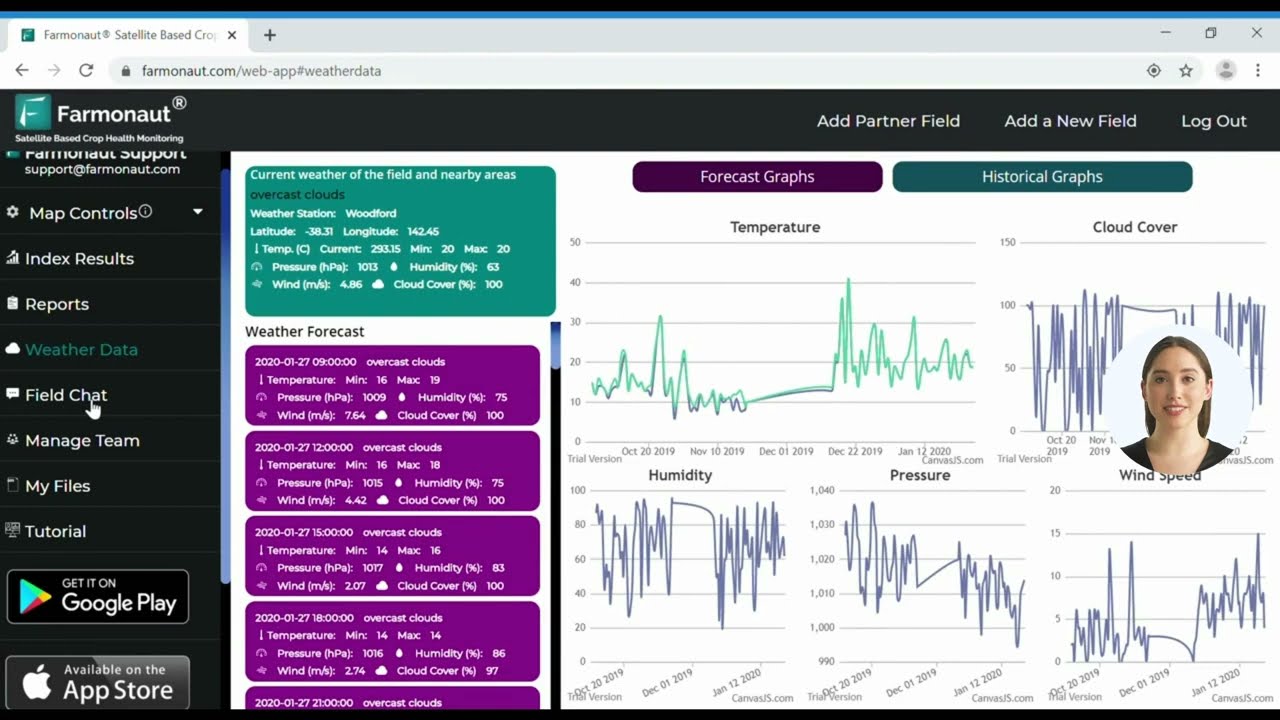
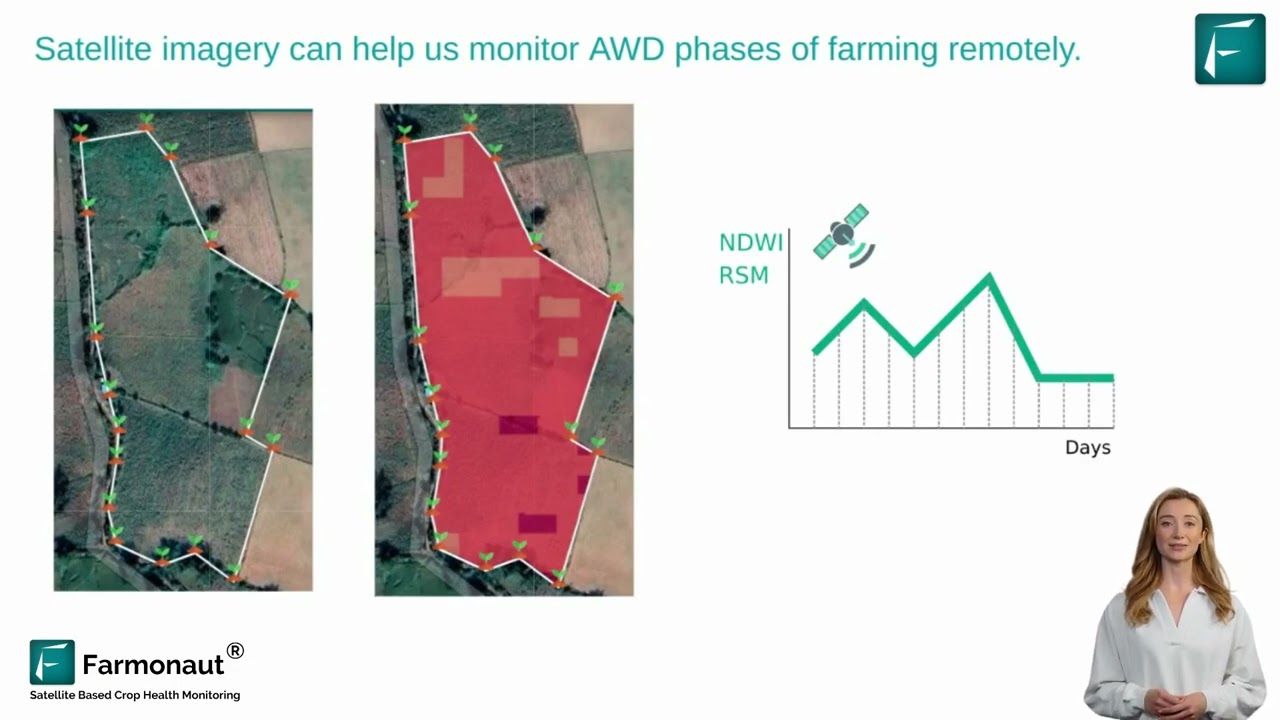
Recent years have marked a new wave of digital transformation in mining and infrastructure. Satellite monitoring, powered by real-time data, AI analysis, and blockchain-based traceability, proves indispensable for modern nickel management—supporting compliance, operational efficiency, and environmental stewardship.
Explore carbon footprint monitoring solutions to measure and reduce emissions at every stage of the nickel supply chain.
Farmonaut: Satellite Solutions for Mining & Infrastructure
At Farmonaut, we are dedicated to supporting sustainable mining, infrastructure, and defense management via affordable satellite-driven insights. Our platform empowers individual users, enterprises, and governments to elevate their resource management, operational efficiency, and sustainability.
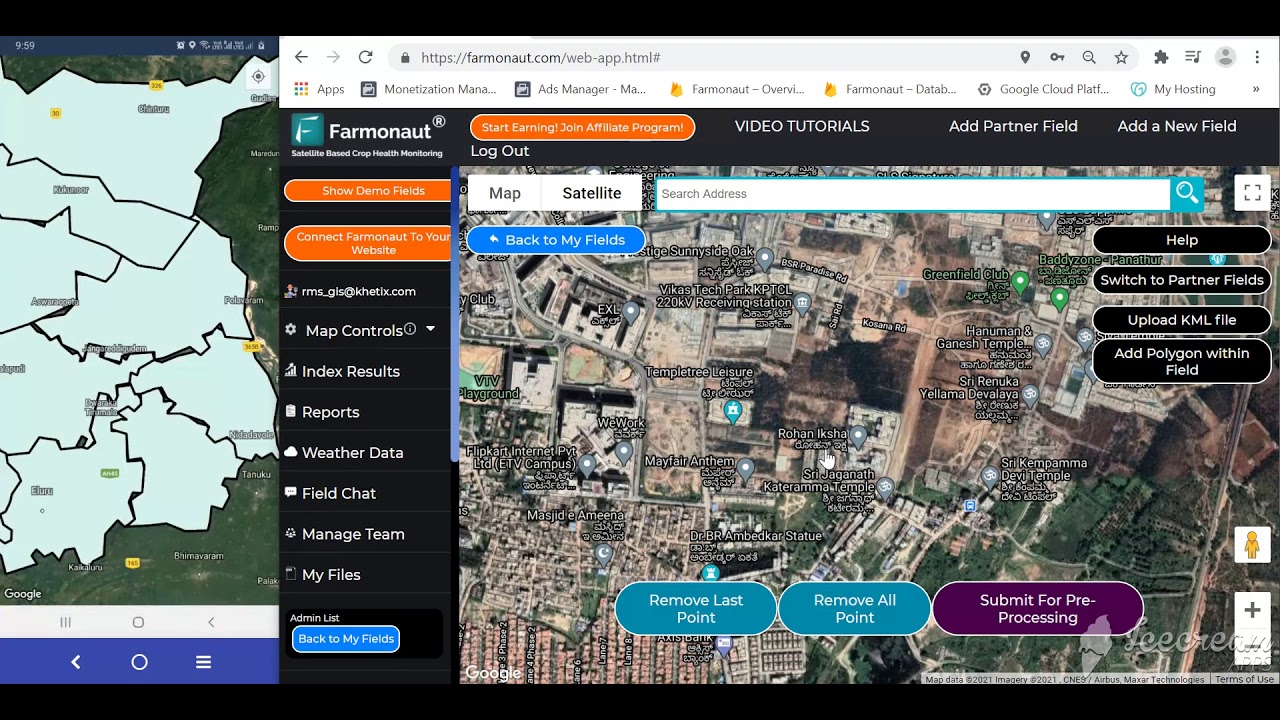
- We provide real-time satellite monitoring for mining sites, mineral exploration, and infrastructure projects—delivering alerts on vegetation health, soil disturbances, and project progress.
- Our Jeevn AI Advisory System delivers tailored, actionable strategies for operators, helping mitigate environmental risks and optimize extraction/reclamation activities.
- We integrate advanced blockchain-based traceability for mining supply chains, building confidence among businesses, regulators, and end-users.
- Environmental impact tracking, such as carbon footprint monitoring, guides users toward greener practices and regulatory compliance.
- APIs for seamless integration — Use Farmonaut’s satellite weather API and connect with our developer documentation for flexible solutions.



For government and enterprise-scale oversight of mining and infrastructure assets, our large scale management platform delivers customizable solutions.
Nickel Market Trends and Projections for 2026 & Beyond
As we approach 2026, several critical market trends are shaping the future importance of nickel is a metal in industrial and sustainable development:
- Supply Chain Resilience: In response to recent disruptions, much of the nickel supply chain is being diversified, with investments in new mining projects, recycling capacity, and alternative sources within top producing countries (notably Indonesia, the Philippines, Canada, and Australia).
- Environmental Regulation: The rise of carbon pricing and green procurement standards makes traceable, low-impact nickel more valuable and marketable.
- EV and Clean Tech Boom: The push for EVs and grid storage brings unprecedented demand for high-purity nickel—spurring innovation in refining, recycling, and cathode design.
- Price Volatility & Geopolitical Considerations: Nickel prices have shown volatility due to supply bottlenecks, export bans (e.g., Indonesia), or geopolitical strife. Strategic reserves and financial hedging are key trends for 2026 risk management.
- Circular Economy: Circularity drives a rising emphasis on reusing and recycling nickel-rich materials, particularly from vehicles, electronics, and green buildings.
FAQ: Nickel Metal & Modern Infrastructure
What is nickel and why is it called a critical metal?
Nickel is a lustrous, silver-white metal recognized for its high strength, ductility, and exceptional resistance to corrosion and high temperatures. It is called a critical metal because of its indispensable role in several industries—including infrastructure, defense, clean energy (EV batteries), and advanced technology. Its unique properties make it essential for meeting growing global demands, especially amid the push for sustainability and resilient development.
Which countries are leading nickel producers?
The top global producers of nickel metal are Indonesia, the Philippines, Russia, Canada, and Australia. These countries have abundant reserves and invest in both laterite and sulfide mining.
How is nickel used in infrastructure and clean technologies?
Nickel is central to stainless steel—used in bridges, railways, water pipelines, and treatment plants. In clean technology, it’s the foundation of high-performance batteries (for EVs and grid storage), green building materials, and corrosion-resistant components for renewable energy infrastructure.
What are the environmental impacts of nickel extraction?
Nickel mining can cause deforestation, soil degradation, water pollution, and carbon emission, depending on the method and regulatory environment. As demand rises, sustainable mining techniques, better waste management, strict regulations, and recycling initiatives are being adopted globally.
What is the future outlook for nickel demand and supply?
By 2025 and 2026, global nickel demand for sustainable infrastructure is projected to rise by 30% or more, driven by EVs, green construction, and electrification. Supply chain improvements, increased recycling, and innovations in extraction and management practices are essential to meet these growing needs.
Conclusion: Nickel’s Enduring Role in Infrastructure and Sustainability
Nickel is a metal whose story continues to define industrial progress, resilient infrastructure, sustainable technologies, and modern defense systems. Its unique properties—strength, corrosion resistance, versatility—make it a linchpin for today’s and tomorrow’s industry.
As we advance into 2026, balancing the huge growth in demand with the need for responsible mining, traceable supply chains, efficient recycling, and progressive environmental management practices is paramount.
At Farmonaut, we believe that advanced satellite technology, AI-driven advisory, and robust traceability are the keys to a sustainable, transparent, and efficient future for nickel metal across global sectors—including mining, infrastructure, and defense. Leveraging these tools, industries can scale up operations while affirming their commitment to environmental stewardship, innovation, and economic prosperity.
Nickel metal not only remains one of the most important industrial metals globally—it continues to shape the resilience and sustainability of our society for generations to come.

 CIMISCO SARL
 Mining SARL
 SenGold Invest SAS
 Sania Corporation
 Sean Mining Limited
 NTS Group (Pty) Ltd
 Mine4Africa
 Lithspo Minerals Limited
 Tintina Mining Group
 Dalgety Minerals Pty Ltd
 Vortex Minerals Pty Ltd
 Faith At Work (Pty) Ltd
 Geotech Mining Solutions plc
 Vulcan International Limited
 Kidepo Associates
 GKY Mining
 Alkimy SARL
 Double A Trading
 GemSprout Metals Limited
 Qader Group
 Ileys General Trading
 SG Gold Mining LLC
 VRV Global Pte Ltd
 Omsri International FZE
