

Niobium · Producers and output guide
Niobium Mines and Producers: Output, Reserves, Uses
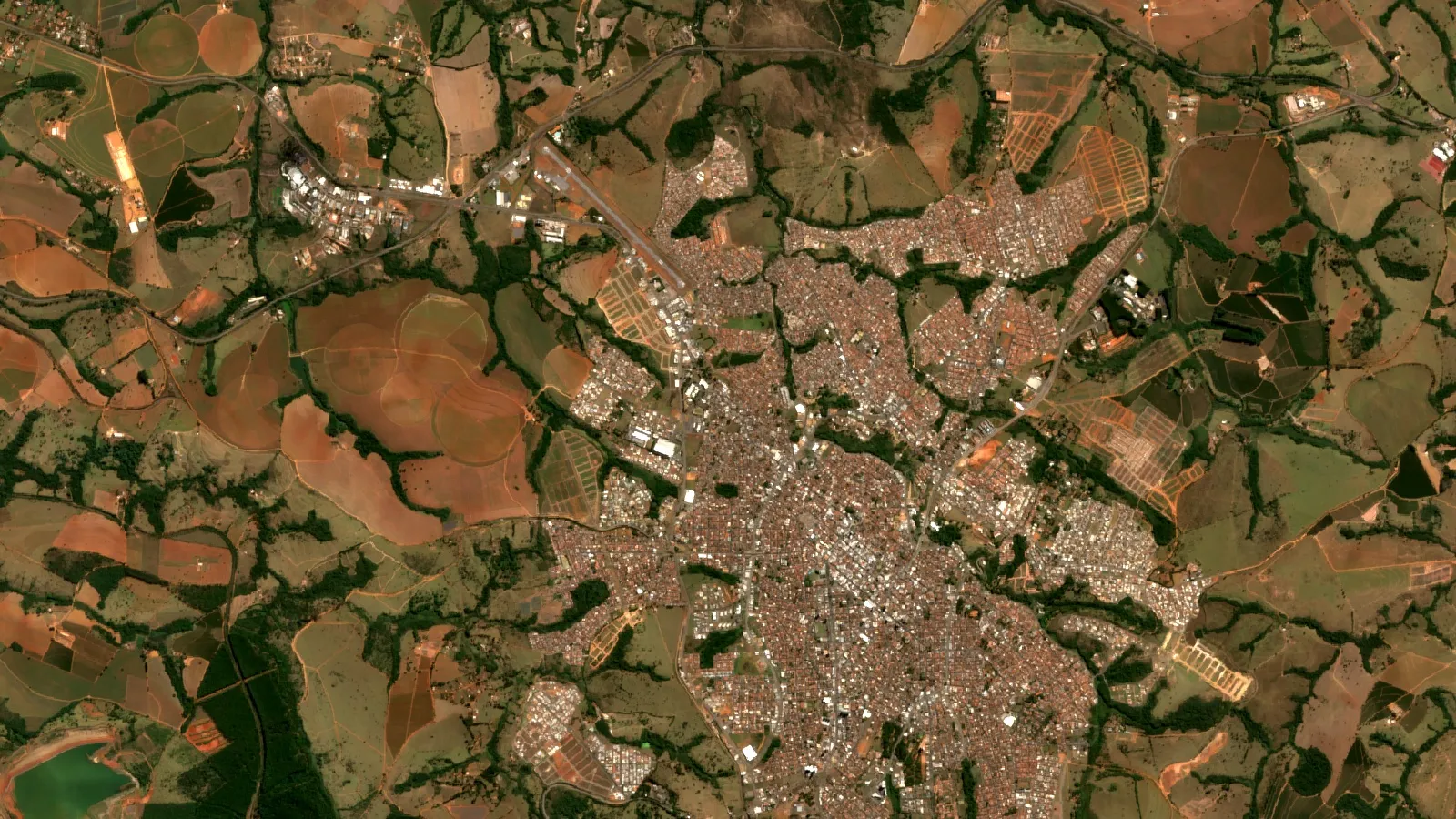
Brazil mined about 104,000 of the world’s 112,000 tonnes of niobium in 2025 (USGS, estimate). Only three companies run primary niobium mines: CBMM and CMOC in Brazil and Niobec in Canada.
Key takeaways
- Brazil produced about 93% of world niobium in 2025 and Canada about 5% (USGS, 2026, estimates).
- World reserves are above 21 million tonnes, 14 million of them in Brazil (USGS, 2026).
- CMOC reported a record 10,348 tonnes of niobium from Catalão in 2025 (CMOC, 2026).
- More than 90% of niobium sold goes into steel (Sojitz, 2025); U.S. ferroniobium traded at about US$26 per kg in 2025 (USGS estimate).
- The United States has had no niobium mine output since 1959 and imports 100% of what it uses (USGS, 2026).
In this article
- Niobium mines at a glance: three producers supply the world
- Which countries mine niobium
- The three producing niobium mines compared
- Where niobium is found and how much is in the ground
- What niobium metal is used for
- What ferroniobium costs and how much niobium a tonne of steel needs
- How to read niobium production numbers
- What to check before relying on a niobium project
- Niobium mining projects outside Brazil
- Environmental impact of niobium mining
- How satellite data helps find niobium targets
- Frequently asked questions
Niobium mines at a glance: three producers supply the world
Brazil mined about 104,000 tonnes of niobium in 2025, roughly 93% of the world total, and only three companies run primary niobium mines: CBMM and CMOC in Brazil, and Niobec in Canada. The figures come from the U.S. Geological Survey Mineral Commodity Summaries 2026, which puts world mine output at 112,000 tonnes in 2025 (estimate) and Canada at 6,000 tonnes, or about 5%. Niobium metal is rarely sold as a pure metal. Most of it leaves the mine as ferroniobium, an iron alloy that carries about 65% niobium, and goes to steel mills.
This page ranks the producers and the countries by output, shows how much niobium is left in the ground, explains what the metal does in steel and magnets, and gives a calculator for the niobium in a batch of steel. All tonnages are metric tonnes of contained niobium unless a line says ferroniobium. The sources and their dates sit beside each number.
Two terms first. Pyrochlore is the main niobium ore mineral. Carbonatite is an igneous rock made of more than 50% carbonate minerals, and most of the world’s identified niobium resources sit in pyrochlore-bearing carbonatites, according to the USGS. Both words come up again below.
Which countries mine niobium
The gap between Brazil and everyone else is the main fact about this market. Brazil reported 104,000 tonnes in both 2024 and 2025 (estimate). Canada follows with 6,900 tonnes in 2024 and 6,000 tonnes in 2025 (estimate). The next countries produce under 1,000 tonnes each: Congo (Kinshasa) with 970 tonnes, Russia with 300, Rwanda with 200 and China with 40 (USGS, 2026). The United States has not reported niobium mine production since 1959.
Chart
Producers outside Brazil, 2024 and 2025
Tonnes of contained niobium, selected countries outside Brazil (China and other countries not shown)
Chart
Niobium mine production by country, 2025 estimate
Tonnes of contained niobium
Brazil’s lead shows up in trade too. Brazil exported 92,000 tonnes of ferroniobium in 2024 and 63,200 tonnes from January to August 2025, and 49% of those exports went to China, followed by the Netherlands with 17% (USGS, 2026, citing international trade statistics).
Output outside Brazil and Canada is small and uneven. The USGS table moves by tens or hundreds of tonnes there, for example Congo (Kinshasa) up from 930 to 970 tonnes and Canada down from 6,900 to 6,000, which is why the second chart looks at these countries separately from Brazil.
The three producing niobium mines compared
Companies publish different measures (niobium contained, ferroniobium sold, or product capacity), so the table keeps each figure with its own label and date. It is a comparison of facts, not a ranking of quality.
| Mine and owner | Location | Latest figure | What to know |
|---|---|---|---|
| Araxá, CBMM | Araxá, Minas Gerais, Brazil | Output projected at 100,000 t of niobium products (product weight, not contained niobium) for 2025, up from 95,000 t in 2024; capacity 150,000 t a year (SteelOrbis, October 2025, citing CBMM’s chief executive) | Sojitz, CBMM’s distributor in Japan, puts CBMM at roughly 80% of niobium produced and sold worldwide (September 2025). |
| Catalão, CMOC Brasil | Catalão, Goiás, Brazil | 10,348 t of niobium in 2025, a record; 5,351 t in the first half of 2026 (CMOC Brasil page and CMOC release, August 2026) | CMOC calls its Brazilian unit the world’s second-largest niobium producer. Resource: listed by CMOC as Nb 2.05 Mt at 1.02% (contained niobium and grade). |
| Niobec, Magris Performance Materials | Saint-Honoré, Quebec, Canada | Canada produced 6,000 t in 2025 (estimate, USGS 2026) | In production since 1976 and the only niobium producer outside Brazil (Magris Performance Materials). It sells ferroniobium to steel producers directly. |
The CBMM figures are projections reported by a trade publication, not audited results. The steel-trade press and the USGS use different bases (ferroniobium product versus contained niobium), so do not add the table’s numbers together or compare them one to one. CMOC’s figure is a company-reported production figure for 2025, and its first-half 2026 result is stated in the company’s August 2026 release, which also notes a quarterly record of 2,681 tonnes in the second quarter.
CBMM reports reserves at Araxá that Sojitz describes as more than 200 years of supply at today’s global demand. CBMM and Echion also opened a plant in Araxá that makes niobium-based battery anode material at 2,000 tonnes a year, equal to about 1 GWh of lithium-ion cells (Mining.com). That plant is small next to the 100,000-tonne steel business, but it shows where producers are looking for new demand.
Where niobium is found and how much is in the ground
The USGS lists world reserves above 21 million tonnes of niobium. Brazil holds 14 million of them, China 6.5 million, Canada 640,000 and the United States 210,000. Russia’s reported reserves are just 3,000 tonnes. The United States has reserves but no mine output, as the next section explains. At the 2025 rate of 112,000 tonnes a year, reserves are many decades deep, and the USGS notes that world resources are more than adequate for projected needs.
Chart
Niobium reserves by country
Thousand tonnes of contained niobium, countries with reported reserves (Russia, 3 thousand, not shown)
The geology explains the map. The USGS says most identified niobium resources occur as pyrochlore in carbonatite deposits, and most of those lie outside the United States. A handful of carbonatite complexes, among them the Araxá and Catalão mines in Brazil, therefore decide the supply picture. CMOC lists the Catalão resource as Nb 2.05 Mt at a grade of 1.02% (CMOC, 2026), far richer than most metal ores.
For explorers, the same geology gives a search target. Our rare earth elements map guide covers the carbonatite-hosted rare earth deposits that share this setting.
What niobium metal is used for
More than 90% of the niobium sold goes into steel (Sojitz, 2025). A small addition, in the form of ferroniobium, refines the grain size of the steel and lets mills reach a given strength with less alloy and lighter sections. The International Molybdenum Association lists niobium at 0.02% to 0.10% in X70 to X80 line-pipe steels, the high-strength pipe used for long-distance gas lines. Magris gives an example from cars: about US$9 of niobium in a vehicle can cut its weight by 100 kg and improve fuel efficiency by 5%. That is a company claim, and it shows the idea: a tiny share of the steel carries the benefit. The amount varies with the steel. A paper from a niobium products company, hosted by the University of Cambridge, says that when carbon is kept below 0.05%, niobium contents of up to about 0.10% can be used effectively (Hulka, Cambridge), while a peer-reviewed study notes that contents of 0.02% or less have been suggested to protect weld-zone toughness in some high-strength steels.
In the United States the split is similar. USGS estimates that steels took about 77% of U.S. niobium consumption in 2025 and superalloys, which serve aerospace and other high-temperature uses, took about 23%. The USGS lists molybdenum, tantalum, tungsten, titanium and vanadium as partial substitutes, each with a performance loss or higher cost.
The second large use is superconductors. Niobium-based alloys carry current without resistance when cooled with liquid helium, and a older technical paper from the niobium industry (published before 2011) identifies MRI scanners as the major commercial application of niobium superconductors at that time. These tonnages are small next to steel.
A third use is new. Echion sells a niobium-based anode material for fast-charging lithium-ion batteries, and the Araxá plant above is described as the largest niobium-based anode plant in the world. It is too early to say how much niobium batteries will use; the current plant would supply the equivalent of 1 GWh of cells a year, a small share of the global battery market.
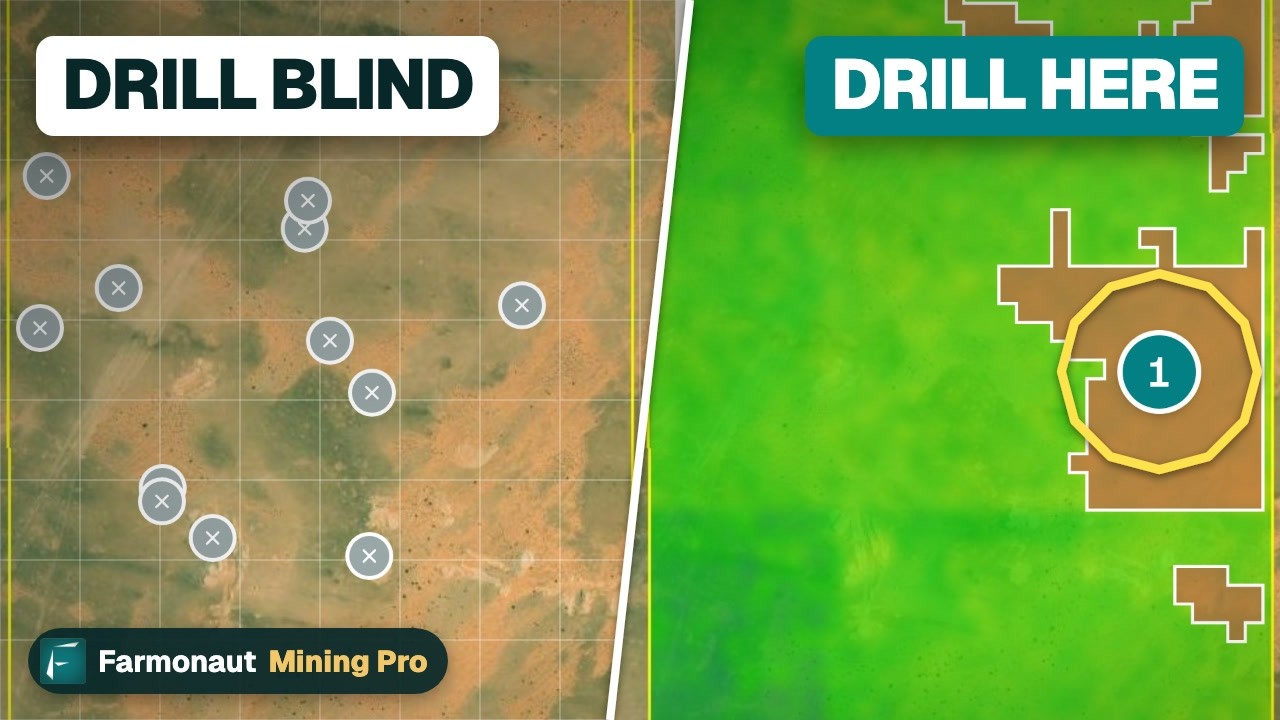
▶ Explains what mining contributes to economies and why energy-transition minerals are in demand. · 5:03
What ferroniobium costs and how much niobium a tonne of steel needs
Ferroniobium does not trade on an exchange with a screen price. Prices are set by contracts between the producers and steel mills, and the figures that circulate come from price reporting agencies behind paywalls. The USGS publishes an open figure instead: the average unit value of U.S. ferroniobium trade was US$26 per kilogram in 2024 and 2025 (estimate), up from US$21 in 2021 (USGS, 2026). The United States imported about 10,000 tonnes of niobium content in 2025 (estimate), valued at US$525 million, and relies on imports for 100% of its apparent consumption.
Chart
Average unit value of U.S. ferroniobium trade
US$ per kilogram
Because steel uses so little niobium per tonne, the cost per tonne of steel is small. The calculator turns a steel tonnage and a niobium percentage into tonnes of niobium, tonnes of ferroniobium (at 65% niobium, the USGS conversion) and a cost at a price you enter. The default 0.04% is an example inside the range used for line-pipe grades; use your grade’s real chemistry and today’s contract price.
Calculator
How much niobium does your steel need?
Enter your steel tonnage, niobium content and ferroniobium price.
- Ferroniobium to buy (t): 61.5
- Ferroniobium cost (US$): $1,600,000
Example values only, not a benchmark. Ferroniobium is converted at 65% niobium (USGS, 2026). The US$26 per kg default is the USGS 2025 estimate of average U.S. trade unit value; use a current supplier quote.
How to read niobium production numbers
Niobium statistics mix several bases, and most errors online come from comparing them. Use these rules from the USGS footnotes and the company pages.
- Contained niobium versus product. The USGS counts niobium content. Niobium oxide (Nb2O5) is 69.904% niobium by weight, and the USGS assumes 28% Nb2O5 in niobium ores and concentrates, 10% in tantalum concentrates and 65% niobium in ferroniobium.
- Capacity versus output. CBMM’s 150,000 tonnes is capacity and its projected 100,000 tonnes for 2025 is output; both are reported as tonnes of niobium products, not contained niobium. A year’s demand figure is a third number again.
- Ore grade versus product grade. CMOC’s resource grade of 1.02% niobium describes rock in the ground. Ferroniobium is about 65% niobium.
- Estimates versus reported. The USGS flags 2025 values as estimates. Revised figures appear in the next edition.
The United States illustrates the gap between trade and use. It imported 10,000 tonnes of niobium content in 2025 (estimate), exported 420 tonnes, and the USGS puts apparent consumption at 9,900 tonnes. Reported consumption, limited to ferroniobium and nickel niobium, was lower at 6,700 tonnes, so even official statistics carry two answers depending on what they count.
What to check before relying on a niobium project
A project paper can look strong and still be early. Four questions separate the stages for a consultant or a buyer.
- Is the figure a resource, a reserve or an exploration target? Only reserves have passed the economic tests.
- What is the niobium grade and the recovery from ore to concentrate? Recovery decides how much of the ore becomes product.
- Is there a buyer? Producers outside Brazil sell into a market where one company supplies about 80%, so an offtake agreement matters.
- Who owns the land and who grants the permits? Access and permitting decide timing as much as the geology does.
Niobium mining projects outside Brazil
The one advanced project in the United States is Elk Creek in Nebraska, owned by NioCorp Developments (Nasdaq: NB). The USGS says it would be the only niobium mine and primary niobium-processing facility in the country once it operates, and that the U.S. Department of War awarded the company $10 million in August 2025 to support a scandium alloy supply chain. NioCorp’s August 2026 feasibility-study presentation lists average ferroniobium output of 8,095 tons a year alongside scandium oxide, titanium and rare earth products over a 40-year mine life. The mine has not been built, so check NioCorp’s filings for its funding and construction status before relying on any start date.
In Canada, the Crevier niobium-tantalum project in Quebec is held 72.5% by NioBay and 27.5% by Magris, about 150 km from Niobec, according to NioBay’s February 2026 resource-estimate announcement, which also describes Magris as the owner of Niobec. Neither project is close to the scale of Araxá.
Environmental impact of niobium mining
Niobium mining shares the footprint of any open pit: land clearing, waste rock, tailings and water use. Because niobium ore is processed to a concentrate and then to ferroniobium at or near the mine, the main controls are the tailings dam, water recycling and dust. CMOC reports a 2024 injury rate 29% below the global mining average at its Brazilian operations and a five-star safety audit for its niobium unit; these are company statements and do not measure environmental performance. For any site, ask for the permit conditions, tailings design reviews and monitoring data, not the sustainability headline.
The video below sets out the seven common environmental impacts of mining in plain language and is a good primer before reading a mine’s permit documents.
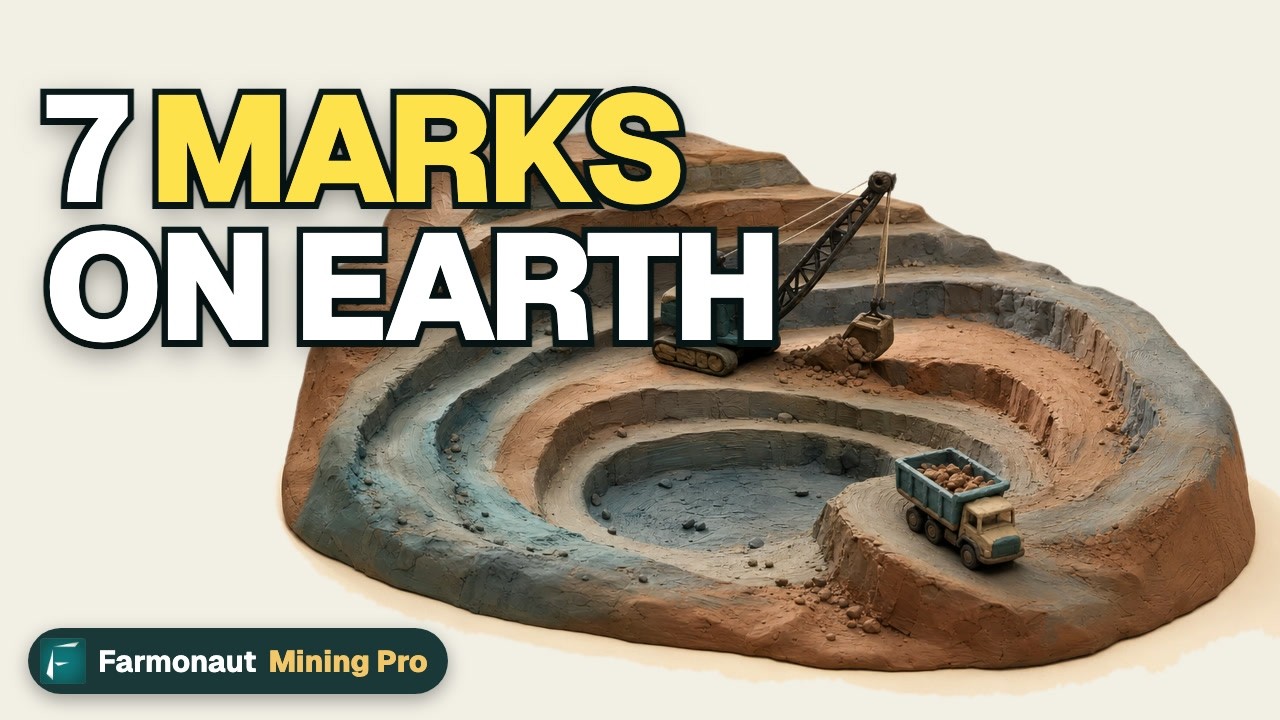
▶ The seven common environmental impacts of mining, explained in clay animation. · 2:31
How satellite data helps find niobium targets
Niobium is not found by looking for niobium. Explorers look for the host rock: carbonatite complexes, alkaline intrusions, and weathered caps over them. Satellite data can map the intrusion’s surface expression, alteration minerals, drainage patterns and land access before a field crew visits. The result is a list of ground targets ahead of a drilling programme, not a resource estimate. For a site map for a client, consultants usually combine satellite layers with government geology and radiometric surveys.
Farmonaut’s mining platform takes a licence boundary as a KML, KMZ or polygon and returns satellite-derived exploration targets in 5 to 20 business days depending on area size and mineral; niobium is among the minerals it screens for. This is an exploration screen, so any anomaly needs field checks and drilling before it counts as a resource.
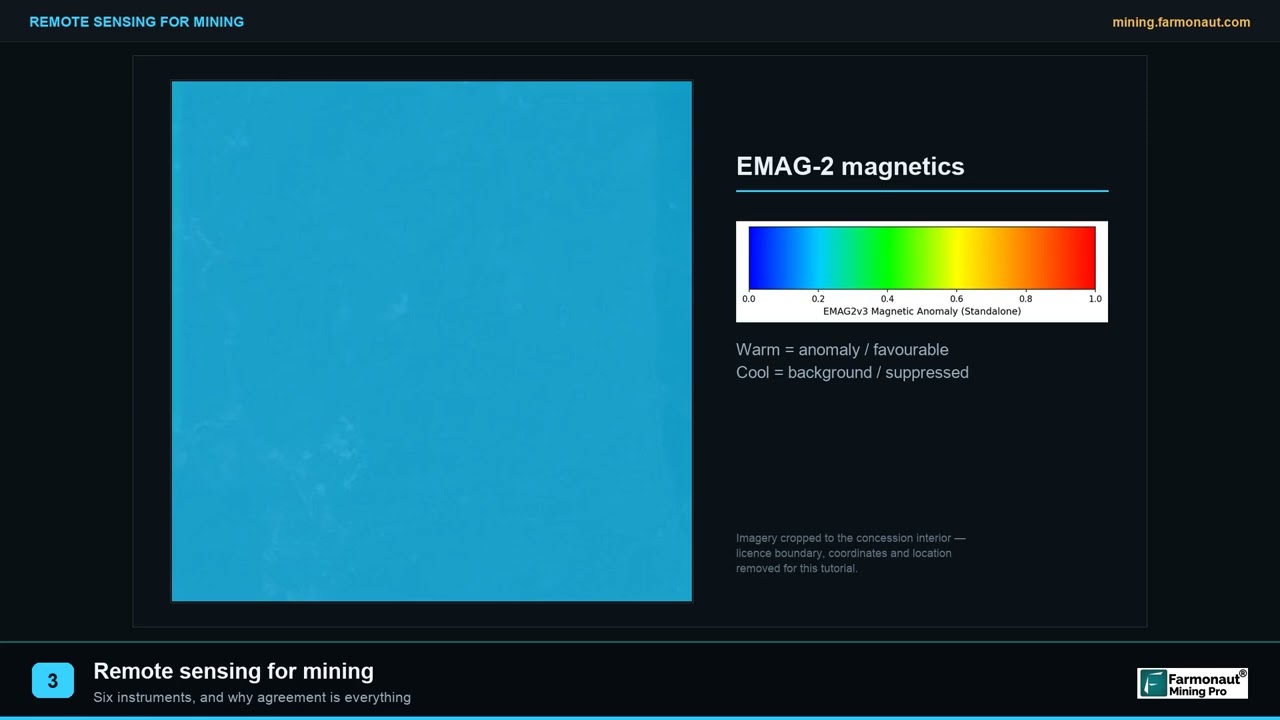
▶ Remote sensing for mining explained in about two minutes. · 2:01
For a closer look at a related question, see our guide: Endeavour Mining Gold Mines: Output, Reserves, Costs.
If this topic matters to you, read Bagdad Arizona Mine: Output, Reserves, Expansion next.
Frequently asked questions
Where is niobium mined?
Mostly in Brazil, which produced about 104,000 of the 112,000 tonnes mined worldwide in 2025 (USGS, 2026). Canada comes second with about 6,000 tonnes, and smaller amounts come from Congo (Kinshasa), Russia, Rwanda and China.
Who owns the biggest niobium mine?
CBMM owns the Araxá mine in Minas Gerais, Brazil. A Japanese trading house that distributes its products says CBMM supplies roughly 80% of the niobium produced and sold worldwide (Sojitz, September 2025).
Which countries produce the most niobium?
Brazil first, then Canada, then Congo (Kinshasa) with 970 tonnes, Russia with 300 and Rwanda with 200 (USGS, 2026, 2025 estimates).
Is there a niobium mine in the United States?
No. The USGS reports no significant niobium mine production since 1959. The Elk Creek project in Nebraska is in development and would be the first, if built.
How much niobium is in the world?
The USGS lists world reserves above 21 million tonnes, 14 million of them in Brazil, and says world resources are more than adequate for projected needs.
What is niobium metal used for?
Mostly as ferroniobium in high-strength steel for pipelines, car bodies and construction. Smaller uses include superalloys for aerospace and superconducting magnets for MRI scanners.
How much niobium is in a tonne of steel?
Very little. High-strength line-pipe steels carry 0.02% to 0.10% niobium, which is 0.2 to 1 kg per tonne of steel (International Molybdenum Association). Use the calculator on this page for your own grade.
How much does niobium cost?
The USGS puts the average unit value of U.S. ferroniobium trade at US$26 per kilogram in 2025 (estimate). Contract prices vary by supplier and are not published openly, so use a quote.
Is niobium the same as columbium?
Yes. Columbium is the older name, still used in some U.S. trade statistics. The USGS lists the commodity as niobium (columbium).
Does niobium have substitutes?
Partly. The USGS lists molybdenum, tantalum, tungsten, titanium and vanadium for different uses, but with a performance loss or higher cost.
Which companies mine niobium?
CBMM (Araxá, Brazil), CMOC Brasil (Catalão, Brazil) and Niobec, run by Magris Performance Materials (Quebec, Canada). Magris describes Niobec as one of only three primary niobium producers.
Not investment advice. Company figures are from the company pages and releases named above.
This page is for information only. It is not investment advice. It names no share price or target.
Farmonaut mining
Map a client's site from space
Consultants can screen a licence area for niobium-bearing host rocks as an exploration target, ahead of any resource estimate.
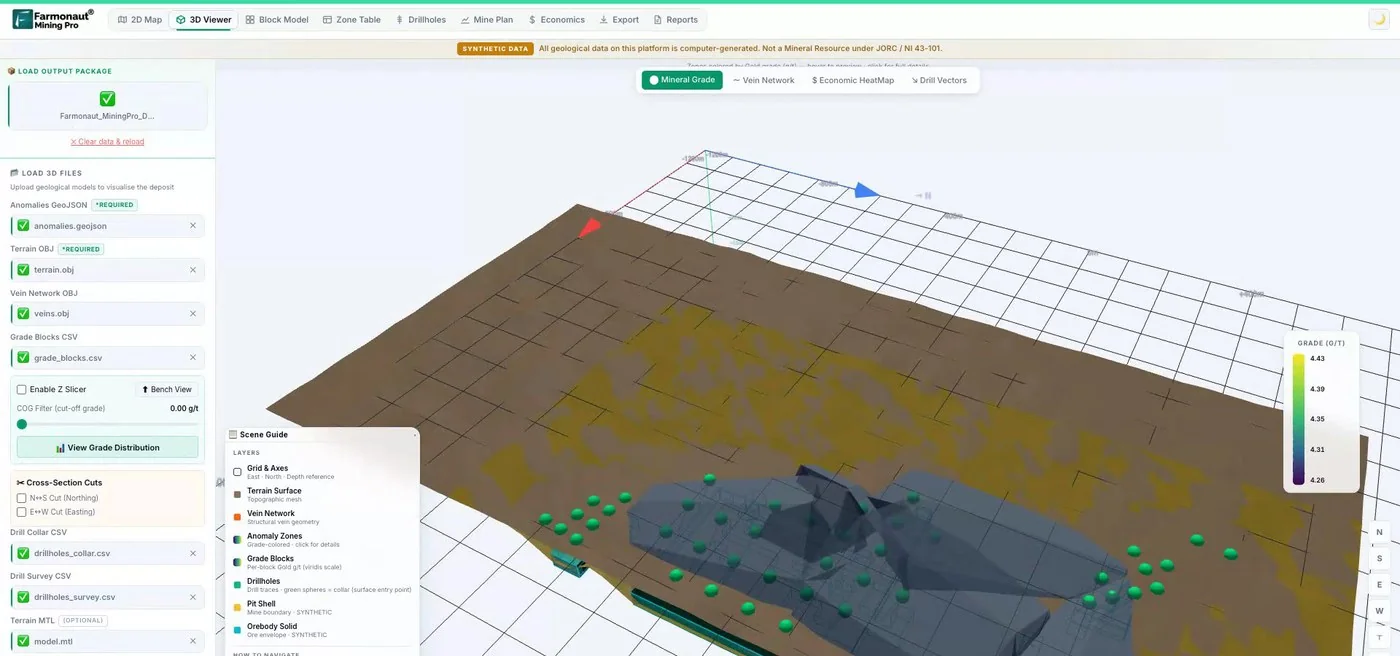
Mining Pro sample view, synthetic data
Keep reading
Sources
- USGS, Mineral Commodity Summaries 2026: Niobium: pubs.usgs.gov
- SteelOrbis, Brazil’s CBMM plans increase of niobium production (31 Oct 2025): steelorbis.com
- Sojitz, Niobium business feature (8 Sep 2025): sojitz.com
- CMOC Group, Brazil niobium and phosphate (2026): en.cmoc.com
- CMOC Group, H1 2026 results release (20 Aug 2026): en.cmoc.com
- Magris Performance Materials, Niobec: magrispm.com
- Mining.com, CBMM and Echion open niobium anode plant: mining.com
- International Molybdenum Association, High strength low alloy steel: imoa.info
- Zeitlin, The future of low temperature niobium based superconductors (CBMM technical library): niobium.tech
- NioCorp, 2026 Feasibility Study Results presentation (11 Aug 2026): niocorp.com
- NioBay Metals, new resource estimate on the Crevier project (25 Feb 2026): finance.yahoo.com
- Hulka, The role of niobium in low carbon bainitic HSLA steel (Cambridge, Phase Transformations): phase-trans.msm.cam.ac.uk
- Effect of heat-input on CGHAZ toughness in a high-Nb microalloyed HSLA steel (PMC): ncbi.nlm.nih.gov
Discussion
Questions, corrections or field experience? Share them below. First-time comments are reviewed before they appear, and your email is never published.
No comments yet. Be the first to add a question or your experience.

 Enterprise Takreem
 Sean Mining Limited
 NTS Group (Pty) Ltd
 Mine4Africa
 Lithspo Minerals Limited
 Tintina Mining Group
 Dalgety Minerals Pty Ltd
 Vortex Minerals Pty Ltd
 Faith At Work (Pty) Ltd
 Geotech Mining Solutions plc
 Vulcan International Limited
 Kidepo Associates
 GKY Mining
 Alkimy SARL
 Double A Trading
 GemSprout Metals Limited
 Qader Group
 Ileys General Trading
 SG Gold Mining LLC
 VRV Global Pte Ltd
 Omsri International FZE
 G.I.T.T.
 Jaunita Erss Ltd
 SRK Consulting
 Berks Gold Limited










