

Papua New Guinea Gold Mining Companies & Papua Mining 2025: A Comprehensive Industry Outlook
“Papua New Guinea’s gold mining sector contributed over 26% to the nation’s GDP in 2023, driving economic growth.”
Papua New Guinea (PNG) stands at a pivotal moment in its economic and social development, with its gold mining industry taking center stage as a cornerstone of national progress and prosperity. This article explores the current landscape of Papua New Guinea gold mining companies, sector expansion, modern sustainability practices, and the evolving role of stakeholders seeking to ensure the nation’s mining success through 2025 and beyond.
Overview of Papua New Guinea’s Gold Mining Sector in 2025
Located in the heart of the Pacific, Papua New Guinea is one of the world’s most resource-rich nations, endowed with significant gold deposits. The sector has evolved into a major driver of PNG’s economy, contributing substantially to national GDP, foreign currency earnings, and regional infrastructure. As of 2025, the gold mining industry continues attracting investment due to ongoing discoveries, technological advancements, and the global relevance of gold as a strategic resource.
- Gold Deposits & Geography: PNG’s gold deposits are primarily located in the Highlands region, notably in Morobe, Eastern Highlands, and Enga provinces. Major operating mines are embedded in these provinces’ rugged terrains, making PNG an international center for both large-scale and small-scale mining.
- Industry Role: Gold mining in PNG historically contributed over one-third of the nation’s total export earnings, illustrating its enduring impact as an economic cornerstone and growth driver.
- Market Growth: New discoveries and sustainable exploration strategies ensure the sector continues growing, with several multinational and junior companies entering or increasing their operations in 2025.

Among the key players are established global companies such as Newcrest Mining (operator of the Lihir Gold Mine), and operators at the iconic Porgera Gold Mine. These flagship projects anchor the sector, while a new wave of ambitious mid-tier firms and junior explorers are aiming to tap into PNG’s vast mineral reserves.
The sector is deeply interwoven with the nation’s local communities, environmental agenda, and government policy, with ongoing reforms and consultations designed to secure both the benefits and long-term viability of PNG’s unique mining landscape.
“By 2025, Papua New Guinea is projected to host more than 10 major gold mining companies, reflecting sector expansion.”
Papua New Guinea Gold Mining Companies: Key Players and Current Landscape
Papua New Guinea gold mining companies in 2025 are a blend of legacy operators and innovative newcomers. This diversity offers resilience to the sector, broadens economic contribution, and encourages best practices in social and environmental management.
Major and Emerging Gold Mining Companies Operating in PNG:
- Newcrest Mining Limited: Among the largest gold producers globally, Newcrest serves as the operator of the Lihir Gold Mine in the New Ireland Province. The Lihir project is notable for its high gold output and continuous investment in advanced mining technologies and local development.
- Barrick Niugini Limited: As a subsidiary overseeing the Remarkable Porgera Gold Mine (Enga Province)—one of the world’s largest underground gold mines—this firm leads in both output and employment, despite past closure disruptions and regulatory negotiations.
- K92 Mining Inc.: Focused on rapid production growth and exploration near Kainantu (Eastern Highlands), K92 is recognized for innovation and bringing new reserves online through aggressive drilling programs.
- Harmony Gold Mining Company Limited: Jointly involved in the Hidden Valley gold mine (Morobe Province), Harmony represents multinational investment in PNG, focusing on safe practices and sustainable initiatives.
- Other Notable Companies: Firms including St Barbara Limited (Simberi Mine) and a series of junior explorers are targeting undeveloped resources in the Highlands and emerging mineral belts. Their presence signals increased exploration activity and a broadening of the national economic base.

New technological integration, stringent environmental standards, and community outreach characterize the current PNG mining industry in 2025, with companies striving to balance profit with responsibility in a dynamic regulatory and market environment.
Papua New Guinea Gold Mining Companies Overview Table (2025)
| Company Name | Estimated 2025 Production (Gold, tonnes) | Number of Employees | Economic Contribution (Revenue/Export Value, USD bn) | Key Mining Locations | Sustainability Initiatives | Notable Challenges |
|---|---|---|---|---|---|---|
| Newcrest Mining Ltd (Lihir) | ~25 | 4,000+ | 2.7 | New Ireland Province (Lihir Island) | Emissions management, water treatment, local community health programs | High energy/water demand, environmental compliance, community engagement |
| Barrick Niugini Ltd (Porgera) | ~15 | 3,500+ | 1.8 | Enga Province (Porgera) | Rehabilitation, community compensation frameworks | Regulatory disputes, social license issues, environmental legacy |
| K92 Mining Inc. | ~5 | 1,200 | 0.65 | Eastern Highlands (Kainantu) | Waste optimization, local training & job creation | Infrastructure, energy supply, landowner relations |
| Harmony Gold (Hidden Valley JV) | ~6 | 1,700 | 0.78 | Morobe Province | Biodiversity conservation, transparent reporting | Remote access, high rainfall, land acquisition |
| St Barbara Ltd (Simberi) | ~4 | 900 | 0.32 | New Ireland Province (Simberi Island) | Resource efficiency, gender diversity hiring | Low ore grades, logistics, weather risks |
| Junior Miners & Emerging Firms | 1–3 (per company avg.) | 150–500 | Variable, ~0.05–0.2 | New exploration zones (Highlands, Morobe) | Community-led programs, adaptive exploration | Funding, technical capacity, community engagement |
Note: Data are based on industry estimates and subject to year-on-year fluctuation.
Economic Impact and Sector Growth: Papua Mining as an Engine of Prosperity
Papua mining is more than just an industry—as of 2025, it remains a critical economic driver and one of the most important employers in the nation. PNG’s mining sector continues to generate substantial direct and indirect revenues, underpinning public investment programs and offering diverse employment pathways for both skilled and unskilled labor.
- Revenue Flows: Gold mining royalties, taxes, and dividends have enabled the PNG government to invest in infrastructure such as roads, bridges, hospitals, and educational institutions, spreading the benefits broadly across regions.
- Export Earnings: Gold consistently ranks as PNG’s leading export, with shipments primarily destined for international markets.
- Multiplier Effect: The industry supports thousands of jobs, fosters new business spin-offs in transport and logistics, and increases regional household incomes—particularly in rural and isolated communities.
As the government seeks to renegotiate fairer mining agreements in 2025, PNG aims to boost national income and secure a larger share of the mining sector’s benefits for its citizens, without sacrificing the sector’s long-term investment prospects.
Employment, Communities, and Infrastructure Development
A critical component of the Papua New Guinea mining landscape is its connection to employment, local communities, and the ongoing growth of national infrastructure. The sector:
- Provides direct and indirect jobs supporting thousands of households
- Fosters regional development in areas that might otherwise remain isolated or underdeveloped
- Enables public services investment through industry-funded infrastructure projects (roads, electricity, schools, clinics)
- Prioritizes consultation and collaboration with landowners, reflecting PNG’s customary land tenure and strong community ties
Local communities are at the heart of PNG’s mining operations: companies must not only secure regulatory approval, but also the social license to operate—often granted through negotiated benefit-sharing agreements and meaningful consultation processes.




Explore advanced, satellite-based environmental monitoring and management solutions for mining, infrastructure and agriculture with Farmonaut’s powerful Apps for web, Android, and iOS. These apps deliver real-time mining site, crop, and resource monitoring across Papua and offer actionable insights, supporting PNG’s sector growth and sustainability efforts.
Environmental and Social Challenges in Papua Mining: Addressing the Risks
Despite its benefits, gold mining in PNG also presents unique environmental and social challenges that demand vigilant management and responsible practices.
Key Environmental Issues Facing PNG Mining in 2025:
- Deforestation and Habitat Destruction: Clearing land for mining disrupts endemic flora and fauna, including threatened rainforest habitats and water resources crucial to local communities.
- Mine Tailings and Water Pollution: Discharge of mining by-products can threaten river systems (like the Fly, Strickland, and Sepik rivers), impacting fisheries and potable water supplies.
- Biodiversity at Risk: Papua New Guinea’s world-renowned biodiversity faces ongoing threats from the expansion of mining activities without robust planning and monitoring.
Regulations and International Best Practices: Companies operating in PNG are required to adopt stricter environmental management standards, both to secure government approval and to adhere to international frameworks. Compliance now routinely involves:
- On-site environmental monitoring and emissions tracking
- Rehabilitation and revegetation plans post-mine closure
- Transparent reporting of impacts and mitigation efforts
- Community engagement in planning and restoration
Social challenges include land rights disputes, fair benefit-sharing, and the need for ongoing consultation with local landowners. Community resistance may emerge if mining leads to displacement or excludes customary owners from decision-making and benefit receipt.

Sustainability & Innovation Shaping PNG Mining in 2025
In 2025, the mining industry in Papua is increasingly focused on sustainability, environmental stewardship, and advanced technology adoption. Major and junior mining companies alike recognize that balanced development is key to long-term sector growth and broad social acceptance.
Key Sustainability Measures and Trends:
- Adoption of Advanced Technologies: Companies are leveraging satellite imagery, carbon footprint tracking, and AI-driven platforms for real-time environmental management and emissions mitigation. This not only improves compliance but reduces operational costs and risk.
- Strengthened Community Initiatives: Mining companies invest in traceability solutions and local development projects—schools, health clinics, water systems aim to ensure local job creation, safety, and shared prosperity.
- Sustainable Supply Chains: Blockchain-driven traceability is emerging as a reliable solution for tracking Papua’s gold from mine to market, curbing illegal exports and assuring ethical sourcing.
- Rehabilitation & Biodiversity Conservation: Regulatory frameworks now require closure and rehabilitation strategies, including revegetation and restoration of biodiversity post-mine life.
- ESG Reporting & Transparency: Most sector leaders issue annual sustainability or ESG (environmental-social-governance) reports, showing progress and challenges to investors and the public.
- Fleet & Resource Efficiency: With ongoing emphasis on cost and sustainability, many PNG companies are integrating advanced fleet management solutions for mining operations to optimize vehicle usage, reduce emissions, and enhance safety compliance.

How Data-Driven Solutions and Real-Time Monitoring Are Transforming PNG Mining
In the modern era, PNG gold mining companies increasingly turn to satellite technology and AI-driven analytics for efficient, safe, and sustainable operations. These smart systems:
- Provide real-time monitoring of emissions, land-use, water pollution, and crop or land health near mining sites
- Support resource management for better extraction and minimal environmental disturbance
- Facilitate improved regulatory compliance and reporting standards
Accessing real-time monitoring solutions, including satellite-based verification for mining loans and insurance, enhances operational transparency and supports responsible investment in the sector.

Papua Mining: Future Outlook & Strategic Trends Beyond 2025
The outlook for Papua mining in 2025 and beyond is one of cautious optimism, predicated on adaptability, stakeholder engagement, and responsible stewardship.
Trends Shaping the Sector’s Future:
- Ongoing Exploration Success: New discoveries in underexplored regions may yield further gold and mineral reserves, bolstering sector life and export capacity.
- Increased Investment: The government’s pro-development stance and improved regulatory clarity are expected to spur greater foreign direct investment (FDI) and joint ventures.
- Technological Innovation: With precision mining, drone monitoring, satellite imagery APIs, and AI-based waste management, environmental impact can be further reduced while productivity is enhanced.
- Stronger Social Frameworks: Enhanced community involvement and benefit-sharing will mitigate legacy disputes and ensure equitable resource distribution.
- Sustainable Financing: Lenders and insurers increasingly demand robust ESG and traceability compliance, pushing industry standards upward.
PNG’s challenge remains balancing economic ambition with long-term environmental and social sustainability. Companies, government, and local communities must collaborate to secure Papua’s future as a thriving, responsible mining nation.
Farmonaut Satellite & AI Technology for Mining Sustainability in Papua New Guinea
At Farmonaut, we understand the multi-layered challenges PNG’s mining sector faces—from environmental impact tracking and transparent traceability to resource efficiency and regulatory compliance. Our satellite-driven solutions empower companies, local operators, and governments to make data-driven decisions for a more sustainable future.
Farmonaut’s Key Offerings for PNG Gold Mining Companies and Papua Mining Operations:
- Satellite-Based Environmental Impact Monitoring: Our real-time carbon footprint and resource use tracking tools enable PNG gold mining companies to adhere to regulatory standards, reduce emissions, and support sustainable development.
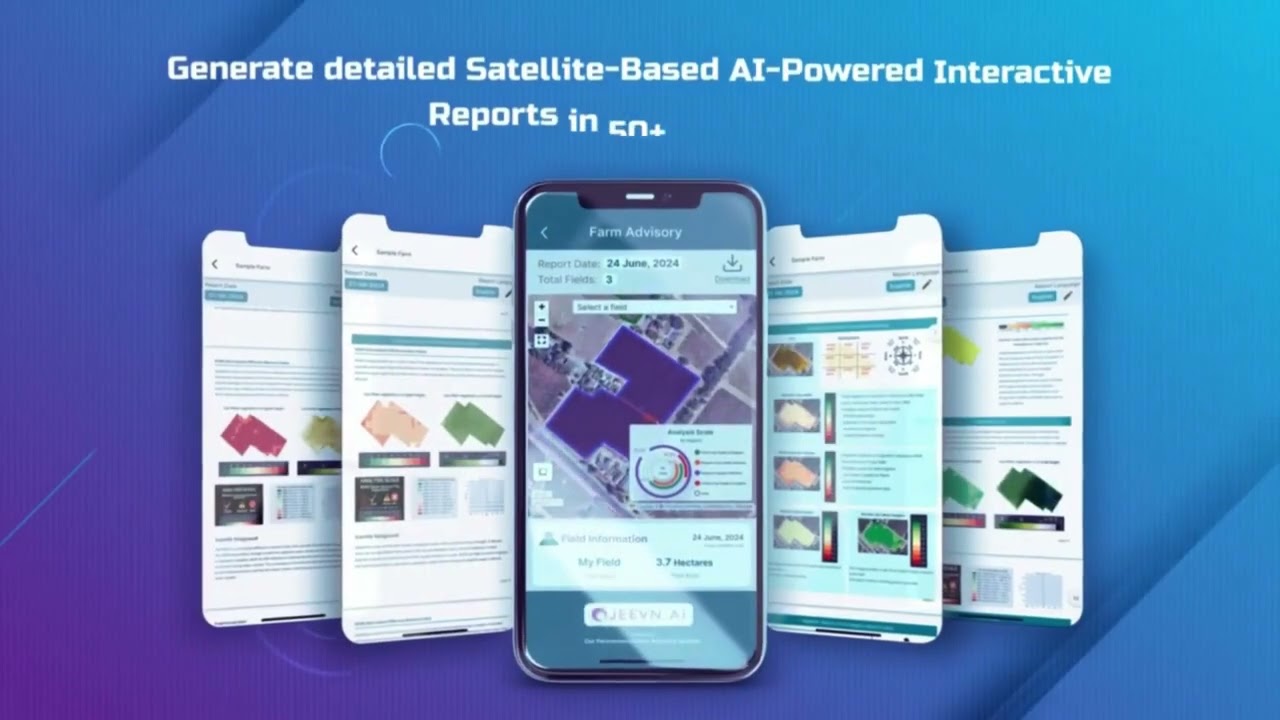
- AI-Driven Advisory Systems: The Jeevn AI platform delivers timely weather forecasts, operational advisories, and predictive maintenance tools for mining and infrastructure management.
- Blockchain-Based Traceability: Ensure ethical sourcing and compliance from mine to market, combating illegal exports and enhancing brand trust globally.
- Fleet and Resource Management: Our advanced fleet tracking tools optimize mine logistics and reduce costs, supporting both large-scale and small operators across PNG.
- API & Integration Capabilities: For seamless integration with enterprise or government systems, our Satellite Insights API and Developer Docs empower users to build scalable, custom monitoring ecosystems for optimal operational control.
By making advanced satellite insights affordable and accessible, we at Farmonaut support PNG mining companies, local communities, and the government in building a resilient, transparent, and sustainable gold mining sector for generations to come.
Discover how Farmonaut solutions are revolutionizing satellite-based crop, mining, and environmental monitoring—empowering the Pacific’s resource-rich nations like Papua New Guinea. For comprehensive plantation, mining, and forest advisory solutions, explore our crop, plantation, and forest advisory apps.
FAQs: Papua New Guinea Gold Mining Companies, Papua Mining & Sector Trends in 2025
1. What are the leading Papua New Guinea gold mining companies in 2025?
Major players in the sector include Newcrest Mining Limited (Lihir Gold Mine), Barrick Niugini Limited (Porgera Gold Mine), K92 Mining Inc., Harmony Gold Mining Company Limited (Hidden Valley), and St Barbara Limited (Simberi Mine), along with a growing number of dynamic junior mining companies.
2. Why is gold mining so important to PNG’s economy?
Gold mining is a cornerstone industry, accounting for over 26% of PNG’s GDP as of 2023, generating export revenue, supporting infrastructure development, and creating employment, especially in remote regions.
3. How are companies addressing environmental and social challenges in Papua mining?
By investing in advanced monitoring, rehabilitation programs, ESG (Environmental-Social-Governance) compliance, and ongoing consultation with landowners, companies are actively working to minimize environmental footprints and foster community benefit-sharing.
4. What technological advancements are shaping PNG mining in 2025?
Trends include the adoption of real-time satellite monitoring, AI-based analytics, blockchain traceability, and smart fleet management, enabling companies to operate more efficiently and sustainably.
5. How is Farmonaut relevant to the PNG mining sector?
We offer cutting-edge satellite, AI, and blockchain solutions tailored for mining, infrastructure, and agriculture, helping companies and governments in PNG make data-driven decisions for improved sustainability, compliance, and productivity across the entire mining value chain.
Conclusion: PNG Gold Mining Sector 2025 & Beyond
Papua New Guinea’s gold mining companies remain pivotal to its national economy, community well-being, and environmental stewardship. Through the collaborative efforts of the government, industry leaders, and local communities—supported by advanced technologies and a focus on sustainability—the sector is poised for a resilient, equitable, and prosperous future. The nation’s challenge moving forward is achieving a lasting balance between rich mineral endowment and the preservation of its natural and social treasures for future generations.
With strong policy frameworks, increased transparency, and advanced data-driven tools from solution-providers like Farmonaut, PNG’s gold mining industry will continue to stand as a model for responsible resource management in the Pacific and beyond.


