

Qulong Copper Mine, Yulong Copper Mine: 2026 Outlook
Introduction: Copper’s Pivotal Role in Modern China
The copper industry remains the backbone of modern industrialized nations, underpinning the essential sectors of electrical infrastructure, energy transmission, and sustainable development. In the face of increasing global demand, China has strategically positioned itself as a leading force in mining and production. At the heart of this context lie the Qulong copper mine and Yulong copper mine—two cornerstone assets that profoundly drive the country’s ambitions for secure, stable copper supplies and sustainable mining practices.
As we approach 2025 and look to the 2026 outlook, both Qulong, located in the Tibet Autonomous Region, and Yulong, situated in Yunnan Province, stand as critical drivers for meeting the country’s domestic demands and global demand for copper. Their strategic role, innovative operations, and environmental practices highlight China’s capability to adapt to global industry changes while ensuring sustainability and supply security.
The Copper Industry: 2026 Global Context & Trends
Copper is one of the world’s most critical industrial metals, playing a foundational role in infrastructure, energy transition, and transportation. As major economies advance renewable energy infrastructure and EV manufacturing, the demand for copper continues to climb steeply on a global scale.
- Global supply and demand: Metal analysts project a continued deficit for copper beyond 2025, as new mineral resources struggle to keep pace with burgeoning infrastructure needs and the electric revolution.
- ESG and sustainability: Mining practices are under heightened scrutiny; companies and nations must balance environmental needs and community impacts with resource extraction and production.
- Prices and volatility: The copper market is now influenced by geopolitics, supply chain disruptions, and labor shortages, prompting a renewed focus on domestic supply security, particularly in countries like China.
China’s Copper Supply Strategy & 2026 Infrastructure Push
China remains the world’s largest consumer of copper, with its appetite fueled by massive industrial expansion, green energy projects, and transportation infrastructure. In 2025, the country’s copper demand is expected to rise sharply, driven by extensive development and electrification initiatives.
Supply security is a priority, as China works to:
- Reduce dependency on imports by tapping into domestic assets such as the Qulong and Yulong mines.
- Develop advanced mining technologies, including autonomous systems and sustainability-focused operations.
- Expand infrastructure networks to connect resource-rich provinces like Tibet and Yunnan to key manufacturing and export hubs.
- Comply with strict environmental practices to minimize ecological impacts.



Use the Farmonaut Web App for real-time satellite monitoring of mining and infrastructure operations, boosting productivity and sustainability in the copper sector.
Qulong Copper Mine: A High-Altitude Metallurgical Marvel
The Qulong copper mine stands as one of Asia’s highest and most ambitious mining ventures. Located at elevations exceeding 4,500 meters on the challenging Tibetan Plateau in the Tibet Autonomous Region of China, Qulong’s discovery in the early 2010s and subsequent commercial operation (launched in 2015) mark it as a modern benchmark in high-altitude mining.
- Geological profile: The mine’s resource base constitutes primarily porphyry copper deposits, with significant by-products of molybdenum and silver.
- Operational challenges and advantages: The high elevation and unique logistics entail substantial challenges, particularly in ventilation, water management, and transport. Despite these, Qulong provides strategic access to domestic mineral wealth, aiding China’s efforts to secure self-reliant supply.
- Technological innovation: Operators have adopted advanced solutions including autonomous drilling and enhanced ventilation systems to promote safe, efficient extraction and processing—even where human labor alone posed significant limitations.
- Sustainability priorities: With a focus on stringent practices in water recycling, tailings management, and ecosystem preservation, Qulong is establishing itself as a benchmark for responsible high-altitude mining.
Yulong Copper Mine: Southwest China’s Key Component
The Yulong copper mine, situated in Yunnan province, is another significant contributor to China’s copper supply. Known for its vast polymetallic deposits (copper, silver, and gold), Yulong uses primarily open-pit extraction methods, enabled by favorable operations logistics and existing infrastructure in the region.
- Strategic location: Yulong benefits from a southwest location in a biodiversity hotspot, with close access to transport and refining corridors connecting to the broader industrial base of China.
- Innovative processing: Investment in hydrometallurgical extraction and emission-reducing technologies enables efficient and responsible processing—balancing output with environmental practices.
- Community and ecological balance: Operators at Yulong navigate stringent regulatory oversight to ensure that mining impacts are minimized while supporting regional economic growth.
See How AI, Satellites & Exploration Tech Are Shaping Global Critical Mineral Resources

Modern satellite and AI techniques, like those used in global copper and critical minerals exploration, underscore the technological innovation at the Qulong copper mine and Yulong copper mine.
Comparative Production & Sustainability Metrics Table
| Mine Name | Estimated 2026 Copper Output (metric tons) |
Ore Grade (% Cu) | Projected Contribution to China’s Total Production (%) | Major Sustainability Initiatives | Estimated Investment (USD million) |
|---|---|---|---|---|---|
| Qulong Copper Mine | 380,000 | 0.48 | 6.7 |
– Advanced water recycling – Tailings and waste management – High-altitude ecosystem preservation – Adoption of autonomous mining technologies |
1,800 |
| Yulong Copper Mine | 220,000 | 0.53 | 3.6 |
– Hydrometallurgical extraction – Onsite emission controls – Community engagement programs – Environmental monitoring and reporting |
1,000 |
These metrics illustrate how the Qulong copper mine and Yulong copper mine form a pivotal duo, ensuring robust copper outputs while leading in responsible, sustainable practices by 2026.

Sustainability & Innovation at Qulong and Yulong Mines
Sustainability remains a key priority at both mines as regulators, investors, and the global community mandate responsible mining practices. Qulong and Yulong are at the forefront of adopting and pioneering:
- Autonomous systems: Reducing risks for human workers at high altitudes while enhancing efficiency.
- Resource and tailings management: Employing technological solutions for water recycling and waste treatment.
- Environmental monitoring: Leveraging satellite and sensor-based data (see how solutions like Farmonaut’s Carbon Footprinting enable ongoing tracking of mining carbon impact.)
- Community engagement: Implementing transparent reporting, grievance mechanisms, and regional development programs.
- Regulatory compliance: Meeting or exceeding local and international standards for emissions, ecosystem preservation, and operational safety.

Farmonaut’s Traceability solutions
can be instrumental in authenticating the entire mining supply chain, ensuring every stage from mineral extraction to final processing remains secure and verifiable.
Farmonaut: Satellite Solutions for Mining & Infrastructure
In an era when mining is scrutinized for both ecological and community impacts, leveraging advanced digital and satellite tools is essential for maintaining competitive and sustainable operations.
Farmonaut is a leader in satellite-based technologies, providing powerful tools for real-time monitoring and resource management relevant to large-scale mining projects like those at Qulong and Yulong:
- Satellite-Based Monitoring: Monitor evolving site conditions, vegetation cover (NDVI), and structural changes to improve strategic mineral extraction and prevent unplanned disruptions.
- Jeevn AI Advisory: Receive real-time insights on weather, operations, and efficiency tailored to the unique altitude and geographic considerations of the Tibetan Plateau.
- Blockchain Traceability: Track the copper supply chain to deter fraud and build trust with buyers and regulators—vital for the reputation of strategic Chinese mineral assets.
- Fleet & Resource Management: Optimize on-site logistics to minimize idle time, reduce fuel consumption, and ensure efficient ore movement.
Learn about our Fleet Management solutions for mining and infrastructure—improving logistics and resource utilization at large, complex extraction sites.

Integrate Farmonaut’s mining APIs to incorporate satellite-driven resource and environmental tracking into your digital stack. Explore the Farmonaut Mining API or get started with the Developer Docs.
Looking for affordable, scalable satellite insights for mining? Check plan details or subscribe directly below:
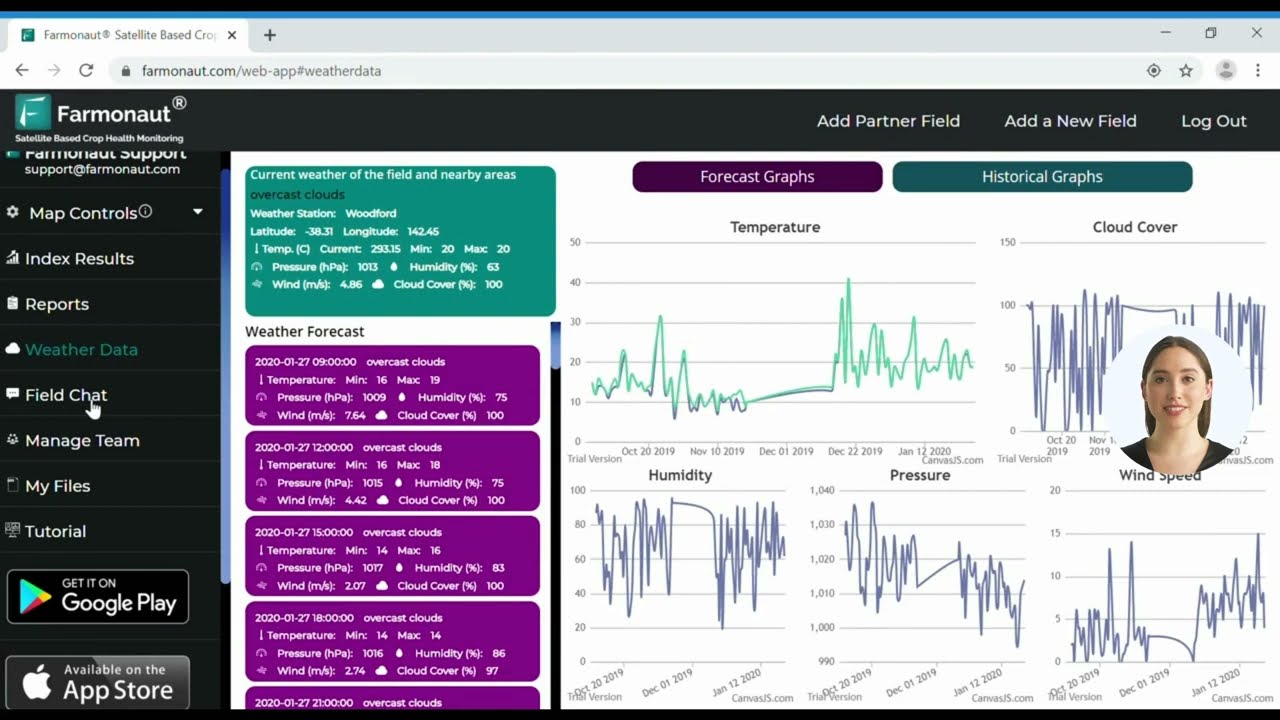
See Farmonaut in action—watch how satellite-based monitoring delivers actionable insights for agricultural and mining projects.
Community and Ecosystem Impacts
Responsible mining practices in 2026 inevitably encompass far more than mineral extraction. Both Qulong copper mine and Yulong copper mine are subject to:
- Stringent water recycling: Given the fragile Tibetan ecosystem and Yunnan’s biodiversity, maintaining low water footprints is non-negotiable.
- Tailings management: Advanced containment and monitoring, reliant on sensors and periodic satellite validation, help prevent environmental degradation.
- Community engagement: Both parts of China’s southwest emphasize open dialogue with local populations, including environmental education, job creation, and transparent reporting on ecological impacts.
- Regulatory compliance: Operators implement proactive reporting and remediation protocols, especially where mining impacts are closely scrutinized.
Explore how satellite technology aids in environmental compliance via Farmonaut’s carbon footprinting and impact monitoring tools designed for mining operators and regulatory bodies.

Farmonaut is also designed for ecosystem management beyond mining: discover the Large-Scale Farm Management Platform—monitor thousands of hectares, infrastructure health, and environmental status from a single dashboard.
Strategic Importance for Energy & Electrification in 2026
The inflection point for the qulong copper mine and yulong copper mine lies in their pivotal role in underpinning China’s green transition, energy infrastructure, and national ambitions of secure self-sufficiency by 2026 and beyond.
- Electrical infrastructure & electrification: As the world pivots to renewables, copper’s high conductivity makes it irreplaceable in electric grids, EVs, solar panel systems, and high-volume energy links.
- Domestic supply security: Qulong and Yulong’s combined share—over 10% of national output—will help stabilize prices and mitigate risks from international market fluctuations or export restrictions by other producing countries.
- Strategic national assets: The regional development of Tibet and Yunnan is now tied to the operation and expansion of these cornerstone mines—fortifying both provincial GDP and export capabilities.
- Innovation-driven growth: The adoption of advanced extraction, autonomous operations, and digital monitoring is fostering a mining ecosystem that can nimbly evolve as market and regulatory expectations change.

Policy & Regulation Context: What Makes a Mine “Pivotal”?
- Energy and electrification drive: From power grid upgrades in Western regions to new high-speed rail links, copper is at the heart of every infrastructure push—especially those spearheaded by “green” initiatives through 2026.
- Resource nationalism: As copper supply tightens globally, every tonne produced domestically is strategically more valuable, reducing import dependency and ensuring supply during trade disruptions.
Future Outlook: The Road to 2030
As we look beyond 2026, both the qulong copper mine and yulong copper mine are set to evolve further in output, operational capacity, and sustainable integration. Market analysts predict:
- Continued output increases, with phased capacity expansions at both sites as infrastructure and automation technologies mature.
- Greater regulatory scrutiny, emphasizing full integration of environmental targets with operational KPIs—driving even more investment in traceability and environmental monitoring tools.
- Integration with smart logistics, advanced digital twins, AI-based monitoring (see Farmonaut’s AI mining solutions), and multi-sector blockchain traceability across the Chinese resource chain.
- Stronger community impact programs to balance regional socio-economic outcomes, biodiversity preservation, and ecosystem services restoration.

Frequently Asked Questions: Qulong and Yulong Copper Mines
What is the combined output of the Qulong and Yulong copper mines by 2026?
The two mines are projected to contribute over 600,000 metric tons of copper in 2026, surpassing 10% of China’s total copper production.
Where are the Qulong and Yulong copper mines located?
The Qulong mine is in the Tibet Autonomous Region at elevations over 4,500 meters, while Yulong is situated in Yunnan Province in southwest China.
What methods are used for sustainable copper extraction at these sites?
Both mines apply state-of-the-art solutions—autonomous drilling, water recycling, tailings management, continuous environmental monitoring, and advanced hydrometallurgical extraction to meet environmental targets.
Which sectors are most dependent on the copper produced?
Major sectors include electrical infrastructure, renewable energy, transportation, manufacturing, and electronics—areas where copper’s conductivity and versatility are irreplaceable.
How can satellite technology support mining sustainability?
Satellite technology, like that provided by Farmonaut, enables operators to monitor environmental impacts in real time, optimize resource management, and ensure transparent, traceable operations—including automated reporting for regulatory compliance.
Conclusion
By 2026, the Qulong copper mine and Yulong copper mine are not merely mineral extraction sites—they are strategic assets catalysts for China’s ongoing transition toward secure, sustainable, and innovation-driven copper supply. Their combined output and adoption of responsible, cutting-edge technologies ensure that China remains at the vanguard of industry evolution, underpinned by a commitment to community, ecological preservation, and regulatory excellence.
The continued development of these mines, rigorous environmental practices, and integration with technologies provided by visionaries like Farmonaut will underpin not only the future of China’s copper industry but also the stability and resilience of global copper supply for years to come.
Want to monitor mining operations, ensure supply chain traceability, or track environmental impacts? Access Farmonaut’s satellite-based mining solutions via the Web App or see our API developer documentation today.

 Geoticgy
 GemSprout Metals Limited
 Qader Group
 Ileys General Trading
 SG Gold Mining LLC
 VRV Global Pte Ltd
 Omsri International FZE
 G.I.T.T.
 Jaunita Erss Ltd
 Almosi SARL
 SRK Consulting
 Berks Gold Limited
 Mwerezi Minerals Company Limited
 Mining SARL
 SenGold Invest SAS
 Sean Mining Limited
 NTS Group (Pty) Ltd
 Mine4Africa
 Lithspo Minerals Limited
