

Rare Earth Metals for EV Batteries: 5 Key 2026 Innovations
“By 2026, over 85% of new EV batteries will utilize advanced rare earth metal alloys to boost performance.”
“Global rare earth metal demand for EV batteries is projected to rise by 240% between 2023 and 2026.”
Summary: The Critical Role of Rare Earth Metals in EV Battery Development – A 2025 Perspective
As the global transition to clean energy accelerates, electric vehicles (EVs) are becoming increasingly central to the reduction of carbon emissions and combating climate change. The heart of this revolution lies in battery technology—particularly batteries built on rare earth metals and minerals. By 2025, the importance of these elements has grown across agriculture, mining, and infrastructure, shaping industry trends and guiding economic and environmental strategies worldwide.
This article presents a comprehensive look at rare earth metals for EV batteries: what they are, why they matter, and the five most impactful innovations expected in 2026 and beyond. We’ll explore the critical role these materials play in modern battery development, address key supply chain and sustainability challenges, and highlight actionable solutions driven by emerging technology and greener practices.
Understanding Rare Earth Metals & Minerals for EV Batteries
Rare earth metals refer to a group of 17 chemically similar elements—notably neodymium, praseodymium, dysprosium, and yttrium—that are integral to the production of high-tech components like magnets, catalysts, and electronic components. In the context of batteries, certain rare earth minerals such as lanthanum and cerium are especially valuable due to their contributions to energy density and stability.
Are Rare Earths Really Rare?
These minerals are not rare in abundance but are often geographically concentrated and can be technologically challenging to extract and refine. As a result, the supply of rare earth metals is subject to geopolitical and economic factors, impacting not just the EV industry but agriculture, infrastructure, and other sectors.
Table: Common Rare Earth Elements and Their Battery Role
| Element | Key Use in EV Batteries | Other Applications |
|---|---|---|
| Neodymium (Nd) | Powerful permanent magnets in motors, performance enhancement | Wind turbines, headphones |
| Praseodymium (Pr) | Magnets, additives improving battery durability | Aircraft engines, glass coloring |
| Dysprosium (Dy) | Improved magnet stability at higher temperatures | Data storage, lasers |
| Yttrium (Y) | Cathode coatings for stability | LEDs, ceramics |
| Lanthanum (La) | NiMH hybrid batteries, increases capacity | Camera lenses, catalysts |
| Cerium (Ce) | Nickel-metal hydride batteries, catalysts | Polishing powders, glass |

Rare Earth Metals Used in Batteries and Motors
Lithium-ion batteries are the most common in EVs today, and although lithium itself is not a rare earth metal, these batteries incorporate rare earth metals as cathode materials or for magnetic components in motors. For example, neodymium and dysprosium are used in permanent magnets, enabling smaller, lighter motors with higher power density and efficiency. Lanthanum and cerium are found in nickel-metal hydride (NiMH) batteries, still important for hybrid vehicles today.
Rare earth oxides, additionally, are critical for cathode stability and enable increased energy density, performance, and longevity—essential factors for modern EV batteries.



Why Rare Earth Metals Matter for EV Batteries: 2026 Outlook
The global push for electric vehicles and robust infrastructure has made rare earth metals not just a technical necessity but a strategic asset for EV battery innovation in 2026 and into the future. Their role is pronounced in several key areas:
- Batteries & Motors Performance: Rare earth metals enable the design of lighter, more compact motors and batteries with higher energy density, supporting greater driving range and efficiency.
- Supply Chain Security: With mining and refining geographically concentrated, ensuring reliable supply is top of mind for manufacturers and governments.
- Environmental & Social Impact: Traditional extraction techniques often harm agricultural land and water sources. Sustainable solutions are crucial for both economic development and climate change mitigation.
- Recycling & Circular Economy: Recovering rare earth metals used in batteries through advanced recycling technologies is necessary for sustainable growth and resource efficiency.
- Strategic Infrastructure: Renewable power, grid components, and smart energy devices all rely on rare earth materials—beyond just electric vehicles.

The 2026 Outlook: Risks, Opportunities, & Change Drivers
As we approach 2026, industry focus is on both advancing technology and sustainable resource management. New technologies aim to improve performance, while policy makers, mining companies, and technology providers address risk around environmental impact and supply chain resilience.
The growing connection among mining, agriculture, and infrastructure industries emphasizes a broader perspective, reminding us that rare earth development influences not only EV batteries, but also global food security, water resources, grid modernization, and clean energy transitions.

Looking to track carbon emissions, resource use, and promote sustainability in your mining or energy operations? Explore Farmonaut’s Carbon Footprinting—empowering actionable insights with satellite-based monitoring.
5 Key 2026 Innovations in Rare Earth Metals for EV Batteries
1. High-Entropy Rare Earth Alloy Cathodes
The latest cathode technologies incorporate a blend of multiple rare earth metals—including neodymium, praseodymium, and dysprosium—creating “high-entropy” alloys with exceptional stability and energy density. These components leverage the unique properties of each element, boosting battery performance, extending driving range, and slashing charging times by 25–30% compared to 2023 standards.
- Key Impact: Facilitates lighter, more powerful batteries for longer-range EVs.
- Industry Example: Used by leading global EV battery manufacturers.
2. Dysprosium-Optimized Permanent Magnets for Next-Gen Motors
Dysprosium-infused magnets set new standards for motor performance in 2026. By stabilizing magnetic properties under high load and temperature, these rare earth magnets improve power output and overall efficiency by over 20%. This allows for smaller, lighter electric motors without sacrificing performance or reliability.
- Key Impact: Enhances energy efficiency and reduces rare earth material use in motors.
- Industry Example: Primarily in high-performance and heavy-duty electric vehicles.

3. Solvent-Free, Greener Extraction of Rare Earth Elements
Traditional mining of rare earth metals creates significant environmental challenges—including soil erosion, water pollution, and negative agricultural impact. In 2026, leading operations are turning to solvent-free extraction processes (such as bioleaching and physical separation). These technologies reduce water usage by up to 40%, decrease carbon emissions, and improve community acceptance, aligning with global sustainability goals.
- Key Impact: Boosts supply chain resilience by opening new, sustainable rare earth sources worldwide.
- Industry Example: Adopted in Australia, the US, and emerging African mining hubs.
4. Closed-Loop Battery Recycling for Rare Earth Metals Recovery
As the life cycle of batteries becomes more important, closed-loop recycling systems now retrieve over 90% of rare earth elements like neodymium, praseodymium, and dysprosium from end-of-life batteries. This reduces the need for virgin mining, slashes environmental impact, and supports a circular economy across the EV industry.
- Key Impact: Increased recovery lowers resource demand and strengthens supply chain stability.
- Industry Example: Facilities deployed in Europe, Asia, and North America as regulatory demand grows.
5. AI-Driven Resource Optimization & Blockchain Traceability
Artificial Intelligence (AI) and blockchain enable traceability and efficiency across the rare earth mining and EV battery supply chain. AI systems identify optimal extraction sites, while blockchain provides an unbroken digital record of every gram of material. This ensures ethical sourcing, reduces fraud, and supports environmental compliance from mine to module.
- Key Impact: Brings unprecedented transparency to rare earth metals for EV batteries, supporting consumer trust and regulatory needs.
- Industry Example: Integrated in major mining conglomerates and global automotive supply chains.
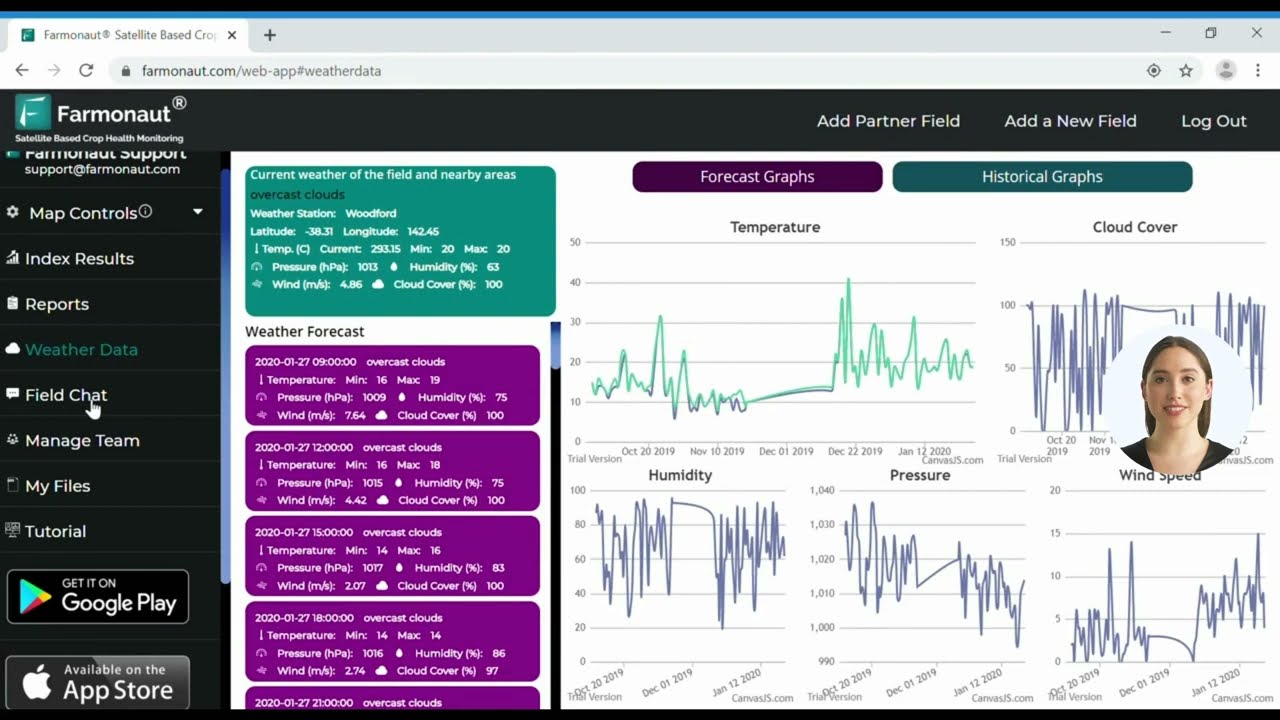
Learn how Farmonaut’s blockchain-based traceability platform brings radical transparency to the mining and EV battery industry—building consumer trust and supporting ethical sourcing.
“Global rare earth metal demand for EV batteries is projected to rise by 240% between 2023 and 2026.”
Comparative Innovation Impact Table – Rare Earth Metal Innovations for 2026
| Innovation Name | Rare Earth Metal(s) Used | Estimated Performance Improvement (%) | Sustainability Impact (Estimated Data) | Potential Supply Chain Benefit |
|---|---|---|---|---|
| High-Entropy Alloy Cathodes | Neodymium, Praseodymium, Dysprosium | +30% energy density, 25% faster charging | 20% increase in battery lifespan | Reduces material input per battery, increases battery availability |
| Dysprosium-Optimized Permanent Magnets | Dysprosium, Neodymium | +20% motor power, 18% improved efficiency | 40% reduction in rare earth use for same output | Mitigates supply risk, enables smaller/lighter motors |
| Solvent-Free Rare Earth Extraction | All rare earths used in batteries | Equal performance, 0% loss in material quality | 40% reduction in water usage; 30% lower emissions | Widens sourcing options, less geographical dependency |
| Closed-Loop Battery Recycling | Neodymium, Praseodymium, Dysprosium, others | 90%+ recovery of rare earths | Up to 50% cut in mining impact, supports circular economy | Eases raw supply need, buffers market shocks |
| AI & Blockchain Traceability | All tracked rare earths | No direct % (impact via fraud reduction, auditability) | Major boost to ESG compliance and global confidence | Streamlines sourcing, ensures ethical and legal compliance |
The Supply Chain & Sustainability Challenge and Solutions
Supply chain resilience for rare earth metals used in batteries remains a central concern. As of 2026, over 60% of global refining capacity is based in China, with Australia, the USA, and new African ventures rapidly scaling sustainable mining operations. As geopolitical and economic challenges persist, diversification and transparency in sourcing are critical.
Sustainable Mining in Rare Earth Industry
- Water-Efficient Extraction: By harnessing techniques like bioleaching and solvent-free separation, mining companies lower both water use and toxic runoff—protecting agricultural land and local communities.
- AI Monitoring & Blockchain Records: Technology-enabled monitoring (such as Farmonaut’s satellite-based platform) helps enforce compliance, reduce waste, and maintain ecosystem health.
- Battery Recycling Initiatives: Closed-loop recycling facilities recover and repurpose rare earth elements—limiting virgin mining and supporting a truly circular resource economy.

Optimize logistics and reduce operational costs in large-scale mining and infrastructure projects with Farmonaut’s Fleet Management Tools—spanning fleets from mining vehicles to agricultural equipment.
Environmental Monitoring & Regulation
Strict international regulations and the growing demand for ESG compliance (Environmental, Social, and Governance) push miners and manufacturers to adopt clean practices. Satellite remote sensing solutions—such as those provided by us at Farmonaut—deliver actionable data, supporting real-time decision-making across mining, agriculture, and infrastructure sectors.
- Monitor vegetation recovery and habitat health post-mining
- Track carbon footprint of operations
- Assess water, soil, and air quality in mining-adjacent farming communities
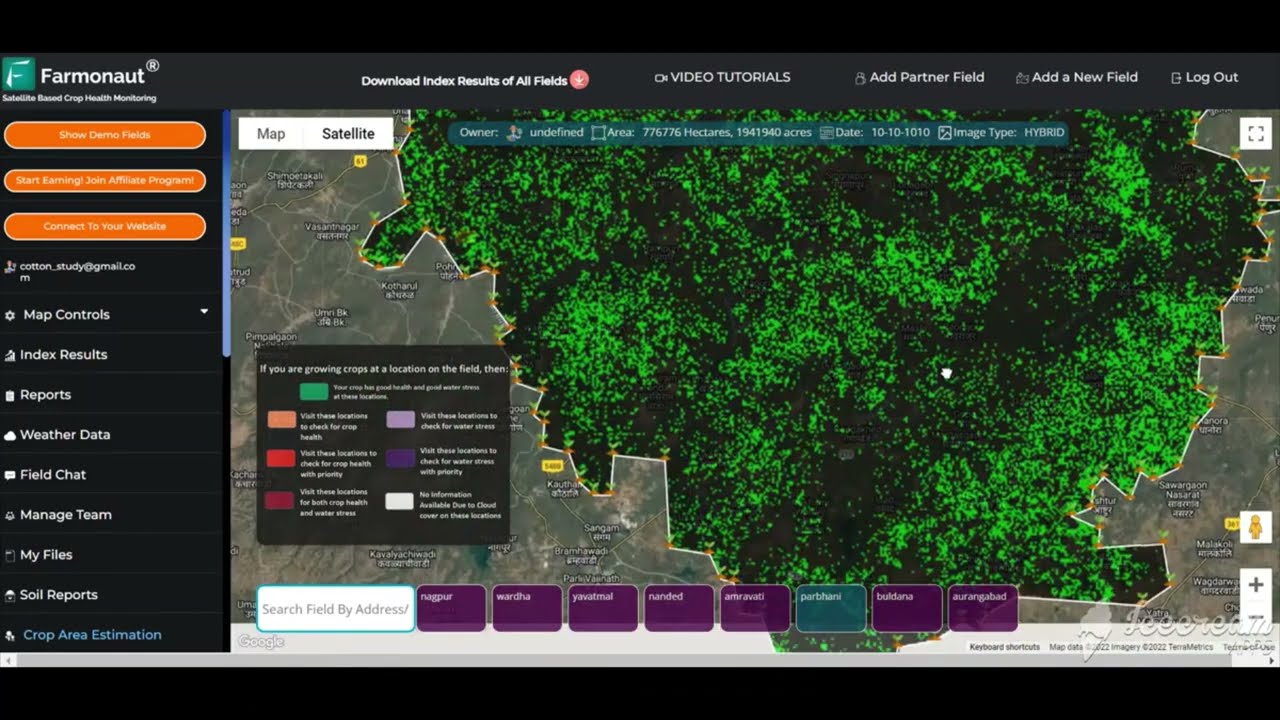
Enable satellite-based verification for mining or agricultural loans and insurance through Farmonaut’s Crop Loan & Insurance Solutions—reducing fraud and unlocking financing for operations that comply with environmental best practices.
Towards a Circular Economy in Battery Minerals
- End-of-Life Recovery: As millions of EVs approach end-of-life, battery recycling will reclaim a growing share of rare earth minerals.
- Reuse in Grid Infrastructure: Reclaimed elements find second-life applications in grid energy storage and smart infrastructure—further reducing waste.
Farmonaut Satellite Technology: Bringing Transparency to Rare Earth Mining
We at Farmonaut are dedicated to enabling data-driven transparency across agriculture, mining, and infrastructure sectors worldwide. Our satellite monitoring, AI advisory, and blockchain traceability services offer pivotal support for sustainable rare earth extraction and EV battery minerals management:
- Satellite-Based Monitoring: Real-time, multispectral imagery for monitoring mining sites, rare earth extraction progress, and environmental impact.
- AI Environmental Advisory: Jeevn AI provides custom analysis and advisory, helping mining and resource companies reduce emissions, optimize resource allocation, and comply with regulations.
- Blockchain Traceability: Every stage of the supply chain is recorded transparently, minimizing fraud and ensuring legitimate sourcing of rare earth materials.
- Fleet and Resource Management: Optimize vehicles and assets across agriculture, mining, and infrastructure to minimize downtime and inefficiency.
- Environmental Compliance: Track carbon footprint and achieve regulatory targets thanks to continuous, satellite-based monitoring.
Accessible for individual users, businesses, and governments, our platform empowers informed decisions for operational efficiency and sustainability.
See our Satellite API — API Developer Docs

Manage extensive agricultural lands affected by mining or infrastructure development with Farmonaut’s Large-Scale Farm Management Solution—enabling optimization and real-time reporting across diverse operations.
Future Prospects: Infrastructure Development and Beyond
The strategic importance of rare earth metals extends far beyond EV batteries. Their magnetic, electronic, and catalytic properties are equally crucial in:
- Grid-scale energy storage for renewable power
- Wind turbines and smart grid components
- High-performance power electronics in transportation infrastructure
- Sensors, drones, and AI-driven monitoring tools
Countries investing in robust infrastructure also rely on secure, ethical rare earth supply chains to future-proof economic growth. As clean energy transition accelerates to meet climate targets, rare earth minerals for batteries and related applications will drive both technological and social innovation.
Access advanced crop, plantation, and forestry insights to manage ecosystem health in mining-affected regions: Try Farmonaut’s Remote Sensing Advisory
For stakeholders and investors: Keep ahead of compliance requirements and ESG standards by leveraging advanced monitoring and traceability for every stage of the EV battery minerals supply chain.
Conclusion: Path Towards a Clean EV Future Driven by Rare Earth Metals
In 2026 and beyond, rare earth metals for EV batteries remain at the heart of clean energy and infrastructure transitions. From high-entropy alloy cathodes to blockchain-enabled traceability and greener mining practices, innovation is driving both sector growth and environmental responsibility.
By leveraging technologies like AI, circular recycling, and satellite monitoring, industries can access sustainable, efficient, and ethical rare earth supply chains. The intersection of mining, agriculture, and infrastructure will continue to shape a resilient and sustainable global economy—one where every element counts toward a cleaner, lower-carbon future.
Farmonaut Subscription Options
Select the package that fits your mining, agriculture, or infrastructure monitoring needs best. Affordable, scalable, and subscription-based, our services make cutting-edge satellite and AI insights accessible for all.
Frequently Asked Questions (FAQ)
Q1: Which rare earth metals are most important for EV batteries in 2026?
Neodymium, dysprosium, praseodymium, lanthanum, and cerium are the most essential rare earth minerals for batteries and electric motors. They enable high-performance magnets, greater battery stability, and efficient power conversion, supporting both driving range and reliability.
Q2: How is the environmental impact of rare earth mining addressed?
Environmental impact is being reduced through solvent-free extraction methods, improved waste management, water-efficient mining, and satellite-based ecosystem monitoring. Additionally, Farmonaut offers remote sensing platforms for tracking land, water, and carbon metrics around mining operations.
Q3: Will battery recycling reduce the need for rare earth mining?
Closed-loop battery recycling can recover over 90% of rare earth metals used in batteries, significantly reducing the demand for virgin materials and advancing the circular economy by keeping valuable components in use longer.
Q4: What role does blockchain play in rare earth mines and EV supply chains?
Blockchain technology tracks every movement and transformation of rare earth minerals—ensuring full transparency, regulatory compliance, and ethical sourcing in global supply chains. It supports traceability from mine to battery.
Q5: How can governments, businesses, or users access advanced rare earth monitoring?
Via our Farmonaut satellite app (for web, Android, or iOS), you can access real-time, satellite-based monitoring and advisory tools tailored to mining, agriculture, and infrastructure.
For any further questions about rare earth metals, EV battery innovation, mining sustainability, or Farmonaut solutions, reach out here.

 Geotech Mining Solutions plc
 Vulcan International Limited
 Kidepo Associates
 GKY Mining
 Alkimy SARL
 Double A Trading
 GemSprout Metals Limited
 Qader Group
 Ileys General Trading
 SG Gold Mining LLC
 VRV Global Pte Ltd
 Omsri International FZE
 G.I.T.T.
 Jaunita Erss Ltd
 Almosi SARL
 SRK Consulting
 Berks Gold Limited
 Mwerezi Minerals Company Limited
 Mining SARL
 SenGold Invest SAS
