

Rare Earth Metals in Semiconductors: 2026 Advances
“By 2026, global rare earth metal demand for semiconductors is projected to exceed 160,000 metric tons annually.”
Table of Contents
- Introduction: The Critical Role of Rare Earth Metals in Semiconductor Technology for 2026 and Beyond
- Rare Earth Metals: The Backbone of Advanced Semiconductors
- Applications: How Rare Earth Metals Power Modern Semiconductor Devices
- Comparative Table of Rare Earth Metals Used in Semiconductors: Properties, Applications, and 2026 Advances
- Global Mining and Infrastructure Challenges for Rare Earth Semiconductors in 2025 & 2026
- Sustainable Approaches: Recycling and Smart Resource Management for Rare Earth Minerals
- 2025–2026 Technology Trends in Rare Earth Semiconductors
- Strategic Implications for Defense, Infrastructure, and Industry
- Farmonaut’s Edge: Satellite-Powered Innovations for Mining, Infrastructure, and Sustainability
- Frequently Asked Questions (FAQ)
- Conclusion: Rare Earth Metals, Semiconductors, and a Sustainable Future in 2026
Introduction: The Critical Role of Rare Earth Metals in Semiconductor Technology for 2026 and Beyond
Rare earth metals in semiconductors represent the heart of technological innovation as we move toward 2026. These elements—critical to the manufacturing and efficiency of advanced semiconductors—serve as both the enabling force behind nearly all modern devices and a top consideration in sustainability, mining, and strategic planning for the coming years. From smartphones, electric vehicles, and renewable energy systems to defense technologies and AI-powered automation, the integration and management of rare earth minerals in semiconductors are central to global competitiveness and environmental stewardship.
In this comprehensive overview, we’ll explore why rare earth metals in semiconductors are indispensable, the mining challenges faced globally, the urgent shift to recycling and sustainability, and the top technological advances expected through 2026. Along the way, we’ll provide insights on new mining techniques, the evolution of international supply chains, and innovative intelligence solutions—such as those enabled by Farmonaut’s advanced satellite technologies.

Meta Description: Rare earth metals in semiconductors are revolutionizing technology and sustainability in 2026. Discover their critical role, mining challenges, recycling trends, and the future of global tech infrastructure.
Rare Earth Metals: The Backbone of Advanced Semiconductors
Understanding the Rare Earth Family: 17 Elements, Infinite Possibilities
The rare earth family consists of 17 elements—15 lanthanides plus yttrium and scandium. Though “rare” in name, these elements are relatively abundant in Earth’s crust, but their dispersed occurrence in ore makes extraction challenging. For semiconductors, rare earth metals such as neodymium, europium, terbium, yttrium, and dysprosium have become cornerstone components due to their unique magnetic, optical, and electronic properties.
- Neodymium: Essential in high-performance magnets for cooling systems and high-frequency transistors
- Europium and Terbium: Vital for phosphors in LEDs and display technologies
- Yttrium: Used to produce superconducting materials and lasers
- Dysprosium: Enhances thermal stability in magnets
- Lanthanum: Applied in camera lenses and charge-coupled devices (CCDs)
These elements are not just indispensable—they are foundational to the performance, efficiency, and sustainability of modern electronics.
Their properties—such as the ability to exhibit variable oxidation states, strong magnetic and luminescent behavior, and high electron mobility—allow engineers to fine-tune semiconductor materials for unmatched performance and functionality.

Intrinsic Properties That Make Rare Earth Minerals Vital
- Variable Oxidation States: Tunable conductivity and electron mobility
- Magnetic Behavior: Integration of rare earth elements creates high-coercivity magnets for electronic devices
- Luminescent Properties: Used in phosphor diodes and advanced LEDs for efficient light emission
- Compatibility: Suitable for laser diodes, sensors, and high-frequency transistors
Understanding the intersection of rare earth metals with semiconductor technology is crucial as global demand surges sharply toward 2026. The ecosystem, however, doesn’t end at the manufacturing unit—it extends all the way to mining, extraction, and recycling infrastructures.
Applications: How Rare Earth Metals Power Modern Semiconductor Devices
Rare earth semiconductors are indispensable components across both consumer and industrial electronic devices. Let’s illustrate their integration in 2026’s key technologies:
Core Device Categories Relying on Rare Earth Minerals in Semiconductors
- Smartphones and Tablets: Rare earth-doped semiconductors enhance energy efficiency and display brightness.
- Electric Vehicles (EVs): Neodymium-dysprosium alloys power lightweight, high-torque motors and efficient battery cooling systems.
- Renewable Energy Systems: Rare earth magnets in wind turbines, semiconductor-based inverters, and grid-level energy storage depend on rare earth phosphors and magnets.
- Defense and AI Infrastructure: Advanced radar, secure communications, and AI-driven sensors are optimized through rare earth-doped transistors and optoelectronics.
- Lasers and Display Technologies: Europium, yttrium, and terbium dopants enable highly efficient emission in modern LEDs and high-resolution displays.
- Medical Devices: Imaging systems and diagnostic equipment use rare earth minerals in semiconductors to achieve accurate sensor readings and data transmission.

Semiconductor performance, efficiency, and lifespan are directly enhanced by the doping of these rare earth elements into crystals; this process tailors the electronic, optical, and magnetic properties for specific applications in computing, telecommunications, sensors, and automation.



Explore our latest satellite-powered features in the Farmonaut App
—monitor mining sites, infrastructure, and environment in real time, with cutting-edge insights for resource and fleet management.

Comparative Table of Rare Earth Metals Used in Semiconductors: Properties, Applications, and 2026 Advances
The following table provides a comparative analysis of major rare earth metals in semiconductors, offering clear insight into estimated 2025 mining output, semiconductor uses, technological advances for 2026, mining environmental challenges, and current recycling efficiency:
| Metal Name | Estimated 2025 Mining Output (MT) | Key Semiconductor Applications | Notable 2026 Technological Advancements | Critical Mining/Environmental Challenges | Current Recycling Efficiency (%) |
|---|---|---|---|---|---|
| Neodymium (Nd) | 50,000–60,000 | High-strength magnets, cooling in high-frequency transistors, sensors | AI-powered sorting and automated extraction for rare earths; enhanced purity magnets for faster semiconductors | Radioactive by-products, energy-intensive separation, ore dispersion | 40–45 |
| Dysprosium (Dy) | 2,500–3,500 | Heat-resilient magnets in automotive and defense; stability enhancers in chips | Thermal resilience for miniaturized AI processors | Supply bottlenecks (mostly from China & Myanmar), environmental toxicity | 30–35 |
| Europium (Eu) | 1,000–1,300 | Display phosphors (LEDs), lasers, sensor matrices | Improved emission efficiency in next-gen micro-LED and quantum dot displays | Toxic waste, rare emission by-products, limited reserves | 25–28 |
| Lanthanum (La) | 40,000–45,000 | CCD sensors, camera and scanner lenses, hybrid battery semiconductors | Eco-friendly battery semiconductors, advanced camera sensor arrays | High water consumption, mining waste management | 50–55 |
| Terbium (Tb) | 1,000–1,200 | Green phosphors in displays, OLEDs, lab-on-chip sensors | Efficient wavelength tunable lasers for data transmission, advanced OLED | Energy-intensive separation processes, supply chain volatility | 20–23 |
“Over 90% of high-tech chips in 2025 will rely on advanced rare earth metal recycling methods.”
Global Mining and Infrastructure Challenges for Rare Earth Semiconductors in 2025 & 2026
Snapshot: International Mining, Supply Chains, and Environmental Risks
The demand for rare earth minerals in semiconductors has surged sharply—a trend only projected to increase as we approach 2026. However, the industry faces significant challenges at the intersection of mining, infrastructure, and supply security:
-
Geopolitical Concentration: More than 80% of global rare earth supply comes from a handful of countries.
China, Australia, and Myanmar
dominate the market. This concentration poses supply chain risks and price volatility for semiconductor industries worldwide. - Complex Extraction: Rare earth minerals often occur in dispersed ore deposits, sometimes mixed with radioactive elements. This complicates safe, sustainable extraction and increases costs.
- Environmental Impact: Extraction can yield significant waste and release toxins, including radioactive by-products. Managing footprints is a priority for 2026.
- Infrastructure Gaps: Inadequate transportation, refining, and recycling infrastructure in many countries delays delivery to semiconductor fabs and increases the chance of bottlenecks.

Key Mining Challenges in 2026
- Geopolitical Risks: Countries dependent on few suppliers (notably China, Australia, and Myanmar) face heightened uncertainties.
- Rising Demand: Tech trends are driven by advancements in AI, electric vehicles, and renewable energy, compounding pressure on mining and refining capacity.
- Environmental Regulations: Governments are tightening regulations around waste disposal, emissions, and reclamation required for rare earth mineral extraction and processing.
- Infrastructure Investments: Countries with robust refining, transportation, and recycling networks enjoy a strategic edge in the rare earth semiconductor race.
Farmonaut’s carbon footprint monitoring solutions help mining operators and governments assess, track, and reduce environmental impacts in real time
, enabling compliance with global standards and empowering sustainable development strategies for 2026 and beyond.
Innovations Reshaping Mining for Rare Earth Semiconductors
- Bio-mining: Using specialized bacteria and plant-based solutions to extract rare earth ions, minimizing the need for toxic chemicals.
- Automation & Artificial Intelligence: AI-driven monitoring and autonomous extraction are improving efficiency and worker safety while reducing environmental risks.
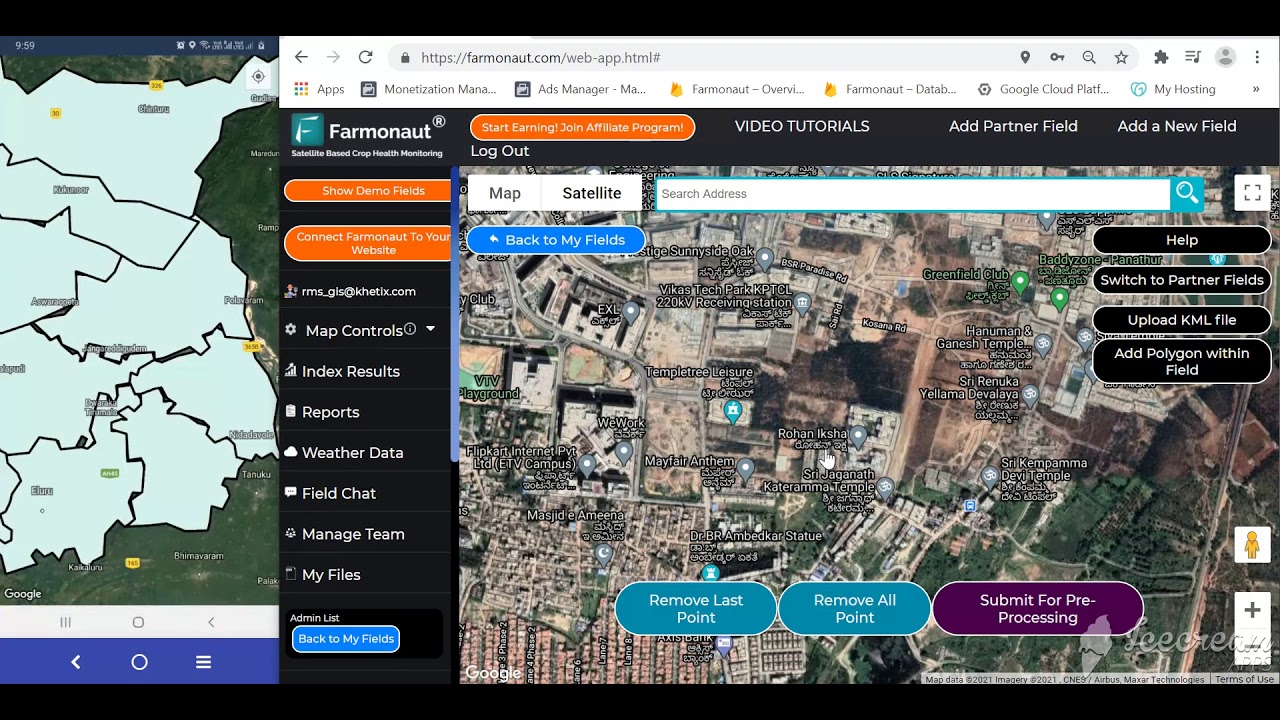
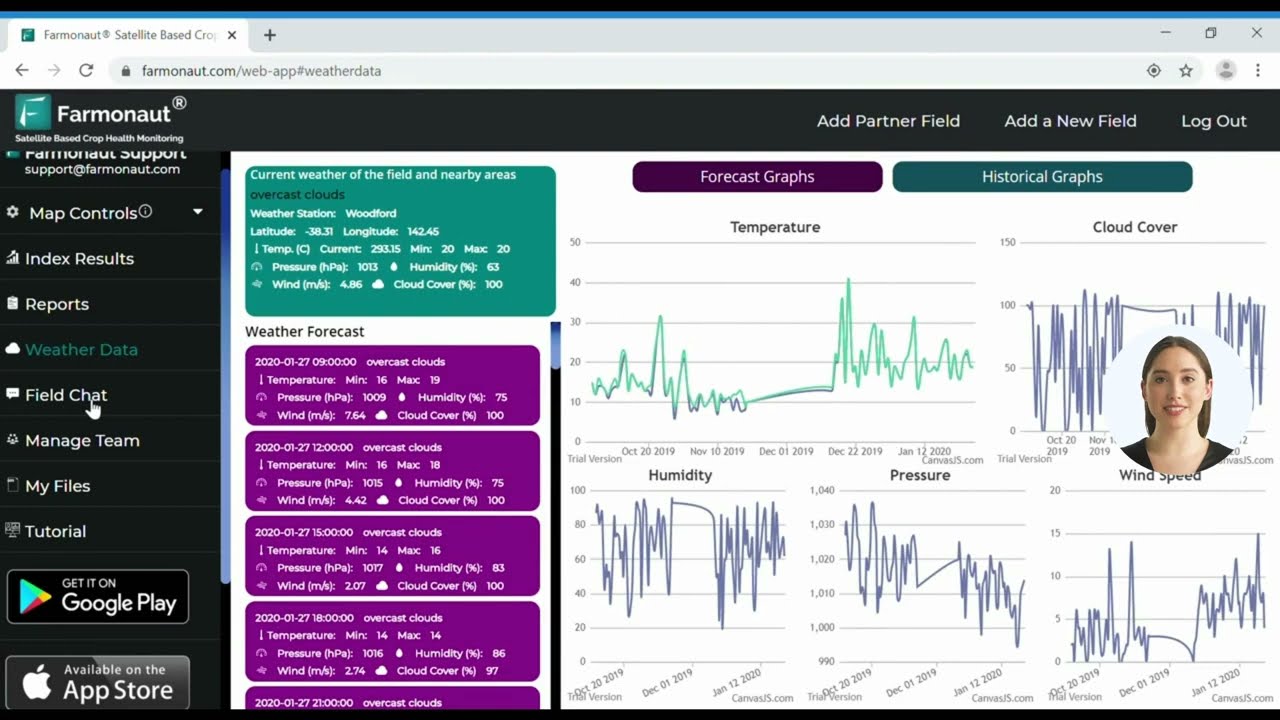
- Satellite-based Monitoring: Real-time data allows monitoring of ore dispersion, extraction impact, and reclamation via platforms such as Farmonaut (see below for advanced applications).
Did you know? Our advanced fleet management platform enables efficient transport logistics and resource tracking for industrial-scale mining and semiconductor supply chains. This leads to fewer delays, optimized vehicle use, and lower operational costs.
Sustainable Approaches: Recycling and Smart Resource Management for Rare Earth Minerals
The 2026 Circular Economy: Putting Rare Earths Back to Work
Rising environmental concerns and a global push toward net-zero targets are driving the circular economy for rare earth minerals in semiconductors. By 2026, recycling is not just a trend—it’s a necessity.
- Hydrometallurgical Processes: Use chemicals and solvents to separate and purify rare earths from e-waste, with increased scalability and lower emissions in 2026.
- Mechanochemical Recycling: Physical and chemical methods combine to efficiently extract rare earths from discarded semiconductors and magnets.
- Robust Collection & Processing Infrastructure: Countries investing in e-waste collection, sorting, and efficient recycling stand to reduce import dependency and environmental impact.
Governments and industries collaborate to scale rare earth recycling as part of national supply chain security strategies, increasingly integrating smart technologies for traceability, sorting, and optimal recovery.
Explore our robust large-scale operations management platform—perfect for semiconductor and mining operations managers overseeing complex, geographically dispersed projects.
Benefits of Advanced Recycling and Traceability
- Supply Security: Reduced reliance on primary extraction and single-country sources
- Lower Environmental Footprints: Decreased mining waste and carbon emissions
- Resource Efficiency: Maximized usage per mined ton of rare earths
2025–2026 Technology Trends in Rare Earth Semiconductors
The intersection of rare earth minerals in semiconductors and upcoming technological advancements will define the next decade. These trends are changing how we think about design, sourcing, and sustainability in global tech infrastructure.
Top Innovations Rewriting the Semiconductor Rulebook
- Quantum Computing and AI Accelerators: Rare earth-doped crystals deliver high-fidelity qubit control and stable optoelectronic platforms.
- Next-Generation LEDs & Displays: Europium and terbium enable brighter, longer-lived micro-LEDs for wearables, augmented reality, and advanced displays.
- High-Efficiency Magnets: New alloying techniques and precision doping with neodymium and dysprosium create smaller, lighter, and more powerful embedded magnets in chips.
- Low-Carbon Manufacturing: Closed-loop recycling and process automation reduce emissions for the whole supply chain, making rare earth semiconductors more sustainable than ever.
- Satellite & AI-Driven Resource Management: Real-time data, machine learning, and blockchain-based monitoring support just-in-time mining and dynamic resource allocation.

Our satellite-driven platform offers instant tracking and analytics for mines, supply routes, and rare earth ore deposits. Discover how you can
verify assets for mining loans and insurance
using high-resolution satellite data—streamlining financial operations and reducing risks in 2026.
Strategic Implications for Defense, Infrastructure, and Industry
Rare Earth Semiconductors: The New Frontier in National Security and Technological Sovereignty
In the era of AI-driven warfare and digital economies, rare earth semiconductors have become pillars of strategic infrastructure. Their implications go far beyond the consumer market, reaching into defense, secure communications, and intelligence gathering systems.
- Defense Electronics: Precision-guided munitions, radar arrays, and satellites rely on high-performance rare earth-doped transistors and optoelectronic components.
- Secure Communications: Ultra-high-frequency oscillators and cryptographic hardware depend on the stability provided by rare earth elements.
- Sensors and AI Networks: Advanced sensing devices deployed in border security, smart infrastructure, and military hardware are enabled by robust rare earth semiconductors.
- Strategic Resource Management: Government and enterprise focus is shifting to domestic mining, refining, and recycling as a matter of national security.
Why Secure Rare Earth Supply Chains are Essential in 2026
- Mitigation of Supply Risks: By establishing domestic mining and recycling capability, countries can guard against geopolitical disruptions.
- Reduction of Price Volatility: When supply is diversified and recycling is robust, semiconductor manufacturing can remain globally competitive and stable.
Powerful sensors, computing platforms, and smart infrastructure—deployed in everything from urban management to battlefield decision-making—are only as reliable as the rare earth semiconductor materials inside them.
Farmonaut’s Edge: Satellite-Powered Innovations for Mining, Infrastructure, and Sustainability
How We Support the Future of Rare Earth Semiconductors
At Farmonaut, we empower mining companies, governments, and industrial leaders with real-time satellite monitoring, AI-driven insights, and blockchain-enabled traceability for rare earth minerals and semiconductor supply chains.
- Satellite-Based Mining & Infrastructure Monitoring: Access multispectral data to track ore dispersion, detect environmental impacts, and optimize extraction in real time using our Farmonaut App (Try it here).
- AI Advisory with Jeevn: Our Jeevn AI system provides tailored strategies for mining, fleet management, and defense resource allocation, improving operational efficiency and security.
- Blockchain-Based Traceability: Full supply chain transparency from mine to manufacturing—see how our blockchain platform builds trust and accountability in rare earth procurement and electronics manufacturing.
- Environmental Impact Monitoring: Automated tools for carbon footprint assessment help organizations adopt low-impact, sustainable extraction and production practices.
- Fleet and Resource Management: Satellite-based fleet tracking ensures that mining and refining operations are efficient, reducing waste and downtime.
Learn more about integrating our API and developer documentation for custom monitoring, reporting, and sustainability analytics across your rare earth mining or semiconductor manufacturing projects.
Frequently Asked Questions (FAQ)
What are rare earth metals, and why are they important for semiconductors?
Rare earth metals are a set of 17 elements with unique magnetic, electronic, and optical properties. Their integration into semiconductors enhances conductivity, energy efficiency, and device durability—enabling everything from smartphones to advanced defense and AI systems.
Why is there so much focus on rare earth mineral recycling by 2026?
As demand for rare earth semiconductors soars, recycling is the only sustainable way to meet annual needs, reduce environmental footprints, and lessen dependency on geopolitically concentrated supply chains.
Which countries dominate rare earth mining?
China, Australia, and Myanmar control most of the current global supply, creating potential risks for international semiconductor manufacturers due to concentration and possible export restrictions.
How does Farmonaut support rare earth mining and semiconductor infrastructure?
We offer satellite-based monitoring, AI-driven advisory systems, blockchain-based traceability, and resource management tools to support efficient, secure, and sustainable mining and supply chain operations for rare earth minerals.
What is the future of rare earth metals in semiconductors?
By 2026, rare earth metals will remain central to continued technological innovation, influencing advancements in quantum computing, defense, renewable energy, and sustainable electronics manufacture.
Conclusion: Rare Earth Metals, Semiconductors, and a Sustainable Future in 2026
The world is entering a pivotal era: rare earth metals in semiconductors are not just a resource but the backbone of innovation, security, and sustainability from 2026 onward. Their role in advancing new technologies, powering efficient devices, and securing digital infrastructure is unprecedented.
Navigating the complex interplay of mining challenges, infrastructure development, supply chain security, and environmental management demands proactive and integrated strategies. Whether through smarter extraction, closed-loop recycling, blockchain traceability, or AI-powered analytics, the path to sustainable and competitive semiconductor technology lies in the effective stewardship of rare earth minerals.
At Farmonaut, we’re committed to making cutting-edge satellite insights accessible for every stakeholder in the mining, semiconductor, and infrastructure ecosystem—empowering you to build a secure, responsible, and advanced technological future.
Related Products & Solutions:
- Carbon Footprinting: For monitoring mining and manufacturing sustainability.
- Blockchain Traceability: For secure supply chains in mining and semiconductors.
- Fleet Management: For efficient logistics and mining resource planning.
- Crop Loan & Insurance Verification: Satellite verification for asset-backed financial operations in mining and extraction.
- Large-Scale Operations Monitoring: End-to-end satellite-powered project management.
Ready to make informed decisions for your rare earth mining, semiconductor, or infrastructure projects in 2026 and beyond? Try Farmonaut’s satellite-driven insights today.

 SenGold Invest SAS
 Sania Corporation
 Sean Mining Limited
 NTS Group (Pty) Ltd
 Mine4Africa
 Lithspo Minerals Limited
 Tintina Mining Group
 Dalgety Minerals Pty Ltd
 Vortex Minerals Pty Ltd
 Faith At Work (Pty) Ltd
 Geotech Mining Solutions plc
 Vulcan International Limited
 Kidepo Associates
 GKY Mining
 Alkimy SARL
 Double A Trading
 GemSprout Metals Limited
 Qader Group
 Ileys General Trading
 SG Gold Mining LLC
 VRV Global Pte Ltd
 Omsri International FZE
 G.I.T.T.
 Jaunita Erss Ltd
