

Table of Contents
- Introduction: Agriculture in Sri Lanka and the Rise of AI
- Trivia: AI Impacts in Sri Lankan Agriculture
- Current Challenges Facing Agriculture in Sri Lanka
- The AI Revolution: How AI Is Reshaping Sri Lankan Agriculture
- 7 Powerful AI Innovations for Agriculture in Sri Lanka (2026)
- Comparison Table: The 7 Key AI Innovations
- The Role of Farmonaut: Affordable Satellite AI Technology for Sri Lankan Agriculture
- Trivia: AI Adoption Trends for 2026
- AI and Sustainable Practices: Towards a Climate-Smart Future
- Government and Stakeholder Initiatives for AI Integration
- Overcoming Barriers: Ensuring Broad Access to AI
- The Road Ahead: Future Predictions Beyond 2026
- FAQ: AI in Agriculture – Sri Lanka’s Journey
Agriculture in Sri Lanka: 7 Powerful AI Innovations for 2026
Summary: Agriculture in Sri Lanka – Embracing AI for a Sustainable Future
Agriculture in Sri Lanka has always been more than just a staple of the nation’s economy; it is the legacy and backbone of societies across the island. From lush paddy fields to world-famous tea estates, the agriculture of Sri Lanka employs a significant portion of the population, contributing substantially to GDP and ensuring food security for millions. However, in recent years, rapid climate change, pest infestations, soil degradation, and limited access to resources and modern technology have threatened this vital sector.
As we step into 2025 and look towards 2026 and beyond, the integration of Artificial Intelligence (AI) in agriculture in Sri Lanka is poised to revolutionize farming practices, improve yields, and drive sustainability. By bridging tradition with transformative technology, Sri Lanka’s agricultural sector is embracing a bold future—one defined by data-driven insights, resilient communities, and climate-smart solutions.
In this comprehensive guide, we explore the fundamental challenges, present-day realities, and seven powerful AI innovations set to transform Sri Lankan agriculture by 2026. We examine the role of Farmonaut’s satellite technologies, showcase real-world AI applications, compare leading solutions, and provide actionable insights for farmers, stakeholders, and policymakers. Let us journey into the future of agriculture in Sri Lanka, where tradition meets technology for a sustainable and prosperous tomorrow.
Sri Lanka’s Diverse Agricultural Landscape and Its Complex Challenges
Sri Lanka, with its rolling hills, fertile lowlands, and diverse climates, possesses an agricultural landscape as vibrant as its culture. The island nation is known for its paddy cultivation, tea and rubber plantations, spices, fruits, and vegetables. Yet, this diversity poses unique challenges for the sector that go beyond simple crop management:
- Unpredictable weather patterns and fluctuating monsoons: Climate change is intensifying the frequency of droughts, floods, and erratic rains, disrupting the regularity upon which farmers have traditionally relied.
- Pest infestations and disease outbreaks: The rise in temperature and shifting rainfall patterns in the last decade has increased the frequency of crop pests and invasive species, leading to significant yield losses.
- Soil degradation and declining fertility: Intensive and unsustainable agricultural practices, insufficient soil management, and overuse of chemical inputs have led to the loss of arable land and declining soil health.
- Limited access to modern technology: Many smallholder farmers in rural Sri Lanka lack the resources or digital literacy needed for the adoption of new technologies.
- Economic instability due to unstable crop prices: Market volatility, limited forecasting tools, and overreliance on intermediaries reduce farmer profits and increase vulnerability.
- Migration of agricultural laborers: The rural youth are increasingly migrating to cities, causing a labor shortage in the agricultural sector.
As the world steps into the next era, addressing these challenges demands innovative solutions that promote sustainability and resilience.
AI Revolution: Transforming Agriculture in Sri Lanka
The dawn of artificial intelligence in agriculture in Sri Lanka signals a new era of opportunity, innovation, and hope. By harnessing the power of AI, satellite imagery, and a suite of advanced technologies, Sri Lankan farmers and stakeholders are rapidly shifting from reactive to proactive farming paradigms.
AI in agriculture involves a broad range of applications—from machine learning models that analyze historical data, to automated systems that manage crop health, and next-gen advisory platforms delivering personalized strategies via smartphones or web applications. These tools enhance decision-making and resource management, address labor shortages, and reduce overall costs.
Most importantly, AI empowers the sector to not only address immediate challenges but also lay the foundations for a future that is sustainable, resilient, and adaptive to climate change.
7 Powerful AI Innovations for Agriculture in Sri Lanka (2026)
Let’s explore the seven most impactful AI-driven innovations shaping the future of agriculture in Sri Lanka:
-
AI-Powered Precision Farming Systems
AI precision farming systems bring together satellite imagery, drone surveillance, and IoT sensors to provide a real-time view of paddy fields, tea plantations, and other crop lands. These technologies enable farmers to monitor soil health, moisture levels, and plant growth, allowing for the optimization of irrigation, fertilizer, and pesticide use. By minimizing waste and environmental impact, resources are used efficiently, improving overall yields and promoting sustainability.
Example: Satellite data combined with machine learning helps predict the optimal time for irrigating paddy fields, reducing water consumption by up to 40%.
-
Predictive Analytics for Crop Selection and Planting
AI-driven predictive analytics help farmers determine the most suitable crops for each season by analyzing weather forecasts, soil conditions, historical yield data, and market demand. Machine learning models help fine-tune seed and crop variety selection, optimizing planting times and patterns to maximize output and reduce losses.
Real-World Impact: In regions affected by climatic variations, predictive AI ensures staggered planting that avoids peak pest or disease seasons and aligns with market windows for higher profits.
-
AI Drones for Smart Surveillance and Management
AI-powered drones equipped with multispectral cameras scan large areas to assess crop health, detect pest infestations, and map water stress. This technology provides critical data for timely interventions, reducing crop losses and improving overall resource management. Automated drone fleets can also be used for targeted pesticide or fertilizer application.
Impact: In remote areas with limited labor force, drones support the monitoring of expansive tea and rubber plantations, ensuring that remedial actions are precisely targeted.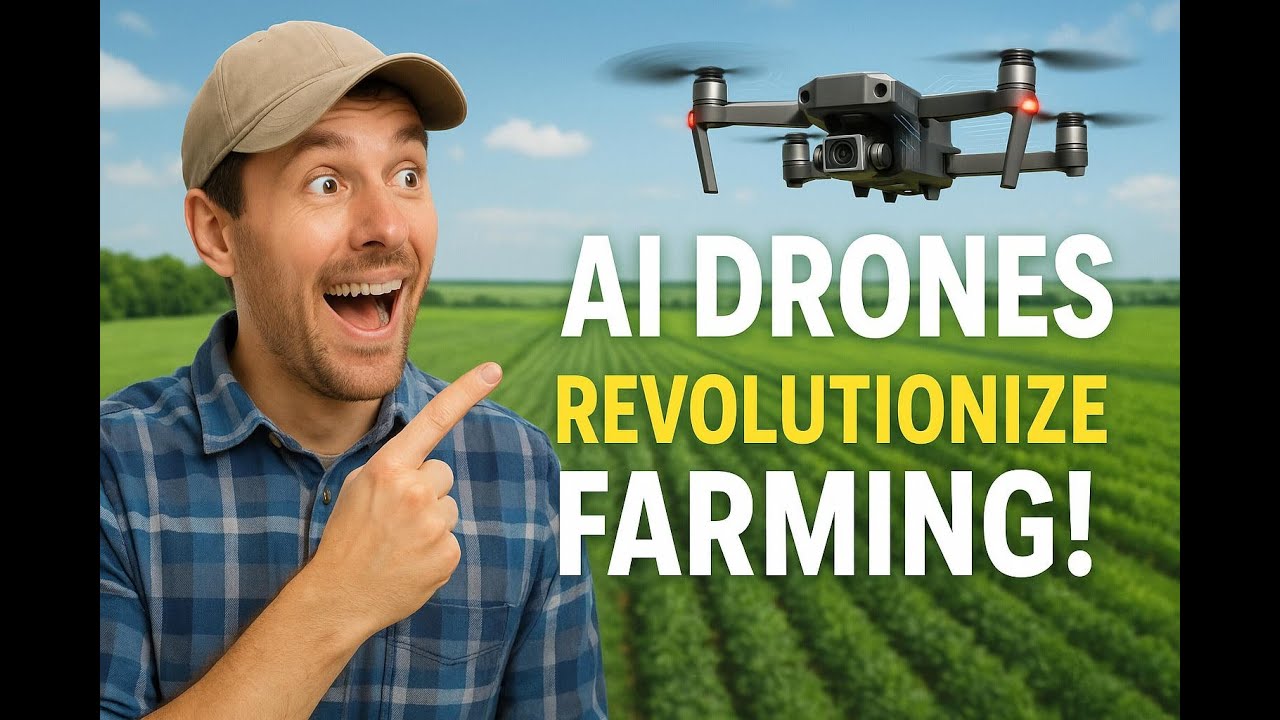
-
AI-Powered Crop Disease and Pest Detection
By leveraging deep learning and image recognition, AI systems can detect pest infestations and plant diseases at the earliest signs—often before symptoms are visible to the naked eye. Integrating satellite and drone imagery allows for real-time alerts, helping farmers to intervene quickly and safeguard yields.
Usage Scenario: Early warning of potential brown planthopper outbreaks in paddy fields significantly reduces pesticide need and prevents widespread losses.
-
AI-Enabled Farm Advisory Platforms
Mobile and browser-based AI platforms, such as the Jeevn AI Advisory System from Farmonaut, deliver tailored advice to farmers on optimal planting times, weather forecasts, resource usage, and pest management. These advisory systems help bridge digital literacy gaps, making precision agriculture accessible even in rural areas.
Empowerment: Localized advisory services enable smallholder farmers to make well-informed decisions, regardless of individual technology expertise.
-
AI-Based Supply Chain, Market, and Price Monitoring
Advanced AI solutions aggregate and analyze market prices, demand fluctuations, and logistics data, helping farmers determine optimal sales timing and market channels. By reducing dependency on intermediaries, these platforms increase transparency and profitability for the agricultural community.
Outcome: In the agriculture of Sri Lanka, better market analytics enable tea, spice, and vegetable producers to maximize returns by timing their crops to reach peak demand cycles.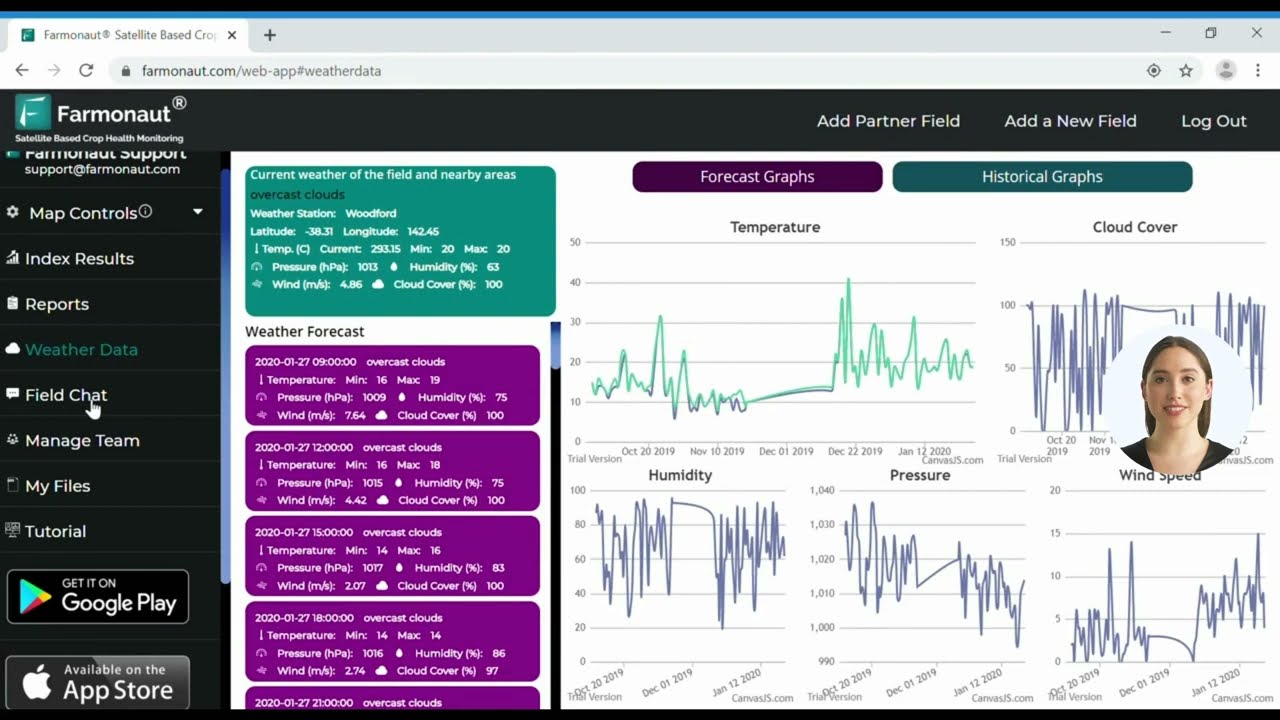
-
AI-Powered Robotics and Automated Machinery
With rural labor shortages intensifying, AI-powered robots are being piloted in Sri Lanka to automate repetitive tasks such as planting, weeding, and harvesting. These intelligent systems improve efficiency, ensure consistent output, and allow the workforce to focus on higher-value activities.

Comparison Table: The 7 Key AI Innovations Transforming Agriculture in Sri Lanka
| AI Innovation Name | Primary Function | Estimated Yield Increase (%) by 2026 | Environmental Impact | Application Area |
|---|---|---|---|---|
| AI-Powered Precision Farming | Real-time crop field monitoring, optimization of inputs | 20–30% | Water savings (up to 40%), reduced fertilizer runoff | Rice paddy, tea, and vegetable fields |
| Predictive Analytics for Crop Selection | AI-driven crop/seed selection & optimal planting | 10–20% | Reduces failed crops, lowers input waste | All major crops, especially climate-sensitive regions |
| AI Drone Surveillance | Aerial crop health & pest monitoring | 12–18% | Minimizes chemical use, early problem detection | Tea, rubber, fruits, large plantations |
| AI Disease & Pest Detection | Early warning for pest/disease outbreaks | 8–15% | Reduces pesticide use, preserves biodiversity | Paddy, fruits, vegetables |
| AI-Enabled Farm Advisory Platforms | Personalized guidance & decision support | 5–10% | Improves input efficiency, lowers waste | Smallholder, rural, all crops |
| AI-Based Supply Chain Analytics | Optimizes market timing & logistics | 5–12% | Reduces food loss, emission savings from efficient transport | All crops |
| AI Robotics & Automated Machinery | Automated planting, weeding, harvesting | 8–15% | Reduces labor-related emissions, soil compaction | Paddy, vegetables, high-density crops |
The Role of Farmonaut: Affordable Satellite AI Technology for Sri Lankan Agriculture
As a leading satellite technology company, Farmonaut provides a suite of tools uniquely positioned to accelerate the adoption of AI in agriculture in Sri Lanka. We harness the power of multispectral satellite imagery, AI-driven advisory via web, Android, iOS, and API platforms, and blockchain-based traceability for accessible, data-driven decision making across the agricultural sector.
- Real-Time Monitoring: Our platform offers remote, on-demand satellite crop monitoring and soil health assessment—from anywhere, at any time. This is vital for managing large paddy, estate, and diversified farms.

Try Farmonaut’s Web App - AI-Based Farm Advisory: With our Jeevn AI system, Sri Lankan farmers receive personalized advice on planting windows, weather risks, pest management, and input optimization. This unlocks the value of technology for rural communities and supports sustainable practices.
- Blockchain Traceability: Enhancing transparency in the agricultural supply chain is key to sustainability. Our traceability solutions ensure every stage of crop production and distribution is securely recorded, building trust with buyers and supporting export compliance.
- Environmental Impact Tools: Sustainability is embedded in everything we do. Our carbon footprinting platform helps agricultural businesses accurately track and report emissions—an essential factor for meeting export and regulatory standards.
- Resource & Fleet Management: We offer satellite-enabled resource and fleet management for agricultural cooperatives, enabling efficient logistics and operational cost reduction for large-scale farming in Sri Lanka.
- Scalable APIs: For agricultural businesses and developers, leveraging our data is simple; use our API for integration into existing apps, platforms, or ERPs.
Our mission at Farmonaut is to make powerful satellite and AI-driven agricultural technologies accessible to everyone from individual farmers to government agencies—driving transformation to a climate-smart and sustainable future.


Farmonaut supports crop loan and insurance verification through satellite-based monitoring for financial institutions and cooperatives. This reduces fraud, expedites claim processing, and improves access for Sri Lankan farmers seeking credit for crop production.

AI and Sustainable Practices: Towards a Climate-Smart Future
In the face of mounting climate and environmental pressures, the agriculture of Sri Lanka can only thrive by embracing sustainability at every level—from paddy fields to market. AI-driven solutions support this transition in multiple ways:
- Climate Modeling: By integrating hyperlocal weather data, soil health, and satellite imagery, AI platforms generate actionable forecasts that help farmers make informed decisions about irrigation, crop rotation, and input use.
- Input Optimization: Algorithms determine the minimum required fertilizer and pesticide levels, reducing both cost and environmental impact. This is crucial for protecting Sri Lanka’s water bodies and sensitive ecosystems.
- Biodiversity Conservation: Targeted pest management, enabled by AI, minimizes chemical overuse and preserves beneficial insects and pollinators.
- Resource Management: Satellite-powered monitoring, like that provided by Farmonaut, can help Sri Lankan farmers track water usage and avoid overexploitation of crucial resources.
- Carbon Footprint Awareness: AI-driven carbon footprint monitoring ensures that agricultural production aligns with increasingly strict international sustainability standards and export requirements.
- Food Security: By reducing losses and forecasting market demand, AI stops food wastage and builds resilience across the supply chain.
Ultimately, sustainability and AI go hand-in-hand—helping the agricultural sector of Sri Lanka meet present needs without compromising the needs of future generations.
Government and Stakeholder Initiatives for AI Integration
The role of the Sri Lankan government is pivotal in mainstreaming artificial intelligence in agriculture across rural, peri-urban, and estate areas. Some of the ongoing and recommended strategies for scaling AI adoption include:
- Infrastructure Development: Improving broadband and mobile internet coverage to all corners of the island ensures seamless access to digital platforms, AI tools, and real-time data for even the most remote farming communities.
- Training and Digital Literacy Campaigns: Organized programs to teach farmers how to use AI and smartphone/tablet applications are reducing the learning curve for technology adoption in agriculture.
- Financial Incentives: Subsidies for hardware (sensors, drones), tax breaks for conglomerates deploying smart farming, and affordable financing for digital tools ensure broader reach and impact.
- Policy and Regulatory Support: Establishing data privacy, ethical use of AI, and support for locally relevant AI models ensures safe, responsible, and equitable adoption.
- Promoting Research & Development: Encouraging collaborations between universities, tech providers, and local research institutions localizes AI algorithms for Sri Lanka’s diverse landscapes and crop systems.
Continued leadership, support, and strategic investments from all stakeholders will cement Sri Lanka’s agricultural transformation in the digital age.
Overcoming Barriers: Ensuring Broad Access to AI
Despite its transformative potential, the widespread adoption of AI in agriculture in Sri Lanka faces some barriers:
- Limited digital literacy: Many rural farmers have limited exposure to digital interfaces, necessitating efforts for user-friendly design and accessible training.
- Lack of localized AI data: Algorithms initially developed for other geographies must be retrained on local crops, weather patterns, and farming practices.
- High initial investment: The upfront cost for sensors, drones, and software platforms may be prohibitive for smallholder farmers unless subsidized.
- Connectivity gaps: Many agricultural areas still lack robust and reliable internet infrastructure, posing a challenge for real-time data transfer and advisory services.
Addressing these challenges will require:
- Continued expansion of affordable broadband internet to rural Sri Lanka.
- Community-driven digital training initiatives in native languages.
- Efforts to create hyper-local AI datasets reflecting Sri Lanka’s unique soils, climates, and crop varieties.
- Public-private programs, grants, or subsidies for acquiring AI-enabled agricultural inputs.
On our part, Farmonaut is dedicated to ensuring our apps and platforms are easy to use on any device, available in multiple languages, and accessible to Sri Lankan farmers regardless of scale or location.
Subscribe to Farmonaut’s Satellite + AI Services
The Road Ahead: Agriculture in Sri Lanka Beyond 2026
Looking towards 2026 and beyond, AI in agriculture will become not just a disruptor but the defining engine for a resilient, thriving, and climate-ready sector in Sri Lanka. Key trends to watch include:
- Greater Integration of AI, IoT, and Robotics: End-to-end automation, from soil analysis to harvesting and even marketing, will gain momentum across paddy, plantation, and export-oriented crops.
- Hyperlocal Data Ecosystems: Sri Lanka will lead in developing and using locally tailored AI platforms optimized for its unique agro-climatic zones.
- Sustainable Development: The synergy between advanced technology and sustainable agricultural practices will minimize environmental impact, protect biodiversity, and combat climate change head-on.
- Policy Support and Incentives: Continued government and institutional backing will be vital for ensuring every farmer, regardless of location or farm size, benefits from the digital transformation.
- Smarter Supply Chains: AI-based traceability solutions and real-time market analytics will position Sri Lankan food products as globally competitive, trusted, and sustainable.
The journey will not be without obstacles, from natural resource limitations to economic shocks, but the foundation laid by AI integration promises a bright future for the agriculture of Sri Lanka.
FAQ: AI in Agriculture – Sri Lanka’s Journey
1. How can AI benefit smallholder farmers in rural Sri Lanka?
AI tools, especially when delivered via mobile and web platforms, help smallholder farmers access real-time insights into soil health, weather, crop selection, and market prices. With systems like Farmonaut, even those with limited digital literacy can benefit from personalized, actionable advice tailored to their specific fields and crops, leading to improved yields and reduced costs.
2. Is AI in agriculture only for large-scale commercial farms?
No. Modern AI solutions, such as smartphone-based apps and platforms, are increasingly designed for accessibility, scalability, and affordability. They support both large plantations and small, family-run plots, enabling widespread adoption across Sri Lanka’s diversified agriculture sector.
3. Are there concerns about data privacy and security for farmers?
Responsible AI providers implement strong data privacy protocols to ensure farmer and crop data are stored securely. Solutions like Farmonaut’s blockchain-based traceability further enhance transparency and security, protecting both farmers and buyers.
4. How does AI help reduce environmental impact?
AI’s precision enables targeted application of water, fertilizers, and pesticides, reducing resource wastage and preventing environmental damage. Early disease/pest detection and optimized logistics further lower carbon footprints and safeguard biodiversity.
5. What is the outlook for AI and agriculture in Sri Lanka by 2026?
Analysts predict that up to 30% yield gains in major crops will be possible with strategic AI adoption. Over 60% of Sri Lankan farms are projected to use AI-based climate and crop modeling, fortifying food security and sustainability nationwide.
6. How do I get started with Farmonaut’s AI-powered solutions?
Farmers and agri-businesses can get started through the Farmonaut web, Android, or iOS app, or connect via API for advanced integration with existing software and ERPs. User guides and multilingual support are also available.
Conclusion: Embracing a Resilient, Data-Driven Future for Agriculture in Sri Lanka
As the agriculture of Sri Lanka stands at the crossroads of tradition and transformation, AI-driven innovation—supported by accessible satellite technologies, real-time analytics, and a commitment to sustainable practices—will define its future. Platforms like Farmonaut offer powerful, affordable, and scalable tools to every link in the agricultural value chain.
By embracing artificial intelligence, tailored digital platforms, and climate-smart approaches, Sri Lanka’s rural communities and agribusinesses can overcome weather uncertainty, resource constraints, and economic volatility. The result? Higher productivity, improved livelihoods, and a thriving agricultural sector resilient in the face of an unpredictable world—today, in 2026, and beyond.
Sri Lanka’s journey towards a sustainable, climate-smart agriculture system has begun—the time to participate is now.
Discussion
Questions, corrections or field experience? Share them below. First-time comments are reviewed before they appear, and your email is never published.
No comments yet. Be the first to add a question or your experience.

 Deluxe Conseil
 Krishify
 TVS Electronics
 BW Pipelines
 WICO
WICO Gen Chayat
 Chimera Innovation
 SkyHarvest
 Polaris Digitech
 Teledarbas
 Wild Oak Farm
 SFX
SFX BACF Africa
 Doodlakine
 Exurbia Geospatial
 Licence holder · Niger · Gold










