

Top Lithium Ion Battery Mining Companies 2025 Breakthroughs: Pioneering the Clean Energy Revolution
“In 2025, lithium demand is projected to grow by over 25%, fueled by battery advancements and sustainable mining practices.”
Table of Contents
- The Growing Significance of Lithium Ion Battery Mining Companies in 2025
- The Role of Lithium in Modern Energy Systems
- Mining Lithium: Methods and Global Hotspots
- Breakthroughs and Advanced Extraction Technologies in 2025
- Sustainability and Environmental Responsibility in Battery Mining
- Economic and Geopolitical Implications of Lithium Ion Battery Mining
- Top Lithium Ion Battery Mining Companies 2025: Key Metrics & Innovations
- Challenges & Future Outlook for Lithium Battery Mining Companies
- Satellite Monitoring & Data-Driven Solutions: Farmonaut for Mining in 2025
- FAQ: Lithium Ion Battery Mining Companies in 2025
- Conclusion
The Growing Significance of Lithium Ion Battery Mining Companies in 2025
The lithium ion battery mining companies are experiencing a pivotal era in 2025, responding to dramatically growing global demand for clean energy technologies. As nations and industries pursue ambitious clean energy targets, lithium—a vital component that powers everything from EVs and renewable energy storage systems to smartphones—has risen to the strategic forefront.
In this rapidly evolving landscape, lithium battery mining companies have emerged as vital players in steering the global energy transition. Their operations are now more technologically advanced and environmentally scrutinized than ever before. The urgent need for responsible and sustainable resource extraction is reflected sharply in the efforts by major companies to innovate and adapt.
With lithium ion batteries dominating market share due to their high energy density, longevity, and lightweight nature, mining companies are not only scaling up production but also re-evaluating their practices to balance economic growth with environmental stewardship.
“Top lithium mining companies supply over 70% of global lithium for batteries, driving clean energy technology innovation worldwide.”
The Role of Lithium in Modern Energy Systems
The unique electrochemical properties of lithium make it indispensable in the world of rechargeable batteries. Its ability to enable high energy density, low weight, and long cycle life means that lithium ion batteries dominate energy storage solutions for both consumer electronics and large grid-scale applications.
- Smartphones, laptops, and power tools depend on lithium ion batteries for their compact, lightweight energy needs.
- Electric vehicles (EVs) tap into lithium’s efficient charge-discharge cycles to enable longer driving ranges and faster charging.
- Renewable energy systems, particularly solar and wind, leverage grid-scale lithium ion battery storage for balancing intermittent supply and demand.
The transition away from fossil fuels towards electric mobility and green energy solutions is fueling an exponential increase in demand for lithium ion batteries. This places lithium battery mining companies at the strategic center, where they are tasked with meeting the escalating needs of consumers and industry.



Mining Lithium: Methods and Global Hotspots
Understanding lithium ion battery mining means recognizing the methods used and the global hotspots that supply the majority of this strategic material. Let’s explore how lithium is extracted and where most of the world’s production comes from as of 2025:
Primary Extraction Methods
- Hard Rock Mining:
- This method primarily involves extracting spodumene ore from mineral deposits—most commonly found in Australia, the world’s largest lithium producer.
- The process requires crushing, heat treatment, and chemical processing to produce high-grade lithium compounds.
- Hard rock mining is energy-intensive but less reliant on water than brine extraction.
- Brine Extraction:
- Brine extraction is dominant in South America’s Lithium Triangle, encompassing Chile, Argentina, and Bolivia.
- The process involves pumping lithium-rich saltwater from beneath dried lake beds to the surface and leaving it to evaporate in large ponds.
- Resulting lithium concentrations are then processed into battery-grade compounds.
- Brine extraction can be more economical but can impact local water supplies and sensitive ecosystems.

In 2025, the adoption of advanced extraction techniques—notably Direct Lithium Extraction (DLE)—is transforming these processes, helping reduce ecological harm and enhancing efficiency, especially in environmentally sensitive regions such as the Lithium Triangle.
Key Global Hotspots
- Australia: Leading the world in hard rock lithium mining and home to some of the largest producing companies.
- Chile & Argentina: Dominant in brine extraction and pivotal to the global supply chain for battery-grade lithium.
- Bolivia: Holds significant untapped lithium reserves, particularly in the Salar de Uyuni.
- China: Both a major producer and processor of lithium compounds, integrating mining and battery manufacturing.
- Canada, USA, Africa: Rising in prominence due to new resource discoveries and efforts to diversify and secure global lithium supply chains.
Breakthroughs and Advanced Extraction Technologies in 2025
2025 is a landmark year for lithium ion battery mining companies pioneering technological innovation as they adapt to changing market, environmental, and community expectations. The focus on sustainable practices is reshaping both the technology and business models of major players.
Direct Lithium Extraction (DLE)
- DLE uses chemical or physical processes to selectively extract lithium directly from brine solutions, drastically minimizing water usage and reducing ecological impacts.
- This method offers higher lithium recovery rates, lower land requirements, and enables extraction from lower-concentration resources.
- Adoption of AI and smart sensors allows for real-time optimization of extraction conditions, enhancing efficiency.

Automated Mining & AI-driven Operations
- Deployment of AI-based advisory systems and advanced automation—like what we offer at Farmonaut—streamlines mining operations, reduces costs, and increases productivity.
- AI models analyze satellite, geochemical, and sensor data to pinpoint new exploration targets and optimize extraction efficiency.

Water Management & Eco-innovation
- Advanced water recycling systems significantly reduce the consumption of fresh water in the extraction process.
- Ecological restoration plans mandate post-mining landscape recovery, emphasizing biodiversity protection.
- Companies engage with local communities to develop sustainable practices and share economic benefits.

Circular Economy & Lithium Recycling
- Lithium ion battery mining companies increasingly invest in recycling spent lithium ion batteries, recovering valuable metals and closing the materials loop.
- This reduces reliance on virgin extraction and addresses environmental concerns around end-of-life batteries.
- Blockchain-based traceability—such as the solutions we provide at Farmonaut (learn about our traceability platform)—ensures transparent and ethical battery material sourcing.
Sustainability and Environmental Responsibility in Battery Mining
As the footprint of lithium ion battery mining expands, so does the focus on sustainability and environmental responsibility. Mining companies in 2025 must demonstrate not only technological leadership but also social license to operate—by reducing their ecological impacts and contributing positively to local communities.
Major Environmental Concerns & Solutions
-
Water Scarcity:
Brine extraction impacts water availability in arid regions. Adoption of DLE and robust water recycling offer vital mitigation. -
Biodiversity & Soil Health:
Hard rock mining disturbs landscapes and habitats. Reclamation efforts and monitored, phased site restoration are now regulatory norms. -
Community Engagement:
Social license depends on upholding indigenous rights, ensuring local economic development, and compensation for resource use. -
Supply Chain Transparency:
Full traceability is essential—solutions like ours at Farmonaut use blockchain to verify ethical sourcing and compliance with international standards. -
End-of-Life Battery Management:
Rapid growth of lithium-ion batteries means that battery recycling infrastructure must keep pace.
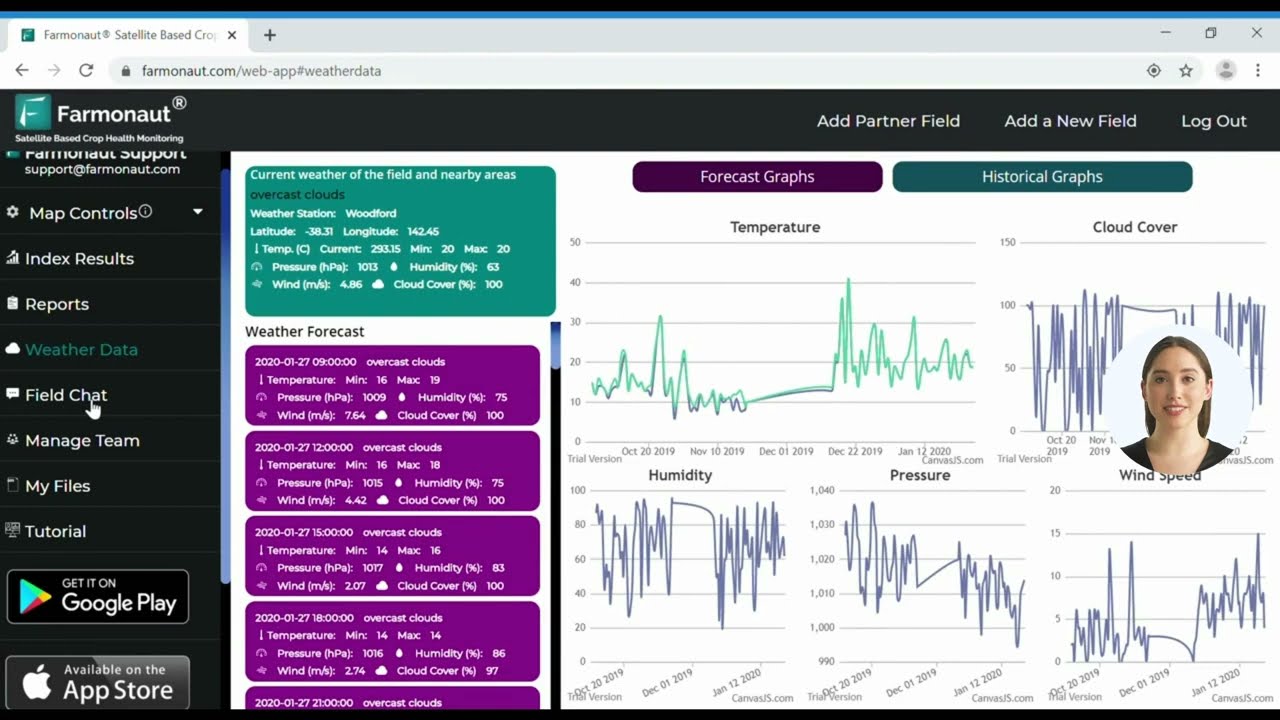
Environmental monitoring tools, such as satellite-based carbon footprinting (see our product at Farmonaut Carbon Footprinting Monitoring), empower mining operators to measure progress, meet ESG requirements, and communicate results to stakeholders.
Economic and Geopolitical Implications of Lithium Ion Battery Mining
Lithium’s rise as a strategic commodity in 2025 has economic and geopolitical consequences for producing countries and global supply chains. Lithium-rich nations such as Australia, Chile, Argentina, Bolivia, and China are leveraging their reserves to drive domestic development and attract international investment.
Economic Dynamics
- Price Volatility:
Global lithium prices remain highly sensitive to fluctuations in supply and demand, technological advancements, and government regulations. - Vertical Integration:
Battery manufacturers, automotive OEMs, and even sovereign wealth funds invest upstream into mining to secure supply and stabilize costs. - Market Competition:
With lithium ion batteries projected to dominate through 2030, companies must outpace rivals by combining efficient extraction with sustainability and ethical supply chains.
Geopolitical Stakes
- The global energy transition has made lithium-rich countries pivotal geopolitical actors.
- Supply chain security is a top concern, with Western nations seeking to diversify away from highly concentrated sources.
- Resource nationalism and export controls may further impact global development and prices.
- Emerging battery chemistries (like sodium-ion) could disrupt current power structures, but lithium ion batteries are expected to maintain dominance for the near future.
Sustainable fleet management for mining sites is another crucial aspect. Our fleet management solution helps mining firms optimize resource logistics and reduce operational costs across large extraction sites.
Top Lithium Ion Battery Mining Companies 2025: Key Metrics & Innovations
The following comparative table highlights the leading lithium ion battery mining companies of 2025. It presents essential information such as headquarters location, estimated lithium output, main extraction method, sustainability score, technological innovations, and estimated market share. This transparent data is vital for a fast-evolving industry where innovation, sustainability, and supply security are paramount.
| Company Name | Country of Headquarters | 2025 Est. Lithium Output (Metric Tons) | Main Extraction Method | Sustainable Practices Score (1–10) | Notable Technological Breakthroughs | 2025 Global Market Share (%) |
|---|---|---|---|---|---|---|
| Albemarle Corporation | USA | 95,000 | Brine/Hard Rock | 8 | Advanced DLE, large-scale battery-grade refining, closed-loop recycling | 19% |
| Ganfeng Lithium | China | 92,000 | Hard Rock/Brine | 7 | Automated extraction, supply chain blockchain, battery recycling integration | 15% |
| Tianqi Lithium | China | 85,000 | Hard Rock | 7 | Smart sensors for ore selection, AI-driven process control | 13% |
| SQM | Chile | 65,000 | Brine | 8 | Next-gen DLE, solar-optimized ponds, ESG reporting advances | 10% |
| Pilbara Minerals | Australia | 62,000 | Hard Rock | 7 | Automated mining, drone surveying, AI production analytics | 9% |
| Livent Corporation | USA | 45,000 | Brine | 9 | High-purity lithium compounds, water stewardship, green energy integration | 5% |
| Mineral Resources Ltd | Australia | 37,000 | Hard Rock | 7 | Fully electrified mining fleet, data-driven predictive maintenance | 4% |
| Orocobre (Allkem Ltd) | Argentina | 29,000 | Brine | 8 | Brine-conserving extraction, environmental monitoring via satellites | 3% |
| Sinomine Resource Group | China | 21,000 | Hard Rock | 6 | Integrated mining and downstream processing, vertical supply chain | 2% |
| Bolivia’s YLB | Bolivia | 16,000 | Brine | 6 | Pilot DLE, local economic development partnerships | 1.5% |
Estimates based on industry, company reports, and public disclosures as of 2025. The table provides a snapshot but may not capture evolving M&A, expansions, or late-year changes.

Challenges & Future Outlook for Lithium Battery Mining Companies
Despite the dynamic progress, lithium ion battery mining companies encounter ongoing challenges and uncertainties. The sector’s future outlook is shaped by several key factors:
- Price Volatility:
Market prices for lithium are sensitive to global policies on EV adoption, supply chain disruptions, and technological competition from other battery types. - Environmental & Social Pressures:
Opposition to new mines, stricter regulations on water usage and land impact, and community expectations demand ongoing adaptation. - Resource Nationalism:
Governments assert more control over mineral assets, often prioritizing local processing and economic value creation over exports. - Emerging Battery Technologies:
Solid-state and sodium-ion batteries could, in time, erode demand for lithium if these alternatives reach scalable commercial adoption. - Supply Chain ESG Compliance:
Transparency, traceability, and compliance with international ESG standards are now prerequisites for access to international capital and customers.
Companies seeking continued success must double down on innovation, sustainable practices, and strategic investments in resource stewardship. Battery recycling and integrations of blockchain, such as those in traceability solutions we offer at Farmonaut, address many of these challenges while repositioning the supply chain for a circular, cleaner future.

Satellite Monitoring & Data-Driven Solutions: Farmonaut for Mining in 2025
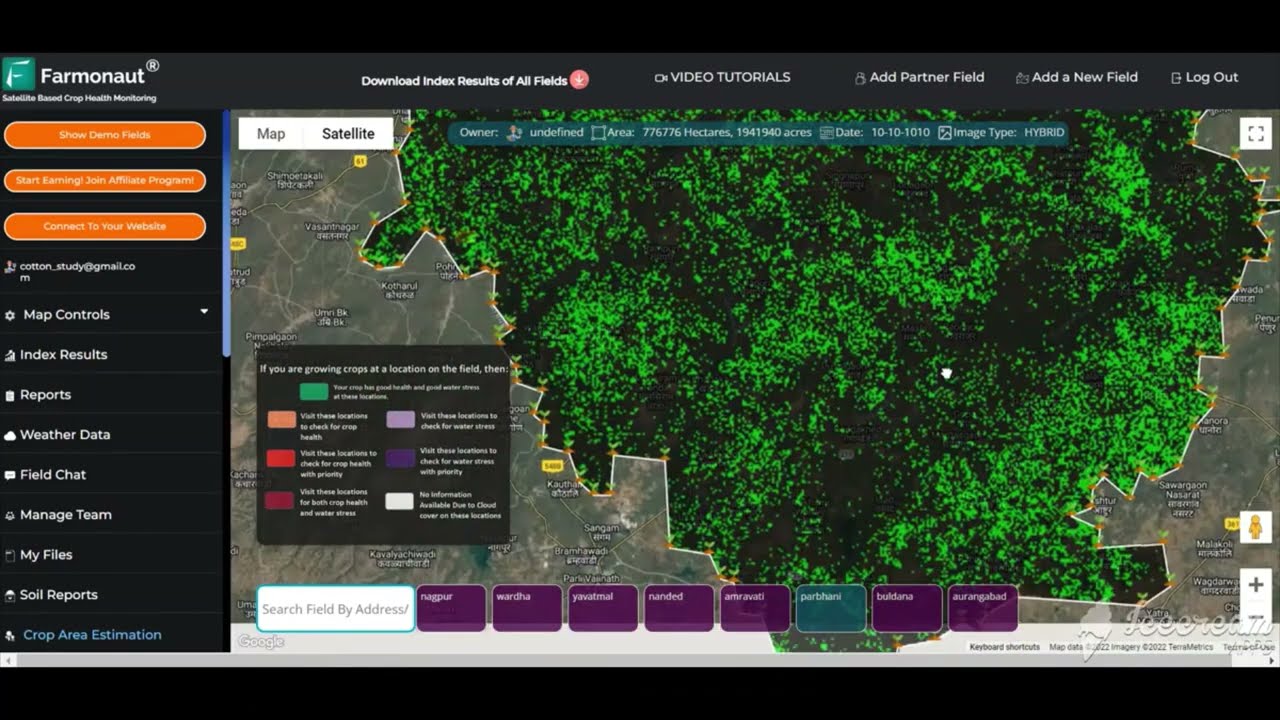
As the push for sustainable lithium ion battery mining accelerates in 2025, the integration of modern monitoring and intelligence technologies becomes indispensable. At Farmonaut, we are committed to enabling the battery mining sector and adjacent industries to thrive with affordable, scalable, and actionable satellite intelligence.
Our Core Offerings for Mining Operations
- Satellite-Based Monitoring:
- Multispectral and hyperspectral imagery provides real-time insights into mining site conditions, surface water, and surrounding biodiversity.
- Mine operators receive actionable data to manage extraction impacts, comply with regulations, and plan site rehabilitation.
- AI-Based Advisory (Jeevn AI):
- Our proprietary technology delivers resource optimization advice, weather forecasts, and predictive maintenance support for large-scale sites.
- Automated alerts and insights boost operational efficiency, minimize downtime, and reduce resource wastage.
- Blockchain-Based Traceability:
- Blockchain integration ensures full transparency of lithium supply chains from mine to battery manufacturer.
- Verify material origins and compliance with ESG standards, increasing trust for clients and regulators.
- Fleet and Resource Management:
- Fleet optimization tools support safe, cost-effective logistics for mining operations of any scale.
- Monitor vehicle movements, manage fuel efficiency, and pro-actively identify maintenance needs using satellite data. Learn more about our solution at Farmonaut Fleet Management.
- Environmental Impact Tracking:
- Carbon footprint monitoring and ecological impact assessment enable mining companies to achieve their sustainability commitments.
- Our carbon footprinting tool supports periodic audits, compliance documentation, and proactive remediation strategies.
We operate via an intuitive web and mobile app, and our APIs and developer documentation empower businesses and developers to integrate advanced satellite data and advisory into their existing tech stacks.
Our vision aligns with the world’s clean energy aspirations—by democratizing access to intelligence that makes lithium battery mining companies both more productive and more sustainable.
(Satellite-based monitoring is equally valuable for crop plantation, forestry, and large-scale farm management, supporting stewardship of land across agriculture, mining, and beyond.)
FAQ: Lithium Ion Battery Mining Companies in 2025
What are the main methods for extracting lithium in 2025?
The primary methods remain hard rock mining (extracting spodumene ore, especially in Australia) and brine extraction (pumping lithium-rich saltwater from underground reservoirs in the Lithium Triangle of South America). Direct Lithium Extraction (DLE), a newer and more environmentally friendly technique, is increasingly adopted to minimize water use and improve efficiency.
Which countries dominate lithium mining in 2025?
Australia, China, Chile, Argentina, and Bolivia are the leading lithium producers and dominate global supply chains, with Canada and some African nations growing in importance for resource diversification.
How do lithium battery mining companies address environmental concerns?
Companies are investing in advanced water management, site reclamation, stakeholder engagement, and battery recycling. Many now use satellite and AI-based monitoring tools, as well as blockchain for full traceability and ESG compliance.
Will new battery chemistries, like solid-state or sodium-ion, reduce lithium demand?
While alternatives show promise, lithium ion batteries are projected to dominate the market through at least the late 2020s due to superior performance and established manufacturing ecosystems. However, companies are preparing to adapt to future market changes.
How does Farmonaut support mining companies and battery supply chains?
We provide affordable, real-time satellite intelligence for mining site health, environmental monitoring, resource and fleet management, and supply chain traceability—enabling mining, EV, and renewable energy businesses to optimize operations and comply with sustainability standards.
Is there a way for financial institutions to verify mining operations?
Farmonaut’s satellite-based verification helps banks and insurers validate mining site conditions, reducing fraud and streamlining loan/insurance processes for operators.
Conclusion
In the transformative year of 2025, lithium ion battery mining companies stand at an intersection of clean energy transition, resource innovation, and environmental stewardship. With lithium ion batteries powering the rise of electric mobility, renewable energy solutions, and next-generation storage systems, the ability to responsibly ramp up extraction and supply has immense global significance.
As demand surges and technological innovations reshape the landscape, the industry’s challenges—around economic volatility, geopolitical shifts, sustainability, and community expectations—are matched by breakthroughs in AI-driven predictive analytics, circular economy integration, and environmentally optimized mining practices.
Satellite-based and data-driven technologies, like those available from Farmonaut, offer mining operators, energy providers, and governments the capabilities to monitor environmental impacts in real time, optimize extraction, and build transparent supply chains. By embracing innovative solutions and sustainable methodologies, the global lithium ion battery mining sector will continue to play a vital role in shaping a cleaner, more resilient, and technologically advanced energy future.
To learn more about integrating advanced monitoring and data intelligence in your operations, visit our web platform or explore our API today.

 Dalgety Minerals Pty Ltd
 Vortex Minerals Pty Ltd
 Faith At Work (Pty) Ltd
 Geotech Mining Solutions plc
 Vulcan International Limited
 Kidepo Associates
 GKY Mining
 Alkimy SARL
 Double A Trading
 GemSprout Metals Limited
 Qader Group
 Ileys General Trading
 SG Gold Mining LLC
 VRV Global Pte Ltd
 Omsri International FZE
 G.I.T.T.
 Jaunita Erss Ltd
 Almosi SARL
 SRK Consulting
 Berks Gold Limited
 Mwerezi Minerals Company Limited
 Mining SARL
 SenGold Invest SAS
