

Listing a mining company · TSX, TSXV and CSE
TSX vs TSXV vs CSE: Listing Requirements for Mining Companies
For a mining issuer, TSX vs TSXV comes down to stage and size: the TSX Venture Exchange takes early explorers with C$100,000 of recent property spending and a C$200,000 first phase (Tier 2), the CSE asks for C$150,000 and C$250,000, and the TSX now wants a current resource estimate, a C$5 million program and a C$50 million market capitalization.

Key takeaways
- TSXV Tier 2 is the usual first listing for an explorer: no net tangible asset test, C$100,000 of Approved Expenditures in 36 months, a C$200,000 first phase and 200 public holders (Policy 2.1, March 31, 2026).
- The CSE asks for more spending (C$150,000) and a bigger first phase (C$250,000) plus C$200,000 working capital, but only 150 public holders (Policy 2, Appendix 2A).
- Since November 6, 2025 the TSX exploration category needs a current resource or reserve estimate, a C$5 million program, an 18-month run rate signed by the CFO and a QP, and a C$50 million market capitalization.
- Every route runs on an NI 43-101 technical report, and the report behind a first prospectus must be written by independent qualified persons (s. 4.1, 4.2, 5.3).
- TSXV issuers that graduate skip the C$10,000 TSX application fee and may have sponsorship waived, but must meet the full TSX tests.
In this article
- TSX vs TSXV vs CSE: which exchange fits which mining company
- TSX Venture listing requirements for mining issuers
- CSE listing requirements for mineral exploration companies
- TSX listing requirements for mining companies under the new Part III
- What a first NI 43-101 report needs for listing
- TSX vs TSXV after listing: graduating to the senior board
- Junior mining companies in Canada: the market behind the listing rules
- Choosing between TSX vs TSXV vs CSE: a practical checklist
- Frequently asked questions: TSX vs TSXV and the CSE
Ask a room of junior-company CFOs about TSX vs TSXV and you will hear about prestige, index inclusion and liquidity. Ask the exchanges and the answer is more prosaic: each one publishes a table of minimums, and a mining issuer either meets it or does not. This guide puts those tables side by side, using only the TSX Venture Exchange Policy 2.1 (as at March 31, 2026), the TSX Guide to Original Listings Requirements (November 2025) and the Canadian Securities Exchange policies, and explains where the National Instrument 43-101 technical report fits into each.
It is written for executives at junior mining companies in Canada and the advisers and investors who work with them. If you are still choosing ground rather than a stock exchange, our guide to gold exploration in Canada covers claims and satellite maps by province.
The TSX now asks an exploration-stage miner for a C$50 million market capitalization before it will list.
TSX vs TSXV vs CSE: which exchange fits which mining company
Canada runs three listing venues that most explorers consider. The Toronto Stock Exchange (TSX) is the senior market. The TSX Venture Exchange (TSXV) is the venture market owned by the same group, TMX, and splits its issuers into Tier 1 and Tier 2. The Canadian Securities Exchange (CSE) is a separate venture exchange with its own rulebook and a single main tier, plus an “NV Issuer” designation for larger companies.
For a mining company the practical TSX vs TSXV question is “which can we qualify for now, and what does the next step cost?” A grassroots explorer with one drilled property cannot list on the TSX under the current rules. A developer with a resource estimate, a funded program and a nine-figure market value can, and should ask whether a venture market still makes sense.
Policy 2.1 calls Tier 2 “the tier where the majority of the Exchange’s listed Issuers will trade,” and most Canadian junior miners start there or on the CSE.
TSX vs TSXV vs CSE: the mining minimums side by side
The TSX vs TSXV vs CSE table below compares the four mining standards in Canadian dollars, each cell taken from the exchange’s own policy.
| Requirement | CSE (Policy 2) | TSXV Tier 2 | TSXV Tier 1 | TSX exploration and development |
|---|---|---|---|---|
| Property | Title to a prospective property, or the means to earn it | Significant Interest (50%+) in a Qualifying Property, or a right to earn it | Material interest in a Tier 1 Property with at least a current inferred resource | Advanced property with a current resource and/or reserve estimate; generally 50% interest |
| Prior spending | C$150,000 qualifying expenditures in 36 months | C$100,000 Approved Expenditures in 36 months | No separate test | No separate test |
| Work program | First phase of at least C$250,000 | Initial phase of at least C$200,000 | Initial phase of at least C$500,000 | Planned program of at least C$5 million |
| Money | 12 months of funding and C$200,000 working capital | 12 months plus C$100,000 unallocated | 18 months plus C$200,000 unallocated; C$2M net tangible assets | 18-month run rate signed by CFO and QP; positive working capital |
| Market value | Not set (NV Issuer standards differ) | Not set | Not set | C$50 million market capitalization |
| Public distribution | 1,000,000 shares, 150 holders, 20% public | 500,000 shares, 200 holders, 20% public | 1,000,000 shares, 250 holders, 20% public | 1,000,000 shares, 300 holders |
| Technical report | Independent NI 43-101 report | NI 43-101 Geological Report | NI 43-101 Geological Report | Report by an independent qualified person |
Two things jump out. In TSX vs TSXV, the venture market tests exploration done and planned, while the TSX tests whether the market already values the company. And the CSE and TSXV Tier 2 are close enough that cost, timing and where your investors trade often decide between them.
TSX Venture listing requirements for mining issuers
The TSXV rules sit in Policy 2.1, Initial Listing Requirements, with definitions in Policy 1.1, Interpretation. Both carry the date March 31, 2026, when the exchange updated its tables and folded earlier guidance into the policy. These are the TSXV listing requirements an exploration company actually works to.
Tier 2: the explorer’s entry point
- ✔ Property: a Significant Interest, defined as at least 50%, in a Qualifying Property, or at the exchange’s discretion a right to earn one.
- Prior spending: at least C$100,000 of Approved Expenditures by the issuer on that property in the 36 months before the application.
- Work program: an initial phase of no less than C$200,000, recommended in a Geological Report.
- Money: enough working capital and financial resources for the stated program or business plan for 12 months after listing, plus C$100,000 unallocated.
- Distribution: a Public Float of 500,000 shares, 200 Public Shareholders each holding a Board Lot with no resale restrictions, and 20% of the issued shares in public hands.
- 📊 Net tangible assets: no requirement for mining issuers in Tier 2.
“Approved Expenditures” is narrower than it sounds. Policy 1.1 counts geological and scientific survey work that advanced the project, and excludes general and administrative costs, land maintenance, public affairs, property payments, staking, acquisition costs, flights for non-domestic projects, tax and GST. A company that spent C$300,000 but mostly on option payments and claim staking may still be short.
Tier 1: for issuers with a resource
Tier 1 starts with the property. Policy 1.1 defines a Tier 1 Property as one in which the issuer holds a material interest (generally at least 50% beneficially owned, with control of operations), on which earlier work including drilling or detailed sampling “has identified, at a minimum, a current inferred mineral resource,” and for which a current Geological Report recommends at least C$500,000 aimed at expanding, upgrading or evaluating that resource. A current independent feasibility study showing positive cash flow also qualifies.
On top of that, Tier 1 mining issuers need C$2,000,000 in net tangible assets, an initial phase of at least C$500,000, funding for 18 months plus C$200,000 unallocated, and a Public Float of 1,000,000 shares held by 250 Public Shareholders with 20% in public hands. Most companies reach Tier 1 by moving up from Tier 2 under Policy 2.5 rather than by listing there directly.
Chart
Minimum first-phase work program, by venue
C$ thousand, as recommended in the NI 43-101 report
On work programs, TSX vs TSXV is not a close call. The venture markets ask for a first phase of a few hundred thousand dollars. The TSX exploration category asks for C$5 million, though its guide says staff will consider C$3.5 million on one Qualifying Property if planned spending on all properties adds up to C$5 million.
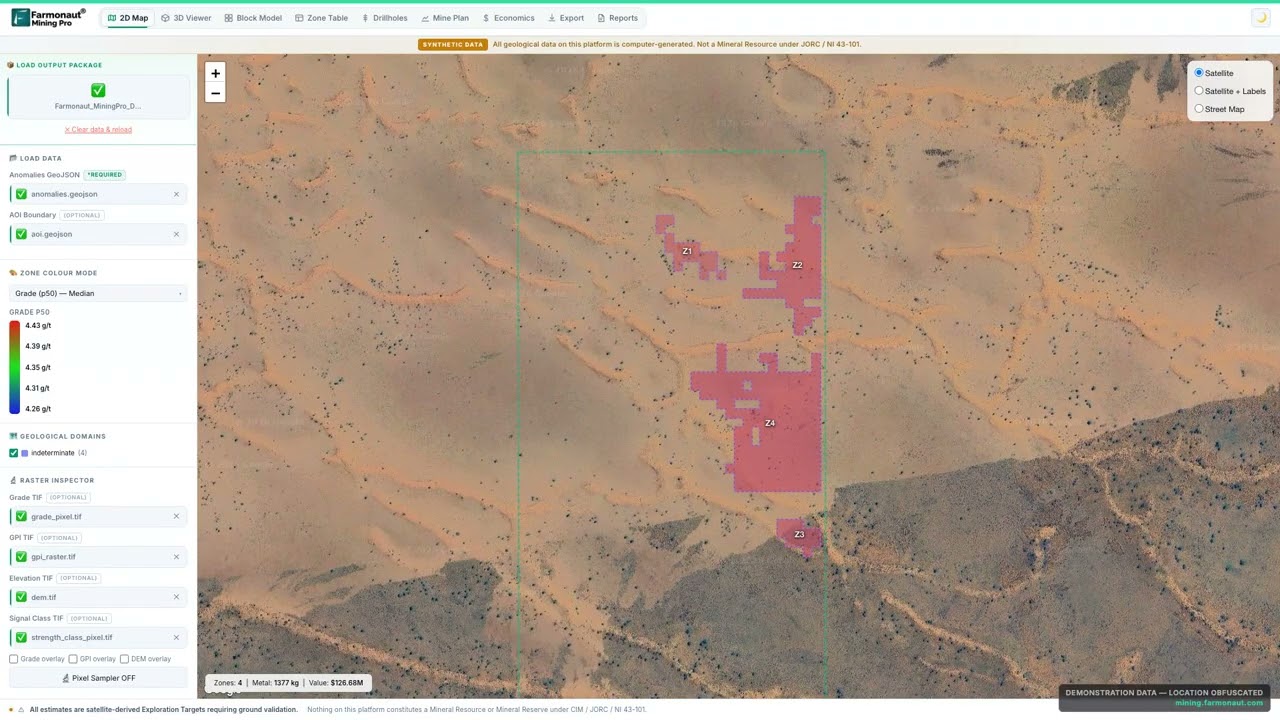
▶ How exploration data moves toward a classified resource, the thing a Tier 1 or TSX listing now requires (15:11). · 15:11
TSX vs TSXV sponsorship, and the tight-float rule
The TSXV’s current policy list no longer includes a sponsorship policy; the manual as at March 31, 2026 runs from Policy 2.1 to Policy 2.3 without one. Distribution, though, is still watched closely. Section 2.7 of Policy 2.1 says that if fewer than 25 shareholders hold more than half of the Public Float, the exchange “may also require further distribution.” Shares received as gifts, or in a distribution that broke securities law, do not count at all.
A seed round placed with a handful of friends and family can meet the 200-holder test on paper and still fail that one.
CSE listing requirements for mineral exploration companies
Where does the CSE fit in a TSX vs TSXV comparison? Its mining rules sit in Policy 2, Qualifications for Listing, Appendix 2A (the version dated March 20, 2024, reproduced in the exchange’s compiled policies as of July 2026). For a mineral exploration company the CSE listing requirements are:
- ✔ Title: to a property that is prospective for minerals and has been explored before, or the means and ability to acquire an interest in it by meeting set milestones within a defined period.
- Spending: qualifying expenditures of at least C$150,000 by the listing issuer itself in the most recent 36 months.
- Report: an independent report that meets NI 43-101 and recommends further exploration, with a first-phase budget of at least C$250,000.
- Money: as a non-operating company, the resources to carry out its work plan for 12 months after listing, with at least C$200,000 of working capital at listing.
- Float: at least 1,000,000 freely tradeable shares held by at least 150 Public Holders with a Board Lot each, making up at least 20% of the class.
- 📊 Beyond one project: an issuer listing on a single exploration project must disclose its plans to pursue more projects or to stay in mineral exploration.
The CSE also allows a smaller route: qualifying expenditures of at least C$75,000 and a first-phase budget of at least C$100,000, combined with an escrow agreement. Its definition of qualifying expenditures mirrors the TSXV’s, leaving out general and administrative costs, land maintenance, acquisition, staking, investor relations, non-domestic flights and taxes.
The process is different too. An issuer that plans to list at the same time as, or straight after, filing a preliminary prospectus must first get the CSE’s written confirmation of eligibility. For natural resource issuers, section 2.3(1) says “the relevant technical report is required” for that Eligibility Review, which carries a fee credited to the listing fee.
On the CSE, the technical report goes in at the eligibility review, before the listing application itself.
Calculator
Does your company meet the TSXV Tier 2 and CSE mining minimums?
Enter your recent property spending, Phase 1 budget, money and public holders. Amounts in Canadian dollars (C$).
- CSE mining tests met (of 4): 3
- C$ left after the program and 12 months of overhead: $150,000
- C$ spend short of TSXV Tier 2 (C$100,000): $0
- C$ spend short of the CSE (C$150,000): $30,000
- Public holders short of TSXV Tier 2 (200): 20
- Public holders short of the CSE (150): 0
All amounts are Canadian dollars (C$). TSXV Tier 2 tests from Policy 2.1 s. 2.4 (as at March 31, 2026): C$100,000 of Approved Expenditures in 36 months, a first phase of at least C$200,000, funds for 12 months plus C$100,000 unallocated, 200 public holders. CSE tests from Policy 2, Appendix 2A (as of March 20, 2024): C$150,000 of qualifying expenditures in 36 months, a first phase of at least C$250,000, at least C$200,000 working capital and 12 months of funding, 150 public holders. Float size, the 20% test, TSXV waivers (s. 2.9) and the CSE escrow route are not modelled. General information, not tax, legal or investment advice; confirm with your advisers and the exchange.
Run the defaults and the example company passes three of four tests on each venue but for different reasons. It has enough unallocated money for the TSXV but too few public holders; it has enough holders for the CSE but has spent C$30,000 too little in the last 36 months. Change the spend to C$150,000 and it clears the CSE. Push holders to 200 and it clears TSXV Tier 2.
TSX listing requirements for mining companies under the new Part III
The Toronto Stock Exchange rewrote its original listing requirements in Part III of the Company Manual. The changes took effect on November 6, 2025, and the exchange explains them in its Guide to Part III, dated November 2025. For mining companies there are now three categories, and anyone reading an older summary of the TSX listing requirements should be aware that the earlier C$750,000 program and C$2 million working capital tests are gone.
Mineral Exploration and Development Company
- ✔ Advanced property: “a property with a current mineral resource estimate and/ or a current mineral reserve estimate, as defined in NI 43-101,” detailed in a report by an independent qualified person.
- Work program: at least C$5 million of exploration and/or development that will sufficiently advance the property, recommended by a qualified person.
- Funding: an 18-month run rate showing enough money for the program, general and administrative costs, property payments and capital spending, signed by the CFO and a qualified person.
- Capital structure: positive working capital in the latest interim and audited periods, or other evidence of liquidity such as firm financing commitments.
- 📊 Market support: C$50,000,000 market capitalization.
A Producing Mining Company needs proven and probable reserves for a three-year mine life, a feasibility study or production history, and C$50 million. A Senior Mining Company needs three years of reserves, pre-tax income, pre-tax cash flow of C$1.25 million last year (C$900,000 average over two) and C$100 million. Issuers generally must hold at least 50% of their Qualifying Property.
Every TSX applicant also needs at least 1,000,000 freely tradeable securities held by 300 public holders with a board lot each, at least two independent directors, a CEO, a CFO who is not the CEO, and a corporate secretary. An issuer listing with a market capitalization of at least C$100 million is exempt from TSX escrow.
Chart
Minimum public holders, each with a board lot
Number of public holders required at listing
In TSX vs TSXV vs CSE terms, distribution steps up gradually from the CSE’s 150 holders to the TSX’s 300. What changes more sharply is who counts: the TSXV excludes promoters, insiders and their associates and affiliates, while the CSE also excludes anyone holding more than 10%.
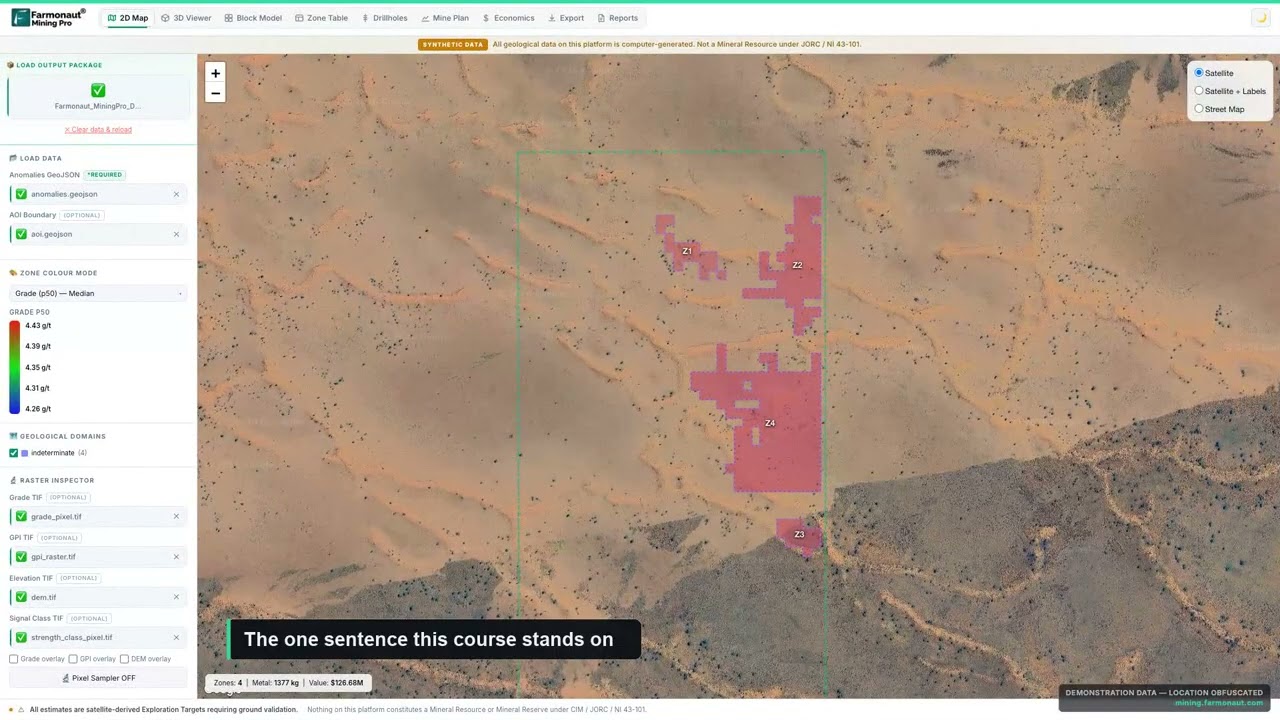
▶ What an exploration target is, and why it is not yet a resource estimate (4:14). · 4:14
What a first NI 43-101 report needs for listing
Whichever side of TSX vs TSXV you land on, the listing file stands on a technical report under National Instrument 43-101, published by the Canadian Securities Administrators (see the OSC’s NI 43-101 page). For a first listing, three sections of the instrument do most of the work, and our NI 43-101 report explainer covers the report’s contents in more depth.
- Section 4.1: on becoming a reporting issuer in a Canadian jurisdiction, the issuer “must file in that jurisdiction a technical report for each mineral property material to the issuer.”
- Section 4.2(1)(a): a technical report must support scientific or technical information about a material property in a preliminary prospectus.
- Section 5.3: reports required under 4.1 and 4.2(1)(a) must be prepared by or under the supervision of qualified persons who are all independent of the issuer.
Section 6.2 adds a site visit. At least one qualified person responsible for the report must complete a current personal inspection before it is filed. There is a narrow seasonal exception for an early-stage exploration property where weather prevents access, but the report must say why the visit did not happen and when it will. For explorers in northern Canada planning a winter filing, that clause is worth reading early.
Infographic
From property to listing in five steps
- 1Choose the venueCSE, TSXV Tier 2 or Tier 1, or the TSX, by stage and size.
- 2NI 43-101 reportIndependent QP, site visit and a Phase 1 that meets the minimum.
- 3Pre-file and fileCSE eligibility review or TSXV pre-filing, then prospectus or listing.
- 4Build the float150 to 300 public holders with a board lot, 20% public.
- 5List, then growMove to Tier 1, then graduate to the TSX at C$50 million.
On the report, TSX vs TSXV differences are small, but each exchange adds its own layer. The TSXV’s Geological Report must be current and prepared under NI 43-101, and the exchange may require it to be independent even where the instrument would not. The CSE requires an independent report recommending further exploration. The TSX needs the advanced property “detailed in a report prepared by an independent qualified person.” In practice, a junior should commission one independent report written with the target exchange’s work-program minimum in mind, so that the recommended Phase 1 clears the bar.
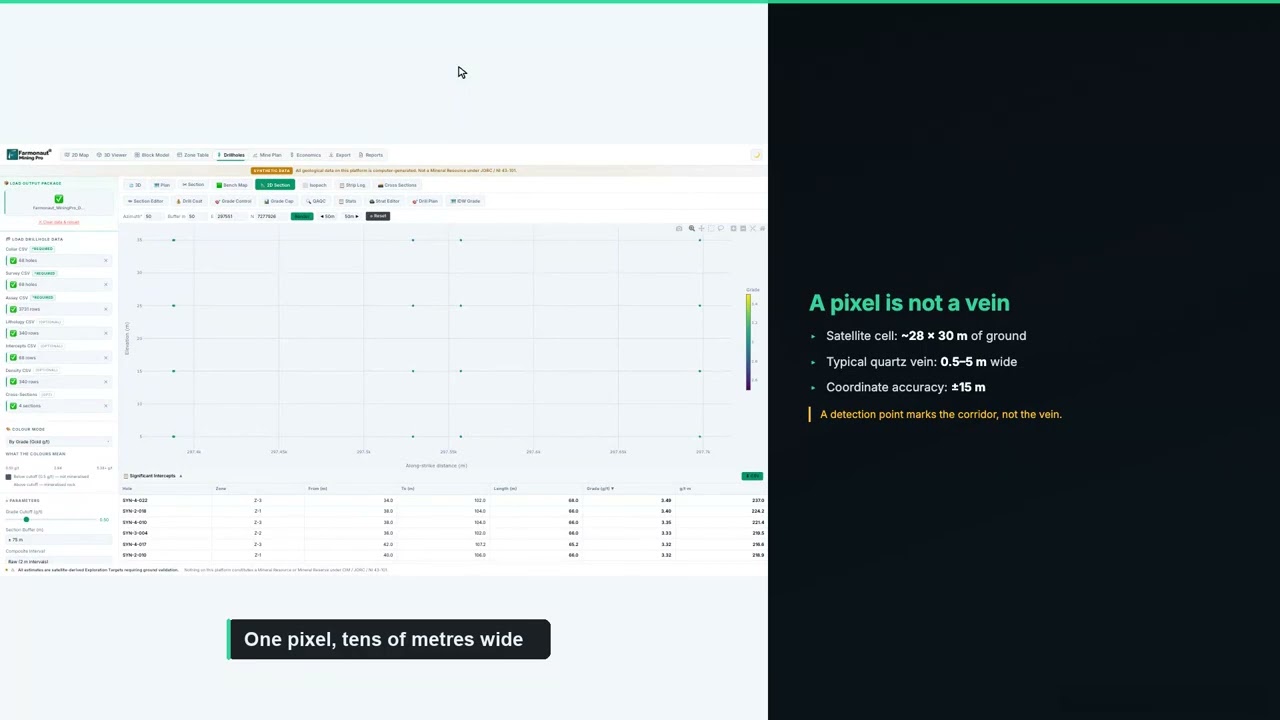
▶ How a drilling program is planned, which is what a Phase 1 budget in your technical report has to pay for (5:49). · 5:49
What the report’s Phase 1 has to contain
A Phase 1 of C$200,000 or C$250,000 buys a modest program: mapping, sampling, geophysics and perhaps a short first drill campaign, and the qualified person must justify it on the property’s merits. Where outcrop is poor or the ground is large, screening the property from space first is a cheap way to decide where that money goes.
That is where we come in. Our satellite-based mineral detection analyses multispectral and hyperspectral data for alteration, structure and deposit-related patterns, and returns ranked target zones with GIS files in 5 to 20 business days. You send a KML or KMZ file or coordinates for the claim block. The results are exploration targets ahead of any resource estimate; they do not replace the qualified person or the field work, and they are not NI 43-101 compliant disclosure. To check a property’s outline first, Map Your Mining Site.
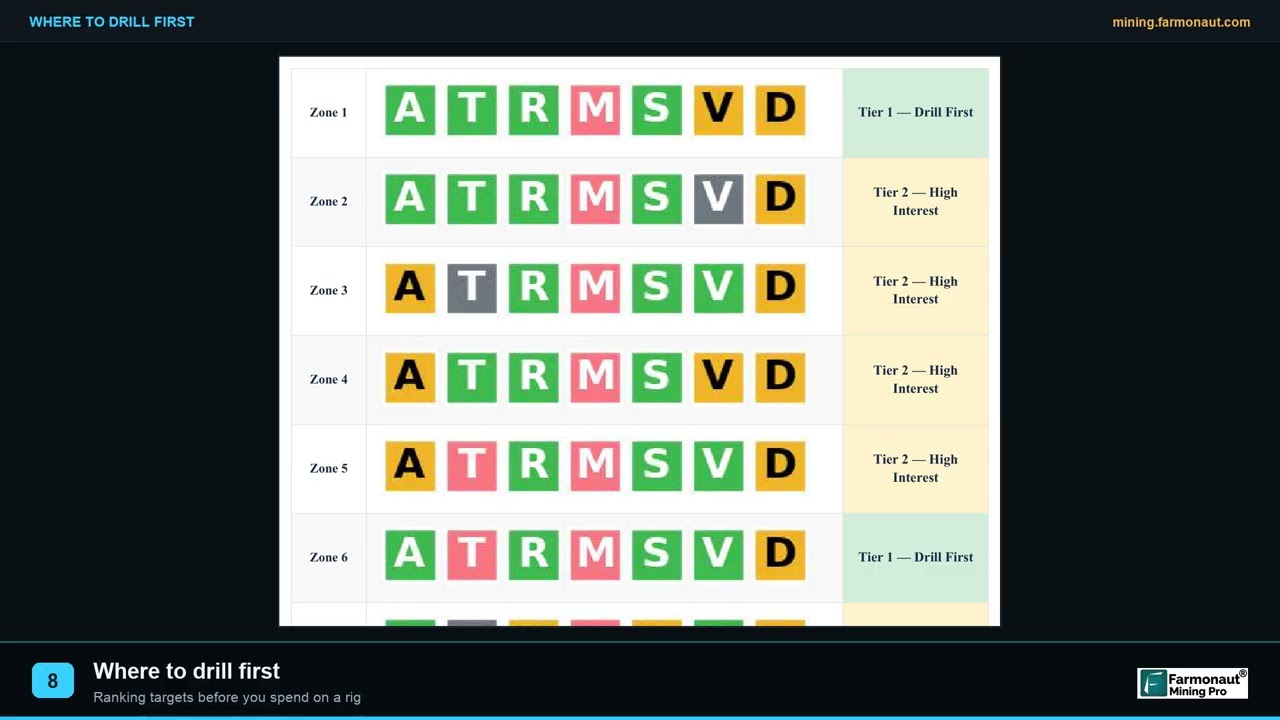
▶ How to rank targets so the first drill holes test the best ideas (2:19). · 2:19
TSX vs TSXV after listing: graduating to the senior board
Graduation is the TSXV-to-TSX move, and both sides of TMX make it easier than a fresh listing. According to the exchange’s graduation page, the C$10,000 TSX listing application fee is waived for eligible TSXV issuers (original listing fees still apply), the TSX can use information already on file with the TSXV, and sponsorship may be waived. The Part III guide confirms the sponsorship point: a sponsor report is normally required unless the applicant filed an underwritten prospectus within six months, “unless graduating from TSX Venture Exchange,” though a sponsor letter can still be required for title, governance, management or emerging-market questions.
The listing tests themselves are not waived. A graduating explorer must meet the full Mineral Exploration and Development Company standard. For TSXV issuers the TSX measures market capitalization as the 20-day average closing price on the exchange where the most shares trade, multiplied by the equity securities outstanding, on the date conditional approval is granted. Warrants and unlisted classes are left out.
Calculator
Could your TSXV company graduate to the TSX?
Enter shares, the 20-day average price, your planned program and public holders. Amounts in Canadian dollars (C$).
- TSX exploration-stage tests met (of 3): 2
- C$ short of the C$50M market capitalization: $0
- C$ short of the C$5M program: $1,000,000
- Public holders short of 300: 0
- Board lot at this price (shares): 500
All amounts are Canadian dollars (C$). TSX Mineral Exploration and Development Company tests from the TSX Guide to Original Listings Requirements (November 2025): C$50,000,000 market capitalization (for TSXV graduates, the 20-day average closing price times equity securities outstanding), a planned program of at least C$5,000,000 recommended by a qualified person, and 1,000,000 freely tradeable securities held by at least 300 public holders. Board lots: 100 shares at C$1.00 or more, 500 from C$0.10, 1,000 below. Not modelled: the advanced-property, run-rate and capital-structure tests, or staff discretion. General information, not tax, legal or investment advice; confirm with your advisers and the exchange.
This is the TSX vs TSXV question most boards actually face. In the default example, a TSXV explorer with 120 million shares at C$0.45 is worth C$54 million and has 400 public holders, so it clears two tests. Its C$4 million program falls short of C$5 million. It would also need the resource estimate and the 18-month run rate, which the calculator does not test. Drop the price to C$0.40 and it falls below C$50 million and the market capitalization test fails as well.
Junior mining companies in Canada: the market behind the listing rules
Why does TSX vs TSXV matter so much? Because juniors carry a large share of Canadian exploration. The Natural Resources Canada exploration bulletin (April 2026) says junior exploration companies “usually have no operating revenue and rely on equity financing,” and that in 2024 they accounted for about half of exploration and deposit appraisal spending. Juniors spent C$2.11 billion in 2024, C$2.27 billion in 2025 (preliminary), and their 2026 spending intentions point to C$2.91 billion, which NRCan says would be a new nominal record.
Chart
Junior and senior exploration spending in Canada
C$ billion; p = preliminary, i = spending intentions
Seniors spent C$2.12 billion in 2024, C$2.13 billion in 2025 (preliminary) and plan C$2.43 billion for 2026. NRCan notes that junior spending is more volatile because it tracks equity markets, the same capital the TSX vs TSXV vs CSE choice is about. Ontario (C$1.08 billion), Quebec (C$955 million) and Saskatchewan (C$711 million) led by province in 2025 (preliminary).
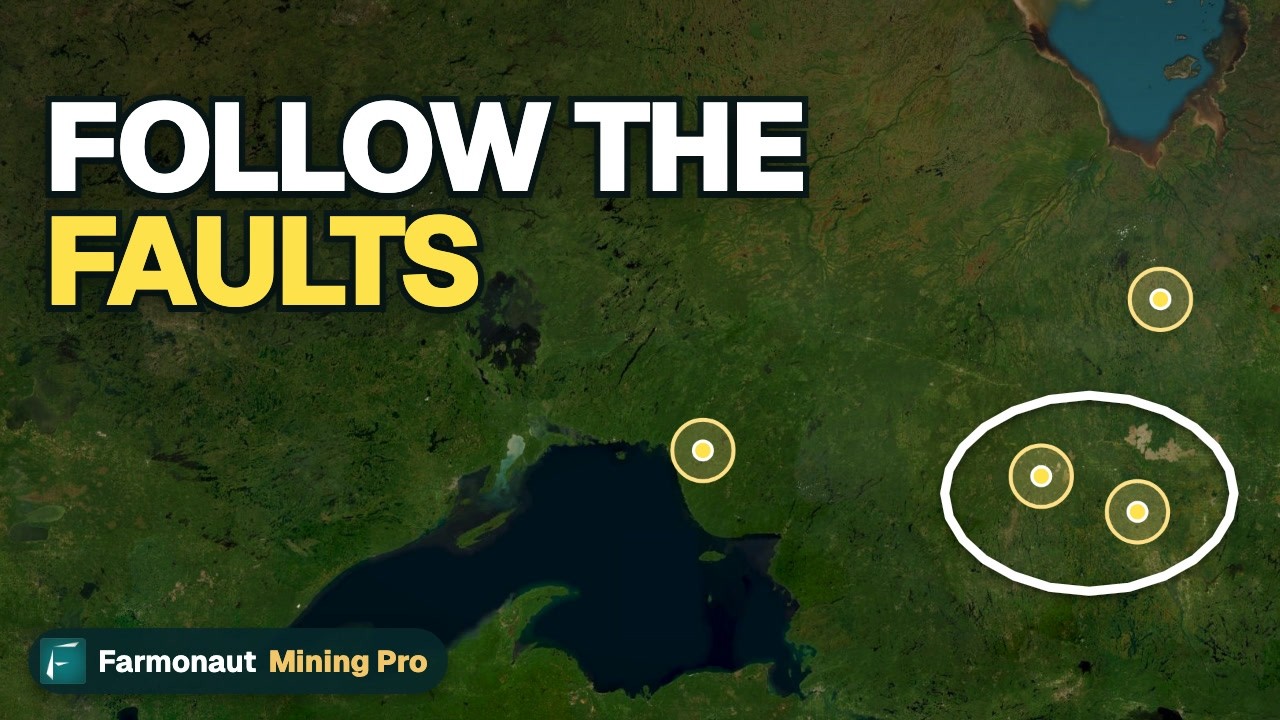
▶ Why Ontario draws so many junior explorers, and where its gold comes from (2:53). · 2:53
Flow-through shares and other funding for Canadian junior miners
Many Canadian junior miners raise part of their money as flow-through shares. The Department of Finance describes them as letting resource companies “renounce or ‘flow through’ tax expenses” to investors, and its backgrounder on the Mineral Exploration Tax Credit sets the METC at 15% of specified mineral exploration expenses incurred in Canada. NRCan’s bulletin adds that a 30% Critical Mineral Exploration Tax Credit applies to eligible critical-mineral programs. Expiry dates and eligible minerals change with federal budgets. General information, not tax, legal or investment advice; confirm with your advisers and the exchange.
Provinces add their own programs. The Ontario Junior Exploration Program offers eligible non-producing juniors with a market capitalization up to C$100 million as much as C$200,000 per project for 50% of eligible costs, plus up to C$15,000 for projects supporting Indigenous employment and business opportunities. Applicants must be enrolled in Ontario’s Mining Lands Administration System with the tenure needed and hold any exploration plan or permit the Mining Act requires. The 2026-27 intake has closed; check the program page for the next one.
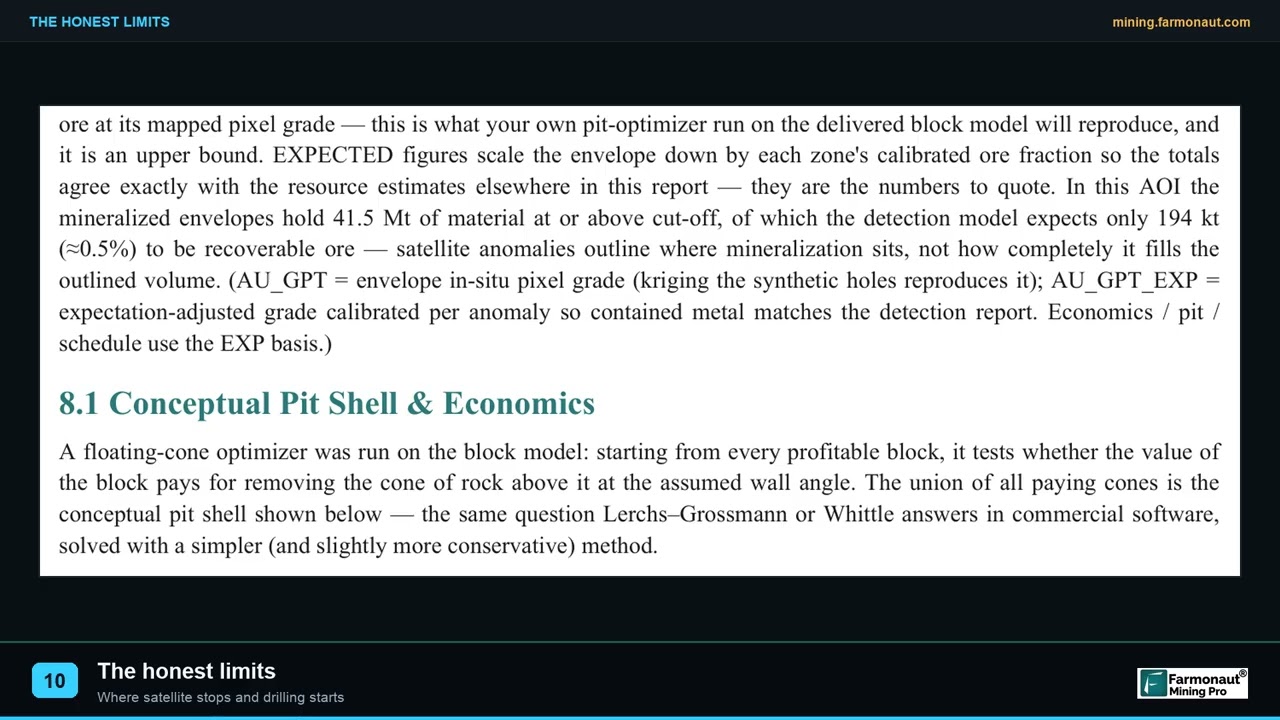
▶ The limits of satellite exploration that every listing-stage explorer should know (2:08). · 2:08
Choosing between TSX vs TSXV vs CSE: a practical checklist
Rules alone do not settle TSX vs TSXV vs CSE, but they narrow it fast. Work through the questions below in order.
- Do you have a current resource estimate? If not, the TSX exploration category and TSXV Tier 1 are closed to you for now. Your choice is TSX vs TSXV in name only; in practice it is TSXV Tier 2 or the CSE.
- How much qualifying exploration has the company itself spent in 36 months? Below C$100,000, look at the TSXV waivers or the CSE’s C$75,000 escrow route. Between C$100,000 and C$150,000, TSXV Tier 2 fits and the CSE standard route does not.
- What Phase 1 will the qualified person recommend? C$200,000 for TSXV Tier 2, C$250,000 for the CSE, C$500,000 for TSXV Tier 1, C$5 million for the TSX.
- How many genuine public holders can you reach? 150 for the CSE, 200 for TSXV Tier 2, 250 for Tier 1, 300 for the TSX, each with a board lot.
- Is your report independent and current, with a site visit? If not, that is the long lead item, and it is worth starting first.
The NI 43-101 guide and our mining feasibility study guide cover what comes after listing: the step from resource estimate to economic study that eventually decides whether a TSX application is realistic.

▶ How satellite screening narrows the ground before the first drill program (4:26). · 4:26
Frequently asked questions: TSX vs TSXV and the CSE
What is the difference in TSX vs TSXV listing requirements for a mining company?
The TSXV tests exploration progress: Tier 2 needs C$100,000 of Approved Expenditures in 36 months, a C$200,000 first phase and 200 public holders. The TSX exploration category needs a current resource or reserve estimate, a C$5 million program, an 18-month run rate and a C$50 million market capitalization.
What are the TSX Venture listing requirements for Tier 2 mining issuers?
Under Policy 2.1 (as at March 31, 2026): a 50%+ interest in a Qualifying Property or a right to earn it, C$100,000 of Approved Expenditures in 36 months, an initial phase of at least C$200,000 recommended in an NI 43-101 Geological Report, 12 months of funding plus C$100,000 unallocated, and a Public Float of 500,000 shares with 200 public holders and 20% public.
What are the TSXV listing requirements for Tier 1?
A material interest in a Tier 1 Property with at least a current inferred resource, C$2 million of net tangible assets, an initial phase of at least C$500,000, 18 months of funding plus C$200,000 unallocated, and 1,000,000 shares held by 250 public holders with 20% public.
What are the CSE listing requirements for a mining company?
Title to a prospective property, C$150,000 of qualifying expenditures by the issuer in 36 months, an independent NI 43-101 report recommending a first phase of at least C$250,000, C$200,000 of working capital and 12 months of funding, and 1,000,000 freely tradeable shares held by 150 public holders, 20% of the class.
CSE vs TSXV vs TSX: which is easier for a junior explorer?
Neither is simply easier. The CSE wants more spending and a bigger first phase but fewer public holders; TSXV Tier 2 wants less spending but 200 holders. The CSE also offers a C$75,000 and C$100,000 route with escrow, and the TSXV can waive its spending test for a Phase 1 over C$400,000.
What are the TSX listing requirements for an exploration-stage mining company?
Since November 6, 2025: an advanced property with a current mineral resource or reserve estimate in an independent qualified person’s report, a planned program of at least C$5 million, an 18-month run rate signed by the CFO and a qualified person, positive working capital or other evidence of liquidity, a C$50 million market capitalization and 300 public holders.
Does TSX vs TSXV change the NI 43-101 report you need to list?
Not much: every Canadian route needs one for a mining issuer with a material property. NI 43-101 s. 4.1 requires a technical report on becoming a reporting issuer, s. 4.2 requires one to support a preliminary prospectus, and s. 5.3 requires independent qualified persons for both. Each exchange’s mining standard also relies on the report’s recommended work program.
TSX vs TSXV: how does a company graduate from one to the other?
It applies to the TSX and must meet the full TSX listing requirements for its category. Eligible TSXV issuers do not pay the C$10,000 TSX application fee, can rely on some documents already filed with the TSXV, and may have sponsorship waived.
How much do junior mining companies in Canada spend on exploration?
NRCan reports C$2.11 billion in 2024 and C$2.27 billion in 2025 (preliminary), with 2026 spending intentions of C$2.91 billion, which would be a nominal record. Juniors accounted for about half of all exploration and deposit appraisal spending in 2024.
What is the Ontario Junior Exploration Program?
An Ontario government program that funds up to C$200,000 per project, covering 50% of eligible costs, for non-producing junior mining companies with a market capitalization up to C$100 million, plus up to C$15,000 for projects supporting Indigenous employment and business. Prospectors can apply for up to C$50,000. The 2026-27 intake has closed.
Can Farmonaut prepare our NI 43-101 report or listing application?
No. We are not a qualified person, sponsor or listing adviser. We provide satellite-based mineral detection that helps an explorer choose where to spend its Phase 1 program; the results are exploration targets, not resources.
This TSX vs TSXV vs CSE comparison is general information about Canadian listing rules for mining issuers. It is not tax, legal or investment advice; confirm with your advisers and the exchange. Calculators are screening arithmetic on your own inputs. Satellite results are exploration targets, not mineral resources or reserves.
Farmonaut mineral detection
Map your mining site from space
Send your claim or licence boundary as KML, KMZ or a polygon. Farmonaut returns ranked satellite exploration targets for it, usually in 5 to 20 business days.

Keep reading
Sources
- Toronto Stock Exchange, Guide to Part III of the TSX Company Manual: Original Listing Requirements (November 2025): tsx.com
- TSX Company Manual (Decisia), amendments to Part III effective November 6, 2025: decisia.lexum.com
- TSX Venture Exchange, Policy 2.1 Initial Listing Requirements (as at March 31, 2026): tsx.com
- TSX Venture Exchange, Policy 1.1 Interpretation (as at March 31, 2026): tsx.com
- TSX Venture Exchange, Corporate Finance Manual policies list (2026): tsx.com
- TMX, Graduation to Toronto Stock Exchange: tsx.com
- Canadian Securities Exchange, compiled policies as of July 2026 (Policy 2 dated March 20, 2024): cms.thecse.com
- Canadian Securities Exchange, Policy 2 Qualifications for Listing (March 20, 2024): cms.thecse.com
- National Instrument 43-101 Standards of Disclosure for Mineral Projects, OSC Bulletin text (2011): mrmr.cim.org
- Ontario Securities Commission, NI 43-101 instrument page: osc.ca
- Alberta Securities Commission, NI 43-101 regulatory instrument page (2026): asc.ca
- Natural Resources Canada, Canadian Mineral Exploration Information Bulletin (April 2026): natural-resources.canada.ca
- Department of Finance Canada, Backgrounder: Mineral Exploration Tax Credit for flow-through share investors (2017): canada.ca
- Government of Ontario, Ontario Junior Exploration Program (2026): ontario.ca
- SEDAR+, Canadian securities filings system: sedarplus.ca
Discussion
Questions, corrections or field experience? Share them below. First-time comments are reviewed before they appear, and your email is never published.
No comments yet. Be the first to add a question or your experience.

 Imperial Impex FZE
 Congo Mining Solutions
 Mining SARL
 SenGold Invest SAS
 Sania Corporation
 Sean Mining Limited
 NTS Group (Pty) Ltd
 Mine4Africa
 Lithspo Minerals Limited
 Tintina Mining Group
 Dalgety Minerals Pty Ltd
 Vortex Minerals Pty Ltd
 Faith At Work (Pty) Ltd
 Geotech Mining Solutions plc
 Vulcan International Limited
 Kidepo Associates
 GKY Mining
 Alkimy SARL
 Double A Trading
 GemSprout Metals Limited
 Qader Group
 Ileys General Trading
 SG Gold Mining LLC
