

Agricultural Biotech News Today: 2026 Market Innovations
“By 2026, global agricultural biotech innovations are projected to grow the sector’s market value to over $70 billion.”
Summary: Agricultural Biotechnology in 2025–2026
As global populations surge and climate change intensifies, the demand for sustainable and efficient food production techniques has become more urgent than ever. Agricultural biotechnology, a field that integrates advanced biological sciences with traditional farming practices, stands at the forefront of this transformation, offering innovative solutions that are reshaping modern agriculture worldwide. In 2025–2026, the agriculture biotech market continues to demonstrate robust growth and remarkable advancements, driving increased crop yields, enhanced nutritional content, and improved resilience against environmental stresses.



Explore Farmonaut’s crop, resource, and climate monitoring apps on web, Android, and iOS—enabling real-time, satellite-based agricultural insights, resource optimization, and sustainability benchmarking.
Developers: Integrate farm monitoring, weather insights, and geo-data in your own apps using Farmonaut’s public API and explore our API documentation.

Table of Strategic Highlights
- Gene editing breakthroughs (like CRISPR-Cas9) are enabling the development of superior plant varieties that dramatically increase yields and resilience.
- Synthetic biology is expanding the use of beneficial microbes as biofertilizers and biopesticides to enhance plant health, reduce harmful agrochemicals’ use, and improve soil quality.
- Digital tech such as AI and satellite-based analytics, especially through platforms like Farmonaut, optimize resource management and sustainability.
- Biofortified crops enhanced for nutritional content address global food security and safety concerns.
- Regulatory frameworks continue to evolve, balancing rapid market introduction with rigorous safety and environmental standards.
This article dives deep into the agricultural biotech news today, analyzing current and future innovations poised to transform global agriculture and ensure sustainable food production for generations to come.
The Evolution of Agricultural Biotechnology (2025–2026 & Beyond)
Modern agriculture is at a pivotal crossroads. With global populations surging toward 8.5 billion and climate change impacting arable land and crop productivity, traditional farming practices alone can no longer meet the growing demand for efficient food production. This new era sees biotech companies, researchers, and farmers worldwide leveraging advanced biological sciences to reimagine food systems.
Key Drivers:
- Urgency to reduce agriculture’s environmental footprint amid shifting climate conditions.
- Need for sustainable production techniques to support a rapidly urbanizing world.
- Movement toward climate-resilient, high-nutrient crop varieties to tackle malnutrition and food insecurity.
- Emphasis on data-driven, precision farming for maximizing yields and minimizing inputs.
Since the introduction of GMOs and hybrid seeds, we have witnessed a steady evolution:
- Genetic modification ushered in new crop varieties tolerant to pests/herbicides but was limited by consumer concerns and regulatory hurdles.
- Gene editing and synthetic biology unlocked precision techniques for targeted genetic change—accelerating innovation cycles, reducing costs, and enhancing crop traits beyond what was previously possible.
Agricultural Biotech News Today: 2026 and the Next Leap Forward
- 2026 will mark the consolidation and mainstream adoption of breakthroughs such as CRISPR gene editing, biofortification techniques, and sustainable microbial solutions in global agriculture.
- AI-driven insights and blockchain-based traceability (see more in Farmonaut Traceability Solutions) are starting to become standard for supply chain verification and risk management in farming systems worldwide.

“CRISPR gene editing adoption in crop cultivation increased by 40% worldwide, revolutionizing sustainable agriculture in 2026.”
Focus Keyword Spotlight: Agricultural Biotech News Today & Gene Editing Breakthroughs
At the core of the agricultural biotech news today is a rapid expansion of gene editing technologies—especially CRISPR-Cas9 and its next-generation counterparts. Gene editing allows for precise, targeted changes in plant genomes for the development of crop varieties with enhanced traits—delivered in a faster and more cost-effective manner than older genetic modification methods.
Key Advancements in Gene Editing:
- Drought-Tolerant Crops: By targeting specific genes, researchers have successfully developed maize and rice varieties with enhanced drought tolerance and water-use efficiency, dramatically reducing reliance on irrigation.
- Nitrogen-Efficient Varieties: Efforts to alter plant nitrogen metabolism have resulted in rice and wheat that require much less fertilizer—lowering costs and environmental impact.
- Resilience to Environmental Stresses: Improved production of stress-response proteins in crops like tomato, potato, and sorghum provides better yields under heat, salinity, and pest pressures.
- Faster Breeding Cycles: Targeted genetic intervention shaves years off traditional crossbreeding, enabling faster market availability of innovations.
This gene-editing revolution is not only improving productivity and reducing input costs for farmers, but is also mitigating agriculture’s environmental footprint—directly aligning with the world’s sustainability goals.
View the Impact of Biotech Innovations on Field Yields & Farm Finance:
- Farmers utilizing satellite-based crop health monitoring (Large Scale Farm Management with Farmonaut) can track the performance of new varieties and optimize resource allocation—maximizing profitability and sustainability.
- Crop loan and insurance services, powered by reliable satellite data, foster increased financial access for growers adopting new biotech methods.

Synthetic Biology & Microbial Advancements: Expanding the Agricultural Biotech Toolset
Beyond gene editing, synthetic biology is propelling agricultural biotechnology into new territory. Engineering microbes—beneficial bacteria, fungi, and other microorganisms—has yielded biofertilizers and biopesticides that promote plant growth and protect against pests without reliance on harmful chemical pesticides.
- Biofertilizers enhance soil health and increase nutrient availability, especially nitrogen and phosphorus, by mobilizing or fixing essential elements in the root zone.
- Biopesticides combat key pests and diseases without damaging beneficial insects or pollinators, supporting farm ecosystem health.
- New microbial consortia are being developed for deployment in degraded soils and challenging environments, restoring productivity and improving environmental sustainability.
These solutions are particularly pivotal for smallholder farmers in developing regions who face financial and infrastructural barriers to accessing synthetic chemical inputs. The adoption of cost-effective, scalable agriculture biotech techniques is key to closing the yield gap and improving livelihoods.

Biotech Solutions for Improved Soil Health & Climate Mitigation
- Microbial inventions offer sustainable alternatives to intensive fertilizer use, reducing greenhouse gas emissions and improving soil organic matter.
- Satellite-based environmental monitoring (carbon footprint tracking via Farmonaut) aids in certifying emissions reductions and climate-smart farming progress.
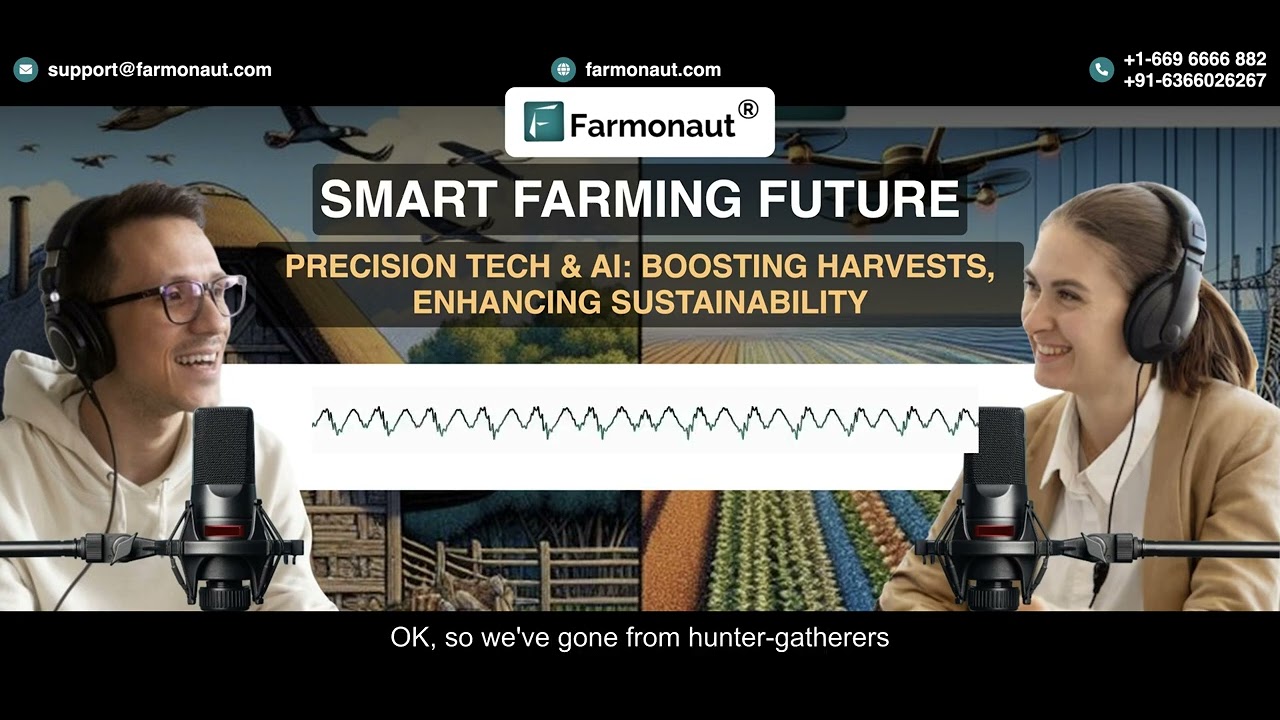
Sustainable Agriculture Practices Enabled by Biotech
Biotech breakthroughs are enabling the widespread adoption of sustainable agricultural practices across the globe—directly addressing mounting concerns over soil degradation, agrochemical pollution, and resource scarcity.
- Climate-smart crop varieties bred for extreme temperatures and erratic rainfall ensure production stability.
- Genetic tools reduce dependence on water and synthetic inputs—enabling low-input farming systems that both save money and protect the environment.
- Engineered microbes and digital management systems help maintain soil fertility and improve health for the long term.
Sustainable agriculture—backed by biotech—is reshaping modern farming for the betterment of economies and ecosystems alike, ensuring food security even as global stressors mount.

Technology Integration: Where Digital and Agricultural Biotech Meet
Perhaps the most significant and recent trend in agricultural biotech news today is the convergence of digital technologies with biotech innovation. AI-powered analytics, IoT, and satellite-based monitoring tools drive precision management, resource optimization, and real-time decision-making for farmers around the world.
- AI-Driven Phenotyping: Automated detection of plant health, stress, and yield attributes from satellite or UAV images accelerates field scouting and reduces crop loss.
- Precision Spraying & Seeding: Digital prescription maps optimize input application, minimize chemical drift, and ensure uniform growth.
- Blockchain for Transparency: Blockchain-integrated traceability systems guarantee seed authenticity, track input histories, and provide digital proof for certification and financial transactions. Learn more at Farmonaut Product Traceability.
- Integrated Resource Management: Tools such as Farmonaut Fleet Management optimize machinery use, monitor fuel consumption, and reduce operational costs at scale.
- Real-time Environmental Impact: Satellite-based carbon accounting solutions, such as carbon footprinting, help monitor, benchmark, and reduce emissions in agricultural production.

Such comprehensive integrations are enabling the shift toward smart, sustainable, and scalable food systems across continents—delivering data-driven farm management even in resource-limited regions and reinforcing the role of biotechnology in overall agricultural modernization.
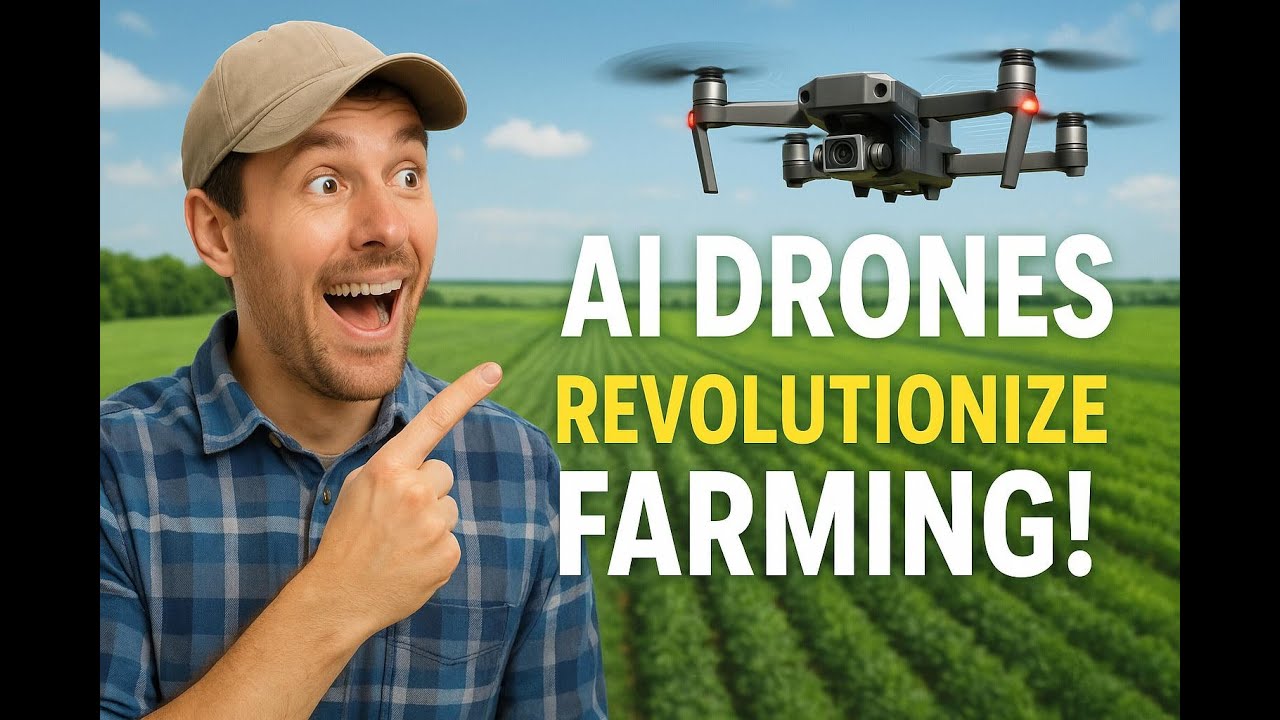
Farmonaut – Empowering The Digital-Biotech Transformation in Agriculture
At Farmonaut, we are committed to democratizing access to advanced satellite technologies and AI tools for all stakeholders—farmers, businesses, governments, and financial institutions. Our satellite-driven platforms deliver crucial data on crop health, environmental impact, and supply chain traceability that complements emerging biotech practices, making precision agriculture truly accessible and impactful.
For resource-limited farmers, institutions adopting our tools gain affordable, scalable solutions for managing climate, water, and soil—key pillars for sustainable farming success in 2026.
Biotech in Nutrition and Food Safety: Biofortified Crops for a Healthier World
Agricultural biotechnology in 2026 does more than just improve yield—it transforms the nutritional value and safety of global food systems. Biofortified crops—genetically enhanced to contain higher levels of critical nutrients—are receiving regulatory approvals and are being widely adopted in regions with a history of diet-related health challenges.
- Vitamin A-Enriched Cassava & Rice: Targeted gene editing has increased pro-vitamin A content, directly combating childhood blindness and malnutrition in Africa and Southeast Asia.
- Allergen-Reduced Peanuts: Engineered varieties with suppressed allergenic proteins reduce risk for millions with nut sensitivities.
- Gluten-Free Wheat: Cutting-edge gene modifications remove or silence gluten-producing genes, providing healthier options for celiac and gluten-intolerant populations worldwide.
Not only do these advancements improve inclusivity, but they also support broader societal goals—driving down hidden hunger and improving quality of life at scale.
Moreover, food safety gets a boost from gene-editing and traceability solutions, greatly reducing the frequency and severity of contamination events across international supply chains.
Regulatory Frameworks & Global Adoption Challenges in Agricultural Biotech
Despite remarkable progress, challenges persist in bringing the benefits of agricultural biotech to all farmers and consumers:
- Regulatory Disparities: Countries and regions vary in their approval timelines, risk assessment standards, and definitions of what constitutes “genetically modified.”
- Public Perception: Misinformation and ethical debates (e.g., about gene-edited foods) persist, sometimes hindering adoption.
- Access Inequality: Small-scale producers and farmers in low-income regions may lack the resources or infrastructure to adopt and deploy advanced biotech solutions quickly or effectively.
- Traceability & Verification: As adoption grows, ensuring supply chain integrity and product authenticity via modern systems (like Farmonaut’s Blockchain Traceability) is crucial for public confidence and food safety.
Meeting these challenges requires a multi-pronged strategy:
- Science-based, streamlined regulatory pathways to ensure both safety and timely access to innovations.
- Transparent stakeholder engagement to build awareness and foster trust in biotechnology.
- Targeted policies and financial support enabling equitable access—bolstered by affordable monitoring solutions such as those provided by our Farmonaut platform.
Key Biotech Innovations & Estimated Market Impact, 2026
| Innovation/Technology | Functional Area | Estimated Adoption Rate (%) | Key Regions | Projected 2026 Market Value (USD Billions) | Anticipated Impact |
|---|---|---|---|---|---|
| CRISPR Gene Editing | Precision Breeding, Stress Tolerance | 40+ | Americas, Asia, Africa | $20 | Yield improvement, reduced input requirements |
| Synthetic Biology Microbes | Biofertilizers, Biopesticides | 25 | Europe, Asia, Latin America | $8 | Reduced agrochemical use, improved soil health |
| Biofortified Crops | Nutrition, Safety | 18 | Africa, Asia | $11 | Malnutrition reduction, food safety |
| Blockchain Traceability | Supply Chain Integrity | 22 | Global | $7 | Transparency, fraud reduction, food recalls |
| Digital/Satellite Monitoring | Resource, Field, Environmental Management | 35 | Global | $14 | Data-driven decisions, increased efficiency |
| AI-powered Advisory Systems | Precision Farming, Forecasting | 28 | Americas, Europe, Asia | $10 | Maximized yield, optimized input use |
As this table highlights, CRISPR gene editing, synthetic microbes, digital solutions, and blockchain traceability will dominate agricultural biotech news today. Their adoption is set to increase across all continents, driving substantial value and pivotal impacts in food production, sustainability, and rural prosperity.
Farmonaut’s Role in the Agricultural Biotech Ecosystem
We at Farmonaut serve as enablers of this modern revolution. By making real-time, satellite-based insights and AI advisory tools affordable and universally accessible, we:
- Empower farmers and agribusinesses with actionable data for crop monitoring, environmental impact tracking, and supply chain verification.
- Support the safe adoption and monitoring of new biotech crop varieties through monitoring changes in NDVI, soil health, and resource use.
- Enable governments and financial institutes to streamline loan and insurance verification, enhancing trust and access for rural communities.
- Provide tailored digital resource management tools (Fleet Management solutions) for optimal logistics in large-scale agricultural operations.
- Bolster supply chain verification, transparency, and authenticity for global agricultural exports through our traceability solutions.
In 2026 and beyond, Farmonaut’s ever-expanding technology stack (large-scale farm management) will continue supporting all market players as they transition to a more sustainable, biotech-driven future.
Try Farmonaut’s accessible and scalable solutions:
Agricultural Biotech News Today: Future Trends – Resilience, Inclusivity & Sustainability
Looking forward to 2026 and beyond, the agriculture biotech market will be defined by several emerging and persistent trends:
- Climate Resilient Systems: The convergence of breeding, gene editing, and climate-smart digital management is essential to adapt to extreme weather and shifting pest patterns.
- Nutrition and Inclusivity: Expect wider deployment of biofortified staples (cassava, sweet potato, rice, and maize) and a larger ecosystem of crops designed for allergen and gluten sensitivity.
- Decarbonizing Agriculture: Scalability of carbon footprinting, soil carbon sequestration, and digital emissions verification—enabling access to global offset markets. Learn more at Farmonaut Carbon Footprinting.
- Precision Resource Use: Widespread use of AI, IOT, and satellite platforms for dynamic irrigation, pest management, and crop input allocation.
Check out our large-scale farm management advisory for enterprise solutions. - Financial and Digital Inclusion: Blockchain-based verification and satellite records are transforming rural access to loans, crop insurance, and supply chain entry—building a truly inclusive agtech ecosystem.
As the market continues to grow ever more robust, these advancements will help ensure that the benefits of agricultural biotechnology reach not just the world’s largest producers, but smallholder and marginalized farmers as well, fortifying the resilience and sustainability of global food systems for the next generation.
Frequently Asked Questions
What is agricultural biotechnology?
Agricultural biotechnology involves the use of advanced biological sciences, such as gene editing and synthetic biology, to improve crop productivity, nutritional value, and environmental sustainability. It encompasses technologies that enhance plant traits, protect against pests, and support sustainable farming practices.
What are the key innovations driving the agricultural biotech market in 2026?
Key innovations include CRISPR gene editing, synthetic microbial biofertilizers and biopesticides, biofortified crops for nutrition, digital/satellite monitoring platforms, and blockchain traceability for supply chain security. All are contributing to increased yields, reduced input costs, and improved sustainability.
How does agricultural biotechnology contribute to sustainability?
Through the development of drought and nutrient-efficient crop varieties, deployment of eco-friendly microbial solutions, and reduction in the need for chemical pesticides and fertilizers. These advances help conserve resources, support soil and water health, and reduce agriculture’s carbon footprint globally.
What are the main challenges facing the adoption of agricultural biotech solutions?
Key challenges include regulatory differences between regions, public perception issues, affordability and accessibility for smallholders, and ensuring rigorous food safety and traceability in the supply chain.
How do digital technologies (like satellite monitoring) support agricultural biotechnology?
Digital tools, such as Farmonaut’s satellite-based crop and resource monitoring, provide real-time, scalable data to optimize farm practices, document environmental impact, and facilitate the adoption of new biotech varieties through precise, actionable insights.
How can I access Farmonaut’s agricultural monitoring and advisory solutions?
You can access Farmonaut’s tools via the web platform, Android app, or iOS app. Developers can integrate Farmonaut’s data using the public API and consult our developer documentation.
Conclusion: Agricultural Biotechnology – Toward a Sustainable, Secure Food Future
The agricultural biotech news today is replete with examples of how innovation in science and world-class digital solutions are transforming farming. Gene editing, synthetic biology, data-driven management, and sustainability are no longer just buzzwords—they are the foundation of a resilient, equitable, and productive food system for 2026 and beyond.
As these market innovations unfold, stakeholders—including researchers, technology providers, farmers, policymakers, and consumers—stand to benefit from more robust, efficient, and sustainable food production systems. Farmonaut remains dedicated to advancing this future—providing reliable, affordable, and actionable satellite insights for agriculture worldwide, and integrating seamlessly into the evolving biotech-driven landscape.
The future of agriculture is smart, sustainable, and inclusive—powered by the continuing breakthroughs in agricultural biotechnology.
Discussion
Questions, corrections or field experience? Share them below. First-time comments are reviewed before they appear, and your email is never published.
No comments yet. Be the first to add a question or your experience.

 Rouge VC
 Yutz Automation
 AgroGreen Dynamics
 Leher
Leher AgroRisk
 Oath Inc
 Reddane Farming
 Esri North East Africa
 Cresol
 Atur Kuliner
 MDCV UK
 Zerella Group
 Etech Consulting Madagascar
 Vestlandsforsking
 Delicio
 WB Dev
 Sama Premium
 Prochecker
 Tres Valles
 LACOS Geoinformation
 Magrifly
 LatConnect 60
 Blickwinkel
