

Agricultural Rev 2026: Innovations Reshape Farming
- Summary: The Agricultural Revolution in 2025
- Mind-Blowing Trivia
- Historical Evolution: The Roots of the Agricultural Rev
- Precision Farming: The Cornerstone of Modern Agricultural Rev
- Comparative Innovations Table
- AI, Automation, and Robotics: Redefining the Farming Landscape
- Bioscience Breakthroughs: CRISPR, Genome Editing & Next-Gen Crops
- Vertical Farming, CEA, and Urban Agriculture
- Sustainable Practices: Adapting to Climate Change
- Water Management and Conservation in 2025+
- Soil Health: The Foundation for Security and Resilience
- Socio-Economic Impact: Empowering Farmers, Rural Livelihoods, and Food Security
- Farmonaut: Driving the Agricultural Revolution with Satellite, AI, & Blockchain
- Outlook for 2026 and Beyond: The Next Phase of the Agricultural Rev
- Video Insights: Innovations Transforming Agriculture
- Frequently Asked Questions (FAQ)
Summary: The Agricultural Revolution in 2025
The agricultural revolution has signified profound shifts in farming practices, technological advancements, and socio-economic structures. As we stand at the threshold of 2026, the term “agricultural rev” continues to evolve—embodying a new era driven by advanced technologies and sustainable practices, while navigating increased global challenges. The modern agricultural revolution is pivotal for ensuring food security, adapting to climate change, and supporting rural livelihoods worldwide.
In this comprehensive guide, we will explore how the agricultural rev of 2026 is transforming farming: from precision technologies and AI-powered tools to regenerative practices, carbon footprinting, and satellite-driven innovation.
Mind-Blowing Trivia
“Over 60% of global farms adopted AI-driven solutions in 2025, accelerating the Agricultural Revolution of 2026.”
“Precision farming technologies increased average crop yields by 35% in regions implementing advanced practices in 2025.”
- The Agricultural Rev 2026 combined AI, satellite imagery, IoT sensors, and regenerative methods like never before—powering the world’s largest leap in farming efficiency and sustainability.
Historical Evolution: The Roots of the Agricultural Rev
Agriculture, since ancient times, has undergone profound shifts—from the first revolution (domestication of crops and animals) to the mechanized era and the Green Revolution (chemical fertilizers, high-yielding varieties). Each phase not only signified technological change but also deeply reshaped socio-economic structures and food security.
The agricultural rev of 2025–2026 embodies a new era, much more digital, advanced, and climate-responsive. Fueled by satellite technologies, AI, IoT, and sustainable practices, this revolution is supporting rural livelihoods worldwide while reshaping global farming systems.
Precision Farming: The Cornerstone of Modern Agricultural Rev
By 2025, precision agriculture has firmly become the cornerstone for modern farming. This approach leverages satellite imagery, drones, the Internet of Things (IoT), and sensors to enable real-time monitoring of soil moisture, crop health, and pest activity. The goal? Maximize resource efficiency, reduce unnecessary water and chemical inputs, and minimize risks and costs.
- ✔
Data-driven soil and crop management: Targeted nutrient and pesticide application boosts outputs and slashes waste. - 📊
Constant health monitoring: Satellite and drone imagery makes crop stress and pest outbreaks visible in real time. - 💧
Precision irrigation: Smart sensors cut water use by up to 35%, essential for adapting to climate change. - ⚠
Reduced risks: Early warning of weather, disease, and environmental threats. - 🔄
Automated machinery: Robotics and self-driving tractors lower labor costs and lessen human fatigue.

Farmonaut’s satellite-driven platform plays a pivotal role in this revolution—enabling farmers and agri-businesses to access actionable insights on carbon footprinting, fleet management, and large-scale farm management without needing complex hardware investments.
Investments in agricultural technology are projected to exceed $45 billion globally by 2026, with precision tools and AI-based crop monitoring capturing the lion’s share. Early movers in satellite-driven agtech solutions will shape the next chapter of the revolution.
Comparative Innovations Table: Cornerstone Technologies in the Agricultural Rev of 2026
| Technology/Innovation | Description | Estimated Year of Adoption | Key Benefits | Est. Increase in Yield (%) | Reduction in Resource Use (%) | Impact on Food Security |
|---|---|---|---|---|---|---|
| Precision Farming | Uses IoT, sensors, satellite imagery for data-driven decisions | 2020–2025 | Resource efficiency, lower inputs, yield maximization | +20–35% | -30–40% (water/fertilizer) | High |
| AI-Based Crop Monitoring | Machine learning analyses crop health, predicts risks | 2023–2026 | Early problem detection, automated advisory | +15–28% | -25% | Very High |
| Drones & Aerial Imaging | Real-time imagery for scouting, spraying, and mapping | 2021–2025 | Faster diagnostics, timely interventions | +15–20% | -18–22% | Medium–High |
| Vertical Farming | Indoor, stacked environment, controlled CEA systems | 2024–2026 | Year-round urban food production, minimal land use | +60–75% | -90–95% (water) | High (locally) |
| Advanced Irrigation Techniques | Precision drip/spray, AI-managed scheduling | 2023–2025 | Reduced water and fertilizer waste | +10–15% | -30–50% (water) | High |
- Mistaking precision farming for simply adding technology to traditional systems—true transformation lies in integrated digital ecosystems and automated, real-time management for every hectare.



Pro Tip: Download the Farmonaut app on Android or iOS for real-time, AI-powered crop monitoring, resource management, and actionable alerts—direct from your mobile!
AI, Automation, and Robotics: Redefining the Farming Landscape
The AI evolution is central to the ongoing agricultural rev. Machine learning platforms analyze satellite imagery, drone data, and sensor feedback to predict pest outbreaks, assess crop vitality, and automate routine tasks. Automated tractors, robotic weeders, and drone-based sprayers replace labor-intensive work—increasing productivity while lowering costs and reducing human fatigue.

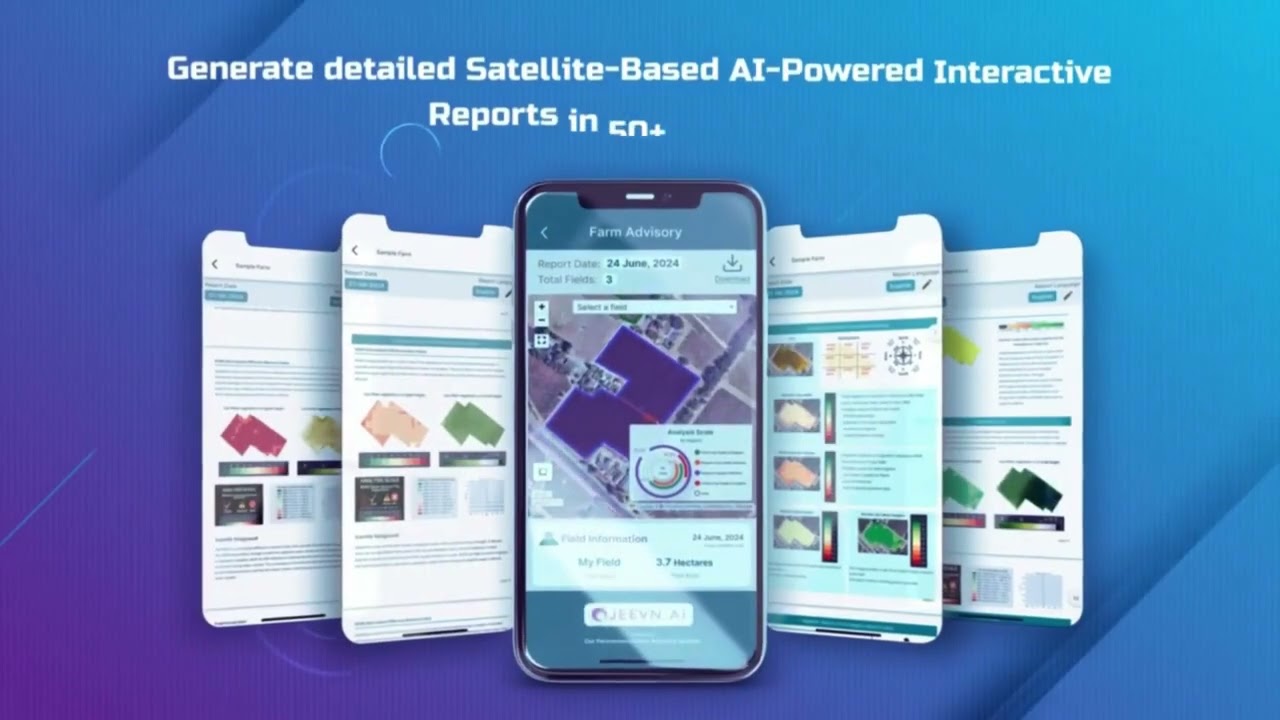
Farmonaut’s JEEVN AI advisory system harnesses these technologies to empower users across agriculture and mining with real-time alerts, tailored strategies, and weather forecasts—enabling smarter decision-making for everyone from individual farmers to large agribusinesses and governments.
- 🤖
Labor saving: Robotics handle seeding, weeding, and harvesting—especially vital during labor shortages. - 🕒
24/7 operation: Automated machinery works nights and weekends, increasing total fieldwork hours. - 📉
Cost reduction: Predictive analytics optimize input use, lowering fertilizer and pesticide expenses. - 🚜
Fleet management: Real-time location and maintenance tracking of machinery via satellite for large-scale operations—learn more.

- When scaling your operation, always choose agtech platforms with API integration. For developers and businesses, Farmonaut’s API (access here) and developer docs facilitate seamless, scalable solutions for custom needs.
Bioscience Breakthroughs: CRISPR, Genome Editing, & Next-Gen Crops
Genetic advancements have accelerated in the agricultural rev of 2026. Genome editing technologies like CRISPR enable development of new crop varieties resistant to drought, pests, and diseases—critical as climate variability intensifies and traditional crops come under threat.
By engineering more resilient crops, farmers ensure stable yields even as weather patterns become unpredictable. Combined with real-time crop health monitoring from platforms like Farmonaut, these advances guarantee improved productivity and food security worldwide.
- 🧬
Drought resistance: Stress-tolerant gene-edited varieties thrive with less water. - 🐛
Pest and disease resistance: Lower pesticide input, safer environment. - 🔬
Bio-fortification: Crops enhanced for better nutrition, fighting hidden hunger.

Vertical Farming, CEA, and Urban Agriculture: Reshaping Food System Resilience
Vertical farming and Controlled Environment Agriculture (CEA) are beginning to supplement traditional methods by allowing urban and peri-urban areas to grow food year-round. These systems minimize dependencies on unpredictable weather patterns and reduce transport emissions.
By 2026, vertical farms use hydroponics, LED lighting, and environment controls for maximum yield per square meter—with some systems saving up to 95% water compared to field-based agriculture.
- 🏙️
Urban food security: Fresh produce delivered daily to local consumers. - 🌦
No seasonal limits: Consistent production regardless of climate shocks. - 🌿
Minimal chemical use: Controlled diseases and pests through biosecurity.
Urban and vertical farming principles lead the way in resource use efficiency. They slash food miles, reduce water usage, and dramatically minimize land footprint—crucial benefits as global population pressures mount.
Sustainable Practices: Adapting to Climate Change with Regenerative Solutions
Climate change and environmental threats necessitate a shift towards sustainable, regenerative practices. Conservation tillage, agroforestry, and cover cropping help maintain soil health, sequester carbon, and protect ecosystem resilience.
By 2026, regenerative agriculture is mainstream—promoting biodiversity and soil organic matter repair. These methods help farmers reduce reliance on chemical inputs and improve crop resilience against extreme weather.
- 🌱
Soil carbon restoration: Practices that actively sequester carbon and slow climate change. - 🌾
Diverse rotations and agroforestry for ecosystem stability and reduced pest pressure. - 🔄
Fewer chemical inputs, reduced runoff, and healthier food chains.
“Over 60% of global farms adopted AI-driven solutions in 2025, accelerating the Agricultural Revolution of 2026.”

Sustainability credentials now drive market access. Solutions offering real-time carbon footprint tracking (see Farmonaut Carbon Footprinting) are critical for compliance, financing, and staying competitive in the global agricultural marketplace.
- 🌳
Agroforestry integrates tree crops for biodiversity and shade. - 🌻
Cover cropping improves organic matter and reduces erosion. - 🔁
Rotational grazing for livestock and soil health synergy.
Water Management and Conservation in 2026: Tackling Scarcity & Maximizing Efficiency
Water management innovations such as precision irrigation, rainwater harvesting, and AI-driven scheduling systems are lifelines for drought-prone rural areas. These tools enable farmers to monitor soil moisture in real time, ensuring each drop is optimally allocated.
- 💧AI-managed irrigation: Automated systems minimize human error and save water.
- 🎯Soil moisture sensors integrated into satellite platforms: Optimize input use and prevent runoff.
- 💡Sustainable aquifers: Smart management preserves water tables.

Soil Health at the Center of the Agricultural Rev 2026
Every step forward in the agricultural revolution underscores the importance of soil health. Without resilient, nutrient-rich soils, food security and climate change adaptation cannot be achieved. Soil biodiversity, organic matter, and microbe activity are as crucial as any modern technology.
- 🌱
Soil diagnostics: Regular monitoring for balanced pH and nutrient levels. - 🧪
Microbial enhancement: Biological amendments improve crop productivity. - 🏆
Blockchain-driven traceability (see product traceability): Guarantees sustainable sourcing and soil protection credentials for global buyers.
Remote satellite data allows farms to monitor and manage soil health on a field-by-field basis, driving higher yields with less input, and dramatically boosting resilience against unpredictable weather.
Socio-Economic Impact: Empowering Farmers, Enhancing Rural Livelihoods, and Ensuring Food Security
The agricultural rev of 2026 is more than technology—it’s about people. Farmers and rural communities gain access to new digital platforms that improve incomes by bypassing intermediaries and accessing direct markets.
- 💵Mobile banking and microfinance: Satellite-assisted loan and insurance verification opens new capital sources.
- 🗳Cooperative models: Equip marginalized farmers with pooled resources and shared knowledge.
- 🌏Inclusivity: Policy frameworks target women, youth, and smallholders for equitable development.
The challenge: Technological adoption is uneven. Ensuring access for all farmer segments—rural and remote—requires continuous investments in digital literacy, infrastructure, and policy alignment by governments and the private sector.
Bridging the digital divide with scalable mobile and web tools (like those offered by Farmonaut) is essential to avoid leaving smallholders behind during the agricultural rev.
- ✅ Boosted farmer incomes through tech-enabled direct sales and finance processes
- ✅ Improved rural education/training via digital advisory content and mobile apps
- ✅ Gender/youth inclusion in decision-making and technology adaptation
- ✅ Lower incidence of fraud in subsidy/distribution channels (thanks to blockchain traceability)
- ✅ Strengthened food security via real-time, actionable intelligence for all scales of farming
Farmonaut: Driving the Agricultural Revolution with Satellite, AI, & Blockchain
We at Farmonaut stand at the forefront of the agricultural rev, delivering cost-effective, AI-powered, and satellite-enabled solutions that address climate change, improve productivity, and promote sustainable practices across agriculture, mining, and infrastructure.
- 🛰
Satellite-Based Monitoring: We use multispectral imagery to track vegetation health, soil, and resource status, supporting precision farming and operational decisions. - 🤖
Jeevn AI Advisory System: Delivers real-time insights and customized strategies for operational efficiency and climate resilience. - 🔗
Blockchain Traceability: Enables authenticated tracking across every product and input (traceability), ensuring transparency for farmers, regulators, and the global food system. - 🌍
Environmental Impact Monitoring: Measures carbon emissions and resource use, helping farms meet global sustainability criteria. - 💹
Access and Affordability: Through tiered subscription models, API integrations, and scalable web/mobile platforms, we enable broad participation—from smallholders to governments worldwide.
We ensure data-driven, satellite-verified, and sustainable management for the next generation of farming, mining, and resource planning.
Try out our solutions on web or mobile—
click here to launch the Farmonaut Web Platform.

Remote sensing and affordable satellite data now power global smallholder farms—without the need for costly local sensors or manual surveys.
Outlook for 2026 and Beyond: The Next Phase of the Agricultural Rev
With the global population surpassing 8 billion, food production systems must continuously evolve—balancing productivity, security, sustainability, and inclusivity. Major innovations on the 2026+ horizon:
- 🤖 Widespread AI-driven crop management and blockchain quality assurance
- 🌱 Bio-based fertilizers and next-gen biopesticides
- 🛰 Universal satellite access for farms of every scale
- 🌍 Expansion of climate-smart agriculture practices
- 🔄 Integrated, digital-first, traceable global food systems
Collaboration among governments, private enterprise, and research will be essential to scale these solutions and ensure food security for generations to come.
- 🛡 Resilience: Robust systems to withstand climate shocks
- 📊 Data-Driven: Real-time intelligence at every decision point
- 🤝 Inclusivity: Tools and policies serving all geographies and communities
- 🌿 Sustainability: Regenerative, low-impact, and future-facing practices
- 🌏 Global Reach: Every farm, field, and stakeholder connected
Frequently Asked Questions (FAQ)
What technologies are driving the Agricultural Rev 2026?
IoT sensors, AI-based analytics, satellite imagery, robotics, gene-edited crops (CRISPR), blockchain traceability, and environment-controlled farming systems (CEA and vertical farming) are at the heart of the 2026 revolution.
How do these innovations help farmers adapt to climate change?
Technologies like precision irrigation and real-time weather analytics help maximize resilience—reducing input use, enhancing food security, and improving livelihoods even as weather patterns become more erratic.
What role do companies like Farmonaut play in this revolution?
We at Farmonaut offer affordable, actionable, satellite and AI-driven insights, blockchain-based traceability, and environmental monitoring—empowering global users, from individual farmers to governments, to realize the benefits of the agricultural rev.
How can small or remote farms access these technologies?
Through mobile apps, API integrations, and subscription models, even the smallest or most isolated farms can leverage real-time data and advisory systems, democratizing access to the tools of the revolution.
Where can developers or businesses integrate Farmonaut data?
Businesses and developers can utilize the Farmonaut API, found here, and explore developer docs to integrate remote sensing, weather data, and crop insights into custom platforms.
Conclusion: The Promise of the Agricultural Rev 2026
The agricultural revolution of 2026 is marked by the confluence of advanced technologies, precision tools, and sustainable practices. It redefines how food is produced and managed—making agriculture more efficient, resilient, and inclusive. By embracing these innovations, we can ensure food security, protect our climate, and support rural and urban livelihoods worldwide.
The success of the agricultural rev depends on scaling solutions, bridging digital divides, and continuous investment in research, policy, and technology education. Those adopting satellite, AI, and blockchain-driven tools—such as what we offer at Farmonaut—will thrive in the new era of global farming.
Explore more resources and tools on the Farmonaut website.
Welcome to the future—where innovation reshapes farming for a sustainable and secure world.

 Vizexec Transformation
 GalaxEye Space
 Sun Palm Australia
 Grandstream Algérie
 XOS Realty
 Geospatial Lab Africa
 Agro La Gándara
 HIPSAC
 ZOL Zimbabwe
 Juligerm
 AdBio
AdBio MISE Maroc
 NWNS
NWNS Red August Group
 Farm Inc
 WeMe Global
 Agrotoken
 Blue BearX
 Insignito
 DnCubed
