

Agriculture Computers: Latest Computer Vision News 2026 – Driving Sustainable Farming with Next-Gen Technology
Agriculture in recent years has entered a transformative era powered by rapid advancements in agriculture computers and integrated computer vision technologies. From 2025 and looking toward 2026 and beyond, these advanced computing systems are not just tools; they are game-changing platforms for sustainability, yield maximization, labor reduction, and real-time decision-making. In this blog, we deliver the most crucial Agriculture Computer Vision News of 2026, explain current innovations, and present what lies ahead for agricultural producers worldwide.
What Are Agriculture Computers? (Definition, Core Technologies, and Global Context)
Agriculture computers refer to specialized hardware and software platforms designed for the collection, processing, and analysis of vast agricultural data. Unlike traditional computers, these systems are purpose-built for agriculture and can leverage sensors, drones, satellites, and IoT devices. Their primary objective? To monitor and manage soil health, crop growth, pest infestations, and shifting weather patterns—all in real-time.
- Utilize artificial intelligence branches such as computer vision, enabling machines to interpret complex visual data from crop fields and ecosystems.
- Empower farmers and agricultural stakeholders worldwide with intelligent diagnostics, precision interventions, and proactive resource optimization.
- Enable sustainable farming by minimizing environmental footprints and maximizing yield per acre.

Agriculture Computer Vision News 2026: Transformative Trends
In 2026, agriculture computer vision news continues to make headlines. Computer vision—a crucial branch of artificial intelligence—enables agriculture computers to interpret visual information from high-resolution cameras, drones, and satellites. The systems can analyze and precisely identify crop issues at scale, such as:
- Detecting plant nutrient deficiencies, diseases, and pest damages with unprecedented accuracy.
- Automating detection of weed presence and enabling targeted management strategies.
- Empowering the next generation of autonomous tractors and robotic harvesters.

Explore how satellite and AI-based crop monitoring is revolutionizing farm management and providing actionable insights to farmers via the Farmonaut Web System.
Precision Agriculture and Crop Health: Computer Vision in Action (2026)
Precision agriculture has been heralded as the future of farming, and by 2026, agriculture computers powered by computer vision have matured into critical applications. These systems deliver on the promise of objective, rapid diagnoses across vast farmland, minimizing the need for manual scouting and subjective field inspections.
- High-resolution drone imagery is captured, processed, and analyzed using advanced AI algorithms to identify crop health issues in real time.
- Hyperspectral and multispectral imaging facilitate deeper crop phenotyping—enabling breeders and researchers to unlock yield, drought tolerance, and disease resilience traits.
- Modern computer vision platforms automatically recommend localized fertilizer or pesticide applications, optimizing input use and reducing environmental impacts.
- These tools can detect changes invisible to the human eye, increasing the speed and scale of interventions.

See how smart crop solutions with AI-powered field scouting enhance productivity and precision in 2026’s modern farms.
Autonomous Machinery, Robotics, and the Elimination of Manual Labor
Autonomous tractors, robotic harvesters, and AI-powered weeders are rapidly transforming the labor dynamics of agriculture. By embedding agriculture computers with advanced vision modules, these machines can:
- Navigate rough terrain without human intervention.
- Process detailed imagery and algorithms to distinguish crops from weeds, performing targeted mechanical weeding or harvesting.
- Significantly reduce farm labor costs and improve operational safety.
- Enhance yields by completing repetitive field work with precision and consistency.

Explore the explosion of AI-driven equipment in agriculture and the roles these machines play in the smart farming revolution, as seen in recent agriculture computer vision news.
Satellites and Drones: Smarter Aerial Imagery for Agriculture
Integrated satellites and drones have reshaped data acquisition in modern agriculture. In 2026:
- Satellites provide multispectral images for real-time monitoring of soil conditions, crop health, and environmental impacts worldwide.
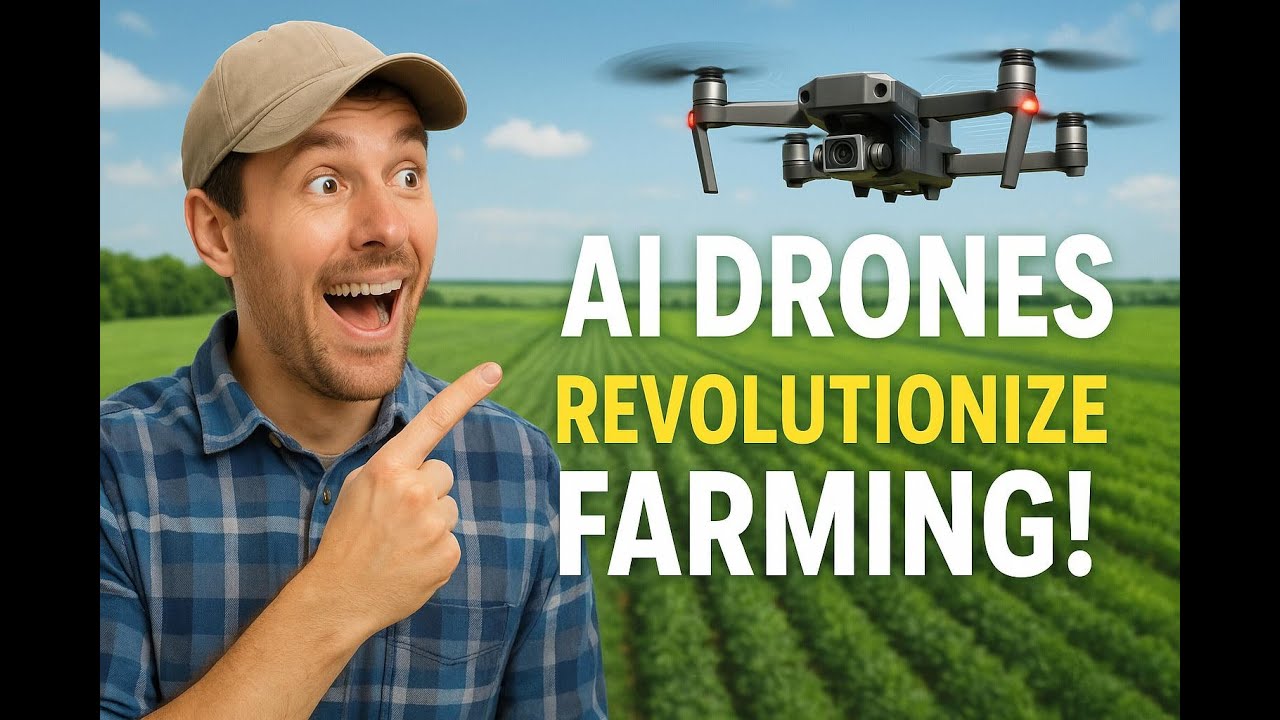
- Drones equipped with computer vision cameras capture detailed field imagery, fueling wave after wave of digital innovation in precision farming.
- This integration enables the detection of soil nutrient deficiencies, disease outbreaks, and rapid response interventions, ensuring better resource use and risk mitigation.

Witness how AI-driven satellite soil moisture monitoring supports precision agriculture for optimized irrigation and resource management.
Comparison Table: Key Agriculture Computer Vision Technologies (2026)
| Technology | Core Functionality | Estimated 2026 Adoption Rate (%) | Projected Yield Increase (%) | Estimated Labor Cost Reduction (%) | Primary Precision Application |
|---|---|---|---|---|---|
| Crop Health Detection via Computer Vision | Automated disease, pest, and nutrient deficiency identification using AI on imagery from drones and satellites | 80 | 15–25 | 20-35 | Targeted crop protection & health monitoring |
| Autonomous Harvesting | Computer vision powered robots/tractors for real-time, selective harvesting | 55 | 18–28 | 40-60 | Yield maximization & labor reduction |
| AI Yield Prediction | Assessing expected harvests using multisource data/models | 75 | 10–18 | 10-18 | Supply forecasting & food security planning |
| Smart Weed Detection & Removal | Differentiates crops from weeds, enabling precise mechanical or chemical treatment | 60 | 12–18 | 35-50 | Herbicide reduction & sustainable intervention |
| Precision Irrigation Management | Utilizes satellite/drone imagery to monitor soil moisture and guide targeted irrigation | 70 | 8–15 | 15-22 | Water conservation & input efficiency |
These quantitative estimates represent expert projections as of 2025–2026.
Farmonaut’s Role: Satellite-Driven Agriculture Computers for Everyone
As a pioneering satellite technology company, we at Farmonaut bring advanced agriculture computer solutions to users across the globe. Our mission aligns with the growing need for accessible and data-driven technology for all scales of farming—and beyond.
- Satellite-Based Monitoring: Our platform leverages multispectral satellite imagery to track vegetation health, soil conditions, and environmental parameters for real-time farm management and environmental monitoring.
- Jeevn AI Advisory System: With Farmonaut, agricultural producers benefit from AI-driven recommendations and weather forecasts tailored to their fields, driving better decision-making and operational efficiency.
- Blockchain Traceability: We empower transparency in agricultural supply chains. Learn how product traceability ensures quality, authenticity, and transparency throughout the chain—from farm to end-market.
- Environmental Impact Monitoring: Our carbon footprinting solution offers real-time tracking of emissions and resource use, aiding compliance with regulations and sustainability targets.
- Resource & Fleet Management: Fleet management tools help optimize logistics, reduce operational costs, and improve safety for machinery as the autonomous era advances.
- Crop Loan and Insurance Verification: Through satellite-based verification for crop loans and insurances, financial inclusion becomes easier, reducing fraud and accelerating credit access for farmers.
- Accessible Apps & APIs: Businesses, governments, and individuals can integrate our data and insights using APIs and web/mobile apps for seamless operation and scaling.

See how our satellite platform delivers revolutionary crop health monitoring—making powerful agriculture computers accessible to farmers anywhere.
Access Farmonaut: Download Apps, Use API, and Explore Developer Tools


- Try our satellite-driven crop monitoring and AI-powered advisory via the Farmonaut Web App.
- Download the Farmonaut App for Android or iOS to monitor your farm on the go.
- Developers: Integrate satellite insights with the Farmonaut API and review documentation for seamless integration into your agri-tech stack.

Key Applications: How Agriculture Computers Address Modern Farming Challenges
Agriculture computers and advanced computer vision platforms are integrally involved in solving the most pressing challenges in modern agriculture for regions worldwide:
- Yield Optimization:
- Real-time field monitoring and AI-driven crop analytics allow farmers to maximize output per acre.
- Resource Use Efficiency:
- Computer vision detects which sections of a field need attention, enabling targeted application of fertilizer, pesticide, or water—driving down costs and reducing environmental impacts.
- Pest and Disease Management:
- Pattern recognition algorithms catch infections before they escalate, empowering quick, localized interventions.
- Autonomous Operations:
- Enables next-gen machinery to operate independently, mitigating labor shortages and enhancing operational scalability.
- Supply Chain Transparency:
- Blockchain integration ensures product traceability, quality assurance, and regulatory compliance throughout the food chain.
- Environmental Responsibility:
- Solutions like real-time carbon footprinting help users measure, manage, and minimize their environmental footprint.
- Financial Empowerment:
- Satellite insights reduce risk and streamline access to agricultural loans and insurance.
Farmonaut Subscription Plans
Discover affordable satellite-driven monitoring plans for individuals, businesses, and governments.
Overcoming Challenges: Digital Divide, Data Privacy, and Sustainability
While the trajectory of agriculture computers remains strong, several hurdles exist:
- Digital Inclusion: Addressing connectivity gaps in developing regions and ensuring technology remains affordable for all farmers.
- Data Security: Upholding privacy for farm and field data shared across devices, clouds, and apps.
- Environmental Impact: Weighing the resource use and emissions of high-tech equipment against overall sustainability gains.
- User Training: Ongoing need for education so users can benefit fully from these advanced systems.
Pioneering platforms like Farmonaut build usability and cost-effectiveness into their solutions, lowering barriers to entry and supporting global digital agriculture transitions.
Frequently Asked Questions about Agriculture Computers & Computer Vision in 2026
Q1: What exactly is an agriculture computer?
An agriculture computer is a specialized platform—often comprised of both hardware and software—designed to collect, process, and analyze data relevant to farm operations. These systems enable real-time, data-driven decisions in crop management, soil health, weather forecasting, yield predictions, and sustainability tracking, and are often powered by artificial intelligence like computer vision.
Q2: How does computer vision help in sustainable farming?
Computer vision enables agriculture computers to interpret large volumes of visual field data—detecting issues such as pests, diseases, nutrient deficiencies, and irrigation stress rapidly and objectively across large fields. This enables more targeted interventions, reducing wasted inputs, boosting yield, and minimizing environmental impacts.
Q3: What are the top benefits of using Agriculture Computers in 2026?
- Increased yields via precise crop monitoring and input management
- Reduced labor costs through autonomous machinery and task automation
- Enhanced sustainability with responsible resource use and environmental tracking
- Improved transparency and traceability in the supply chain
- Timely detection of stressors, diseases, or pests at scale
Q4: How accessible is this technology for smallholder farmers?
Companies like Farmonaut are prioritizing affordability and ease-of-use, offering web/mobile apps and subscription-based models so small and medium-scale farmers can benefit from the latest in satellite, computer vision, and AI-driven platforms.
Q5: Can agriculture computers help with crop insurance and loans?
Absolutely. Remote sensing and data verification simplify insurance claims and loan approvals by providing evidence-based crop condition reports, reducing fraud, and helping financial institutions make informed decisions. Learn about Farmonaut’s crop loan and insurance solutions.
Conclusion: Leading the Age of Smart Agriculture with Vision-Driven Computing
As we move through 2026 and beyond, agriculture computers and computer vision technologies have cemented their place as pillars of modern, sustainable farming. These advanced systems help us address the complex challenges of global food security, resource optimization, labor reduction, and environmental impact mitigation—by translating massive amounts of raw data into targeted action.
- Real-time diagnostics and monitoring drive improved yields and cost savings for farmers worldwide.
- Autonomous machinery and AI-powered interventions deliver higher efficiency even as labor pools shrink.
- Computer vision platforms are opening new frontiers for precision agriculture, breeding, supply chain verification, and environmental sustainability.
Platforms like Farmonaut democratize access to these tools, empowering every player in the food system—from the individual farmer to the largest agricultural enterprise. As new innovations emerge and integration deepens, the role of agriculture computers in fostering a smarter, greener, and more abundant world will only increase.

 WICO
WICO Gen Chayat
 Chimera Innovation
 Hiteshi Infotech
 Clubhouse OS
 SkyHarvest
 Polaris Digitech
 Teledarbas
 Wild Oak Farm
 SFX
SFX BACF Africa
 Doodlakine
 Exurbia Geospatial
 FieldZero
 Indico Company
