

Agriculture Dive 2024 Farm Equipment Demand Outlook: Navigating Demand, Loan Credit Trends, and Market Forces into 2025
“Farm equipment demand is projected to grow by 7% in 2024, driven by favorable loan credit trends and market expansion.”
“Over 60% of farmers plan to upgrade machinery in 2025, reflecting strong confidence in agricultural market growth.”
Introduction: Agriculture Dive 2024 Farm Equipment Demand Outlook
The agriculture dive 2024 farm equipment demand outlook signals a pivotal moment for global agriculture. As we transition into 2025, this complex sector is navigating evolving market dynamics, rapid technological advancements, and shifting financial factors influencing the machinery market and its financing landscape. From commodity price volatility to rising input costs and new pressures from labor shortages, agricultural equipment loan credit and access to capital have never been more important. This blog explores the key trends shaping farm equipment demand for 2024 and beyond, shedding light on the market drivers, credit trends, and what farmers and stakeholders can expect in 2025.
Informed by nuanced insights and the latest market research, we analyze the unique landscape of today, where growth is moderating compared to the rapid expansions seen in previous years, yet innovation, sustainability, and financial access continue to drive capital decisions.
Market Drivers & Trends Defining Agriculture Dive Farm Equipment Demand 2024
The 2024 agricultural sector is marked by both opportunity and challenge. While the demand for new equipment has softened following previous periods of elevated growth, underlying structural factors are still supporting a resilient market:
- Precision Technology: The adoption of AI-powered and satellite-driven tools for farm management and resource optimization is growing across geographies.
- Sustainability Pressures: Regulatory and market-driven incentives for lowering emissions, conserving water, and optimizing resource use are influencing equipment choices.
- Finance & Credit Availability: Flexible lending models and incentives like those seen in Farmonaut’s satellite-based crop loan and insurance verification tools are enabling more producers to manage capital outlay.
- Elevated Input & Equipment Costs: Inflationary pressures on materials, notably steel and electronics, have driven up both base machinery costs and overall capital requirements.
- Supply Chain Recovery: While supply chain disruptions have eased compared to 2022–23, inventory shortages and delivery delays persist, shaping purchase timing and choices for both new and used equipment.

Key Demand Trends: Agriculture Dive 2024 Farm Equipment Demand Outlook
- Moderating Growth: The agriculture dive 2024 farm equipment demand outlook shows demand growth is moderating for high-value machinery (tractors, harvesters, precision equipment).
- Used Equipment Market: Secondary markets are experiencing increased activity as farmers balance cost and operational efficiency.
- Customization and Digitalization: Demand is shifting toward equipment that integrates digital tools, AI, and IoT connectivity.
Agriculture Dive 2024 Farm Equipment Demand Slowdown 2024: Causes and Implications
The notable slowdown in farm equipment purchases during 2024 is shaped by a confluence of forces. Unpacking these causes and implications is key for manufacturers, lenders, and farmers navigating the transition:
-
Commodity Price Volatility
- Fluctuations in crop prices have introduced uncertainty in income forecasts, causing many to take a cautious approach to large expenditures, specifically on items like tractors and combines.
- Capital risk aversion is reflected in delayed purchase decisions and extended use of current assets.
-
Rising Input Costs and Capital Outlay
- Inflationary pressures across materials (steel, electronic components), fuel, and labor have pushed up both the acquisition costs of new machinery and the operational burden on the farm.
- The increased capital outlay required for equipment is weighing on purchasing decisions, particularly for small and mid-sized agricultural operations.
-
Supply Chain Disruptions and Inventory Effects
- Although the acute supply chain issues that plagued previous years have somewhat eased, residual effects such as extended delivery timelines and inventory shortages persist.
- These logistical challenges not only influence purchase timing, but also drive a shift in preference towards the used equipment market.
-
Shift Toward Maintenance and Used Equipment
- Many producers, faced with higher new equipment costs, are extending the use of existing machinery where feasible, or seeking well-maintained used equipment as a cost-effective alternative.
- This trend further slows new sales while supporting demand in aftermarket services and the pre-owned sector.

The overall agriculture dive 2024 farm equipment demand slowdown 2024 should be viewed as a period of moderation following an extended period of elevated demand that was driven by strong commodity prices and stimulus measures during the pandemic years.
Implications for Stakeholders
- Manufacturers: Adjusting production and supply chain strategies, increasing focus on technology integration, and enhancing service models.
- Farmers: Re-evaluating capital expenditure cycles, integrating advanced technology only where clear ROI is demonstrated, and leveraging flexible financing options.
- Lenders: Tightening lending benchmarks, but also developing products that cater to evolving cash flow realities in farming cycles.
Positive Drivers & Technological Innovation in Agriculture Equipment Outlook
Despite the slowdown, several drivers continue to support underlying demand growth in farm machinery:
-
Precision Agriculture
- Precision tools, such as GPS-guided tractors, sensor-based monitors, and automated machinery, are experiencing increased adoption due to their ability to optimize inputs, reduce waste, and improve crop yields.
- Products based on advanced data analytics and AI-driven advisory systems—such as Farmonaut’s Jeevn AI—are especially valued by larger commercial operations.
-
Sustainability Initiatives & Regulatory Compliance
- Policies promoting sustainable agriculture, carbon footprint reduction, and water conservation provide impetus for new equipment purchases that meet stricter environmental standards.
- Integrated solutions, for example, Farmonaut’s carbon footprinting tools, are helping farmers comply while maximizing resource efficiency.
-
Labor Constraints
- Rural labor shortages and rising wage pressures incentivize investment in automation and advanced farm machinery.
- Farmers are exploring semi-autonomous tractors, combine harvesters, and AI-driven fleet management (see Farmonaut’s fleet management solution).
-
Digitalization and Blockchain Traceability
- Integrated platforms with real-time monitoring, blockchain-based traceability (like Farmonaut Traceability), and IoT connectivity are adding new value layers to core machinery assets.
- Digital monitoring is increasingly baked into government and buyer requirements for premium pricing and compliance.
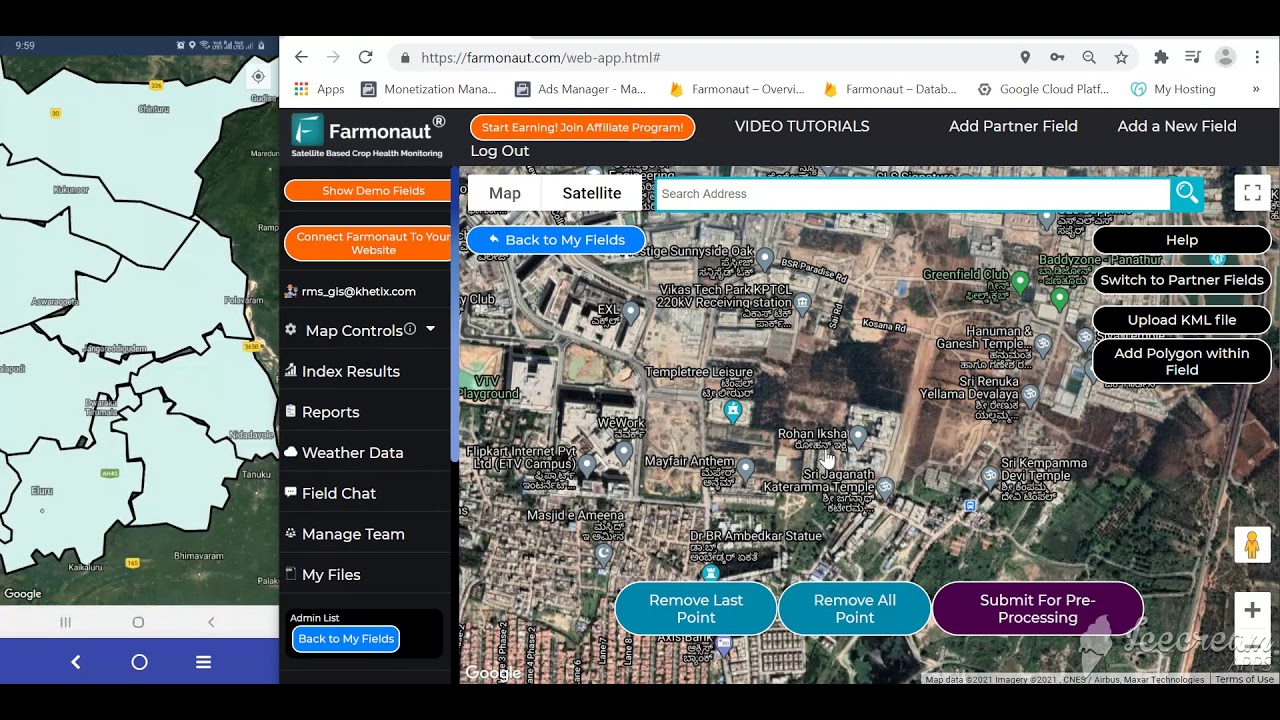
Adoption of Innovation: A Closer Look
- Even with moderating market expansion, innovation in machinery (precision sowers, AI monitoring, telematics) keeps investment appetite robust, especially among larger commercial and progressive farmers.
- Efforts to digitize and automate agricultural operations are expanding the equipment market beyond its traditional boundaries.
Farmonaut: Satellite-Driven Agriculture Innovation for 2024 and Beyond
As the landscape of agriculture 2024 becomes more complex and technologically advanced, tools that deliver real-time data and affordable insights are vital. Farmonaut is a leading satellite technology company providing agricultural operators, governments, businesses, and financial institutions with cost-effective resources for monitoring, optimization, and traceability.
-
Satellite-Based Monitoring:
- Multispectral satellite images allow for the continuous assessment of vegetation health (NDVI), soil conditions, and the state of machinery and infrastructure.
- This enables better decision-making and targeted in-field actions (see Farmonaut large-scale farm management).
- AI-Based Advisory Systems: Farmonaut’s Jeevn AI analyzes satellite data, delivering real-time insights on crop needs, weather, and best operational strategies, supporting smarter resource allocation and higher productivity.
- Blockchain Traceability: Utilizing blockchain for product traceability helps ensure transparent and secure agricultural supply chains, from farm to consumer.
- Fleet and Resource Management: Satellite-driven fleet management enables optimization of equipment logistics, reducing downtime and improving cost efficiency.
- Environmental Impact Monitoring: Carbon footprint tracking and regulatory compliance are made actionable using Farmonaut’s robust environmental monitoring tools.
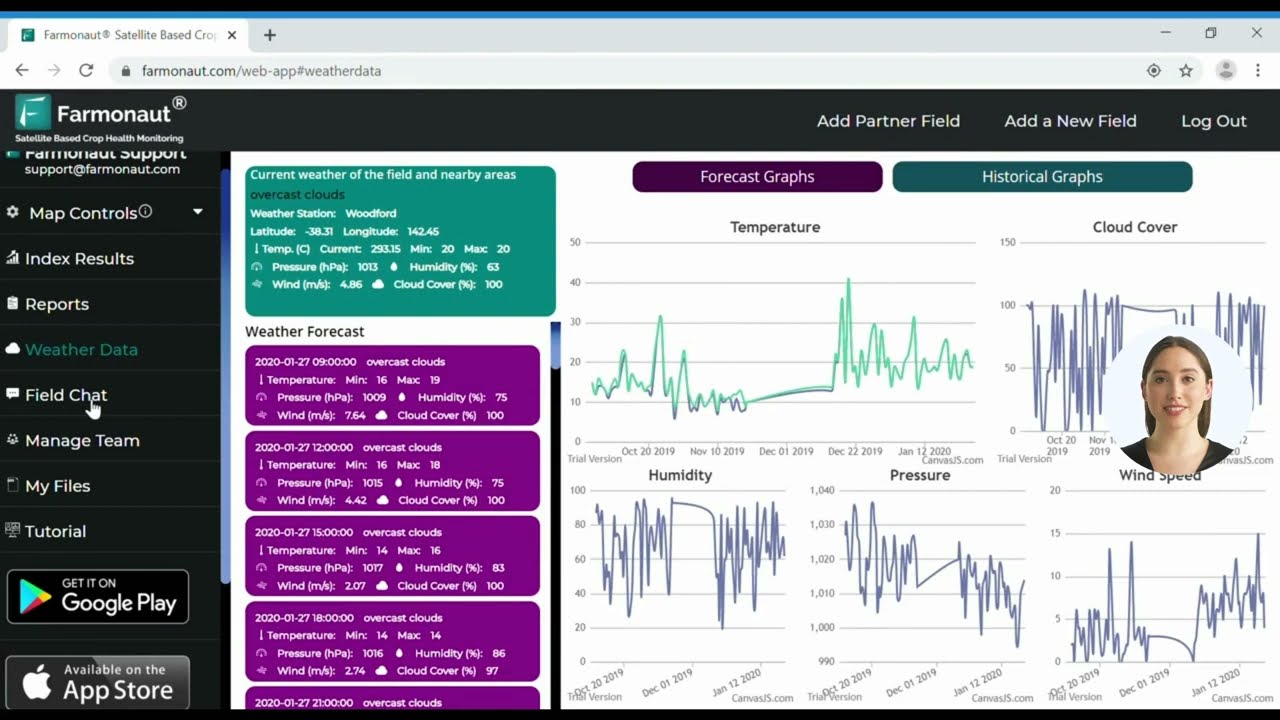
The Farmonaut platform is accessible via web app, Android, iOS, and API, making advanced agricultural monitoring available for operators of every scale.



For integration into custom workflows and agritech systems, Farmonaut provides a robust API for satellite data and insights as well as comprehensive API developer documentation.

Agriculture Equipment Loan Credit: Market Role, Availability & Trends
The availability and structure of agriculture equipment loan credit are central to the machinery market landscape, especially as capital requirements rise. In 2024 and into 2025, market trends highlight both opportunities and headwinds for farm financing:
- Flexible Loan Structures: Lenders, including banks and non-traditional fintech companies, are increasingly aligning repayment cycles with seasonal farm incomes—often providing grace periods till post-harvest sales.
- Government-Supported Loans and Subsidies: Many governments seek to accelerate technology adoption by subsidizing loan interest rates and providing guarantees for modernization.
- Fintech Innovations: New digital lending platforms speed up approvals and offer custom loan products based on farm data—sometimes utilizing satellite-based verification for lower operational risk and fraud reduction.
- Credit Accessibility Gaps: Tightening monetary policy in several regions has led to higher borrowing costs, prompting a careful balancing act between financing growth and risk management.

Impact on Farm Equipment Demand: Credit as an Enabler or Constraint
- Enabler: Accessible and affordable loan products (especially for precision tools and sustainability-oriented investment) are directly linked to demand growth.
- Constraint: When credit supply is tight or interest rates rise, purchase cycles lengthen, and producers may opt for maintenance or used markets over new assets.
Integrating Satellite-Driven Verification in Credit Ecosystems
As loan verification becomes more data-driven, satellite monitoring for crop status and yield potential is being integrated to drive efficiency, transparency, and lending decision speed—especially benefiting smallholder and mid-sized farms.
Farm Equipment Demand and Finance Outlook Table: 2023–2025
The following table captures annualized demand and key financial metrics across major farm equipment categories, summarizing estimated market trends and financing shifts vital for agriculture dive 2024 farm equipment demand outlook.
| Equipment Type | Year | Estimated Demand (YoY Change) | Avg. Equipment Price Trend | Avg. Loan Approval Rate (%) | Key Influencing Factors (2024–2025) |
|---|---|---|---|---|---|
| Tractors | 2023 | +12% | ↑ Up | 78% | Govt. incentives, high crop prices, tech upgrades |
| 2024 | +7% | ↑ Up (5-7%) | 74% | Input cost rise, mild supply chain stress, higher credit cost | |
| 2025E | +8% (forecast) | ↑ Up (3-5%) | 76% (if rates stable) | Improved income, digital lending, AI assistance | |
| Harvesters | 2023 | +14% | ↑ Up | 79% | Yield risk management, labor shortages |
| 2024 | +8% | ↑ Up (6%) | 75% | Equipment price rise, technology integration | |
| 2025E | +9% | → Moderate | 78% | Digital tools, used markets active, sustainability policies | |
| Irrigation Systems | 2023 | +8% | ↑ Up | 82% | Water crisis, government schemes, climate adaptation |
| 2024 | +6% | ↑ Up (4%) | 79% | Weather impacts, rising costs, sustainability | |
| 2025E | +7% | ↑ Up (3%) | 81% | Precision irrigation, AI integration, blockchain for water use | |
| Precision Tools | 2023 | +17% | ↑ Strong | 83% | AI/IoT adoption surge, farm management interest |
| 2024 | +10% | ↑ Up (7%) | 80% | Integration with smart platforms, financing innovation | |
| 2025E | +13% | ↑ Up (3%) | 85% | AI decision-support, digital compliance, carbon accounting |
Looking to 2025 and Beyond: What to Expect
The 2025 outlook for agriculture dive farm equipment demand suggests a market returning to measured growth following the moderation of 2024. Key expectations include:
-
Improved Commodity Prices & Farm Incomes:
Should crop market stability return, confidence in capital investment is expected to rebound. -
Accelerated Technology Adoption:
With more farmers recognizing ROI from AI, IoT, and digital sustainability tools, purchases of precision equipment are forecasted to outpace traditional categories. -
Expansion of Financing Options:
Ongoing innovation in credit and digital lending will facilitate broader access to advanced machinery. -
Emphasis on Sustainability & Compliance:
Stricter environmental and social governance (ESG) requirements will continue to shape both equipment features and financing criteria. -
Lingering Economic Uncertainty:
Inflation risks and global economic headwinds will remain, prompting a focus on flexible automation, efficient asset utilization, and margin protection strategies.
Strategic Recommendations for Stakeholders
-
For Farmers:
- Explore affordable loan/credit options aligned with operational cash flows.
- Use platforms like Farmonaut for resource management, real-time monitoring, and compliance reporting (large-scale management,
traceability). - Make strategic upgrades in sustainability, automation, and telemetry.
-
For Financial Institutions & Lenders:
- Leverage satellite-driven verification data to de-risk lending (see farm loan/insurance service by Farmonaut).
- Design flexible and accessible products, especially for small and mid-sized operations.
- Monitor for regulatory and macroeconomic risks, and adjust terms proactively.
-
For Manufacturers & Dealers:
- Invest in digital upgrades for equipment, partner with software solution providers.
- Expand offerings in both precision tech and aftermarket services.
- Structure bundled packages with connected finance, data monitoring, and regulatory compliance.
Access Farmonaut’s Subscription-Based Services for 2025
Farmonaut provides scalable, subscription-based access to
real-time farm monitoring, AI analytics, and resource management tools that empower all stakeholders—ranging from individual farmers to financial institution managers to government policy-makers.
Learn more about Farmonaut Large Scale Farm Management Solutions
FAQ: Agriculture Dive 2024 Farm Equipment Demand Outlook
-
What is the forecast for farm equipment demand growth in 2024 and 2025?
Demand is projected to grow by around 7% in 2024, with a potential acceleration to 8–10% in 2025 if commodity prices stabilize and access to loan credit remains favorable. -
What are the main factors causing the current slowdown in new farm equipment purchases?
The slowdown is due to commodity price volatility, rising equipment/input costs, lingering supply chain issues, and higher borrowing costs. -
How important is equipment loan credit in today’s market?
Access to affordable and flexible credit directly enables new purchases. Innovative verification (e.g., satellite-based) and government-backed lending facilitate demand—especially for small and mid-sized farmers. -
How can technology help farmers facing labor and resource challenges?
Adoption of AI, satellite-based monitoring, and automation (e.g., Farmonaut’s Jeevn AI and real-time farm monitoring) helps optimize labor use, conserve resources, and improve production resilience. -
How will sustainability and regulatory compliance shape equipment demand?
Options for low-emission equipment, precision irrigation, and integrated carbon tracking will grow, driven by compliance requirements and buyer demands for traceable, responsibly produced crops. -
Where can I access Farmonaut’s data-driven tools for agriculture?
Use the web app, Android app, or iOS app. For API access, see Farmonaut API with developer docs.
Conclusion: Shaping the Future of Farm Equipment & Financing
The agriculture dive 2024 farm equipment demand outlook describes a market transitioning from rapid expansion to a phase of balanced, nuanced growth—shaped by complex economic, technological, and financial factors. While demand growth is moderating in 2024 following previous years’ booms, the fundamentals driving machinery purchases—sustainability, digitalization, regulatory compliance, and accessible agriculture equipment loan credit—remain robust.
For farmers and stakeholders, strategic investments in technology and financing, alongside flexible operational responses, will determine resilience and competitiveness in 2025 and beyond. Platforms like Farmonaut, offering affordable, data-driven agriculture solutions via satellite monitoring, AI insights, blockchain traceability, and fleet/resource optimization, will be center stage for optimizing productivity, compliance, and confidence in future growth.
As we look forward, a proactive embrace of innovation, sustainability, and tailored financial solutions is how the agriculture sector will thrive amid uncertainty and opportunity alike.
Discover how satellite-based verification can streamline crop loans and insurance
Track your carbon footprint with Farmonaut for more sustainable farming
Learn more about managing large-scale farm operations efficiently
Implement end-to-end product traceability for market and compliance benefits
Explore digital fleet management for effective farm machinery utilization
For real-time agriculture insights, download our apps:
References: For more information, visit the Farmonaut website.
Prepared for stakeholders committed to building future-ready, resilient agricultural operations in a rapidly evolving landscape.

 Native Seeds
 Fresh Platter
 Andex
Andex FCF India
 Unifrutti Gulf
 Deluxe Conseil
 TVS Electronics
 BW Pipelines
 WICO
WICO Gen Chayat
 Chimera Innovation
 SkyHarvest
 Polaris Digitech
 Teledarbas
 Wild Oak Farm
