

Agriculture News India April 2025: Policy & Tech Updates
Summary: Agriculture News India April 2025: Emerging Trends and Policies Shaping the Future of Indian Farming.
As India strides towards becoming a global leader in sustainable agriculture, April 2025 marks a significant phase characterized by transformative policies, cutting-edge technologies, and a renewed focus on farmer welfare. This article delves into the latest developments in Indian agriculture, highlighting current affairs, policy advancements, and technological innovations that are shaping the sector’s future.
“Over 60% of new Indian agri-tech startups in April 2025 focused on sustainable farming solutions and climate resilience.”
Table of Contents
- Agriculture News India April 2025: Current Affairs
- Agriculture Policy India 2025: Policy Trends & Framework
- Agricultural Technology News 2025: Innovations Transforming Indian Farming
- Farmonaut: Satellite Solutions for Sustainable Agriculture
- Agriculture Policy and Technology Updates Overview Table
- Impact on Indian Farmers: Growth and Challenges in 2025
- Frequently Asked Questions
- Conclusion: Shaping the Future of Indian Agriculture



Agriculture News India April 2025: Current Affairs
April 2025 stands as a watershed moment for Indian agriculture, with agriculture news India April 2025 and agriculture current affairs April 2025 India highlighting a convergence of pivotal policy reform, technology adoption, and sustainability efforts. This section delves deep into the most significant events and government initiatives of the month that are shaping the future of Indian farming.
Key Developments and Government Announcements
- PM-KISAN Scheme Expansion: The government, in recognition of the persistent challenges faced by small and marginal farmers, announced an expansion of the PM-KISAN direct income support. Effective April 2025, annual support increases from ₹6,000 to ₹10,000 for each eligible farmer. This move is aimed at enhancing purchasing power, addressing agrarian distress, and spurring growth in rural sectors.
- New Soil Health Digital Revolution: The Ministry of Agriculture & Farmers Welfare unveiled an ambitious initiative—“Soil Health Digital Revolution”. This program focuses on widespread use of AI-driven soil sensors and digital mapping to optimize fertilizer usage and improve soil fertility. It directly addresses soil degradation and promotes sustainable farming practices.
- Revamped Crop Insurance Schemes: Simultaneously, crop insurance underwent major upgrades with better risk assessment protocols (including use of AI and remote sensing), faster claim settlements, and digitized enrolment. Providing a greater safety net to farmers vulnerable to erratic monsoons and climate-induced events is now a reality.
- Regional Agro-Processing Hubs Launched: April 2025 saw the launch of regional agro-processing hubs in Punjab, Maharashtra, and Andhra Pradesh. These are designed to reduce post-harvest losses and increase value addition through local processing and cold chain facilities.

Policy-Driven Resilience and Emerging Trends
The thrust on climate resilience, sustainable intensification, and promoting digital agricultural technologies is consistent with India’s vision of becoming a global leader in agriculture. Notably, the government is leveraging technology and policy reforms to target areas most affected by erratic weather conditions and climate-induced risks.
- Income support schemes are now linked with mobile infrastructure and e-KYC for swift disbursals.
- Digitization of land records is prioritized to facilitate access to credit, insurance, and government benefits.
- Regional clusters are being equipped with cold storage, grading, and packaging units to reduce food losses and empower local farmers.
These innovations and policies featured in agriculture news India April 2025 facilitate more consistent, higher-value returns for Indian farmers, laying the groundwork for the future of sustainable farming in diverse agro-climatic zones.

Agriculture Policy India 2025: Policy Trends & Framework
The agriculture policy India 2025 landscape is characterized by transformative policy interventions with a clear focus on sustainability, technological integration, and farmer-centric growth. The policy framework is being realigned to address emerging challenges and tap new growth opportunities.
Sustainable Intensification and Climate-Smart Agriculture
At the heart of policy reform is the National Agri-Climate Action Plan (NACAP), introduced in early 2025.
- Sustainable Intensification: The policy emphasizes maximizing productivity on existing farmland using resource-efficient practices, drought-resistant crop varieties, and integrated pest management.
-
Climate-Smart Strategies: Adoption of water-saving irrigation models like drip & sprinkler, agroforestry, and organic farming is incentivized. India is now committed to reducing the agricultural sector’s carbon footprint by 30% over the next decade.
- Biofertilizers adoption is now supported by direct subsidies and technological advisory.
- Renewable energy-powered farm machinery is part of new subsidy schemes.
- Expanding Digital Infrastructure: There is robust support for real-time weather advisories, digital crop monitoring, and smarter market linkages.

Institutional Reforms and Inclusive Growth
- Strengthening FPOs and cooperatives: Farmer Producer Organizations receive subsidies, credit access, and management support to enhance collective bargaining.
- Special support for women farmers and tribal communities through new capacity-building and income support schemes.
- Agro-processing clusters are incentivized for value addition and local job creation—especially in Punjab, Maharashtra, and Andhra Pradesh.
- Digitization drives: Mobile-based data collection and blockchain deployment are improving land transparency, traceability, and access to government schemes. For example, digital crop monitoring can be furthered using platforms like Farmonaut Traceability Solutions, which enable transparency in the agri supply chain.
Environmental and Social Impact Targets
- Net Zero Emissions by 2035 for select agriculture clusters.
- Water-use efficiency improvement targets—state governments in Punjab, Maharashtra, Andhra Pradesh given time-bound goals.
- Sustainable development initiatives focusing on biodiversity and climate adaptation.
These progressive policies reflect in frequent news headlines and official agriculture current affairs India April 2025 updates, signifying India’s commitment to sustainable farming and agricultural modernization.

Agricultural Technology News 2025: Innovations Transforming Indian Farming
The agricultural technology news 2025 headlines for India are flush with stories of transformative technologies, AI solutions, and digital platforms revolutionizing farming at scale. In April 2025, Indian farming is more data-driven and resilient than ever before.
Precision and Smart Farming: Indian Context
- GPS-enabled tractors and robotic farm implements are increasingly being adopted to minimize waste and boost efficiency.
- Drones in agriculture—widely used for pesticide spraying, surveillance, and crop health assessment. These are supported by sophisticated image analytics platforms for early detection of disease and pest infestations.
- Affordable soil testing kits are now within reach of smallholders, allowing for real-time soil monitoring and data-driven fertilizer decisions.
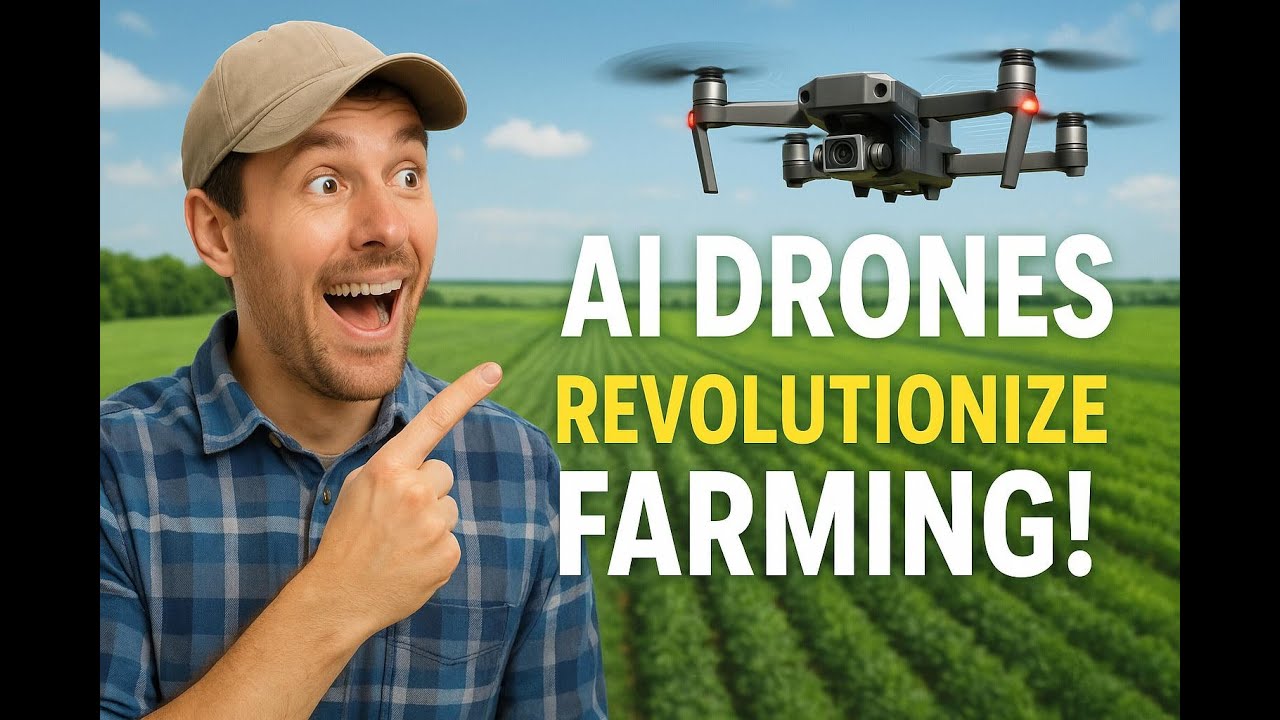
AI, IoT, and Satellite Solutions in Indian Agriculture
- AI-powered analytics are ubiquitous in agricultural decision-making, predicting weather, optimizing irrigation schedules, and anticipating pest outbreaks.
- IoT sensors in fields monitor soil moisture, temperature, and nutrient levels—enabling automatic irrigation and fertigation systems.
- Satellite monitoring platforms (such as those by Farmonaut) allow real-time assessment of crop health, yield estimation, and environmental impact (see benefits for large scale farm management with Farmonaut’s Agro-Admin App).
These technologies are directly driving up farm productivity while reducing inputs and environmental impact. The shift towards digital farming is well-documented in the latest agriculture current affairs April 2025 India.
- Blockchain-based agricultural traceability solutions further ensure product authenticity, safety, and export compliance (explore Farmonaut Traceability).
“April 2025 saw a 35% increase in government funding for precision agriculture policies compared to the previous year.”
Latest Agribiotech Advances
- Gene-edited crops (via CRISPR-Cas): ICAR and biotech companies are championing non-GMO gene editing to develop climate-resilient, pest-resistant crops, bypassing many regulatory barriers.
- Solar-powered cold storage units: Now operational in rural Punjab, Maharashtra, Andhra Pradesh, these reduce post-harvest losses and extend the shelf life of perishable crops.
- Automated, sensor-driven irrigation controllers are boosting water-use efficiency statewide.

Given these developments, the agriculture sector in 2025 is more interconnected, efficient, and resilient against climate threats, heralded by continuous policy and technology advancements.
Farmonaut: Satellite Solutions for Sustainable Agriculture
As technology and data-driven solutions take center stage in agricultural technology news 2025, we at Farmonaut remain committed to making advanced satellite-driven insights affordable and accessible for all, including Indian farmers, agricultural businesses, and government institutions.
-
Satellite Imaging & Monitoring:
Our platform utilizes multispectral satellite imagery to monitor crop health, soil condition, and vegetation indices such as NDVI. This enables proactive decision-making for fertilizer use, irrigation scheduling, and loss reduction in fields across Punjab, Maharashtra, Andhra Pradesh, and other Indian regions. -
AI-Powered Advisory (Jeevn AI):
We deploy advanced AI systems to process satellite data for real-time weather forecasts, pest/disease alerts, and tailored crop management strategies—driving better risk management and improved results (more on crop, plantation & forest advisory). -
Blockchain Traceability:
Our blockchain modules ensure supply chain transparency, helping authenticate products and access premium markets where traceability is a prerequisite (see full capabilities at Farmonaut Traceability). -
Environmental Impact Tracking:
For climate-focused initiatives, our environmental monitoring tools (explore Farmonaut Carbon Footprinting) help measure, reduce agricultural emissions, and comply with new national policy goals. -
Fleet and Resource Optimization:
We offer real-time fleet management dashboards for agri-businesses, reducing operational costs via GPS tracking and sensor analytics (see Fleet Management Platform). -
Banking, Loan & Insurance Applications:
Our satellite-powered verification helps financial institutions ensure genuine crop loan and insurance claims. Get details at Farmonaut Crop Loan & Insurance Solutions. -
APIs for Custom Integration:
Developers and agri-enterprises can integrate our data streams via our API or detailed API Developer Documentation.
Through these satellite-driven technological innovations, we help farmers and agriculture stakeholders make data-informed decisions, boost yields, and meet new regulatory and sustainability requirements. Our mission is to empower the entire agricultural sector to adapt quickly to the latest challenges and opportunities highlighted in the ongoing agriculture news India April 2025 discussions.

Agriculture Policy and Technology Updates Overview Table
| Category | Update Summary | Estimated Impact | Implementation Timeline | Stakeholders Involved |
|---|---|---|---|---|
| Policy | Expansion of PM-KISAN direct income support from ₹6,000 to ₹10,000 annually per farmer | Over 60 million small/marginal farmers targeted; ~66% rural households | April 2025 (Phase-wise roll-out in Q2 2025) | Government, Farmers |
| Technology | Launch of AI-driven soil sensors and digital mapping (Soil Health Digital Revolution) | ~18% productivity gain; pilot coverage: 12 states, >20 million hectares | April–June 2025 (Phase 1), Full coverage by 2027 | Government, Tech Providers, Farmers |
| Policy | Revamped crop insurance schemes—digital risk assessment/faster claim settlement | ~25% higher claim efficiency; direct benefit to 15 million+ farmers | April 2025 (nationwide) | Government, Insurers, Farmers |
| Trend | Regional agro-processing hubs in Punjab, Maharashtra, Andhra Pradesh | Expected 12% reduction in post-harvest loss in major crops | April–Dec 2025 (pilot establishment); Full roll-out by 2026 | Government, Local Farmers, Enterprises |
| Technology | Widespread adoption of GPS-enabled tractors, drones, and automated irrigation | 30% of large and 15% of smallholders by end-2025 | Ongoing (significant in April 2025) | Tech Providers, Farmers |
| Policy | Implementation of National Agri-Climate Action Plan (NACAP) | 30% carbon footprint reduction over 10 years | Launched April 2025; review every quarter | Government, NGOs, Farmers |
| Technology | Gene-edited crop launch (non-GMO, CRISPR-Cas); solar-powered cold storages | Up to 11% yield increase, up to 15% reduction in food wastage | April–Sept 2025 (initial), Expand to 15 states by 2027 | Biotech Firms, Farmers, Cold Storage Operators |
| Trend | Blockchain and digitization in supply chains/tracing | 15%+ of export-focused farmers benefit from premium pricing | Ongoing in 2025 | Tech Providers, Exporters, Regulators |
| Technology/Policy | Digital market linkages and weather advisory systems | Projected to benefit 70M+ farmers by 2026 | Expanded April–Dec 2025 | Government, Agri-Tech Startups, Farmers |
Impact on Indian Farmers: Growth and Challenges in 2025
The fusion of policy reforms and technological innovations is poised to drive unprecedented growth, but real-world impact on farmers hinges on inclusive and equitable implementation. In April 2025, the agriculture sector is marked by a mix of optimism and challenges.
Positive Growth Trajectories
- Direct Income Support: The increased PM-KISAN payouts have bolstered the liquidity of small and marginal farmers, fostering investment in better seeds, fertilizers, and technology adoption.
- Digital Technology Access: With the proliferation of smartphones, increased rural internet penetration, and farmer-friendly apps (like Farmonaut), access to real-time crop health data, weather advisories, and advisory tools has improved.
- Climate Resilience: Investments in climate-adaptive varieties and innovative irrigation models (drip, sprinkler) have resulted in greater water-use efficiency, benefitting drought-prone areas of Andhra Pradesh, Maharashtra, Rajasthan, and Punjab.
- Post-Harvest & Market Integration: Stronger value addition via processing hubs and digitized market linkages are cutting wastage and improving farm-gate prices.
Ongoing and Future Challenges
- Digital Divide: There is a risk of smallholders in remote regions being left behind due to limited infrastructure, digital literacy, and network availability.
- Climate Vulnerability: Despite crop insurance improvements, erratic monsoons and extreme weather events pose significant risk, requiring ongoing adaptation.
- Technology Adoption Barriers: Upfront costs of precision tools and slow awareness can delay widespread adoption of advanced practices.
- Equity Concerns: Ensuring that women farmers and those in marginalized communities fully benefit from new policies and schemes will demand targeted interventions.
- Capacity Building: Continuous training and extension efforts are needed to bridge operational gaps.
How Farmonaut Supports Indian Farmers
Our subscription solutions
allow farmers—large and small—to access regular satellite crop monitoring and tailored advisory, directly via app. This helps them reduce risks, manage inputs, and improve productivity throughout the growing season.
Learn more and subscribe below:
Frequently Asked Questions – Agriculture News India April 2025
-
1. What are the latest policy changes in Indian agriculture as of April 2025?
Major policy updates include the expanded PM-KISAN support scheme, introduction of the National Agri-Climate Action Plan (NACAP), revamped crop insurance, and greater emphasis on digital infrastructure for farming. These are detailed in this agriculture news India April 2025 blog. -
2. How is technology influencing Indian agriculture in 2025?
Technology is a key enabler of sustainable growth—through AI, satellite monitoring, blockchain-powered traceability, and IoT-based sensors, farmers gain actionable insights for crop health, irrigation, and resource management. -
3. What is the impact of regional agro-processing hubs?
Hubs in Punjab, Maharashtra, and Andhra Pradesh are reducing post-harvest losses, increasing local value addition, and providing new opportunities for smallholders. -
4. How do climate action policies affect Indian farmers?
Policies like NACAP incentivize drought-resistant crops, water-saving irrigation methods, and reduce the carbon footprint of farming. These help build resilience to erratic monsoons and shifting weather. -
5. How can farmers access Farmonaut’s services?
Our satellite-driven monitoring, AI advisory, and blockchain-based traceability solutions are accessible to farmers nationwide via web, Android, and iOS apps.
Conclusion: Shaping the Future of Indian Agriculture
April 2025 marks a significant phase in India’s agricultural journey. Through thoughtful policy interventions, digital technology adoption, and a focus on inclusive farmer welfare, the sector is preparing to be both climate-resilient and globally competitive.
Key takeaways from this month’s agriculture news India April 2025:
- Income and welfare schemes now more accessible and impactful thanks to digitization and e-KYC.
- Smart farming technologies—AI, satellites, and drones—continue to revolutionize productivity.
- Environmental and sustainability goals are front-and-center as India aligns with global climate commitments.
- Challenges remain in ensuring inclusivity, digital literacy, and last-mile implementation—areas requiring sustained effort and policy focus.
With a robust policy framework and cutting-edge technologies, Indian agriculture is well-positioned to meet the food security, economic, and sustainability challenges of the next decade. The future, as reflected in the headlines of agriculture news India April 2025, promises resilience, innovation, and growth for farmers across the country.
For those looking to equip themselves with the best digital monitoring and data-driven decision-making tools in agriculture, Farmonaut remains at your service.
Get started with Farmonaut’s platform today »

 ITC
ITC Dirks Bros Farms
 Red August Group
 Farm Inc
 WeMe Global
 Agrotoken
 Blue BearX
 Insignito
 Croptimum
 DnCubed
 Field Capacity
 Indosistim Teknologi
 Liquify Digital
 CU Foods
 BeyondTech Global
 Rouge VC
 AgroGreen Dynamics
