

Agriculture Trade News 2026: Global Trends & Updates
“Sustainable agriculture practices could influence up to 35% of all international trade deals by 2025.”
Summary: Navigating Agricultural Trade in 2025-2026
Stepping into 2025 and approaching 2026, agriculture trade news signals a time of profound change. The backbone of global food security—the agricultural sector—is being reshaped by fast-evolving technological, environmental, and economic factors. Today, trading patterns, market access, and policy frameworks are driven not only by consumer demand and productivity, but also through the lens of sustainability, climate resilience, and digital integration.
From new green trade corridors to the transformative power of digital technologies in the global market, stakeholders—especially farmers, exporters, agribusinesses, and policy-makers—must navigate shifting landscapes. As developing economies seek more export opportunities and the world’s key regions battle climate impacts, the need for innovation, adaptation, and informed decisions is more crucial than ever.
In this comprehensive guide, we decode the latest agriculture trade trends, challenges, and opportunities—equipping you to understand, prepare, and thrive in the changing global trade landscape heading into 2026 and beyond.
Emerging Trade Trends in Agriculture: 2025 & Beyond
Agricultural trade is undergoing significant transformations as countries respond to rapidly shifting demand, technology adoption, and an urgent sustainability imperative. Several trends are reshaping how agricultural produce is grown, processed, tracked, traded, and consumed globally.
Recent agriculture trade news reveals that the sectors most adaptable to digitalization and eco-friendly practices gain the quickest access to premium markets and enjoy long-term export resilience.
- ✅ Growing importance of sustainability: Environmental and sustainability standards are now embedded in many international trade agreements.
- 🌎 Market shifts towards value-added exports: There’s a clear shift from commodity raw exports towards processed goods and traceable, certified crops.
- 🔗 Value chain integration: Exporters are using digital tools to link smallholders into global value chains, increasing market inclusivity and reducing losses.
- ⚡ Resilient supply chains: Against volatile climate and geopolitical influences, agility and global supply chain transparency have never been more important.
As the agricultural news cycle increasingly covers climate challenges, rapid technological integration, and competitive market access, it’s clear the milestones set in 2025 will define contenders in 2026 and beyond.

Sustainability and Green Trade Corridors
Sustainability is not a buzzword—it’s become a minimum requirement for trade participation in many leading markets. In 2026, agriculture trade increasingly revolves around the creation of “green trade corridors”. These are routes where only certified sustainable produce—grown under reduced carbon footprint and eco-friendly practices—enjoys preferential, sometimes tariff-free, access to lucrative markets.
For example, the European Union (EU)’s updated Common Agricultural Policy (CAP) enforces stricter sustainability standards and carbon metrics, directly influencing importers, member states, and partner countries. By 2026, countries not aligned risk losing competitiveness in European markets.
- 🚜 Pro Tip: To maximize export opportunities into Europe and similar blocs, invest early in carbon footprinting and get produce certified for sustainability.

Use the Farmonaut web and mobile app to track carbon emissions from farming and streamline compliance for green trade corridors and sustainability initiatives.
Countries heavily reliant on agricultural exports are also updating their regulatory frameworks to meet rising consumer demand for transparency and sustainability—propelling the spread of blockchain-based traceability solutions.
In 2025-2026, agricultural news shows that sustainability-backed certification (like carbon-neutral or organic) enjoys up to 20% higher trade premiums than conventional exports—especially in the EU and Japan.
Digital Innovations Shaping Agriculture Trade News
The rapid adoption of digital technologies is one of the most transformative trends influencing agricultural trade. From remote sensing and IoT-based chain tracking to AI-driven analytics and blockchain verification, digitalization empowers farmers, exporters, and government agencies to:
-
✔
Forecast demand and supply: AI-powered market analytics anticipate market shifts and price fluctuations, helping optimize production and exports. -
📊
Track produce from farm to fork: Blockchain enables real-time traceability—crucial for food safety, anti-fraud, and compliance with stringent phytosanitary standards. -
⚡
Reduce losses: Digital logistics and cold chain tracking minimize post-harvest losses, maximizing profitability. -
🌐
Enable smallholder integration: Mobile apps and digital platforms increase smallholder farmers’ access to export opportunities and international markets.

Farmonaut’s product traceability platform leverages blockchain to deliver end-to-end transparency, proof of origin, and real-time monitoring for crops—easing compliance with export standards and building consumer trust.


Download our apps and experience seamless digital integration, ensuring your produce meets the global market’s most demanding standards.
Many exporters still rely on outdated, paper-based records for compliance or certification. In 2026, such practices can delay shipments or cause outright rejections at major ports due to new digital-only regulations.
Geopolitical Influences & Policy Shifts in Agricultural Trade
Agriculture trade news from around the world highlights the defining geopolitical and policy shifts shaping global flows—particularly food sovereignty and market protectionism.
- 🛑 Food sovereignty policies: More countries are prioritizing domestic production to reduce dependency on volatile imports. This influences production incentives and may restrict certain exports for local security.
- ⚠ Protectionist tariffs and barriers: Trade tensions—such as the 2025 China–Canada canola dispute—often result in high tariffs or non-tariff barriers, pressuring market access.
- 🤝 Renewed international engagement: Bodies such as the World Trade Organization (WTO) advocate open trade to avoid shortages and stabilize food security worldwide.

Monitor trade news and policy updates across major blocs—sudden tariff changes or export bans can quickly reshuffle market share and profit margins, especially in grains, oilseeds, and pulse markets.
Climate Change Impact on Agricultural Trade Patterns
Climate change is the most formidable, unpredictable factor reshaping agricultural trade news as yields become volatile, and market access is threatened by supply disruptions. Erratic weather patterns, chronic drought, and extreme events—like the 2025 European floods—cause both regional booms and busts, requiring a reevaluation of trading patterns.
- 🌾 Shift in crop suitability: New opportunities arise as temperate nations experiment with subtropical crops like avocados, pulses, and specialty grains due to a warming climate.
- 🔥 Pressure on export reliability: Countries like India, Brazil, and parts of Africa are investing in climate-resilient crop varieties and adaptive farming practices to secure their export profiles.
This dynamic has already led to the emergence of “climate smart” branding—labeling produce with sustainability, resilience, and low-carbon credentials.
Adopting climate-resilient crops and digital monitoring can provide a hedge against unpredictable yields and position farmers for premium global demand.
Explore Farmonaut’s crop plantation and forest advisory app for real-time, satellite-driven insights on crop health and climate risk—helping farmers adapt and remain competitive internationally.
Global Market Dynamics & Changing Trade Flows
International agriculture trade in 2026 will be characterized by fluid market shifts, changing trade flows, and the rapid evolution of new export destinations.
- ⬆ Sub-Saharan Africa’s export boom: Market access improvements, especially after bans are lifted, signal new intra-African trade flows and partnerships with Asia.
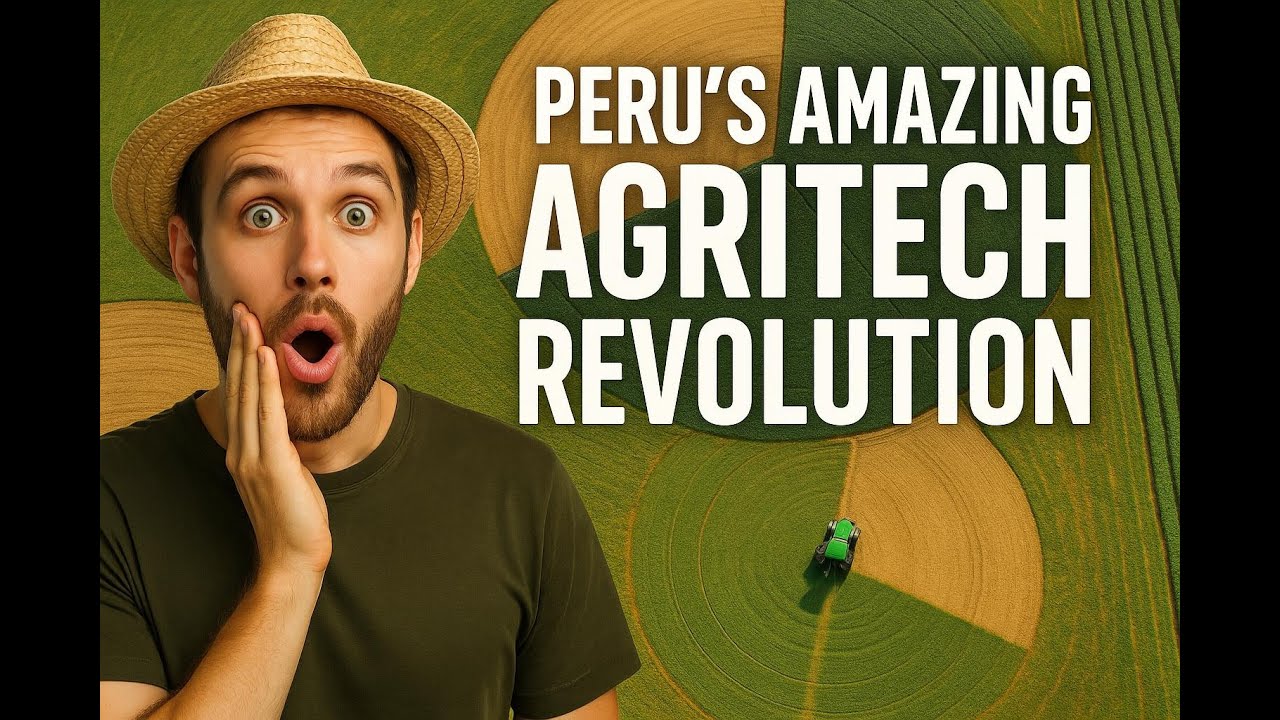
- 🌽 Latin America’s premium market push: Countries like Peru leverage large-scale irrigation and AI-powered farming to enter new, higher-value markets.

Key Market Shifts to Watch:
- 🔹 Asia’s demand: China and Southeast Asia continue to drive up demand for oilseeds, grains, and premium fruits.
- 🔹 Middle East & North Africa (MENA): Investments in AgTech and food security are shifting trade dependencies.
- 🔹 European Union: Leading initiatives in sustainable certification and eco-trade arrangements.

Leverage digital market intelligence and large-scale farm management tools to adapt quickly to new global demand and optimize for rapidly shifting pricing signals.
Opportunities for Developing Economies & Smallholders
Developing economies remain both the most vulnerable and potentially the most dynamic players in agricultural trade. With the right technological integration, new infrastructure, and inclusion in global value chains, these regions can secure unprecedented opportunities, boost rural livelihoods, and reduce poverty.
- 🪙 Access to financing: Digital verification for loans and crop insurance helps smallholders invest in quality inputs and reach export scale.
- 🚛 Logistical breakthroughs: Mobile-based fleet management streamlines produce delivery, cutting costs and spoilage for rural exporters.
- 🌱 Sustainable farming: Widespread digital advisory tools make regenerative and eco-friendly practices accessible for farmers at any scale.


Five Major Benefits for Developing Economies 2025-2026
- 🌟 Empowerment of smallholder farmers through mobile advisory platforms and real-time market alerts
- 📈 Increased export competitiveness via compliance with new standards and traceability
- 🌱 Sustainable growth and food security from eco-farming and green corridor access
- 💡 Technology-led cost reduction (less waste, efficient logistics)
- 🌍 Stronger integration into global value chains
Export Diversification
Moving beyond raw commodities to value-added, processed goods increases resilience to market shocks.
Digital Marketplaces
Real time farm-to-export tracking enables remote participation in international contracts and pricing updates.
Explore Farmonaut’s API for integrating satellite-based crop and market data directly into your agribusiness or cooperative workflow. See API developer docs for technical details and integration support.
Agricultural trade news confirms: Integration of satellite-based monitoring, AI analytics, and digital finance is critical for smallholders aiming for export growth and resilience in the face of climatic and market risks.
Beyond agriculture, satellite and geospatial innovations are opening up export tracking, carbon credit monetization and efficient logistics for mining, infrastructure, and resource management businesses worldwide.
Global Agricultural Trade Trends (2025 vs. 2026 Estimated)
| Region/Country | Major Exported Commodities | 2025 Est. Export Value (USD Billion) | 2026 Proj. Export Value (USD Billion) | % Change YoY | Notable Trend/Update |
|---|---|---|---|---|---|
| USA | Corn, Soybeans, Meat, Cotton | $173 | $181 | +4.6% | Precision Ag adoption, climate adaptation, export volatility due to tariffs |
| European Union | Wheat, Wine, Dairy, Fruits | $154 | $159 | +3.2% | Sustainability standards, green corridors, digital traceability |
| Brazil | Soybeans, Beef, Coffee, Sugar | $89 | $94 | +5.6% | Infrastructure investment, climate-resilient crops, MENA growth |
| India | Rice, Spices, Cotton, Tea | $53 | $58 | +9.4% | Export-market digitization, farm-to-export marketplaces, traceability |
| China | Fruits, Tea, Vegetables, Seafood | $84 | $88 | +4.8% | Import substitution, self-sufficiency goals, premium produce trade |
| Africa (SSA) | Cocoa, Coffee, Fruits, Nuts | $29 | $33 | +13.8% | New trade routes, regional integration, digital finance for smallholders |
| Australia | Wheat, Beef, Wool, Barley | $58 | $61 | +5.2% | Climate resilience, premium branded export markets |
| Russia & CIS | Wheat, Barley, Sunflower Oil | $31 | $32 | +3.3% | Trade with Middle East, infrastructure modernization |
| MENA Region | Dates, Citrus, Vegetables | $19 | $21 | +10.5% | AgTech, food security investments, digital supply chains |
Export value data is based on current trends in agriculture trade news, WTO filings, and regional developments as reported in global agricultural news. Continued digital and sustainability adoption underpins projected growth rates for 2026.
Trade Risk: Climate Volatility
Yields and supply flows are subject to sudden weather shifts—risk mitigation using digital & satellite monitoring is essential.
Compliance Burden
Meeting multi-continental certification and traceability requirements slows trade—automation and digitization are key enablers.
How Farmonaut Empowers Agricultural Trade Stakeholders
In the era of agriculture trade news dominated by digital transformation, sustainability demands, and climate unpredictability, Farmonaut stands out as an enabler for decision-makers at every stage of the value chain:
- 🛰 Real-Time Satellite Monitoring: Farmonaut’s web, Android, and iOS apps deliver detailed, accessible crop health and weather analytics, empowering users to respond quickly to market shifts and climatic events.
- 🔒 Blockchain-Based Traceability: Secure end-to-end proof for every shipment—vital for compliance with global trade standards and building buyer trust internationally.
- 💹 Resource and Fleet Management: Tools for businesses of all sizes—from farmer cooperatives to global exporters—optimize logistics and reduce costs.
- 📈 AI-Driven Advisory: The Jeevn AI advisory system helps users implement best practices and streamline yields, maximizing export potential and adaptation.
- 🌍 Scalability & Affordability: Modular, cost-effective subscription models bring satellite-driven insights to everyone from rural smallholders to national agencies (large-scale farm management).
Our mission is to democratize access to critical, digital information for all businesses, users, and governments, fueling resilient, transparent, and sustainable agricultural development.
Farmonaut apps are available on Android and iOS for instant satellite-driven visibility and advisory, wherever you are.
FAQ: Agriculture Trade News 2026
A: Sustainability regulations, digital adoption (blockchain, AI, satellite monitoring), climate change adaptation, and shifting geopolitical policy will dominate global agricultural news and trading patterns.
A: Green corridors are trade routes or market access arrangements where only produce certified for eco-friendly, low-carbon, or regenerative practices enjoys preferential (often tariff-free) treatment.
A: Increasingly, markets require end-to-end digital records to ensure food safety, origin, and ethical practices—failure to comply can mean denied access or severe penalties, as reported in the latest agriculture trade news.
A: By using mobile apps, digital traceability, and satellite insights, smallholders can meet certification standards, access direct financing or insurance, and join export-driven value chains.
A: Real-time data enables early detection of crop stress, optimization of logistics, compliance with sustainability standards, and resilience to climatic and market disruptions—core advantages highlighted in global agricultural news.
Conclusion
Agricultural trade in 2026 stands at a crossroads of innovation, resilience, and opportunity. For farmers, businesses, policymakers, and stakeholders worldwide, success hinges on embracing rapid technological integration, sustainability initiatives, and new market dynamics. Digital platforms, satellite analytics, traceability solutions, and AI-driven policy support are critical for navigating challenges and capturing new value.
As we move forward, continued investment in infrastructure, open access to digital tools, and collaborative frameworks will anchor the next era of agriculture trade news and industry leadership. The future is both demanding and promising—built on data, transparency, and the ability to adapt in a rapidly evolving global landscape.
Stay current with the newest agriculture trade news and empower your growth in the global market:
Learn more at Farmonaut.com

 ZOL Zimbabwe
 Innomick
 Juligerm
 AdBio
AdBio MISE Maroc
 Drift-Sense
 NWNS
NWNS Red August Group
 Farm Inc
 WeMe Global
 Agrotoken
 Blue BearX
 Insignito
 Croptimum
 DnCubed
 Field Capacity
 Indosistim Teknologi
 Liquify Digital
