

Almond Industry News October 2025 & Harvest Updates
“California almond production reached 2.9 billion pounds in October 2025, a 5% increase from the previous year.”
Almond Industry Update: Harvest and Market Outlook – October to November 2025
The almond industry news October 2025 reveals a pivotal period marked by evolved growing conditions, innovative agricultural practices, and shifting global market trends. As almond harvest news October 2025 indicates, production has remained robust across key producing regions—California, Australia, and Spain—despite a unique mix of climatic and economic challenges. This comprehensive update delves into the latest industry developments, focusing on harvest volumes, sustainability efforts, and advanced technologies driving the sector forward. With increasing demand for healthy, plant-based foods and heightened awareness around water and resource use, stakeholders are prioritizing both productivity and environmental responsibility.



Almond Industry in Context: Key Regions and Global Outlook
The almond sector has long been an integral part of global agricultural production, with key producing regions including California (USA), Australia, and Spain dominating the landscape. As of October 2025, these areas together account for over 80% of worldwide almond output. With annual harvest volumes totaling billions of pounds, almonds continue to be a staple crop for both domestic consumption and international trade.
The global market for almonds is shaped by distinct regional factors:
- California (United States): Continues its reign as the world’s largest almond producer, providing approximately 80% of the planet’s almond supply. Its focus on sustainability initiatives and advanced irrigation technologies has set benchmarks globally.
- Australia: Emerging as a strong competitor by leveraging improved water infrastructure and adapting to climatic variability.
- Spain: Holds a traditionally smaller production base, yet remains critical to the EU almond supply chain.
The 2025 almond industry news October to November highlights unique developments in each region, reflecting different challenges, market trends, and sustainability practices that will shape the future outlook.
“Sustainable irrigation technology adoption among almond growers rose to 68% by November 2025, up from 54% in 2023.”
2025 Almond Harvest: Production & Yield Trends
The 2025 almond harvest season unfolded amidst a mix of favorable and challenging conditions, with regional variations significantly influencing overall production outcomes and yield metrics.
California: Center Stage of Global Almond Supply
According to the Almond Board of California, as of October 2025 reports, the California almond harvest reached 2.9 billion pounds of shelled almonds—marking a 5% increase compared to 2024. This progress can be attributed to a moderate summer rainfall period that helped mitigate water stress resulting from early spring drought. The strategic use of regulated deficit irrigation and canopy shading further minimized the detrimental impacts of localized heatwaves and nut drop during the critical maturing phase.
Key Production Highlights:
- Yield: Estimated at approximately 2.5 billion pounds of shelled almonds, but actual production surpassed expectations due to optimized orchard management practices.
- Quality: High kernel quality was maintained across most orchards, with early adaptive measures helping to minimize degradation from climatic stressors.
- New Tech Impact: The widespread deployment of AI-driven soil monitoring and advanced irrigation solutions played a substantial role in these outcomes.
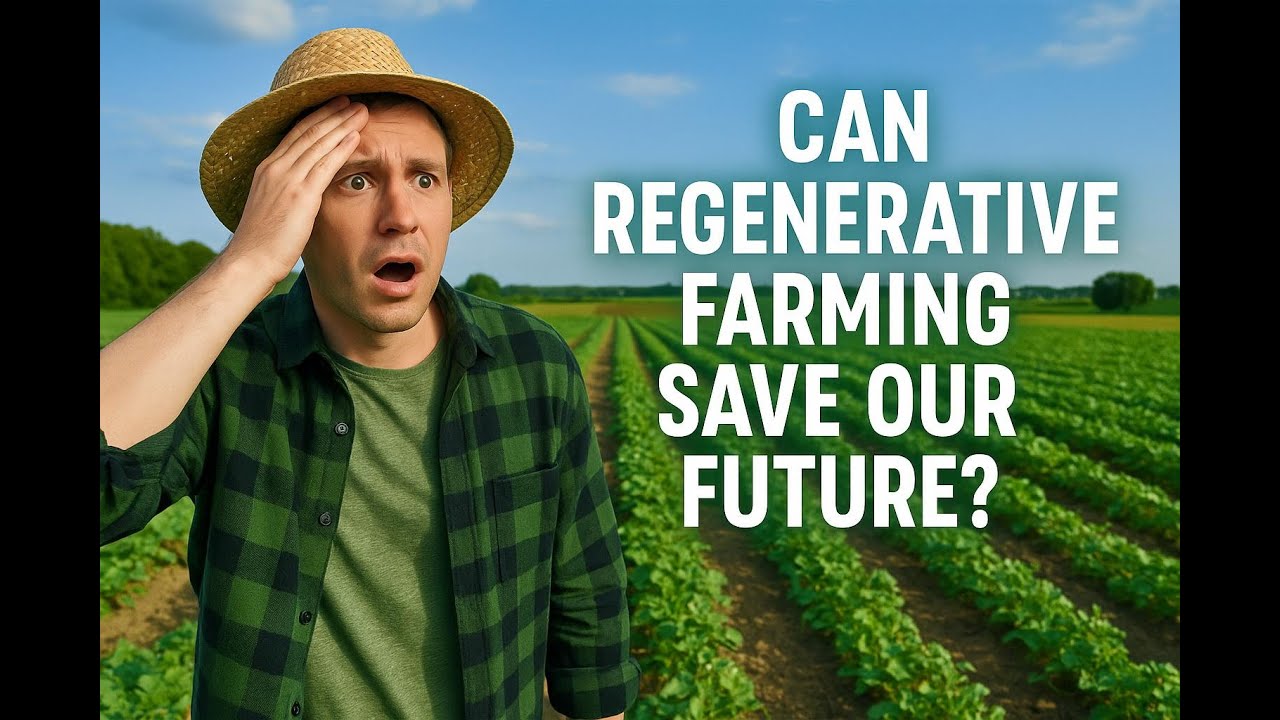
Discover how regenerative principles and soil health practices shape climate-smart almond production in 2025.
Australia: Resilient and Expanding Almond Industry
Australian almond producers reported healthy yields attributed to their ongoing investments in improved irrigation infrastructure and data-driven resource management. Despite facing isolated drought conditions, consistent access to water and flexible orchard management strategies allowed Australia to maintain a steady and resilient supply, contributing to the global diversification of almond production.
- Yields in line with previous years, minimizing disruptive fluctuations in export volumes.
- Increased adoption of precision agriculture technologies across larger operations.
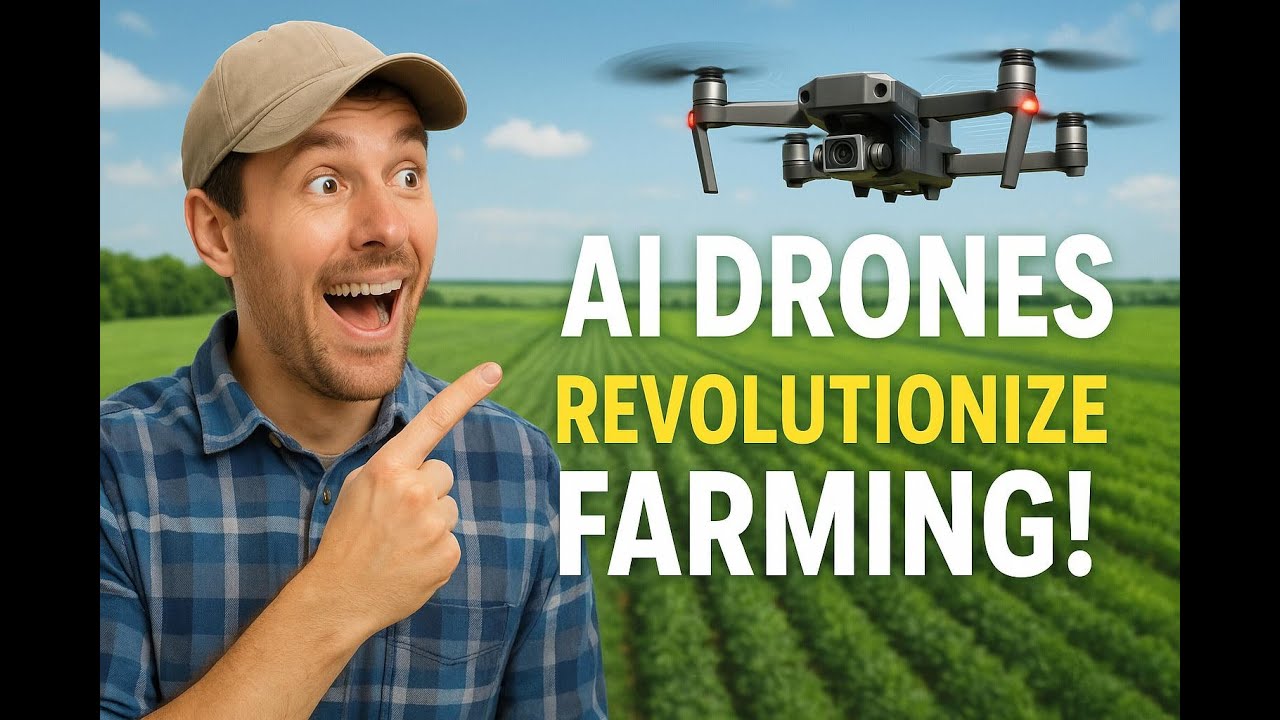
See how AI-enabled drones are safeguarding almond yields and optimizing farm practices.
Spain: Navigating Climatic Uncertainty
The Spanish almond sector, historically one of Europe’s most important, faced late-season rainfall during October–November 2025, complicating both timing and logistics for harvest completion. This unseasonal weather resulted in slightly reduced export volumes and increased pressure on quality control during post-harvest processing.
- Production base remains smaller compared to global leaders but is vital for the EU supply.
- Efforts to reduce vulnerability to climatic events include expedited post-harvest drying and increased utilization of real-time weather monitoring.

Insights into Spain’s smart-farming initiatives addressing nitrate runoff and broader sustainability in almond agriculture.
Harvest Outcomes in Context: Year-on-Year Analysis & Trends
- Despite a challenging mix of weather patterns and market volatility, overall almond supply remained steady.
- Global producers reported healthy yield outcomes, with quality improvements linked to targeted adoption of new technologies.
- Future risks include ongoing drought, unpredictable rainfall, and labor availability during peak harvest periods.
Almond industry news October 2025 thus highlights a period marked by both resilience and innovation, setting important precedents for seasons ahead.
Year-over-Year Almond Market Comparison Table
To better understand industry trends and evolving dynamics, below is a comparative table detailing harvest volume, average market prices, export volume, and sustainability initiatives across 2023, 2024, and 2025 (estimated).
| Year | Harvest Volume (Metric Tons) |
Avg. Market Price (per kg, USD) |
Export Volume (Metric Tons) |
Sustainability Initiatives (% Farms w/New Tech) |
|---|---|---|---|---|
| 2023 | 1,315,000 | $5.40 | 880,000 | 54% |
| 2024 | 1,395,000 | $5.25 | 930,000 | 62% |
| 2025 (est.) | 1,470,000 | $5.35 | 970,000 | 68% |
This table provides a quick reference to almond industry news October 2025 and almond harvest news October 2025 while highlighting year-over-year improvements in adaptation and market dynamics.
Sustainability & Water Efficiency in Almond Growing
Sustainability continues to dominate industry discourse as an essential topic in almond growing. The reputation of almonds as a water-intensive crop has spurred growers, stakeholders, and policymakers to prioritize efficiency and resource stewardship in 2025 and beyond.
Water-Smart Innovations and Precision Irrigation
- Wide-scale deployment of AI-driven soil moisture sensors enables real-time data on soil-plant-atmosphere interactions, ensuring precision irrigation and minimizing waste.
- Drone surveillance and remote sensing provide orchard-level insights on water distribution and stress, leading to water savings of 10–15% in participating Californian farms.
- Participating in sustainability initiatives is rapidly becoming a market competitive advantage, especially in EU and North American markets where consumer demand favors eco-labeled products.

Learn how advanced satellite and AI tools are revolutionizing almond irrigation practices in 2025.
Carbon Footprinting and Climate Resilience
More almond growers are seeking carbon-neutral certifications and employing methods like agroforestry and biomass energy to reduce overall emissions. These efforts further align with buyers’ growing preference for ethically and sustainably produced almonds.
Check out Farmonaut’s Carbon Footprinting Platform, which supports producers in quantifying and reducing their carbon impact—a key selling point in premium markets.
Blockchain Traceability and Transparency
With regulatory focus shifting to traceability and consumer trust, digital tools like Farmonaut Traceability now enable accountability from orchard to export dock. This not only improves supply chain integrity but also responds to both governmental and end-user demands for transparency.

Discover how satellite-based solutions are driving sustainability in almond crop management.
Environmental Impact and Resource Management
- Monitoring environmental outcomes is now an essential practice. Almond firms are regularly assessing carbon sequestration, water use, and biodiversity indices to enhance their market positioning.
- Learn more about large-scale farm management tools which bring scalable sustainability to almond production across continents.

Explore advanced satellite soil moisture monitoring for almonds and its transformative impact on water efficiency.
Market Developments, Export Trends & Consumer Dynamics
Almond industry news October 2025 and almond industry news November 2025 reveal significant shifts in market dynamics driven by global demand, currency fluctuations, and consumer trends toward health and sustainability.
Global Demand and Price Movements
- Expanding consumer interest in plant-based foods and healthy snacking continues to drive demand for almonds in North America, Europe, and Asia.
- The US dollar’s strength in late 2025 created export competitiveness challenges for US-based almond suppliers, especially in European and Asian markets, but some relief came from rising prices fueled by a tighter supply-demand balance.
- Value-added almond products—such as almond milk, almond flour, and energy bars—are capturing larger market share each year.
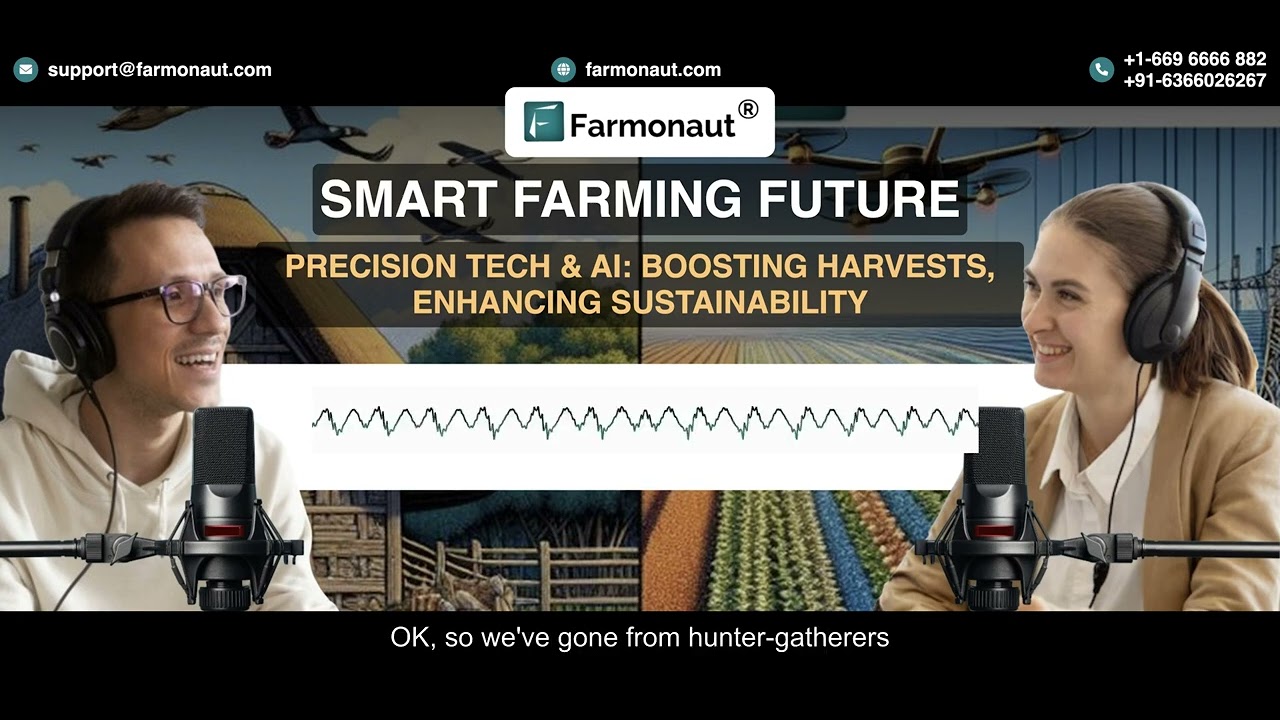
Understand how smart farming and AI are shaping almond yield and consumer market trends.
Export Trends and Trade Negotiations
- Ongoing trade discussions between the US and major importers (India, China) could result in tariff reductions and simplified phytosanitary protocols, leading to greater export volumes in 2026.
- In Spain, late rainfall slightly reduced export potential, sparking efforts to improve supply chain resilience and post-harvest practices.
- Other regions are also advancing market access and compliance to ensure steady global supply.
Labor Availability and Mechanization
While mechanization continues to expand in almond harvesting, the industry faces an ongoing challenge of workforce availability during peak periods, particularly in California and Spain. Machinery advancements have improved operational efficiency, but manual labor is still essential for quality assurance and prompt processing.
For fully automated and API-driven almond supply chain management, see our API Platform. Explore our detailed API Developer Docs for integration opportunities.
For orchards with large fleets and machinery, Farmonaut’s Fleet Management provides advanced solutions for resource scheduling and efficiency.

An introduction to leveraging web systems for comprehensive almond orchard monitoring via satellite and AI.
Advancing Technologies in the Almond Industry (2025 & Beyond)
Almond industry news October 2025 and almond harvest news October 2025 place technology at the center of sector transformation. Advancements in satellite monitoring, AI-powered analytics, and blockchain traceability mark a new era in almond production and supply chain management.
- Satellite Imagery: Used extensively to monitor canopy health, soil moisture, and irrigation efficiency, supporting adaptive water management.
- Artificial Intelligence: Employs predictive analytics for weather, disease outbreaks, and optimal harvest timing.
- Blockchain: Solidifies produce traceability and builds market trust, especially for premium almond products.
- Remote Sensing Drones: Allow for immediate identification of problem zones and facilitate variable input application.
Explore the future with precision technology and AI, boosting almond harvests and sustainability for the upcoming decade.
Challenges & Opportunities: Looking Ahead to 2026 and Beyond
As we navigate from the robust almond industry news October 2025 through to November 2025 and project into 2026+, the sector sits at a crossroads of tradition and innovation. The opportunities are extensive, but so are the challenges:
- Water and Climate Adaptation: Climate volatility and recurring drought impose constant pressure, necessitating continued research into drought-tolerant varieties and efficient resource management.
- Market Volatility: Trade negotiations, currency shifts, and fluctuating input costs demand strategic agility from growers and exporters.
- Sustainability Requirements: Regulatory and market expectations for sustainable practices are increasing. Adoption of traceable, low-impact methods such as those offered in crop plantation and forest advisory services will drive future resilience.
- Labor and Mechanization: Transitioning to greater automation will help alleviate chronic labor shortages, but a balance with skilled workforce is still needed.
- Technology Integration: Continued adoption of satellite, AI, and blockchain-based tools will underpin productivity, transparency, and sustainability for years ahead.
Farmonaut Solutions Supporting Sustainable Almond Agriculture
We at Farmonaut offer advanced, satellite-driven tools for almond growers, agribusinesses, and supply chain managers. Our platform enables:
- Real-time crop and soil health monitoring with remote satellite data
- AI-based advisory systems for optimizing field management and irrigation schedules
- Blockchain-based traceability to instill consumer confidence and ensure market compliance
- Resource management tools for scheduling machinery, improving fleet management and deployment
- Environmental impact tracking to help almond operations achieve carbon neutrality
- Enhanced access to crop loans and insurance via satellite-verified data
Frequently Asked Questions (FAQ) – Almond Industry News October 2025
-
What are the main harvest outcomes highlighted in the almond industry news October 2025?
The 2025 almond harvest saw strong yields in California, steady outputs in Australia, and slightly diminished volumes in Spain due to weather. Key trends include improved quality, greater adoption of water-efficient and precision agricultural technologies, and increased sustainable farming practices.
-
How has sustainability influenced the almond industry in 2025?
Sustainability is now central to almond production, with 68% of farms adopting new irrigation technology by November 2025. There is a focus on reducing water use, cutting carbon emissions, increasing traceability, and meeting both environmental and market requirements.
-
What key technological advancements are impacting the almond sector?
The rapid rise of AI-powered soil sensors, satellite-based crop monitoring, drone surveillance, and blockchain traceability is driving more effective resource management and market transparency in the industry.
-
How do trade and export challenges affect almond market dynamics?
Strong global demand is occasionally tempered by currency fluctuations and trade negotiations. Outbound volumes to markets like India and China hinge on tariff reductions and evolving phytosanitary standards, while value-added almond products are seeing robust growth.
-
How can almond growers further enhance supply chain transparency?
Utilizing blockchain-based traceability systems ensures accountability from orchard to consumer and helps meet regulatory and consumer requirements for transparency and authenticity.
-
What support does Farmonaut offer for almond producers?
Farmonaut provides satellite-enabled monitoring, AI-driven advisories, traceability via blockchain, fleet management solutions, and real-time environmental tracking, supporting diverse needs from crop management to sustainability verification.
Conclusion: Almond Industry News October 2025 & Harvest Updates—Sector at the Crossroads
Reviewing the almond industry news October 2025, almond harvest news October 2025, and almond industry news November 2025 signals a sector embracing transformation. Regional production resilience, market adaptability, and technological innovation are defining the industry outlook. With the continued evolution of sustainability practices and technology integration, almond producers worldwide are better equipped than ever to meet emerging challenges and capitalize on opportunities for growth and environmental stewardship—setting a dynamic tone for 2026 and beyond.

 Progenseed
 SkyHarvest
 Sarvome
 Polaris Digitech
 Teledarbas
 Wild Oak Farm
 SFX
SFX BACF Africa
 Doodlakine
 Exurbia Geospatial
 FieldZero
 Indico Company
 Kubota
 FFBS
FFBS Jontra
