

IEEE Hackathon on AI for Sustainable Agriculture: 2026 Deadline
Introduction: The Critical Importance of Sustainable Agriculture
The pursuit of sustainable agriculture stands as one of our era’s greatest imperatives. As the global population continues to grow and climate change intensifies, the question “Is agriculture sustainable?” becomes increasingly urgent. In 2025, ensuring a secure and environmentally responsible food supply is not merely preferred—it’s critical. Traditional agricultural practices often compromise resources, soil health, and biodiversity, threatening future generations’ ability to meet their dietary demands.
However, in response to mounting environmental and resource pressures, the IEEE Hackathon on AI for Sustainable Agriculture emerges as a pioneering event scheduled to shape the strategies of 2025 and beyond. Its core mission is to leverage artificial intelligence (AI), machine learning, and precision farming techniques to revolutionize agriculture—optimizing inputs, reducing waste, and nurturing resilient ecosystems.

Farmonaut Web System Tutorial: Monitor Crops via Satellite & AI
Amid this urgent backdrop, the IEEE Hackathon on AI for Sustainable Agriculture stands as a beacon—uniting innovators, researchers, experts, and passionate participants from the global community. Their task is clear: develop and deliver AI-powered solutions that respond to the most pressing agricultural problems and accelerate the adoption of sustainable practices worldwide.
Why the “IEEE Hackathon on AI for Sustainable Agriculture” Deadline Matters
The deadline for this hackathon in mid-2025 is more than just a date; it’s a rallying point for participants to focus their work, sharpen their tools and models, and deliver impactful advancements—quickly and at scale. The outcomes aim to be adopted by farming practitioners to create measurable gains in productivity, ecosystem health, and food security ahead of 2026.
IEEE Hackathon on AI for Sustainable Agriculture: Event Overview
The IEEE Hackathon on AI for Sustainable Agriculture is scheduled to be a key event in the agricultural technology calendar for 2025. The hackathon invites a diverse cohort, including innovators, domain experts, academic researchers, and developers, forming interdisciplinary teams that compete to craft AI-based solutions tackling multiple angles of agricultural sustainability:
- Precision farming using real-time data from satellites, drones, & sensors
- Predictive analytics for pest, disease, and weather management
- Resource optimization and reduction of environmental impact (fertilizer, pesticide, water use)
- Climate resilience and soil health monitoring
- User-friendly solutions for smallholder and resource-limited farmers
Participants are encouraged to accelerate their innovation cycles—harnessing the power of AI and machine learning to make smart, data-driven decisions and tools that can be adopted quickly by the farming community. This approach not only fuels rapid environmental stewardship, but ensures solutions keep pace with the world’s food security and sustainability needs.
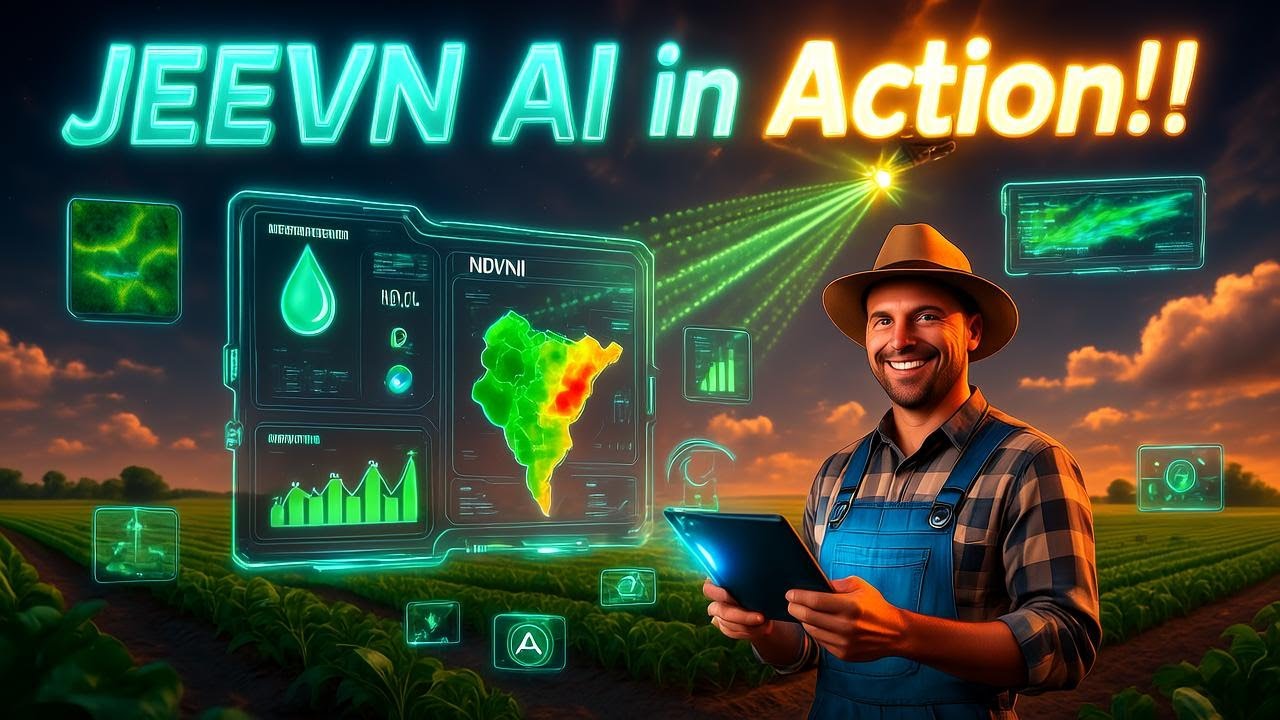
JEEVN AI: Smart Farming with Satellite & AI Insights
Key Focus Areas of the 2025 IEEE Hackathon
- Precision agriculture: Using AI for data analysis and real-time monitoring
- AI-driven resource optimization: Reducing waste and maximizing productivity
- Environmental impact measurement: Monitoring and lowering carbon footprint
- Accessible technology for all farmers: Bridging the technology divide to support smallholders worldwide
- Climate variability adaptation: AI solutions for drought, soil degradation, and pest outbreaks
The pioneering initiative harnesses artificial intelligence to revolutionize farming practices, promote environmental stewardship, and ensure the long-term viability of agricultural ecosystems. This is done without compromising yields or farmers’ livelihoods.



How AI Is Transforming Sustainable Agriculture
In the quest to answer “is agriculture sustainable?”, new AI-powered models allow us to respond with data, not guesswork. The complexity and variability of modern agricultural systems—including soil diversity, weather patterns, pest pressures, and crop rotations—make it an ideal domain for AI-driven solutions.
Several types of artificial intelligence (AI) and machine learning applications are shaping farming decisions:
- Real-time monitoring of crop health, soil moisture, and environmental stresses using data from satellites, drones, and field-level sensors
- Predictive analytics for pest and disease control, trained on deep historical data
- Resource optimization models that balance water, fertilizer, and pesticide application to maximize yields while minimizing waste and runoff
- Automated advisory and mobile platform for farmers—democratizing access to precision guidance at any scale
- Integration with traceability & carbon accounting systems to support regulatory compliance and responsible sourcing
These innovations are transforming not only agricultural productivity but also environmental sustainability, resilience to climate change, and food security.
Regenerative Agriculture 2025 🌱 Carbon Farming, Soil Health & Climate-Smart Solutions | Farmonaut
Precision Farming: AI-Powered Efficiency & Impact
Precision farming is one of the central themes of the IEEE Hackathon on AI for Sustainable Agriculture. It leverages AI to analyze data from drones, satellites, sensors, and weather stations to optimize routines for planting, irrigation, and harvesting schedules, as well as managing fertilizer and pesticide inputs.
- By precisely managing inputs such as water, chemicals, and nutrients, farmers can significantly reduce waste, cut costs, and minimize harmful runoff, which in turn supports soil health and biodiversity.
- Satellite-based monitoring enables farmers and agricultural managers to access near real-time updates on field conditions—enabling resource optimization at a global scale.
- Environmental footprint is dramatically reduced as resources are applied more efficiently, and yields are improved.
For example, Farmonaut’s satellite-based monitoring tools allow users to track crop health (NDVI), soil conditions, and resource use via budget-friendly apps and APIs—making advanced precision agriculture accessible to all. Explore large-scale farm management with Farmonaut’s platform here for streamlined team collaboration, crop monitoring, and operational efficiency.
Data-Driven Practices: From Soil Health to Water Management
To maximize agricultural sustainability, robust data-driven practices are essential. AI and machine learning systems can now analyze detailed data landscapes, including:
- Soil moisture variability and fertilizer optimization
- Weather pattern assessment for adaptive planting and harvesting schedules
- Automated detection of plant health issues and nutrient deficiencies from aerial imagery
- Carbon footprinting to measure and manage emissions
Proper stewardship begins with understanding and monitoring soil health. Modern AI platforms, including those powered by Farmonaut’s Carbon Footprinting, offer practical ways to track emissions, assess environmental impact, and guide farms toward more sustainable practices. These advances benefit producers at all scales, from smallholder to corporate agriculture.
Farmonaut APIs empower developers to integrate satellite-powered insights into any agricultural software, helping automate water allocation, resource tracking, and compliance. Access Farmonaut API here or view the Farmonaut API Developer Docs to enable smarter agriculture platforms worldwide.
How AI Drones Are Saving Farms & Millions in 2025 🌾 | Game-Changing AgriTech You Must See!
Predictive Analytics for Pest and Disease Management
A key focus area of the IEEE Hackathon on AI for Sustainable Agriculture is the use of predictive analytics for pest and disease control. Machine learning models, trained on extensive datasets, can now forecast outbreak risks—enabling farmers and agricultural managers to intervene at the right moment.
- These advances reduce dependency on broad-spectrum chemical controls, thereby lowering soil and water contamination while supporting ecosystem health.
- Targeted AI-driven interventions help safeguard food security and maintain sustainability goals.
- Farmonaut’s Jeevn AI Advisory System exemplifies such capabilities, providing real-time insights, weather forecasts, and tailored strategies directly to users.
Smart Farming Future: Precision Tech & AI: Boosting Harvests, Enhancing Sustainability
Democratizing Agricultural AI: Reaching Smallholder Farmers
While the digital revolution transforms large-scale agriculture, the IEEE Hackathon also emphasizes developing AI systems that put precision tools in the hands of smallholder farmers—who produce the majority of global food but often lack access to advanced technologies.
The goal is democratization—ensuring that user-friendly mobile applications and automated advisory platforms lower barriers and reduce inequalities. By streamlining access to effective, AI-guided decision-making, the sector can accelerate sustainable productivity improvements and drive inclusive food security.
Farmonaut’s mobile and web app interfaces are designed for usability and accessibility, enabling users at all levels to monitor lands, analyze crop health, and gain actionable advice anywhere, anytime.

How Satellite Tech & AI Are Powering Ethiopia’s Agricultural Boom | Farmonaut Insights
Climate Resilient Farming with AI and Machine Learning
Climate variability is a constant threat, increasingly impacting yields and resource availability worldwide. AI-driven climate modeling, drought forecasting, and soil monitoring are therefore critical in helping farmers adapt crop selections and management practices—reducing risk and ensuring stable production over time.
- Machine learning models can analyze vast data sets to predict drought or flood risks, or recommend sustainable rotations and soil amendments.
- Farmonaut’s environmental impact monitoring features allow users to track carbon emissions and resource use for smarter, climate-resilient decisions.
- AI-guided traceability allows all stakeholders in the chain—from producer to consumer—to verify responsible sourcing and environmental compliance. Learn about traceability and transparency in agriculture, mining, and supply chains here.
By proactively building climate resilience, sustainable agriculture secures the world’s food supply in the face of uncertainty, this is a key goal for the IEEE Hackathon on AI for Sustainable Agriculture as 2026 approaches.
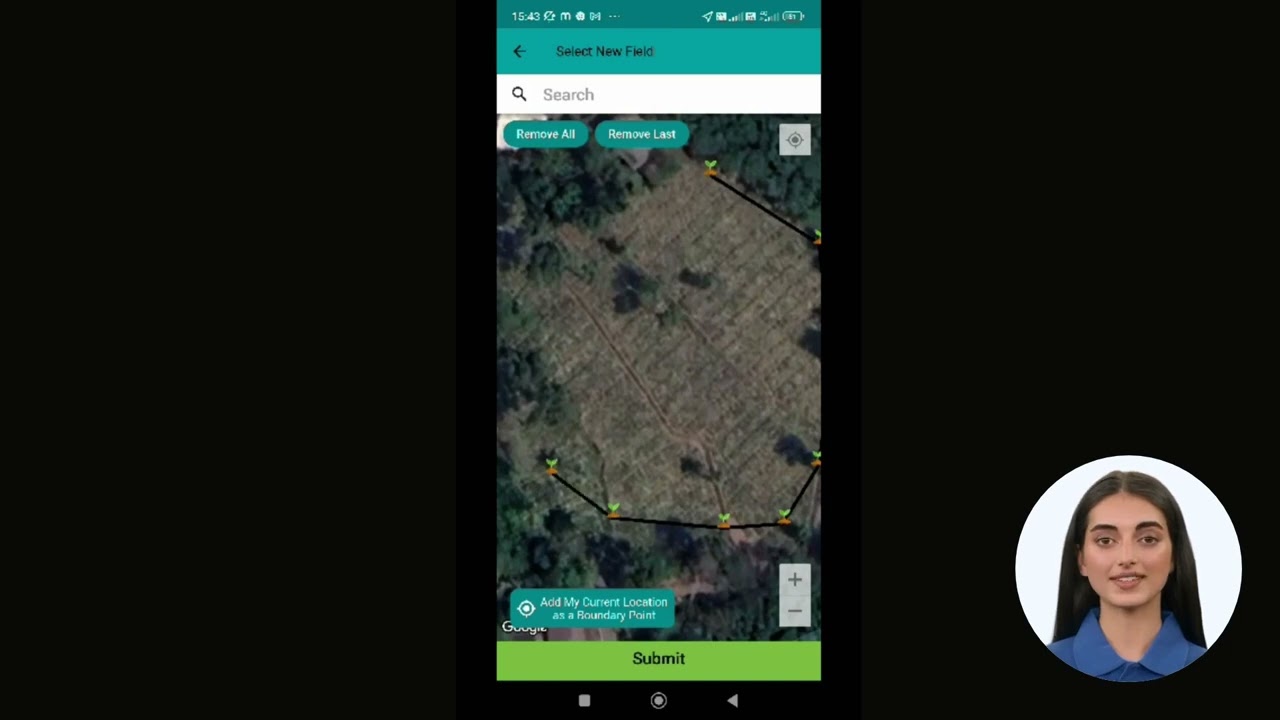
Farmonaut Farm Mapping Tutorial – Mobile App
Visual Storytelling: Raising Awareness for Sustainable Agriculture
The shift toward AI-powered sustainable agriculture is not just technical—it’s cultural and communicative. Visual storytelling has become invaluable for raising awareness, rallying stakeholders, and translating complex solutions into accessible benefits visible to all.
- High-quality images available from unsplash “sustainable agriculture” unsplash and similar platforms vividly depict the transformation—showing thriving crops, vibrant soils, and communities empowered by innovation.
- Strong visuals help us answer “is agriculture sustainable?” by making the benefits of new practices tangible for policy-makers, investors, and the wider society.
- Technologies like satellite imagery, available in platforms like Farmonaut, contribute their own rich visual content to the education and outreach effort.

Smart Crop Solutions : AI-Powered Field Scouting for Enhanced Productivity
Comparative Impact Table: Traditional vs. AI-Driven Precision Agriculture (Estimated 2025 Data)
| Farming Practice | Estimated Yield (tons/ha) | Resource Use Efficiency (%) | Reduction in Chemical Inputs (%) | Water Consumption (liters/ha) | Greenhouse Gas Emissions (kg CO₂e/ha) | Food Security Contribution (relative score) |
|---|---|---|---|---|---|---|
| Traditional | 2.5 | 55 | 0 | 10,000 | 6,500 | Low |
| AI-Driven Precision | 4.1 | 82 | 35 | 7,000 | 4,200 | High |
Estimated 2025 data. Figures illustrate typical improvement ranges made possible by AI, precision agriculture, and satellite-driven technologies. Sources include global agriculture studies and hackathon challenge results.
Farmonaut: Advancing Satellite-Driven Sustainable Agriculture
At Farmonaut, we believe that data-driven, satellite-powered insights represent a major stride toward sustainability across agriculture and allied industries. Our mission is to make satellite-driven insights affordable and accessible to every business, user, and government—around the world.
- We leverage a fusion of satellite imagery, AI, machine learning, and blockchain for real-time monitoring of crop health, soil, and environmental impact.
- Through the Jeevn AI Advisory System, we empower users with actionable insights, weather forecasts, and automation—all accessible from our intuitive apps and API integrations.
- We advocate for blockchain traceability in agriculture, mining, and supply chains—delivering transparency and security at every step. Farmonaut’s Traceability Solutions help businesses win the trust of customers and comply with regulatory standards globally.
- For those seeking to manage carbon budgets and demonstrate sustainable practices, our carbon footprinting tools provide precise, auditable emissions data. Explore Farmonaut Carbon Footprinting
- Fleet and resource management tools enable optimization of machines and logistics—helping farms and businesses reduce costs and emissions while boosting safety. Discover Farmonaut Fleet Management
We offer subscription-based packages fit for individuals, businesses, and governments — scalable, cost-effective, and modular in design. From crop monitoring and insurance validation to environmental compliance and supply chain integrity, Farmonaut is the gateway to the future of precision agriculture.
For users interested in applying the full suite of our satellite-based digital agriculture tools, you can access the Farmonaut platform here for web, Android, and iOS, or use our developer API for custom integrations.
Frequently Asked Questions (FAQ)
The IEEE Hackathon on AI for Sustainable Agriculture is a major global event scheduled for 2025 that encourages innovators, researchers, and domain experts to develop impactful, AI-powered solutions for pressing challenges in sustainable farming. It focuses on resource optimization, environmental stewardship, climate resilience, and democratizing access to agri-technologies.
Why is the 2026 deadline so important?
The 2026 deadline marks the culmination of the hackathon’s innovation cycle, driving urgency for participants to deliver ready-to-deploy solutions. It is timed to meet critical global needs in climate adaptation, food security, and sustainable agriculture as the world faces growing population and environmental pressures.
How does AI support environmental stewardship in agriculture?
AI enables precise input management (water, fertilizers, pesticides), predictive risk analysis, carbon footprint monitoring, and traceability across supply chains—helping agriculture reduce waste, emissions, and environmental damage.
Are these solutions only for large farms?
No. A central mission of the hackathon is to make AI and precision agriculture accessible for smallholder and resource-limited farmers by providing affordable, user-friendly mobile platforms and automated advisory systems.
How are innovations from the hackathon adopted?
Solutions are designed for rapid adoption within the farming community, using open APIs, easily integrateable mobile/web applications, and by emphasizing usability and scalability.
What are the primary benefits of Farmonaut platform and APIs?
Farmonaut provides accessible and scalable satellite-driven data monitoring, actionable AI-based advisories, blockchain-enabled traceability, carbon footprint tracking, and real-time resource management to support sustainability, productivity, and transparency in agriculture and allied sectors.
Conclusion: AI & the Sustainable Agriculture Revolution
As we approach the IEEE Hackathon on AI for Sustainable Agriculture deadline in 2025, the momentum behind AI adoption in global farming continues to build. The innovations and advanced tools emerging from this event are already catalyzing a new era—one where productivity, environment, and equity can coexist and flourish under the sign of sustainability.
- AI-driven precision agriculture is driving measurable improvements in yield, resource efficiency, chemical use, and greenhouse gas reductions—securing our food future.
- Visual advocacy and accessible platforms are powering a cultural shift, reaching diverse communities and stakeholders.
- The role of affordable, accessible satellite platforms—like those offered by Farmonaut—will only grow as we strive for universal benefit.
The question “Is agriculture sustainable?” now has a data-backed, hope-inspiring answer: With AI and purpose-driven innovation, yes—sustainability and food security can be achieved for generations to come.
For those seeking to join the revolution: Explore Farmonaut’s Satellite-Driven Agriculture Platform here and discover how advanced monitoring, AI advisories, and blockchain traceability can help you succeed in a sustainable and resilient future.
SEO & Accessibility Features: The blog incorporates primary and secondary focus keywords, implements structured SEO markup, features a comparative data table, and embeds videos with descriptive alt text and captions (as per Yoast SEO best practices). All app/platform links are bold for usability. Table and video layouts are mobile-responsive and visually balanced.
Discussion
Questions, corrections or field experience? Share them below. First-time comments are reviewed before they appear, and your email is never published.
No comments yet. Be the first to add a question or your experience.

 Doodlakine
 Nale Network
 Exurbia Geospatial
 FieldZero
 Indico Company
 Kubota
 FFBS
FFBS Jontra
 Kalustyan
 Tucor
Tucor Geno
Geno Hayleys Agriculture
 Linx Agritech
 Adinet
 Licence holder · Niger · Gold










