

10 Ways Data-Driven Decisions Transform Agriculture
Modern agriculture is undergoing a profound digital transformation. At the core of this transformation lies data-driven decision making (DDDM)—an approach that replaces guesswork with precision and evidence. By integrating sensor networks, remote sensing, farm records, and analytics, farmers are empowered to optimize crop yields, manage resources, and create resilient, sustainable food systems.
Whether you are a grower striving to reduce risk, an agronomist tracking soil health, or a policymaker championing environmental sustainability, data-backed practices are transforming agriculture across crops, livestock, and forestry. In this comprehensive post, we dissect the key components of DDDM in farming, illustrate its applications, and demonstrate—step by step—how data and analytics foster smarter, more profitable, and less wasteful production.
Table of Contents
- The Digital Shift in Modern Agriculture
- Key Components of Data-Driven Agriculture
- 10 Ways Data-Driven Decisions Transform Agriculture
- Comparative Impact Table: Data-Driven vs Traditional Agriculture
- Challenges & Best Practices in Data-Driven Agriculture
- Implementation Steps for Farms
- Impact on Sustainability and Resilience
- Farmonaut: Satellite-Powered Data-Driven Solutions
- FAQ: Data-Driven Agriculture
The Digital Shift in Modern Agriculture
Traditionally, farming relied heavily on intuition, visual field assessments, and past experience. While local know-how remains valuable, it is often subjective, reactive, and can’t keep up with evolving disease risks, erratic weather patterns, or modern environmental demands. The scope, speed, and variety of data—from soil moisture levels and nutrient mapping to satellite imagery and AI-powered risk prediction—provide an opportunity for unprecedented control and precision.
DDDM doesn’t replace traditional farming skills—it enhances them, translating local intuition into actionable evidence for every important agricultural decision.
As we’ll see, integrating IoT sensors, satellites, AI, and centralized management systems turns data into a strategic asset, enabling actions that:
- ✔ Boost yields with precision fertilization and stress monitoring
- 📊 Conserve resources (water, energy, chemicals) via smart automation
- ⚠ Reduce risk by forecasting disease outbreaks and weather stress
- ✔ Cut costs through efficient input and labor management
- 📊 Improve sustainability and compliance through traceable, transparent workflows
Key Components of Data-Driven Agriculture
Modern DDDM-enabled farms are built on a foundation of several interconnected components. Together, these allow for the continuous, real-time transformation of raw data into field-proven practices:
- ✔ Field sensors & IoT networks: Constantly measure soil moisture, temperature, salinity, and nutrient levels, often wirelessly and in real time.
- 📊 Remote sensing & satellite/drone imagery: Large-scale and continuous monitoring of crop production & health across fields, revealing invisible trends, pest outbreaks, or stress zones.
- ✔ Historical yield, soil, and management analytics: Pattern analysis of records and maps to guide rotation, input allocation, and future planning.
- 📊 Weather intelligence systems: Site-specific, operation-focused forecasts for risk reduction and better crop scheduling.
- ✔ Farm Management Information Systems (FMIS): Centralized platforms that integrate everything from crop calendars and financials to labor, equipment, and compliance data.
- 📊 AI and machine learning models: Predictive tools for disease risk, input need optimization, and scenario simulation—helping farmers choose the most resilient practices.
10 Ways Data-Driven Decisions Transform Agriculture
With the digital toolkit outlined above, here are ten critical ways DDDM empowers modern agriculture—across multiple domains:
-
1. Precision Irrigation for Water Efficiency
Automated irrigation systems driven by soil moisture and weather data ensure water is delivered only when and where it’s most needed. Sensors prevent overuse, directly reduce waste, and boost yield stability, particularly in drought-prone areas.
Pro Tip: When combined with satellite-based soil moisture monitoring (like from Farmonaut), even large, scattered fields can be managed efficiently without expensive on-ground networks.
-
2. Nutrient Management and Fertilization Precision
Analysis of soil nutrient levels—collected by sensors and confirmed with satellite spectral imagery—guides exact fertilizer quantities, improving uptake efficiency and reducing costs. Data-driven plans can adjust for microclimate variation, previous crop rotation, and localized deficiencies detected via remote imaging.
- Automated fertilization responds to real-time data
- Prevents overuse of nitrogen/phosphorus and runoff into waterways
- Supports compliance with environmental regulations
-
3. Early Detection & Targeted Pest/Disease Management
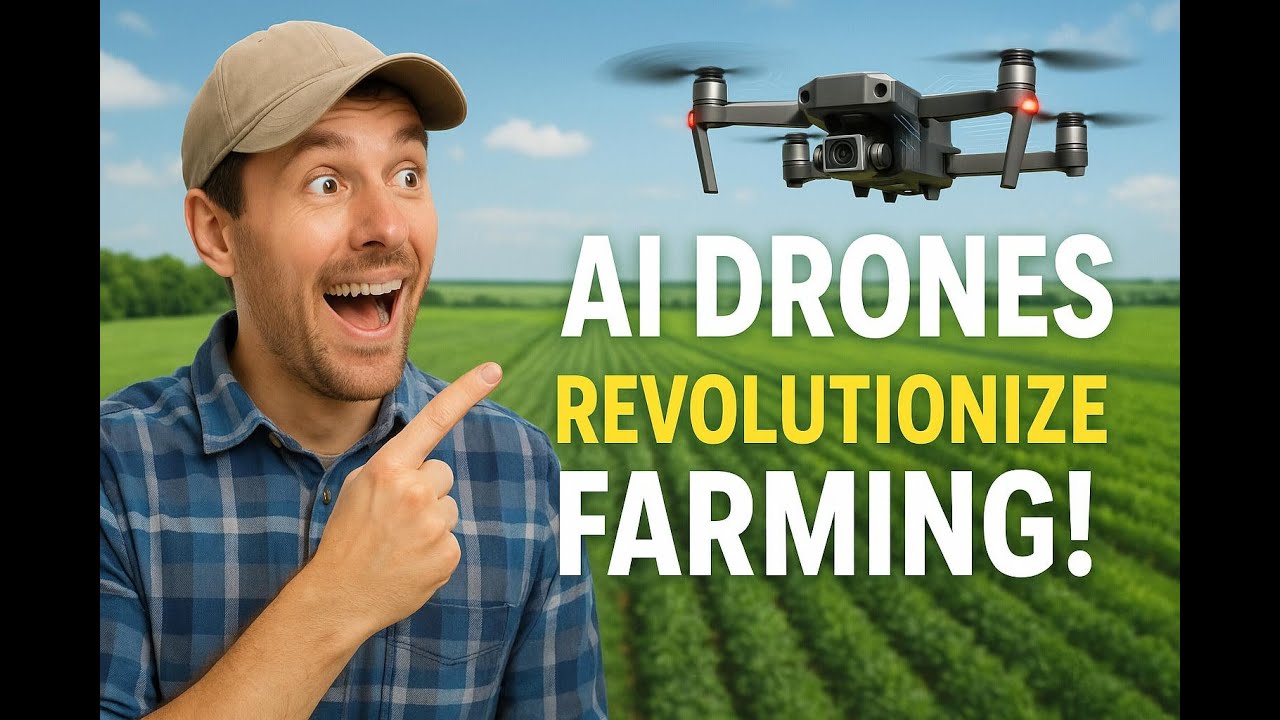
Operators utilizing AI models and satellite/drone thermal imagery can detect pest outbreaks, nutrient stress, or disease indicators early—rather than reacting after widespread damage.
- Allows targeted interventions across crops, reducing blanket treatments
- Helps slow pesticide resistance and reduce chemical inputs
-
4. Optimizing Crop Planning, Rotation, and Seed Selection
Using historical yield, soil maps, and management data, analytics can identify patterns, test hypotheses, and guide varieties/rotation that best fit site conditions. This ensures optimal compatibility for each field block.
Common Mistake: Neglecting to align seed or variety selection with historical soil and yield data can result in lower productivity and increased risk of disease outbreaks. -
5. Enhancing Yield Forecasting and Risk Management
Scenario simulations, live health monitoring via satellites, and integrated weather intelligence allow for prompt action when deviations from expected patterns appear. These models make it easier for farmers to secure crop loans and insurance by providing verifiable, real-time evidence of field conditions and risk factors.
-
6. Streamlining Farm Management Information Systems (FMIS)
FMIS platforms aggregate everything: sowing plans, input application, equipment usage, labor, compliance, and financial records. Centralized management supports rapid, informed budgeting, work allocation, and regulatory compliance.
- Integrates directly with other digital tools (AI, remote sensors, satellite insights)
- Enhances transparency, management oversight, and auditing
- Reduces human error and manual record-keeping

-
7. Supply Chain Transparency through Traceability
Blockchain-enabled, data-driven solutions (such as Farmonaut’s Traceability Platform) capture every step from field to storage, transport, and buyer, verifying authenticity and compliance. This level of traceability enhances trust among consumers, businesses, and regulatory bodies.
-
8. Supporting Large-Scale Livestock and Forestry Management
Analytics platforms can process sensor data from wearables, grazing patterns, and forest health to optimize livestock welfare, maximize timber yields, and detect pests or stress long before symptoms are visible.
-
9. Environmental Impact and Carbon Footprinting
Automated tracking of resource use and emissions enables sustainable agriculture practices. Real-time environmental monitoring, such as that enabled by Farmonaut’s carbon footprinting tool (details here), ensures farms meet regulations and make data-backed, green decisions.
- ✔ Monitors emissions across the entire farm operation
- 📊 Data-driven compliance reporting for green markets
-
10. Accelerated Learning, Iteration, and ROI Measurement
By continuously capturing and analyzing the outcomes of every intervention, DDDM allows rapid iteration and agile optimization. Farms can quickly identify what works, scale successful practices, and adapt based on real-time field evidence.

Visual List: Benefits of Data-Driven Agriculture
- 🌱 Improved soil health through precise nutrient application
- 💧 Reduced water usage with automated, sensor-backed irrigation
- 🐛 Early pest & disease detection using AI and thermal imaging
- 📈 Higher, more stable yields from continual field monitoring
- 🔎 Supply chain transparency boosts consumer trust
Comparative Impact Table: Data-Driven vs. Traditional Agriculture
| Data-Driven Application | Traditional Approach | Benefits with Data-Driven Decision | Estimated ROI / Time Saved |
|---|---|---|---|
| Yield Prediction & Optimization | Manual estimation, visual assessment | +15‑30% increase in crop yield, accurate harvest planning | ROI: 6‑12 months; 50% less guesswork time |
| Resource Optimization (Water, Chemicals) | Fixed schedules, blanket treatments | −20% water usage, −18% chemical/fertilizer waste | Savings from reduced inputs |
| Pest & Disease Management | Reactive, after visible outbreaks | −70% reduction in lost yield, −25% pesticide usage | Immediate, with lasting disease resistance |
| Labor & Workflow Management | Paper logs, informal assignment | 20% increased labor productivity, lower overtime | 2–4 hours saved/week/worker |
| Planting & Variety Selection | Traditional schedules, limited data | Up to 12% yield improvement with site-customized seed choices | ROI: 1 season |
| Farm Compliance & Reporting | Manual, error-prone records | Zero missed audits, full traceability, easier insurance | More timely approvals, reduced penalties |
| Carbon Footprinting & Sustainability | Estimates with limited tracking | Factual, real-time impact reporting; access to green markets | ROI: ongoing compliance and premium pricing |
| Supply Chain Traceability | Paper-based, hard-to-verify | Detects fraud, validates origin, streamlines recall | Long-term consumer trust & market access |
Challenges & Best Practices in Data-Driven Agriculture
While the benefits of DDDM are significant, successful adoption requires navigating these key challenges:
- ⚠ Data quality and interoperability: Ensure that all sensors and analytics systems use standardized data formats and proper calibration protocols to avoid misleading results.
- ⚠ Accessibility and training: Smallholders may need support with new technologies. Solutions must provide localized interfaces and hands-on training.
- ⚠ Data privacy and ownership: Clear agreements are essential for sharing data between service providers and partners, avoiding disputes.
- ⚠ Edge vs. cloud processing: In areas with limited connectivity, edge computing is crucial for real-time actions, while cloud analytics yields richer, predictive insights as connectivity improves.
- ⚠ Change management: Introduce DDDM gradually, demonstrate ROI through pilots, and align incentives to foster buy-in from all stakeholders.
Implementation Steps for Farms
Transitioning to a fully data-driven agriculture approach follows a structured pathway:
- Define objectives: Select clear goals, such as yield increase, water efficiency, or risk reduction.
- Map data sources: List available or required technologies (soil/weather sensors, drones, satellite imagery, labor records, input logs, financials).
- Invest in infrastructure: Prioritize affordable, scalable, and compatible sensors, data storage, and a robust FMIS or decision-support tool.


- Start with pilot plots: Test on a manageable scale, carefully monitor impact.
- Develop analytics capability: Utilize agronomists, in-house data scientists, or trusted advisory systems to interpret and act on findings.
See Farmonaut’s API developer docs for integrating tailored analytics feeds or building custom apps. - Monitor, iterate, and scale: Continuously review outcomes, update models, and expand successful strategies to more fields or crops.
Visual Checklist: DDDM Adoption Success Factors
- ✅ Set measurable goals & expectations
- ✅ Integrate sensors and management platforms
- ✅ Enroll key staff in technology adaptation
- ✅ Plan for data backup and privacy
- ✅ Regularly review ROI and iterate practices
Impact on Sustainability and Resilience
Sustainability is no longer just about compliance—it directly links to profitability and resilience in volatile climates. DDDM enables:
- Precise, need-based resource use (e.g., water, fertilizer), reducing environmental impact
- Chemical and pesticide reduction by early detection and true site-specific application
- Increased supply chain transparency (see product traceability), benefiting both food safety and green market requirements
- Carbon footprint tracking for regenerative and smart agriculture (see carbon footprinting tool)
- Proactive risk management for pests, disease, and extreme weather

Farmonaut: Satellite-Powered Data-Driven Solutions
We at Farmonaut have dedicated ourselves to making satellite-driven analytics accessible and actionable for existing farm, mining, and infrastructure operations worldwide. Our mission is to democratize advanced monitoring and management—delivering high-impact insights via:
- Multispectral Satellite Imagery: Pinpoint crop health, soil anomalies, and resource deficits across large areas, on-demand.
- AI-Based Advisory (Jeevn AI): Delivers actionable, weather-aware strategies to optimize input use and reduce risk for agriculture, mining, and more.

- Blockchain for Traceability: Transparent and secure tracking from farm to consumer, ensuring product authenticity and environmental compliance.
- Real-Time Environmental Impact Monitoring: Visualize your operation’s carbon footprint, emissions, and progress toward sustainability goals.

- API for Custom Analytics: Integrate actionable satellite data feeds with any FMIS or app using our publicly documented developer APIs, for seamless, scalable decision-making in modern agriculture.
Farmonaut Subscription Packages
Scalable by design, our solutions suit everyone from small individual growers to large businesses and government agencies. Explore our subscription options below:
FAQ: Data-Driven Decision Making in Modern Agriculture
What is Data-Driven Decision Making (DDDM) in Agriculture?
DDDM involves using real-time and historical data—from field sensors, satellite imagery, farm records, and AI models—to inform, optimize, and assess every critical farming activity, from planting to harvest and beyond.
How can DDDM improve crop yields?
By targeting inputs (seeds, water, fertilizer, pesticides) according to precise, localized crop needs and environmental conditions, DDDM routinely delivers yield increases of 15-30% while reducing input costs and environmental impact.
What technology do I need to get started?
Invest in reliable sensors (for soil/water), secure data storage, an FMIS or decision-support tool, and—where possible—remote sensing via satellites or drones, such as those accessible from Farmonaut’s web and mobile apps.
Is data-driven farming suitable for smallholders?
Yes! Solutions are increasingly affordable, scalable, and user-friendly. With platforms like Farmonaut, smallholders can access satellite insights, remote field monitoring, and even blockchain-enabled traceability at low entry cost.
How does DDDM support sustainability and compliance?
Features like carbon footprinting and real-time emission tracking ensure that your farm or agribusiness meets policy, environmental, and market requirements—often accessing new opportunities, such as green loans or premium markets.
Can I integrate data from different sources/platforms?
Yes. The best systems are designed for interoperability. With APIs (like Farmonaut’s), you can link on-field sensors, mobile apps, satellite data, and management platforms—no proprietary lock-in required.
Embracing data-driven decision making in agriculture doesn’t just solve operational pain points—it lays the foundation for sustainable growth and resilience in an era of rapid change.
Your roadmap to a smarter, more sustainable farm future starts with a data-driven approach.
Discussion
Questions, corrections or field experience? Share them below. First-time comments are reviewed before they appear, and your email is never published.
No comments yet. Be the first to add a question or your experience.

 Rallis India
 Wild Oak Farm
 SFX
 BACF Africa
 Doodlakine
 Exurbia Geospatial
 FieldZero
 Indico Company
 Kubota
 FFBS
 Jontra
 Tucor

 Licence holder · Niger · Gold
 Licence holder · Nigeria · Gold + lithium










