

About Agriculture Technology: 7 Cherry Tree Innovations Revolutionizing Orchards in 2025
Table of Contents
- Introduction: A New Era for Cherry Tree Farming
- 2025 Cherry Tech Trivia
- 1. Precision Agriculture: Data-Driven Decision Making
- 2. Drone Monitoring & Multispectral Imaging
- 3. AI-Based Disease & Pest Detection
- 4. Smart Irrigation & Soil Moisture Management
- 5. Climate-Resilient Cultivars & Adaptation
- 6. Automated Harvesting & Post-Harvest Innovations
- 7. Advanced Data Analytics & Digital Platforms
- Key Cherry Tree Technological Innovations and Their Impact in 2025
- How Farmonaut is Empowering Cherry Orchard Tech Adoption
- Frequently Asked Questions
“In 2025, precision agriculture boosts cherry yields by up to 30% using advanced data analytics and real-time monitoring systems.”
Introduction: A New Era for Cherry Tree Farming
The world of about agriculture technology is rapidly transforming, and few crops exemplify this progress like the humble cherry tree. In 2025, cherry tree cultivation has witnessed remarkable strides, driven by an urgent need to produce more fresh, high-quality cherries while preserving environmental sustainability. This evolution addresses the ever-growing consumer demand for perfectly ripe, sustainably grown cherries that can withstand the uncertainties of modern climate patterns.
Through innovative agricultural technologies—including precision farming, smart irrigation, AI, drone imagery, and genetic advances—today’s farmers and agronomists embrace tools and techniques that revolutionize traditional cherry orchard management. This shift not only boosts farm productivity and cherry fruit quality but also dramatically improves resource efficiency, reducing water use, fertilizer application, and chemical inputs.
- ✔ Key benefit: Advanced agri-tech enables site-specific interventions, maximizing yield while minimizing environmental impact.
- 📊 Data insight: Estimates show targeted irrigation systems can cut orchard water use by 25% or more.
- ⚠ Risk or limitation: Rapid technological shifts may challenge smaller growers lacking capital or digital skills.
- ✔ Key benefit: Disease-resistant cultivars reduce chemical dependence and improve long-term sustainability.
- 📊 Data insight: Early detection technologies have reduced pest-related yield losses by over 15% in pilot programs.
What’s Driving the Revolution in Cherry Farming?
Several forces converge to make 2025 an inflection point for about agriculture technology and cherry orchards:
- Global climate volatility: Unpredictable frosts and droughts threaten flowering and fruiting cycles, making weather monitoring and resilience essential.
- Increasing consumer scrutiny: Sourcing transparency and sustainable production practices elevate the importance of data-driven, ethical farming.
- Labor shortages and cost pressure: Automation and AI-driven management help offset rising labor costs, while optimizing productivity.
- Regulatory and market incentives: Incentives and carbon credits favor low-impact, tech-enabled operations that document positive environmental outcomes.
- Advancement in digital platforms: Next-gen farm software, traceability, and real-time advisory systems empower growers to make smarter, faster decisions.
Let’s explore the seven cherry tree innovations reshaping orchards in 2025—and how forward-thinking farmers can harness these remarkable strides to thrive in an evolving market.

“Smart irrigation systems reduce cherry orchard water usage by 25%, optimizing resource management and fruit quality in modern farms.”
1. Precision Agriculture: Data-Driven Decision Making
The most significant trends in about cherry tree farming center on precision agriculture. This technology uses spatial data, remote sensing, and advanced analytics to map variability across cherry orchards—enabling site-specific interventions that maximize yield, minimize input use, and sustain soil health.
Key components include:
- GPS-guided machinery for pinpoint fertilization and planting
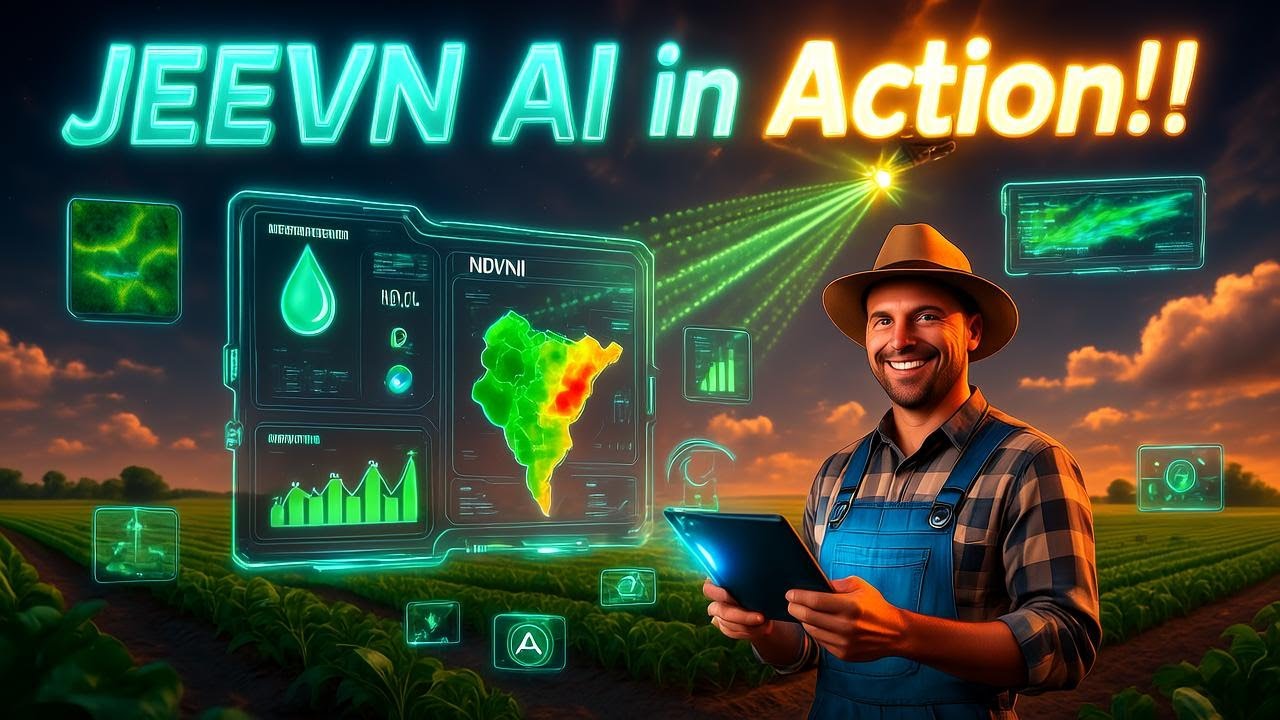
- Satellite-based monitoring systems (e.g., NDVI, soil temperature, moisture levels)
- Precision mapping of pest or disease pressure—targeting chemical spray only where necessary
- AI-driven advisory platforms for real-time orchard health updates
- Data analytics to track crop variability, efficiently allocate resources, and reduce costs
Precision agriculture tools allow farmers to precisely monitor water, nutrients, and plant health, enabling a remarkable reduction in waste and optimized tree growth for the best possible cherry fruit quality.
By customizing orchard management based on real-time insights, cherry growers in 2025 are reducing costs, maximizing production, and supporting environmental sustainability. For instance, spatial mapping shows where soil is nutrient-deficient or where fruit set is weaker, directing agronomists to focus attention precisely where it matters.
2. Drone Monitoring & Multispectral Imaging for Orchards
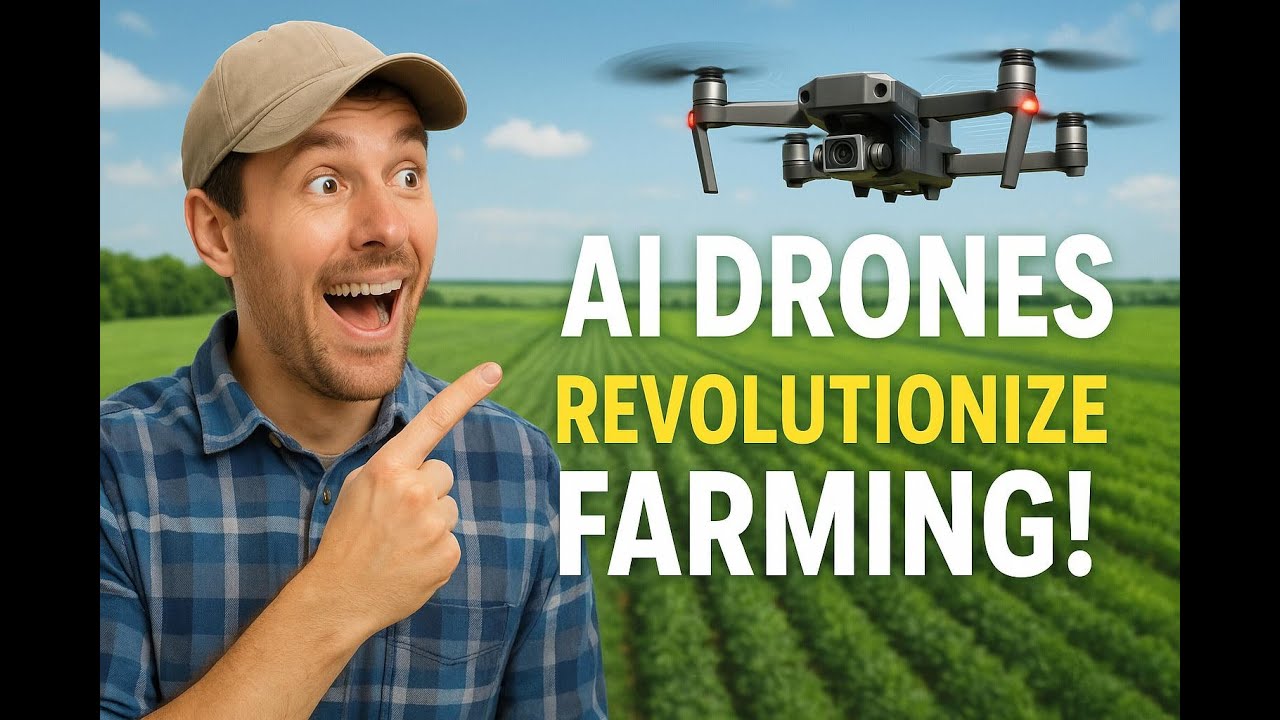
About agriculture technology in 2025, especially for cherry orchards, increasingly relies on drones equipped with multispectral imaging. These nimble aerial vehicles capture detailed overhead images—mapping canopy health, detecting early signs of stress, and providing critical data for smart interventions.
- 🌱 Detect stress fast: Multispectral sensors spot water stress, disease, or nutrient deficiencies even before visible symptoms arise.
- 🪰 Monitor pest infestations: Early identification enables targeted interventions that minimize chemical use and cut losses.
- 🗺 Map variability: Visualize orchard variability for precise irrigation, fertilizer scheduling, and harvest planning.
- 📈 Guide replanting: Identify weak zones for new trees or soil amendment.
The integration of drone data into farm management software (API integrations available via platforms like Farmonaut API) empowers farmers with actionable insights, allowing quick response to threats and maximizing orchard productivity.
Regular drone surveys throughout the growing season (weekly or biweekly) offer comprehensive data, revealing subtle changes in tree health that might go unnoticed from the ground!
3. AI-Based Disease & Pest Detection in Cherry Orchards
Harnessing the power of AI-powered analytics, modern about cherry tree farming has entered a new frontier in safeguarding fruit yields. Machine learning models, trained on millions of data points from remote sensors, satellites, and on-the-ground cameras, instantly detect early signs of infestation or disease—be it bacterial canker, powdery mildew, or pest incursions.
- 🔬 Automated image analysis: AI tools rapidly scan drone, ground, and satellite imagery to flag abnormal leaf color, blossom health, or pest trails.
- 🔔 Instant alerts to growers: When a threat is detected, growers receive notifications (often through smartphone apps) detailing recommended interventions.
- 🌺 Protect vulnerable blossoms: Especially during key periods, such as flowering and early fruit set, AI detection ensures timely action to minimize crop loss.
Relying exclusively on visual checks! AI analysis picks up pre-symptomatic signals invisible to the naked eye—enabling true early intervention.
Integrated decision-support systems like large scale farm management platforms allow agronomists and field teams to synergize AI insights with traditional orchard knowledge for best results.

4. Smart Irrigation & Soil Moisture Management
Smart irrigation stands out as another pivotal breakthrough in tech-enabled cherry orchard management. These systems employ soil moisture sensors, remote actuators, and AI-driven irrigation scheduling to tailor water delivery precisely to what each tree needs.
- 🚰 Water savings: By applying water only to sections in need, smart systems can slash orchard water usage by 25-40%.
- 🕒 Timed and automated: Linking irrigation to weather forecasts and real-time soil conditions helps avoid both drought stress and overwatering.
- 🌱 Healthier soil, healthier cherries: Lower watering frequency supports deep root growth, enhances fruit quality, and reduces susceptibility to disease.
- 💧 Sustainable practices: Smart irrigation aligns with carbon footprinting goals and environmental sustainability mandates.
Widespread adoption of smart irrigation and moisture technologies is not just a sustainability play—it’s a smart financial bet for growers in water-limited regions.
5. Climate-Resilient Cultivars & Adaptation Strategies
As weather patterns become increasingly erratic, climate resilience is now a top priority for cherry growers worldwide. Advanced biotechnological methods enable the development of new cherry cultivars that withstand:
- ☀ Drought conditions—deep roots, reduced evapotranspiration, and water-efficient stomata
- ❄ Late frosts and unseasonable chill—delayed flowering, protective genetic traits
- 🦠 Diseases—improved resistance to bacterial canker, powdery mildew, and viruses
- 💪 Improved stress tolerance—better fruit set under wide temperature swings
Researchers use gene editing, selective breeding, and tissue culture to quickly adapt cherry trees for these new climatic realities, helping farmers maintain fruit quality and yield even during tough seasons.
Climate-adapted cherry cultivars provide insurance against crop failures as global weather volatility threatens traditional varieties.
Automated weather forecasting tools and remote orchard sensors allow growers to integrate frost protection systems (wind machines, irrigation sprinklers) triggered in real time to safeguard blossoms during cold snaps—critical for sustaining yields.
6. Automated Harvesting & Post-Harvest Innovations
Labor remains a top concern in cherry orchard management. Enter the age of robotic cherry pickers and post-harvest automation. These systems use machine vision and soft robotic grippers to gently harvest only the ripest cherries—dramatically lowering labor costs and reducing post-harvest losses.
- 🤖 Selective picking: Robots are trained to recognize ripeness via color, gloss, and size—ensuring only premium fruit reaches the market.
- 🔥 Enhanced efficiency: Automated pickers can operate around the clock, optimizing harvest timing to peak fruit quality.
- 🔄 Post-harvest sorting: Precision packing lines use AI to sort by grade, detect bruising, and optimize packaging for shelf life.
- 💡 Integrated logistics: Fleet and equipment management tools (see Fleet Management Solutions) streamline the coordination of assets during the critical harvest period.
Automation adoption is fastest in markets with labor shortages. However, a staged introduction alongside skilled human pickers often yields the best short-term results.

7. Advanced Data Analytics & Digital Platforms
The foundation of all these innovations is advanced digital infrastructure: real-time data platforms, blockchain-enabled traceability, API integration, and AI-powered advisory systems. In 2025, cherry growers can:
- ⚡ Receive instant agronomic advice: Personalized recommendations for fertilizer, irrigation, and pest management.
- 📱 Monitor orchards from smartphones: Soil moisture, crop health alerts, and weather updates on demand.
- 🔗 Connect production to market: Traceability from blossom to consumer bolsters trust and sustainability claims (Learn about Traceability Solutions).
- 📊 Document environmental impact: Automated reporting of carbon footprint, water use, and resource conservation for regulators and eco-conscious buyers.
- 🛠 Integrate with financing: Digital records support crop insurance, loans, and compliance.
Blockchain-secured data, for example, ensures every cherry’s journey—from orchard to shelf—is transparent, building confidence across the value chain. With platforms like crop plantation and advisory apps, orchardists leverage the full spectrum of modern agricultural technology to stay a step ahead.
Real-time decision-support platforms—available as web or mobile apps—empower even smaller growers to harness big data for strategic advantage.
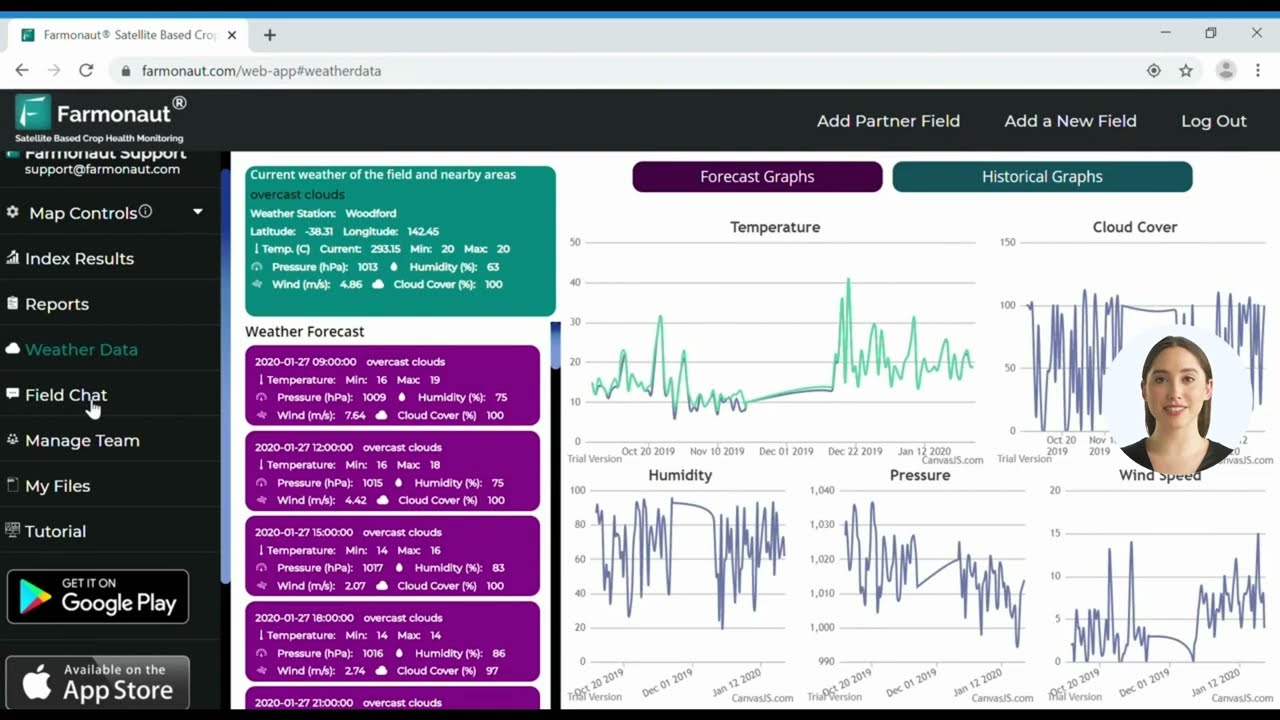
📱 Five Must-Have Digital Tools for Modern Cherry Orchards
- Satellite-based crop health apps (e.g., Farmonaut’s mobile/web app)
- Weather forecasting integrations
- Smart irrigation IoT controllers
- Blockchain-enabled traceability records
- AI-driven pest and disease advisory systems



🌍 Climate-Smart Cherry Farming: Top Adaptation Practices
- Biologically diverse cover crops to improve soil health and moisture retention
- Integrated pest management using real-time AI alerts
- Automated weather-based frost protection
- Adoption of disease- and drought-resistant cultivars
- Dynamic irrigation scheduling tied to soil and climate data
Key Cherry Tree Technological Innovations and Their Impact in 2025
| Innovation | Estimated Yield Increase (%) | Resource Savings (Water/Fertilizer, %) | Adoption Cost (Estimated in USD) | Primary Benefit | Environmental Impact Score (1-5) |
|---|---|---|---|---|---|
| Precision Agriculture | 20–30% | 25% (fertilizer, water) | $12,000–30,000 per 50 acres | Data-driven optimization of inputs and yield | 5 |
| Smart Irrigation | 7–15% | 25–40% (water) | $5,000–18,000 per unit | Reduces water wastage, enhances fruit quality | 5 |
| AI-Based Disease Detection | 12–18% | 10–15% (chemicals) | $6,000–15,000 (annual) | Prevents pest/disease losses, reduces chemical use | 4 |
| Drone Monitoring | 10–17% | 10–20% (varied inputs) | $8,000–25,000 (one-time + software) | Real-time orchard mapping for fast interventions | 4 |
| Automated Harvesting | 9–13% | 20–30% (labor cost) | $60,000–150,000 (robotic system) | Selective picking, increased consistency | 4 |
| Data Analytics Platforms | 11–17% | 12% (inputs, energy) | $3,000–10,000 (annual/project) | Centralizes farm decision-making for efficiency | 5 |
| Climate-Resilient Varieties | 17–22% | 7–15% (inputs, reduced losses) | $2,000–6,000 (per acre, planting/transition) | Mitigates risk, ensures stable yield/quality | 5 |
Note: Figures are indicative for 2025, based on global pilot projects and industry averages. Actual values may vary by geography, scale, and supplier.
How Farmonaut is Empowering Cherry Orchard Tech Adoption
As leading proponents of about agriculture technology, we at Farmonaut offer advanced, affordable satellite-driven solutions tailored for cherry farmers, agribusinesses, and governments aiming to modernize their orchard operations. Our technologies streamline the integration of satellite imagery, AI-acquired insights, and blockchain-based records for real-time monitoring, early pest/disease alerts, and transparent supply chain management.
- Satellite-Based Monitoring: Access field and orchard health data remotely via NDVI, soil moisture, and crop stress indicators.
- Jeevn AI Advisory: Get customized, real-time recommendations on irrigation, fertilization, and protection against critical weather events.
- Blockchain Traceability: Enhance the credibility of your cherry production for quality-driven and eco-sensitive markets.
- Environmental Monitoring: Automate carbon footprint and water use calculations to prove sustainability claims.
- Scalable Access: Benefit from cost-effective subscription models via our web and mobile apps as well as API integrations (learn more).
Frequently Asked Questions
What is precision agriculture in cherry farming?
Precision agriculture involves the use of sensors, satellite imagery, drones, and AI to monitor, analyze, and manage cherry orchards at a granular level. This allows targeted interventions—saving resources and increasing both yield and fruit quality.
How do smart irrigation systems improve orchard sustainability?
Smart irrigation uses soil moisture sensors and climate data to deliver water only where and when cherry trees need it. This reduces water waste, promotes healthier roots, and can cut orchard water use by 25–40%—vital in regions facing water scarcity.
Can digital platforms help small cherry farmers?
Yes! Mobile and web platforms equipped with real-time monitoring, AI advisories, and market connectivity empower even small-scale cherry growers to boost productivity, reduce input costs, and document sustainable practices for premium market access.
What are climate-resilient cherry cultivars?
These are cherry varieties bred or engineered to withstand specific environmental stresses—such as drought, late frost, or disease. Adopting them ensures higher, more reliable yield and fruit quality, even as unpredictable weather patterns intensify.
How does Farmonaut support cherry orchard technology in 2026 and beyond?
We provide affordable, satellite-based monitoring, AI-driven advisory systems, blockchain-enabled traceability, and environmental impact analytics—helping cherry farmers, agribusinesses, and government stakeholders achieve productivity, sustainability, and transparency in the agri-food chain.
Conclusion: Cherry Orchard Innovation and the Future of About Agriculture Technology
With the integration of precision agriculture, smart irrigation, drone surveillance, AI-based disease detection, advanced digital platforms, and climate-adapted cultivars, cherry farming in 2025 has become a beacon for high-tech, sustainable agriculture. These innovations are not just theoretical—they are practical, deployed, and delivering remarkable strides in yield, input use, and quality.
Farmonaut stands ready to empower cherry growers with the tools, knowledge, and insights needed to thrive in the future of about agriculture technology. By adopting these 7 innovations, cherry orchards globally are poised to deliver more fresh, nutritious, and responsible fruit production—meeting consumer demand and environmental mandates for years to come.
Explore our suite of solutions to take your cherry orchard to the next level of sustainability, productivity, and market connectivity.
Discussion
Questions, corrections or field experience? Share them below. First-time comments are reviewed before they appear, and your email is never published.
No comments yet. Be the first to add a question or your experience.

 Teledarbas
 Dreamz Tech
 Wild Oak Farm
 SFX
SFX BACF Africa
 Doodlakine
 Exurbia Geospatial
 FieldZero
 Indico Company
 Kubota
 FFBS
FFBS Jontra
 Tucor
Tucor
 Licence holder · Niger · Gold
 Licence holder · Nigeria · Gold + lithium










