

Climate Issues & Crops in the Philippines: Farmer Age 2026
“By 2026, the average age of farmers in the Philippines is projected to reach 59 years.”
“Over 70% of Philippine crop failures in 2025 are expected to be linked to climate-related issues.”
Introduction: The Crossroads of Agriculture in the Philippines 2025-2026
The Philippine agricultural sector, as of 2025 and heading into 2026, stands at a critical crossroads. As climate issues in the Philippines intensify and the farming population continues to age, the combined pressure on food security, productivity, and rural livelihoods becomes ever more significant. Agriculture remains a cornerstone of the Philippine economy, and over 100 million Filipinos depend on the sector for sustenance and income. Yet, mounting environmental risks, labor trends, and demographic challenges are reshaping this vital landscape.
Understanding the intertwined impacts of climate change, shifting demographics, and crop management practices is essential for crafting a sustainable and resilient agricultural strategy. In this comprehensive article, we examine the key climate issues in the Philippines, agricultural crops in the Philippines, and the age of farmers in the Philippines, and we highlight pathways forward for 2025, 2026, and beyond. We also explore how new technologies—especially satellite-powered insights—are empowering all stakeholders in the agricultural value chain.
Climate Issues in the Philippines: Vulnerability and Impact on Agricultural Crops
The Philippines is globally recognized as one of the world’s most climate-vulnerable countries. Its geographic location exposes it to the typhoon belt, rising sea levels, erratic rainfall, and increasingly extreme weather patterns. From Luzon to Mindanao, climatic disruptions are frequently observed—from prolonged droughts and scorching heat waves to relentless rainfall and severe typhoons.
How Climate Issues Affect Philippine Agriculture
- ✔️ Typhoons & Storms: Grown in intensity and frequency, typhoons often destroy standing crops, flood irrigation systems, and damage on-farm and rural infrastructure.
- ✔️ Erratic Rainfall Patterns: Unpredictable rain—alternating between drought and deluge—upends traditional planting calendars and reduces yields.
- ✔️ Water Scarcity: Prolonged dry spells reduce soil moisture, stunt plant growth, and threaten irrigation reliability.
- ✔️ Rising Sea Levels & Coastal Erosion: Affect lowland rice farms and coconut plantations, causing loss of arable land and salinization of soil.
- ✔️ Increased Temperatures: Mean accelerated pest and disease cycles, soil degradation, and heat stress on crops like rice, corn, and sugarcane.
Key Data Insights:
- 📊 Rice and corn yields in Central Luzon and Cagayan Valley have dropped by up to 20% after severe storms and droughts since 2020.
- ⚠ Over 70% of crop failures in the country for 2025 are projected to be climate-related, primarily linked to water stress and typhoon events.
- ✔ Philippine coconut, sugarcane, and banana plantations face heightened threats from saltwater intrusion, flooding, and shifting disease patterns.

Climatic changes have significantly affected the output of Philippine agriculture, making it clear that adaptation strategies must not only be a government priority but the cornerstone of survival for farming communities. The future of food production rests squarely on how the country manages these risks and harnesses innovative agricultural solutions.
Comparative Impact Table: Climate, Crops, Regions, Farmer Age 2026
The following table offers a data-driven look at the interplay between key climate issues, crop outputs, and farmer demographics across the country’s leading agricultural regions in 2026. Understanding these variations is essential to inform future sustainable agriculture practices.
| Region | Main Crop(s) | Key Climate Issue (2025-2026) | Estimated Yield Reduction (%) | Average Farmer Age (2026, years) |
|---|---|---|---|---|
| Central Luzon | Rice, Corn | Flooding, Typhoon Damage | 18% | 59 |
| Cagayan Valley | Rice, Corn, Banana | Drought, Heat Stress | 22% | 60 |
| Western Visayas | Sugarcane, Rice | Typhoons, Rainfall Variability | 23% | 58 |
| Bicol | Coconut, Rice | Typhoons, Saltwater Intrusion | 27% | 59 |
| Davao Region | Banana, Cocoa, Coconut | Heat, Pest Outbreaks | 20% | 58 |
| SOCCSKSARGEN | Corn, Rice, Coconut | Drought, Crop Disease | 15% | 61 |
Agricultural Crops in the Philippines: Climate Challenges and Adaptation Strategies
Among all agricultural crops in the Philippines, rice stands as the backbone—being the vital food staple of the nation. Beyond rice, crops such as corn, coconut, sugarcane, bananas, and root crops comprise the broader production system encountered across its diverse archipelago.
Major Crops and their Climate-Linked Challenges
- ✔️ Rice: Faces repeated damage from typhoon flooding, drought-induced stunting, and erratic rainfall disrupting planting schedules.
- ✔️ Corn: Susceptible to droughts, reduced vegetative growth, and pest outbreaks as climate warms.
- ✔️ Coconut: Affected by more violent typhoons, saltwater intrusion, and fluctuating rainfall harming fruit development.
- ✔️ Sugarcane: Highly vulnerable to wind damage, water stress, and soil erosion due to heavy rains and deforestation.
- ✔️ Other high-value crops (banana, cacao, coffee): Plagued by disease and pest proliferation, worsened by increased warmth and humidity.
“Crop diversification and climate-resilient seed varieties, combined with digital monitoring, are crucial tools to mitigate production risks for Filipino farmers.”
Climate-Resilient Practices Gaining Ground
- ✔ Adoption of drought-tolerant and saline-resistant rice and corn strains.
- ✔ Integrated Pest Management (IPM) for long-term control of pest and disease outbreaks—minimizing harsh chemical dependency.
- ✔ Acceleration of organic farming techniques for higher soil quality and resilience to erratic rainfall.
- ✔ Agroforestry practices—integrating trees and crops—to buffer against climatic shocks, enhance water retention, and preserve biodiversity.

Common Mistakes in Climate Adaptation (And How to Avoid Them)
“Focusing solely on irrigation expansion without soil health management ignores the long-term risks of soil degradation and nutrient depletion.”
- ⚠ Over-reliance on synthetic fertilizers increasing soil salinity and vulnerability to floods.
- ⚠ Ignoring early planting warnings and weather patterns—leading to higher crop losses.
- ⚠ Neglecting local knowledge in favor of generic, one-size-fits-all solutions.




The Aging Farmer Population: Demographic Shifts and Their Impact
A less visible—yet equally consequential—risk to the Philippine agricultural sector is the rapid aging of the farmer population. By 2026, the average age of farmers in the Philippines is estimated to reach 59 years. This demographic transformation is reshaping every aspect of the sector, from labor supply to transfer of farming knowledge and willingness to adopt new technologies.
What Drives the Farmer Age Shift?
- ✔ Younger generations moving to urban centers seeking better income and more stable work.
- ✔ Social perceptions that agricultural work is less rewarding or modern than urban employment.
- ✔ Gaps in education and incentives for youth to pursue careers in farming and agribusiness.
Major Risks Stemming from an Aging Farmer Workforce
- ⚠ Labor Shortages: Older farmers are less able to handle the physical burdens of planting and harvesting, while fewer young hands are present to help.
- ⚠ Technological Gaps: Limited digital literacy hinders the adoption of modern, sustainable practices, impacting productivity.
- ⚠ Knowledge Loss: Traditional wisdom and sustainable farming practices may not be passed to the next generation, threatening long-term resilience.
- Average Filipino farmer’s age rising toward 60 by 2026—risking a gap in future farm labor supply.
- Youth migration to cities leaves Philippine agriculture with fewer innovators and successors.
- Knowledge transmission among generations is at risk; new policies needed for youth engagement.
- Government and agencies increasing efforts toward youth agribusiness education and farm incentives.
- Farm mechanization and digital literacy efforts can drive resilience and productivity amid aging demographics.
“Companies and financial institutions exploring agri-tech investments should prioritize platforms that address labor shortages and provide tools for older farmers to adopt sustainable and digital farming.”
Learn about satellite-based loan and insurance verification for agriculture.
Addressing the Age & Labor Gap: Solutions for 2026
- Government-driven financial incentives and rural development programs for youth entering agriculture.
- Technology-driven platforms (mobile/mobile, remote sensors, and AI-driven advisory) make farming more attractive and manageable for younger and aging farmers alike.
- Farm mechanization to offset shrinking labor supply during critical planting and harvesting periods.
- Training programs for older farmers to boost digital literacy and integrate sustainable practices.
“Over 70% of Philippine crop failures in 2025 are expected to be linked to climate-related issues.”
Sustainable Solutions for 2026 and Beyond
To ensure that the Philippine agricultural sector remains productive and resilient, sustainable adaptations must be prioritized. The best solutions are those that synergize technological innovation, improved infrastructure, community participation, and government support.
Critical Actions for a Resilient Agricultural Future
- ✔️ Expand irrigation and water management infrastructure to address both droughts and floods.
- ✔️ Invest in climate-resilient crop research and rapidly disseminate drought/saline/heat-tolerant seed varieties.
- ✔️ Scale up farmer training and digital education programs; empower all ages with sustainable and climate-smart agriculture practices.
- ✔️ Incorporate smart agroforestry to restore soils, buffer microclimates, and conserve biodiversity for long-term viability.
- ✔️ Adopt digital traceability systems and supply chain transparency to improve trust, reduce food losses, and enhance market access.

Use satellite-enabled resource monitoring and advisory services to optimize irrigation, fertilizer, and pest management, especially amid changing weather patterns.
Visual List: Components of a Climate-Resilient Farm System
- Robust water systems (rainwater harvesting, irrigation canals)
- Multi-crop & agroforestry diversification for soil & income security
- Direct weather and crop monitoring access, farm-level alerts
- Digital record-keeping for yield, soil, and pest trends
- Supply chain transparency and end-to-end traceability
Learn how Farmonaut’s carbon footprinting platform helps agricultural businesses, farmers, and regulatory agencies monitor emissions and implement climate-smart practices to increase both profitability and long-term sustainability.

Harnessing Technology & Satellite Insights: The Farmonaut Advantage
Modern challenges require advanced tools—and satellite-powered, AI-driven platforms are rapidly redefining how we monitor, manage, and adapt agricultural crops in the Philippines.
- ✔️ Satellite-based monitoring delivers real-time imagery on crop health (NDVI), soil conditions, and water stress, vital for disaster preparedness and day-to-day climate adaptation.
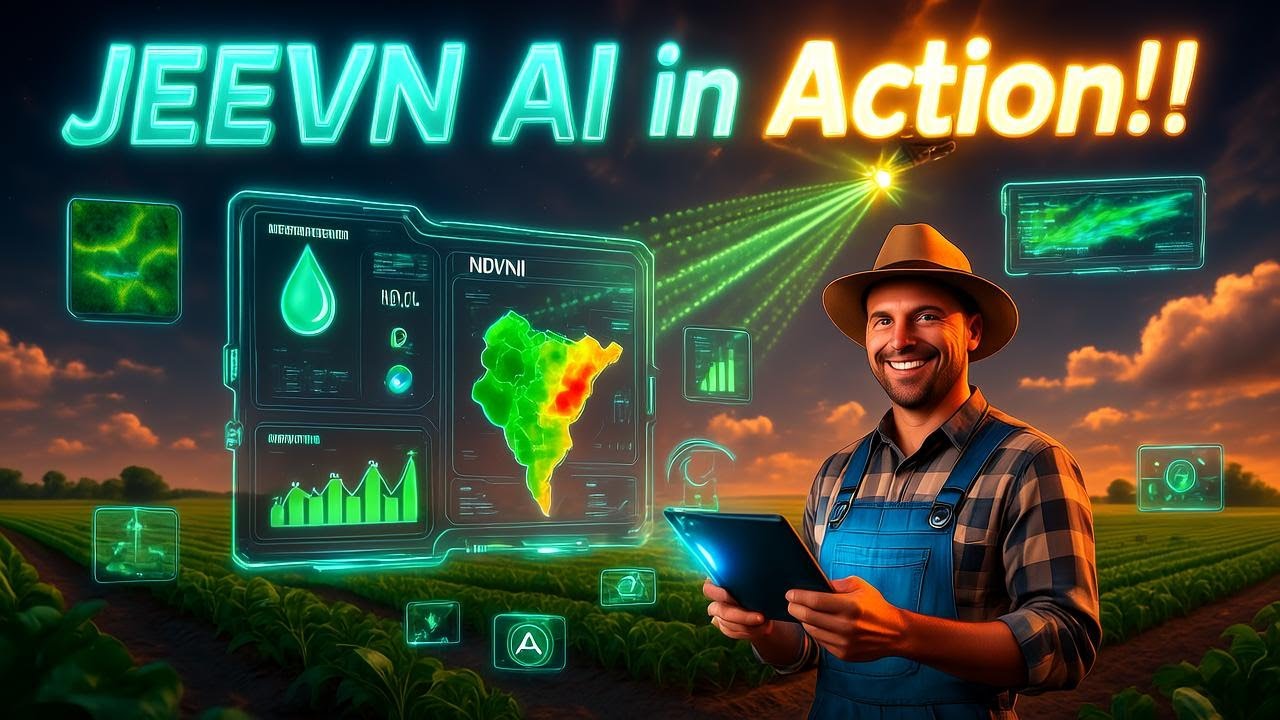
- ✔️ AI-driven advisory systems like Jeevn AI enable farmers to optimize their decisions based on real data, not guesswork.
- ✔️ Blockchain-based traceability bolsters transparency, trust, and the market value of Philippine agricultural products.
- ✔️ Environmental impact tracking helps businesses comply with regulations and improve sustainable practices via accurate, actionable data.
What Sets Farmonaut Apart?
- Affordable, on-demand access to critical satellite data for smallholders, large agribusinesses, and agencies—unleashing the value of data-driven agriculture for all.
- End-to-end digital solutions: actionable advice, crop traceability, environmental compliance, and resource management in a single seamless platform.
- Available on Android, iOS, web, and via API—track field health, weather forecasts, and market trends anytime, anywhere.
- Custom integration opportunities for businesses: check Farmonaut’s Fleet Management, Large-Scale Farm Management and Traceability solutions.
- Support for financial providers seeking satellite-enabled crop verification for loans and insurance (learn more about this application).
Access comprehensive documentation to integrate Farmonaut API into your own app or platform for weather, field, and crop monitoring here:
Farmonaut Satellite API |
API Developer Docs
The combined impact of aging farmers, erratic climate patterns, and yield variability underscores the need for sustainable digital transformation across all Philippine agriculture sectors.

Download the Farmonaut app on your preferred platform—Android, iOS, or Web—to begin analyzing crop health, track rainfall impacts, and plan your next planting season efficiently with satellite-driven data.
Key Callouts & Highlights
FAQs: Climate, Crops, and Farmer Age in the Philippines
What are the biggest climate issues impacting Philippine agriculture?
The most pressing climate issues in the Philippines for agriculture are frequent typhoons, unpredictable rainfall, droughts, rising temperatures, saltwater intrusion, and more intense pest and disease cycles. These factors cause crop losses, lower productivity, and threaten the continued viability of farmlands.
How is the age of farmers in the Philippines affecting food security?
The rising average age of farmers in the Philippines (projected to hit 59 by 2026) results in labor shortages, slow adoption of new technologies, and knowledge gaps. Without effective engagement of younger generations, food security and sector resilience are at risk.
What are top sustainable adaptation practices for crops?
Effective adaptation includes climate-resilient seed varieties, regenerative agroforestry, integrated pest management, organic farming for soil health, and digital solutions for crop and weather monitoring. These practices improve both productivity and climate resilience.
What role do satellite platforms like Farmonaut play in 2026 agriculture?
Satellite platforms provide real-time, accurate data on crop health, rainfall, and soil conditions—empowering farmers and agribusinesses to make smarter, faster, and more resilient management decisions. They also support policy, compliance, and financial services.
Where can I learn more about sustainable practices and get remote advisory?
Explore
Farmonaut’s crop and forest plantation advisory platform for AI-enabled, satellite-powered climate solutions. Access remote insights and expert guidance via mobile and web!
Conclusion: Crafting a Resilient Agricultural Future in the Philippines
The coming years—2025, 2026, and beyond—represent a pivotal moment for Philippine agriculture. With climate issues presenting mounting threats and the age profile of farmers in the Philippines shifting ever upward, urgent action is needed. But within these challenges are also opportunities: to reshape the agricultural landscape with sustainable, tech-powered, and inclusive solutions.
The synergy of climate-smart practices, farmer education, digital and satellite tools—as demonstrated by innovative offerings like those from Farmonaut—creates a foundation for increased resilience, productivity, and sustainability. Governments, businesses, and, crucially, farmers themselves must act now to ensure Philippine agriculture remains a viable, thriving cornerstone of the country’s economy and a vital source of food security for millions.
By investing in infrastructure, research, agroforestry, traceability, and youth engagement, and by embracing real-time satellite insights, the Philippines can secure a robust, climate-resilient agricultural sector that will endure and evolve through the risks and opportunities of the 21st century.
Ready to secure your yields, protect your soil, and join the future of sustainable agriculture? Start using Farmonaut today!
Discussion
Questions, corrections or field experience? Share them below. First-time comments are reviewed before they appear, and your email is never published.
No comments yet. Be the first to add a question or your experience.

 Escorts Kubota
 FieldZero
 Indico Company
 Kubota
 FFBS
FFBS Jontra
 Kalustyan
 Tucor
Tucor Geno
Geno Hayleys Agriculture
 Linx Agritech
 Adinet
 Save Your Soils
 Licence holder · Niger · Gold










