

Advanced Vineyard Systems: Atlas Vineyard Management 2025
Revolutionizing Viticulture through Precision, Technology, and Sustainability
“In 2025, advanced vineyard systems can increase grape yield consistency by up to 30% using precision management.”
Viticulture—the cultivation and harvesting of grapes—has always demanded an intricate balance of art and science. Traditionally, the management of a vineyard heavily relied on manual observations, intuition, and generational knowledge. However, as global climate patterns grow increasingly erratic, and consumer demand for high-quality wine rises, advanced vineyard systems like Atlas Vineyard Management have come to the forefront, revolutionizing how we optimize grape production, elevate sustainability, and secure economic viability worldwide.
In this in-depth guide, we unravel everything you need to know about advanced vineyard systems, Atlas Vineyard Management, and how their adoption in 2025 is changing the face of modern viticulture — covering core technologies, processes, data-driven insights, sustainability benefits, economic impacts, and more.
- 1. Introduction: The Evolution of Vineyard Management
- 2. The Rise of Advanced Vineyard Systems in 2025
- 3. Key Technologies Driving Vineyard Transformation
- 4. Atlas Vineyard Management: A Holistic Platform for Viticulture
- 5. Table: Comparison of Advanced Vineyard Technologies and Impact (2025)
- 6. Benefits of Advanced Vineyard Systems and Precision Management
- 7. Data Analytics, AI, and Predictive Models in Modern Vineyards
- 8. Ensuring Sustainability and Traceability in Viticulture
- 9. Farmonaut: Satellite Technology Empowering Agriculture (with product links)
- 10. The Economic Impact: Viability, Profitability, and Market Access
- 11. Challenges and Considerations in Adopting Advanced Systems
- 12. Advanced Vineyard Systems: Trends, Future, and Innovations Beyond 2025
- 13. Frequently Asked Questions
1. Introduction: The Evolution of Vineyard Management
The story of viticulture dates back thousands of years, where grapevine cultivation intertwined human ingenuity, science, and an almost mystical artistry. For centuries, growers tuned their practices to seasonal variations and manual observations, often subject to guesswork and the unpredictable swings of weather and climate.
The last two decades have witnessed a decisive shift: Advanced vineyard systems now integrate precision agriculture, IoT sensors, remote sensing, data analytics, and AI-driven predictive models to provide actionable insights that go far beyond what was previously possible. By 2025, this transformation has accelerated, forging a new paradigm for vineyard management that is:
- Data-driven — Harvesting vast streams of real-time data on soil, weather, vine health, water, nutrients, pests, and more.
- Precision-oriented — Delivering targeted interventions (like irrigation, fertilization, pest control) only when and where needed, drastically improving resource efficiency.
- Sustainability-focused — Reducing water and chemical use, improving soil health, and ensuring compliance with environmental regulations.
- Consumer-responsive — Meeting rising demand for traceable, high-quality wine production in a transparent manner.
With erratic climate patterns, labor shortages, and higher standards for sustainability globally, the case for adopting advanced vineyard systems like Atlas Vineyard Management is compelling for every vineyard aiming to thrive in 2025 and beyond.

2. The Rise of Advanced Vineyard Systems in 2025
By 2025, what defines an advanced vineyard system? The modern vineyard is a symphony of technologies that:
- Enable precise monitoring of vineyards (including soil conditions, temperature, humidity, moisture levels, nutrient status, and even microclimate variations)
- Integrate IoT sensors, weather stations, drone and satellite imaging for multi-scale data collection
- Leverage analytics and AI-based predictive models to inform decision-making
- Support actionable intervention (from precision irrigation and targeted fertilization to automated disease and pest management)
Unlike traditional methods that relied heavily on manual observation and guesswork, these platforms enable vineyard managers to monitor, analyze, and intervene with unprecedented accuracy. This revolution is being exemplified by Atlas Vineyard Management—a holistic, integrated platform designed for modern viticulture.
“Atlas Vineyard Management’s tech innovations reduce vineyard water usage by 25% while maintaining optimal grape quality.”
3. Key Technologies Driving Vineyard Transformation
Advanced vineyard systems such as Atlas Vineyard Management are built on several technological pillars that, collectively, elevate viticulture to a new level of efficiency, sustainability, and grape quality:
- IoT Sensors: Deployed throughout the vineyard, these sensors track soil moisture, nutrient levels, temperature, humidity, and vine water status around the clock.
- Weather Stations: On-site stations provide hyper-localized weather data—vital in forecasting disease and pest risks, planning interventions, and adapting to shifting climate patterns.
- Remote Sensing & Satellite Imaging: Drone and satellite imagery expose subtle signs of vine stress, disease outbreaks, and microclimate variations invisible to the naked eye.
- AI-Driven Analytics: AI models analyze historical and real-time data to deliver predictive insights—forecasting vine growth stages, optimal harvest timing, disease development, and resource application needs.
- Automated Canopy and Labor Management: Task assignment, labor optimization, and canopy adjustment synchronously respond to data-driven alerts (e.g., for pest control or frost protection).
- Integrated Traceability & Quality Control: Complete digital records of every action, input, and environmental condition ensure total product traceability, enhancing market reputation and regulatory compliance.

These advanced vineyard systems form the backbone of next-generation viticulture—enabling the holistic management style now possible with platforms like Atlas Vineyard Management.
4. Atlas Vineyard Management: A Holistic Platform for Viticulture
Atlas Vineyard Management is one of the most integrated, innovative, and scalable management platforms designed specifically for the demands of modern viticulture in 2025. Let’s break down the key components that comprise a truly advanced vineyard system:
Key Components of Atlas Vineyard Management
-
Comprehensive Data Collection and Continuous Monitoring
Utilizing IoT-enabled field sensors, Atlas continuously collects critical data about soil, humidity, temperature, vine water status, and canopy health.
This is seamlessly combined with drone and satellite-based imaging—enabling vineyard managers to detect stress, disease, and pest infestations at a stage long before visual symptoms are noticeable. -
Predictive Analytics and Decision Support
Atlas’s predictive analytics harness historical and real-time datasets to forecast:- Vine growth and development patterns
- Potential disease or pest risks
- Optimal pruning and harvest windows
These insights empower managers to make proactive, data-driven interventions.
-
Resource Optimization and Sustainability
Precise irrigation scheduling ensures water is used only as needed.
Fertilization and pest control are applied based on real-time nutrient mapping and pest risk alerts, which:- Reduces environmental impact
- Lowers input costs
- Meets more stringent sustainability criteria
Atlas is pivotal for meeting 2025’s environmental and economic standards.
-
Labor and Operations Management
The system streamlines labor scheduling and operational logistics. Automated notifications efficiently allocate labor for critical tasks—reducing human error and optimizing costs. -
Traceability and Quality Control
Every action, management practice, environmental reading, and quality metric is digitally recorded. This traceability:- Provides transparent, auditable supply chain records
- Supports premium market positioning and regulatory compliance
- Reinforces consumer trust and brand reputation
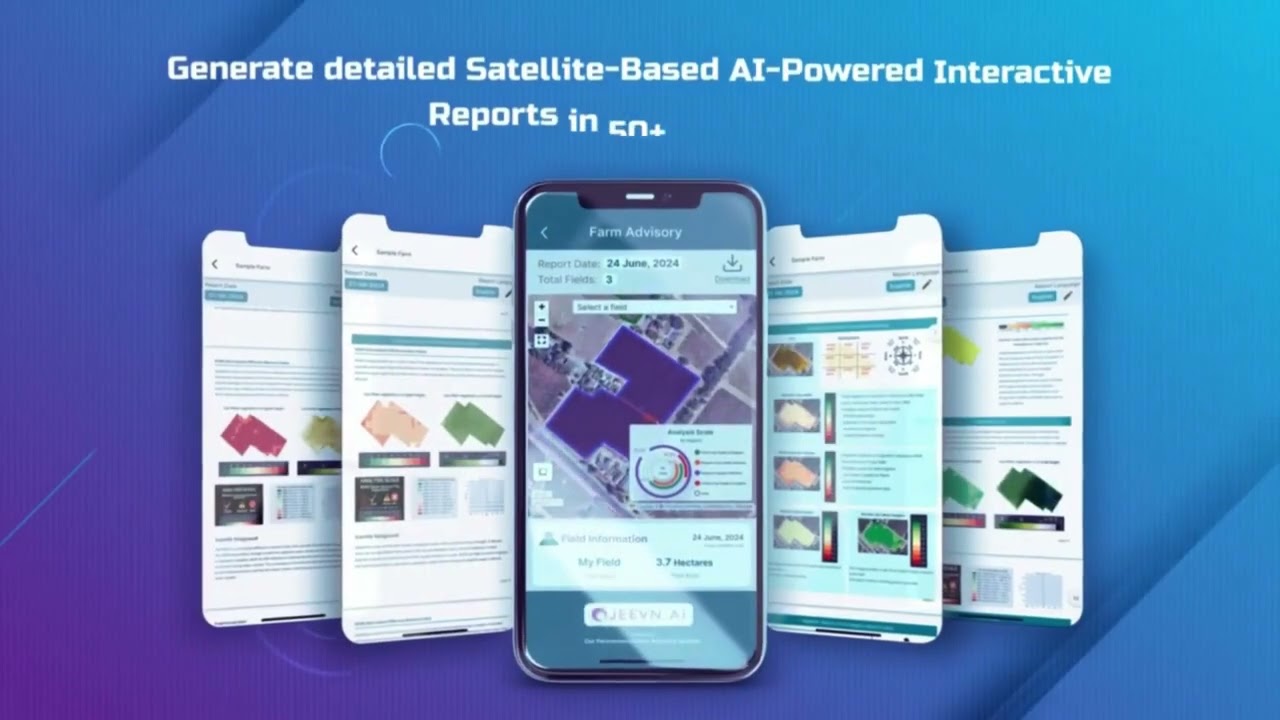
Atlas does not work in isolation—it is representative of how a new generation of platforms are enabling growers to optimize production, quality, environmental sustainability, and profitability in every facet of vineyard operations.
5. Table: Comparison of Advanced Vineyard Technologies and Impact (2025)
| Technology/System Name | Core Functionality | Implementation Level (Estimated % of Vineyards in 2025) | Impact on Grape Quality (Estimated % Improvement) | Sustainability Benefit (Estimated Reduction in Water/Pesticide Use) | Cost Efficiency (Estimated ROI Period) |
|---|---|---|---|---|---|
| Satellite Monitoring | Remote sensing for large-scale crop health, soil moisture & stress detection | 60% | +22% | Water: up to 25% less Pesticides: up to 19% less |
12-18 months |
| Precision Irrigation | Automated, targeted water application based on real-time data | 55% | +19% | Water: up to 30% less | 18-30 months |
| Soil Sensor Networks | Grid-based monitoring of soil moisture, nutrient levels, and temperature | 70% | +24% | Water: up to 28% less Fertilizers: up to 15% less |
18-24 months |
| Automated Canopy Management | AI-driven vine pruning and canopy control for light & air optimization | 32% | +13% | Pesticides: up to 12% less | 24-36 months |
| AI-driven Disease Prediction | Early detection of disease/pest threats using predictive modeling | 40% | +17% | Pesticides: up to 20% less | 14-22 months |
6. Benefits of Advanced Vineyard Systems and Precision Management
By integrating advanced systems like Atlas Vineyard Management, growers and vineyard managers unlock a host of benefits:
- Optimized Grape Quality: Consistent monitoring and targeted interventions lead to superior grape characteristics (sugar, acidity, phenolic content), translating directly to premium wine quality.
- Yield Consistency: Predictive analytics inform precise timing for harvest and cultural practices, increasing yield reliability and minimizing losses due to untimely harvesting or unexpected weather.
- Resource Efficiency: Smart irrigation and data-driven nutrient delivery drastically reduce input waste (especially water and fertilizers), lowering costs and minimizing environmental impact.
- Reduced Environmental Footprint: Targeted pest/disease control reduces overall chemical usage, safeguarding soil and ecosystem health—even as regulatory scrutiny grows stricter.
- Labor and Operational Savings: Automated scheduling and real-time task assignment optimize workforce deployment and reduce reliance on guesswork or manual reporting.
- Traceability & Transparency: Complete digital records boost market trust, enable premium branding, and ease compliance with international standards.

7. Data Analytics, AI, and Predictive Models in Modern Vineyards
One of the most transformative aspects of advanced vineyard systems is how analytics, machine learning, and predictive models have become core to modern viticulture in 2025:
- Data-Driven Decision-Making: Stringently collected data from soil sensors, satellite/rone imagery, weather stations are analyzed to detect patterns and anticipate issues before they lead to loss.
-
AI-Based Predictions: Machine Learning algorithms—informed by years of historical and in-season data—forecast:
- Outbreaks of fungal diseases or pest infestations
- Peak ripeness and harvest timing windows
- Resource demand fluctuations based on microclimate variations
- Potential labor bottlenecks due to climate unpredictability
- Automated Alerts & Advisory: The system directly notifies managers about critical intervention points—from frost risk, nutrient depletion, to late-season pest pressure.
- Yield and Financial Forecasting: Robust analytics help forecast expected yield volumes and grape quality grades, enabling more precise contract fulfillment and market positioning.
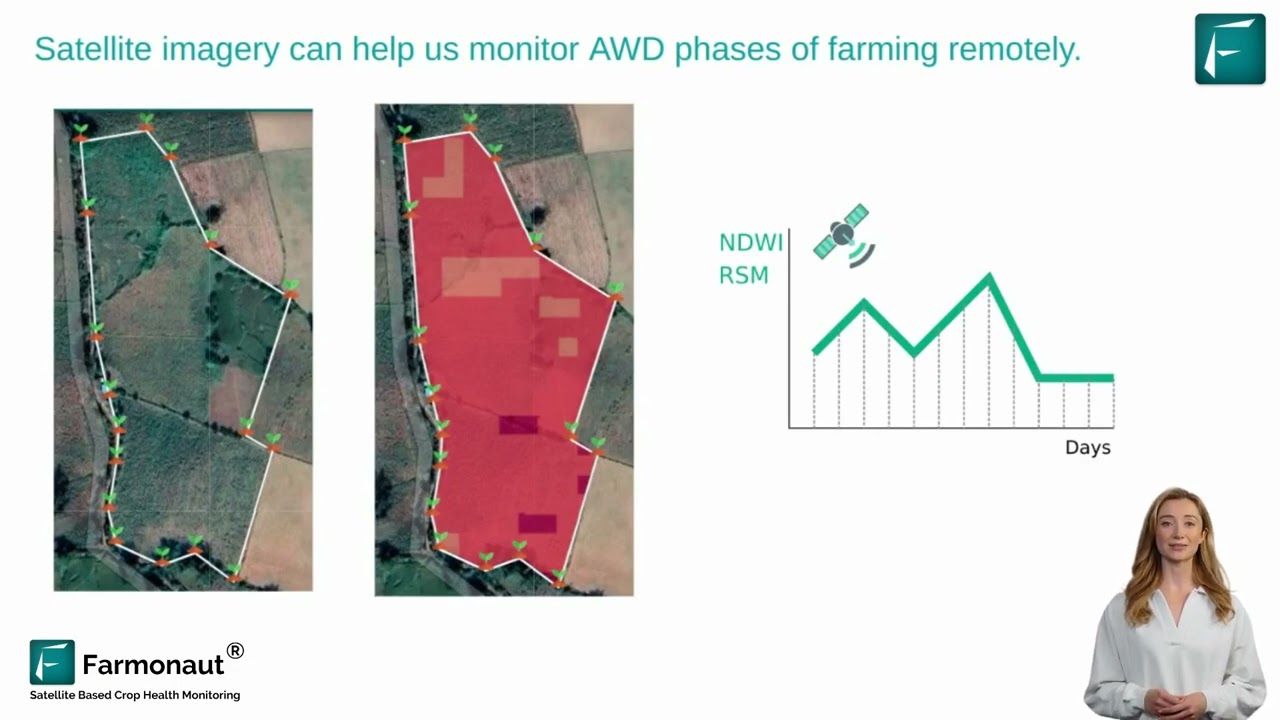
This level of precision and informed action helps mitigate the increasing risks associated with erratic climate patterns and resource limitations.
8. Ensuring Sustainability and Traceability in Viticulture
Sustainability and traceability have risen to the top of viticulture’s priorities in 2025. Vineyard businesses must now not only maximize profitability but also protect natural resources and uphold transparency at every step.
Here’s how advanced vineyard systems like Atlas contribute to sustainable, transparent practices:
- Water Conservation & Management: Precision irrigation and soil monitoring have driven down vineyard water usage by as much as 25% without sacrificing grape quality.
- Reduced Chemical Inputs: Through constant monitoring and targeted application, fertilizer and pesticide use is minimized, reducing runoff and safeguarding biodiversity.
- Carbon Footprint Monitoring: With regulations tightening, platforms can track overall carbon emissions, paving the way for more carbon-neutral vineyards in the future.
- Blockchain Traceability: From soil to bottle, vineyards can employ blockchain-based traceability solutions to ensure each batch of grapes is accountable, verifiable, and market-ready for premium consumers.

Traceability, Transparency, and the Value of Provenance
In global markets, consumers increasingly demand proof of origin and assurance of sustainable practices. Advanced traceability not only satisfies regulatory pressures and *ethical* consumer segments, but opens doors for premium pricing and broader export access.
9. Farmonaut: Satellite Technology Empowering Agriculture & Viticulture
With the proliferation of data and analytics, satellite-based monitoring platforms have become essential. As Farmonaut, we are passionate about democratizing access to real-time satellite insights for businesses, individuals, and governments worldwide—including growers, vineyard managers, and major industry players.
Our 


Through the Farmonaut platform, vineyard owners can:
- Monitor crop health, soil conditions, and water status using up-to-date satellite imagery and AI-driven advisories
- Access blockchain-enabled traceability for meeting premium wine market requirements — Learn more about traceability solutions
- Track and minimize carbon emissions—critical for meeting both compliance and ethically conscious consumer preferences— Carbon Footprinting for Vineyards
- Utilize environmental impact monitoring and reporting tools for regulatory and sustainability records
- Integrate satellite-based “ground-truth” verification for crop insurance and agricultural loans—unlocking financing for vineyard expansion and risk management
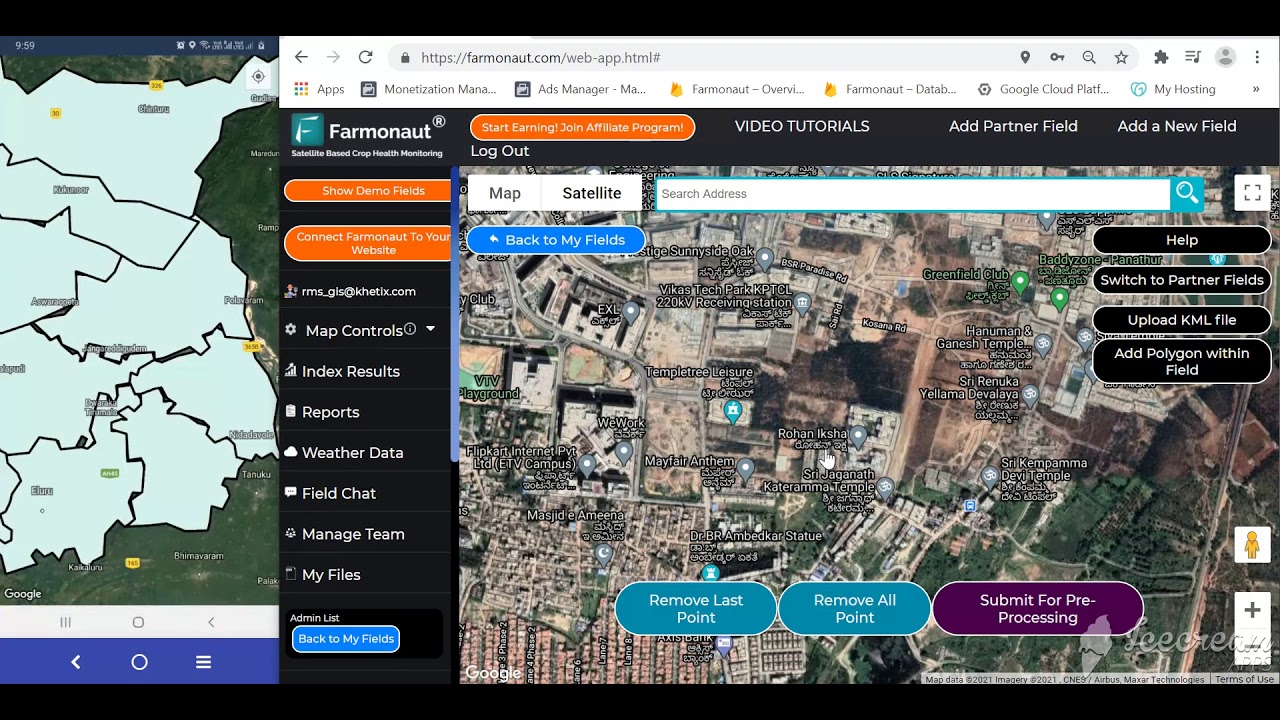
With our APIs (see Farmonaut API and API Developer Docs), developers and large enterprises can embed satellite-powered insights and workflow automations into their own vineyard management systems, logistics platforms, or traceability solutions.
To manage large estates or multiple vineyard blocks, we offer a specialized large-scale farm management product for streamlined oversight and decision support.
In all, Farmonaut’s unique blend of satellite imagery, AI, and blockchain delivers powerful, scalable, and affordable solutions—empowering growers and businesses to make data-driven decisions that truly revolutionize viticulture in 2025 and beyond.
We are here to enable digitized, sustainable, and resilient agriculture at scale—helping you adapt, optimize, and lead in a changing world.
10. The Economic Impact: Viability, Profitability, and Market Access
The introduction of advanced vineyard systems revolutionizes the economic viability of vineyard operations:
- Higher Yields, Consistent Production: Reliable, precision-guided management reduces crop loss, improves grape uniformity, and maximizes marketable volumes.
- Premium Grape and Wine Pricing: Enhanced traceability and sustainability credentials open premium and export markets. Quality over quantity is rewarded—high-grade, traceable grapes receive higher offers from wineries globally.
- Reduced Input and Labor Costs: Automated, data-driven interventions cut unnecessary expenditures, accelerate ROI on technology investments, and stabilize operational budgets.
- Attracting Investment to Rural Areas: Modernized vineyards boost area value, encourage technology transfer, and stimulate local economies by creating skilled jobs in tech-enabled farm operations.
- Resilience Against Climate Risks: Advanced analytics and quick response capabilities help vineyards withstand the extreme weather and yield variations that jeopardize less technologically advanced estates.

The adoption of platforms like Atlas Vineyard Management is, thus, as much an economic imperative as it is an agronomic or environmental one. Vineyards that digitize, automate, and measure outperform peers across every metric—profit, resilience, market reputation, and sustainability footprint.
11. Challenges and Considerations in Adopting Advanced Systems
While the benefits are substantial, vineyard adoption of advanced systems in 2025 comes with its own considerations:
- Initial Capital Investment: Onboarding sensors, imaging equipment, and platform subscriptions requires upfront financial outlay, though ROI is swift compared to past decades.
- Training & Digital Literacy: Managers and staff need training in data interpretation, platform workflows, and smart device operation to realize the system’s full value.
- Data Security & Integration: As with any enterprise tech, robust data security and integrating new tools with legacy systems is vital.
- Adaptation to Local Terroir: Algorithms and recommendations must be refined for site-specific factors (unique soil, microclimates, vine varieties) for optimal results.
- Regulatory Complexity: Compliance with local and international data privacy, sustainability reporting, and food safety regulations continues to evolve with technology.
To address these challenges, choosing a modular, scalable, and well-supported platform like Atlas Vineyard Management or integrating Farmonaut’s flexible solutions can smooth the transition and ensure long-term success.
12. Advanced Vineyard Systems: Trends, Future, and Innovations Beyond 2025
Looking beyond 2025, several emerging trends are poised to further revolutionize viticulture using advanced systems:
- Fully Autonomous Vineyards: From robotic vine pruners to harvesters, automation and machine learning will become increasingly dominant in labor-intensive sectors.
- Continuous Satellite Monitoring: High-resolution, low-cost satellite imagery will enable near real-time global vineyard monitoring and benchmarking.
- Integration with Financial & Carbon Markets: Traceable, certified, and low-carbon vineyards will directly benefit from carbon credit and green finance opportunities.
- Open-Source Data Sharing: Vineyard data ecosystems and API integrations will allow for benchmarking, learnings, and even collaborative disease risk management across regions and continents.
- Terroir-Tailored Analytics: AI will personalize management advisories (from pruning to harvest) to specific plot conditions—maximizing micro-terroir expression in wine.
As the digital transformation accelerates, the question for growers is no longer “if” but “how fast” they can leverage advanced vineyard systems to ensure future viability and leadership in a climate-challenged world.
Farmonaut Subscriptions: Affordable, Scalable & Designed for Growers
13. Frequently Asked Questions – Advanced Vineyard Systems & Atlas Vineyard Management 2025
What are advanced vineyard systems, and why are they crucial in 2025?
Advanced vineyard systems use integrated technology—IoT, satellite monitoring, AI analytics, and digital platforms—to optimize grape, resource, and labor management. By 2025, these systems help vineyards respond to erratic climate, boost grape quality, reduce environmental impact, and maintain economic viability despite growing market and regulatory pressures.
How does Atlas Vineyard Management exemplify modern viticulture?
Atlas Vineyard Management is a holistic platform that automates data collection (soil, weather, vine health), employs predictive analytics for yield and risk forecasting, and orchestrates resources for optimal performance. It supports every stage from planting to harvest, including traceability and compliance.
How does predictive data analytics improve grape quality and yields?
By analyzing real-time and historic data, predictive analytics help managers anticipate disease outbreaks, water stress, and nutrient deficiencies. Corrective actions—taken before symptoms appear—lead to higher yields, improved grape characteristics, and consistent wine quality.
What role do satellite technologies play in vineyard management?
Satellite technologies enable large-scale, non-invasive monitoring of crop health, soil conditions, canopy vigor, moisture, and environmental risks. This data, as offered by platforms like Farmonaut, supports timely interventions and strategic planning for vineyard operations.
Can small vineyards affordably adopt these systems?
Yes. With modular subscription models from platforms like Farmonaut and tailored implementation of components (e.g., soil sensors or drone scouting), both small and large growers can access advanced insights and drive significant ROI.
How does advanced management support sustainability in viticulture?
By optimizing water and chemical usage, reducing environmental footprint, and tracking carbon output, advanced vineyard systems help growers comply with strict environmental regulations and improve long-term soil health.
How is traceability ensured from grape to bottle?
Through detailed, blockchain-enabled digital records of every management action, environmental condition, and grape movement, consumers and regulators can fully trace product provenance—boosting trust and supporting premium branding.
Where can I start using satellite-powered viticulture and advanced vineyard systems?
You can begin right now by exploring the Farmonaut app for real-time field/vineyard monitoring, subscribing for tailored insights, or integrating Farmonaut’s API into your operations. Whether you manage small plots or extensive estates, modular services scale to your needs.
Conclusion: Atlas Vineyard Management & the Future of Viticulture
Advanced vineyard systems, Atlas Vineyard Management, and responsive digital platforms are ushering viticulture into an era defined by precision, sustainability, and data-driven decision-making.
By aligning the nuanced art and science of grape cultivation with scalable and accessible technologies, growers worldwide are now equipped to deliver outstanding grape quality and sustainability. The revolution in vineyard management in 2025 and beyond is not just about higher yields or profits—it’s about resiliency in the face of climate risks, unlocking premium wine markets, and leading a global industry transformation towards environmental stewardship and transparency.
Vineyards that embrace these platforms and processes will define the benchmarks for future success, while those that lag may find it increasingly difficult to compete in a digitized, regulated, and climate-adaptive wine world.
Curious to see how modern vineyard analytics can transform your operations? Explore our apps, APIs, and large-scale management tools for a smarter, more sustainable future.

 Mostas Tech
 AgroStar
 Native Seeds
 Andex
Andex FCF India
 Unifrutti Gulf
 Deluxe Conseil
 TVS Electronics
 BW Pipelines
 WICO
WICO Chimera Innovation
 SkyHarvest
 Polaris Digitech
 Teledarbas
