

Advanced Weed Control Implements for Organic Farms 2025: Revolutionizing Sustainable Agriculture
“Robotic weeders in 2025 can reduce manual labor by up to 70% on organic farms.”
Why Advanced Weed Control in Organic Farming Matters
As we enter 2025, the global shift toward chemical-free, organic agriculture continues to accelerate, fueled by rising consumer demand for safe and nutritious produce. Weed control remains one of the foremost challenges faced by organic farmers. Unlike conventional farming, where synthetic herbicides are often deployed against invasive weeds, organic farmers are prohibited from using these chemicals. Instead, advanced weed control implements for organic farms must be leveraged, integrating precision, mechanical, and digital technologies to maintain both productivity and sustainability.
This blog explores how the latest innovations, from automation to robotics, are transforming weed management on organic farms — all while preserving soil health, reducing manual labor, and enabling greater operational efficiency in 2025 and beyond.
Focus Keyword: advanced weed control implements for organic farms



Explore Farmonaut’s satellite-driven agricultural insights! Access our web platform to monitor crop health, soil conditions, and track farm resources using AI-based advisory systems and real-time data.
For developers and AgriTech companies: Connect your solutions with our robust Satellite API or dive deep into our API documentation for seamless integration!

Challenges of Organic Weed Management in 2025
Weeds are relentless competitors, absorbing vital nutrients, water, and sunlight meant for crops. Their unchecked growth can lead to significant yield and quality losses, challenging even the most experienced organic farmers. Without synthetic herbicides, the task of weed control intensifies on organic farms:
- Traditional manual methods like hoeing, crop rotation, and hand-pulling are labor-intensive and time-consuming — unsustainable for large-scale operations.
- Some weed species have developed resilience against routine mechanical disturbance, requiring innovative solutions to ensure efficacy.
- Organic farmers need to balance effective weed management with preserving soil health and biodiversity, all while reducing damage to crops.
- The rising demand for organic produce globally heightens the urgency to scale up advanced weed control implements for organic farms.
As organic agriculture expands globally, only advanced mechanical, AI-driven, and precision tools can provide the productivity required to maintain competitiveness and sustainability in 2025.
“Precision tools improved weed detection accuracy to over 90% in the latest organic farming implements.”
Technological Innovations in Advanced Weed Control Implements for Organic Farms 2025
2025 marks a turning point for organic weed control as breakthrough technologies reshape the approach from reactive management to proactive, data-driven, and precise interventions. Below, we explore the state-of-the-art implements, their advantages, and how they fit into sustainable agriculture systems.
1. Autonomous Weed Control Robots
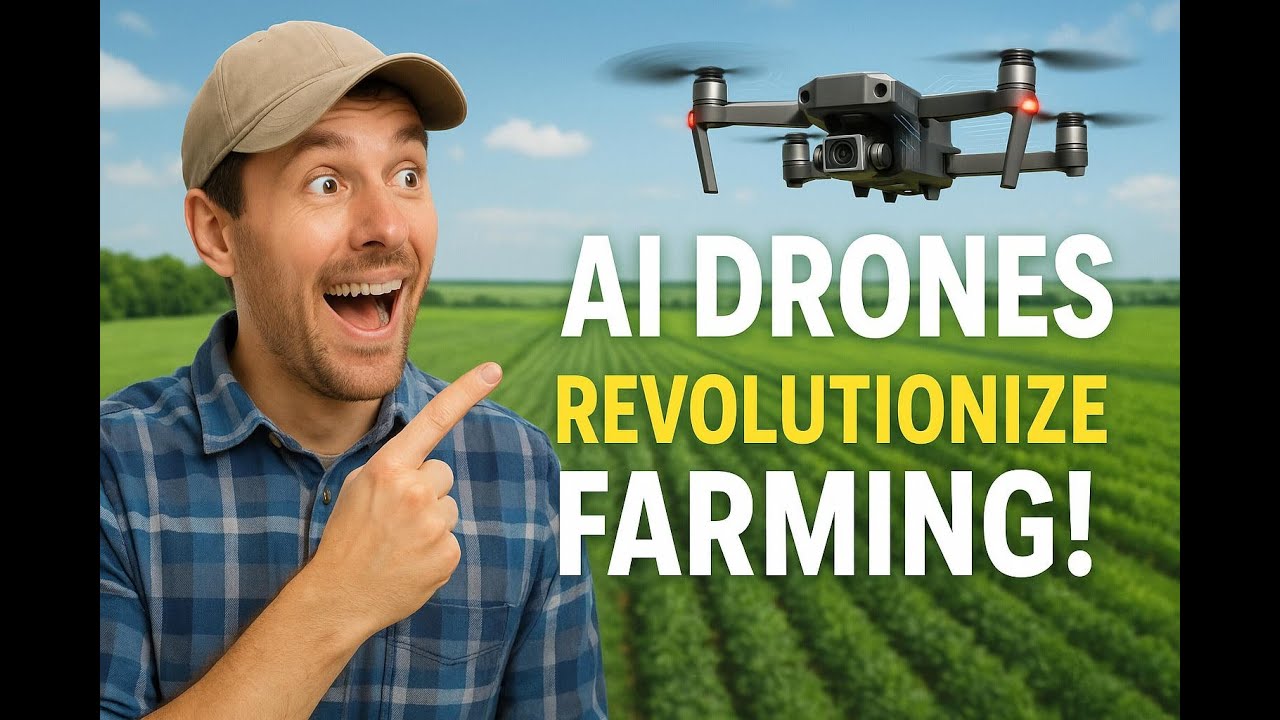
The hallmark of 2025 advancements in weed control implements is the rise of autonomous robots, equipped with advanced sensors and AI-powered vision systems. These robots navigate fields independently, using computer vision and machine learning to distinguish between crops and weeds with unparalleled accuracy, often above 90%.
- Robots use mechanical weeders, laser weeding tools, or thermal energy devices to selectively remove or destroy weeds without disturbing the crop.
- This technology reduces the need for hand labor and minimizes damage to crops, allowing organic farms to scale up operations sustainably.
- Data collected by the robots can guide future crop management strategies.
2. Electro-Thermal Weed Eradication Tools
Emerging electro-thermal devices harness electricity or intense heat to kill weeds at the root level. Designed for delicate crop environments and organic farms where chemical methods are prohibited, these tools deliver controlled bursts to disrupt weed cell structures, leading to rapid desiccation.
- Electro-thermal implements can be scaled — from handheld units (for spot treatment) to tractor-mounted arrays for field application.
- Electric and thermal approaches are alternative to both mechanical disturbance and manual labor, reducing crop damage and enabling precision application.
- Energy efficiency improvements and enhanced user safety now make these tools more widely accessible for organic farmers.

3. Precision Mechanical Weeders for Organic Farms
Precision mechanical weeders of 2025 leverage GPS automation, adjustable tines, and real-time sensors to enable advanced weed control for organic agriculture. These implements are highly customizable:
- Suspension systems minimize soil disturbance, preserving soil structure and moisture content.
- Adaptive controls automatically adjust weeder action to suit different crop types, row spacings, and weed density.
- They provide practical solutions for both large and medium-scale organic farms.

4. Biocontrol Integration with Mechanical Weed Control Implements
Biocontrol agents — such as beneficial microbes, fungi, or organic bioherbicides — are now being integrated with mechanical weed control systems. Some implements dispense these agents as they till or disturb the ground, creating a synergistic effect that impedes weed regrowth and encourages soil biodiversity.
- This method complements mechanical disturbance and offers organic farms a chemical-free weed control strategy in line with organic certification requirements.
- Supports long-term soil health and ecosystem resilience.

5. Laser Weeding Devices: Cutting-Edge Weed Control Technology
Laser weeding systems use focused light beams to target and destroy weeds with precision — without harming surrounding soil or crops. AI-driven vision systems identify weeds at varying growth stages, while automation reduces manual intervention and increases productivity.
- Laser weeding reduces collateral crop damage and improves weed control efficiency for high-value, close-planted organic crops.
- These devices are especially valuable in areas where mechanical disturbance might stress young plants.
Tip: To maximize the effectiveness and logistics of deploying advanced weed control implements, use Farmonaut’s large-scale farm management app. This advanced tool enables real-time field monitoring, task organization, and seamless machinery fleet coordination — supporting your sustainable weed management goals.

6. AI-Powered Weed Detection and Remote Sensing
The latest weed detection systems blend AI algorithms with real-time satellite imagery and sensor data to detect weed outbreaks early. These technologies are vital for organic farms aiming to reduce manual scouting and apply precision interventions only where necessary, saving labor, energy, and resources.
- Remote-detected weed maps enable highly targeted application of manual, mechanical, or robotic weeding tools.
- Integration with carbon footprint monitoring helps assess the sustainability impact of weed management choices on organic farms.
Comparison Table of Advanced Weed Control Implements for Organic Farms (2025)
| Implement Name | Technology Type | Key Features | Estimated Weed Control Efficiency (%) | Estimated Cost Range (USD) | Sustainability Impact | Suitability for Organic Certification |
|---|---|---|---|---|---|---|
| Autonomous Weeding Robot | Robotics, Automation | AI vision, precision targeting, minimal crop disturbance, real-time mapping | 93–98% | $55,000–$110,000 | High | Yes |
| Electro-Thermal Weed Eradicator | Electrical, Thermal | Electric/heat bursts, rapid desiccation, scalable (handheld–tractor) | 80–92% | $1,900–$18,000 | High | Yes |
| Precision Mechanical Weeder (GPS-Enabled) | Precision Tool, Mechanization | GPS-guided, adaptive tines, soil structure preservation | 85–94% | $3,000–$38,000 | High | Yes |
| Laser Weeding Device | Laser, AI Vision | Focused lasers, selective targeting, low soil disturbance | 88–96% | $45,000–$80,000 | Medium–High | Yes |
| Biocontrol Integrator | Mechanization + Biocontrol | Delivers biocontrol agents, supports biodiversity, reduces regrowth | 78–90% | $5,000–$20,000 | High | Yes |
| AI Remote Sensing & Mapping Platform | AI, Remote Sensing | Satellite/Drone data, predictive weed mapping, precision targeting | Varies (enables action by others) | $2,500–$15,000/year | High | Yes |
Note: Actual prices and efficiency rates vary by manufacturer, technology integration, and field conditions. All listed implements are approved for use on organic farms following leading global standards.
Want transparent, blockchain-powered tracking for your organic produce? Learn about Farmonaut’s traceability solution to verify authenticity and enhance consumer trust.
Practical Considerations: Choosing the Right Advanced Weed Control Implements for Your Organic Farm
Adopting advanced weed control implements for organic farms requires careful planning, investment, and operational alignment. Consider the following when evaluating which implements to integrate:
- Farm Scale & Crop Type: Choose implements that match the size, crop diversity, and field conditions of your farm.
- Soil Health & Sustainability Goals: Select solutions that prioritize minimal soil disturbance, preserve beneficial organisms, and support long-term fertility.
- Labor Availability: Automation and robotics reduce manual labor needs — essential for regions facing agricultural labor shortages.
- Integration & Compatibility: Choose implements that can integrate with data platforms like Farmonaut for AI-driven monitoring, fleet/resource management, and regulatory compliance.
- Cost vs. ROI: Calculate annual returns by factoring in labor savings, yield improvements, and long-term soil benefits.
Farmonaut subscribers can access Fleet Management tools — optimize the use and tracking of weeding robots, tractors, and all mechanized implements for total efficiency.
The Role of Farmonaut: Satellite-Driven Intelligence for Sustainable Weed Management
While Farmonaut is not a manufacturer of weed control implements, we uniquely empower organic farmers, businesses, and governments by providing actionable, real-time satellite insights and AI-based advisory tools. Our platform makes it possible to:
- Monitor crop health and weed outbreaks remotely — Leverage AI and multispectral satellite imagery to identify fields at risk of weed infestations before they harm yields.
- Enable precision resource management — Direct autonomous weeders and other implements only where needed, reducing labor and minimizing energy use.
- Integrate with fleet, crop, and resource management systems — Use Fleet Management and AI-powered plantation advisory to track and optimize machinery operations across multiple organic fields.
- Track environmental impact — Incorporate carbon footprint analytics to ensure every weeding operation supports your sustainability goals.
Our mission is to democratize satellite-driven intelligence for advanced weed control and sustainable farm management — making high-tech, data-driven agriculture accessible and affordable for every organic farm in 2025.

Subscribe to Farmonaut: Empower Your Organic Farm with Advanced Insights
Ready to boost your organic farm’s weed management and productivity in 2025? Discover powerful satellite-based tools, AI-based advisories, and real-time analytics — all accessible through Farmonaut’s flexible subscriptions below.
Future Outlook: Advanced Weed Control Implements for Organic Farms in 2025 and Beyond
Looking ahead, the convergence of automation, robotics, precision agriculture, and sustainable farming will drive the evolution of advanced weed control implements for organic farms. Trends shaping the future include:
- Even greater accuracy in AI weed detection — new vision systems and multi-spectral approaches promise efficiency above 95% while further reducing manual labor needs.
- Wider adoption of energy-efficient devices and electrification of field equipment, lowering carbon footprints.
- Integration of blockchain-based traceability (see Traceability) to guarantee organic integrity for consumers and regulators alike.
- Open, modular platforms for interoperability between robots, data systems, and advisory tools — allowing seamless scaling across diverse organic farms worldwide.
- Advanced environmental and resource monitoring (see Crop & Plantation Advisory) to balance productivity with biodiversity and soil health objectives.
The necessity for innovative weed management technologies has never been greater!
As organic agriculture expands globally and regulatory standards toughen, investing in advanced weed control implements is vital to secure soil health, yield, and economic competitiveness — all while protecting the environment for generations to come.
FAQ – Advanced Weed Control Implements for Organic Farms 2025
Q1: What are the most advanced weed control implements for organic farms in 2025?
In 2025, leading implements include autonomous weeding robots, laser weeders, precision mechanical weeders, and electro-thermal eradication devices. These leverage AI, robotics, and precision engineering to maximize weed control efficiency while preserving crop and soil health.
Q2: How do these modern weed control technologies benefit organic farms?
They reduce manual labor, minimize soil and crop disturbance, enable higher productivity, and support sustainable and organic certification requirements. Technologies like AI-based detection ensure targeted weeding, conserving both energy and natural resources.
Q3: Are these weed control implements suitable for all organic crops?
Most modern implements provide adjustable controls for different crop types, row spacings, and organic certification standards. Check each technology for compatibility with your specific farming system.
Q4: How does Farmonaut support organic weed management?
We (Farmonaut) empower organic farmers and agribusinesses with satellite-based crop & soil health monitoring, AI-driven advisories, and resource management tools. These support strategic decision-making for weed control—without manufacturing implements ourselves.
Q5: What is the ROI for adopting advanced weed control implements on organic farms?
While upfront investment can be significant, ROI is realized through reduced labor costs, improved yields, and sustained soil health. As prices for technology fall and automation improves, adoption becomes ever more accessible.
Q6: How do these implements support global sustainability and biodiversity?
By minimizing chemical inputs, preserving soil structure, and supporting integrated weed and biodiversity management, these advanced implements contribute to a resilient, climate-smart future for organic agriculture globally.
Conclusion: Embracing Innovation for Sustainable Organic Farms
Advanced weed control implements for organic farms in 2025 stand as a testament to the rapid evolution of agricultural technology. By harnessing robotics, AI-powered precision tools, and sustainable management systems, organic farmers and agri-entrepreneurs can meet the dual challenge of boosting productivity and preserving the integrity of our soils, crops, and ecosystems.
With the integration of data-driven platforms like Farmonaut, large and small organic farms alike are better positioned to monitor, strategize, and optimize weed management—ensuring profitability, sustainability, and food security for the future.
Start your journey toward advanced, sustainable weed management:
- Try Farmonaut’s Web & Mobile Apps
- Scale your management with our enterprise solutions
- Integrate Farmonaut API for smart data automation
Embrace the future of organic weed control – sustainable, automated, and data-driven!

 Green Bite Farm
 FCF India
 Unifrutti Gulf
 Deluxe Conseil
 TVS Electronics
 BW Pipelines
 WICO
WICO Gen Chayat
 Chimera Innovation
 SkyHarvest
 Polaris Digitech
 Teledarbas
 Wild Oak Farm
 SFX
SFX Doodlakine
