

Agri-Input Sourcing Solutions: 7 Powerful Trends for 2026
“By 2026, over 65% of agri-input sourcing is projected to leverage digital platforms for purchasing and distribution.”
Introduction: The Evolution of Agri-Input Sourcing Solutions
In 2025 and moving into 2026, the agriculture sector continues to undergo rapid evolution driven by technological advancements and the ever-increasing demand for sustainable food production. Central to this transformation are agri-input sourcing solutions, which have become essential for ensuring farmers gain timely access to high-quality seeds, fertilizers, pesticides, and other critical agricultural inputs. These solutions, now powered by digital platforms, integrated supply chains, and data-driven insights, play a pivotal role in boosting productivity, reducing wastage, and enhancing farm profitability.
The landscape of agriculture input sourcing has undergone a significant transformation with the proliferation of agriculture solutions companies specializing in end-to-end services for farmers. By leveraging data analytics, artificial intelligence (AI), and the Internet of Things (IoT) via devices and remote sensing, these companies can offer precise recommendations tailored to highly localized agro-climatic conditions. This unprecedented customization has empowered farmers to select the right seed variety suited for particular soil types and weather patterns, optimizing fertilizer use while minimizing crop losses due to pests and diseases.
With sustainability becoming a defining aspect of modern agriculture, the technology and eco-friendly practices embedded in the next generation of agri-input sourcing solutions are reshaping how food is produced for a growing global population.
The Transformation of Agriculture Input Sourcing
One of the foremost challenges in global agriculture is the fragmented nature of traditional supply chains. This fragmentation often leads to delays, proliferation of counterfeit inputs, and inflated costs at the farm gate. Agri-input sourcing solutions directly address these issues by creating transparent, traceable, and efficient supply networks. Digital marketplaces and mobile applications now enable farmers, especially smallholders, to source genuine inputs directly from trusted providers — cutting out non-value-adding intermediaries and lowering transaction costs. This democratization of access empowers farmers to make informed decisions grounded in agronomic insights and real-time market trends.
Sustainability is another core pillar. Precision agriculture techniques within modern sourcing solutions help optimize input usage, thereby reducing environmental footprints. For instance, variable rate technology (VRT) in fertilizer application ensures only the necessary amount of nutrients is applied — preventing runoff and soil degradation. Similarly, bio-based fertilizers and eco-friendly pesticides are gaining traction, promoted robustly through these digital platforms and advisory apps.
The mechanics of matching rates to field zones are explained in how variable rate technology works, along with its market.
But it doesn’t stop at input delivery. Advanced solutions often integrate financial products such as credit, insurance, and real-time subsidy facilitation. Access to affordable credit enables farmers to procure quality inputs at the right time, while insurance offerings provide a safety net against crop failure due to natural calamities. The result is a more resilient, profitable farm and a robust global food supply chain.
“Sustainable agri-input tech innovations are expected to reduce chemical use in farming by up to 30% by 2025.”
Trend Comparison Table: 7 Powerful Agri-Input Sourcing Trends for 2026
Trend 1: Precision Nutrient Management & Smart Fertilizer Use
What is Precision Nutrient Management?
Precision nutrient management is revolutionizing how fertilizers are used in agriculture. Utilizing site-specific data collected by IoT devices, drone imagery, and soil sensors, this approach delivers the right type and amount of fertilizer at the right time, matched to the specific needs of each field or crop zone. This leads to boosting productivity and reducing unnecessary input usage.
- Fertilizer recommendations are now tailored to localized conditions, avoiding blanket application.
- Variable Rate Technology (VRT) allows for precision application, reducing wastage and saving costs.
- Integrates weather patterns and soil type data for optimized decision-making.
The result is a balanced nutrition plan for crops, which minimizes losses due to nutrient excesses or deficiencies and prevents environmental problems such as fertilizer runoff.

Watch: Canada Fertilizer Boom 2025 | Green Ammonia, AI Precision & $2.3 B Granular Surge
Learn more about environmental best practices and carbon footprint tracking for agriculture here.
Trend 2: AI-Driven Input Supply Chains & Predictive Sourcing
How is AI Transforming Input Distribution?
Artificial intelligence (AI) is at the heart of the next evolution in agri-input supply chains. Modern platforms predict regional input demand — matching seeds, fertilizers, and pesticides seamlessly with supply, reducing delays and cutting transaction costs. AI-driven recommendations process vast datasets, including past market trends, local weather patterns, and recent crop losses due to pests.
- Ensures a continual flow of high-quality inputs to growers, minimizing fragmented supply chains.
- Leverages predictive analytics and machine learning to anticipate shortages or surpluses.
- Improves efficiency of input manufacturers, distributors, and intermediaries.
By 2026, an estimated 65% of agri-input supply chains globally will utilize AI technologies to scan for sourcing challenges and react proactively.

How AI Drones Are Saving Farms & Millions in 2025: Game-Changing AgriTech!
Explore advanced fleet management solutions for agricultural logistics and machinery optimization with Farmonaut Fleet Management.
Trend 3: Blockchain-Enabled Traceability for Authentic Inputs
Why is Blockchain Critical for Agri-Input Sourcing?
Counterfeit agricultural inputs remain a formidable challenge in many rural markets, eroding farmer trust and sabotaging productivity. Blockchain-based traceability solutions now empower all stakeholders — from manufacturers to smallholder farmers — to verify the authenticity of seeds, fertilizers, and pesticides at every supply chain step.
- Immutable digital records, accessible via QR codes and mobile apps, prove input origin.
- Increases transparency, reduces fraud, and enhances consumer trust.
- Directly addresses issues of fragmented chains and counterfeit inputs.
With the growing demand for safe food and ethical sourcing, blockchain traceability is on track for a 55% adoption rate across global input distribution channels by 2026.

See how satellite and blockchain are building trust in agri-input supply chains
For robust traceability from input origin to harvest, visit Farmonaut Product Traceability.
Trend 4: Digital Marketplaces & Mobile-First Agri-Input Platforms
The Rise of Mobile-First Access to Agri-Inputs
Digital marketplaces and mobile-centric platforms have democratized access to agriculture inputs globally. Farmers can now source genuine seeds, fertilizers, pesticides, and more directly through their mobile devices, anytime and anywhere.
- Reduces reliance on physical intermediaries and brick-and-mortar outlets.
- Integrates market insights, input recommendations, and agronomic advisory in one place.
- Enhances inclusivity for smallholders across diverse geographies, especially where traditional supply chains are weakest.
By 2026, 72% of agri-input sourcing will be transacted via online and mobile platforms — fostering faster transaction times, greater supply chain transparency, and improved input quality.



Get started with satellite-driven agri-input advisory on Farmonaut —
explore Farmonaut API
or check developer docs.

Farmonaut Web System: How to monitor crops and decide on agri-inputs using satellite & AI
Interested in large farm or plantation management?
Discover Farmonaut’s Agro Admin App for Large Scale Management — a comprehensive solution integrating input advisory and operational oversight.
Trend 5: Biostimulants, Biofertilizers & Eco-Friendly Pesticides
Towards Greener Input Recommendations
The move towards sustainable agriculture is firmly embedded in the rise of biostimulants, biofertilizers, and eco-friendly pesticides. These inputs, derived from organic and biological sources, offer both production and environmental advantages.
- Reduce the chemical load in crops and surrounding ecosystems.
- Improve soil health and crop resilience to diseases, pests, and weather fluctuations.
- Supported by digital platforms delivering tailored recommendations for particular soil types and conditions.
Many agriculture solutions companies are actively promoting the integration of these products, aligning with global efforts for climate-smart, low-emission farming.

Explore regenerative, sustainable, and climate-smart agri-inputs
Trend 6: Embedded Finance, Credit & Insurance Integration
The Power of Embedded Financial Products in Agri-Input Sourcing
Access to credit and timely insurance are crucial for farmers to purchase essential inputs and mitigate crop failure risks. The latest agri-input sourcing solutions integrate embedded finance — where financial products such as input loans, micro-credit, weather-indexed insurance, and subsidy facilitation are seamlessly available within digital input platforms and apps.
- Platforms verify eligibility using satellite data and AI-driven insights, reducing fraud and manual paperwork.
- Enables timely procurement of quality input for both smallholders and large farm operations.
- Insurance mitigates losses due to natural calamities and unpredictable weather events.
By 2026, 60% of input transaction platforms are expected to integrate financial services directly, improving input access and farm profitability at scale.
For satellite-based crop insurance and loan verification, see Farmonaut Crop Loan and Insurance Solutions.
Trend 7: Satellite-Driven Data & Remote Input Advisory
Satellite Imagery: The New Standard for Agri-Input Sourcing Decision-Making
Satellite-based monitoring is propelling the next generation of agri-input sourcing solutions. Platforms leveraging multi-spectral satellite images and AI can gauge real-time soil conditions, crop health (NDVI), and even predict the threat of diseases or pest outbreaks. These insights drive:
- Precision input recommendations for optimal seed, fertilizer, and pesticide application.
- Resource optimization, boosting productivity and lowering input-related costs.
- Near real-time remote advisory — critical in regions facing advisor shortages or fragmented extension networks.
By 2026, nearly 68% of agri-input advisories are expected to be directly powered by satellite and AI-driven data feeds, reducing the need for physical field visits and enabling truly scalable customization.

See how Farmonaut’s Jeevn AI delivers actionable satellite-driven agricultural intelligence for sourcing decisions
For robust satellite monitoring and AI-powered field advisory, visit Farmonaut Crop Plantation, Field & Forest Advisory.
Farmonaut’s Role in Future-Ready Agri-Input Sourcing Solutions
As agri-input sourcing solutions continue to advance, Farmonaut stands at the forefront by offering an integrated, satellite-driven platform that bridges the data gap between inputs, farmers, and supply chains. Our suite of technologies delivers:
- Satellite-Based Monitoring: Real-time tracking of crop health, soil moisture, and environmental conditions for targeted input use.
- AI-Powered Jeevn Advisory: Delivers hyper-local input recommendations, weather forecasts, and disease risk projections to enable smarter sourcing decisions.
- Blockchain Traceability: Enables transparent, fraud-resistant supply chains for seeds, fertilizers, and pesticides — a cornerstone for input authenticity.
- Environmental Impact Monitoring: Monitors carbon footprint and guides sustainable input practices to safeguard future yields and ecosystem health.
- API & Platform Accessibility: Our solutions are available on API, Android, iOS, and Web App, making advanced insights accessible to farmers worldwide.
Farmonaut does not sell physical farming inputs or act as a regulatory authority or marketplace. We empower stakeholders to make better, data-backed agri-input decisions — elevating productivity, boosting resilience, and advancing sustainability in the agriculture sector.
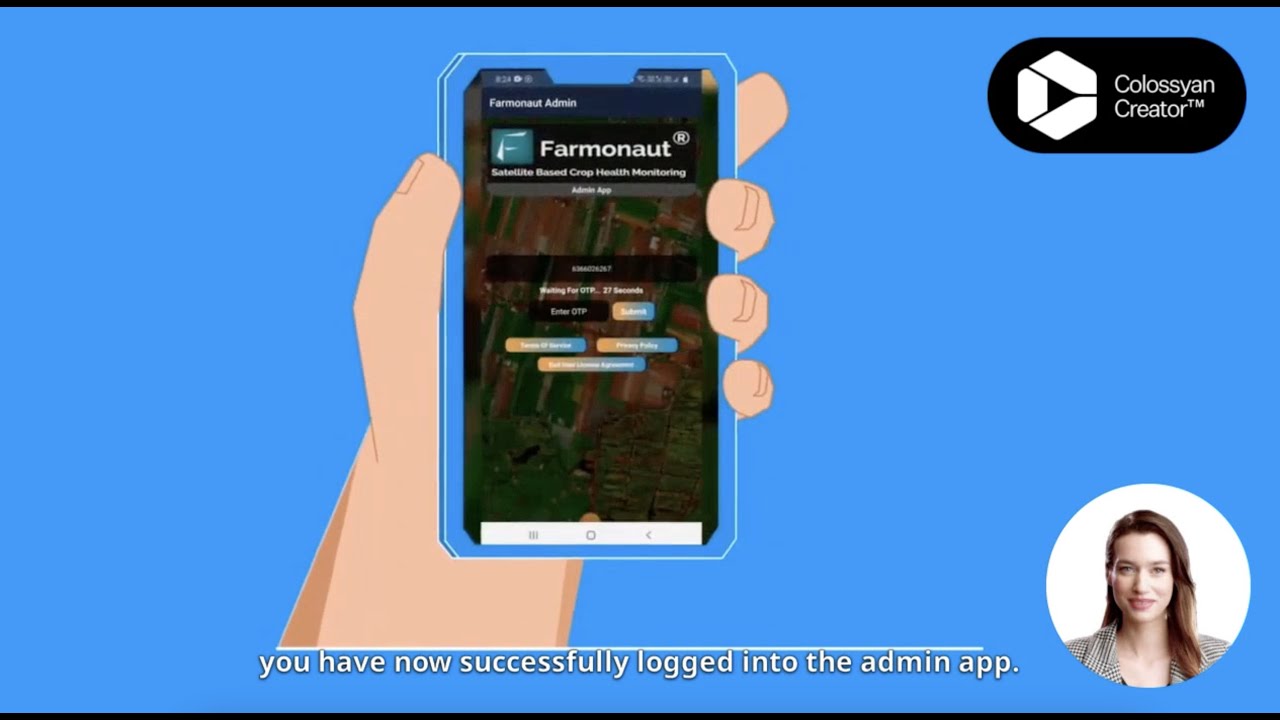
Farmonaut for Admins: How to manage and monitor input sourcing and field advisories
Frequently Asked Questions (FAQ) on Agri-Input Sourcing Solutions
Q1: What are agri-input sourcing solutions?
Agri-input sourcing solutions are integrated platforms, tools, and services designed to ensure farmers can access genuine seeds, fertilizers, pesticides, and other essential agricultural inputs efficiently, transparently, and affordably — often powered by digital, satellite, AI, and blockchain technologies.
Q2: How do digital platforms improve input sourcing for farmers?
Digital platforms enable farmers — including smallholders — to source quality agricultural inputs directly from trusted suppliers, receive tailored recommendations, access market prices, and transact securely via mobile and online apps, reducing costs and combating counterfeiting.
Q3: Why is traceability important in agriculture input supply chains?
Traceability prevents the use of counterfeit or substandard inputs by enabling farmers to verify product authenticity at each step. Blockchain and digital records increase transparency, reduce fraud, and build trust across the entire supply chain, ensuring safer and more productive farming.
Q4: How do satellite and AI insights help in agri-input sourcing?
Satellite and AI technologies provide real-time insights into soil health, crop conditions, pest and disease threats, and environmental risks. This data ensures the right amount and type of inputs are sourced and applied, minimizing waste and maximizing farm output.
Q5: What is the advantage of integrating finance and insurance with agri-input sourcing?
Integrating finance and insurance ensures farmers can purchase necessary inputs when needed and are protected against losses due to adverse weather or disasters. This increases resilience, supports timely input access, and contributes to stable farm incomes.
Q6: How can I get started with Farmonaut’s satellite-driven input advisory?
You can access Farmonaut’s solutions via web, Android, and iOS platforms, or integrate our API into your agritech systems.
Conclusion: The Way Forward for Sustainable Agri-Input Sourcing
The agriculture sector in 2025, 2026, and beyond stands at the cusp of a technological transformation powered by robust agri-input sourcing solutions. Digital marketplaces, AI-driven supply chains, blockchain-enabled traceability, and satellite-based advisory are tearing down barriers — making input sourcing faster, safer, and more informed than ever.
Sustainability is not just an add-on, but a central force — with reduced chemical footprints, improved soil health, and a renewed pledge to produce safe food for a changing world. As powerful platforms such as Farmonaut continue to deliver satellite-driven insights and digital advisory, all agri-sector stakeholders — from smallholders to global companies — gain tools to adapt, thrive, and lead in a rapidly evolving landscape.
Embracing these seven powerful trends in agri-input sourcing solutions is essential to meet the demands of growing populations, shifting climates, and ever-present market challenges. Now is the time to leverage technology, data, and sustainable practices to ensure a secure, productive, and resilient future for agriculture worldwide.

 Godrej Agrovet
 Hayleys Agriculture
 Linx Agritech
 Adinet
 Save Your Soils
 GalaxEye Space
 Grandstream Algérie
 XOS Realty
 Geospatial Lab Africa
 Agro La Gándara
 HIPSAC
 ZOL Zimbabwe
 Juligerm
 AdBio
AdBio MISE Maroc
 NWNS
NWNS Red August Group
 Farm Inc
 WeMe Global
 Agrotoken
 Blue BearX
 Insignito
 DnCubed
 Indosistim Teknologi
 Liquify Digital
 CU Foods
 BeyondTech Global
 Rouge VC
 AgroRisk
 Oath Inc
 Esri North East Africa
 MDCV UK
 Etech Consulting Madagascar
 Vestlandsforsking
 WB Dev
 Sama Premium
 Tres Valles
 Blickwinkel
 Agricultural Credit Policy Council
 eKGIS
eKGIS Mostas Tech
 Andex
Andex Deluxe Conseil
 WICO
WICO Chimera Innovation
 SkyHarvest
 Teledarbas
 Exurbia Geospatial
 FieldZero
