

How Variable Rate Technology Tailors Input Applications: Enhancing Yields, Reducing Costs, and Promoting Sustainability
“Variable Rate Technology can reduce fertilizer use by up to 20% through precise, data-driven field applications.”



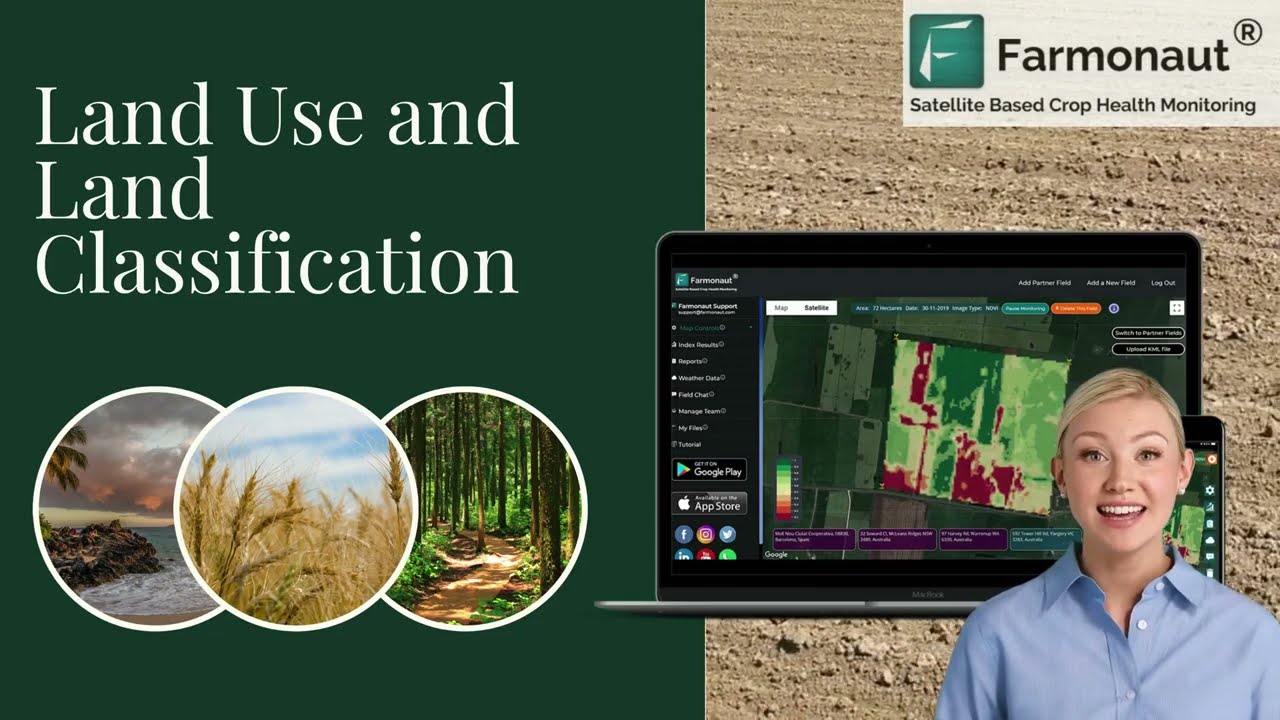
Understanding Variable Rate Technology (VRT)
In our modern approach to precision agriculture, one solution stands out as transformative: Variable Rate Technology (VRT). But what exactly is VRT, and why is it revolutionizing agricultural input applications? At its core, VRT refers to the precise, site-specific input applications that are tailored based on the unique variability within each field. Instead of a uniform application, we can now deliver what each zone actually needs—reducing input costs in farming, enhancing yields, and supporting sustainable farming practices.
By collecting comprehensive data—from soil properties and topography to weather and crop health—VRT systems analyze these factors and determine the optimal amount of input required for specific areas within a field. This data-driven farming does not just optimize resource use; it sets new standards in sustainability and profitability.
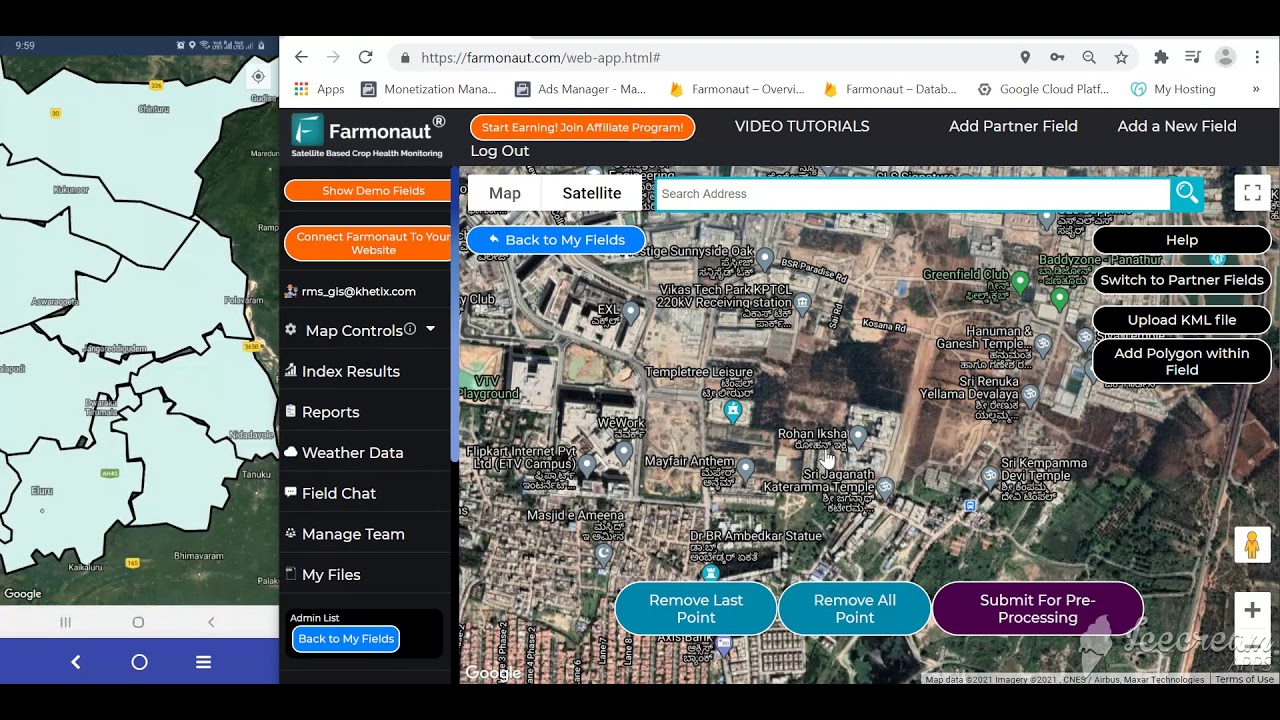
Technologies such as sensors, drones, and satellite imagery like those leveraged by Farmonaut have made these advances possible. Today, artificial intelligence (AI) and advanced analytics turn massive quantities of farm data into actionable prescription maps that direct real-time variable rate application of seeds, fertilizers, water, and chemicals.
Ultimately, VRT enables us to manage each parcel of land with precision—maximizing productivity, reducing excess, and exceeding the goals of sustainable farming practices.
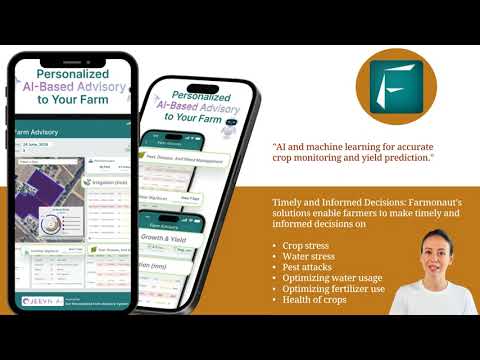
Key Components of Variable Rate Technology
The success of variable rate technology in agriculture is grounded in a series of innovative, interconnected components:
1. Comprehensive Data Collection
- Sensors, drones, and satellites are deployed to gather high-resolution, continuous data on soil conditions, crop growth stages, moisture levels, and environmental stressors. Farmonaut provides easy access to satellite-based crop health and soil moisture monitoring, making data collection both scalable and cost-effective.
- This collection forms the foundational layer for site-specific input applications by deeply understanding the spatial variability within each field.
2. Data Analysis and Advanced Analytics
- Collected data is processed through big data analytics and AI-powered platforms which identify patterns, analyze trends, and detect variability across zones.
- Artificial intelligence transforms raw data into actionable insights, which form the basis for optimized input management.
3. Prescription Maps for Precision Input Management
- Using analytical results, customized prescription maps are created to divide the field into management zones—each with a specified variable rate of input, responding to real-time or seasonal field conditions.
- These maps are dynamic; they can be updated during the growing season as soil or crop needs change (a feature supported by Farmonaut’s satellite-driven monitoring).
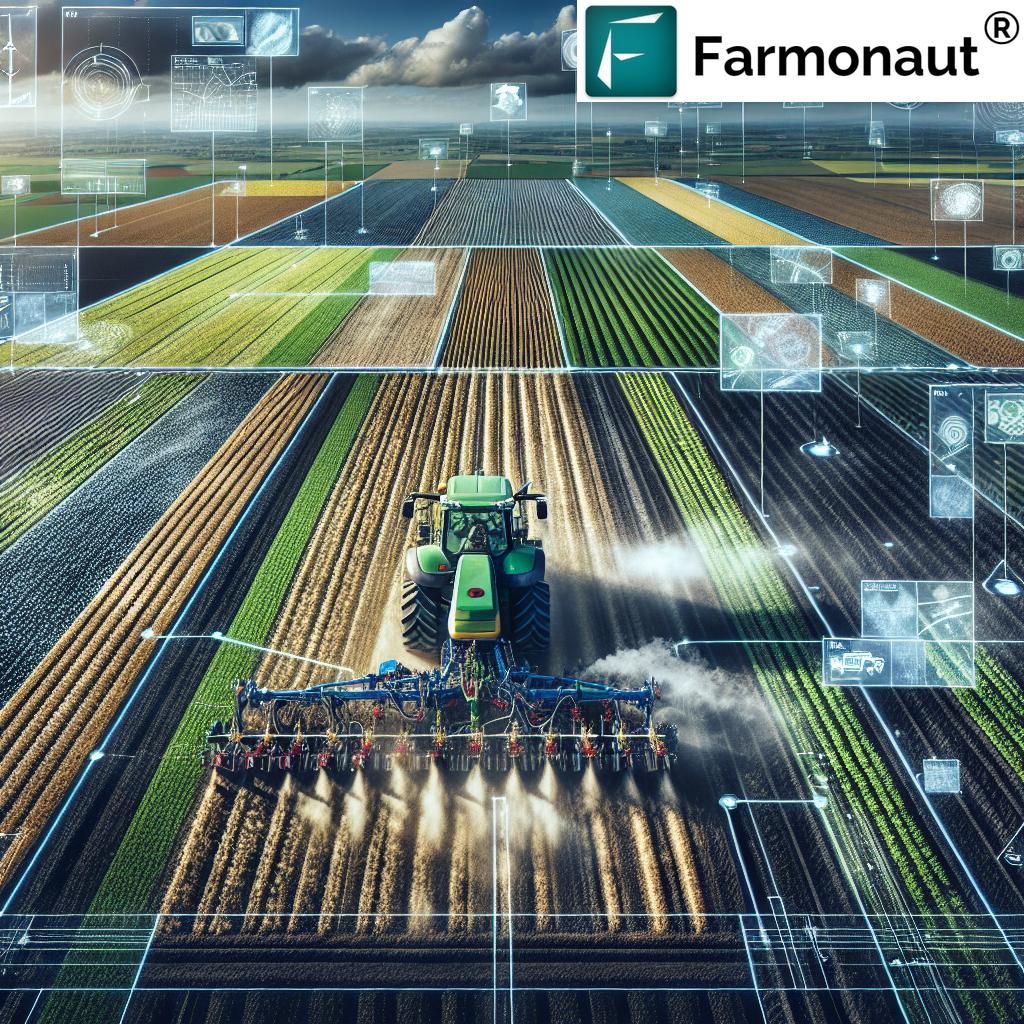
4. Application Equipment: Specialized Machinery for Precision
- Variable rate seeders, sprayers, and spreaders are used to automatically adjust application rates in real time according to the digital prescription maps. These equipment upgrades are pivotal in making efficient, site-specific input applications a reality.
- Connecting such hardware with advanced platforms (like Farmonaut’s API and digital management systems) enhances overall accuracy and efficiency. Check the Farmonaut Satellite & Weather API for seamless integration with your existing system, and view detailed documentation on the API Developer Docs.
How Each Component Works Together
Imagine a farming season where, from the first sowing to the last chemical application, data-driven decisions guide every action. Real-time images, analytics, and dynamic maps continuously update, ensuring each part of the field receives the precise resources—be it water, nutrients, or protection—required for optimal growth. This is the groundbreaking promise of variable rate technology in the digital age.
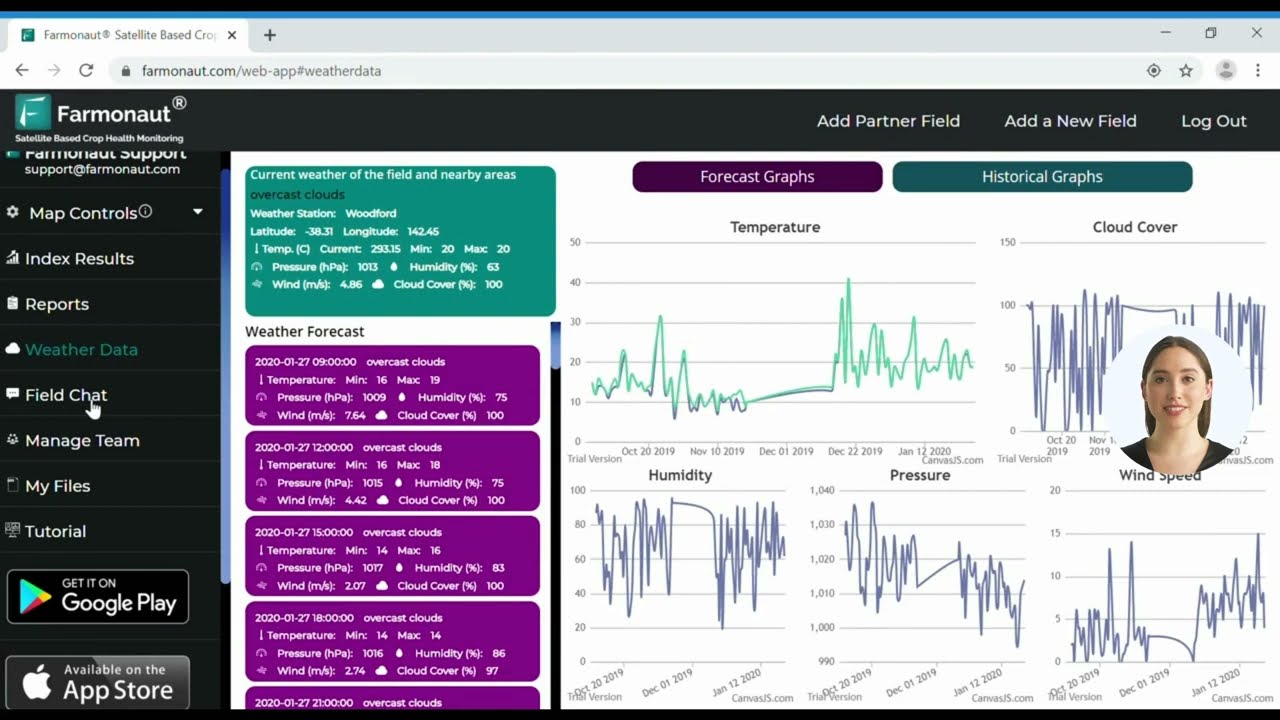
Applications of Variable Rate Technology in Precision Agriculture
The true strength of VRT lies in its versatility. In this section, let us explore how variable rate application has become the gold standard across various core agricultural practices:
1. Variable Rate Fertilization (VRF)
- Fertilizer represents one of the highest input costs in farming. Through variable rate fertilization, VRT enables us to apply varying amounts of nutrient based on soil test data and crop needs.
- This targeted application prevents excess fertilizer use, reduces environmental impact, and improves nutrient uptake efficiency, all while maintaining or even increasing yields (source).
- Using Farmonaut’s Carbon Footprinting tools, farms can measure and reduce emissions related to fertilizer use, supporting both productivity and sustainability goals.
2. Variable Rate Seeding (VRS)
- Variable rate seeding (VRS) means seed density and spacing are adjusted according to soil fertility, moisture, and historical yield data.
- Areas with richer soils or better moisture can support higher plant populations, while less productive zones receive less seed, saving on input costs and maximizing uniform emergence (source).
3. Variable Rate Irrigation (VRI)
- VRI systems deliver precise volumes of water based on real-time soil moisture data and crop requirements, crucial for regions facing water scarcity.
- By applying water only to the areas that genuinely need it, we conserve resources, reduce runoff, and improve crop resilience.
4. Variable Rate Crop Protection (VRC)
- With VRC, pesticides and herbicides are administered only to specific field zones with detected issues. This not only reduces chemical use and costs but also protects beneficial organisms.
- Targeted applications translate into improved environmental sustainability and reduced development of pest resistance.
All the above solutions are further enhanced by soil health management and farm-wide monitoring—services embedded in Farmonaut’s satellite imagery and AI-based advisory systems. Large Scale Farm Management from Farmonaut allows agribusinesses to track these applications and outcomes at scale.
“Precision agriculture with VRT increases crop yields by an average of 10% by tailoring inputs to specific field zones.”

Benefits of Implementing Variable Rate Technology
- Enhanced Crop Productivity: By precisely matching input to crop needs in different field zones, VRT can significantly boost yields and achieve more uniform crop stands.
- Cost Efficiency: Reducing waste by applying only what is required trims both input purchases and operational costs. According to Agrivi, variable rate technology adoption can increase profitability through smarter resource allocation.
- Environmental Sustainability: Precise applications mean fewer excess chemicals are introduced to the environment—leading to better soil health, less water contamination, and improved biodiversity. Discover more about Farmonaut’s sustainability tools at Carbon Footprinting.
- Improved Resource Management: Site-specific management zones allow for focused, data-backed decision-making. For comprehensive management, see Farmonaut’s Fleet and Resource Management solutions, ideal for large-scale agribusinesses and logistics optimization.
- Supporting Sustainable Farming Practices: Variable rate application helps farms meet environmental standards and move toward long-term viability, a cornerstone of sustainability.
Estimated Benefits of Variable Rate Technology vs. Traditional Application Methods
| Input Type | Traditional Application (Usage/Cost per Hectare) |
VRT Application (Usage/Cost per Hectare) |
Estimated Yield Increase (%) | Sustainability Impact |
|---|---|---|---|---|
| Fertilizer | ~$110 / 140 kg | ~$88 / 112 kg (~20% reduction) |
8–12% | Lower runoff, reduced emissions, improved soil health |
| Pesticides | ~$60 / 12.5 L | ~$45 / 8 L (30–40% reduction) |
4–8% | Reduced chemical usage, beneficiary population protection |
| Seeds | ~$50 / 32,000 seeds | ~$44 / 28,000 seeds (~12% reduction) |
6–10% | More uniform stands, reduced waste |
| Water | ~450 m³ | ~310 m³ (~30% reduction) |
3–6% | Preserves groundwater, mitigates irrigation runoff |
Values are indicative; real-world results may vary by location, crop, and practice. Table demonstrates how variable rate technology consistently outperforms traditional field management methods across use, cost, productivity, and sustainability.
Farmonaut: Democratizing Data-Driven Precision Agriculture
As the global agricultural sector transitions to more precise and efficient practices, access to affordable technology becomes the foundation for widespread VRT adoption. Farmonaut excels in making precision agriculture accessible for farmers and businesses of all scales through cutting-edge, satellite-based and AI-driven solutions.
- The Farmonaut platform delivers real-time crop health monitoring, AI-based advisory services, transparent supply chain traceability, and scalable resource management tools via Android, iOS, browser, and API.
- With multispectral satellite imagery, Farmonaut empowers us to analyze crop health (NDVI), soil moisture, and identify in-field variation, all key for effective variable rate application.
- By relying on satellite data (rather than expensive in-field sensors), Farmonaut ensures affordability while maintaining high data quality—a true step forward for sustainable farming practices.
Farmonaut’s Core Technologies and Their Impact
A. Satellite-Based Crop Health & Soil Management
- Farmonaut’s platform scans fields from space, tracking vegetative vigor, soil moisture, and environmental stress patterns at field and zone levels. This data enables us to determine optimal input rates and create prescription maps, addressing variability for truly site-specific applications.
- Advanced soil health management tools facilitate sustainable input use, supporting high yields year after year.
B. Jeevn AI: Smart, Personalized Advisory
- Through Jeevn AI, every farmer receives data-driven input recommendations and weather updates tailored to their specific field and crop—enabling even more granular variable rate application. This AI support is crucial for both smallholder and large-scale producers seeking to maximize efficiency.
C. Blockchain-Enabled Traceability
- Using blockchain, Farmonaut delivers Product Traceability solutions in agriculture. This ensures every site-specific input—fertilizer, seed, or pesticide—can be traced for authenticity, compliance, and consumer confidence.
D. Fleet and Resource Management
- For government and agribusinesses, Farmonaut offers Fleet Management tools to optimize equipment utilization, secure operations, and reduce cost per hectare—especially useful for coordinating large-scale, multi-field VRT operations.
E. Carbon Footprinting & Environmental Compliance
- As sustainability mandates rise, Farmonaut’s carbon footprinting module allows us to monitor and reduce greenhouse emissions connected to fertilizer, fuel, and chemical use.
F. Farmonaut API: Seamless Data Integration
- Developers, start-ups, and research organizations benefit from Farmonaut’s API (API Access, Developer Docs)—integrating satellite and weather data into custom applications and farm management systems to scale the adoption of data-driven VRT.
Farmonaut Platform: Features, Business Model, and Value Proposition
- Affordability and Scalability: Farmonaut makes precision agriculture affordable with subscription-based plans for individuals, cooperatives, and large agribusinesses. Select only the modules you require via web or mobile app and scale as you grow.
- Accessibility and Support: With both Android and iOS apps, and a user-friendly web interface, Farmonaut’s services are always at your fingertips. APIs allow businesses and researchers to extend the power of data-driven VRT to new contexts.
- Transparency and Trust: The use of blockchain in product traceability and satellite-verified Crop Loan and Insurance services, increases consumer and financial institution trust, reduces fraud, and facilitates better credit access for all.
- Sustainability Leadership: By integrating environmental compliance and efficient resource management into everyday farming operations, Farmonaut leads the next generation of sustainable farming practices.
Whether you manage a single smallholder plot or an administered plantation, Farmonaut’s modular approach, updated data streams, and exclusive AI help you implement variable rate applications effectively.
Challenges and Considerations in VRT Adoption
While embracing variable rate technology offers numerous measurable benefits, there are a few practical considerations and industry challenges to be aware of:
- Initial Investment: Adopting VRT solutions may require investment in advanced equipment and software. This can be a significant hurdle, especially for small-scale farmers. However, providers like Farmonaut help lower costs by eliminating the need for expensive on-field sensors through remote satellite monitoring (source).
- Data Management: The cornerstone of successful VRT is accurate and comprehensive data. Farmers and agribusinesses must implement robust data collection and management protocols. Farmonaut’s platform automates much of this process, making real-time monitoring easy and reliable.
- Technical Expertise: Proper use of VRT equipment and interpretation of data require training and upskilling. Jeevn AI can help demystify complex analyses for users, making state-of-the-art precision agriculture more user-friendly.
- Connectivity & Infrastructure: In some regions, limited internet or GPS connectivity can restrict real-time data transmission.
- Integration with Existing Practices: Transitioning from traditional to variable rate systems may require changes in workflow and machine operations.
Despite these hurdles, the long-term cost savings and productivity increases often more than compensate for the initial investment and learning curve.
Future Outlook for Variable Rate Technology
The future is bright for VRT and precision agriculture. As technology becomes more accessible and affordable, we anticipate broader adoption globally. Some of the key drivers for the future include:
- Ongoing Technological Advancements: Upgrades in satellite imagery, AI analytics, and IoT (Internet of Things) for farm equipment are fuelling even greater precision, lower costs, and faster adoption.
- Policy and Environmental Incentives: Increased regulatory focus on carbon reduction, water conservation, and soil protection will drive wider usage of data-driven, sustainable practices (source).
- Integration and Collaboration: APIs, apps, and cloud-based farming software will improve decision-making at every level—from the individual farmer to government and agribusinesses.
- Expanded Application Set: Expect to see VRT used not just for core inputs like seed, fertilizer, and chemicals, but also across categories like crop insurance, traceability, environmental monitoring, and automated fleet management.
The continued development and strategic adoption of VRT systems are essential for the future of efficient, sustainable, and profitable farming worldwide.
Farmonaut Subscription Plans
To make data-driven precision agriculture easily accessible for all, Farmonaut offers flexible subscription plans for individual farmers, agribusinesses, and institutions. Pricing depends on factors like the area monitored and data update frequency. Explore the best option for your needs below:
Frequently Asked Questions (FAQ): Variable Rate Technology and Farmonaut
What is Variable Rate Technology (VRT) in agriculture?
Variable Rate Technology (VRT) is the practice of applying farm inputs—such as seeds, fertilizers, water, and chemicals—at variable rates within a field based on data analysis of soil and crop variability. This technology enables site-specific input application for improved efficiency, reduced costs, and enhanced yields.
How does precision agriculture benefit from VRT?
Precision agriculture leverages VRT to match input applications to the unique needs of every field zone. This results in higher productivity, reduced input wastage, minimized environmental impact, and improved sustainability in farming practices.
What data is required for effective variable rate application?
Successful VRT depends on comprehensive data, including soil composition, moisture, topography, crop health, and historical yield records. Technologies such as remote sensors, drones, and satellite imagery help gather this data, which is then analyzed using big data, AI, and advanced analytics platforms.
Is variable rate technology affordable for small and medium-scale farmers?
With modern solutions like Farmonaut’s satellite-driven, app-based services, precision VRT is now more affordable than ever, eliminating the need for expensive in-field sensors and reducing the technology barrier for smaller farms.
What are the main challenges with implementing VRT?
Challenges include initial investment costs, the need for effective data collection and management, technical training, and occasional connectivity issues. However, the long-term benefits often outweigh these barriers, and technology providers are working to overcome them.
How do I get started with data-driven VRT using Farmonaut?
Simply sign up on the Farmonaut platform, select your field or area, and immediately access satellite-based health and variability reports. For integration with custom systems, utilize the Farmonaut API or review our API developer documentation.
Conclusion: The Future Is Data-Driven, Efficient, and Sustainable
Variable Rate Technology represents a giant leap toward efficient, profitable, and sustainable agriculture. By enabling site-specific input applications, VRT allows us to optimize the use of every resource—from fertilizers and seeds to water and chemicals—driving higher productivity and minimizing environmental impact. As technology becomes more widespread, affordable, and user-friendly, the adoption of VRT will continue to grow, shaping the farms of tomorrow.
At Farmonaut, we are dedicated to supporting this revolution through our advanced, accessible, and comprehensive satellite-based farm management solutions. Whether you are looking to enhance yields, cut costs, or boost sustainability, data-driven precision agriculture is now within everyone’s reach.
Ready to transform your farm with variable rate technology? Download the Farmonaut app or explore our API and data-driven tools and experience the benefits of precision agriculture today.

 MISE Maroc
 Drift-Sense
 NWNS
NWNS Hydenmet
 Dirks Bros Farms
 Red August Group
 Farm Inc
 WeMe Global
 Agrotoken
 Blue BearX
 Insignito
 Croptimum
 DnCubed
 Field Capacity
 Indosistim Teknologi
 Liquify Digital
 CU Foods
 BeyondTech Global
