

Agricultural Datasets 2026: Precision Farming Data for a Resilient Future
Table of Contents
- Introduction: The Paramount Importance of Agricultural Datasets in 2026
- Quick Trivia
- Understanding Agricultural Datasets & Their Value
- Key Types of Agricultural Datasets
- Applications: Precision Farming & Beyond
- Comparative Features Table: Leading Agricultural Datasets
- Challenges: Collection, Integration, and Ethical Issues
- Farmonaut Solutions
- The Future of Agricultural Data: Projections for 2026 & Beyond
- FAQs: Agricultural Datasets & Precision Farming
- Conclusion
- Subscribe to Precision Data Solutions
“Agricultural datasets can improve yield prediction accuracy by up to 20% in precision farming by 2026.”
Introduction: The Paramount Importance of Agricultural Datasets in 2026
The rapidly evolving landscape of modern agriculture is being shaped by the emergence and proliferation of agricultural datasets. As we step into 2026, the importance and strategic value of such data have become increasingly paramount for every crop, field, and decision made within precision farming systems. Around the globe, data integration and the collection of structured information are revolutionizing established agricultural practices, enabling more precise, sustainable, and efficient food production.
This comprehensive article explores the critical role of agricultural datasets, the types, applications, challenges, and prospects they present for the future of agriculture, and how leading innovations—like those from Farmonaut—are creating a more climate-resilient, productive world for farmers worldwide. Whether you are a crop producer, agronomist, policymaker, or technologist, understanding these data-driven transformations is key to thriving within the ever-advancing agricultural sector of 2026 and beyond.
Understanding Agricultural Datasets & Their Increasing Value
Agricultural datasets refer to structured or semi-structured collections of data generated from various facets of agriculture. This includes data about soil properties, weather patterns, crop health, pest infestations, irrigation schedules, yield records, and market trends. These datasets may stem from a diverse range of sources:
- Remote Sensing Satellites
- Drones equipped with multispectral or hyperspectral cameras
- Ground-based sensors (soil, moisture, weather stations)
- IoT devices and smart farm machinery
- Manual field observations
The breadth and heterogeneity of modern agricultural data are vast—demanding extensive management and seamless integration for maximum value. Today’s precision agriculture relies heavily on these agricultural datasets to manage:
- Geospatial data (such as satellite imagery)
- Time-series environmental datasets (from weather sensors and IoT)
- Historical yield and farm management records
- Market and supply chain trends
By enabling targeted, localized, and just-in-time farming interventions based on specific microclimatic and soil variations within every farm, these collected datasets maximize productivity, efficiency, and sustainability.
Let’s break down the core types and their significance in 2026.
Key Types of Agricultural Datasets in Precision Farming
- Soil Data: Soil composition, pH, structure, nutrient levels, and moisture—critical for optimal fertilizer and water management.
- Weather and Climate Data: Patterns, forecasts, rainfall, humidity, temperature, wind speed, historic weather, and future projections for climate-resilient planning.
- Crop Health Monitoring: Vegetation indices, multispectral/hyperspectral imaging, disease detection, pest infestations, and phenological stages.
- Irrigation and Water Management Data: Irrigation schedules, water used per hectare, soil water retention properties, and hydrological cycles.
- Market, Economic, and Supply Chain Data: Crop prices, market trends, resource allocation, and logistics records.
- Field Operations and Activity Datasets: Machinery usage, input applications, manual interventions, fleet operations, and harvest timing.
- Yield & Productivity Data: Actual vs. predicted yield records, historical trends, and output per field/region.
The rise of API-driven platforms, like the Farmonaut Satellite & Data API (see API Developer Docs), is enabling rapid integration of such agricultural datasets within operational management apps worldwide.
“In 2025, over 75% of sustainable farms are projected to integrate multi-source agricultural data for climate resilience.”
Applications: Precision Farming, Sustainable Management, and Beyond
Let’s explore how agricultural datasets are revolutionizing farming practices, enabling more accurate yield prediction, sustainable interventions, and a climate-resilient food system as we move into 2026.
1. Precision Farming: Optimizing Inputs and Interventions
One of the most significant applications of agricultural datasets is in implementing precision farming techniques. By aggregating and analyzing high-resolution soil nutrient and moisture data, farmers can:
- Optimize fertilizer application (reduce input waste, cost, and prevent over-fertilization)
- Enhance irrigation efficiency by targeting zones with specific water needs
- Tailor crop rotations and seeding to field-specific resources and microclimatic variations
The result? A maximized yield with minimal environmental impact. Modern satellite and sensor monitoring makes this granular management both scalable and practical.

This tutorial shows how monitoring via satellite and AI enables precision interventions — a leap forward fueled by structured agricultural datasets and digital platforms.
2. Crop Monitoring, Health, and Disease Prediction
The use of multispectral and hyperspectral imaging datasets, combined with time-series data from drones, satellites, and ground sensors, unlocks:
- Early detection of crop diseases and pest outbreaks
- Real-time assessment of crop health, growth patterns, and stress
- Proactive, data-driven management interventions for resilience
Machine learning models trained on large, high-quality agricultural datasets can predict the spread of diseases and infestations, allowing farmers to mitigate risks before significant losses occur. This early-warning capability also boosts sustainable farming outcomes.

Farmonaut’s Jeevn AI advisory system utilizes satellite data for smart crop health insights, historical analysis, and intervention planning.
3. Yield Prediction & Market Stabilization
By aggregating agronomic data, weather forecasts, historical yield records, and real-time crop information, precision agriculture is reshaping both small- and large-scale yield estimation for 2026:
- Improved yield prediction accuracy (up to 20% better in top-performing platforms by 2026)
- Enhanced food supply chain planning and market trend forecasting
- Proactive responses to demand fluctuations for efficient market stabilization
These predictive capabilities minimize both surplus and shortages, supporting stable income for farmers and reducing food waste across the globe.

Advancements in regenerative agriculture and soil health insights are powered by comprehensive agricultural datasets and carbon footprint tracking.
Learn more about the benefits of carbon tracking for soil management and environmental responsibility on our dedicated Carbon Footprinting page.
4. Sustainable Resource Management & Environmental Impact Tracking
Advanced integration of water usage data, soil erosion rates, nutrient cycling records with environmental monitoring platforms enables:
- Sustainable land management practices and compliance with environmental standards
- Reduction in carbon emissions, chemical usage, and resource wastage
- Broader adoption of regenerative agricultural practices for climate resilience
5. Climate Adaptation: Building Resilient Farms
Climate change poses existential threats to agriculture worldwide. Through the collection and analysis of long-term climate, soil health, and cropping patterns data, modern platforms help:
- Devise adaptive cropping calendars (timing, rotation, selection)
- Introduce climate-resilient and region-adapted crop varieties
- Optimize input and water usage for environmental efficiencies
The integration of historical and real-time datasets thus enables the agricultural sector to better cope with climate unpredictability.
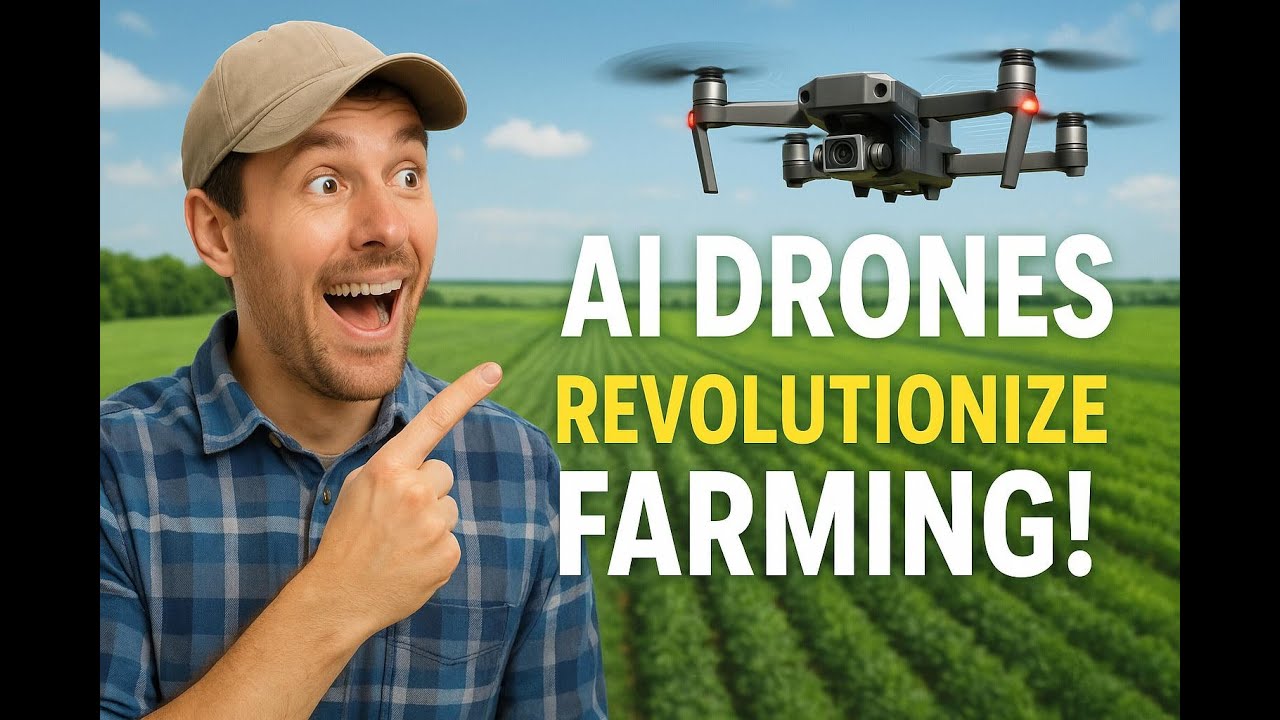
AI-powered drones combined with satellite datasets offer advanced monitoring and pest prediction unmatched in 2026’s agri-tech landscape.
6. Crop Traceability, Product Verification, and Market Integration
Through the adoption of blockchain-linked traceability datasets, modern agricultural platforms now:
- Track every step of the supply chain journey for authenticity and fraud prevention
- Enhance consumer and buyer trust in agricultural produce
- Meet ethical and environmental standards of global export markets
For a transparent supply chain and food safety, see our Product Traceability solution page.

Satellite-monitored soil moisture datasets are reshaping irrigation management and resilience planning, key to the future of sustainable farming.
7. Finance, Insurance, and Risk Reduction
Access to verifiable field and yield datasets enables better crop loan underwriting and insurance distribution, reducing smallholder risk and improving financial accessibility for the agricultural sector.
Discover satellite data-powered farm loan and insurance verification options at our Crop Loan & Insurance page.
Comparative Features Table: Leading Agricultural Datasets for Precision Farming (2025–2026)
| Dataset Name | Data Type | Estimated Coverage | Main Applications | Integration Method | Availability |
|---|---|---|---|---|---|
| Farmonaut SatVis Data | Satellite (NDVI, EVI, SAR, Multispectral) | Global, 100M+ hectares | Crop Health, Disease Prediction, Yield Estimation | APIs, Platforms | Commercial |
| OpenSoilMap 5.0 | Soil (Composition, pH, Nutrients) | Global, 70M+ hectares | Fertilization Planning, Irrigation Optimizing | Platforms, Manual Import | Open-source |
| ClimateGrid Global | Weather/Climate (Forecasts, Trends) | 180+ countries | Climate Resilience, Sowing Scheduling | APIs | Commercial, Open-source |
| MarketYield DataSet | Yield & Market (Records, Trends) | Multi-region, 45M+ farms | Yield Prediction, Market Analytics | APIs, Platforms | Commercial |
| Pest&Pathogen Monitor | Disease/Pest (Imagery, Sensor) | Regional Pilot, Expanding | Disease Spread Prediction, Pest Outbreak Alerts | APIs, Platforms | Commercial |
| HydroTrack | Water/Irrigation (Usage, Scheduling) | 30M+ hectares | Irrigation Optimization, Sustainability | APIs, Manual | Commercial, Open-source |
Comparison helps decision-makers select datasets and integration tools tailored to specific regional, crop, or management needs, supporting truly data-driven agriculture in 2026.
Challenges: Collection, Integration, and Ethical Handling of Agricultural Data
Despite remarkable progress, managing agricultural datasets still poses various challenges and complexities:
- Data Fragmentation: Data silos exist across institutions, regions, and platforms, impeding comprehensive analysis and coordinated interventions.
- Data Quality & Standardization: Varying collection methods, sensor accuracy, and inconsistent data formats impact reliability and integration possibilities.
- Access & Usability Gaps: Smallholder farmers, especially those in developing countries, may lack access to high-quality datasets or the digital skills to interpret them for actionable farming decisions.
- Data Privacy, Ownership & Ethics: As farms generate more data, questions intensify about who owns, controls, and benefits from these resources. Ethical data usage, consent, and security are imperative.
Significant industry-wide efforts are underway to address these challenges, focusing on universal standards for data collection and harmonized protocols to streamline integration across digital platforms and national boundaries.
Farmonaut Solutions: Accelerating Future-Ready Agricultural Data Integration
At Farmonaut, we are committed to driving innovation in agricultural datasets through our affordable, accessible satellite-driven solutions that cater to individual farmers, businesses, and governments worldwide. Our platform integrates:
- Satellite-Based Monitoring: High-resolution, multispectral imagery for vegetation health (NDVI), crop stress, and soil properties
- AI and Machine Learning: Real-time crop condition analysis, historical trend modeling, and personalized management advisory (via Jeevn AI)
- Blockchain Traceability: Supply chain verification and transparent agricultural product tracking
- Fleet & Resource Management: Optimize farm vehicle usage and operational efficiency, vital for Fleet Management in agriculture
- Environmental Impact Monitoring: Quantitative, actionable data on carbon emissions, water usage, and sustainable practices

The Farmonaut platform in action, leveraging agricultural datasets for real-time, precision interventions to maximize productivity and sustainability worldwide.
Get started with precision farming! Access our web platform easily via this button:

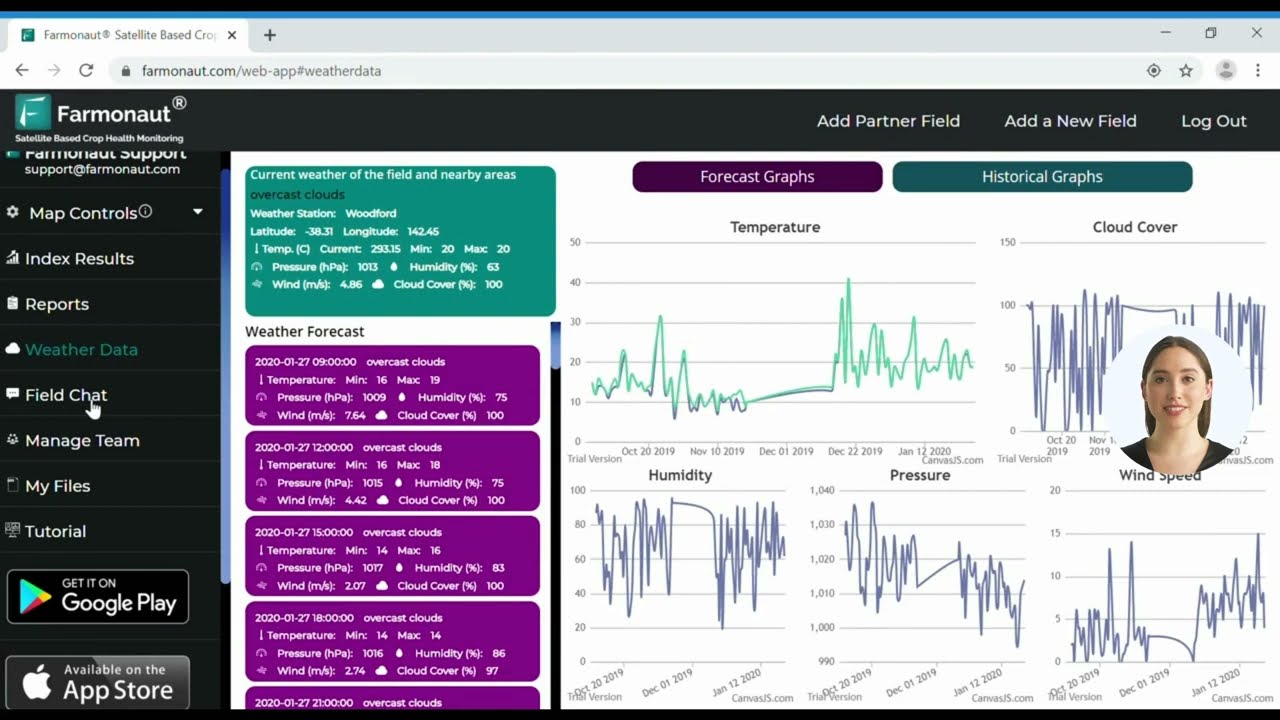
Comprehensive monitoring on our web app offers farmers access to the latest agricultural data and insights, tailored for any region or scale.


For large-scale farm operations and data-driven admin workflows, our Large Scale Farm Management platform offers unmatched precision, compliance tracking, and productivity analytics.
To streamline forest and plantation management, find advanced crop, plantation, and forest advisory for sustainable practices at our Crop Plantation & Forest Advisory solution page.

Our bold vision: Empowering farms globally with cutting-edge agricultural datasets, AI, and real-time geotagging for a smarter, more resilient food system.
The Future of Agricultural Data: Projections for 2026 & Beyond
As we journey through 2026, the future of agricultural datasets is defined by progress in:
- Real-time, High-Throughput Data Collection: Accelerated by edge computing and ubiquitous IoT connectivity (including 5G), enabling instant decision-making at field level.
- Advanced Analytics & Artificial Intelligence: Predictive models leverage large, multi-modal datasets for prescriptive recommendations—automatically adjusting irrigation, nutrient delivery, and crop schedules.
- Integrated Data Platforms: Seamless interoperability between farm management systems, financial services, and government portals, democratizing access for all stakeholders—from smallholders to agri-corporates.
- Global Data Standards: International collaborations establishing open data formats, sharing protocols, and privacy frameworks to enable transparent and ethical cross-border agricultural data exchange.
The coming decade will witness data-driven agriculture become the backbone of food security and environmental stewardship worldwide. Strategic utilization of agricultural datasets is forecasted to boost productivity, sustainability, and resilience, keeping pace with climate change, population growth, and shifting food market demands on a global scale.
FAQs: Agricultural Datasets & Precision Farming
What are agricultural datasets?
Agricultural datasets are structured collections of data generated from various sources (satellites, drones, IoT sensors, manual records) capturing information related to soil, weather, crop health, yields, irrigation, pest infestations, and market trends. They’re essential for precision farming and sustainable management.
Why are agricultural datasets important for modern farming?
They enable farmers to make informed decisions about inputs (fertilizer, irrigation), mitigate risks (disease, climate shifts), maximize yield, reduce wastage, ensure sustainability, and respond to changing market trends—all based on data rather than guesswork.
How do satellite and multispectral data enhance crop health monitoring?
Satellite and multispectral imaging provide detailed spatial and temporal data on vegetation health (e.g., NDVI), early disease or stress signals, and pest spread patterns—enabling timely interventions to save crops and boost productivity.
What challenges hinder the full potential of agricultural data integration?
Primary challenges include data fragmentation (silos), inconsistent standards, privacy/ownership issues, lack of access for smallholders, and integration complexity across different platforms or regions. Industry efforts are ongoing to address these barriers.
How can I access Farmonaut’s datasets and solutions?
You can access Farmonaut’s platform via web app, Android app, iOS app, or directly through our API for integration into digital platforms and agri-tech solutions.
Conclusion: Data-Driven Agriculture for a Sustainable Tomorrow
Agricultural datasets now stand at the core of transforming agriculture worldwide into a smart, sustainable, and resilient sector. By harnessing robust data—spanning soil, weather, crop monitoring, market trends, and more—farmers and stakeholders can make informed, precise, and efficient decisions that optimize productivity and minimize negative environmental impacts.
As we advance into 2026, the continued development, democratization, and ethical governance of agricultural datasets will be pivotal in meeting global food demands sustainably, as well as in fortifying agricultural resilience against climate change and supply uncertainties. Embracing such data-driven tools and standards ensures not only higher yields but also a more secure, transparent, and climate-resilient future for the agricultural landscape.
Get Started: Farmonaut Precision Data Solutions Subscription
Experience the future of precision agriculture with affordable, scalable satellite-driven insights and real-time data integration.
Ready to digitize your farming, boost resilience, and make sustainable decisions? Click the app button or use Farmonaut’s API to get started immediately.
Unlock the power of agricultural datasets for a more precise, efficient, and sustainable food system—today, tomorrow, and beyond 2026.

 Agro La Gándara
 Global Agrifood
 Cazlv
Cazlv HIPSAC
 ZOL Zimbabwe
 Juligerm
 AdBio
AdBio MISE Maroc
 NWNS
NWNS Red August Group
 Farm Inc
 WeMe Global
 Agrotoken
 Blue BearX
 Insignito
 Croptimum
 DnCubed
 Field Capacity
 Indosistim Teknologi
