

Agricultural Robots & Mechatronics Market: Ag Robots Images, Insights, and Future Trends
The agricultural robots and mechatronics market is entering a pivotal new era. Driven by relentless advancements in robotics, automation, and mechatronics, today’s farming sector stands on the brink of a profound transformation. From the integration of artificial intelligence (AI) and multispectral sensors to data-driven management systems and sustainable practices, the surge in autonomous technologies is marking a new era for agriculture worldwide.
This comprehensive guide unpacks how ag robots, advanced mechatronics, and robotic systems are transforming field monitoring, crop management, planting, harvesting, animal husbandry, and resource management—backed by real agricultural robot images, market adoption data, expert insights, and what to expect for 2026 and beyond.
Table of Contents
- Market Overview: Agricultural Robots & Mechatronics by 2025
- Defining the Agricultural Robots & Mechatronics Market
- Key Drivers of Market Adoption
- Technology Advancements & Integration: Mechatronics Driving Modern Agriculture
- Major Applications & Use Cases
- Agricultural Robots Images in Practice
- Comparative Adoption & Market Impact Table – 2025 Insights
- Benefits & Risks
- Market Trends & Future Outlook: 2026 & Beyond
- Farmonaut’s Role in the Future of Agricultural Robots and Mechatronics
- Key FAQs: Agricultural Robots & Mechatronics Market
- Conclusion: Rising to Unprecedented Heights
Market Overview: Agricultural Robots & Mechatronics Market by 2025
The global agricultural robots and mechatronics market is expected to reach unprecedented heights by 2025, fueled by a convergence of factors: escalating demands for increased productivity, the urgent need for greater efficiency and resource stewardship, and a sharp focus on sustainability. These specialized machines—robots and autonomous platforms—are designed to perform a wide range of tasks autonomously or semi-autonomously, often in challenging outdoor environments and across diverse crop types and terrains.
Defining the Agricultural Robots & Mechatronics Market
The agricultural robots and mechatronics market encompasses a broad category of robotics and automated machines—from drones, autonomous tractors, and precision sprayers to livestock feeding systems and crop monitoring bots. At the heart of these robotic systems is mechatronics—the multidisciplinary integration of mechanical engineering, electronics, computer science, and control engineering—which enable precise, reliable operations in the complex and variable outdoor environments typical of modern agriculture.
The integration of sensors, cameras, and AI-driven analytics adds intelligence, adaptability, and autonomy to these machines, empowering them to perform tasks ranging from field monitoring and weed detection to automated planting and harvesting. This marks a significant leap for the sector, opening the door to data-driven, sustainable practices and boosting overall productivity.
Key Drivers of Market Adoption
- Labor Shortages: The agricultural sector is undergoing a profound transformation due to chronic worker shortages, driving demand for autonomous robots to perform repetitive and physically taxing jobs.
- Environmental Stewardship: Precision intervention reduces water, fertilizer, and pesticide usage, promoting sustainable practices and supporting carbon footprinting goals. See how carbon management can enhance compliance here.
- Need for Enhanced Productivity: Automated machines enable continuous operation—such as robotic harvesters and precision sprayers—keeping crop yields high and reducing losses.
- Reduced Technology Costs: The price of sensors, actuators, and computing is decreasing rapidly, making ag robots accessible to more farmers and businesses.
- Connectivity & Data: 5G networks and IoT infrastructure ensure real-time data transmission, allowing robots and farm management systems to coordinate at scale. Learn how satellite connectivity supports remote farming operations—click here.
Technology Advancements & Integration: Mechatronics Driving Modern Agriculture
At the core of the agricultural robots and mechatronics market are several transformative technological trends:
- Sensors & Multispectral Cameras:
Enabling robots to capture detailed images of crops, assess health, and detect diseases or weed infestations with precision imaging. - Machine Learning Algorithms:
From plant disease detection to targeted interventions, AI models analyze massive streams of sensor data in real-time for smarter farming. - Satellite Integration:
Companies like Farmonaut utilize satellite-driven imagery to deliver real-time crop monitoring, soil analysis, and A-based advisory across large-scale farms. Explore farm management. - Modular Mechatronic Designs:
Modern robots are designed for adaptability—handling diverse crop types and variable terrains with minimal customizations.
Major Applications & Use Cases of Agricultural Robots & Mechatronics
Let’s explore the significant applications reshaping modern farming, crop management, and resource utilization—with a focus on field robots, imaging systems, and data-driven innovations making their mark by 2025 and beyond.
Field Monitoring & Targeted Intervention
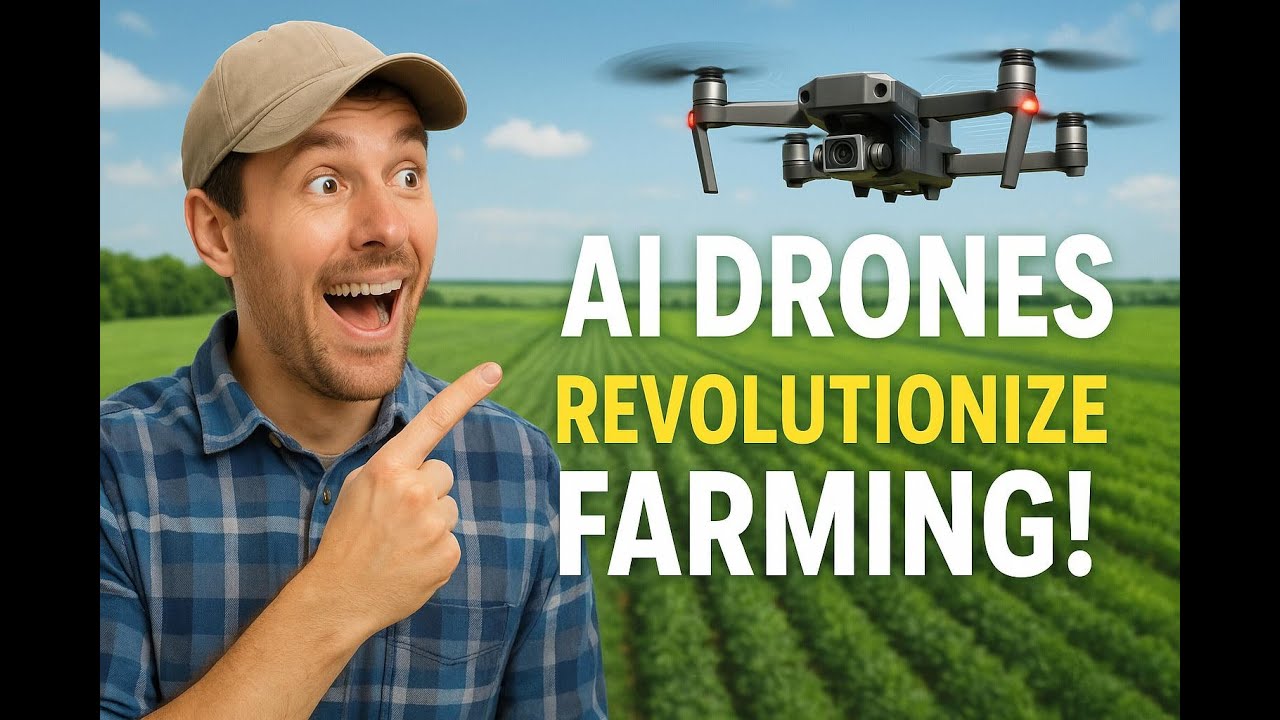
Monitoring crop health—in real time and at full-field scale—has become a cornerstone of efficient farming. Ag robots equipped with multispectral cameras and sensors roam fields and greenhouses, continuously capturing images to assess plant vitality, detect diseases at an early stage, and identify weed infestations.
This process is amplified by advanced machine learning algorithms, which interpret the incoming data to distinguish normal from abnormal growth patterns, enabling farmers to target interventions with pinpoint accuracy:
- Imaging capabilities: Reveal stressed areas, irrigation needs, pest hot spots.
- Early-stage detection: Enable preventative care, reducing losses.
- Blanket pesticide use is replaced by targeted sprays, optimizing chemical usage and promoting ecological sustainability.
Browse how real-time monitoring systems can be integrated with your operation—see carbon and compliance tracking here.
Precision Planting & Seeding
Automated planting robots are revolutionizing how we sow seeds. These machines adjust depth and spacing with exceptional precision, using advanced sensors and GPS-guided control systems to optimize germination rates and maximize crop yields.
- Variable rate seeding reduces seed wastage and increases field uniformity.
- Fine-tuned depth control means improved emergence across variable soil conditions.
The integration of historical crop data with planting operations via apps or platforms—like those offered by Farmonaut—lets farmers make data-driven decisions on when and where to sow. Try it using Farmonaut’s AI and satellite-driven crop advisory, improving both resource efficiency and yield prediction.

Autonomous Harvesting & Robotic Picking
One of the most valuable applications of robots in agriculture is automated harvesting.
Robotic harvesters use cameras and sensors to delicately pick fruits, vegetables, and grains at optimal ripeness—with minimal damage. These machines are particularly critical for labor-intensive crops like strawberries, apples, and tomatoes, where timely harvest is key for ensuring crop quality and reducing losses.
- Operate continuously for extended hours with unmatched reliability.
- Delicate handling reduces bruising and improves marketable yield.
- Precise fruit identification ensures only ripe produce is collected.
Discover the new scale of fleet efficiency with fleet management solutions from Farmonaut—track, maintain, and coordinate all autonomous machines from a single dashboard.

Robotics in Livestock and Resource Management
Mechatronics systems also underpin the development of robotic solutions for livestock management—from automated feeding to health monitoring and facility cleaning. These systems gather real-time data via embedded sensors, allowing farmers to tailor care practices, optimize feed and water usage, and improve animal welfare.
- Automated milking increases both efficiency and animal comfort.
- Instantly detect changes in animal health; enable early intervention.
- Resource management helps reduce feed waste and save costs.
Read more about blockchain-based traceability for animal product supply chains—ensuring transparency from field to fork.

Agricultural Robots Images in Practice
Agricultural robots images not only depict technological sophistication—they also illustrate practical applications that are shaping modern farming landscapes. Whether it’s autonomous tractors navigating large plots, precision drones mapping fields, or weed-bots selectively eliminating invasive species, images validate the transformation underway in the sector.
- Satellite imagery overlays for crop health monitoring—see Farmonaut’s App.
- High-res crop scouting robots in action.
- Precision sprayers applying treatments only where needed.
This visibility fosters greater acceptance among farmers globally and accelerates the spread of robotic systems—with agricultural robots images acting as powerful education and sales tools.

Comparative Adoption & Market Impact Table – 2025 Insights
| Images | Technology Type | Key Function | Estimated 2025 Market Share (%) | Adoption Rate (% of farms) | Expected Efficiency Gain (%) |
|---|---|---|---|---|---|
 |
Drones | Crop monitoring & multispectral imaging | 26 | 41 | 18-25 |
 |
Autonomous Tractors | Automated plowing, planting, & hauling | 19 | 28 | 20-30 |
 |
Robotic Harvesters | Automated fruit & vegetable picking | 16 | 17 | 23-31 |
 |
Precision Spraying Bots | Targeted pesticide/fertilizer application | 14 | 26 | 15-22 |
 |
Automated Weeders | Weed detection & removal | 8 | 12 | 14-20 |
Table Notes: Images demonstrate advanced ag robots in common farm settings. Market share, adoption rate, and efficiency gain figures projected for 2025 are based on industry averages and signify rapid market penetration, particularly for aerial drones and autonomous ground vehicles.

Benefits & Risks of Agricultural Robots and Mechatronics
✔ Key Benefits of Agricultural Robots and Mechatronics Market
- Precision: Minimized waste, improved targeting of inputs, and enhanced quality of crop yields.
- Increased Productivity: 24/7 operation and automated routines enable more to be done, especially critical during planting and harvesting windows.
- Sustainability: Reduced fertilizer/pesticide use and data-driven resource stewardship help promote environmental sustainability.
- Cost Savings: Fewer labor hours and reduced input wastage lower operational costs over time.
- Data-Driven Management: Integrated systems collect, process, and analyze sensor data for improved decision-making and risk mitigation.
⚠ Key Risks & Limitations
- Upfront Investment: High initial cost of specialized machines and robotics infrastructure.
- Complexity: Requires technical knowledge to maximize efficiency and avoid downtime.
- Data Integration: Risks arise when robots and management platforms aren’t fully integrated. Explore robust integration with Farmonaut’s API—API docs here.
- Cybersecurity: Growing reliance on connected systems increases the need for digital security and privacy protocols.
- Change Management: Adapting staff and traditional practices to high-tech systems requires training and culture change.

📊 Top Enhancements with Ag Robots & Mechatronics 2025
- 20-30% higher productivity compared to traditional farming (robots do not tire, and work faster/more accurately).
- Up to 50% reduction in fertilizer and pesticide usage—targeting only needed zones.
- Improved traceability: Track every input and harvest transaction through blockchain—see traceability product overview.
- Shorter turnaround: Faster planting and harvesting translates into reduced losses and superior crop quality.
- Lower water and resource use per unit of output, vital for environmental stewardship.



Farmonaut Subscription & Pricing
🛠️ Resource Management Tools You Need
- Satellite-based crop health monitoring for identifying early stress.
- Yield prediction models using historical and real-time remote sensing data.
- Fleet management integration to coordinate autonomous tractors, drones, and harvesters.
- Blockchain for supply chain traceability—ensuring transparency and product authenticity.
- API access for in-depth data analytics: API docs here
Market Trends & Future Outlook: 2026 and Beyond
Looking forward, we expect the agricultural robots and mechatronics market to continue growing at pace—shaped by continued advancements in:
- Artificial Intelligence: Ongoing improvements in AI models will enable robots to “learn” on the job, improving precision and efficiency.
- Edge Computing: Enhanced onboard processing empowers robots to make real-time decisions without needing centralized connectivity, vital for remote fields.
- Multidisciplinary Integration: The boundaries between mechanical engineering, electronics, computer science, and control systems will blur further, making next-gen mechatronic robots adaptable to every crop type and terrain.
- Blockchain & Traceability: From crop plantation to market sales, transparent supply chains are enabled by blockchain—trace your products here.
- Environmental Monitoring: Expect universal integration of carbon tracking, water use reporting, and sustainability mapping—see Farmonaut’s carbon footprinting.
Farmonaut’s Role in the Future of Agricultural Robots and Mechatronics
As satellite technology and AI-driven insights become integral to smart farming, we at Farmonaut empower farmers, businesses, and governments with affordable, data-driven tools for sustainable land management. Our core offerings for agriculture, mining, and infrastructure include:
- Satellite-Based Monitoring: Track crop health, soil conditions, and field trends using multispectral images.
- JEEVN AI Advisory: Get real-time insights and automation guidance based on atmospheric, soil, and plant data.
- Blockchain Traceability: Ensure secure, verifiable supply chains from plantation to harvest—read about traceability.
- Fleet & Resource Management: Coordinate all on-farm robots and vehicles from one dashboard—fleet management info.
- Environmental Impact Monitoring: Real-time tracking of carbon footprint and resource consumption—learn more.
Our satellite-first, subscription-based model, APIs, and mobile/web apps lower the barrier for digital transformation regardless of operation size. From crop loans and insurance (see how) here to large-scale farm management (learn more), Farmonaut makes the agricultural revolution accessible to all.
Key FAQs: Agricultural Robots & Mechatronics Market
-
What is the agricultural robots and mechatronics market?
The agricultural robots and mechatronics market covers the design, development, and deployment of autonomous and semi-autonomous machines—including drones, tractors, harvesters, and monitoring bots—powered by mechatronics (mechanical engineering, electronics, computer science, and control) to automate key farming tasks. -
What are the major benefits of adopting ag robots?
Benefits include higher productivity, precision application of inputs, reduced resource waste, enhanced sustainable practices, and improved data-driven decision-making. -
How are images used in agricultural robots?
Agricultural robots images are captured via onboard cameras, drones, and sensors to monitor crop health, detect diseases, identify stress areas, and validate robotic operations—feeding these insights back into management systems. -
Is Farmonaut a marketplace or machinery manufacturer?
No. Farmonaut is a satellite technology provider specializing in data services, monitoring, and resource management via app and API—not a physical equipment manufacturer or marketplace. -
What’s the future outlook to 2026 and beyond?
Continued integration of robotics, AI, and satellite monitoring will push productivity, traceability, and sustainability standards higher—expect further growth in multi-functional robots, data platforms, and digital-first management systems.
Conclusion: Rising to Unprecedented Heights
The agricultural robots and mechatronics market isn’t just an industry—it’s a revolution embracing robotics, automation, precision, and sustainability. By 2025, with projected market values beyond $20 billion and adoption rates soaring, farming is undergoing a transformation unlike any in its history.
From agricultural robots images captured in real time to the seamless integration of AI-driven analytics, smart sensors, and blockchain traceability, we see a sector marked by efficiency, productivity increase, and commitment to environmental stewardship.
Whether you are a producer, policymaker, investor, or technology provider, now is the era to adopt, adapt, and thrive in the relentless evolution driven by ag robots, mechatronics, and data-powered platforms. And with providers like Farmonaut bringing affordable, scalable solutions to every corner of the industry, the future of farming is smart, sustainable, and infinitely more powerful.

 Sapoznick Farms
 Agrotoken
 Blue BearX
 Insignito
 Croptimum
 Dalmia Bharat Sugar
 DnCubed
 Field Capacity
 Indosistim Teknologi
 Liquify Digital
 CU Foods
 BeyondTech Global
 Rouge VC
 AgroGreen Dynamics
 AgroRisk
 Oath Inc
 Reddane Farming
 Esri North East Africa
 MDCV UK
