

AI Water Sprinkler, Smart Advanced Sprinkler: Top 7 Trends Revolutionizing Irrigation in 2026 & Beyond
Introduction: The Evolution of AI Water Sprinkler Systems
In 2026, agriculture and forestry sectors continue witnessing a transformative shift driven by rapid technology adoption. Among the most impactful innovations is the AI water sprinkler, accompanied by smart sprinkler and advanced sprinkler systems. These intelligent irrigation solutions mark a cornerstone in resource-conscious, adaptive water management—ushering in a new era of efficiency, sustainability, and data-driven decision-making.
Unlike conventional sprinklers that rely on fixed timers and generic routines, AI-powered irrigation solutions utilize sophisticated algorithms, real-time data analytics, and sensor networks to dynamically optimize when, where, and how much irrigation is needed. This ensures that every drop of water is delivered with maximum precision and minimal waste.
The advent of these advanced systems represents a significant leap forward from traditional irrigation methods, offering adaptable and environmentally conscious solutions that respond effectively to the pressing challenges of climate change, water scarcity, and soil health management. As we move towards 2026 and beyond, the role of AI water sprinkler and its smart counterparts in agricultural and forestry management is only set to grow.

Top 7 Trends: AI Water Sprinkler, Smart Sprinkler, Advanced Sprinkler
The deployment of AI water sprinkler systems has sparked a suite of technology trends that continue to reshape both agriculture and forestry. Let’s deep-dive into the top 7 emerging trends revolutionizing irrigation in 2026 and beyond:
-
1. AI-Driven Precision Irrigation
Leveraging real-time data analytics, AI water sprinklers work in tandem with sensor networks and weather stations to adjust irrigation schedules with unparalleled accuracy. These systems analyze variables such as soil moisture, temperature, humidity, crop type, and weather forecasts—delivering the exact amount of water required at the right time. Result: Increased yields and reduced water wastage, directly combating water scarcity challenges.
- Continuous data gathering from multispectral sensors
- Machine learning algorithms that learn seasonal/annual crop response
- Cloud-based platforms process and deliver actionable insights
-
2. IoT and Sensor Network Integration
At the core of smart sprinkler systems is a network of IoT devices embedded in the field, which continuously monitor soil moisture, nutrient content, and environmental parameters. These sensors feed data to central AI platforms, enabling automated and dynamic adjustments to irrigation, even on a micro-zone or per-plant basis.
- Wireless soil and climate sensors ensure granularity
- Integration with edge computing for faster, local decisions
- Remote monitoring & control via mobile/web apps
-
-
3. Weather and Satellite Data Integration
The latest advanced sprinkler systems connect with satellite imagery and weather APIs for hyper-local forecasting. Irrigation is postponed or adjusted based on impending rain, wind, or drought signals. This not only preserves water but also prevents overwatering and minimizes nutrient leaching.
- Predictive analytics using 10-day weather forecasts
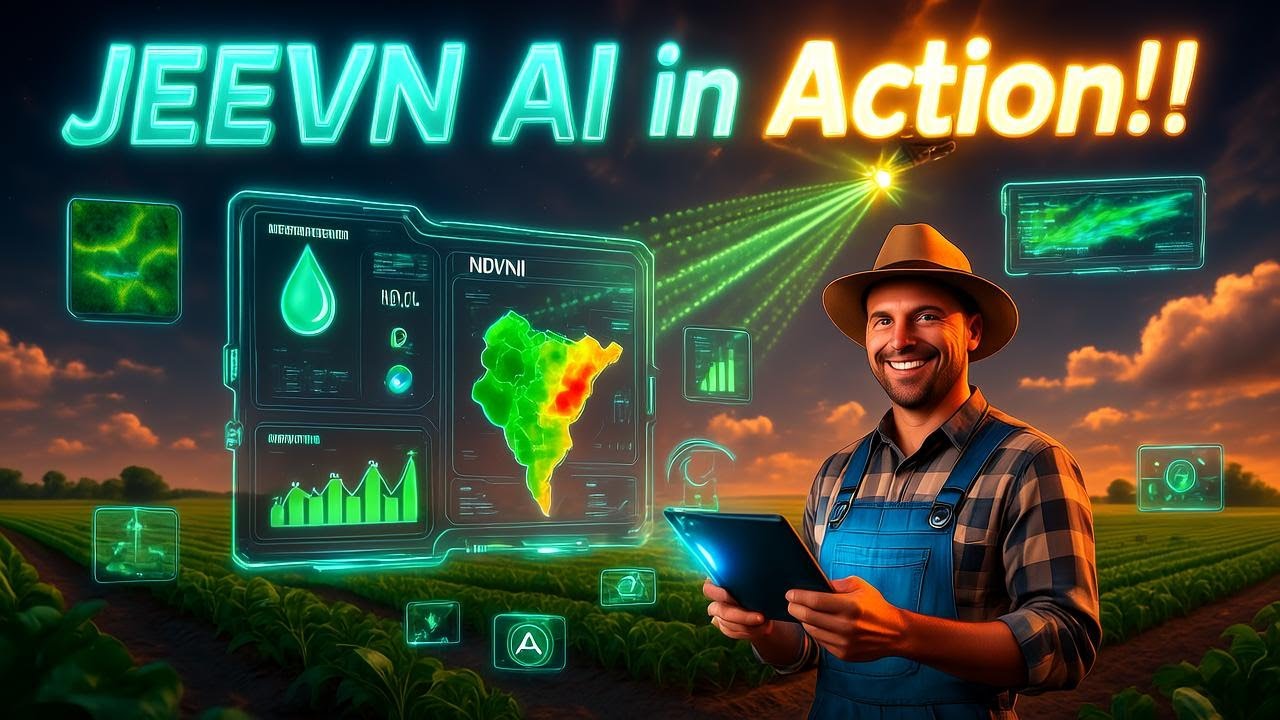
- Satellite-derived indices such as NDVI, NDWI inform water needs
- Integration with advisory platforms for contextual recommendations
-
4. Adaptive and Self-Learning Algorithms
AI water sprinkler platforms now operate with adaptive learning, continually refining and adjusting irrigation strategies based on ongoing crop responses and historical patterns. This enables precision agriculture that can react swiftly to changing environmental or biological conditions.
- Season-on-season data learning to predict best irrigation timing
- Adjustments for anomalies—e.g., heatwaves, disease outbreaks
-

-
5. Automated Irrigation Scheduling & Zone Control
Advanced systems dynamically divide fields or forests into micro-zones based on crop type, soil conditions, and slope for targeted watering. Each zone receives individualized irrigation scheduling, maximizing both growth and water use efficiency.
- Micro-scheduling for heterogeneous fields
- Cloud-deployed control for remote adjustment
-
6. Energy Optimization and Resource Saving
Smart sprinklers are increasingly powered by solar, wind, or low-energy control systems, dramatically reducing the energy cost of water distribution—crucial in off-grid forestry or remote agricultural regions.
- Integrated power-saving routines
- Automated shut-off during inefficiency or malfunction
-
-
7. Seamless Integration with Farm Management Platforms
Modern AI water sprinkler solutions integrate with digital farm management systems, apps, and APIs for centralized management, reporting, and analytics—empowering farmers and forestry managers with a holistic view and greater control.
- API integrations for workflow automation & reporting
- Mobile notifications and system alerts
- Blockchain traceability for transparency (important for sustainability goals)



🌐 API Access for Smart Irrigation Management |
API Developer Docs

Technological Components & Functionality of AI Water Sprinkler Systems
Modern AI water sprinkler solutions are highly sophisticated—combining sensor technology, artificial intelligence, advanced algorithms, and seamless system integration. Each component plays a critical role in revolutionizing irrigation within agriculture and forestry sectors:
- Sensor Networks & IoT Devices: Soil moisture, temperature, and humidity sensors continuously monitor real-time field conditions. Embedded nutrient sensors detect soil content, informing smarter water and fertilizer use.
- Edge Computing & Data Analytics: Local processing helps react instantly to fast-changing microclimates, while cloud platforms aggregate and analyze large datasets for broader, long-term optimization.
- AI-Powered Decision Algorithms: Trained on historical and real-time environmental data, machine learning models dynamically adjust watering schedules, ensuring crops or trees receive the precise amount of water.
- Weather & Satellite Integration: External sources (local weather stations, satellite imagery) filter real-world forecasts and aerial measurements into the control system, predicting rain or heatwaves for optimal irrigation planning.
- Remote Access & Automation: Mobile and desktop apps allow for interactive scheduling, zone management, and real-time notifications—empowering farmers and forestry managers to remotely operate and adjust irrigation routines.
- Blockchain & Traceability: Some systems use blockchain technology to log all irrigation-related data, supporting product traceability, regulatory compliance, and sustainability reporting.
Learn how end-to-end traceability benefits your sustainable farm management. - Automated Maintenance Alerts: Proactive detection of malfunctions, leaks, or system anomalies through AI, minimizing downtime and loss.

Comparative Table: AI Water Sprinkler, Smart Sprinkler, Advanced Sprinkler
Below is a feature-benefit table comparing the leading AI water sprinkler, smart sprinkler, and advanced sprinkler solutions. This helps illustrate clear distinctions and aids in decision-making for modern agriculture and forestry management.
| Technology Type | Core Technology Used | Key Features | Estimated Water Saving (%) | Sustainability Impact | Initial Investment (USD) | Suitability |
|---|---|---|---|---|---|---|
| AI Water Sprinkler | Machine Learning, IoT, Sensor Networks, Satellite Integration | Real-time adaptation, zone scheduling, predictive analytics, mobile & API control, historical data learning | 30–50% | Maximizes water-use efficiency, minimizes runoff & leaching, supports sustainable certifications | $3,000–$10,000+ (field scaling) | Large/medium agriculture, precision forestry, commercial farms |
| Smart Sprinkler | IoT Integration, Sensor Control, App Management | Remote scheduling, weather-adaptive routines, soil monitoring, mobile dashboard | 20–40% | Reduced overwatering & run-off, moderate sustainability improvement | $1,200–$6,000 | Family farms, reforestation plots, small-mid scale agri |
| Advanced Sprinkler | Basic Automation, Timers, Some Sensor Use | Programmable timers, manual override, basic zone splitting | 10–25% | Some reduction in water use, less impact on sustainability | $900–$2,500 | Traditional farms, entry-level irrigation |

Applications of AI Water Sprinkler and Smart Sprinkler Systems in Modern Agriculture & Forestry
The adoption of AI water sprinkler, smart sprinkler, and advanced sprinkler systems has become indispensable across agricultural and forestry operations worldwide.
AI Water Sprinkler Systems for Agriculture
- Diverse Crop Suitability: Whether for staple cereals or premium horticulture, adaptive irrigation tailors watering schedules to unique requirements of each crop and growth stage, enhancing overall yields and crop quality.
- Remote Farm Management: Integrated with cloud-based dashboards, farmers monitor, schedule, and adjust irrigation using smartphones or computers—especially vital in large-scale, distributed farms.
Explore large-scale farm management tools for seamless, data-driven irrigation planning. - Fertilizer & Nutrient Optimization: Sensors track not just water, but soil chemical composition. This enables “fertigation” (fertilizer + irrigation), reducing over-application and leaching—essential in sustainable agri-practices.
Smart Sprinkler Systems in Forestry
- Tree Nurseries & Sapling Plantations: Precise, gentle watering dramatically increases young tree survival in reforestation or commercial timber production.
- Remote & Sloped Terrains: Automation reduces manual labor and ensures water distribution even in isolated or sloped forestry sites.
- Water Conservation in Sensitive Ecosystems: Reduce runoff preventing soil erosion, vital for soil health and biodiversity.
- Environmental Monitoring: Real-time tracking supports carbon footprinting initiatives, helping maintain compliance and climate stewardship.
Advanced Sprinkler Systems: Bridging Tradition & Modernity
- Transitional Adoption: When full AI integration isn’t feasible, advanced smart sprinklers still outperform manual/legacy setups—automating routines and offering some energy savings and basic adaptability.
Did you know? AI-driven, satellite-verified irrigation documentation is now used to secure loans and insurance more reliably, boosting financial access for modern farmers.
See how advanced data supports crop loans and insurance claims.
Environmental and Economic Impact of AI Powered Sprinkler Systems
1. Environmental Benefits
- Reducing Water Wastage: By optimizing every irrigation schedule in real time, farmers and forestry managers cut water use by up to 30-50%, supporting watershed sustainability even in drought-prone regions.
- Minimizing Runoff & Leaching: Targeted watering avoids the excessive application that causes valuable nutrients to wash away into groundwater, preserving both soil health and local water quality.
- Supporting Biodiversity & Carbon Management: Sustainable irrigation helps combat desertification, supports biodiversity corridors, and is essential for carbon footprinting initiatives associated with climate-smart forestry and agriculture.
2. Economic Value for Farmers & Forestry Owners
- Lower Long-Term Operating Costs: Higher upfront investment is offset by reduced water bills, less energy consumption, and minimized loss from drought or overwatering events, leading to a strong return on investment.
- Enhanced Crop Quality and Yields: Healthy, optimally watered crops and saplings command premium values in the market.
- Data-Driven Risk Mitigation: Automated, real-time monitoring protects against losses due to rapidly shifting climate extremes or irrigation system malfunctions.
3. Compliance and Future-Proofing
- Meeting Sustainability Standards: AI-integrated foot-printing and traceability helps farmers and forestry managers stay ahead of international environmental regulations, maintain certifications, and answer growing consumer demand for “climate-smart” and transparent production.
- Access to Next-Gen Financing: Reliable documentation and crop health data (e.g., via satellite platforms such as Farmonaut) are increasingly required by lenders and insurers as a prerequisite for financial support.
Over time, as the adoption of these advanced sprinkler systems accelerates across regions, even traditional operators benefit from more consistent production, less manual labor, and the peace of mind that comes from future-proofed, environmental-friendly practices.
Interested in optimizing not just water, but labor and supply?
Discover how digital fleet and resource management reduces costs and boosts agricultural/forestry productivity with satellite and AI insights.
Enabling the Next Generation of Irrigation: Farmonaut’s Role
In the evolving landscape of AI water sprinkler technologies, satellite data platforms play a pivotal role. At Farmonaut, our mission is to make advanced, satellite-based solutions affordable and accessible for every business and user in agriculture and forestry worldwide.
- Satellite-Based Crop & Soil Monitoring: Using high-frequency, multispectral imagery, we deliver near-real-time insights on soil moisture levels, crop health (NDVI), irrigation sufficiency, and environmental patterns—essential for calibrating smart sprinkler systems.
- AI Advisory: Our Jeevn AI platform provides location-specific recommendations on irrigation timing, intensity, and zone management—integrating with on-farm sensors, radar, and meteorological feeds.
(Get tailored irrigation and plantation advisory for forest/plantation success.) - Blockchain Traceability: Incorporating blockchain boosts sustainability and trust—trace, audit, and report water management from field to supply chain with full transparency. (More about traceability solutions)
- Mobile Accessibility: With Android, iOS, and web access, our users manage irrigation and environmental monitoring anytime, anywhere.
- API Integration: Seamless connectivity with Farmonaut’s API ecosystem enables developers, businesses, or governments to automate and optimize their smart irrigation architectures at scale.
Whether you manage a smallholding or oversee continent-scale agricultural programs, satellite-enabled, AI-driven platforms are foundational to the future of sustainable water management—a backbone for resilient food and forestry systems in 2026 and beyond.
Frequently Asked Questions (FAQ) on AI Water Sprinkler, Smart Sprinkler & Advanced Sprinkler Systems
Q1: What distinguishes an AI water sprinkler from a regular smart sprinkler system?
AI water sprinklers use continual learning algorithms, satellite data, and adaptive analytics to dynamically tailor irrigation. Smart sprinklers typically use sensors and weather inputs for scheduling but lack full adaptive self-learning and predictive risk mitigation. Think of AI versions as “next-level intelligence” for ultimate water efficiency.
Q2: Can these sprinklers help combat climate variability?
Absolutely. By adapting irrigation patterns to rapid weather and soil changes, these systems support resilience against drought, excessive rain, or unanticipated climatic events—aligning with climate-smart agriculture and forestry goals.
Q3: Are AI water sprinklers cost-effective for smallholders?
While initial costs may be higher than for basic systems, long-term savings in water, energy, and crop enhancement often outweigh the investment, especially with scalable options and possible access to financial products based on documented agricultural practices (see crop insurance innovations).
Q4: Do smart sprinkler systems require constant internet connectivity?
Not always—most systems support edge or local processing, running basic scheduling with periodic updates. However, cloud/satellite integrations (like those in AI water sprinklers) do require some level of connectivity for optimal data flow and learning.
Q5: How do AI water sprinkler systems improve environmental sustainability?
By reducing water waste, cutting energy use, and minimizing harmful nutrient runoff, they directly support soil health, conserve aquifers, and help producers meet regulatory and sustainability benchmarks—all while boosting profitability.
Q6: Is it possible to integrate AI water sprinkler data with existing farm management software?
Yes, especially with open APIs and cloud-based platforms, providing holistic oversight of agricultural resources and workflow automation.
Conclusion
The transition toward AI water sprinkler, smart sprinkler, and advanced sprinkler systems is driving a significant leap forward in sustainable agriculture and forestry irrigation for 2026 and beyond. Through seamless technology integration, real-time data analytics, and adaptive learning, these systems optimize every drop of water—ensuring precision, conserving scarce resources, and building resilience against climate change.
As AI algorithms, sensors, and satellite insights become increasingly accessible, the role of actionable data expands. By harnessing these groundbreaking tools with platforms such as Farmonaut, farmers and forestry managers worldwide can achieve higher yields, lower costs, robust environmental stewardship, and compliance with global sustainability requirements.
The leap from traditional irrigation methods to AI-powered systems is not just a trend—it is a lasting transformation, laying the cornerstone for food and forestry security in a rapidly changing world.
Ready to revolutionize your irrigation?
Start with Farmonaut’s platform today and experience data-driven, climate-smart irrigation for your farm or forestry operation!
Discussion
Questions, corrections or field experience? Share them below. First-time comments are reviewed before they appear, and your email is never published.
No comments yet. Be the first to add a question or your experience.

 JJM Farms
 WeMe Global
 Pixxel
 Agrotoken
 Blue BearX
 Insignito
 Croptimum
 DnCubed
 Field Capacity
 Indosistim Teknologi
 Liquify Digital
 CU Foods
 BeyondTech Global
 Rouge VC
 AgroGreen Dynamics
 AgroRisk
 Oath Inc
 Reddane Farming
 Esri North East Africa
 Licence holder · Niger · Gold










