

Almond vs Walnut Water Usage: 2026 AI & Aeroponics Guide
Almond water usage compared to walnuts and pistachios is rapidly evolving into a central discussion as intensified water scarcity worldwide demands smarter, more sustainable farming solutions. In this comprehensive 2026 guide, we delve into the comparative water efficiency of almonds, walnuts, and pistachios, examine aeroponics water usage compared to traditional farming, and spotlight the revolutionary impact of AI farms water usage for the future of agriculture.
Table of Contents
- Do Almonds Use More Water Than AI?
- Water Usage in Almond, Walnut & Pistachio Farming
- Comparative Table: Estimated Water Usage & Efficiency
- Aeroponics: Revolutionizing Water Efficiency
- AI-Driven Farms: Optimizing Water Consumption
- Farmonaut: Pioneering Satellite-AI Solutions for Sustainable Agriculture
- Building a Sustainable Future: 2026 & Beyond
- FAQ: Almond, Walnut and Pistachio Water Usage & New Tech in Farming
Do Almonds Use More Water Than AI?
Yes, by a wide margin. California’s almond orchards use far more water than every data centre in the United States, AI and otherwise. The Lawrence Berkeley National Laboratory’s 2024 data centre report puts direct water use by US data centres, mostly for cooling, at 66 billion litres in 2023. Counting the water consumed at the power plants that supply their electricity adds nearly 800 billion litres more.
Almond estimates vary with acreage and method. The Pacific Institute estimated total applied water for California almonds at around 3.1 million acre-feet in 2010. The California Water Impact Network, an advocacy group, put it at 4.7 to 5.5 million acre-feet a year in 2024. California had about 1.5 million acres of almonds in 2025, 1.4 million of them bearing, according to Almond Board of California and Land IQ. An acre-foot is about 1.23 million litres.
| Water user | Year | Water per year |
|---|---|---|
| US data centres, direct (cooling) | 2023 | 66 billion litres |
| US data centres, indirect (power generation) | 2023 | nearly 800 billion litres |
| California almonds (Pacific Institute) | 2010 | about 3.8 trillion litres |
| California almonds (C-WIN) | 2024 | about 5.8 to 6.8 trillion litres |
Even the lower almond figure is more than 50 times the data centres’ direct use, and about four times direct and indirect use combined. Two caveats. The Berkeley figures cover all US data centres, not AI alone; no official body yet publishes a separate water figure for AI workloads. And data-centre use is rising: the same report expects hyperscale sites alone to consume 60 to 124 billion litres directly in 2028.
Water Usage in Almond, Walnut & Pistachio Farming: The 2026 Scenario
Nut cultivation remains among the most notorious high water usage sectors in global agriculture.
When comparing almond water usage compared to walnuts and pistachios, stark differences reflect the crop types’ physiology, irrigation needs, climate adaptability, and farming methods employed.
In 2025 and beyond, advances in precision agriculture, especially in California and Central Asia — two hotbeds for nut production — are reshaping how farmers manage water to address intensifying scarcity.
Why are Almonds Considered Water-Intensive?
- ✔ Almond trees require sustained irrigation to thrive — especially in the dry, Mediterranean-like climates of California, a region responsible for 80% of the world’s almond supply.
- ✔ Producing 1 kilogram of shelled almonds takes about 16,000 liters of water as a global average, counting rain, irrigation and pollution dilution (Water Footprint Network). In California, irrigation alone is roughly 4,300–4,700 liters per kg (Pacific Institute).
- 📊 Almonds have a deep-root system, demanding continual water access throughout the growing season.
- ⚠ This high level of consumption has made almonds a target for sustainable agriculture critics.
Walnut Water Usage: How Does It Compare?
- ✔ Walnuts use about 4,900 liters per kilogram in shell, 9,300 liters per kilogram shelled (WFN).
- 📊 Their growing season is typically longer than almonds but requires moderately less water per period.
- ⚠ Like almonds, walnuts are often cultivated in arid zones with increasing water scarcity, especially in Central Asia and California.
Pistachio Water Usage: Drought-Tolerant, Not Low-Water
- ✔ Pistachio trees tolerate drought, but their global average water footprint is about 11,400 liters per kilogram (WFN).
- 📊 That is more per kilogram than almonds or walnuts in shell (about 8,000 and 4,900 liters), so drought tolerance does not make pistachios the low-water nut.
Key Differences in Traditional Water Usage Patterns
- Almonds: Deep roots, need sustained and heavy irrigation, especially in dry periods.
- Walnuts: Moderate water needs, lengthy season, less frequent but more prolonged watering.
- Pistachios: High adaptability to drought, less overall irrigation required per growing cycle.
Water Consumption: By The Numbers
- 🌱 Almonds: ~16,000 liters/kg shelled (global average, WFN)
- 🌱 Walnuts: ~9,300 liters/kg shelled (global average, WFN)
- 🌱 Pistachios: ~11,400 liters/kg (global average, WFN)

Water Footprint Comparison: Almond, Walnut, Pistachio
Note: Figures are global average total (green, blue and grey) water footprints from Mekonnen & Hoekstra (2011), Water Footprint Network. There are no per-kg figures for aeroponic almonds, walnuts or pistachios, because no commercial orchard grows them that way.
Aeroponics Water Usage Compared to Traditional Farming: A Breakthrough for the Future
Aeroponics works by suspending plant roots in air and misting them with nutrient-rich water. Soilless systems like this can use much less water than field irrigation for the crops where it has been measured: a peer-reviewed Arizona comparison modelled hydroponic lettuce at about 20 litres per kg against about 250 litres per kg in the field, roughly 13 times less (Barbosa et al., 2015). No commercial almond, walnut or pistachio orchard is grown aeroponically; tree crops have only been trialled at the seedling or nursery stage.
How Aeroponics Works: Key Features
- 🔵 Closed-loop Systems: Water and nutrients are recycled within a contained chamber, preventing waste.
- 🔵 Precision Delivery: Misting is regulated based on plant need and environmental sensors, dramatically reducing consumption.
- 🔵 Less Evaporation: No soil means almost no water lost to run-off or deep percolation.
- 🔵 Reduced Water Use: Because the nutrient solution is recirculated, aeroponic systems use much less water than open-field irrigation.
- 🔵 Year-Round Production: Controlled environment enables continuous production, smoothing out supply and demand patterns for nuts and other crops.
Aeroponics water usage compared to traditional farming is so efficient that it’s earning strong consideration for seedling production, high-value nut crops, and even urban vertical farms in water-stressed cities in 2026.

Aeroponics Limitations and Critical Contemplations
- ⚠ Initial Capital: Higher up-front investment for controlled environment and misting infrastructure.
- ⚠ Nutrients Management: Requires sophisticated nutrient and disease control techniques.
- ⚠ Tree Nut Viability: Full lifecycle commercial nut production (like almonds and walnuts) in aeroponics has not been demonstrated; trials are limited to seedlings and nursery stock.
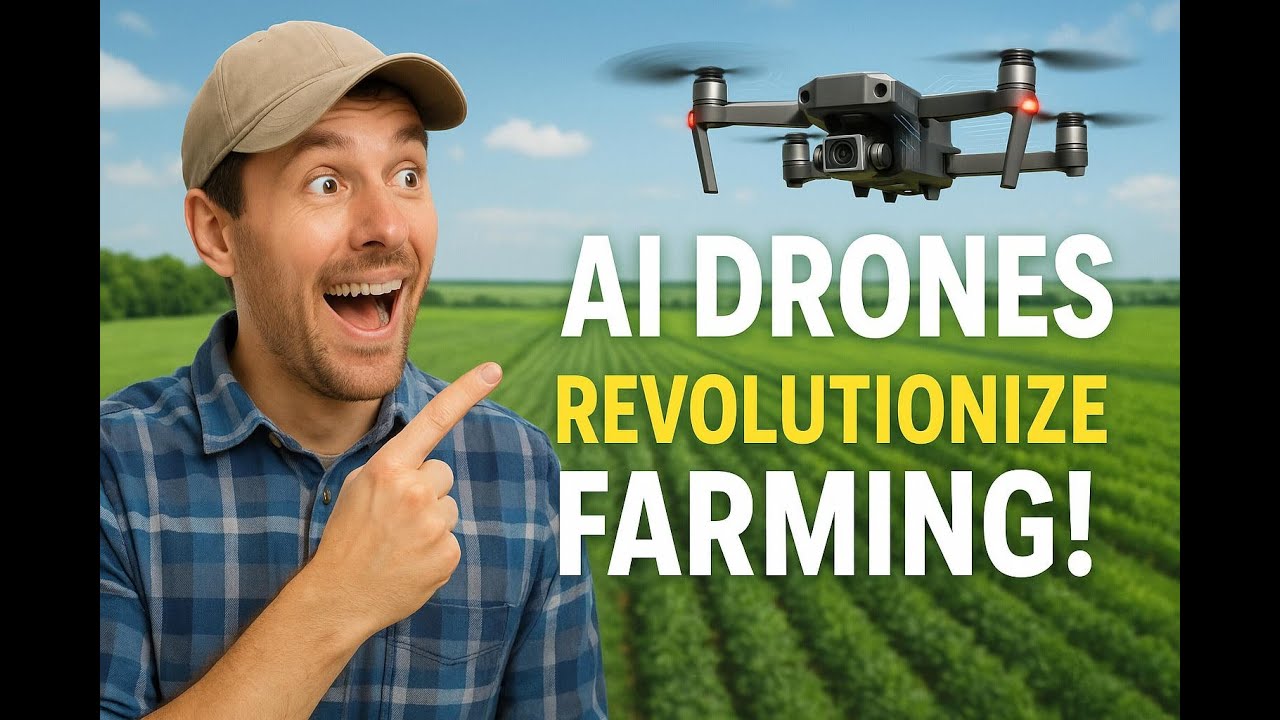
Aeroponics Innovations for 2026 & Beyond
- ✔ Hybrid Systems: Combining aeroponics with smart soil sensors and AI-driven irrigation for large orchards.
- ✔ Urban Vertical Farms: Nut seedlings and select high-value crops can be grown with minimal land in cities facing severe water limits.
- ✔ AI Integration: Sensor arrays optimize mist output and nutrient flow to precisely meet plant requirements 24/7.

📋 Visual List: Aeroponics vs. Traditional Farming Key Takeaways
- 💧 Water Use: Soilless systems use much less water per kilogram than field growing for crops where it has been measured, such as lettuce.
- 💡 Precision: Real-time moisture and nutrient data minimize excess and loss.
- 🌍 Greater Sustainability: Efficient for future food production under increasing water scarcity conditions.
- 🛠 Flexibility: Deployable in deserts, cities, or spaces with poor/arid soils.
- 🔬 Experimental Edge: Active R&D from 2025 onward for tree nut crop viability.



Monitor your agricultural field, nut orchard, or vertical farm anywhere with Farmonaut’s real-time web and mobile applications—gain insights on water usage, crop stress, irrigation and soil health, even for almond and walnut varieties.
AI Farms Water Usage: The Cutting Edge of Sustainable Food Production (2025–2026)
The integration of artificial intelligence is advancing ai farms water usage strategies far beyond what was possible even a few years ago.
With satellite monitoring, IoT sensors, and machine learning algorithms now available, AI-driven water management in agriculture is increasingly precision-based, reducing waste and optimizing efficiency for crops like almonds, walnuts, and pistachios.
Key Technologies Powering AI-Driven Water Optimization
- 🔍 Soil Moisture Monitoring: Smart sensors detect dryness at multiple root depths, enabling precision irrigation.
- 📡 Satellite Imagery & NDWI: Track real-time field conditions; Farmonaut’s multispectral analytics offer NDVI and NDWI insights for crop vigor and water stress. Integrate these insights with Farmonaut’s weather & crop APIs for bespoke applications.
- 🤖 Predictive AI Models: Algorithms evaluate historical data, evapotranspiration, rainfall patterns, and future climate projections.
- 🚜 Automated Irrigation: Water is delivered only when, where, and how much is needed, reducing usage by 20–30% in most orchards.
- 📈 Adaptive Farm Management: AI suggests switching crop cultivars or planting patterns based on water benchmarks, climate forecasts, and stress prediction.

Visual List: AI Farms Water Usage Optimization Strategies
- 🚀 Real-time detection of plant water stress
- 📈 Dynamic irrigation scheduling based on drought probability
- 🌦 Weather-adaptive watering routines
- 📱 Remote control and monitoring via mobile devices and satellite data
- 🔗 Seamless traceability and blockchain-based supply chain tracking for water usage reporting
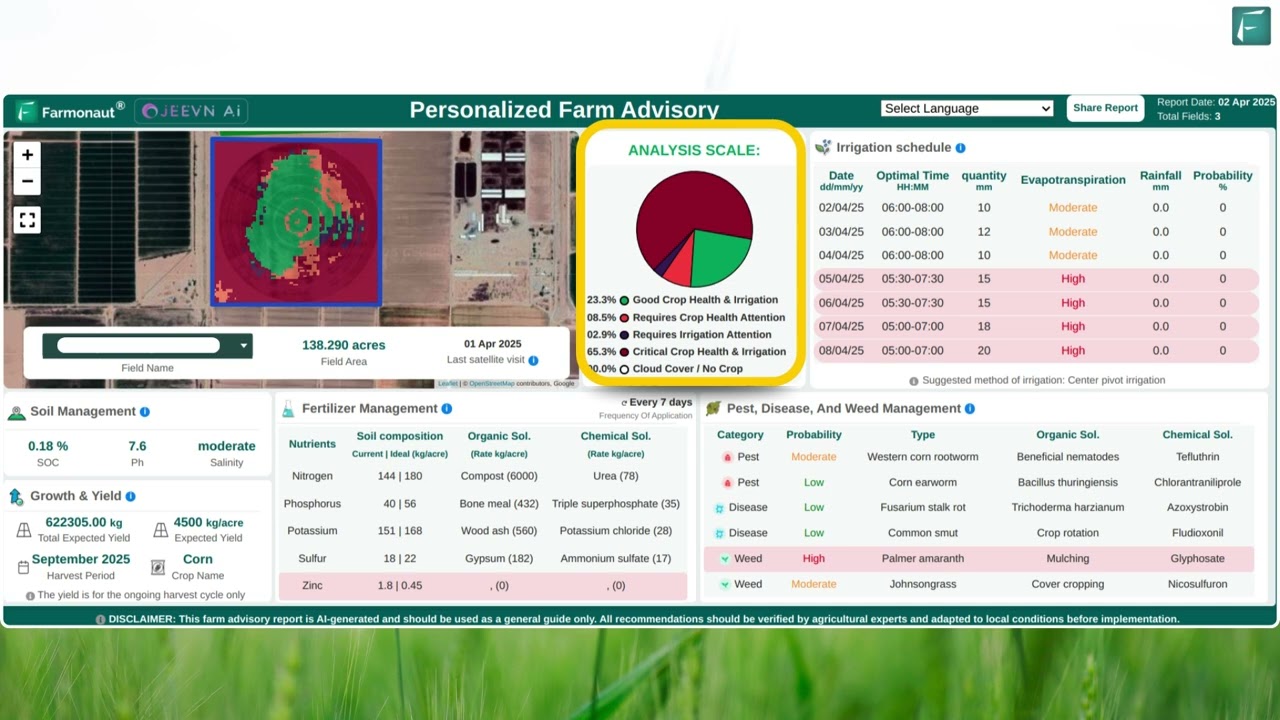
The 2026 AI Advantage in Nut Farming
- ✔ Lowered Water Consumption: AI-optimized systems cut almond and walnut orchard water use by up to 30% above previous best-practices.
- ✔ Enhanced Nut Quality: Precise water stress monitoring leads to higher, more consistent yields and better nut flavor/quality.
- ✔ Sustainable Use: Data-driven, adaptive irrigation helps build resilience against drought years.
- ✔ Automated Compliance: Easy reporting for water regulators and ESG metrics.
- ✔ Global Scalability: Tech deployable from large California almond groves to smallholder pistachio farmers in Central Asia.
To increase transparency and consumer trust, track nut water usage and production practices with blockchain. Farmonaut’s Traceability Solution integrates reliable blockchain and AI, providing granular lot-level records—ideal for regulatory and premium market access in 2026.
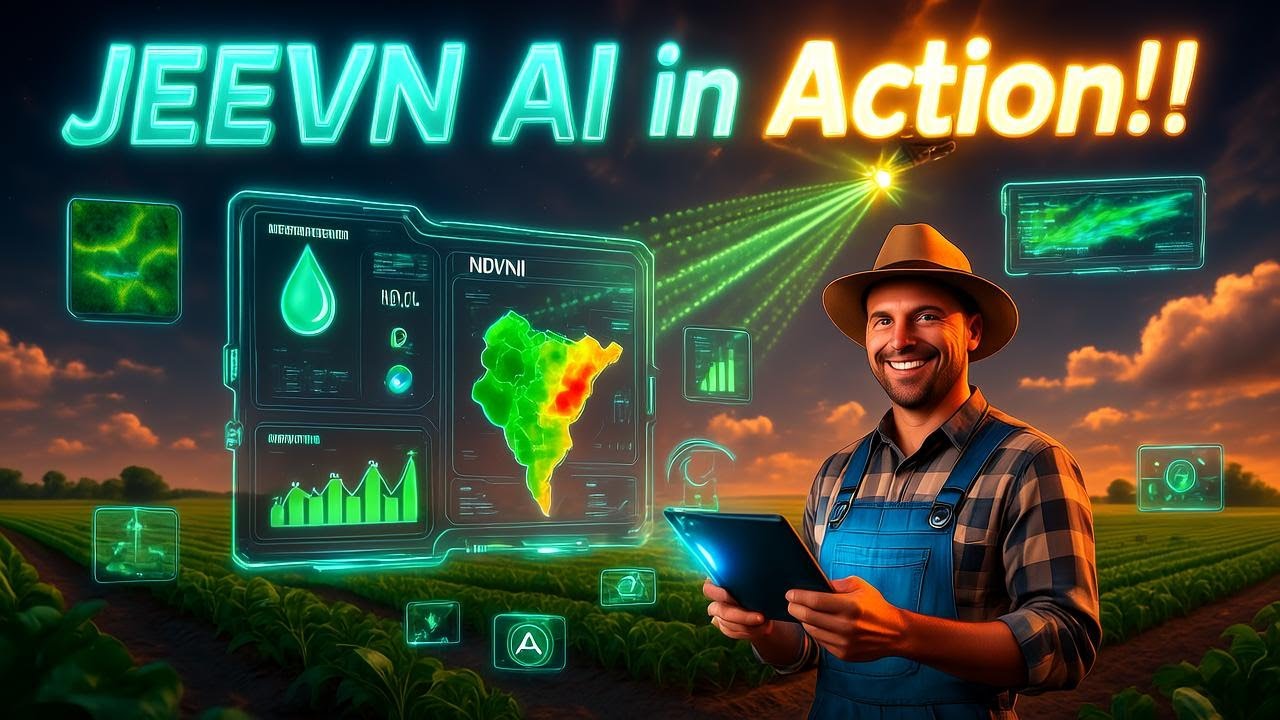
Farmonaut: Pioneering Satellite-AI Solutions for Sustainable Agriculture
At Farmonaut, we harness a powerful blend of satellite imagery, AI, blockchain, and real-time data to help businesses, users, and governments address water scarcity and resource management in agriculture, mining, and infrastructure sectors worldwide. Our mission is to make these insights both affordable and accessible, so that global nut farming can become a model for efficient, sustainable water use—from California almond plantations to pistachio orchards in Central Asia.
Farmonaut’s Key Tools & Benefits
- ✔ Satellite-Based Monitoring: Get real-time indicators of crop and soil health (NDVI, NDWI) for smarter irrigation and faster drought/stress detection.
- ✔ JEEVN AI Advisory System: Advanced satellite/AI-driven farm advisories—precise, tailored recommendations for maximizing yields and minimizing water.
- ✔ Blockchain Traceability: Secure logging and supply-chain tracking of water use and production practices for compliance and consumer trust.
- ✔ Fleet and Resource Management: Simplified logistics supporting farm vehicles and equipment, reducing fuel/water overuse and downtime.
- ✔ Environmental Impact: Track emissions and carbon footprint of nut and crop production for your ESG/sustainability record.

Farmonaut for Developers & Data-Driven Teams
- 🔗 Integrate Farmonaut’s agriculture satellite/weather API into your analytics, supply-chain, or research platforms for on-demand, multi-crop insights.
- 🔗 Explore the Developer Docs here. Build apps, data dashboards, and IoT tools with real-time nut and climate data for tomorrow’s smart farms.
Want to unlock your AI-driven nut farm efficiency?
Choose a Farmonaut subscription tier that fits your scale and strategy:
Building a Sustainable Future: 2026 & Beyond — Rethinking Water, Food, and Nut Production
As global water scarcity intensifies, the priorities of food production are fundamentally shifting toward resilient crop selection, efficient water management, and scalable sustainability. Embracing smarter systems—like AI irrigation, aeroponics, and real-time satellite monitoring—lets nut growers not only survive but thrive amid increasing environmental pressures.
5 Bullet Points: Almond, Walnut, Pistachio Water Use in 2026
- 🌿 Almond water usage (per kg): Remains among the highest—making efficiency technologies critical.
- 🌳 Walnut farming: About 9,300 liters/kg shelled, well below almonds, and longer growing seasons offer more flexibility for irrigation timing.
- 🥜 Pistachios: The most drought-tolerant of the three, but about 11,400 liters/kg on the global average, more than almonds or walnuts in shell.
- 💦 Aeroponics systems: Use much less water for leafy greens and seedlings, but no commercial almond, walnut or pistachio orchard is grown this way.
- 🤖 AI farms water usage: The only scalable method for optimizing irrigation, boosting yields and securing food production for a water-scarce future.
Action Steps for Nut Farmers & Agribusiness Leaders in 2026
- 1️⃣ Assess Water Benchmarks for your region and crop selection using local data and advanced analytics.
- 2️⃣ Start Smart Irrigation with sensor & AI-assisted controls; begin with almonds and expand to other nuts.
- 3️⃣ Adopt Traceability and supply-chain compliance for premium market access (more here).
- 4️⃣ Trial Aeroponics for seedlings or high-value specialty nuts; monitor ROI and scale up as tech matures.
- 5️⃣ Engage Satellite Solutions (like Farmonaut) for scalable, affordable resource monitoring and sustainability tracking.
Frequently Asked Questions: Almond, Walnut & Pistachio Water Usage, Aeroponics & AI-Driven Farming
-
How much water does it take to produce one kilogram of almonds, walnuts or pistachios?
Almond: about 16,000 liters/kg shelled (global average, WFN),
Walnut: about 4,900 liters/kg in shell, 9,300 shelled (global average, WFN)
Pistachio: about 11,400 liters/kg (global average, WFN) -
Why are almonds so water-intensive compared to walnuts and pistachios?
Almonds require annual, sustained irrigation and have a deep-root system, especially in Mediterranean climates (like California). Walnuts are less drought-tolerant but require less water, while pistachios can survive with much less frequent watering, although their water footprint per kilogram is not lower. -
Can nuts really be grown by aeroponics?
Not commercially. No almond, walnut or pistachio orchard is grown aeroponically; the method has only been trialled for seedlings and nursery stock. For orchards, practical water savings come from better-scheduled irrigation. -
How much does AI-driven irrigation reduce water usage vs. traditional methods?
Field studies consistently show 20–30% water use reduction in orchards using AI-powered precision irrigation, with potential for even greater savings as technology and predictive models improve by 2026. -
How can I start using AI, satellite, or aeroponics technology for my farm?
Platforms like Farmonaut allow seamless integration of satellite, IoT, and AI-driven advisory services. Get started via their mobile/web apps or developer API to monitor water use, soil conditions, and resource management instantly.
Summary: Embracing the AI & Aeroponics Era in Sustainable Nut Farming
In the face of global water scarcity, almonds, walnuts, and pistachios can all thrive by leveraging the right mix of aeroponics, AI-driven irrigation, and real-time satellite monitoring. All three can see water savings through technology adoption by 2026.
For farmers, agritech developers, and food industry leaders, now is the time to adopt advanced water management technologies—ushering in a new chapter of food security, environmental stewardship, and economic sustainability.
Start your journey to sustainable, water-smart nut farming with Farmonaut’s apps, APIs, and comprehensive satellite/AI platform—because the future of food production depends on what we do today.
Discussion
Questions, corrections or field experience? Share them below. First-time comments are reviewed before they appear, and your email is never published.
No comments yet. Be the first to add a question or your experience.

 Clubhouse OS
 John Deere
 Progenseed
 SkyHarvest
 Polaris Digitech
 Teledarbas
 Wild Oak Farm
 SFX
SFX BACF Africa
 Doodlakine
 Exurbia Geospatial
 FieldZero
 Indico Company
 Kubota
 Licence holder · Niger · Gold










