

Benefits of Modern Technology in Agriculture: 2026 Advances



“Biotechnology advancements in 2025 are projected to increase crop yields by up to 25% compared to traditional methods.”
Introduction
Modern technology and agriculture are reshaping the world’s food, fiber, and resource systems. As we approach 2026, the integration of advanced technologies—drones, biotechnology, precision data analytics, automation, and smart infrastructure—is transforming agriculture, forestry, and all allied sectors. The benefits of modern technology in agriculture are extensive: data-driven decisions, increased productivity, improved sustainability, and greater resilience in the face of climate variability and market demands.
These advances address core challenges—resource limitations, labor shortages, environmental pressures, and global population growth—by supporting precision management, sustainable practices, and digitally enabled land stewardship. In this blog, we examine the key technologies defining agriculture in 2026: drone technology and remote sensing, biotechnology and breeding, precision data analytics, automation, bioproducts, and climate-smart infrastructure—plus how Farmonaut’s satellite-driven platform supports these innovations.
- ✔ Benefits of modern technology in agriculture now include real-time resource use, minimized costs, and stronger environmental protection.
- 📊 Data analytics and IoT sensors turn raw field data into actionable insights.
- ⚠ Climate adaptation tools foster resilience for both farming and forestry operations.
- 🚜 Robotics and automation resolve labor bottlenecks in high-value and hazardous environments.
- 🌱 Biotech breeding and bio-based products advance sustainable land management practices.
Modern Technology and Agriculture: Overview for 2026
The benefits of modern agriculture are grounded in the seamless integration of technology at every step—from field operations and forestry management to supply chains and land reclamation. In 2026, this means:
- Smart, automated input application that optimizes resource use and reduces environmental footprints
- Precision data analytics for real-time monitoring and better anticipation of risks
- Biotechnology-powered crop and livestock advancements tailored for climate resilience
- Drones and remote sensing technologies for targeted interventions and landscape-scale planning
- Circular systems and bio-based innovations to close resource loops and reduce waste
Together, these tools enable sustainable agriculture that meets both market demand and environmental standards, supporting rural livelihoods and intensifying production on existing land without compromising soil health, water quality, or biodiversity.
The most impactful technologies for agriculture in 2026 combine automated hardware (drones, robotics), powerful software (AI, precision analytics), and biotechnological innovation to increase yields, reduce input costs, and adapt to evolving climate and market risks.
Drone Technology and Remote Sensing: Eyes Over Land
Benefits of Drone Technology in Agriculture & Forestry
Drones equipped with high-resolution cameras, multispectral sensors, and thermal detectors have redefined field scouting and monitoring across agriculture, forestry, and adjacent industries in 2026. The benefits of drone technology in agriculture include more precise field management, early pest detection, and targeted interventions—all at lower operational costs.
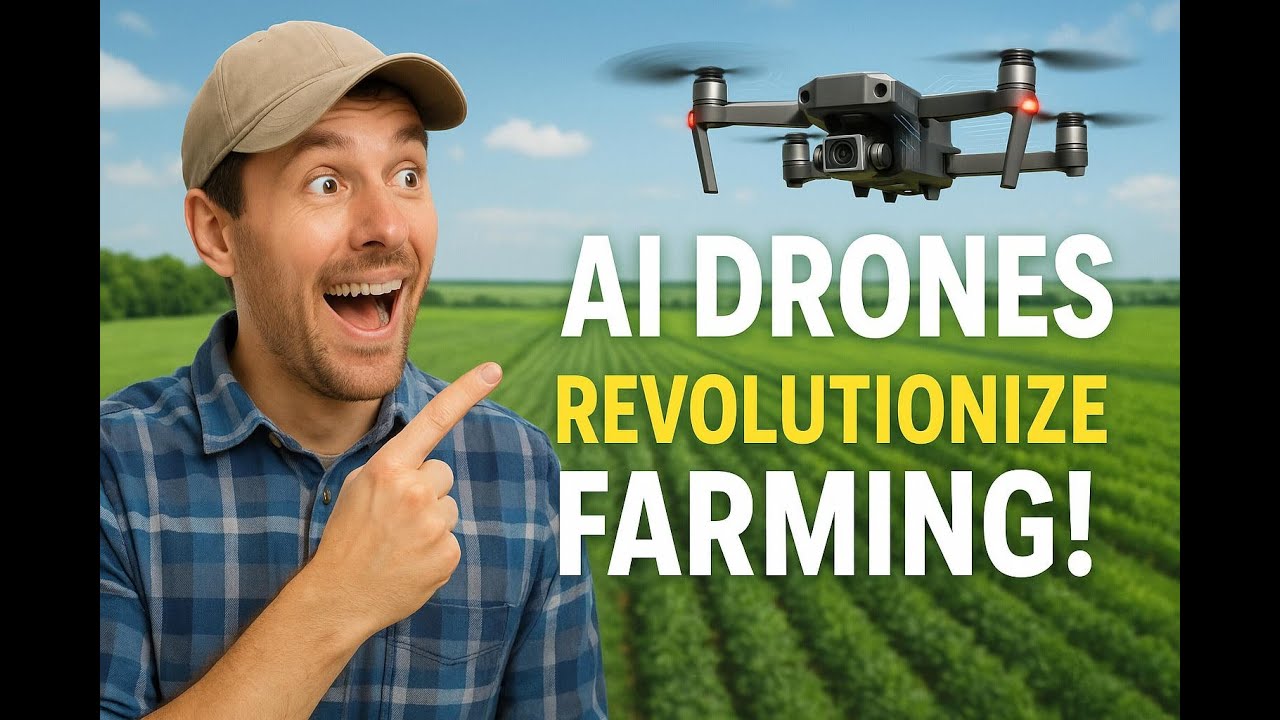
Key Capabilities of Drone and Remote Sensing Systems:
- Field Scouting & Monitoring: Real-time crop scouting detects areas of nutrient deficiency, disease stress, or pest risk before visible symptoms emerge.
- Variable-Rate Spraying: Apply fertilizers and crop protection products only where needed, reducing chemical use and environmental impact.
- Mapping & Planning: Generate topographic surveys to support land use decisions, soil erosion control, and mining area reclamation.
- Forestry Management: Support reforestation monitoring, seedling survival assessments, and wildfire risk mapping for improved forest health.
- Resource Efficiency: Reduce travel time and manual labor usually required for in-person field inspections, lowering operational costs.
Integrate drone-generated data with large scale farm management systems to identify trends across seasons. This enables early detection of changes in soil health and improvement in crop yields with minimal inputs.
Beyond farming, drones profoundly impact forestry by supporting reforestation and wildfire prevention efforts. In regions where mining and agriculture zones are adjacent, drone-based topographic surveys streamline land-use planning, erosion control, and sustainable restoration.
- 📊 Key benefit: Variable-rate spraying minimizes input waste and environmental footprint.
- 🌲 Forestry: Improved mapping for seedling survival, wildfire risk, and sustainable timber harvesting.
- 💸 Cost insight: Drone scouting reduces expensive manual labor and vehicle fuel use.
The overall benefits of drone technology in agriculture are clear: accelerated decision-making, lower costs, and data-backed risk mitigation in both cropping and forest landscapes.
Biotechnology and Sustainable Breeding: Shaping Climate-Resilient Food Systems
The Benefits of Biotechnology in Agriculture
As climate variability increases, the case for sustainable breeding and biotechnology is stronger than ever. Modern gene editing and breeding tools accelerate the development of climate-adapted crop varieties, livestock genetics, and high-performing timber species for forestry.
Key Technical Advances:
- Drought & Salt Tolerance: New crops capable of thriving under low water and saline conditions, reducing the need for irrigation and protecting soil health.
- Nutrient-Use Efficiency: Plants use fewer fertilizer inputs for the same or higher yield.
- Disease Resistance: Advanced genetics reduce the risk of pest/disease outbreaks, supporting sustainable forestry and farming.
- Improved Livestock: Feed efficiency genetics in cattle, goats, or sheep—helping reduce methane emissions and feed costs, key for dairy and meat sectors.
- Faster Timber Growth: Biotechnology enables rapid breeding of timber species with superior wood quality and disease resistance for forestry.

The benefits of biotechnology in agriculture now extend beyond yield alone—these advances reduce chemical input needs, enable resilient production under harsh climates, and support sustainable land management in both food and forestry systems. Biotechnology also aids rural livelihoods by delivering reliable crops and livestock, even as weather extremes and new pests threaten traditional farming.
- 🌾 Gene-edited wheat and rice transforming yields on marginal lands
- 🌲 Faster reforestation and sustainable timber species with improved pest resistance
- 🐄 Feed-efficient cattle reducing greenhouse gas emissions in livestock operations
- 💧 Drought-tolerant corn saving irrigation water in semi-arid regions
The rapid adoption of biotechnological innovations in breeding and livestock genetics is driving long-term increases in land value and production efficiency in agriculture, forestry, and related sectors.
In 2026, both public and private biotech R&D investments focus on 2025’s lessons: foster adaptability, improve growth rates, and help producers meet stricter environmental regulations while supporting food security.
Focusing solely on yield increases while neglecting resilience, disease resistance, and resource efficiency can lead to short-term gains but long-term sustainability problems. Balanced biotechnological innovation is essential for future-ready systems.
“Precision agriculture data analytics can reduce fertilizer use by 15% while maintaining or improving crop productivity in 2025.”
Precision Agriculture and Data Analytics: The Power of Real-Time Decisions
The Role of Data in Optimized Farm, Forestry, and Mining Operations
Precision agriculture uses IoT sensors, weather stations, and connected management platforms to monitor, measure, and manage every hectare in real-time. By integrating AI-powered analytics and machine learning, operations leverage highly precise data to forecast yields, optimize input use, and minimize risk across farming, forestry, and mining-adjacent lands.

Data-Driven Planning & Decision Tools:
- Soil Moisture Sensing: Guide variable-rate irrigation to optimize water use and reduce waste.
- Nutrient Mapping: Address soil deficiencies only where needed, reducing fertilizer input costs.
- Weather Forecast Integration: Predict and plan for weather-driven risks (flood, drought, pest outbreaks).
- AI Field Analytics: Analyze past and current crop/forestry data for tailored management schedules and interventions.
- Land Rehabilitation: In mining-impacted areas, use carbon footprinting services to measure progress and restore ecological balance.
In addition, fleet management tools optimize movement of vehicles and equipment, reducing operating costs and improving efficiency in large-scale agriculture and mining operations.
- 🛰️ Satellite imagery guides nutrient, water, and pest monitoring
- 💻 AI-based decisions generate week-by-week farm plans
- 🔄 Automated alerts for equipment maintenance and anomaly detection
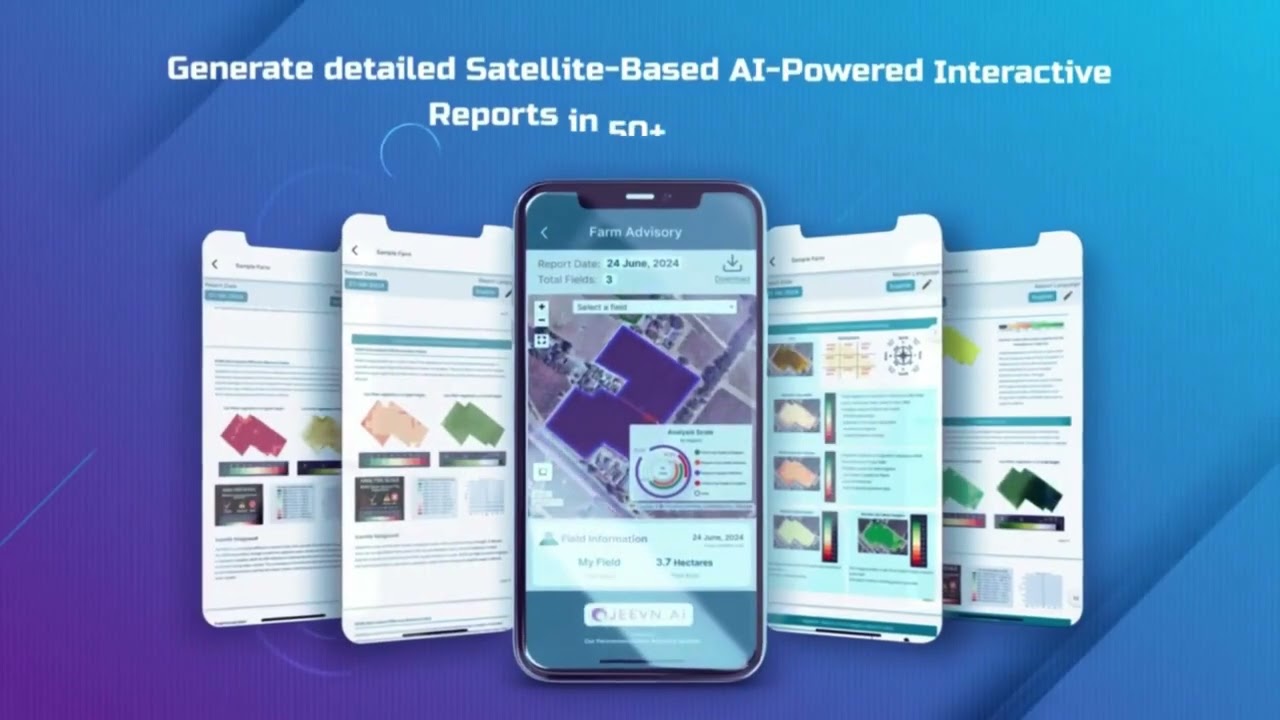
The result: higher yields, lower costs, less waste, and greater resilience. Data analytics, like those offered through the Farmonaut Agro Admin platform, connect every aspect of farming and forestry management—from soil and plant health to weather forecasting and real-time blockchain traceability.

- Precision analytics enable farmers to apply inputs at the right place, time, and rate—maximizing ROI.
- Automated monitoring prevents costly surprises and supports ecosystem-focused planning.
- Integrated systems reduce overlap and inefficiency between field teams, managers, and processing facilities.
In 2026, AI-powered analytics and real-time data from satellites and farm sensors are estimated to drive yield increases of 10-35% and reduce irrigation/fertilizer costs by up to 20% in digitally connected operations.
Automation, Robotics, and Labor Efficiency: A New Era for Productivity
The need for skilled agricultural labor continues to outpace supply globally, especially in high-density cropping regions and forestry plantations. Automation is key to overcoming these labor bottlenecks in 2026.
Robotic harvesters, precision weeders, autonomous tractors, and greenhouse robotics ensure consistent year-round production, reduce physical strain on workers, and enhance production efficiency. In nurseries and plantations, automation is supporting seedling handling, smart irrigation, and optimized growth rates.
Automation in Forestry & Mining Settings:
- Robotic seed planting: Uniform replanting after harvest or as part of land reclamation.
- Automated irrigation: Precisely controlled water delivery based on real-time data.
- Remote-controlled machinery: Safer management in hazardous or mining-adjacent zones.
Benefits of modern technology in agriculture shine brightest in the intersection of automation and data-driven insights; satellite-based operational monitoring from Farmonaut further supports insurance, loan verification, and risk mitigation for agribusinesses and rural communities.
- 🤖 Key benefit: Continuous, uniform plantation and harvest processes reduce human error.
- ⚙️ Labor cost savings: Up to 30% reduction in labor expenses reported in tech-enabled operations.
- 👩🌾 Health & Safety: Reduced exposure to agrochemicals and dangerous equipment.
Bullet Points: Advantages of Automation (with icons)
- ✔ Consistent field operations for higher and steadier yields
- 📊 Real-time performance tracking and maintenance scheduling
- 💰 Lower labor costs with operational scalability
- 🔐 Enhanced worker safety in physically demanding or hazardous environments
- 🌱 Faster reforestation and sustainable land rehabilitation
Autonomous machines play a pivotal role in precision agriculture, forestry nurseries, and mining rehabilitation, where access is difficult and processes must be highly repeatable for ecosystem recovery.
Bioproducts and Circular Farming: Sustainability at Scale
Modern biotechnology innovations are driving a shift from synthetic chemicals to natural bioproducts such as bio-pesticides, biodegradable coatings, and plant growth regulators. These support healthier ecosystems and reduce chemical loads on land and water bodies.
Circular farming systems close resource loops by integrating waste streams (crop residues, animal manure, agri-waste) with energy recovery (biogas), composting, and nutrient recycling. In mining-contaminated regions, bioremediation technologies (using microbes or resilient plant species) help restore soil function and meet stricter environmental standards.

Circular Agriculture & Bioproducts – Advantages:
- Reduces input costs through on-farm resource recovery and waste minimization.
- Improves resilience to market price variability and supply shocks.
- Protects ecosystems with reduced chemical reliance and improved soil & water health.
- Enables regulatory compliance in sensitive agricultural, forestry, and mining frontiers.
Visual List: Circular Farming Elements (with icons)
- 🔄 Recycled nutrients from composted crop waste
- 💧 Water reuse systems for irrigation
- 🌾 Bio-pesticide applications for safer crop protection
- ♻️ Carbon footprint monitoring and emissions tracking
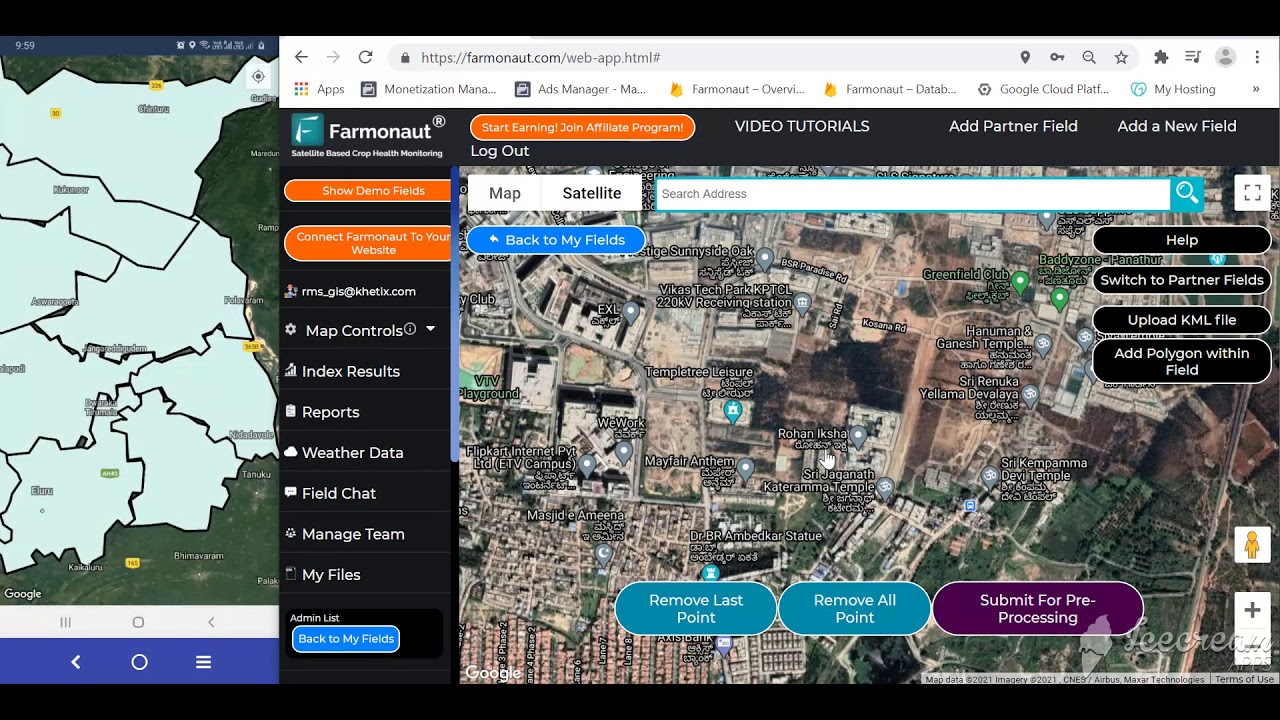
Advanced satellite monitoring enables product traceability and circular land management by ensuring that crop, forestry, and environmental data are securely tracked via blockchain, helping producers and buyers verify sustainability credentials.
Smart Infrastructure and Climate Resilience: Adapting to Extremes
By 2026, digital twins, satellite imagery, and climate-smart infrastructure (precision irrigation, shade nets, windbreaks) have become must-haves. These systems enable farms and forestry operations to anticipate, withstand, and rebound from climate shocks—such as drought, flood, or pest outbreaks.
Infrastructure That Supports Resilience:
- Precision Irrigation Networks: Monitor and optimize water use to prevent loss during dry spells.
- Early Warning Systems: Satellite-driven advisories protect against weather and pest risks.
- Landscape Monitoring: Plantation and forestry advisories combine field and remote sensing data for sustainable management.
- Land-Use Planning: Digital maps and restoration analytics help communities near mining sites strike a balance between agricultural productivity and conservation.
The benefits of modern technology in agriculture now extend to infrastructure planning—fostering food security, wealth generation, and responsible land use in both rural and urban regions, even as environmental and market pressures escalate.
Investment in AI-powered digital infrastructure and climate resilience technologies is expected to unlock new funding, risk mitigation, and market expansion opportunities in global agriculture, forestry, and land management sectors.
Comparative Impact Table: Key Modern Technologies and Their Benefits
| Technology | Primary Benefit | Estimated Impact in 2025 |
|---|---|---|
| Drones & Remote Sensing | Early threat detection, variable-rate input, reduced labor | +15% yield, -25% manual labor, -20% input costs |
| Biotechnology & Advanced Breeding | Drought/salt tolerance, disease resistance, improved growth | Up to +25% yield, -20% input reliance, +10% resilience |
| Precision Data Analytics | Resource optimization, anomaly detection, future planning | -15% fertilizer use, -18% water consumption, +30% resource efficiency |
| Automation & Robotics | Labor savings, uniform high-quality production, safety | -30% labor costs, +18% operational consistency |
| Bioproducts & Circular Systems | Reduced chemical footprint, resilient resource loops | -20% chemical use, +25% soil health, +10% cost resilience |
| Smart Infrastructure | Climate risk reduction, improved water/land use | +10% yield stability, -22% weather-related loss |
Farmonaut: Cutting-edge Satellite-Driven Agricultural Technology
At Farmonaut, we are dedicated to making satellite-driven insights affordable and actionable for users in agriculture, mining, infrastructure, and allied sectors. By combining multispectral satellite data, AI-driven advisory, blockchain-based traceability, and advanced resource management tools, we empower users to boost productivity, cut costs, and improve environmental sustainability.
-
🛰️ Satellite-Based Crop & Land Monitoring: Our web, Android, and iOS applications provide real-time NDVI, soil moisture, and environmental analytics for planning and monitoring at scale.
Try our monitoring platform now - 🔗 Blockchain Traceability: We provide secure supply chain traceability so stakeholders can track farm produce provenance and verify sustainable practices.
- 🤖 AI Advisory & Resource Management: Our proprietary Jeevn AI analyzes satellite data for personalized agronomic, mining, and infrastructure advice—automating decisions and boosting operational efficiency.
- 🚜 Fleet & Asset Optimization: Fleet and resource management solutions help coordinate and track vehicles, reducing downtime and fuel costs.
- 🌱 Environmental Impact Tracking: Our platform offers carbon footprint monitoring tools for agriculture and mining to help meet regulatory compliance and sustainability goals.
For developers and agri-tech companies: Our robust API and developer documentation allow easy integration of satellite insights into your custom solutions.
Our subscription system offers scalable, affordable access to the latest satellite technology—suitable for individual farmers, vast commercial operations, and government agencies.
Key Highlights & Callout Boxes: Summary for 2026
- ✔ Integrated technology approaches—including drones, biotechnology, analytics, and automation—are the foundation of modern agriculture, forestry, and allied sectors in 2026.
- 🌱 Benefits include: Higher yields, reduced chemical/fertilizer use, lower labor costs, improved resilience, and stronger climate adaptation.
- 📊 Data-driven solutions reduce risk and foster responsible land stewardship from the farm level up to entire regional landscapes.
- 🔄 Circular systems and real-time environmental monitoring help sustainable agriculture meet regulatory and market expectations.
- 🛰️ Farmonaut’s satellite-based platform puts advanced insights directly into the hands of every user—empowering smarter, more profitable decisions across agricultural, mining, forestry, and environmental projects.
Not all regions have equal access to digital infrastructure or technical support for the full realization of smart agriculture. Solutions like remote satellite monitoring help bridge some of these gaps in connectivity and expertise.
Frequently Asked Questions
-
What are the main benefits of modern technology in agriculture in 2026?
In 2026, modern agricultural technology delivers higher yields, improved resource efficiency, cost savings, environmental protection, and climate resilience. Technologies like drones, biotech breeding, data analytics, and automation help both small and large farmers manage land more profitably and sustainably.
-
How do drones and remote sensing help in farming and forestry?
Drones equipped with multispectral and thermal sensors provide real-time crop and forestry monitoring, enabling early threat detection, targeted chemical input, and precise mapping. They minimize physical labor and improve overall management.
-
What is the role of biotechnology in sustainable agriculture?
Biotechnology accelerates the breeding of new crop and livestock varieties with better drought, disease, and salt tolerance, improved nutrient use, and faster growth. This supports higher production with fewer inputs and enhances climate resilience.
-
How do automation and robotics reduce costs?
By automating repetitive, labor-intensive tasks (like planting, weeding, and harvest), automation and robotics lower labor requirements, reduce human error, increase safety, and ensure consistency across production cycles.
-
How does Farmonaut aid agricultural technology adoption?
Farmonaut provides affordable satellite-driven monitoring, AI-based advisories, blockchain traceability, and resource/fleet management tools for agriculture, mining, and infrastructure. These empower users to make smarter, data-driven decisions anywhere in the world.
-
What is circular farming, and why is it important?
Circular farming integrates waste recycling, nutrient recovery, and on-farm energy production (like biogas) to reduce input costs and build resilience. It also lowers environmental impact and supports compliance with stricter sustainability standards.
-
Can small-scale farmers benefit from these technologies?
Yes! Although advanced technology is often associated with large operations, platforms like Farmonaut offer scalable solutions accessible via web or mobile apps, so individual users can monitor their fields and optimize practices at an affordable rate.
-
Are these innovations relevant for forestry and mining-adjacent lands?
Absolutely. Modern technologies—satellite-driven planning, blockchain traceability, automation, and bio-remediation—support sustainable forestry, wildlife monitoring, land restoration, and regulatory compliance in mining-adjacent areas.
-
How can I use Farmonaut’s platform for my farm or project?
Simply download our app from Farmonaut, Android or iOS app stores, or access via web browser. Set up your plots, choose your subscription, and gain instant satellite-driven insights for all your monitoring, planning, and management needs.
-
Where can I learn more about developer access or integration?
Visit our API page and Developer Documentation to find technical details for integrating real-time satellite data into your own applications.
Conclusion
The benefits of modern technology in agriculture in 2026 are undeniable: smarter data, climate-smart breeding, efficient input utilization, robust automation, and ecosystem-positive land management. Drone technology, biotechnology, precision analytics, automation, and circular systems have collectively increased crop yields, reduced input costs, and protected soil and water health—ushering in a new era of resilience and sustainability for farming, forestry, mining, and allied industries.
With innovations like Farmonaut’s satellite-enabled solutions, users of any scale have direct access to the tools and data necessary for future-ready productivity, transparent supply chains, and responsible land stewardship. As the challenges of resource scarcity, environmental regulation, and market pressures mount, these digital and biological advancements remain the cornerstone of a sustainable, profitable, and equitable rural world—today and beyond 2026.
Embrace the future of agriculture, forestry, and land management—where technology and innovation drive both productivity and environmental harmony across the globe.
Discussion
Questions, corrections or field experience? Share them below. First-time comments are reviewed before they appear, and your email is never published.
No comments yet. Be the first to add a question or your experience.

 Indosistim Teknologi
 Suminter India Organics
 Crossprod
 Liquify Digital
 CU Foods
 BeyondTech Global
 Rouge VC
 AgroGreen Dynamics
 AgroRisk
 Oath Inc
 Reddane Farming
 Esri North East Africa
 Cresol
 MDCV UK
 Zerella Group
 Etech Consulting Madagascar
 Vestlandsforsking
 Delicio
 WB Dev
 Exploration consultancy · South Africa · Gold
 Licence holder · Niger · Gold










