

Boost Groundwater Efficiency: 7 Farming Tips
Table of Contents
- Introduction to Sustainable Groundwater Management in Agriculture
- Understanding Groundwater: A Lifeline for Agriculture
- Key Concepts in Sustainable Groundwater Management
- Boost Groundwater Efficiency: The 7 Best Farming Tips
- Comparative Best Practices Table
- Policy, Governance & Economic Incentives
- Climate Resilience & Adaptation Strategies
- How to Measure Success in Groundwater Management
- Farmonaut’s Role in Sustainable Agriculture
- Frequently Asked Questions
- Conclusion: Safeguarding Groundwater for Future Generations
Introduction to Sustainable Groundwater Management in Agriculture
The efficient management of groundwater stands at the heart of modern agriculture, especially in regions where rainfall patterns are unreliable or uneven. As populations grow and food systems face the dual challenges of climate variability and resource limits, the stewardship of this precious resource is more crucial than ever. Groundwater serves as a lifeline, providing a reliable supply for crops, livestock, and the sustainability of entire ecosystems.
In this comprehensive guide, we explore how sustainable groundwater management can boost efficiency, sustain crop yields, enhance soil health, and ensure long-term environmental sustainability. We’ll uncover key concepts, demonstrate proven practices, and provide you a roadmap to preserve aquifers for future generations — all while meeting your farm’s productivity goals.
Understanding Groundwater: A Lifeline for Agriculture
Groundwater refers to the water stored in porous soil, sand, and rocks beneath the Earth’s surface, filling the aquifers that are tapped by wells for irrigation, drinking, and industrial purposes. While surface rainfall and rivers may be seasonal or intermittent, groundwater is often available year-round, providing crucial support during drought cycles and dry seasons.
- ✔ Key benefit: Maintains crop growth even in dry spells.
- 📊 Data insight: Globally, nearly 40% of agricultural irrigation depends on groundwater.
- ⚠ Risk: Overuse can lead to depleting aquifers and soil salinization.
- ✔ Key benefit: Buffers farms against climate and rainfall variability.
- ⚠ Limitation: Poor management can trigger land subsidence and loss of water quality.
The challenge is clear: How do we use this vital resource efficiently, reduce losses, and ensure its availability for generations to come?
The answer lies in effective management — blending science, policy, and everyday farm practices.

Key Concepts in Sustainable Groundwater Management
Truly sustainable groundwater management involves understanding not just the resource itself, but the entire cycle of demand, withdrawal rates, soil dynamics, recharge, water use efficiency, and environmental connection.
1. Resource Assessment: Baseline Groundwater Mapping
Begin by establishing a baseline—know your aquifer’s size, recharge rates, and volumes currently being withdrawn. Use continuous monitoring through meters, remote sensing, and well inventory to identify trends and inform future decisions. Here, satellite-based platforms like Farmonaut allow real-time monitoring, helping detect seasonal fluctuations and pointing to long-term risks.
- 📊 Data insight: Regular aquifer assessments can identify at-risk zones for over-extraction early.
- ✔ Key benefit: Supports data-driven governance and smarter allocation.
2. Sustainable Yield: Defining Safe Withdrawal Limits
We must define a safe limit for withdrawal that balances crop water needs with natural recharge. This requires careful analysis, often exploring regional cycles, soil moisture dynamics, and climate patterns to guide sustainable policies.
- 💧 Best practice: Establish community or government-mandated withdrawal quotas.
- 📊 Data insight: Satellite and IoT sensors track actual usage versus recharge rates for transparent enforcement.
3. Water Balance: Holistic Farm Water Budgets
Creating a holistic water budget involves integrating rainfall, surface water, and groundwater data. This process clarifies how irrigation demand translates to extraction and pinpoints opportunities to reduce dependency.
- ✔ Key benefit: Highlights where efficiency gains can have the biggest impact on groundwater use.

Boost Groundwater Efficiency: The 7 Best Farming Tips
Below are the seven most effective farming practices that help farmers maximize groundwater efficiency, improve soil health, sustain crop yields, and ensure environmental stewardship.
-
🔽
Efficient Irrigation Systems (Drip, Micro-Sprinklers) -
🟫
Mulching & Soil Management -
🌾
Crop Selection and Rotation -
🌧️
Rainwater Harvesting -
↩️
Managed Aquifer Recharge -
🔧
Pump and Leak Efficiency -
🥗
Fertigation and Water Quality Monitoring
1. Efficient Irrigation Systems (Drip and Micro-Sprinklers)
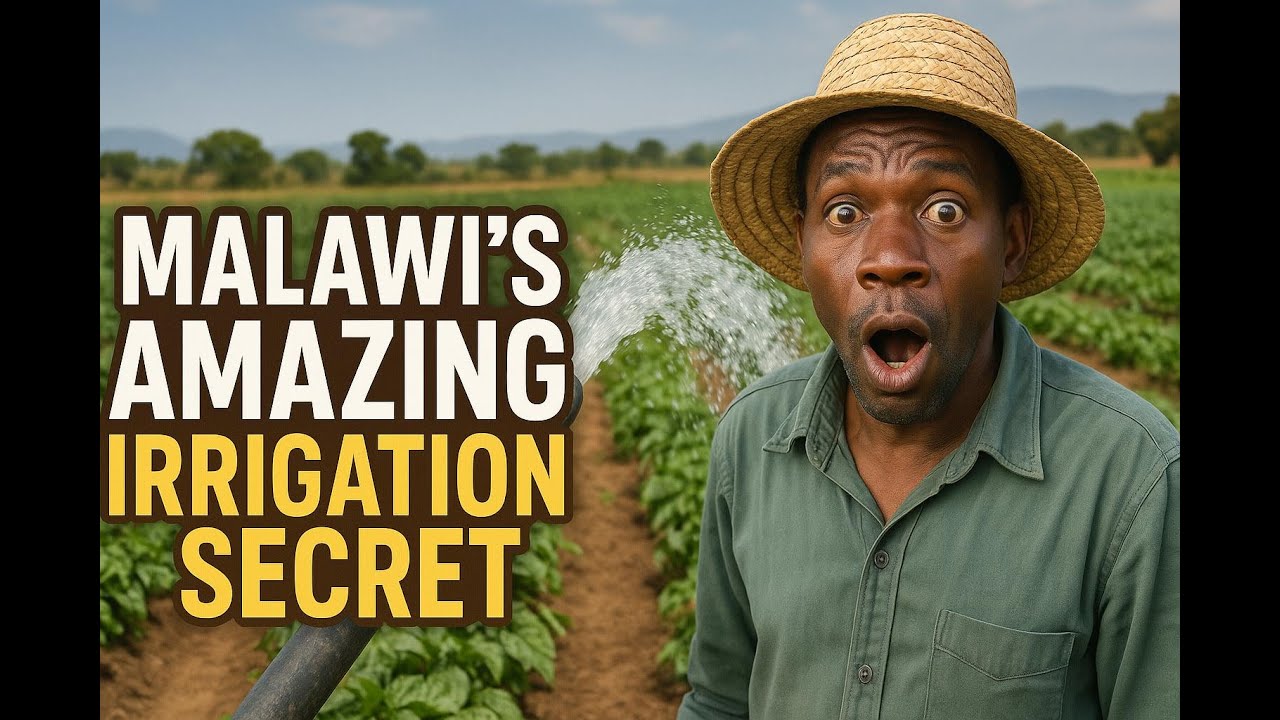
Shifting from traditional flood irrigation to drip or micro-sprinkler systems minimizes losses due to evaporation and runoff. These systems deliver water directly to the root zone at low pressure, ensuring plants receive precisely what they need. Paired with soil moisture sensors and weather-based controllers, farmers can schedule irrigation scientifically, reducing unnecessary pump hours, lowering energy demand, and preserving groundwater storage.
Integrate real-time satellite-based monitoring and remote API weather data for even more precise irrigation management!
- ✔ Key benefit: Optimizes every drop, reduces leaks & run-off, and boosts yield.
- ⚠ Common mistake: Irregular maintenance can cause clogs, reducing efficiency.
2. Mulching & Soil Management
Adding organic matter with mulches and cover crops improves soil structure and water retention. This decreases the volume of groundwater drawn by slowing evaporation and maintaining better soil moisture. Excessive or inappropriate tillage, on the other hand, can degrade soil structure and reduce percolation. Mulches also moderate soil temperature, keeping roots healthy and active longer.
- ✔ Key benefit: Natural mulch (straw, wood chips, compost) acts as a shield against evaporation.
- 📊 Data insight: Farms practicing organic mulching see up to 25% less irrigation demand compared to bare soil.
- ⚠ Common mistake: Over-mulching (especially with non-biodegradable materials) can suffocate roots or harbor pests.
3. Crop Selection and Rotation for Groundwater Efficiency
Choosing drought-tolerant or low-water crop varieties and diversifying rotations can greatly align irrigation demand with groundwater availability. Crop rotation helps improve soil health, breaks pest cycles, and spreads water requirements out over the year.
- ✔ Key benefit: Reduces water use and enhances soil fertility.
- ⚠ Risk: Limited local access to drought-resilient seed varieties could hinder adoption for some farmers.

4. Rainwater Harvesting for Supplemental Irrigation
Capturing and storing rainwater during wet periods can supplement irrigation in drought cycles and reduce dependency on groundwater extraction. Techniques include ponds, water tanks, and constructed surface catchments that collect runoff from field edges, rooftops, or greenhouses.
- ✔ Key benefit: Increases system resilience during extended dry spells.
- 📊 Data insight: Properly designed farms can store up to 30% of annual onsite rainfall for later use.
5. Managed Aquifer Recharge
In areas with suitable hydrology, farmers or communities can actively return excess surface water or treated effluent into the aquifer via recharge structures — such as recharge pits, trenches, or injection wells. This process replenishes groundwater storage and increases the resilience of the aquifer during drought years.
- ✔ Key benefit: Supports groundwater level stability, especially in over-drafted basins.
- ⚠ Limitation: Requires assessment of local geology and water quality to prevent contamination.

6. Leak and Pump Efficiency
Continuous monitoring and maintenance of wells, pumps, and irrigation lines curtails water losses and reduces unnecessary energy use. Upgrading to energy-efficient pumps further lowers operating costs and environmental impact.
- ✔ Key benefit: Early leak detection can save thousands of gallons per season.
- ⚠ Common mistake: Skipping scheduled pump maintenance increases both breakdown risk and groundwater wastage.
- Inspect your system monthly for visible leaks or irregular pressure drops.
- Upgrade to new-generation variable speed pumps where feasible for better energy and water efficiency.
7. Fertigation & Water Quality Monitoring
Delivering the right nutrient amounts via the irrigation system (fertigation) optimizes crop uptake and minimizes leaching. This is critical for preventing build-up of nitrates and other contaminants, which can degrade groundwater quality and risk human health. Periodic testing ensures you’re not unknowingly causing salinization or pesticide contamination of your aquifer.
- ✔ Key benefit: Simultaneous water and fertilizer savings plus better yields.
- ⚠ Risk: Failure to monitor water chemistry can cause long-term aquifer degradation.
Comparative Best Practices Table
The table below summarizes the seven essential tips to boost groundwater efficiency, outlining their impact on irrigation savings, crop yields, and environmental benefits.
-
🌍
Preserved Aquifers: Long-term availability. -
🛡️
Ecosystem Protection: Balance for wetlands & dependent species. -
⬆️
Carbon Footprint Reduction: Less pumping equals fewer emissions. -
🧲
Soil Health Boost: Higher fertility & resilience to climate variability. -
💲
Lowered Costs: Energy and input savings contribute to farm viability.
Policy, Governance & Economic Incentives for Groundwater Management
Alongside on-farm practices, effective groundwater management requires robust governance frameworks, clear rights, and economic incentives for conservation.
Groundwater Rights & Access
- ✔ Clear allocation: Prevents over-extraction and user conflict — especially in shared basins.
- ✔ Community-based management: Engages all users in sustainable solutions, ensuring equitable access.
Monitoring, Reporting, and Pricing Structures
- ✔ Mandatory metering & periodic assessments ensure accountability and help track trends.
- ✔ Tiered pricing (higher rates for higher volumes) incentivizes efficiency. Subsidies for efficiency tools (see carbon footprint monitoring) reward sustainable adoption.
Environmental Safeguards
- ✔ Protect recharge zones, wetlands, and dependent ecosystems: Preserves vital services and prevents long-term aquifer degradation.
- ⚠ Common mistake: Failing to designate and enforce protection areas leads to resource loss and increased restoration costs.

Climate Resilience & Adaptation Strategies for Sustainable Agriculture
Climate variability and prolonged drought cycles make resilient farm water management essential.
Drought Risk Planning & Scenario Analysis
- ✔ Contingency planning: Ensure alternate water supplies, diversify crops, and develop storage for crisis periods.
- ✔ Scenario modeling: Use satellite and AI data (available through Farmonaut’s advisory tools) to analyze aquifer response under various rainfall and cropping decisions.
Collaboration and Knowledge Exchange
- ✔ Share data: Community dashboards and research partnerships speed up dissemination of successful groundwater-saving techniques.
- ✔ Adopt new tech: Platforms with API connectivity — like the Farmonaut API — allow integration of cutting-edge data into on-farm and basin-wide decisions.



How to Measure Success in Groundwater Management
Practical, data-driven metrics ensure that groundwater efficiency is more than just a target — it’s a measurable and maintained reality.
- Water Use Efficiency Gains — Track reduction in groundwater extraction per unit yield (e.g., L/kg crop).
- Groundwater Level Trends — Regular well data should show stabilization or gradual recovery.
- Stable or Improved Yields — Yields should remain steady or rise, even as water use drops.
- Economic Viability — Lower pumping costs, input savings, and financial resilience.
- Ecosystem Health — Long-term monitoring of recharge zones and wetlands.
Farmonaut’s Role in Sustainable Groundwater Management
At Farmonaut, we believe that data-powered solutions are central to the future of efficient groundwater management. By leveraging satellite imagery, AI advisory, and blockchain, our tools empower individual farmers, agri-businesses, and governments alike to transition from guesswork to science-driven decisions.
Farmonaut’s platform delivers:
- ✔ Real-time crop health and soil condition monitoring with satellite NDVI/NDWI analytics
- 📊 Resource management dashboards to track water use, rainfall and soil moisture
- ✔ Blockchain-based product traceability (see how traceability fights supply chain fraud)
- ✔ Automated environmental impact tracking for compliance and ESG reporting (carbon footprint module)
- ✔ AI-driven crop insurance verification for farmers and financial institutions (learn about satellite-based crop insurance)
- ✔ Fleet management tools for optimized farm logistics (fleet management platform)
Frequently Asked Questions
Q1: What is the main focus of sustainable groundwater management in agriculture?
A: The primary focus is to balance water extraction for crop needs with natural recharge rates, reducing depletion risks and maintaining aquifer health for the long term. This involves precise irrigation, soil conservation, monitoring, and robust governance frameworks.
Q2: How can I tell if I am overusing groundwater on my farm?
A: Signs include steadily falling well levels, salt build-up in soils, or declining yields despite constant irrigation. Installing meters and using platforms like Farmonaut for regular monitoring enables early detection of unsustainable trends.
Q3: Will efficient irrigation systems really make a big difference in groundwater savings?
A: Absolutely! Drip and micro-sprinkler systems can reduce groundwater withdrawal by up to 40%, minimize evaporation, and enhance crop yield by improving water application precision.
Q4: How does rainwater harvesting complement groundwater management?
A: By capturing and storing surface runoff, you reduce the burden on aquifers during droughts, boost resilience, and can even support managed aquifer recharge projects for long-term storage benefits.
Q5: Where can I access real-time satellite insights for farm management?
A: Farmonaut‘s web and mobile platforms provide real-time monitoring and AI-powered advisories. Our APIs allow you to integrate data into your existing farm management systems.
Conclusion: Safeguarding Groundwater for Future Generations
Sustainable groundwater management is not just an environmental imperative; it is an economic and social necessity for farms of every scale. By integrating efficient irrigation, smart soil health practices, adaptive cropping, and strong governance, we can turn water scarcity into a driver of innovation and resilience — rather than a constraint.
Embrace technology, measure diligently, and adopt the best practices outlined here to protect the lifeline of your farm — ensuring food security, ecological health, and prosperity for the future.

Ready to take your groundwater management to the next level? Download the Farmonaut app, explore our APIs, and join the movement for smarter, sustainable agriculture!
“Your choices today — from irrigation scheduling to monitoring soil health — will decide the fate of tomorrow’s aquifers, ecosystems, and food systems.”

 Godrej Agrovet
 Hayleys Agriculture
 Linx Agritech
 Adinet
 Save Your Soils
 GalaxEye Space
 Grandstream Algérie
 XOS Realty
 Geospatial Lab Africa
 Agro La Gándara
 HIPSAC
 ZOL Zimbabwe
 Juligerm
 AdBio
AdBio MISE Maroc
 NWNS
NWNS Red August Group
 Farm Inc
 WeMe Global
 Agrotoken
 Blue BearX
 Insignito
 DnCubed
 Indosistim Teknologi
 Liquify Digital
 CU Foods
 BeyondTech Global
 Rouge VC
 AgroRisk
 Oath Inc
 Esri North East Africa
 MDCV UK
 Etech Consulting Madagascar
 Vestlandsforsking
 WB Dev
 Sama Premium
 Tres Valles
 Blickwinkel
 Agricultural Credit Policy Council
 eKGIS
eKGIS Mostas Tech
 Andex
Andex Deluxe Conseil
 WICO
WICO Chimera Innovation
 SkyHarvest
 Teledarbas
 Exurbia Geospatial
 FieldZero
