

Farming Without Soil: Top 7 Ways to Boost Yields for the Next Generation
Summary:
Discover cutting-edge ideas in farming without soil, water waste, or heavy debt as we explore how soilless systems, smart finance, and integrated technologies de-risk agriculture, foster resilience, and sustainably boost yields for 2026 and beyond. This guide steers you through agriculture without soil, illustrating how innovative financial models, precision inputs, and robust IPM (Integrated Pest Management) converge to redefine productivity and equity. Whether you’re an urban grower, technology adopter, or sustainability advocate, these next-generation solutions deliver on yield, conservation, and technological breakthroughs.
“Hydroponic systems can use up to 90% less water than traditional soil farming methods.”
Table of Contents
- Why Farming Without Soil is the Strongest Context for 2025–2026
- Core Principles of Farming Without Soil
- Top 7 Soilless Systems: Comparative Table
- 1. Hydroponics: Modern Soilless Farming Powerhouse
- 2. Aeroponics: Precision Farming in Air
- 3. Aquaponics: Natural Symbiosis for Resource Use
- 4. Nutrient Film Technique (NFT): Tiny Streams. Maximum Yields.
- 5. Fogponics: Atomized Mist for Leafy Greens
- 6. Vertical Farming: Stacking the Future Within Controlled Environments
- 7. Container & Modular Farms: Scalable Production Anywhere
- Innovative Financing: Farming Without the Bank
- Water Without Waste: Efficient Resource Use in Closed Loops
- Integrated Management: Agriculture Without Pesticides
- How Farmonaut Supports Modern Soilless Farming
- Frequently Asked Questions (FAQ)
- Conclusion: Resilient Farming for 2026 and Beyond
Why Farming Without Soil is the Strongest Context for 2025–2026
During this pivotal decade, farming without soil has emerged as the strongest context redefining agriculture. With accelerated urbanization, climatic extremities, land scarcity, and sustainability imperatives, traditional farming is being outpaced by soilless systems that offer unmatched efficiency, flexibility, and resource optimization.
- ✔ Land Use: Soilless systems permit production where conventional soils can’t—rooftops, warehouses, deserts, urban centers.
- ✔ Predictability: Controlled environments reduce risk, enabling stable, year-round yields
- ✔ Water Conservation: Dramatically reduced water use, recycling via closed loops, aligns with global stewardship goals
- ✔ Disease Management: Fewer soil-borne pests, more precise IPM strategies
- ✔ Resource Efficiency: Lean, modular farms scale at lower environmental and financial footprint

By 2026, soilless agriculture is expected to double its share in fresh, local food supply chains by leveraging resource-efficient, modular systems—especially in drought-prone or urban economies.
Core Principles of Farming Without Soil
Farming without soil pivots on combining precision technology, integrated management, and sustainable finance for resilient food production. Let’s explore how this cohesive exploration of agriculture unlocks next-generation potential:
- 📊 Data Insight: Smart sensors and real-time analytics drive nutrient delivery and environmental control.
- ⚡ Technology-Driven: Automation advances climate control, irrigation, and yield forecasting.
- 🧬 Inputs Tailored: Nutrient formulations matched to plant genetics, stage, and local demands.
- 🌡️ Risk Managed: Diseases and pests suppressed via closed-loop IPM (biologicals, AI imaging), lessening dependency on chemicals.
- 💡 Financial Innovation: Smaller upfront investment, scalable modules, more equitable access to capital.
Key benefits of soilless systems:
- 🏭 Efficient use of non-arable or urban land (from rooftops to shipping containers).
- ⏳ Shorter crop cycles & higher annual yields.
- 🚰 Up to 90% water savings compared to soil-based farming (see trivia above).
- 🥗 Higher nutritional value and food safety due to controlled, precise inputs.
- 🚫 Low risk of soil-borne disease and weed pressure.
“Soilless farming can increase crop yields by up to 30% compared to conventional agriculture.”
Comparing the Top 7 Soilless Farming Systems (2025–2026)
| System Type | Estimated Yield Increase (%) | Water Savings (%) | Initial Investment (USD) | ROI Period (Months) | Key Technology | Scalability |
|---|---|---|---|---|---|---|
| Hydroponics | 20–30% | Up to 90% | $5,000+ | 18–30 | Recirculating nutrient systems, sensors | Small/Medium/Large |
| Aeroponics | 30–35% | Up to 95% | $8,000+ | 18–24 | Atomized mist delivery, oxygenation | Small/Medium |
| Aquaponics | 20–25% | 80% | $7,000+ | 24–36 | Fish-plant closed loops, biofiltration | Small/Medium |
| NFT (Nutrient Film Technique) | 15–25% | Up to 90% | $4,000+ | 16–22 | Continuous thin nutrient flow | Small/Medium |
| Fogponics | 25–35% | 95% | $10,000+ | 18–24 | Ultrasonic fog, controlled humidity | Small/Medium |
| Vertical Farming | 30–40% | Up to 95% | $15,000+ | 24–32 | LED lighting, stackable systems | Medium/Large |
| Container & Modular | 20–30% | Up to 90% | $12,000+ | 20–28 | Plug-and-play tech, remote sensors | Small/Medium/Large |
Across all systems, integrated data insights—available through platforms like Farmonaut—empower both large- and small-scale producers to boost farm technology ROI while meeting sustainable agriculture innovations benchmarks for 2025 and beyond.
1. Hydroponics: Modern Soilless Farming Powerhouse
Hydroponics is at the core lens of the soilless farming revolution. This system replaces soil with inert substrates—typically perlite, coconut coir, or expanded clay—and delivers precise nutrient solutions via sensors and recirculation. Nutrient concentration, water pH, and oxygenation are optimized for every crop and stage.
- ⭐ Ability to grow leafy greens, herbs, specialty crops—even in urban buildings and marginal climates
- ⭐ Resource use is tightly controlled: minimal waste, reusable nutrient solution, efficient automation
- ⭐ Yield: Up to 30% higher than conventional soils
- ⭐ Reduced footprint: Fits rooftops, vertical racks, or retrofitted facilities
Hydroponics enables farming without the bank for many: modular units, streamlined financing, and scalable solutions put high-tech production within reach for urban growers, new entrants, or family farms.

Optimizing hydroponic nutrient schedules using AI-driven systems—such as those integrating satellite data—can deliver precise inputs and help farmers maintain sustainability and maximize yields.
2. Aeroponics: Precision Farming in Air
In aeroponics, roots dangle in air and are nourished by periodic sprays or atomized mist of nutrient solution. This technique ensures root oxygenation unmatched by other systems, driving explosive growth rates and reducing water use to a minimum.
- 💧 Water use is minimized—just what plants absorb, no leaching or runoff
- 🚫 Disease pressure is low, and risk of soil-borne pathogens is virtually eliminated
- ⚡ Nutrient delivery schedules are tailored and responsive
- 📈 Yield boost: up to 35%, with extremely fast cycles for leafy greens and transplants
Aeroponic systems are often used in urban vertical farms and greenhouses, enabling diversification beyond conventional soils, supporting resilience in extreme climates.
Many growers underestimate the importance of sterilizing pipes and misting chambers. Without rigorous management, disease can quickly spread in closed aeroponic setups.
3. Aquaponics: Natural Symbiosis for Efficient Resource Use
Aquaponics merges hydroponics with aquaculture, circulating nutrient-rich water from fish tanks to crops. The system leverages microbial life for disease suppression and forms a true closed-loop resource reuse cycle—making it stand out in the context of farming without water waste.
- 🐟 Fish waste is converted by bacteria into plant-ready nutrients
- 🔄 Water is recycled continuously, virtually eliminating waste
- 🌱 IPM (integrated pest management) must be fish-friendly—biological controls are vital
- 🍽️ Yields include high-value aquatic products plus leafy greens and herbs
For growers seeking full supply chain traceability from pond to table, Farmonaut’s blockchain-based product traceability solution ensures transparency and consumer trust—even in soilless systems.
4. Nutrient Film Technique (NFT): Tiny Streams for Maximum Yields
NFT systems circulate a shallow film of nutrient solution over the plant roots, providing both moisture and oxygen. Popular for leafy greens and quick-cycle crops, these setups are compact, efficient, and easily automated.
- 🏗️ Modular channels for simple scaling (from home setups to commercial stacks)
- ⏱️ Predictable yields thanks to precise, controlled delivery of water and nutrients
- 🌍 Environmental footprints are minimal: almost no runoff or wasted resources
- ⚠ Limitation: Less tolerant to interruptions in water flow; needs back-up and alert systems
To prevent root disease, keep NFT trays clean and periodically flush lines with safe, non-chemical sanitizers.
5. Fogponics: Atomized Mist for Leafy Greens
Evolving from aeroponics, fogponics exposes roots to ultrasonically atomized nutrients, enveloping them in a nutrient-rich fog. This approach delivers maximum surface-area absorption and is gaining ground for microgreens and high-value seedlings.
- 🌫️ Roots absorb nutrients and oxygen effectively via fog, leading to rapid growth
- 🌀 Humidity is tightly managed to prevent fungal diseases
- 💡 Best for high-value specialty crops in greenhouses
- 🔄 Closed loop minimizes both water and nutrient waste
Fogponic systems, paired with AI-driven image analysis, allow real-time detection of root disease or sub-optimal growing conditions for corrective management.

6. Vertical Farming: Stacking the Future Within Controlled Environments
Vertical farms maximize yield per square meter by stacking crops in controlled, climate-optimized indoor environments. This model is the foundation for urban agriculture and next-gen food systems in 2026 and beyond.
- 🏙️ Utilization of unused vertical space in cities, warehouses, or brownfield sites
- 🔆 LED lighting tailored to plant growth stages and photoperiod needs
- 🌡️ Full automation of temperature, humidity, and CO2
- ♻️ Water and nutrient solutions are recirculated
- 🌱 Diversify crops beyond conventional soils in urban markets

Stacked soilless production integrated with AI and sensor tech enables data-driven microclimate adjustments, optimizing for maximum yield and reduced resource footprints.
Vertical Farming at a Glance:
- 🏢 Urban scalability: From microgreens to vine crops in city warehouses
- 🔋 Energy efficiency through smart LED and renewable integration
- 🌿 Pesticide-free culture with advanced IPM and barrier protection
- ✅ Year-round consistency, immune to external weather changes
- 📊 Data-driven with remote monitoring, crop mapping, and analytics
7. Container & Modular Farms: Scalable Production Anywhere
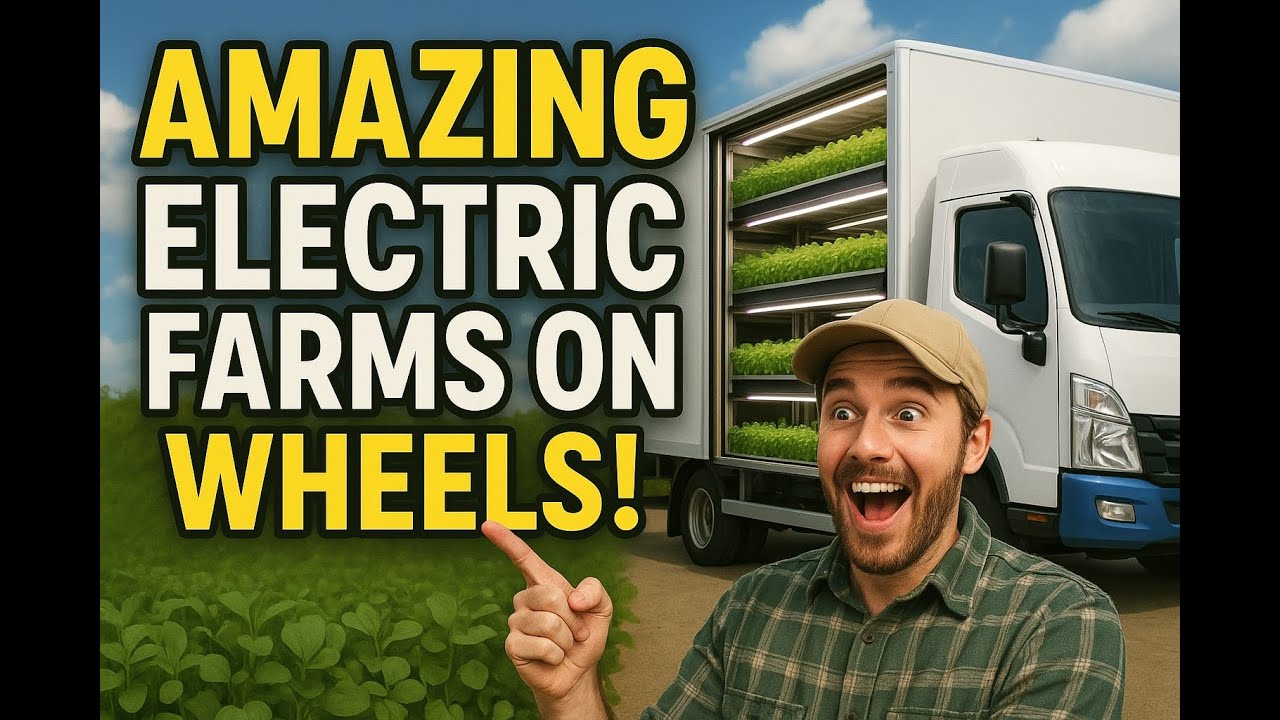
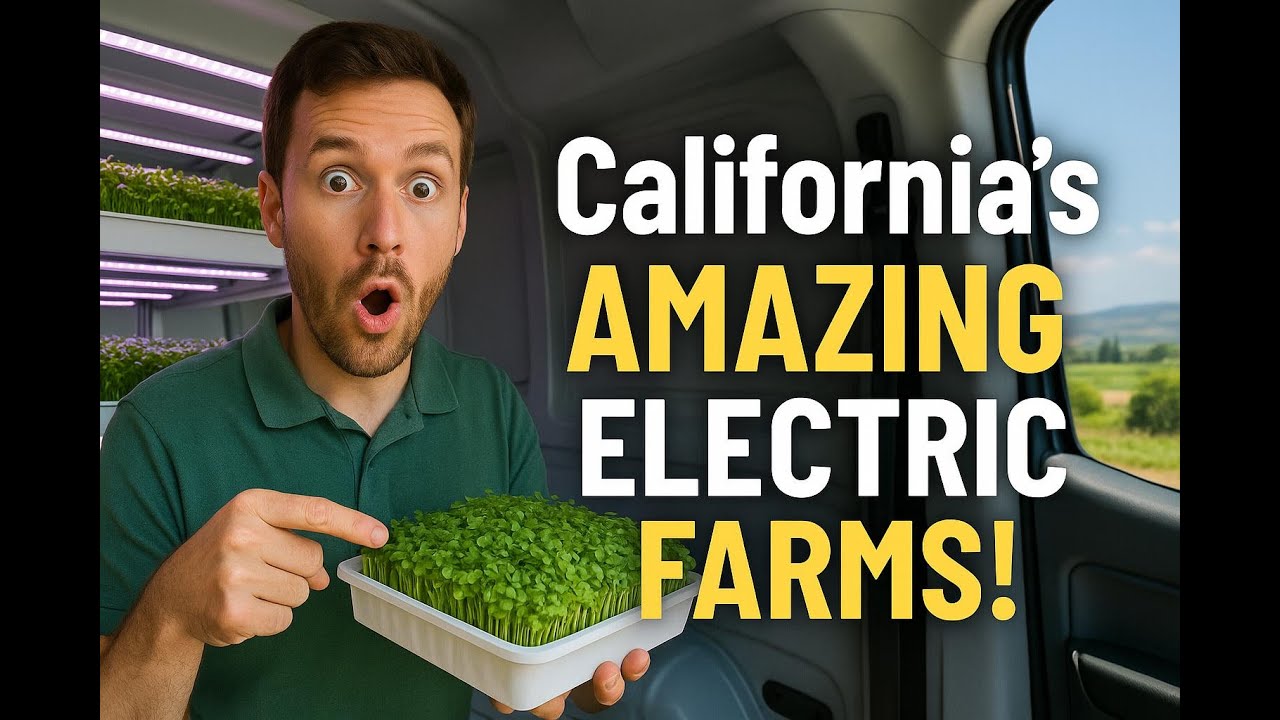
Container and modular farms are self-contained units, often retrofitted shipping containers, equipped with full automation, sensors, and climate chambers. This plug-and-play solution unlocks farming in any region, even marginal climates.
- 🚚 Mobility: Deploys quickly to urban lots, resorts, campuses, or disaster zones
- ⚙️ Technology-enabled: Cloud-connected management software for remote oversight
- 💸 Suited for EAAS models (equipment-as-a-service)—leasing climate chambers/sensors with low upfront capital
- ✳️ Yields are consistent, with full control over inputs and environmental variables
For growing networks, cooperatives, or smallholders, modular units align with microfinancing and cooperative ownership schemes, expanding access to capital and de-risking small farm startups.

Innovative Financing: Farming Without the Bank
Traditional lending is often challenging for new technologies and small producers exploring soilless systems. However, 2026 marks a sea change, as innovative financial models offer farming without the bank—removing the barrier of heavy, upfront debt.
Next-Gen Farm Finance Approaches:
- 💰 Revenue-Tied, Modular Lending: Microloans linked to actual crop outputs, not collateral.
- 🤝 Cooperative Ownership: Growers pool resources to purchase modular units, sensors, and climate chambers.
- 🔄 Equipment-as-a-Service (EAAS): Customers lease hardware—pay-as-you-go models for smaller budgets.
- 📈 AI-driven Crop Planning Software: Demonstrates predictable yields for better loan eligibility.
- 👩🌾 Microfinancing: Empowers smallholders with scalable, risk-mitigated entry to soilless farming.
Using Farmonaut’s API (Farmonaut Satellite API), banks and producers can integrate objective satellite verification for loans—enabling smarter, swifter farm lending and reducing fraud risk. For developers, detailed API documentation is available here.
Need crop insurance or loan eligibility fast? See Farmonaut’s Crop Loan & Insurance Services—using satellite monitoring to boost farmers’ access to modern capital.



Water Without Waste: Efficient Resource Use in Closed Loops
In farming without water waste, soilless systems shine brightest. Water use is dramatically reduced via closed-loop recycling, precision scheduling, and sensor-driven application. Hydroponics, aeroponics, and aquaponics minimize leaching, conserve resources, and align with global stewardship goals.
- ♻️ Reuse of nutrient solutions with minimal runoff
- 🔬 Sensors optimize delivery—only applying water when and where it’s needed
- 🌞 Solar-powered pumps and automation lower energy and environmental footprints
- 🚨 For regions facing drought, these systems ensure resilient production—even when conventional agriculture falters
- 🔥 Integration with waste heat recovery powers greenhouses for full climate control
Cities and water-scarce regions embracing soilless systems will see direct resource savings and decreased exposure to climate risk—delivering value for both local markets and global food security.
Integrated Management: Agriculture Without Pesticides
Farming without pesticides isn’t just a consumer desire—it’s a strategic imperative. Modern integrated pest management (IPM) in controlled, soilless environments leverages predictive data, sanitation, and biologicals to suppress pest and disease threats.
- 🌱 Beneficial insects, nematodes, and plant probiotics replace broad-spectrum chemicals
- 🔎 Regular AI-assisted scouting enables early intervention, keeping chemical reliance to an absolute minimum
- 💻 Software-driven rotation schedules for any necessary chemical inputs ensure residues stay within strict, evolving limits
- 🌸 Microbial life can be fostered in nutrient solutions or growing media, supporting soil-free agroecology
- 🔄 IPM management boosts both food safety and yield consistency
The shift to safer, precise inputs made possible by controlled environments aligns well with consumer trends—organic, local, residue-free food.
Targeted IPM programs in soilless systems have reduced total pesticide use by up to 80%, protecting both pollinators and water tables—allowing growers to lead in resource- and climate-friendly production.
For operational success at scale, large-scale farm management solutions that handle resource optimization, traceability, and risk assessment are indispensable. Learn more about Farmonaut’s Large-Scale Farm Management Tools.
How Farmonaut Supports Modern Soilless Farming
As soilless systems reshape the face of farming in 2026 and beyond, data-driven management becomes paramount. We at Farmonaut deliver affordable, scalable satellite-based monitoring, AI analysis, and blockchain traceability so decision-makers can optimize yields, manage risk, and document sustainability—all in real-time.
- 🌍 Global monitoring of indoor and outdoor systems via satellite—identify plant stress, optimize inputs, and enhance resilience no matter your geography.
- 🤖 Jeevn AI advisory delivers weather forecasts, pest-disease alerts, and tailored crop management via web or mobile.
- 📦 Traceability solutions via blockchain—document transparency from input to output, building consumer trust and meeting regulatory demands.
- 🌳 Environmental impact (carbon, water, resource use) analyzed and reported—support for certifications and market access, including carbon footprint monitoring.
- 🚜 Fleet and equipment management tools ensure modular, distributed farms operate efficiently—discover more about Farmonaut’s Fleet Management.
With flexible API, app, and dashboard access, our platform puts high-quality agri intelligence into the hands of smallholders and large agribusinesses alike—empowering the next generation of sustainable food production.
Farmonaut Subscription Options
Frequently Asked Questions (FAQ)
What is farming without soil?
Farming without soil, often referred to as soilless farming, is a technology- and data-driven approach where plants are grown in nutrient-rich solutions or inert substrates instead of traditional soil. Core systems include hydroponics, aeroponics, aquaponics, NFT, fogponics, and various vertical or modular farming setups. This enables precision control over water, nutrients, and environment.
Is soilless farming more sustainable?
Absolutely. Soilless systems are designed to maximize resource efficiency: they use up to 90% less water, offer higher yields on less land, and can reduce pesticide use by up to 80%. Controlled environments mean less runoff, minimal waste, and consistent output, supporting environmental and climate-resilience goals for 2026 and beyond.
How do I finance a soilless farm without the bank?
Modern soilless systems benefit from a range of innovative financial models: revenue-tied loans, equipment leasing, cooperative crowdsourcing, and microfinance. Satellite-based verification, like that offered via Farmonaut’s APIs and tools, is making such approaches accessible to more farmers while reducing fraud and risk.
What crops grow best without soil?
Leafy greens (lettuce, spinach), herbs (basil, mint), microgreens, and specialty crops such as strawberries, tomatoes, and peppers thrive in soilless systems. Innovative breeding is producing varietals optimized for these environments, expanding options year by year.
How do soilless farms manage pests and disease?
Integrated Pest Management (IPM) is central, emphasizing preventive measures, biological controls, nutrient and climate optimization, and precise monitoring (often aided by AI). Chemical interventions, if any, are reduced and tightly managed—enabling safer food and environmental protection.
How can Farmonaut technology help my soilless operation?
Farmonaut provides AI-driven satellite monitoring, environmental tracking, risk alerts, carbon and water footprinting, and blockchain-enabled traceability to optimize your soilless farming operations. Accessible via web or mobile, it helps you drive yields, sustainability, and transparency in your innovative agricultural journey.
Conclusion: Resilient Farming for 2026 and Beyond
The strongest context for forward-focused agriculture is clear: farming without soil delivers more food, on less land, with less water, less pesticide, and less financial risk. Soilless systems—from hydroponics and aeroponics to vertical, modular farms—amplify resource efficiency and resilience so we can face urbanization, climate instability, and global demands with confidence.
Financial models and smart technologies further empower farmers to innovate without heavy debt. Global leaders will be those who integrate precise inputs, robust IPM, and relentless data into their operations—and platforms like Farmonaut are here to deliver that competitive edge affordably, no matter your location or business size.
- 🌏 Farming without soil is the ultimate tool for sustainable, resilient agriculture in 2026 and beyond.
- 📈 Soilless farming can raise yields and resource use efficiency for both urban and rural economies.
- 🏦 Modern finance means you can start, scale, or automate without the bank or heavy upfront debt.
- 🤖 Data-driven management transforms risk into opportunity; traceability and sustainability are built in.
- 💡 The future of food is precise, safe, and equitable—driven by soilless innovation.
Begin your journey in the next generation of agriculture. Explore soilless farming and modern management solutions from global innovators today!

 Mera Farmhouse
 GalaxEye Space
 Sun Palm Australia
 Grandstream Algérie
 XOS Realty
 Geospatial Lab Africa
 Agro La Gándara
 HIPSAC
 ZOL Zimbabwe
 Juligerm
 AdBio
AdBio MISE Maroc
 NWNS
NWNS Red August Group
 Farm Inc
 WeMe Global
 Agrotoken
 Blue BearX
 Insignito
 DnCubed
