

General Purpose Tractor Impact on Agriculture: 2025



“Modern tractors can boost farm productivity by up to 30% compared to traditional methods as of 2025.”
Table of Contents
- Introduction: The Significance of General Purpose Tractor Impact on Agriculture
- The Evolution of Tractors: From Steam to Smart Machines
- Historical Impact: Steam Tractor Impact on Agriculture
- Modern Tractors and Mechanized Farming in 2025
- The Integration of Drones for Agriculture Purpose
- Emerging Technology Trends: Precision, Automation, and IoT
- Comparative Table: Estimated Impact of Modern Tractors and Drones on Key Agricultural Metrics (2025)
- How Farmonaut Supports Smart, Sustainable Agriculture
- Future Prospects: Autonomous Tractors and the Changing Face of Agribusiness
- FAQs: General Purpose Tractor Impact on Agriculture, Drones, Practices (2025)
- Conclusion: Tractors, Drones, and a Sustainable Future
Introduction: The Significance of General Purpose Tractor Impact on Agriculture
Agriculture stands at a pivotal crossroads as we enter the year 2025. With the world’s food demands ever-growing and arable land under unprecedented pressure, the general purpose tractor impact on agriculture continues to be the bedrock of efficient, modern farming. Agricultural productivity, historically tied to the physical effort of farmers and animal power, has been revolutionized by tractors, making mechanized tasks such as plowing, planting, and harvesting not only possible but remarkably efficient.
The advent of the tractor marked a fundamental shift in agricultural methodology, but in 2025, its role extends well beyond mechanical might. Today’s tractors, armed with precision GPS, IoT-driven sensors, and seamless integration with drones for agriculture purpose, form a digital ecosystem enabling farmers to optimize every facet of their operations—efficiently and sustainably. This article explores the evolution, technological advances, and ongoing impact of tractors and drones, with a sharp focus on their transformation of agriculture, mechanization, crop productivity, labor, and agribusiness purpose.

The Evolution of Tractors: From Steam to Smart Machines
The influence of tractors on farming cannot be overstated. Historically, the introduction of the steam tractor impact on agriculture in the late 19th and early 20th centuries represented one of the first major technological breakthroughs in mechanized agricultural development. The switch from manual and animal power to these early, albeit bulky and somewhat less efficient machines, significantly reduced the time and labor required to till, plant, and harvest.
By the mid-20th century, combustion engines replaced steam, and tractors became the standard in tractor agriculture worldwide. With each generational leap, tractors grew more versatile and equipped for multiple tasks. Attachments and implements allowed them to perform not just plowing, but planting, fertilizing, and harvesting, making them truly general-purpose and thus indispensable to every farm.
Key Milestones in Tractor Evolution
- Late 1800s: Steam tractors debuted, marking the first shift away from animal-powered labor.
- Early 1900s: Gas and combustion-engine tractors become more compact and affordable for small and large farms.
- Mid-1900s: Introduction of hydraulic systems, automatic steering, and synchronized multi-tasking attachments.
- 1970s–1990s: Fuel-efficient engines and ergonomic designs enhancing farmer comfort and productivity.
- 2000s–2025: Advanced tractors that incorporate AI, precision farming GPS, IoT sensors, and smart connectivity—ushering in the era of digital agriculture.

Historical Impact: Steam Tractor Impact on Agriculture
Understanding the steam tractor impact on agriculture provides essential context for the dramatic reduced labor and increased scale in farming operations today. Before mechanization, most plowing, tilling, and transporting were reliant on animal teams or human strength, translating into laborious, time-intensive work and limitations on the size of fields that could be cultivated.
The introduction of steam tractors represented one of the first major breakthroughs in reducing this dependency. While bulky and requiring expertise to maintain, steam machines allowed a single operator to cultivate several times more land in the same duration—significantly increasing productivity. This laid the groundwork for the combustion engine era, which brought even more efficient machines to the farm.
- Enabled large-scale land cultivation, fueling the rise of agribusiness.
- Promoted the development of versatile attachments, allowing multiple tasks with a single piece of equipment.
- Inspired advances in soil management and crop diversification.
Impact on Agricultural Practices
The shift to mechanized farming practices in the early 20th century laid the foundation for today’s smart machines—general-purpose tractors adapted to diverse crops and soil conditions, forming the backbone of sustainable, modern agriculture.

Modern Tractors and Mechanized Farming in 2025
As of 2025, modern general-purpose tractors are more than mechanical powerhouses. They are central to a connected ecosystem—enabling farmers to plan, execute, and analyze farming operations with unprecedented precision and efficiency. Their impact on agriculture and agribusiness purpose extends to:
Key Features of Modern Tractors (2025)
- GPS-Guided Steering & Automated Operation: Precision field mapping minimizes overlaps and missed spots during planting, fertilizing, and harvesting. By 2025, 70% of large-scale farms are expected to use GPS-equipped tractors for precision agriculture.
- IoT Connectivity: Sensors continuously gather data on soil health, crop conditions, and machine performance, assisting in data-driven decisions.
- Efficient Engines: Fuel-efficient and cleaner combustion engines minimize environmental impact while keeping operational costs lower.
- Multiple Attachments: Versatile attachments make tractors adaptable for plowing, tilling, spraying, seeding, and harvesting.
- AI-Driven Diagnostics: Automatic tracking of wear & tear, improving maintenance and reducing unexpected breakdowns.

Impacts on Productivity, Efficiency, and Environmental Sustainability
- Productivity: Tractors shrink the time needed for both small family farms and large agribusiness operations to meet food demands, supporting the growing need for food security.
- Operational Scale: Mechanization reduces labor costs and allows farms to manage much larger acreage without proportionally increasing their workforce.
- Environmental Impact: By enabling timely field operations and data-informed input use, tractors help minimize soil compaction, erosion, and chemical runoff.
- Flexibility: The ability to quickly switch attachments and update settings for different crops illustrates the widespread adaptability of general-purpose tractors.
How Do Tractors Enable Crop Diversification?
The combination of mechanized operations and optimized input management helps farmers to rotate crops, introduce new varieties, and better manage soil health—hallmarks of sustainable agricultural development. With the rise of autonomous tractors, we’re seeing an even greater push towards precision farming that strictly controls water, seed, and fertilizer usage based on real-time soil and weather conditions.
The Integration of Drones for Agriculture Purpose
While tractors remain central to ground-based tasks, the integration of drones for agriculture purpose provides a crucial aerial vantage. Drones are rapidly reshaping crop management, field monitoring, and precision agriculture thanks to their ability to:
- Monitor Large Fields: Quickly survey crops for pest outbreaks, disease, drought stress, or irrigation issues.
- Collect Real-Time Data: Capture multispectral images to assess soil health, growth patterns, and input needs.
- Enable Aerial Mapping: Assist with plot planning, yield estimation, and resource allocation (water, fertilizer, pesticide).
- Facilitate Targeted Spraying: With emerging drone-spray tech, chemical use is reduced and more precisely managed.
When drones and tractors operate as an integrated system, farmers gain a holistic approach to farm management:
- Ground-based tractors handle soil preparation, planting, and robust mechanical tasks.
- Aerial drones handle diagnostic surveillance, rapidly identifying areas that need tractor intervention.
- Result: Greater productivity, sharper precision, reduced input waste, and improved crop yields.
“By 2025, 70% of large-scale farms are expected to use GPS-equipped tractors for precision agriculture.”
Emerging Technology Trends: Precision, Automation, and IoT in Tractor Agriculture
The general purpose tractor impact on agriculture in 2025 is amplified by the adoption of technological advancements such as precision agriculture, IoT integration, fleet management, and autonomous operation. These innovations are rapidly becoming industry standards, transforming operations for agribusiness and smallholder farmers alike.
Precision Farming and GPS-Guided Tractors
- GPS-guided seeding and planting: Optimized input placement for higher yields and reduced waste.
- Soil health monitoring: Embedded sensors track moisture, organic matter, and nutrient levels in real time.
- Weather pattern integration: Tractors can use predictive analytics to schedule timely field operations.
Tractor Automation and Autonomous Machines
Autonomous tractors represent the next leap in agricultural mechanization. Self-driving tractors equipped with automatic steering and AI decision-making operate even with minimal human oversight. This is particularly valuable in areas facing labor shortages or rapidly expanding operational scales.
- Labor savings: Significantly reduce hours required—more time for managers to focus on business-critical decisions.
- Accuracy and efficiency: Autonomous systems never tire, yielding consistent operations throughout long workdays.
- Data-driven ecosystem: Integrated with farm management platforms for ongoing performance monitoring and improvement.
IoT and Smart Farm Management
- IoT-enabled tractors gather data from various sensors, assisting decisions on irrigation, fertilization, and harvest timing.
- Remote diagnostics permit predictive maintenance, minimizing downtime.
- Integrated apps allow managers to oversee multiple machines and fields from their smartphones or desktops.
For example, solutions like Farmonaut’s Fleet Management platform enable agricultural business operators to monitor tractor usage, track machine health, and optimize resource scheduling—all from a unified dashboard.
- Want to optimize large-scale operations, ensure machine safety, and reduce costs? Explore Farmonaut’s Fleet Management solution for agriculture and infrastructure.
- Looking for transparent, sustainable production records? See how Farmonaut’s Carbon Footprinting tool helps track, verify, and improve your agricultural sustainability metrics.
- Need support for crop loans or insurance? Discover Farmonaut Crop Loan & Insurance Verification Services for fraud-free access and streamlined processes.

Comparative Table: Estimated Impact of Modern Tractors and Drones on Key Agricultural Metrics (2025)
To visualize the transformative impact of general-purpose tractors and drones for agriculture purpose, let’s compare key farming metrics as projected for 2025. These estimates reflect industry data and trends observed globally.
| Metric | Traditional Methods (Estimated 2025 Values) | With Modern Tractors (Estimated 2025 Values) | With Tractors + Drones (Estimated 2025 Values) |
|---|---|---|---|
| Crop Yield (tons/hectare) | 3.2 | 4.1 (+28%) | 4.7 (+47%) |
| Fuel Efficiency (liters/ha) | 55 | 38 (-31%) | 32 (-42%) |
| Labor Hours Saved per ha | 0 (reference) | 18 hours saved | 22 hours saved |
| Soil Health Index (0–100) | 62 | 73 (+18%) | 82 (+32%) |
| Operational Costs (USD/ha) | $530 | $410 (-23%) | $350 (-34%) |
| Input Efficiency (fertilizer, seeds) | Baseline | +20% efficient | +30% efficient |
| Carbon Footprint (kg CO₂e/ha) | 540 | 430 (-20%) | 360 (-33%) |
| Precision Application Accuracy (%) | 68 | 87 | 95 |
Note: Values are illustrative, summarizing observed and projected impacts for average global operations in 2025. As tractor and drone technology advances, these improvements further empower farmers to meet food demands efficiently and sustainably.
How Farmonaut Supports Smart, Sustainable Agriculture
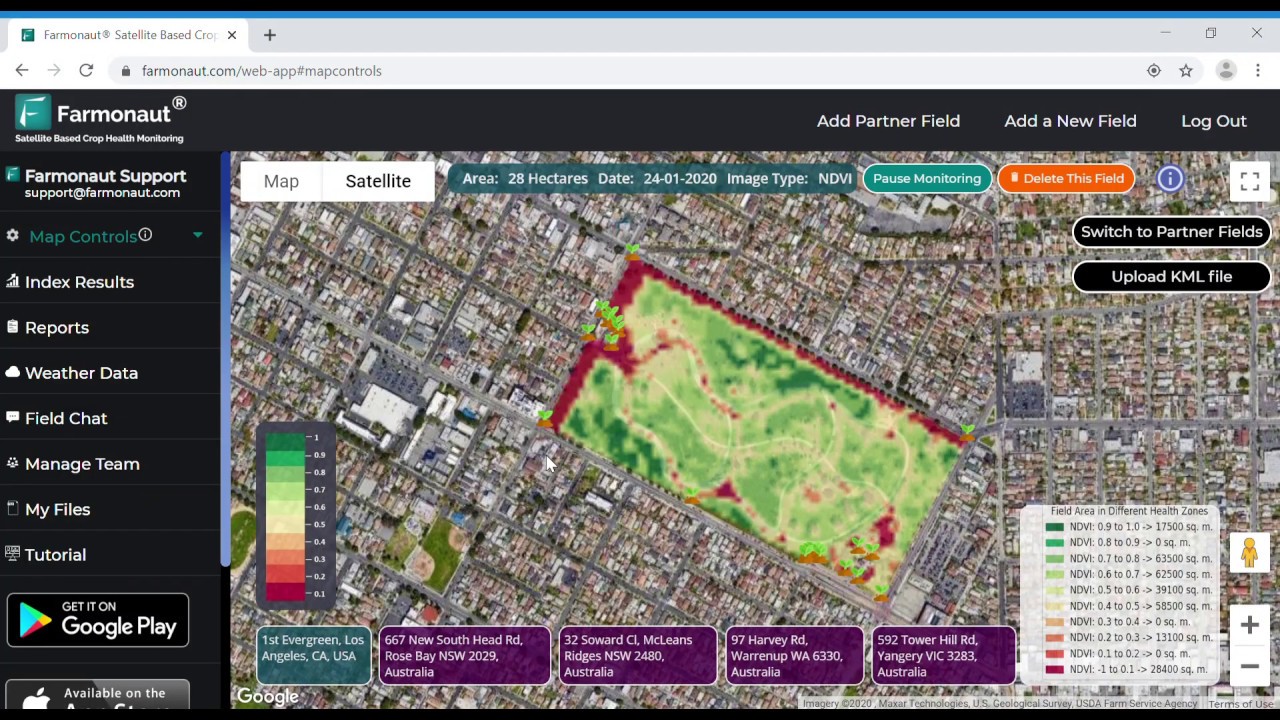
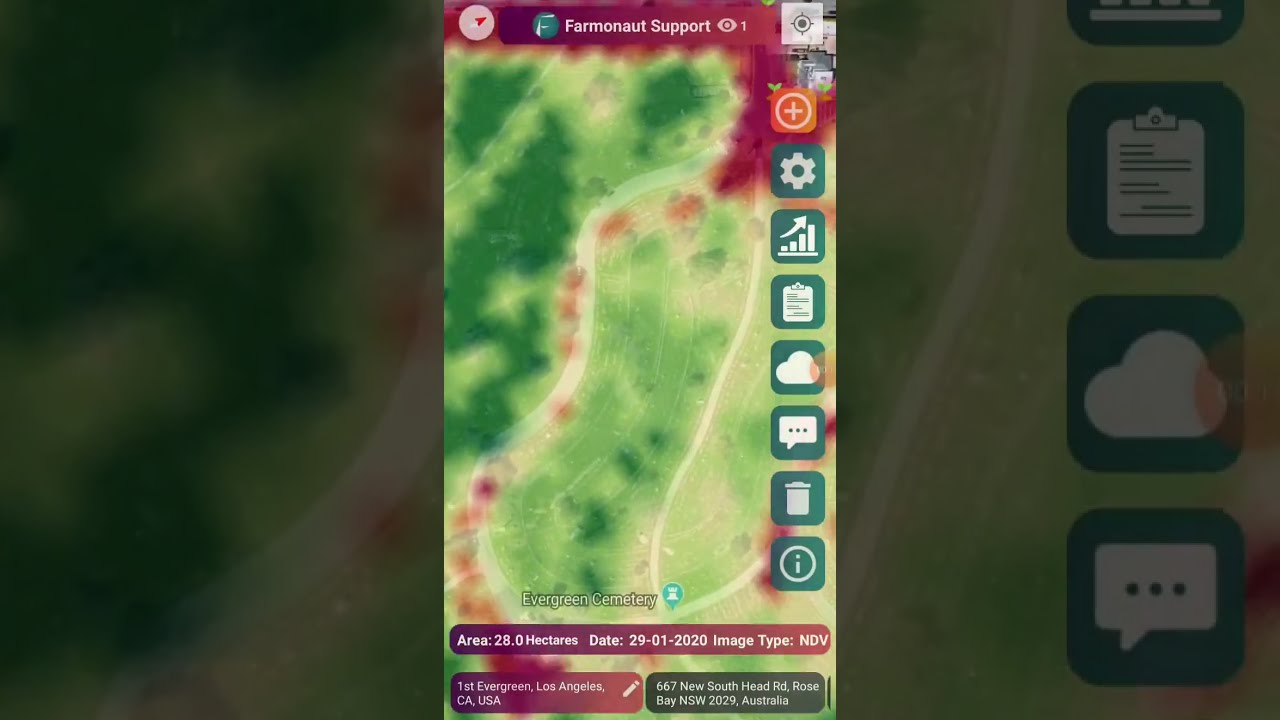
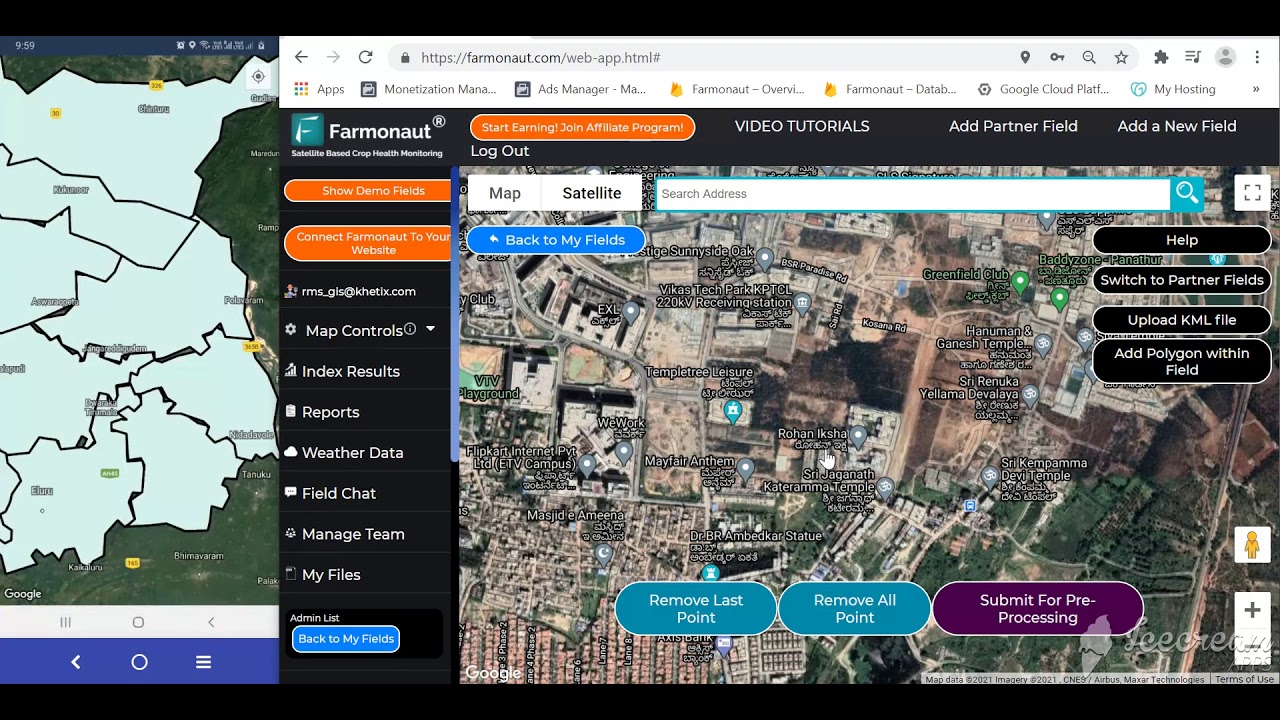
In an era where data-driven agriculture leads the way, we at Farmonaut are dedicated to making satellite-driven insights both affordable and accessible. Our platform leverages real-time satellite monitoring, AI-based advisory systems, blockchain-based product traceability, and resource management tools—complementing the general purpose tractor impact on agriculture with scalable digital intelligence.
- Farmonaut’s environmental impact monitoring helps farms and agribusinesses quantify carbon emissions and adjust practices for a more sustainable future. Learn about our Carbon Footprinting platform.
- Our blockchain-based traceability supports agricultural supply chains in ensuring transparent, fraud-resistant documentation for outputs. Explore our Traceability solutions.
- Large-scale field mapping and satellite crop health monitoring empower precision planning and timely intervention. For managing expansive farms, see our Large Scale Farm Management App.
Access Farmonaut’s APIs: Integrate our satellite and weather analytics directly into your own systems with our API and API Developer Docs.
Farmonaut’s modular, subscription-based model fits everyone—from individual farmers to large agribusinesses and governments. Scalable monitoring, AI-driven insights, and environmental tracking make it a powerful ally as tractors and drones reshape the farming world.
Future Prospects: Autonomous Tractors and the Changing Face of Agribusiness
The future of tractor agriculture is both exciting and transformative. As global challenges—ranging from labor shortages and environmental regulations to climate instability—intensify, innovation in tractor and drone technology will drive resilience.
What’s Next for Tractors and Drones?
- Electrification: With regulations pushing for reduced carbon emissions, electric tractors are coming to the forefront—delivering lower fuel costs, less maintenance, and quieter operation.
- Fully Autonomous Fleets: Next-gen AI-guided tractors and drones will coordinate across fields 24/7, no matter the region or scale.
- Integrated Analytics: Cross-device IoT analytics—combining tractor, drone, and satellite data—will enable predictive insights for disease, weather, and soil health.
- Sustainable Intensification: Mechanized, data-driven farming practices will secure food production and protect natural resources worldwide.
The role of the general-purpose tractor will continue to evolve, but its importance remains central to agricultural progress for years to come.
FAQs: General Purpose Tractor Impact on Agriculture, Drones, Practices (2025)
-
What is a general-purpose tractor, and how is it different from specialized tractors?
A general-purpose tractor is designed to perform a wide range of tasks—including plowing, planting, cultivation, fertilizing, and harvesting—using various attachments. This versatility sets it apart from specialized tractors, which are optimized for a single function. The general purpose tractor impact on agriculture is its adaptability to various operations, scales, and crop types.
-
How do modern tractors improve farm productivity as compared to traditional methods?
Modern tractors boost productivity by enabling faster, more precise, and less labor-intensive farming. With features like GPS, automation, and efficient engines, tractors reduce time spent on repetitive or manual tasks, increase crop yield, cut operational costs, and help meet growing food demands efficiently and sustainably.
-
What role do drones play in today’s agricultural practices?
Drones for agriculture purpose complement tractor-based operations by providing aerial views for rapid diagnostics, assessing crop health, mapping fields, enabling targeted intervention, and ultimately improving yields while reducing resource usage and environmental impact.
-
How does the integration of IoT change tractor agriculture?
IoT integration allows tractors to gather and transmit real-time data on soil, weather, crop health, and equipment status. This supports informed decisions on resource use, reduces input waste, and enables remote management, predictive maintenance, and improved sustainability.
-
What is the future of autonomous tractors in agriculture?
The future points toward fleets of autonomous, AI-powered tractors capable of 24/7 operation with minimal supervision. These will address global labor shortages, increase operational scales, and provide consistent, data-informed performance across diverse environments.
-
How can sustainable farming practices be supported by modern tractor and drone integration?
Precision farming enabled by tractors and drones reduces overuse of inputs, improves soil health, minimizes chemical runoff, and tracks environmental impacts. These technologies help farmers adopt more sustainable and profitable practices.
-
How does Farmonaut enhance the effectiveness of mechanized farming?
We at Farmonaut offer satellite-based crop health monitoring, real-time advisory, and AI-powered analytics. These digital tools provide actionable insights to support tractor and drone-based management, helping to further optimize yields, costs, and environmental outcomes at any scale—from smallholder operations to large agribusinesses.
Conclusion: Tractors, Drones, and a Sustainable Future
The journey from the early steam tractor impact on agriculture through to today’s autonomous, IoT-enabled machines is a testament to human ingenuity and the relentless pursuit of efficient, sustainable food production. In 2025, the general purpose tractor impact on agriculture remains foundational, enabling farms and agribusinesses worldwide to adapt, scale, and thrive under ever-changing challenges.
Integrating tractors, drones, and digital intelligence delivers marked improvements in productivity, cost-saving, and environmental stewardship, supporting both growing food demands and the global imperative for sustainability. The future is bright for those who embrace these innovations—on the family farm, in the agribusiness boardroom, and across the world’s fields.
Experience the future of agriculture with Farmonaut—where data meets machine, and tomorrow’s harvest is built today.

 Deluxe Conseil
 Krishify
 TVS Electronics
 BW Pipelines
 WICO
WICO Gen Chayat
 Chimera Innovation
 SkyHarvest
 Polaris Digitech
 Teledarbas
 Wild Oak Farm
 SFX
SFX BACF Africa
 Doodlakine
 Exurbia Geospatial
