

How Do Drones Help Farmers in Precision Agriculture? Unlocking the Power of Aerial Data, Crop Health, and Targeted Solutions
Table of Contents
- Introduction
- Precision Agriculture Drones: An Overview
- Core Drone Functions in Precision Agriculture
- Aerial Scouting & Early Detection
- Crop Health Assessment: Multispectral and Thermal Insights
- Variable-Rate Irrigation & Nutrient Management
- Targeted Pesticide and Fertilizer Application
- Rehabilitation, Crop Zoning, and Field Mapping
- Growth Stage Monitoring & Yield Prediction
- Infrastructure & Soil Health Insights
- Integration with Farm Management Systems
- Precision Agriculture Drone Training & Operations
- Limitations and Key Considerations
- Leveraging Satellite and Drone Data: The Farmonaut Platform
- Key Drone Applications in Precision Agriculture: Estimated Benefits and Impacts
- Videos: The Future of AgriTech and Precision Farming
- Expert Callouts & Highlights
- Visual Lists & Bullet Points
- Frequently Asked Questions (FAQs)
- Conclusion – Drone-Driven Precision on Every Farm
- Farmonaut Subscriptions & Get Started
“Over 80% of precision agriculture operations now use drones for aerial data collection and crop monitoring.”
Introduction: Drones & the Evolution of Precision Agriculture
In the ever-evolving landscape of agriculture, the quest for maximizing yields, conserving resources, and ensuring sustainability is driving unprecedented technological advancements. Enter the era of drones in precision agriculture.
How do drones help farmers in precision agriculture? This question signals a revolution in how we view food production, land management, and farming efficiency. From aerial data collection to variable-rate irrigation and targeted spraying, drones are helping farmers optimize every acre with unmatched accuracy and insight. Through rapid, high-resolution imagery and sensor-based assessment, professionals are unlocking actionable insights that once seemed impossible to obtain at this scale or speed.
This comprehensive guide explores the fascinating ways in which drones have transformed precision agriculture—from scouting fields for early disease detection to managing inputs with mathematical precision. We’ll also highlight the synergy between drone and satellite technologies that platforms like Farmonaut provide, giving farmers, businesses, and governments accessible, real-time data to optimize operations at scale.
Let’s dive into the world where aerial intelligence meets agronomy—and discover the full answer to “how do drones work in agriculture?”
Precision Agriculture Drones: An Overview
The term precision agriculture refers to site-specific crop management using advanced technologies to measure, analyze, and respond to spatial and temporal variation within fields. Here, drones (also called UAVs: Unmanned Aerial Vehicles) have quickly emerged as one of the core functions powering the fourth agricultural revolution.
But what do drones do in agriculture? Their core strength lies in their ability to capture timely, high-resolution aerial imagery across vast acreage—delivering data that reveals patterns, stress markers, and management zones with a “bird’s-eye” view. Drones are equipped with RGB, multispectral, and thermal cameras as well as application systems for precise dispensing of inputs such as fertilizers, pesticides, and water.
Their influence is profound: reducing losses, boosting crop yields, lowering input waste, and supporting regulatory compliance. Modern farmers leverage these smart solutions, along with powerful carbon footprinting and traceability tools, to align business growth with sustainable land stewardship.



Core Drone Functions in Precision Agriculture
Drones’ transformative impact in precision agriculture spans several core functions:
- Aerial Scouting and Early Detection: Instant crop monitoring, pest and disease identification
- Crop Health Assessment: Multispectral and thermal analysis for stress and nutrient needs
- Variable-Rate Irrigation & Nutrient Management: Data-driven VRI and fertilizer mapping
- Targeted Spraying: Site-specific agrochemical and water application
- Zoning, Rehabilitation, and Mapping: Dividing fields for management efficiency
- Growth Stage Monitoring & Yield Prediction: Biomass tracking, canopy cover analytics
- Infrastructure and Soil Health Assessment: Roads, drainage, soil moisture, and compaction mapping
Each application produces timely actionable insights, helping farmers protect crops, optimize resource use, and boost overall field productivity.
“Drones can survey up to 1,000 acres of farmland in a single day using multispectral imaging technology.”
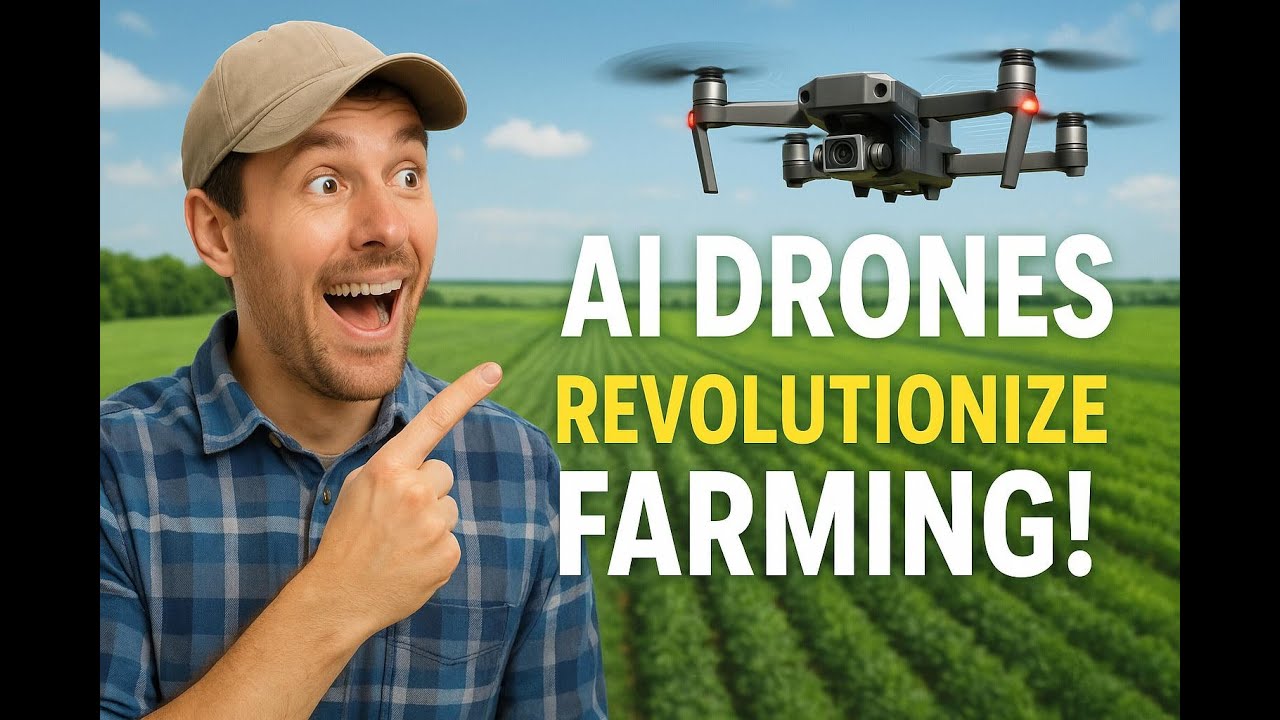
Aerial Scouting & Early Detection: The First Line of Defense
One of the earliest answers to how do drones help farmers in precision agriculture? lies in their role in rapid aerial scouting. Traditional crop scouting requires hours of walking fields and visually inspecting randomly selected parts, which risks missing localized pest outbreaks, nutrient deficiencies, or disease patterns until they become widespread.
Drones equipped with high-resolution RGB and multispectral cameras fly over the entire field, capture detailed imagery in minutes, and reveal subtle symptoms of plant stress—from patchy yellowing and wilting to pest-affected zones that are invisible from the ground. By detecting these signals long before they’re visible to the naked eye, farmers can intervene promptly, reducing crop losses and minimizing input waste.
- Key Features:
- High-frequency scouting across the growing season
- Rapid identification of stressed zones and abnormal patterns
- Early warnings triggering timely management responses

- ✔ Time-saving: Entire-field coverage in a fraction of the time
- 🌱 Data-driven: Objective, georeferenced imagery for historic trend analysis
- ⚠ Risk reduction: Faster detection = lower losses and fewer emergency applications
- 🕵️♂️ Comprehensive: Captures marginal zones often missed in manual scouting
- 💡 Actionable: Insights directly inform prescription maps for fertilizer or pesticide use
Crop Health Assessment: Multispectral & Thermal Camera Insights
Moving beyond imagery, crop health assessment with advanced sensors helps us quantify crop condition and growth vigor—not just spot issues, but measure their impact. Multispectral cameras capture light bands beyond what the eye can see, such as the near-infrared (NIR) and red-edge portions of the spectrum, unlocking the science of vegetation indices.
Key Drone Sensor Indices:
- NDVI (Normalized Difference Vegetation Index): A ratio of NIR and Red bands, quantifies plant vigor and greenness. Healthy crops reflect NIR more than red; stressed crops do the opposite.
- NDRE (Normalized Difference Red Edge): Sensitive to chlorophyll content and canopy stress, ideal for leaf nitrogen tracking.
- Thermal Imaging: By detecting subtle temperature differences across the canopy, it reveals water stress or irrigation issues—where the plants are overheating due to a lack of water.
With these data layers, differential management becomes feasible—applying the correct remedy to each zone based on its actual status, not guesstimates. Every flight builds a historical record for forecasting, compliance, and yield analysis.

Key Drone Applications in Precision Agriculture: Estimated Benefits and Impacts
Note: These values are conservative estimates and may vary based on crop, region, and technology adoption.
Variable-Rate Irrigation & Nutrient Management: Precision for Every Plot
Precision irrigation and fertilization are critical to sustainable agriculture. Here’s how drones enable precise resource management:
- Aerial Soil Moisture Maps: Advanced multispectral and thermal images are paired with ground sensors and weather data to map soil moisture variability across every section of the field.
- Evapotranspiration Tracking: By gauging how quickly water returns to the atmosphere (evapotranspiration), drone mapping supports irrigation planning.
- Prescription Maps for Inputs: Output data is translated into prescription zones—high, medium, or low—so variable-rate machinery delivers exactly the right volume of water and nutrients to each plot.
This technology—often called VRI (Variable Rate Irrigation)—continuously reduces water use, prevents nutrient leaching, and enhances nutrient uptake efficiency while lowering costs and supporting regulatory compliance.
For actionable planning, our Farmonaut crop plantation, forest & advisory tools deliver satellite-derived data, guiding long-term crop rotation, soil improvement, and planting density optimization. Explore field planning & crop wisdom.
Targeted Pesticide & Fertilizer Application: Applying Only What’s Needed
Traditional sprayers treat entire fields, often overusing chemicals and exposing workers to health hazards. With targeted application drones, only stressed or high-need areas identified by aerial maps are treated. This drastically minimizes chemical usage and environmental diffusion, while protecting operator health.
- Site-Specific Application: Prescription application maps are loaded onto drones, which autonomously follow routes and dispense fertilizer or pesticide with precision.
- Advanced Technology: Modern units feature drift-reduction nozzles and flow meters for uniform coverage and minimal off-target movement.
- Compliance and Safety: Data-logged flights support regulatory compliance and insurance claims, while reducing human exposure in high-risk scenarios.
Zoning, Rehabilitation, and Field Mapping for Precision
Modern precision agriculture demands “zone-based” field management. Drones help delineate management zones by analyzing historic yield data, vegetation indices, moisture maps, and soil records. Low-yielding or problem patches can be flagged for targeted soil amendment, drainage, or crop switching, while robust areas justify higher investment and optimized inputs.
- Enables precision planting strategies and tailored rotations
- Supports large-scale farm management and compliance
- Saves resources by applying expensive treatments only where they’re needed

Growth Stage Monitoring & Yield Prediction: Tracking All the Way to Harvest
Through repeated drone flights, temporal analysis becomes possible: data is layered to track canopy cover, biomass, and vegetation indices at each developmental stage. This aids in yield prediction models and harvest planning, ensuring timely labor and logistics management.
Growth monitoring also assists in identifying where pruning, thinning, or supplemental fertilizer may be needed to correct developmental disparities.
Infrastructure & Soil Health Insights: Beyond Plant Vigor
Drones are equally suited for monitoring farm infrastructure: surveying fence lines, access roads, irrigation networks, water bodies, and buffer strips for erosion, compaction, flooding, or blockages. Fleet and machinery operations can be optimized by overlaying route data on field maps obtained through drone and satellite analysis—reducing overlap, machine wear, and downtime.
Soil moisture maps, when compared over time and paired with satellite weather data, reveal long-term environmental indicators, supporting both soil health remediation and compliance for programs including carbon footprint monitoring.

Integration with Farm Management Systems: Unlocking Complete Value
The true value of drone data emerges when it is seamlessly imported into GIS platforms, farm management systems, and decision-support software. By digitizing field boundaries, zones, and prescription maps, managers can auto-generate:
- Work orders and field notes
- Input traceability records (blockchain-based traceability)
- Compliance and environmental reporting
- Automated notifications when outliers or thresholds are triggered
Thanks to tools like Farmonaut’s satellite data API and API Developer Docs, this integration is now plug-and-play, supporting custom workflows and compliance across diverse agricultural landscapes.
Precision Agriculture Drone Training & Operations
With the sophistication of drone technology comes the necessity for precision agriculture drone training. Operators benefit from expert tuition in:
- Flight Planning: Route design, weather window evaluation, risk assessment
- Sensor Selection and Camera Calibration: Matching the right multispectral or thermal sensor with the agronomic objective, and ensuring correct radiometric adjustments
- Data Processing Workflows: Converting aerial imagery into actionable maps, indices, and prescription files
- Results Validation: Ground-truthing drone data for accuracy and repeatability
- Regulatory and Compliance Training: Legal responsibilities, privacy regulations, and documentation
Properly trained operators will maximize return on investment, limit operational risks, and consistently generate actionable results.
Limitations and Key Considerations
As with any technology, precision agriculture drones have their limits and planning considerations:
- Weather & Flight Restrictions: Wind, rain, and poor lighting limit drone use—flight weather windows require careful planning.
- Battery Life & Payload: Larger drones offer longer flight times and higher payloads, but at increased cost and complexity.
- Sensor Calibration: Mis-calibrated sensors can yield misleading data—regular recalibration is critical.
- Data Processing: Interpreting imagery and transforming it into maps requires robust processing skills and occasionally, specialist support.
- Upfront Investment: While costs are falling, high-end drones and sensors may be a barrier for some; pilot training costs may also apply.
- Scale: On very large farms, integrating drone insights with satellite observation and ground sensors offers the most complete, timely, and scalable results.
- ⚡ Time-sensitive: Rapid decision and action cycles required
- 🔋 Battery management: Essential for large acreage coverage
- 💾 Data overload: Too much data, poorly managed, leads to confusion
- 🌩 Weather dependent: Adverse conditions can halt critical missions
- 👩✈️ Training Matters: Operators need up-to-date certifications for compliance
Leveraging Satellite and Drone Data: The Farmonaut Platform
At Farmonaut, we empower the global agricultural community by making advanced satellite-driven insights and AI-powered tools accessible to everyone. Our technology integrates satellite imagery, artificial intelligence, blockchain-based traceability, and resource management tools to drive decision support, optimize field management, and foster sustainable growth.
How does this elevate drone-based precision agriculture?
- Our satellite crop monitoring tools deliver field-scale NDVI, soil, and weather data—supporting “where and when to scout or fly drones”
- The Jeevn AI system provides real-time crop strategies based on field imagery, weather, and historic performance
- Blockchain-based traceability secures every input and output for compliance, safety, and customer trust
- APIs and web/mobile Apps ensure live, affordable access to actionable insights across devices
- Fleet and resource management supports field machinery and labor logistics on large and small farms alike
From individual growers maximizing a single plot to agribusinesses managing thousands of hectares, we deliver decision-ready data—amplifying the impact of every drone and every satellite pass. See how crop insurance and loan applications are streamlined using satellite-based verification—a definite game changer for agricultural finance.
Expert Callouts & Highlights
Visual Lists & Bullet Points: Fast Facts
- ✔ Fast aerial mapping enables whole-farm scans in minutes
- 📊 Data-driven input application reduces waste and boosts efficiency
- ⚠ Weather planning is essential for risk-free drone operations
- 🌱 Health indices (NDVI/NDRE) make invisible stress visible for timely action
- 🛰 Satellite + drone integration supercharges digital agriculture on every scale
Core Drone Features:
- High-res RGB/multispectral/thermal cameras
- Automated flight and mapping routes
- Prescription-based input spraying
- Real-time field health indicators
Precision Outcomes:
- Input savings: 10–40%
- Yield gains: 8–25%
- Time saved: Up to 5 hours/hectare
- Field variability clearly mapped
Frequently Asked Questions (FAQs)
Q1. How do drones help farmers in precision agriculture?
A: Drones help by providing high-resolution aerial data for early scouting, crop health assessment, field zoning, precise input application, monitoring irrigation, soil variability, and crop growth trends. Their data-driven insights guide farmers to use resources efficiently, protect crops, boost yields, and meet compliance—all with less manual labor and improved profitability.
Q2. What types of cameras and sensors are used on agricultural drones?
A: Most agricultural drones are equipped with RGB cameras, multispectral sensors (capturing visible and near-infrared bands), red-edge cameras (NDRE), and thermal cameras. Each sensor type provides unique data on plant health, canopy temperature, and soil moisture patterns.
Q3. Do farmers need special training to operate drones in agriculture?
A: Yes, precision agriculture drone training is essential for maximizing data quality and flight safety. Training covers flight planning, sensor calibration, compliance, and post-processing to generate actionable maps and indices.
Q4. Can drones be integrated with satellite and ground-based data?
A: Absolutely. The most robust results come from integrating drone data with satellite imagery and ground sensors—providing both “big picture” and “fine detail” analytics for advanced farm management.
Q5. What are the main limitations of using drones in agriculture?
A: Major limitations include weather dependence (wind/rain reduce flight options), battery capacity for very large fields, the need for sensor calibration, data processing skills required, and upfront hardware costs. Combining drone insights with satellite and ground data can offset many of these challenges.
Conclusion – Drone-Driven Precision on Every Farm
In summary, drones have transformed precision agriculture by providing timely, high-resolution data and actionable insights across scouting, crop assessment, variable input management, targeted spraying, and infrastructure monitoring. Their impact is underpinned by a cycle of continuous improvement: capture, analyze, apply, monitor, and refine.
By pairing the agility of drones with the macro perspective of satellites—as in the Farmonaut platform—farmers, agri-businesses, and governments can unlock field optimization never before possible. This isn’t just technology for its own sake; it is about making every drop of water, every gram of input, and every hectare count toward productivity, profitability, and sustainability.
How do drones help agriculture thrive? By transforming raw data into decisions that feed our world—responsibly, affordably, and with the technology of tomorrow.
Start Your Precision Agriculture Journey Today
Ready to enhance your research or operations with advanced satellite and drone data?
- Get instant access to NDVI, NDRE, and LST maps
- Streamline resource allocation and input applications
- Monitor fields, forests, and assets in real-time—on any device
- Support sustainability and compliance with a few clicks
🔗 Try our open API for your own agri-analytics pipeline or explore our API developer docs.
Dive into drone-powered precision agriculture.
The future of farming is here—maximize every field, every season, with data that makes a difference.

 Concept Global
 Kubota
 FFBS
FFBS Jontra
 Kalustyan
 Tucor
Tucor Geno
Geno Hayleys Agriculture
 Linx Agritech
 Adinet
 Save Your Soils
 Grandstream Algérie
 XOS Realty
 Geospatial Lab Africa
 Agro La Gándara
 HIPSAC
 ZOL Zimbabwe
