

Mastering Nitrogen Management: Identify, Prevent, and Solve Plant Deficiencies for Optimal Crop Growth
“Nitrogen deficiency can reduce crop yields by up to 50% in severe cases, highlighting its critical role in plant growth.”
Welcome to our comprehensive guide on mastering nitrogen management in agriculture. As experts in precision farming and sustainable agricultural practices, we at Farmonaut understand the critical role that proper nutrient management plays in ensuring optimal crop growth and yield. In this blog post, we’ll delve deep into the world of nitrogen deficiency in plants, exploring its impacts, symptoms, and most importantly, the solutions to prevent and address this common issue.

Understanding Nitrogen: The Essential Macronutrient
Nitrogen is a vital macronutrient that plays a crucial role in plant growth and development. It’s an essential component of amino acids, nucleic acids, and proteins, which are the building blocks of plant life. Without adequate nitrogen, plants struggle to produce chlorophyll, the compound responsible for photosynthesis and the green color of leaves.
Let’s break down why nitrogen is so important:
- Chlorophyll Production: Nitrogen is a key element in chlorophyll molecules, which are essential for photosynthesis.
- Protein Synthesis: It’s a major component of amino acids, the building blocks of proteins.
- Nucleic Acid Formation: Nitrogen is crucial for the creation of DNA and RNA.
- Growth and Development: It promotes vigorous vegetative growth and is vital for overall plant health.
Given its importance, it’s clear why nitrogen deficiency can have such a dramatic impact on crop yields and quality. But how can we identify when our plants are suffering from a lack of this essential nutrient?
Identifying Nitrogen Deficiency: Signs and Symptoms
Recognizing the symptoms of nitrogen deficiency early is crucial for implementing timely corrective measures. The most common signs include:
- Leaf Chlorosis: Yellowing of leaves, particularly older leaves, is a classic sign of nitrogen deficiency.
- Stunted Growth: Plants may appear smaller and less vigorous compared to healthy plants.
- Reduced Leaf Size: Leaves may be smaller than normal and could fall prematurely.
- Pale Green to Yellow Coloration: This discoloration often starts at the leaf tips and progresses inward.
It’s important to note that symptoms can vary slightly depending on the plant species. For instance, in cereals like wheat and corn, nitrogen deficiency often manifests as a yellowing pattern that starts at the leaf tip and moves along the midrib in a V-shape.
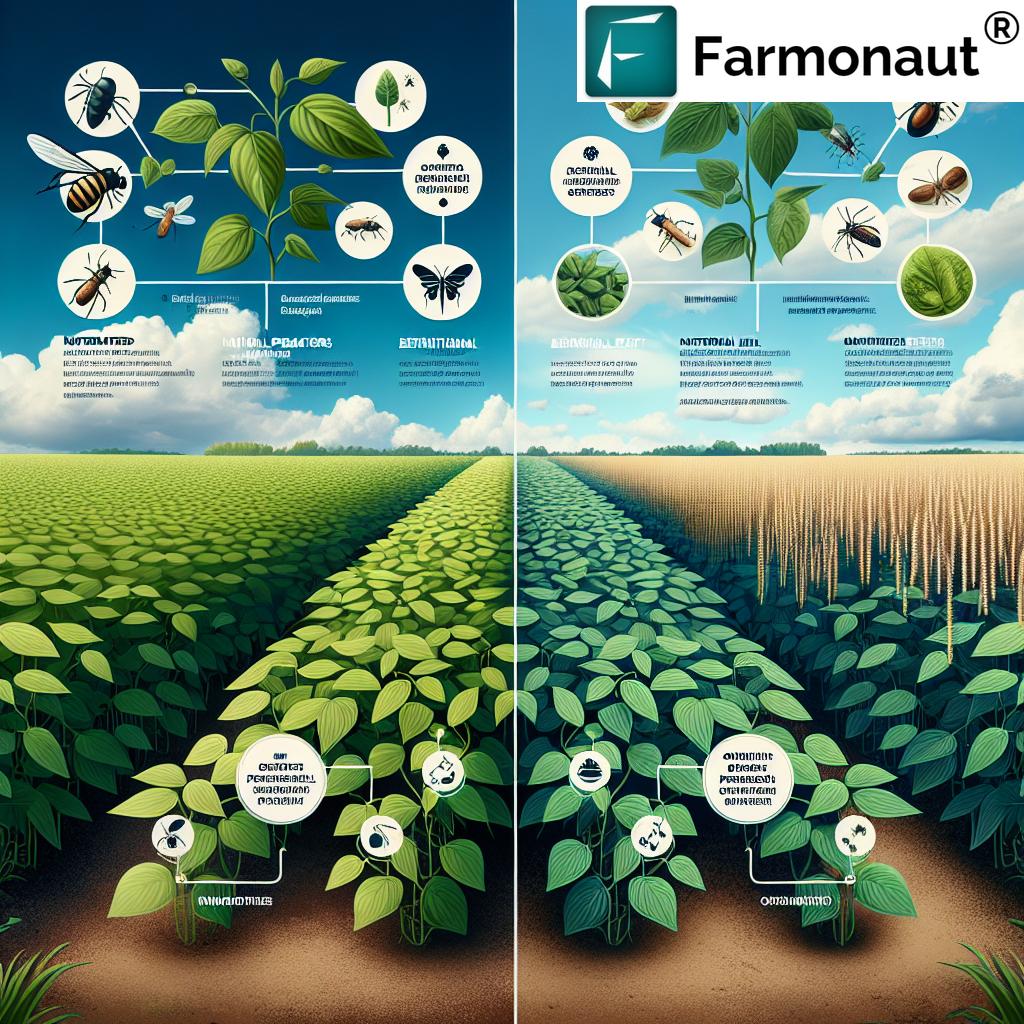
The Impact of Nitrogen Deficiency on Crop Yields
Nitrogen deficiency can have severe consequences on crop yields and quality. Some of the impacts include:
- Reduced Photosynthesis: Less chlorophyll means less energy production for the plant.
- Slower Growth: Plants may take longer to reach maturity, affecting harvest times.
- Lower Yield: Fewer and smaller fruits or grains are produced.
- Decreased Protein Content: This is particularly important in crops grown for their protein content, like soybeans.
To better understand the specific symptoms and solutions for different plant types, let’s take a look at this comprehensive table:
| Plant Type | Deficiency Symptoms | Management Solutions |
|---|---|---|
| Cereals (e.g., wheat, corn) |
– V-shaped yellowing pattern on leaves – Stunted growth – Reduced tillering |
– Apply nitrogen-rich fertilizers (e.g., urea) – Use precision agriculture for targeted application – Implement crop rotation with legumes |
| Leafy Vegetables (e.g., lettuce, spinach) |
– Overall pale green to yellow coloration – Smaller leaves – Slow growth rate |
– Use organic compost or manure – Apply foliar nitrogen sprays – Implement drip irrigation with fertigation |
| Fruit-bearing Plants (e.g., tomatoes, peppers) |
– Yellowing of older leaves – Reduced fruit size and quantity – Premature fruit drop |
– Use slow-release nitrogen fertilizers – Implement soil testing for precise nutrient management – Use cover crops to improve soil nitrogen content |
Access Farmonaut’s precision agriculture solutions:

Preventing Nitrogen Deficiency: Proactive Measures
Prevention is always better than cure, especially when it comes to nutrient management in agriculture. Here are some proactive measures to prevent nitrogen deficiency:
- Soil Testing: Regular soil tests can help determine the nitrogen content and guide fertilization strategies.
- Crop Rotation: Rotating with legumes can naturally increase soil nitrogen levels.
- Cover Crops: Planting nitrogen-fixing cover crops can improve soil fertility.
- Organic Matter Management: Incorporating organic matter into the soil can improve its nitrogen-holding capacity.
- Precision Agriculture: Using technology like Farmonaut’s satellite-based crop monitoring can help in early detection of nutrient stress.
“Precision agriculture techniques can increase nitrogen use efficiency by 20-30%, reducing environmental impact and improving crop productivity.”
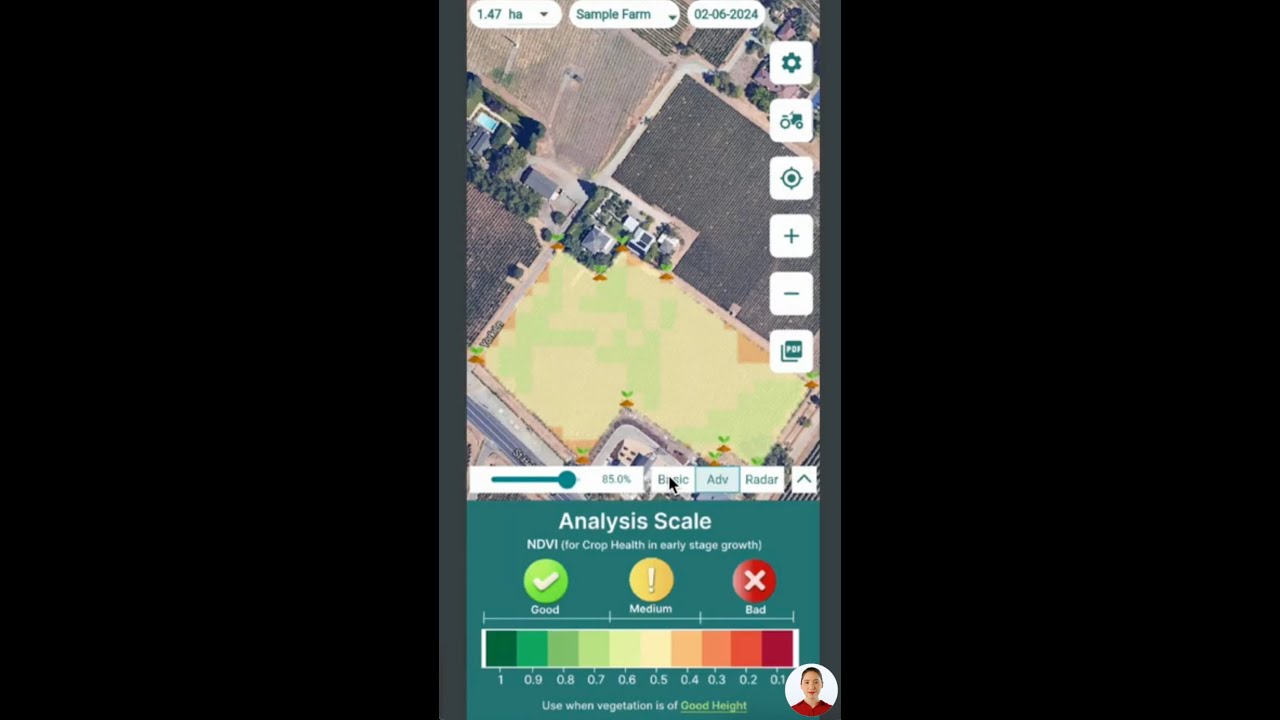
Solving Nitrogen Deficiency: Corrective Measures
When nitrogen deficiency is detected, swift action is necessary to mitigate its impact. Here are some effective corrective measures:
- Immediate Fertilization: Apply quick-release nitrogen fertilizers like urea or ammonium nitrate.
- Foliar Sprays: For fast absorption, use foliar nitrogen sprays.
- Organic Solutions: Apply organic fertilizers like composted manure or fish emulsion.
- Fertigation: Combine irrigation with fertilizer application for efficient nutrient delivery.
It’s crucial to remember that while addressing nitrogen deficiency, we must also consider the balance with other nutrients. Excessive nitrogen can lead to other issues, such as increased susceptibility to pests and diseases.
Sustainable Nitrogen Management Practices
At Farmonaut, we’re committed to promoting sustainable agriculture practices. Here are some eco-friendly approaches to nitrogen management:
- Precision Agriculture: Use satellite imagery and AI-driven insights to apply nitrogen only where and when it’s needed.
- Organic Farming Techniques: Utilize natural nitrogen sources like compost, green manures, and crop rotation.
- Integrated Pest Management (IPM): Healthy plants are more resistant to pests, reducing the need for chemical interventions.
- Slow-Release Fertilizers: These provide a steady supply of nitrogen over time, reducing runoff and leaching.
Explore Farmonaut’s satellite-based crop monitoring:


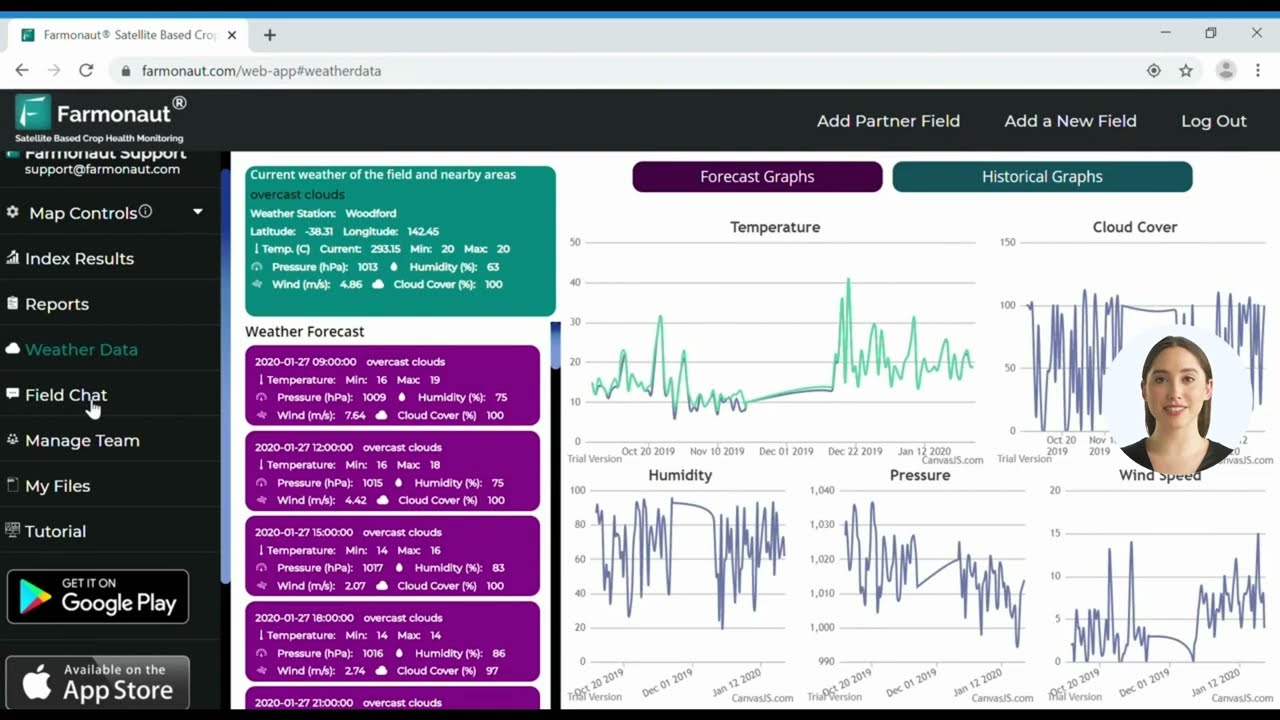
The Role of Technology in Nitrogen Management
Modern agriculture is increasingly turning to technology to optimize nutrient management. Here’s how technology is revolutionizing nitrogen management:
- Satellite Imagery: Farmonaut’s satellite-based crop monitoring allows for early detection of nitrogen stress across large areas.
- AI and Machine Learning: These technologies can predict nitrogen needs based on historical data, weather patterns, and current crop conditions.
- IoT Sensors: In-field sensors can provide real-time data on soil nitrogen levels.
- Variable Rate Technology: This allows for precise application of nitrogen fertilizers based on field variability.
Access Farmonaut’s API for custom solutions: Farmonaut API
Balancing Nitrogen with Other Nutrients
While nitrogen is crucial, it’s important to maintain a balance with other essential nutrients. Here’s why:
- Phosphorus and Potassium: These macronutrients work in concert with nitrogen for overall plant health.
- Calcium: Essential for cell wall structure and can affect nitrogen uptake.
- Micronutrients: Elements like iron and magnesium are vital for chlorophyll production and photosynthesis.
A holistic approach to plant nutrition ensures that addressing nitrogen deficiency doesn’t create imbalances in other areas.
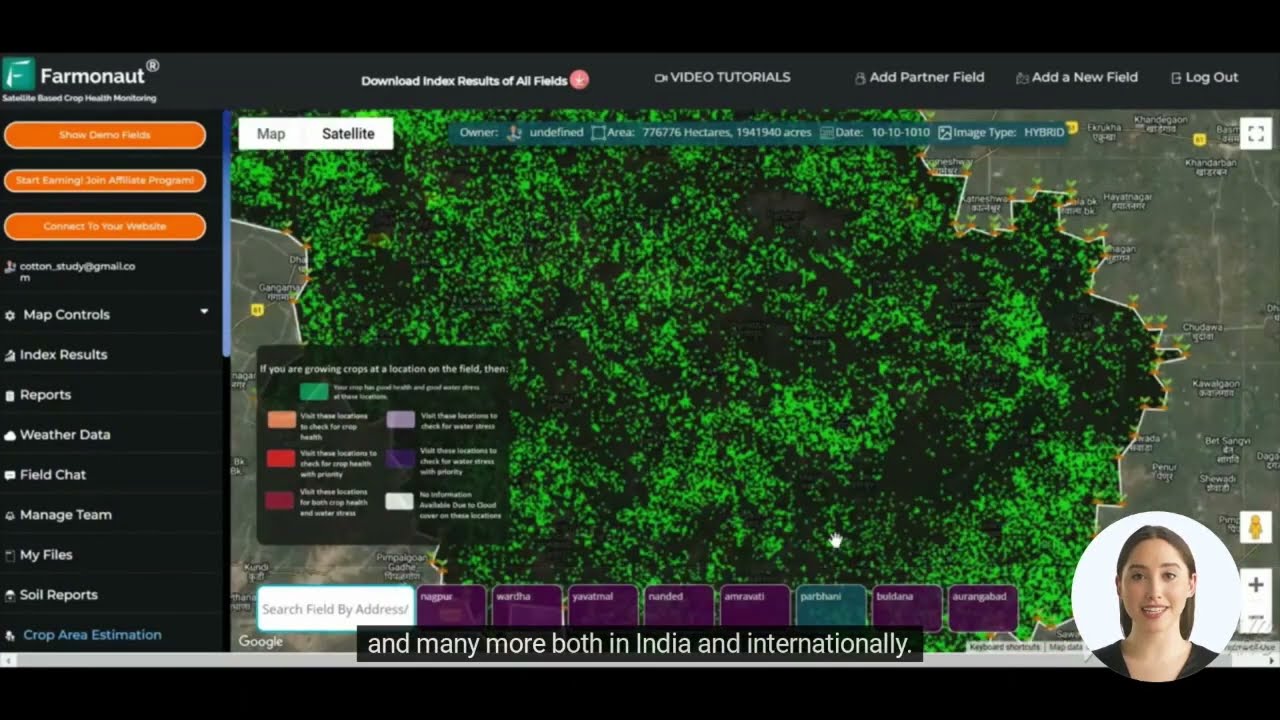
Crop Protection and Nitrogen Management
Proper nitrogen management is intrinsically linked to effective crop protection. Here’s how:
- Pest Resistance: Well-nourished plants are more resistant to pests and diseases.
- Integrated Pest Management (IPM): This approach combines nutrient management with other pest control strategies.
- Balanced Use of Pesticides: Proper nitrogen levels can reduce the need for excessive pesticide use.
It’s important to note that while pesticides, fungicides, and herbicides play a role in crop protection, their use should be balanced with sustainable practices and precise nutrient management.
Farmonaut’s Role in Precision Nitrogen Management
At Farmonaut, we’re committed to making precision agriculture accessible to farmers worldwide. Our platform offers several tools that can aid in effective nitrogen management:
- Satellite-Based Crop Health Monitoring: Our technology allows for early detection of nitrogen stress through vegetation health indices like NDVI.
- AI-Driven Advisory: Our Jeevn AI system provides personalized recommendations for nitrogen application based on crop needs and environmental factors.
- Resource Management Tools: These help in optimizing the use of nitrogen fertilizers, reducing waste and environmental impact.
Explore Farmonaut’s developer documentation: API Developer Docs

Conclusion: Mastering Nitrogen Management for Sustainable Agriculture
Mastering nitrogen management is crucial for achieving optimal crop growth and sustainable agricultural practices. By understanding the signs of nitrogen deficiency, implementing preventive measures, and utilizing modern technology, farmers can significantly improve their crop yields while minimizing environmental impact.
Remember, effective nitrogen management is not just about applying more fertilizer. It’s about precision, balance, and sustainability. With tools like Farmonaut’s satellite-based crop monitoring and AI-driven insights, farmers can make informed decisions that benefit both their crops and the environment.
As we move towards a future of sustainable and technologically advanced agriculture, proper nutrient management will play an increasingly vital role. By staying informed and adopting precision agriculture solutions, we can ensure food security while preserving our planet for future generations.
FAQs
- Q: How often should I test my soil for nitrogen levels?
A: It’s recommended to test soil at least once a year, ideally before planting or fertilizing. - Q: Can organic farming methods provide enough nitrogen for crops?
A: Yes, through methods like crop rotation, cover crops, and organic fertilizers, organic farming can provide sufficient nitrogen. - Q: How does weather affect nitrogen availability in soil?
A: Excessive rainfall can lead to nitrogen leaching, while drought can reduce nitrogen uptake by plants. - Q: Is it possible to over-apply nitrogen?
A: Yes, over-application can lead to environmental issues and may actually harm plant growth. - Q: How can Farmonaut’s technology help in nitrogen management?
A: Farmonaut’s satellite imagery and AI can detect early signs of nitrogen stress and provide targeted recommendations for application.
Discussion
Questions, corrections or field experience? Share them below. First-time comments are reviewed before they appear, and your email is never published.
No comments yet. Be the first to add a question or your experience.

 Dalmia Bharat Sugar
 DnCubed
 Pistachio ST
 Field Capacity
 Indosistim Teknologi
 Liquify Digital
 CU Foods
 BeyondTech Global
 Rouge VC
 AgroGreen Dynamics
 AgroRisk
 Oath Inc
 Reddane Farming
 Esri North East Africa
 Cresol
 MDCV UK
 Etech Consulting Madagascar
 Vestlandsforsking
