

Integrating Drones & AI: Integrated Farming Strategies 2026
“By 2026, over 60% of integrated farms are projected to use AI-powered drones for data-driven decision-making.”
Table of Contents
- Overview – Drones & AI in Integrated Farming (2026)
- Trivia Interlude
- Key Capabilities: Drones & AI in Agriculture and Beyond
- Comparative Table: Integration of Drones & AI (2026)
- Integrated Farming System Drawing: How Integration Works
- Integrating Drones with AI for Farming: System Approaches
- How to Start Integrated Farming with Drones & AI
- Integrated Farming Examples & Real Applications
- Key Benefits: Precision, Resilience & Sustainability
- Challenges & Limitations
- Farmonaut Solutions: Advancing Integrated Farming Systems
- Farmonaut Subscription Pricing
- FAQ: Integrating Drones & AI for Farming
- Conclusion



Overview – Drones & AI in Integrated Farming (2026)
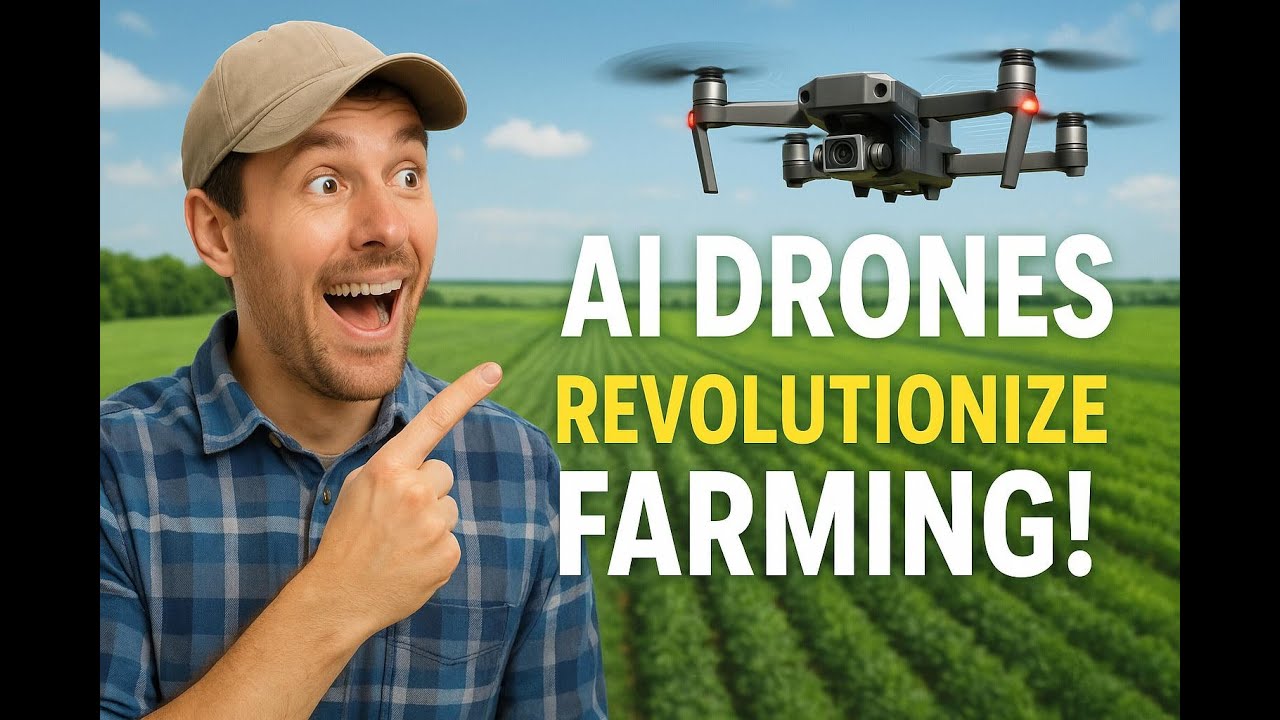
Integrating drones with AI for farming is transforming agriculture, forestry, and related sectors by enabling highly precise monitoring, crop health detection, targeted interventions, and optimized use of key resources. As we look to 2026, these technologies are not just aligning neatly with integrated farming systems, but powering a new era of precision management across farms where crops, livestock, and trees coexist for improved sustainability and profitability.
Integrated farming system drawings now feature drones hovering over fields and AI dashboards generating real-time insights—showcasing how agricultural systems can leverage the synergy of technology, data analytics, and practical field management. From mapping soil moisture to guiding intelligent irrigation and optimizing feed schedules for livestock, the fusion of drones and AI is enabling practical, scalable, and sustainable solutions for the challenges ahead.
On this journey, we will explore the key capabilities, real-world examples, and step-by-step guides to integrating AI drones into your farm landscape for 2026 and beyond.
Key Insight
As climate variability and labor shortages challenge agriculture globally, integrating drones with AI for farming stands out as the most scalable, affordable, and data-driven approach to enhance productivity and environmental sustainability by 2026.
Key Capabilities: Drones & AI in Agriculture and Beyond
- ✔ Crop health and stress detection: Multispectral and RGB imagery, analyzed by AI, helps identify nutrient deficiencies, water stress, diseases, and pest outbreaks down to the plant level.
- ✔ Variable-rate inputs: Drone-based maps guide targeted irrigation, fertilizer, and pesticide application, reducing environmental impact and input costs.
- ✔ Phenotyping and yield prediction: AI processes canopy traits and senescence for accurate yield forecasting and harvest planning.
- ✔ Precision forestry and agroforestry: Drones enable monitoring tree health, canopy density, and carbon sequestration, with AI models flagging invasive or stressed zones.
- ✔ Integrated pest management: Early detection of pest outbreaks enables zone-specific intervention while supporting the use of biological controls.
- ✔ Livestock monitoring: Thermal and visual analytics via drones assess animal health, well-being, and movement to optimize feed and grazing.
- ✔ Water resource management: High-resolution mapping supports efficient irrigation scheduling and watershed planning.

Trivia Interlude
“AI-driven drones can analyze up to 500 acres of farmland in under 2 hours, revolutionizing integrated farming strategies.”
📊 How Drones & AI Synergize in Integrated Farming
- 🚀 Remote Sensing: Multispectral and RGB drones spot early symptoms, triggering instant AI analytics for actionable decisions.
- 🎯 Precision Application: AI processes drone data to instruct sprayers or irrigation—only where needed.
- 📉 Cost Cut: Smart mapping reduces unnecessary fertilizer, pesticide, and labor expenses.
- 🌿 Biodiversity: Drones help target regenerative interventions, supporting pollinator habitats and wildlife corridors.
- 💡 Real-time Analytics: AI models offer continuous dashboards, forecasting yields and flagging threats before they escalate.

Comparative Table: Key Integration Points of Drones & AI in Farming (2026)
| Integration Aspect | Role of Drone | Role of AI | Estimated Impact (2026) |
|---|---|---|---|
| Crop Monitoring & Health Detection | Acquire multispectral/RGB imagery across fields, map canopies | Analyze images for nutrient deficiencies, disease, or water stress | +18% yield, 24% input cost saving |
| Pest & Disease Detection | Rapidly scout fields for pest/disease hotspots | Detect outbreaks early, generate precise intervention maps | 60% reduction in losses from outbreaks |
| Livestock Monitoring | Thermal & visual imaging monitor herd health/locations | Assess body condition, estrus, behaviour trends | 35% herd health improvement; labor cut by 30% |
| Water & Resource Management | Map field/pond moisture, canal integrity, storm impact | Optimize irrigation, inform maintenance and schedules | 40% water use efficiency gain |
| Agroforestry & Carbon Sequestration | Track tree growth, canopy health, area coverage | Calculate carbon credit, flag thinning/pruning times | 20% increase in verified carbon credits |
| Integrated Crop-Livestock Systems | Simultaneous mapping of crops, forage, livestock locations | Synchronize rotation, feed, composting via data dashboards | 30% resource efficiency improvement |
For new adopters, pilot drone-AI integration on a representative block of your farm. Test workflows, analyze impact, and then scale up—minimizing disruptions while maximizing return on investment.
Integrated Farming System Drawing: How Integration Works
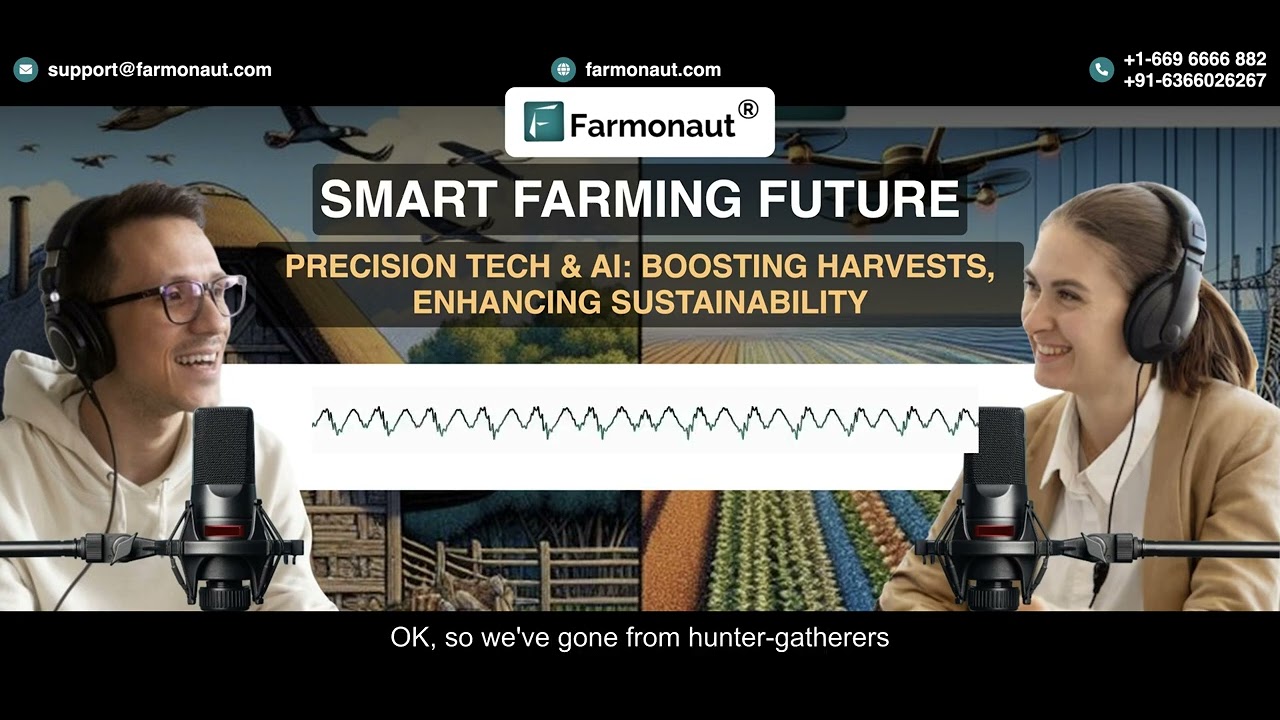
A modern integrated farming system drawing for 2026 reveals an interconnected web:
- 📊 Crops: Visualized using drone-acquired data layers (NDVI, RGB, soil moisture); AI models overlay health and nutrient status, and trigger targeted action zones.
- 🐂 Livestock: Monitored in real-time with thermal and visual imaging; integrated dashboards blend herd movement, health KPIs, grazing patterns, and estrus cycles.
- 🌳 Forestry/Agroforestry: Drones map tree growth, canopy density, thinning/pruning needs, and carbon sequestration, as AI detects invasive threats/drought stress.
- 💧 Water/Nutrient Systems: Visualized pathways for irrigation, drainage, and pond cycling; drone/AI data guides decisions to optimize nutrient cycling, composting, and water use efficiency.
In essence, every physical component (crop, animal, tree, water system) in an integrated farm is digitally mapped, monitored, and managed with AI-enhanced analytics and drone-acquired real-time data.

By 2026, integrated farms leveraging drones and AI see up to 41% higher operational efficiency—attracting strong interest from impact-driven agri-investors, insurers, and sustainability-focused corporates.
Integrating Drones with AI for Farming: System Approaches
The integration of drones and AI delivers immense value when tailored to specific integrated farming systems. Let’s break this down with practical scenarios and contemporary integrated farming examples:
Integrated Crop-Livestock Systems
- 📍 Drones perform regular flyovers, generating nutrient and moisture maps for pasture fields (NDVI, RGB).
- 📊 AI models assess forage availability and optimize grazing rotation schedules.
- 💩 Manure mapping informs fertilizer application plans—nutrient cycling is synchronized for crops and livestock.
- 🛰️ Farm dashboards provide real-time visualization for herd tracking, feed supplement schedules, and pasture rest cycles.
Agroforestry and Timber Crops
- 🌳 Drones monitor trees for canopy density, growth stages, and stress (disease/drought/invasive species).
- 💡 AI models analyze spatial data to guide pruning/thinning schedules and document carbon sequestration—key for carbon crediting.
- 🌾 Crop-tree spatial positioning is optimized to balance sunlight, soil moisture, and biodiversity corridors.
Aquaculture-Adjacent or Integrated Animal Farming
- 🦐 Drones assess pond health (algae, turbidity, waste accumulation) and monitor adjacent crop areas to minimize cross-contamination.
- AI-powered remote sensing optimizes nutrient cycling—e.g., directing pond sludge as fertilizer, or synchronizing planting/harvest times around aquaculture cycles.
Integrated Nutrient Management
- 📈 Drone-enabled soil and foliar sampling, processed with AI, generates accurate nutrient maps for each field and animal sector.
- This controls cover crop deployment, composting plans, and mineral supplementation schedules.

🧩 Integrated Farming Example Pathways
- 🌱 Crop-Livestock Coexistence: Forage and manure cycling, mapped and optimized for nutrient management.
- 🌳 Agroforestry Microclimates: Tree health mapped with drone-AI, balancing shade and field yields.
- 💧 Aquaculture Integration: Water bodies monitored for algae and health, adjacent crops fed with pond nutrients.
- 🧪 Precision Fertigation: Drone and AI-driven variable application prevents runoff and reduces input costs.
- 📊 Centralized Dashboards: All farm sectors unified for holistic planning and real-time response to changes.
Common Mistake
Many farm operators deploy drone or AI tools in isolation—without ensuring seamless data fusion and integration across their entire system. The real value emerges only when all data streams—crops, livestock, water, trees—update a centralized platform.
How to Start Integrated Farming with Drones & AI
- Define goals and system boundaries:
- Map out your integrated farming system drawing, noting crop types, livestock species, and trees.
- Set primary KPIs: yields, resource efficiency, biodiversity, or carbon footprint.
- Select suitable drone hardware & software:
- Choose drones equipped with multispectral, RGB, and thermal sensors.
- Ensure AI-driven analytics; select platforms that allow easy data fusion and field-to-cloud syncing.
- Establish a data acquisition strategy:
- Calibrate sensors, standardize flight plans, perform baseline field surveys, and build georeferenced maps covering soil, moisture, and vegetation indices.
- Align AI models:
- Use AI models trained on local agronomy or forestry data; fine-tune with your own captured field data for the best nutrient deficiency, pest detection, and growth stage predictions.
- Create efficient operational workflows:
- Set routine drone scouting schedules, configure automated anomaly alerts, and integrate findings with your farm management dashboards.
- Develop strict safety and privacy protocols for drone deployment and data handling.
- Ensure compliance and safety:
- Follow local aviation rules, pesticide handling, and labor protection standards.
- Respect no-fly zones and manage drone battery/maintenance protocols.
- Evaluate ROI and expand:
- Run pilots, monitor key savings from input use and labor, then expand data-driven management to the entire integrated system.
Early adoption of drone-AI systems for integrated animal farming or agroforestry offers rapid payback potential as governments and buyers increasingly reward regenerative, data-driven supply chains.

Integrated Farming Examples & Real Applications (2026)
- 📍 Integrated crop-livestock farms: Use drone-AI systems to map forage availability and soil nutrient maps for precise grazing rotation and fertilizer targeting. This notably reduces overgrazing, soil compaction, and input expenses.
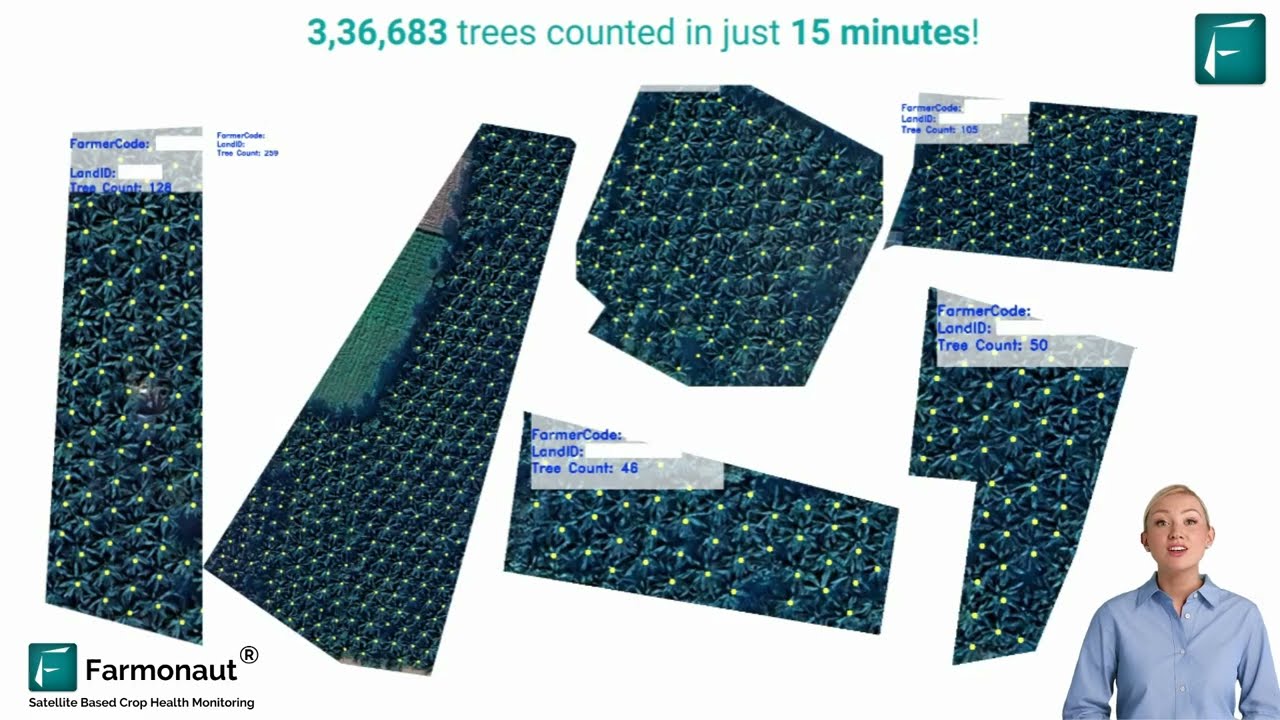
- 🌳 Agroforestry designs: Map individual tree growth, optimize pruning/thinning schedules with AI, and seamlessly document carbon sequestration for verified credits (check out Farmonaut’s Carbon Footprinting for such use cases).
- 🌲 Precision forestry pilots: Drones identify disease outbreaks in young saplings, while AI tracks thinning impact on future timber yield and stand resilience.
- 🐄 Livestock health monitoring: Drones equipped with thermal and RGB sensors provide real-time data, flag body condition declines, and integrate with AI dashboards for rapid intervention.
- 💧 Integrated nutrient and water management: Daily high-res mapping by drones enables variable rate irrigation and pinpoint-input scheduling (pesticide, fertilizer), drastically reducing waste and risk of contamination.
Key Benefits: Precision, Resilience & Sustainability for 2026
- ✔ Resource Efficiency: Targeted fertilizer, pesticide, and irrigation mapping results in lowered input costs and reduced environmental impact.
- ✔ Early Intervention: Rapid stressor detection (drought, pest, disease) means fewer losses and higher yields.
- ✔ Data-Driven Planning: Centralized dashboards unify data across crops, trees, and livestock, ensuring robust, cross-sector decisions.
- ✔ Sustainability: Improved nutrient cycling, biodiversity, and resilience to extreme weather, drought and labor shortages.
- ✔ Scalability: Begin with a pilot block and expand—the modular nature of drone-AI systems supports any farm size, from smallholder to vast enterprise.
Integrated farming examples worldwide highlight up to double-digit gains in overall productivity when drone-AI solutions are adopted holistically rather than piecemeal.
Challenges & Limitations
- ⚠️ Initial setup costs: Advanced drones and sensors require upfront investment, which recoups over time but may limit smaller farms at the start.
- ⚠️ Data management complexity: Multiple data sources (drone, AI, IoT, weather stations) require harmonized analytics, software, and storage solutions.
- ⚠️ Need for localized calibration: Out-of-the-box AI must be tuned for local threats, soil types, and weather to maximize effectiveness.
- ⚠️ Regulatory compliance: Drone flights and chemical applications must align with local aviation and safety standards.
- ⚠️ Training and upskilling: Farm staff may need new skills in drone operation, data analysis, and platform integration.
Neglecting to invest in either safety protocols or proper training can compromise drone operations and slow adoption of integrated workflows.
Farmonaut Solutions: Advancing Integrated Farming Systems
Farmonaut stands at the intersection of satellite, AI, and blockchain innovation, delivering scalable solutions that empower modern farmers to take full advantage of integrated drone-AI systems—without the exorbitant costs or unnecessary hardware hassles.
Our Android, iOS, and web/browser app platforms allow users to access multispectral imagery, large-scale farm management dashboards, and real-time analytics tailored for crops, livestock, and forestry.
Key Farmonaut technologies especially relevant for integrating drones with AI for farming include:
- Jeevn AI Advisory System: Real-time, satellite-driven insights & strategy recommendations for agriculture and forestry—optimized for both smallholders and enterprise-scale users.
- Blockchain Product Traceability: Trace agricultural products through every link in the supply chain, ensuring authenticity and securing carbon/biodiversity market access.
- Environmental Impact Monitoring: Track and document your farm’s carbon footprint to unlock premium carbon credits and support sustainability reporting.
- Fleet & Resource Management: Optimize drone and machinery usage, improve scheduling, and reduce operational costs via geospatial fleet tracking and system integration.
- Credit & Insurance Verification: Streamline agricultural financing and insurance products with satellite-based crop verification—eliminating fraud and accelerating approval.
For developers and agri-tech businesses, Farmonaut’s API lets you integrate satellite-data insights directly into apps, ERPs, and farm software stacks (see Developer Docs for implementation).
For forestry or plantation operation, you can begin leveraging integrated AI and remote mapping for crop, plantation, and forest advisory directly via Farmonaut’s apps.
Use Farmonaut’s scalable solutions to start with satellite-based monitoring and progressively integrate with in-field drone operations for a hybrid, cost-efficient approach—ideal for transitioning into full-stack precision farming.
Farmonaut Subscription Pricing
Subscription-based models drastically lower barriers—users can scale up integrated AI-farming solutions as their operations grow without heavy upfront capital costs.
FAQ: Integrating Drones & AI for Farming
- Q: What are the main benefits of integrating drones with AI in farming systems?
A: You achieve rapid, precise detection of crop health issues, optimized input applications, improved livestock management, and robust sustainability tracking—boosting yields, resource efficiency, and resilience. - Q: How do I get started with integrated farming using drones and AI?
A: Start by defining your crop/livestock/tree systems, choose drones with suitable sensors, adopt AI-enabled analytics, and standardize data collection with field mapping and farm dashboards. - Q: What technology stack does Farmonaut use?
A: Farmonaut provides satellite and AI-powered insights across web, mobile, and API, leveraging multispectral data, Jeevn AI advisory, blockchain, and advanced resource management dashboards. - Q: Can smallholder farmers benefit from integrating drones and AI for farming?
A: Absolutely—subscription models, progressive piloting, and easy-to-use interfaces help smaller farms access the same precision as large enterprises. - Q: How can I ensure regulatory and safety compliance with drones?
A: Always follow local aviation regulations, maintain safety protocols for chemical use, respect no-fly zones, ensure operator training, and use encrypted, privacy-compliant data management systems.
Combine satellite analytics with on-field drone scouting using unified dashboards—this hybrid strategy maximizes coverage, minimizes labor, and strengthens compliance across all integrated farming examples.
Conclusion: The Road Ahead (2026 and Beyond)
Integrating drones with AI for farming stands as the most pivotal technological leap of this decade. For integrated farming systems—with crops, livestock, and trees coexisting—the synergy of high-resolution data, real-time AI analytics, and scalable dashboards defines the path toward true resilience and profitability.
With solutions like those we offer at Farmonaut, businesses, individual users, and governments can now affordably unlock the full value of drone-AI integration—without the overhead of traditional infrastructure. Whether you start with satellite monitoring, transition to drone-based scouting, or deploy full-stack AI management, the future is now accessible to all.
By 2026, integrated animal farming, agroforestry, and multi-sectoral crop systems can all reap the rewards: higher yields, sustainable inputs, rapid response to environmental stresses, and transparent compliance for tomorrow’s most demanding markets.
It’s time to future-proof your farm—integrate, optimize, and thrive in a data-driven agricultural world.
Discussion
Questions, corrections or field experience? Share them below. First-time comments are reviewed before they appear, and your email is never published.
No comments yet. Be the first to add a question or your experience.

 Hydenmet
 Dirks Bros Farms
 Red August Group
 Farm Inc
 WeMe Global
 Agrotoken
 Blue BearX
 Insignito
 Croptimum
 DnCubed
 Field Capacity
 Indosistim Teknologi
 Liquify Digital
 CU Foods
 BeyondTech Global
 Rouge VC
 AgroGreen Dynamics
 Licence holder · Niger · Gold










