

Mistletoe Tree Impact: Powerful 2026 Strategies for Forestry



The Mistletoe Tree: Implications and Applications in Forestry and Agriculture in 2025
The mistletoe tree—while often considered a threat to forestry due to its parasitic relationship with host trees—plays a complex, dual role in forest systems. With infestations becoming more prominent due to climate shifts and intensified land use, a clear understanding of the mistletoe’s biology, ecological role, impact, and innovative management strategies is crucial for sustainable forestry and agricultural systems in 2025-2026.
Here, we dive deep into the mistletoe tree biology, its impact on host trees and crops, methods for control, integration of cutting-edge satellite and drone monitoring, and the future of mistletoe management.
Key Insight
Integrated, technology-driven mistletoe management will define timber yield, tree health, and biodiversity in forestry for 2026 and beyond.
Biological Overview of the Mistletoe Tree
The mistletoe tree belongs primarily to the families Loranthaceae and Santalaceae. This hemiparasitic plant is commonly found attached to a variety of host trees and shrubs. Unlike fully parasitic plants, mistletoe performs photosynthesis, but it also extracts water and nutrients from its host using specialized structures called haustoria.
Characteristics & Life Cycle
- 🌱 Hemiparasitic nature: Performs photosynthesis yet depends on hosts for water/nutrients.
- 🌿 Attachment: Grows on branches and stems of trees and shrubs, penetrating host tissues with haustoria.
- 🍃 Variety of hosts: Commonly found on oaks, pines, eucalypts, poplars, acacias, and fruit trees.
- 🔄 Dispersal: Relies on birds feeding on its sticky berries, aiding seed transfer and regeneration cycles.
- 🌳 Reproduction: Seeds germinate on new hosts, initiating infection cycles and spreading through forests and agroforestry systems.
The presence of mistletoe on host trees generally results in reduced vigor, reduced growth rates, and direct competition for vital resources.
Pro Tip
Early detection of the mistletoe tree, using multispectral imaging or satellite data, is the most cost-effective way to control infestations before they become severe—saving both timber and crop yields.
Mistletoe-Host Dynamics
- 🌲 Hosts: Pines, eucalypts, hardwoods, and fruit/nut trees often serve as targets.
- 📉 Impact: Severe infestations lead to branch dieback, increased susceptibility to pests and diseases, and possible mortality.
- ⚡ Resource Competition: Water and nutrient uptake is diverted from the host to the parasite, resulting in lower productivity.

Ecological Role and Significance of the Mistletoe Tree
While mistletoe is often viewed negatively by foresters, farmers, and land managers due to its parasitic nature, it plays a vital ecological role within forest ecosystems and agricultural systems.
Ecological Balance: Benefits & Risks
- 🐦 Biodiversity: Provides food (berries) and habitat for a wide range of fauna, including birds, insects, and mammals.
- 🍒 Seed Dispersal: Certain frugivorous birds are dependent on mistletoe berries for nutrition, helping disperse seeds.
- 🦋 Insect Diversity: Supports specialist insects, contributing to ecological cycles and natural pest regulation.
- 🌳 Forest Regeneration: Aids in regeneration cycles by serving as a food source during resource-scarce periods.
Common Mistake
Attempting to eradicate mistletoe tree entirely can destabilize natural ecosystems. Effective management focuses on reducing economic losses in targeted areas while maintaining biodiversity.
Environmental Implications & Context for 2026
- ⚠️ Loss of forest productivity occurs if infestations are uncontrolled, harming economic returns and livelihoods.
- ✅ Retention of ecological services requires precision approaches—mistletoe should be managed, not exterminated, ensuring sustainable forestry and agriculture.
- 🔄 Climate change is anticipated to increase infestation rates due to host tree stress, demanding improved monitoring and rapid-response management.
- ✔️ Mistletoe tree: Key player in both risk and resilience strategies for forestry
- 🔬 Advanced monitoring: Essential for reducing economic losses and maintaining host vigor
- 📈 Disease risk: Infestations increase vulnerability to secondary pests and diseases
- 🌳 Biodiversity: Conservation must be balanced against crop production and timber yield
- 🦉 Fauna support: Birds and animals rely on mistletoe for nutrition, especially in lean seasons

Impact of the Mistletoe Tree on Forestry and Agriculture in 2025
The impact of mistletoe tree infestations in forestry, crop production, and agroforestry systems has far-reaching economic, ecological, and management implications. The severity of influence depends on infestation levels, geography, climate, host tree species, and land use practices.
Direct & Indirect Economic Implications
- 📉 Timber Losses: Infestations reduce timber yield and quality, especially in valuable softwood plantations like pines and eucalypts.
- 💰 Revenue Impact: Unchecked mistletoe reduces the lifespan and productivity of commercial trees, leading to significant economic losses for forest owners and farmers.
- 🍏 Orchard & Nut Production: Presence of mistletoe in fruit and nut trees leads to reduced productivity and increased susceptibility to pests and diseases.
Investor Note
Increased mistletoe infestations can reduce asset value and yield in commercial forestry. Technology investment in advanced monitoring directly protects long-term forestry returns.
Plantation & Agroforestry Systems
- 🌳 Softwood plantations: Pines and eucalypts show higher susceptibility; infestations often result in costly branch pruning or early felling.
- 🍇 Orchards & nut groves: Weakened trees yield fewer and lower-quality fruits/nuts, lowering farm profits for those practicing agroforestry or mixed-crop production.
- 🌾 Crop-livestock systems: Shade trees and shelterbelts with mistletoe reduce pasture productivity and animal carrying capacity.
- 💡 Context for 2026: With climate change increasing tree stress, infestation rates are trending higher, reinforcing the need for innovative, sustainable solutions.

Innovative Monitoring Technologies for Mistletoe Tree Detection (2025-2026)
The future of mistletoe management lies in advanced monitoring. Emerging technologies such as satellite imaging, drone surveillance, sensor networks, and AI-driven analytics are empowering farmers and foresters to achieve early detection, rapid response, and sustainable control within large-scale landscapes.
Key Technologies Used for Mistletoe Tree Monitoring
- 🛰️ Satellite Imagery: High-res, multispectral data identifies chlorophyll changes, water stress, and parasite outbreaks across vast forest stands.
- 🚁 Drone Surveillance: Flexible, on-demand mapping using visual and thermal cameras to spot infestations via leaf and branch anomalies.
- 🌐 Sensor Networks: IoT devices on host trees deliver real-time health and moisture levels, flagging early infestation risk.
- 💻 AI & Machine Learning: Algorithms automatically analyze imagery for mistletoe’s signatures, enabling rapid and targeted interventions.
Comparison Table of Advanced Mistletoe Monitoring Technologies (2025-2026)
| Technology Type | Detection Accuracy (Est. %) | Implementation Cost (Est. USD/ha) | Monitoring Frequency (Est. Days) | Environmental Impact | Suitability for Large-scale Forestry |
|---|---|---|---|---|---|
| Satellite Imaging (Multispectral & AI) | 85-92% | $5-15 | 3-10 | Low | Yes |
| Drone Surveillance (Visual/Thermal) | 80-93% | $30-120 | 1-14 | Medium | Yes (costly for >500 ha) |
| Sensor Networks (IoT on Host Trees) | 70-88% | $60-220 | 1 | Low | Yes (best for research/trials) |
| Manual Surveillance & Sampling | 60-75% | $40-80 | 14-60 | Low | No |
| Helicopter or Aerial Flyover | 75-85% | $150+ | 2-12 | High | Yes (only for vast & remote) |


Tech Evolution
From manual scouting to satellite-driven detection, 2026 marks the highest ever accuracy and cost-efficiency in mistletoe management and forest health monitoring.
Modern Strategies for Mistletoe Tree Management
Integrated, data-driven mistletoe management is now the industry standard, ensuring both sustainable forestry and reduced economic losses in agroforestry and crop production systems.
- ✂️ Mechanical Control: Pruning infected branches or physically removing mistletoe clumps—most effective for small-scale or immediate interventions.
- 🧬 Biological Control: Utilizing natural enemies—such as specialist moths or birds—to suppress mistletoe populations naturally.
- 🧪 Chemical Control: Highly targeted herbicides applied with care to avoid host tree damage; new drones and injection systems (in development for 2026) promise safer, more precise applications.
- 🌲 Silvicultural Practices: Boosting host tree vigor through optimized fertilization, irrigation, and thinning to make hosts less susceptible to infestation.
- 🛰️ Technological Monitoring: Frequent re-assessment using satellite imagery and AI for timely interventions and spatial tracking.
Pro Tip
Combine remote sensing with ground-level verification for rapid, accurate mistletoe mapping across diverse forest and orchard systems.
Risk Mitigation and Efficacy
- ⚠️ Mechanical & manual: Labor-intensive, risk of regrowth if not regularly checked.
- 🧫 Biological: Works best as part of ecosystem-based approaches—not immediate or standalone solutions for severe outbreaks.
- 💊 Chemical: New targeted products for 2026 minimize off-target damage, but require robust monitoring.
- 🌳 Silviculture: Healthy, vigorous host trees (especially in managed plantations) resist infestation longer and yield higher returns.
- 🔍 Technology: Early warning via satellite/drones prevents widespread outbreaks and economic disaster.
Sustainability Note
Sustainable mistletoe control means balancing economic needs and natural benefits—never striving for total elimination, but for system-wide resilience and biodiversity.
Farmonaut: AI and Satellite-Driven Monitoring for Sustainable Mistletoe Management
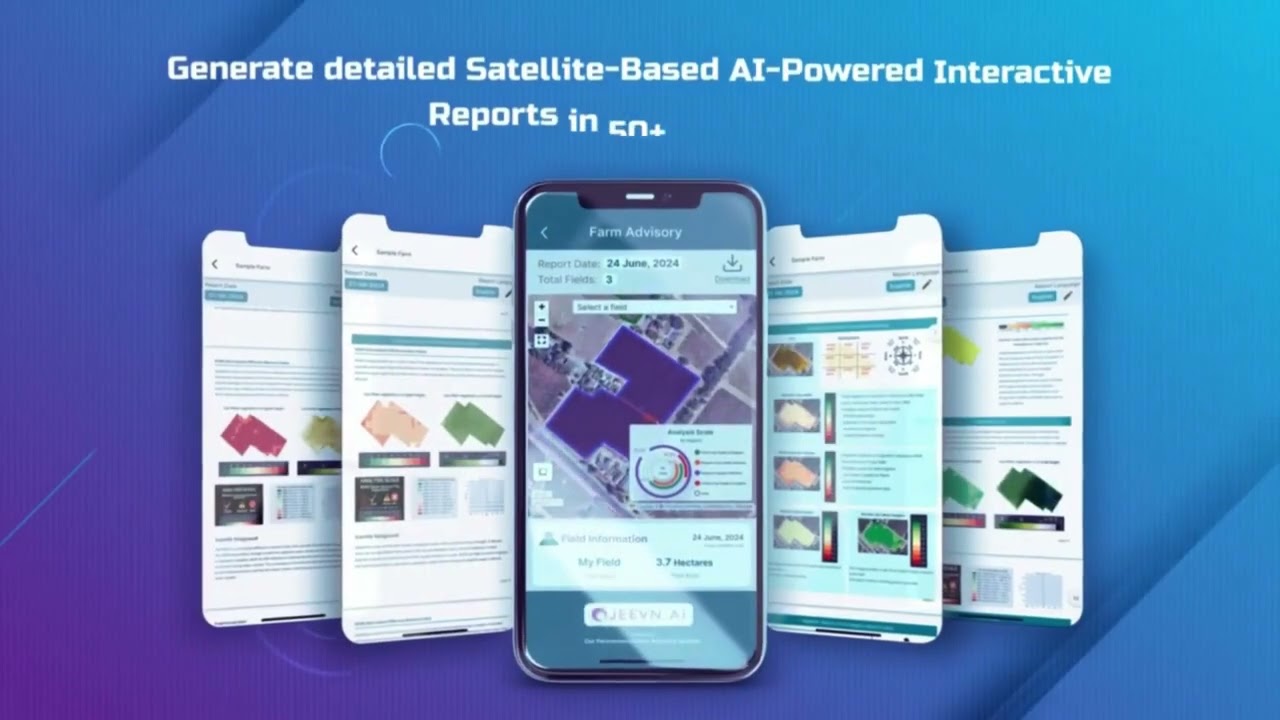
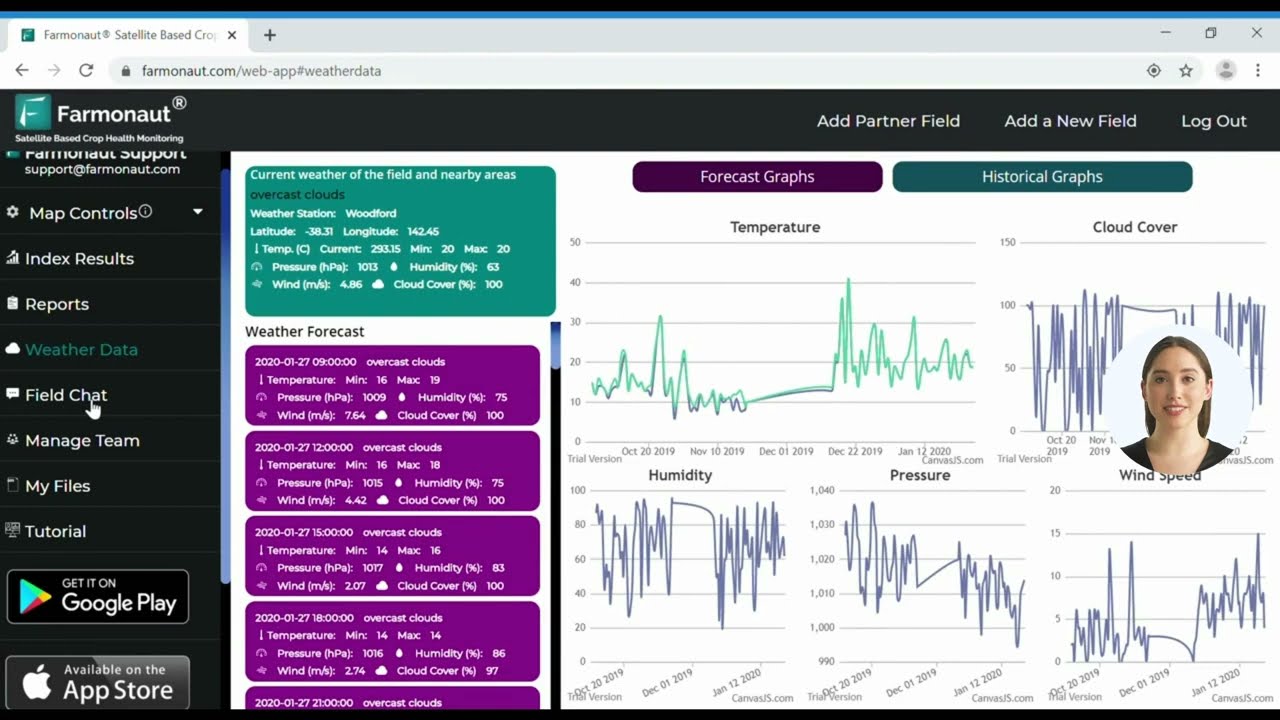
At Farmonaut, we recognize the critical role of high-resolution, affordable satellite imagery and AI-based analytics in revolutionizing mistletoe tree monitoring. Our solutions support forest managers, farmers, and governments in detecting, localizing, and responding to infestations with unprecedented precision and speed.
Whether through our large-scale forestry management platform, API integrations for custom forestry software, or the user-friendly mobile and web app, our technology places powerful, sustainable mistletoe management in the hands of all stakeholders.
How Farmonaut Empowers Forestry & Agriculture for 2026
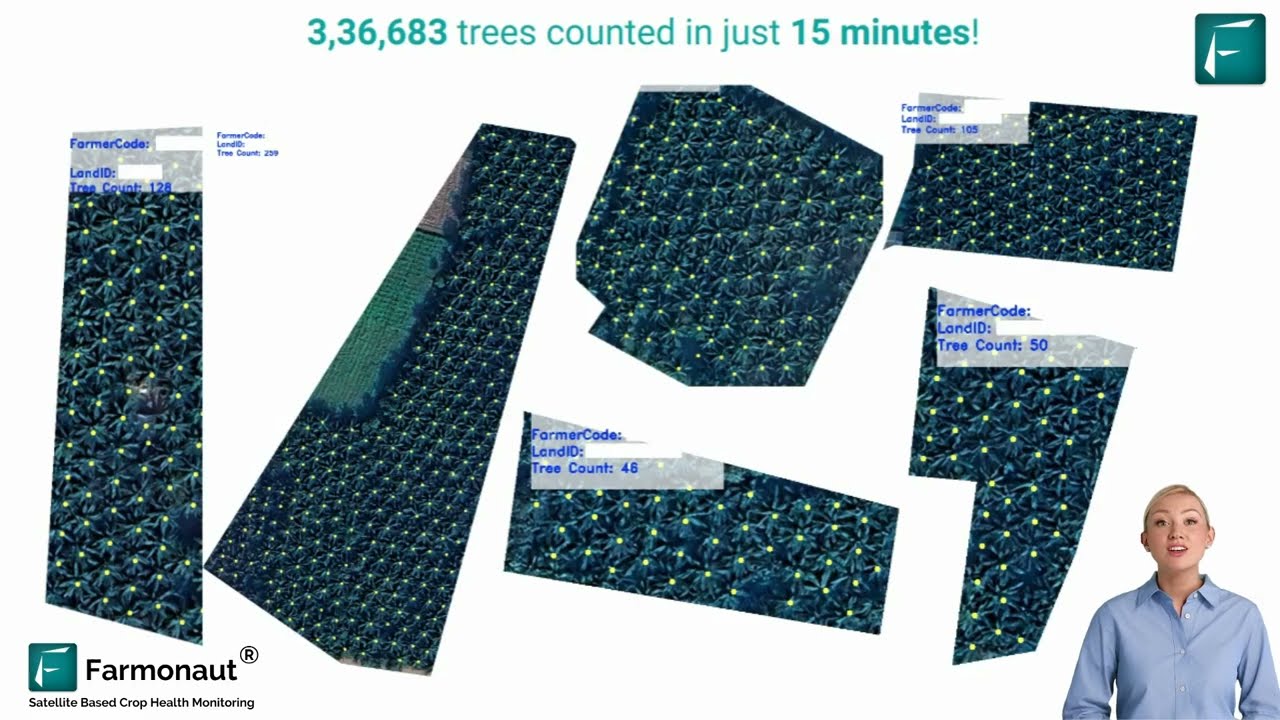
- 📊 Detect: Multispectral satellite images (NDVI, GCI, NDWI) reveal forest health, highlighting mistletoe-related stress even before visible symptoms.
- ⏰ Monitor: Frequent, scheduled scans (as fast as every 3-7 days) ensure timely warning when parasitic infestation thresholds are crossed.
- 🎯 Targeted Response: Automated alerts and AI-driven reports pinpoint infestation clusters for physical/chemical/bio control dispatch.
- ♻️ Sustainability: Environmental impact tracking allows managers to measure overall carbon sequestration and maintain biodiversity despite interventions.
- 🔐 Traceability: Blockchain-based traceability secures data on timber source, harvests, and pest interventions, critical for certification and transparent reporting.
For those needing to integrate mistletoe and tree health monitoring in their enterprise apps, our detailed API developer documentation provides guidance for seamless, scalable implementation.
Insurance Insight
Satellite-based verification from Farmonaut streamlines crop loan and insurance for those at risk of mistletoe-induced losses by providing accurate, third-party validated forestry health records.
Applications & Benefits of Advanced Mistletoe Tree Monitoring in Forestry and Agroforestry
The advanced, technology-driven strategies for mistletoe tree management are ushering in a new era of sustainable forestry, increasing system-wide resilience, and reducing economic losses. Below, we summarize key benefits, supported by current research and field insights.
- 🔍 Fast, Accurate Detection – Satellite and drone solutions identify infestations at scale before severe damage occurs
- 📈 Increased Timber & Crop Yields – Early warning and rapid response prevent long-term productivity losses in forest and agricultural systems
- ♻️ Environmental Protection – Integrated management strategies safeguard habitat value, conserve biodiversity, and promote carbon sequestration
- 💡 Resource Optimization – AI-driven monitoring platforms like Farmonaut optimize human and chemical resources, reducing unnecessary interventions
- 🛡️ Risk Mitigation – Data-backed risk profiles support better policy, investment, and insurance decisions, especially in high-stake commercial forestry regions
Want to optimize field operations around your forest plantation, including timely physical intervention for mistletoe control? Check out Farmonaut’s fleet management tools for agricultural and forestry resource tracking.
Future Outlook: Mistletoe Tree and Sustainable Forestry Strategies (2026+)
As we look ahead, the intersection of ecological understanding, advanced monitoring technologies, and integrated management strategies will shape the outcome of mistletoe tree infestations in forestry and agriculture.
- 🛰️ Greater Satellite Access: Costs for high-resolution mapping continue to drop, empowering even smallholder foresters and farmers worldwide
- 🤖 Deeper AI Integration: Predictive models will accurately anticipate mistletoe outbreaks before they materialize, prioritizing intervention resources
- 🌍 Global Traceability: Regulatory and market pressures drive forestry towards blockchain-enabled transparency in tree health records and pest interventions
- 💡 Dynamic Policy: Responsive regulatory frameworks (influenced by real-time remote sensing) increase adoption of sustainable, biodiversity-first management
- 💚 Net-zero Goals: Incorporating environmental metrics—like carbon footprinting—ensures forestry and agroforestry contribute to climate mitigation, not just economic output
FAQ: Mistletoe Tree Impact and Management FAQ for 2026 & Beyond
How does mistletoe tree infestation reduce forest productivity?
Mistletoe tree draws essential water and nutrients from its host tree, causing reduced vigor, slower growth, branch dieback, and occasionally tree mortality. In unmanaged forests, this can reduce tree growth by up to 30%, directly affecting timber yields.
Which monitoring technology delivers the highest accuracy for mistletoe detection?
As of 2026, AI-driven satellite imaging and drone surveillance offer the highest detection accuracy for mistletoe, at 85-93%, while remaining cost-effective for large-scale forestry monitoring.
What’s the ideal management strategy for severe mistletoe infestations?
An integrated approach is key: Early detection via technology, followed by targeted mechanical removal, biological control using natural enemies, and boosting host vigor while avoiding broad-spectrum chemicals.
Can mistletoe ever be completely eliminated?
Very unlikely, and not ecologically advisable. Mistletoe plays a biodiversity role. The goal is sustainable control in economic zones rather than eradication.
How can Farmonaut help in integrated mistletoe monitoring for forestry operations?
We offer affordable, scalable satellite monitoring, AI analysis, and real-time platform tools for actionable mistletoe management insights for foresters, farmers, businesses, and governments.
Conclusion: Powerful, Sustainable Mistletoe Tree Management for 2026 and Beyond
The mistletoe tree remains a challenge—and an opportunity—across forestry and agricultural landscapes worldwide. The key to long-term, sustainable impact is integrated, tech-driven management that respects ecological balance, drives economic resilience, and harnesses the latest in remote sensing, AI, and data-driven decision making.
As climate pressures and the need for sustainable production mount, stakeholders who invest in proactive, precision monitoring and balanced ecological strategies will enjoy the greatest returns in timber yield, biodiversity, and ecosystem health.
Start your mistletoe monitoring journey with Farmonaut:
Discussion
Questions, corrections or field experience? Share them below. First-time comments are reviewed before they appear, and your email is never published.
No comments yet. Be the first to add a question or your experience.

 Chimera Innovation
 Hiteshi Infotech
 Clubhouse OS
 Progenseed
 SkyHarvest
 Polaris Digitech
 Teledarbas
 Wild Oak Farm
 SFX
SFX BACF Africa
 Doodlakine
 Exurbia Geospatial
 FieldZero
 Indico Company
