

Newest Technologies in Agriculture 2025: Agritech Guide
Introduction: The Profound Transformation of Agriculture in 2025
The agriculture sector stands on the brink of a profound transformation in 2025, powered by the newest technologies in agriculture. As the global population continues to rise and climate change poses significant challenges, our collective approach to farming must evolve. The adoption of precision agritech technologies, automation, gene editing, and vertical farming is becoming essential to meet the increasing demands for food while preserving environmental health.
These latest technologies in agriculture, designed to enhance productivity, sustainability, and resource efficiency, are reshaping the future of food production, crop management, and sustainability worldwide. In this comprehensive guide to the newest technology in agriculture for 2025, we explore the breakthroughs driving this agricultural transformation, from AI-powered sensors and drones to blockchain, automation, and renewable energy integration.
Agritech Trivia
“Over 60% of new crop varieties in 2025 will utilize gene editing for improved yield and resilience.”
Precision Agriculture: The Dawn of Data-Driven Farming
Of all the newest technologies in agriculture, precision agriculture stands as one of the most impactful developments for 2025. By utilizing satellites, drones, sensors, IoT (Internet of Things), and AI platforms, farmers can now monitor crops and farm health with unprecedented detail. The integration of these agriculture technologie solutions is reshaping how farms optimize resources such as water, nutrients, and energy.
How Precision Agriculture Works: Core Technologies
- Satellite Imagery: Offers real-time overview of soil moisture, health status, and even crop growth rates across entire regions.

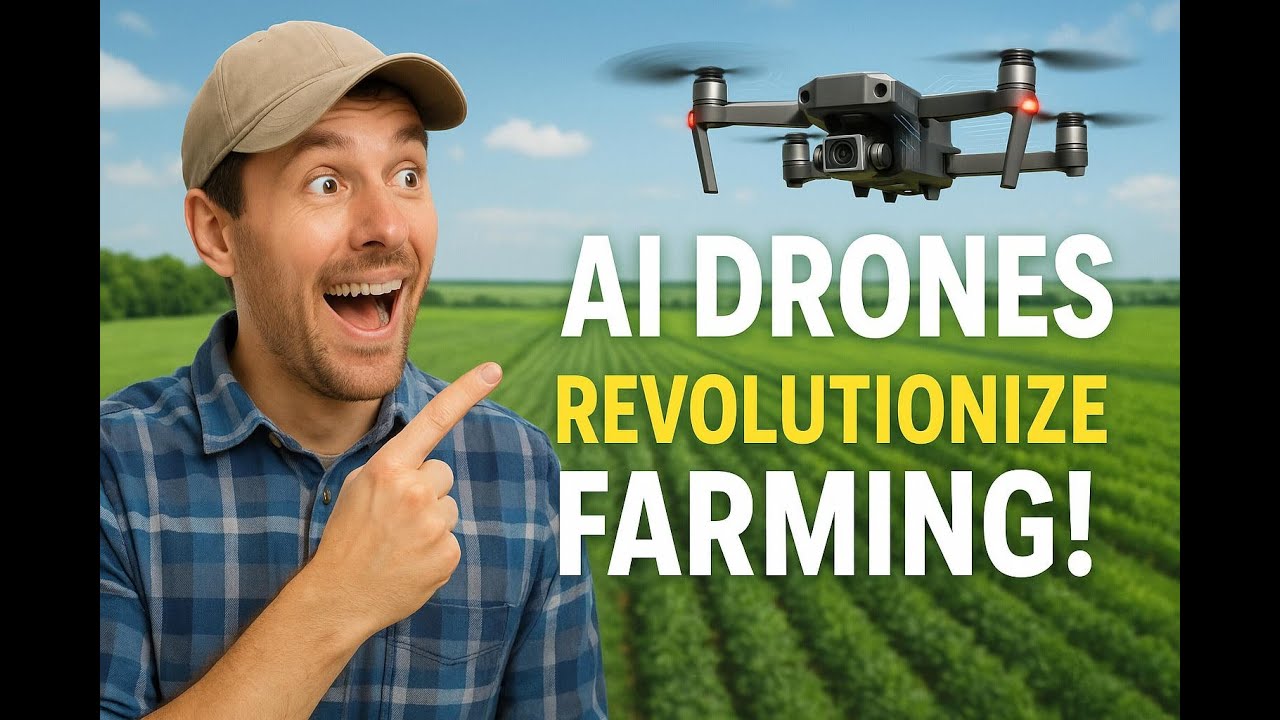
- Drones: Equipped with multispectral cameras and spraying mechanisms, they monitor and precisely apply inputs over specific field zones.
- Sensors & IoT Devices: Monitor soil moisture levels, temperature, humidity, and nutrient status with minute precision, generating actionable data for smarter irrigation and fertilization.

- AI-Powered Analytics Platforms: Integrate and analyze data from all sources, providing advisory insights on irrigation, pesticide scheduling, and crop health management.
Important examples include the use of soil moisture sensors, which enable tailored irrigation schedules, conserving precious water resources in drought-prone regions. By analyzing historical weather data and real-time crop status, these platforms recommend targeted actions, reducing waste and costs while improving yields.

Precision Agriculture in Action: Benefits in 2025
- Reduced Input Waste: Precise application of fertilizer, pesticide, and water can reduce waste by 30% or more, contributing to sustainability.
- Higher Yields: Data-driven seed spacing and disease detection improve crop uniformity and productivity.
- Lower Costs: Targeted use reduces overall spending on chemicals and labor.
- Environmental Stewardship: Fewer inputs means less runoff and lower risk of soil and water contamination.
Farmers adopting these newest technologies in agriculture can not only improve on-farm efficiency but also ensure food security for growing populations.
Accessing Precision Agriculture Data
Modern platforms—like our Farmonaut Crop Plantation & Forest Advisory App—empower users to gain satellite insights affordably on Android, iOS, and the web. These solutions deliver real-time monitoring, AI-based advisories, and environmental impact tracking for farms of all sizes.



Automation & Robotics: The Rise of Autonomous Agriculture
In 2025, automation and robotics have gained unprecedented traction among leading agritech technologies. Autonomous tractors, seed planters, and robotic harvesters equipped with advanced machine vision systems are transforming labor-intensive farming into a highly productive, technology-driven process.
These machines are equipped with state-of-the-art sensors and AI, reducing dependency on manual labor and ensuring consistent planting, weeding, and harvesting. Specialized robots scan fields for weeds or pests, minimizing herbicide usage and detecting diseases early—resulting in healthier crops, better uniformity, and reduced post-harvest losses.
Key Features of 2025 Agricultural Robotics
- Autonomous Machinery: Tractors and harvesters that self-navigate fields using GNSS and AI.
- Robotic Weeders: Identify and mechanically remove weeds, minimizing herbicide application.
- Drone Sprayers & Monitors: Apply precise doses of agrochemicals and monitor crop status for rapid intervention.
- Field Robots: Conduct specialized tasks such as fruit-picking, transplanting, and monitoring plant growth conditions.
Automation in farming not only relieves the rising labor pressure in rural areas but improves efficiency, reduces operational costs, and optimizes land use.
By 2025, precision automation is projected to reduce agricultural input waste by up to 30% globally.
Platforms like Farmonaut Fleet Management help optimize the deployment and efficiency of these machines across large-scale and smallholder farms, delivering controlled cost reduction and sustainability. This robust solution enhances vehicle usage, ensures safety, and streamlines real-time logistics—vital for managing autonomous agricultural fleets.
Gene Editing & Biotechnology: The Genetic Revolution
The latest technologies in agriculture extend to the genetics lab, where CRISPR gene editing and biotechnology breakthroughs are fostering a new generation of super crops. Over 60% of new crop varieties in 2025 utilize gene editing to improve yield, pest resistance, climate resilience, and nutrient content.
Key Insight: Biotechnology Advancements Enhancing Crop Security and Growth
- Genome-Edited Crops: CRISPR-Cas9 and TALEN enable targeted changes to plant DNA, making crops more resilient to diseases, pests, and environmental stress.
- Microbiome Engineering: Manipulating soil and plant microbes to enhance nutrient uptake, suppress pathogens, and boost growth without chemical inputs.
- Biofortification: Gene editing increases nutrients like vitamin A, iron, or zinc in staple crops, directly addressing hidden hunger and malnutrition.
- Longer Shelf Life: Edited genes slow down natural spoilage, reducing food waste from farm to table.
These agricultural technologies offer solutions vital for food security and sustainable agriculture under rapidly changing climate conditions.
“By 2025, precision automation is projected to reduce agricultural input waste by up to 30% globally.”
Farmonaut & Data-Driven Advisory: Supporting Biotechnological Adoption
Our Farmonaut Carbon Footprinting module helps farms monitor their environmental impact and adopt more sustainable practices in line with advances in biotechnology. Coupled with Jeevn AI Advisory and environmental monitoring, our platform empowers decision-making for gene-edited and resilient crop cultivation.
Vertical Farming & Controlled Environment Agriculture
Vertical farming and controlled environment agriculture (CEA) bring fresh agritech innovations to urban landscapes and regions with unreliable climate conditions. By layering crops in vertical stacks and using LED lighting, hydroponics, aeroponics, and AI-driven environmental controls, these systems minimize land and water use, and create year-round, local food supplies.
How Vertical Farms Work: Technology & Advantages
- Hydroponics/Aeroponics: Crops grow without soil, absorbing nutrients directly from solution or mist.
- LED Growth Lights: Custom spectrum lights maximize photosynthesis and crop yield.
- Automated Climate Controls: AI systems manage temperature, CO2, humidity, and day cycles for optimal crop development.
- Compact Land Footprint: Grows up to 10x more food per square meter than traditional fields, with minimal water usage and zero need for pesticides.
- Urban Integration: Located near consumers—reducing food miles, emissions, and spoilage.
Vertical farming is among the most scalable newest technology in agriculture—offering fresh produce regardless of outdoor weather or regional constraints.

Learn how vertical systems work in the field and see real examples with the Farmonaut platform, providing AI-based insights and real-time monitoring to support efficient CEA operations.
Blockchain in Agriculture: Transparency, Traceability & Trust
As consumers demand more information about the origin and quality of their food, blockchain is finding real-world purchase as one of the newest technologies in agriculture. Blockchain creates tamper-proof digital records that follow produce from field to table, authenticating organic claims, food safety, and fair trade status.
Key Benefits & Use Cases for Blockchain in Modern Farms
- Supply Chain Traceability: Every batch of crops is traced at each node—harvest, storage, transport, processing, retail.
- Product Authentication: Smart contracts verify organic status, quality standards, and resource use—building trust for both buyers and sellers.
- Fraud Reduction: Immutable ledgers prevent counterfeiting, dilution, and resource mismanagement.
- Streamlined Financing and Insurance: Trusted records help in farm-based finance and insurance decisions—reducing fraud and speeding up claims processes.
Our Farmonaut Traceability Solutions integrate blockchain into farming operations, making traceability accessible and affordable for producers of all scales.
Renewable Energy Integration in Modern Farms
New energy innovations are essential to meet the dual challenge of feeding the world sustainably and reducing agriculture’s carbon footprint. Solar-powered irrigation, on-site wind farms, and bioenergy from waste are increasingly integrated into both traditional and high-tech farms.
How Renewable Energy Powers Agricultural Transformation
- Solar Irrigation Pumps: Lower energy bills and enable remote, off-grid fields to access reliable water supply.
- Wind Turbines: Generate clean energy for big fields or vertical farms.
- Bioenergy: Converts crop residues and waste into usable fuel and soil amendments.
- Climate-smart Integration: Data from solar or wind power systems is fed back into the farm management platforms, optimizing schedules for irrigation, processing, or cold storage.
In 2025, combining renewable energy with the newest technologies in agriculture (like IoT-controlled pumps) supports zero-emission, future-proof food systems. Our environmental impact tracking tool on Farmonaut helps measure and manage this transition at every scale.
Farmonaut: Satellite Technology Solutions Enabling Modern Agriculture
As a pioneering satellite technology company, Farmonaut provides advanced, affordable, and accessible solutions to both large and smallholders worldwide. Our platform leverages satellite imagery, AI, blockchain, and machine learning to address key challenges in agriculture, helping farmers and businesses maximize productivity while tracking their environmental footprint.
Farmonaut’s Key Technologies: Feature Overview
- Satellite-Based Monitoring: Our multispectral imagery service delivers real-time crop health analytics, soil nutrient status, and loss prediction directly to users’ devices and APIs.
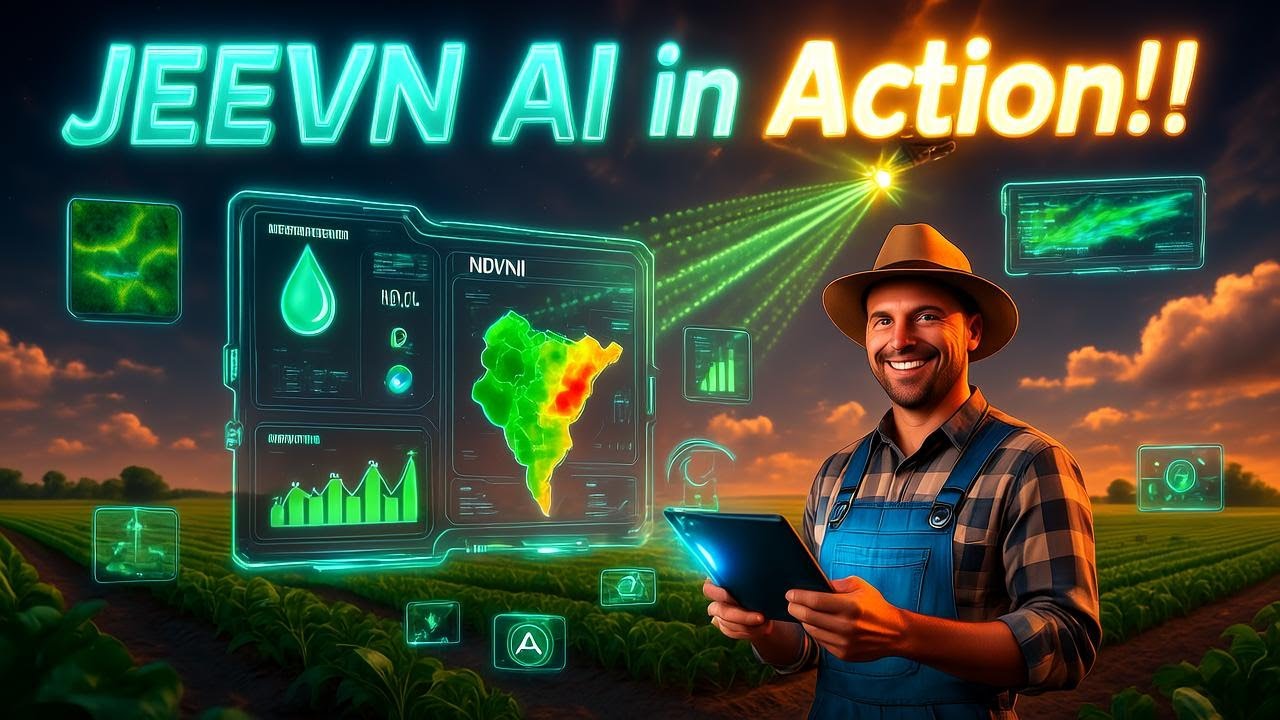
- Jeevn AI Advisory System: AI-powered decision support for optimized farm management, pest detection, and tailored risk mitigation—integrated with weather forecasts and satellite data.
- Blockchain-Based Traceability: Ensures food authenticity, transparency, and compliance for consumers and businesses alike.
- Fleet & Resource Management: Data-driven usage of farm machinery and logistics to reduce costs and boost field operation efficiency.
- Environmental Impact Monitoring: Track carbon emissions, water, and input usage to meet sustainability objectives and government standards.
The Farmonaut platform is accessible via Android and iOS apps, web systems, and API integration. Developers can tap into our powerful Farmonaut API and review in-depth instructions at our Developer Docs for seamless technology integration with existing platforms or agricultural software.
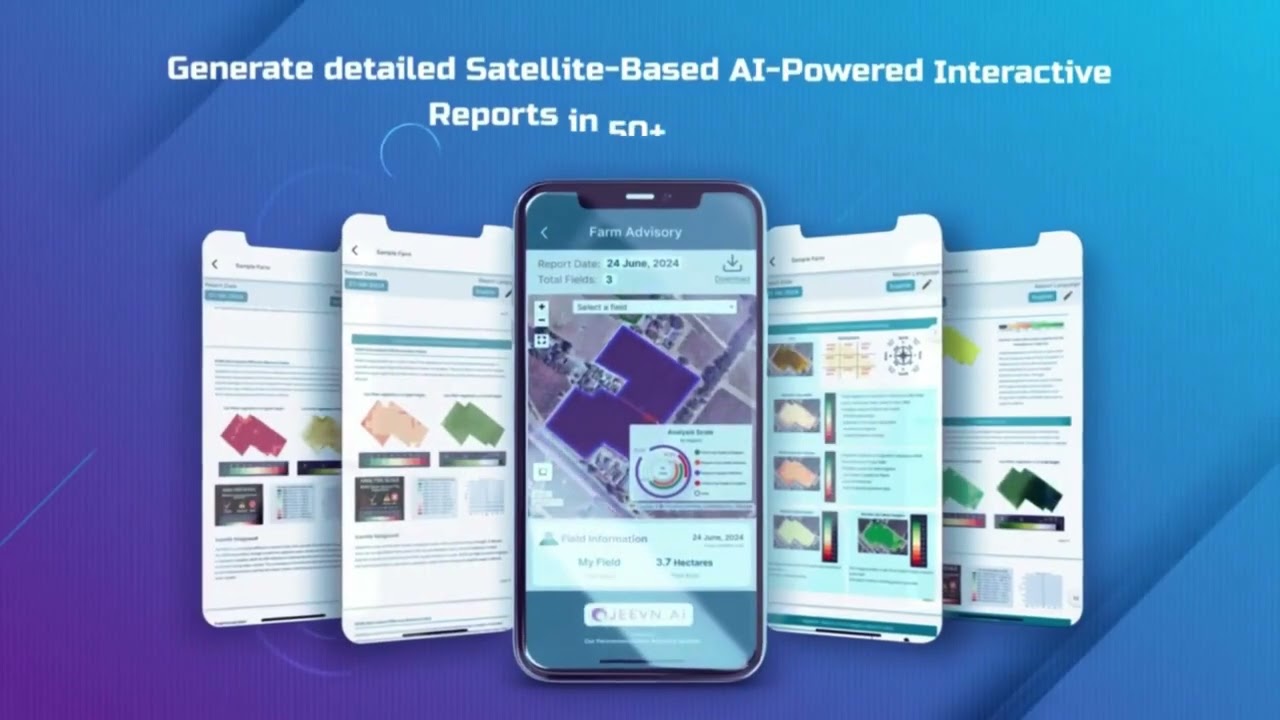
Our large-scale farm management tools allow agricultural enterprises and administrators to implement satellite and IoT-driven operations at scale—maximizing returns and reducing inefficiencies.
Farmonaut Subscription Plans: Start Your Satellite-Powered Transformation
Comparative Table: Leading Agritech Technologies & Estimated Impacts (2025)
| Technology | Key Features | Primary Applications | Estimated Benefits (2025) | Adoption Rate Forecast (2025) |
|---|---|---|---|---|
| Precision Agriculture | Satellite/Drones, Sensors, IoT, AI Platforms | Soil monitoring, irrigation optimization, targeted input application, crop health | Yield Increase: 15-25% Resource Savings: 25-40% Cost Reduction: up to 30% |
60-70% |
| Automation & Robotics | Autonomous vehicles, robotic weeders, AI vision, telematics | Automatic planting, weeding, harvesting, input reduction | Labor Cost Reduction: up to 50% Input Waste Cut: 30% Harvest Losses Reduction: 10-15% |
40-55% |
| Gene Editing & Biotechnology | CRISPR, trait stacking, microbiome enhancement, biofortification | Improved crop resilience, nutrient content, disease resistance | Yield Increase: 10-20% Resilience: up to 3x versus traditional crops Reduced chemical usage: up to 25% |
65-75% |
| Vertical Farming & CEA | Hydroponics, stacked growing, AI climate controls, minimal land use | Urban/controlled food production, herbs, leafy greens, high-value crops | Land Footprint Reduction: 70-95% Water Savings: 80-90% Food Miles: near zero |
20-30% |
| Blockchain Traceability | Immutable ledger, smart contracts, digital product passports | Farm-to-table traceability, fair trade, insurance, input verification | Fraud Reduction: up to 90% Consumer Trust: significant increase |
15-25% |
| Renewable Energy Integration | Solar pumps, wind turbines, bioenergy digesters | Emission reduction, off-grid operations, sustainable irrigation/power | Energy Cost Savings: 10-50% Carbon Footprint: significant drop |
35-45% |
Frequently Asked Questions (FAQ) – Newest Technologies in Agriculture 2025
- What are the newest technologies in agriculture for 2025?
- The newest technologies in agriculture in 2025 include precision farming (satellites, drones, sensors, AI), automation and robotics (autonomous tractors and robots), gene editing and biotechnology (CRISPR crops), vertical farming and CEA, blockchain for traceability, and renewable energy integration for sustainable farm operations.
- How does precision agriculture work in practice?
- Precision agriculture uses a combination of high-resolution satellite imagery, IoT soil sensors, drones, and AI analytics platforms to monitor crop status, optimize resource usage, and implement data-driven farming. Platforms like Farmonaut make these technologies accessible, helping farmers to reduce inputs, conserve water, and boost yields.
- Can small farmers benefit from these latest agriculture technologies?
- Yes, many of the agritech technologies are now affordable and easy to adopt for small and medium-scale farms. Satellite-driven apps, low-cost soil sensors, and mobile-based logistics management mean farmers of any size can participate in this technological revolution.
- What role does automation play in agriculture’s future?
- Automation reductions labor dependency and error, increases efficiency, and enables precision in planting, input application, and harvesting operations. This is crucial as rural workforces shrink and the need for high-efficiency, sustainable systems grows.
- How does Farmonaut support modern farming?
- We at Farmonaut offer satellite-based monitoring, AI-powered advisory, blockchain traceability, fleet and environmental management—all via mobile, web, and API. Our subscription-based tools are designed to make advanced insights affordable for all farm sizes, supporting higher productivity and sustainability.
- What are the benefits of vertical farming & controlled environments?
- Vertical and CEA farming maximize yields per square meter, dramatically reduce land and water consumption, eliminate pesticide use, and bring fresh produce closer to urban consumers, reducing spoilage and emissions.
- How is renewable energy changing the agricultural sector?
- Solar, wind, and bioenergy are helping reduce farming’s dependence on fossil fuels, lower operational costs, and support climate-smart farming. These sustainability measures are easier to manage and monitor when integrated into digital platforms supporting the newest technologies in agriculture.
Conclusion: Embracing the New Era of Agritech
The latest technologies in agriculture for 2025 present an unprecedented opportunity to redefine farming. Precision agriculture, automation, gene editing, vertical farms, blockchain, and renewable energy integration give farmers a holistic toolkit to address food security, environmental impact, and economic pressures.
By leveraging these agritech technologies, farmers and agribusinesses can enhance productivity, sustainability, and resource efficiency—ensuring that the world’s food systems are resilient and future-proof. At Farmonaut, we remain committed to making satellite-driven, AI-informed, blockchain-backed tools available to all, powering the next wave of agricultural transformation.
If you’re ready to start your journey with the newest technology in agriculture, discover Farmonaut’s unique solutions today, or explore our robust API for seamless integration into your own agricultural systems.

Discussion
Questions, corrections or field experience? Share them below. First-time comments are reviewed before they appear, and your email is never published.
No comments yet. Be the first to add a question or your experience.

 Indico Company
 Byju’s
 Kubota
 FFBS
FFBS Jontra
 Kalustyan
 Tucor
Tucor Geno
Geno Hayleys Agriculture
 Linx Agritech
 Adinet
 Save Your Soils
 Grandstream Algérie
 XOS Realty
 Licence holder · Niger · Gold










